比特币生态:狂热、挫折与复苏的曙光

marsbitPublished on 2025-05-13Last updated on 2025-05-14

从巅峰到低谷:一年的冰火两重天

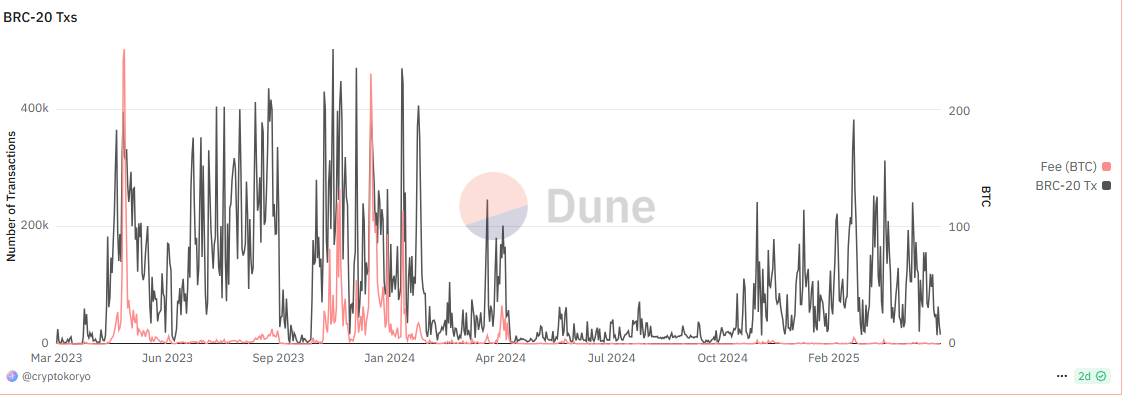
回想2024年春,比特币生态宛如一颗耀眼的超新星。BRC-20代币标准的兴起,依托Ordinals协议的铭文热潮,点燃了市场的狂热。铭文——将独特数据直接嵌入比特币最小单位“聪”(satoshi)的创新——让链上活动如火箭般起飞。ORDI等代币价格一飞冲天,部分资产在短短数周内市值翻倍甚至数倍。SATS、RATS等项目也加入狂欢,带来令人瞠目的回报。比特币链上交易量激增,Gas费用飙升,矿工收入水涨船高。这是一个黄金时刻,创新、投机与热情交织,仿若预示着比特币的新纪元——不仅作为数字黄金,更作为一个充满活力的去中心化金融(DeFi)平台。

然而,加密世界的热潮往往如昙花一现。到2024年中,比特币生态的叙事已从天堂跌入谷底。那些曾一飞冲天的代币——ORDI、SATS等——价格暴跌,从高点回撤超过95%。链上活跃度急剧萎缩,铭文交易量持续下滑,新项目发布节奏放缓到几乎停滞。社区情绪从高涨转为低迷,期待已久的空投令人失望,Runes协议——被寄予厚望的BRC-20进化版——在短暂热潮后迅速冷却。到2025年初,比特币生态不再是市场的宠儿,而是成了板块轮动的“反向指标”,象征着未兑现的潜力与投资者的疲惫。

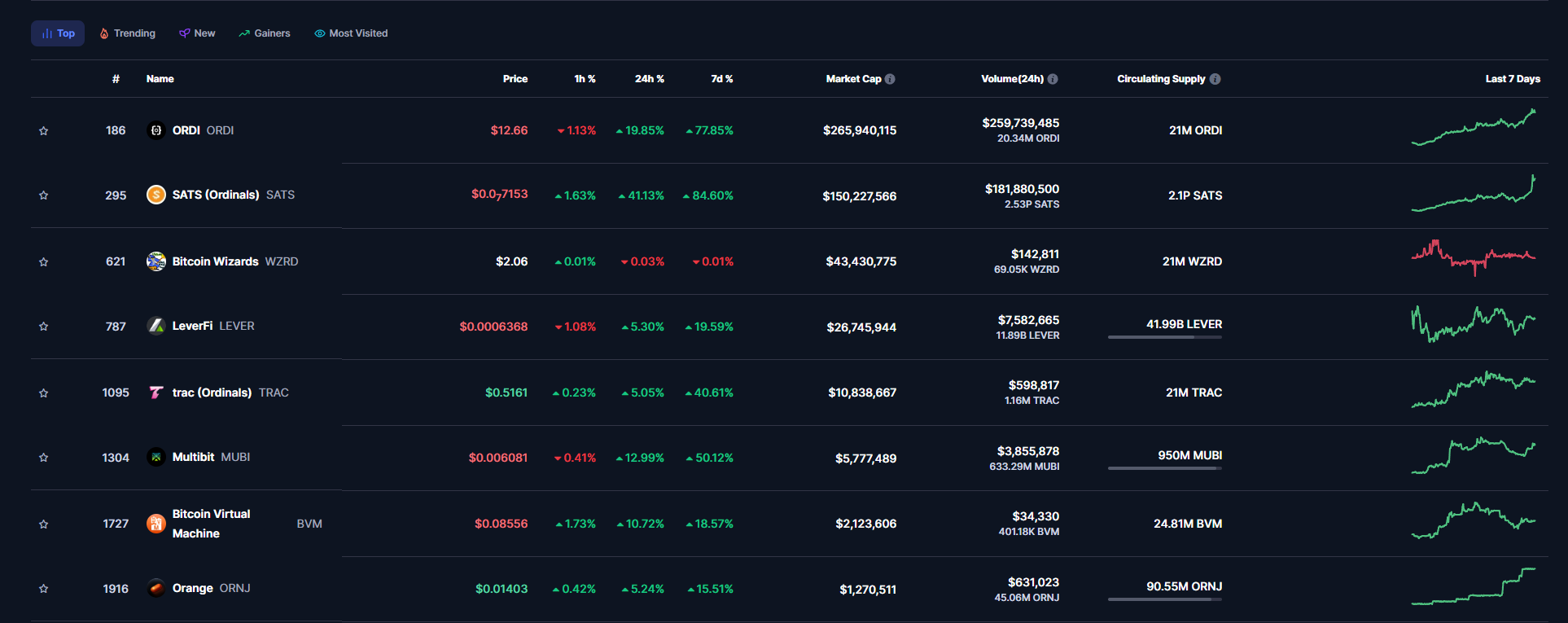
就在这低迷之际,过去一周,比特币生态突然焕发新生。ORDI在六天内暴涨近97%,PUPS以127%的涨幅成为反弹先锋,SATS从年内低点几乎翻倍,涨幅达87%。NALS、BANK、BounceBit(BB)等代币周涨幅在40%至80%之间,BRC-20与Runes的主流资产集体迎来修复。链上资金流入显著增加,市场目光再次聚焦这片沉寂已久的领域。这是一次短暂的回光返照,还是更大复苏的起点?要回答这个问题,我们需要剖析反弹的驱动力、生态的结构性困境,以及实现持久复兴所需的条件。
市场


反弹的逻辑:情绪修复与资金轮动

市场风格的切换:被遗忘者的反击

加密市场向来以周期性著称,比特币生态的这次反弹完美契合了“低预期反转”的经典逻辑。经过一年的持续抛售,生态内多数代币估值已被压缩到极致。ORDI、SATS等头部资产从高点跌超90%,被市场视为“无交易逻辑”的弃儿。然而,正是在这种绝望情绪中,反弹的火花往往悄然点燃。

这波行情的导火索,很大程度上来自市场风格的切换。以太坊此前在社区巨大质疑声中反弹50%,验证了低估值资产在情绪反转时的爆发力。这一现象激励资金流向更低估值、回调更充分的板块,而比特币生态——被市场冷落已久——成为天然的轮动目标。由于这些代币流动性较低,估值处于历史低位,少量买盘就能引发剧烈价格波动,造就了短期的惊人弹性。

投机的狂欢:边缘资产的魅力

反弹的另一推手是加密市场固有的投机属性。相较于比特币、以太坊等蓝筹资产的稳健走势,PUPS、BSSB等小众代币以高波动性吸引着短线资金。这些项目往往依托小众协议或迷因叙事,缺乏坚实基本面,却因高风险高回报的特性成为投机者的乐园。PUPS近期127%的涨幅便是例证:一个鲜为人知的代币,凭借市场情绪的点燃,迅速成为资金追逐的焦点。这种现象在加密市场并不新鲜,但它解释了为何比特币生态——拥有大量低市值代币——能在短时间内成为投机热土。

链上数据的回暖

链上数据也为反弹增添了佐证。BRC-20与Runes代币的交易量在数月下滑后出现企稳迹象,资金流入相关协议的规模有所回升。虽然远未恢复到2024年的峰值,但这一趋势表明部分投资者正在重新试水,可能是被低估资产的潜力吸引。ORDI与SATS作为生态的风向标,其领涨表现进一步增强了市场信心,带动了更广泛的资金回流。
市场

挥之不去的阴影:生态的结构性困境

尽管近期涨势令人振奋,但冷静观察不难发现,这更像是一次情绪驱动的修复,而非基本面反转的信号。比特币生态的深层问题依然存在,限制了其持续表现的潜力。

开发进展的停滞

比特币生态的核心困境在于进展缓慢。Ordinals协议自2023年掀起铭文热潮以来,“比特币原生DeFi”的愿景一直令人心动,但实际交付却乏善可陈。BRC-20标准虽然引发了热潮,但其设计粗糙,交易效率低,导致网络拥堵却未带来真正的功能性突破。Runes协议在2024年4月推出时曾被寄予厚望,一度占据比特币链上交易超60%的份额,但复杂的分发机制与糟糕的用户体验使其热度迅速消退,目前交易占比仅剩个位数。

开发者活跃度——生态健康的关键指标——也在下滑。多个核心项目的GitHub更新频率显著降低,技术社区的活力远不及以太坊或Solana。比特币的架构以安全与简洁为核心,限制了其可编程性,这让习惯了以太坊灵活性的开发者望而却步。如果没有强大的开发者基础,生态很难从投机乐园转型为功能性平台。

协议的分裂与热度的消散

比特币生态还面临协议分散的难题。BRC-20、Runes、Ordinals以及新兴的BRC-2.0、Alkanes等标准相互竞争,分散了流动性和用户注意力。这种分裂削弱了生态的网络效应,阻碍了长期增长。Runes的上线曾短暂点燃市场,但其复杂性与低效性导致用户流失。即将于2025年一季度在测试网上线的BRC-2.0承诺带来智能合约功能,但其实际效果仍待验证。

社区情绪同样低迷。空投效果不佳、项目进展缓慢,让许多投资者从兴奋转为失望。社交媒体上,关于ORDI、SATS的讨论已从看涨转为谨慎甚至冷漠。东西方市场的代币偏好差异——ORDI在亚洲更受欢迎,DOG等在西方更具号召力——进一步加剧了社区的分裂,削弱了凝聚力。

Layer 2的未解之谜

比特币的Layer 2(L2)解决方案被视为扩展DeFi功能的关键,但目前表现不佳。过去一年,超25个L2与侧链项目涌现,但大多数处于闲置状态,缺乏成熟产品与用户基础。BitcoinOS、B² Network等项目通过零知识证明技术在2024年锁定了1.1亿美元的DeFi资产,但与以太坊的Rollup生态相比,仍缺乏竞争力。如果L2无法提供引人入胜的用例,它们可能沦为空壳,进一步动摇市场信心。


未来之路:复兴的希望与挑战

比特币生态的反弹能否演变为长期趋势?答案取决于它能否解决结构性问题并兑现长期承诺。以下是实现复兴的关键要素。

产品落地:从愿景到现实

生态的最大短板是缺乏实用产品。要实现“比特币原生DeFi”的目标,开发者需要构建去中心化交易所、收益耕作协议或稳定币系统等功能性应用,与以太坊生态媲美。BitcoinOS的智能合约探索、BRC-2.0的代币创建简化,都是潜在的突破点。但这些项目必须从概念走向实际落地,吸引用户与资金。

开发者重振

重新点燃开发者热情至关重要。比特币的简洁性是其优势,也是限制,零知识证明与Rollup技术的进步表明,扩展性与可编程性并非不可兼得。Lightchain Protocol AI等项目的资助计划或许能激励开发者回归,但需要搭配更好的工具与文档,降低开发门槛。活跃的开发者社区不仅能推动创新,还能向市场传递生态的长期潜力。

社区凝聚与叙事重塑

比特币生态需要一个统一的叙事来凝聚社区。当前BRC-20与Runes的竞争、东西方市场的分裂,削弱了其吸引力。一个聚焦于比特币作为DeFi与现实资产(RWA)安全基础的叙事,或许能重新激发热情。社区驱动的迷因活动——如狗狗币的复兴——也能助力,但需以实质进展为后盾,避免沦为空洞炒作。

把握市场周期

加密市场由情绪驱动,比特币生态的低估值使其在牛市中具备爆发力。近期反弹表明,资金愿意押注高风险资产。如果比特币价格因机构采用与ETF流入持续上涨,生态代币可能受益于“光环效应”。未来几周的持续涨势将是关键,能否将怀疑者转变为信徒,取决于市场动能的延续。


Trending Cryptos

Related Reads

US CFTC Launches Broad Investigation into Polymarket, Is the Prediction Market Party Coming to an End?

The U.S. Commodity Futures Trading Commission (CFTC) is conducting a broad investigation into the prediction market platform Polymarket, focusing on its business practices including social media promotions. This follows a bipartisan letter from U.S. senators urging the CFTC to probe alleged fraudulent marketing tactics used to promote gambling-like products. The action coincides with a period of explosive growth for the prediction market sector, driven by events like the World Cup, with platforms like Kalshi and Robinhood reporting record trading volumes and revenue. The investigation signals a potential end to the sector's unregulated expansion and may lead to clearer federal oversight, particularly regarding investor protection and distinguishing prediction markets from traditional sports betting. The CFTC's move has also intensified a jurisdictional conflict with multiple U.S. states (including Kentucky and New York), which have sued platforms like Polymarket and Kalshi, accusing them of operating illegal sports betting and threatening state gambling tax revenues. Furthermore, the CME Group has sued the CFTC, challenging its approval of certain prediction market products. The report also highlights the political and capital interests intertwined with the industry. Donald Trump Jr. holds advisory and investment roles in both Kalshi and Polymarket, and the Trump administration has previously emphasized federal regulatory authority over these markets. The CFTC's investigation into Polymarket is framed as a step towards formalizing the industry's regulatory landscape, moving it from a phase of "wild growth" towards a more structured future.

marsbit1h ago

US CFTC Launches Broad Investigation into Polymarket, Is the Prediction Market Party Coming to an End?

marsbit1h ago

U.S. CFTC Launches Extensive Investigation into Polymarket, Is the Prediction Market Frenzy Season Cooling Down?

The U.S. Commodity Futures Trading Commission (CFTC) has launched a broad investigation into the prediction market platform Polymarket, focusing on its business practices including social media activities. This follows a bipartisan letter from U.S. senators urging the CFTC to probe allegations of paid influencer false marketing and fraudulent promotion of gambling-like products to American users. The investigation comes as the prediction market sector experiences explosive growth, largely driven by the World Cup. Weekly trading volumes have hit record highs, exceeding $14.4 billion, with platforms like Kalshi and Robinhood's new venture seeing significant activity. Major firms like Meta are also showing interest in the space. This regulatory scrutiny signals a potential end to the sector's "wild growth" phase. The CFTC's move also highlights an escalating jurisdictional conflict between federal regulators and state authorities. Over a dozen states, including Kentucky and New York, have sued platforms like Polymarket and Kalshi, accusing them of operating illegal sports betting, which threatens state gambling tax revenues. The CFTC is countersuing to assert its exclusive federal jurisdiction over these "event contracts" as derivatives. Furthermore, the CFTC's approval of Kalshi's Bitcoin perpetual futures contract has sparked a lawsuit from traditional exchange CME, alleging regulatory overreach. The political and capital landscape is intricate, with Donald Trump Jr. holding advisory roles and investments in both Kalshi and Polymarket. This connects capital, political influence, and regulatory bodies, suggesting the current investigation may be a step toward formalizing the industry's rules rather than halting its progress.

Odaily星球日报2h ago

U.S. CFTC Launches Extensive Investigation into Polymarket, Is the Prediction Market Frenzy Season Cooling Down?

Odaily星球日报2h ago

Trading

Spot

Hot Articles

What is $BITCOIN

DIGITAL GOLD ($BITCOIN): A Comprehensive Analysis Introduction to DIGITAL GOLD ($BITCOIN) DIGITAL GOLD ($BITCOIN) is a blockchain-based project operating on the Solana network, which aims to combine the characteristics of traditional precious metals with the innovation of decentralized technologies. While it shares a name with Bitcoin, often referred to as “digital gold” due to its perception as a store of value, DIGITAL GOLD is a separate token designed to create a unique ecosystem within the Web3 landscape. Its goal is to position itself as a viable alternative digital asset, although specifics regarding its applications and functionalities are still developing. What is DIGITAL GOLD ($BITCOIN)? DIGITAL GOLD ($BITCOIN) is a cryptocurrency token explicitly designed for use on the Solana blockchain. In contrast to Bitcoin, which provides a widely recognized value storage role, this token appears to focus on broader applications and characteristics. Notable aspects include: Blockchain Infrastructure: The token is built on the Solana blockchain, known for its capacity to handle high-speed and low-cost transactions. Supply Dynamics: DIGITAL GOLD has a maximum supply capped at 100 quadrillion tokens (100P $BITCOIN), although details regarding its circulating supply are currently undisclosed. Utility: While precise functionalities are not explicitly outlined, there are indications that the token could be utilized for various applications, potentially involving decentralized applications (dApps) or asset tokenization strategies. Who is the Creator of DIGITAL GOLD ($BITCOIN)? At present, the identity of the creators and development team behind DIGITAL GOLD ($BITCOIN) remains unknown. This situation is typical among many innovative projects within the blockchain space, particularly those aligning with decentralized finance and meme coin phenomena. While such anonymity may foster a community-driven culture, it intensifies concerns about governance and accountability. Who are the Investors of DIGITAL GOLD ($BITCOIN)? The available information indicates that DIGITAL GOLD ($BITCOIN) does not have any known institutional backers or prominent venture capital investments. The project seems to operate on a peer-to-peer model focused on community support and adoption rather than traditional funding routes. Its activity and liquidity are primarily situated on decentralized exchanges (DEXs), such as PumpSwap, rather than established centralized trading platforms, further highlighting its grassroots approach. How DIGITAL GOLD ($BITCOIN) Works The operational mechanics of DIGITAL GOLD ($BITCOIN) can be elaborated on based on its blockchain design and network attributes: Consensus Mechanism: By leveraging Solana’s unique proof-of-history (PoH) combined with a proof-of-stake (PoS) model, the project ensures efficient transaction validation contributing to the network's high performance. Tokenomics: While specific deflationary mechanisms have not been extensively detailed, the vast maximum token supply implies that it may cater to microtransactions or niche use cases that are still to be defined. Interoperability: There exists the potential for integration with Solana’s broader ecosystem, including various decentralized finance (DeFi) platforms. However, the details regarding specific integrations remain unspecified. Timeline of Key Events Here is a timeline that highlights significant milestones concerning DIGITAL GOLD ($BITCOIN): 2023: The initial deployment of the token occurs on the Solana blockchain, marked by its contract address. 2024: DIGITAL GOLD gains visibility as it becomes available for trading on decentralized exchanges like PumpSwap, allowing users to trade it against SOL. 2025: The project witnesses sporadic trading activity and potential interest in community-led engagements, although no noteworthy partnerships or technical advancements have been documented as of yet. Critical Analysis Strengths Scalability: The underlying Solana infrastructure supports high transaction volumes, which could enhance the utility of $BITCOIN in various transaction scenarios. Accessibility: The potential low trading price per token could attract retail investors, facilitating wider participation due to fractional ownership opportunities. Risks Lack of Transparency: The absence of publicly known backers, developers, or an audit process may yield skepticism regarding the project's sustainability and trustworthiness. Market Volatility: The trading activity is heavily reliant on speculative behavior, which can result in significant price volatility and uncertainty for investors. Conclusion DIGITAL GOLD ($BITCOIN) emerges as an intriguing yet ambiguous project within the rapidly evolving Solana ecosystem. While it attempts to leverage the “digital gold” narrative, its departure from Bitcoin's established role as a store of value underscores the need for a clearer differentiation of its intended utility and governance structure. Future acceptance and adoption will likely depend on addressing the current opacity and defining its operational and economic strategies more explicitly. Note: This report encompasses synthesised information available as of October 2023, and developments may have transpired beyond the research period.

523 Total ViewsPublished 2025.05.13Updated 2025.05.13

What is $BITCOIN

Discussions

Welcome to the HTX Community. Here, you can stay informed about the latest platform developments and gain access to professional market insights. Users' opinions on the price of BTC (BTC) are presented below.

活动图片