Компания Trump Media хочет основать криптосервис TruthFi

cryptonews.ruPublished on 2022-05-22Last updated on 2024-11-22

Компания Trump Media and Technology Group (TMTG) подала заявку на регистрацию товарного знака для криптовалютного платёжного сервиса под названием TruthFi.

В тексте заявки указано, что платформа сосредоточится на криптовалютных платежах, управлении финансовыми транзакциями, торговле цифровыми активами и предоставлении услуг по хранению капиталов.

Как считают эксперты, эта инициатива является попыткой компании Trump Media диверсифицировать свой бизнес, выйдя за рамки Truth Social, социальной медиаплатформы, бизнес которой зависит от регулярности публикаций Трампом сообщений для своих самых преданных сторонников.

Аналитик по товарным знакам из Вашингтона Джош Гербен подчеркнул, что подача заявки является способом для Trump Media зарезервировать имя TruthFi на случай, если криптовалютный бизнес будет и дальше расширяться.

По его мнению, чаще всего компании резервируют названия на несколько лет, но в большинстве случаев используют их сразу же после получения соответствующего одобрения.

Ранее стало известно о том, что TMTG начала переговоры о покупке всех акций криптовалютной платформы Bakkt. По всей видимости, руководство компании намерено получить максимальную выгоду от криптоиндустрии, что, впрочем, неудивительно, если учесть характер самого президента США Дональда Трампа.


Related Reads

Mid-Year Review of U.S. Crypto Policy: CLARITY Gains Momentum for a Comeback, Who Will Lead the Second Half?

Mid-Point Review of U.S. Crypto Policy: CLARITY Act Gains Momentum, Who Will Lead the Second Half? The U.S. crypto industry is hopeful for a breakthrough as the Senate advances the CLARITY Act, but securing the necessary 60 votes requires bipartisan compromise. With only about 40 legislative days left, the path is tight. The policy agenda is crowded. Alongside CLARITY, multiple crypto tax proposals spun off from the new PARITY Act seek attachment to larger bills. The Blockchain Regulatory Certainty Act aims to codify developer protections, and key rules under GENUIS remain under negotiation. The CFTC operates with four vacant commissioner seats, creating uncertainty. A major unresolved battle is over which regulator—state authorities, the CFTC, or the SEC—will gain jurisdiction over prediction markets. The sector also faces the impending departure of two key advocates: SEC Commissioner Hester M. Peirce and Senator Cynthia Lummis. Industry leaders provided cautious perspectives. Sara K. Weed doubts CLARITY will pass this Congress, expecting agencies like the SEC to provide guidance instead. Sulolit "Raj" Mukherjee believes targeted crypto tax provisions have a real chance if attached to must-pass year-end legislation. Rashan Colbert highlights the CFTC's recent efforts to build a regulatory framework for the growing prediction markets sector, warning against an overly broad "gambling" classification that could stifle innovation. The second half of the policy year has begun. The window for action is narrow, but opportunities remain. Sustained bipartisan engagement is crucial for achieving substantive results.

Foresight News9m ago

Mid-Year Review of U.S. Crypto Policy: CLARITY Gains Momentum for a Comeback, Who Will Lead the Second Half?

Foresight News9m ago

Will the STRC Issue Price Determined by ChatGPT Lead to a Death Spiral?

A "death spiral" concerns surround the "STRC" preferred shares from MicroStrategy, a financial instrument designed by CEO Michael Saylor with significant AI consultation to trade near a $100 face value. Since its July 2025 launch alongside a ~40% Bitcoin (BTC) decline, STRC has traded at a discount, hitting a low of $82.53 and pushing its effective dividend yield above 12.9%. The debate centers on whether STRC's structure—which relies on MicroStrategy issuing more shares to fund Bitcoin purchases and dividends—is sustainable or a "centralized Ponzi scheme," as economist Peter Schiff claims. Skepticism grew after Saylor revealed the product's design involved extensive AI dialogue to create a legally viable, monthly-dividend, price-stable preferred share—a novel concept. MicroStrategy's recent sale of 32 BTC to cover dividends, coupled with a sharp slowdown in its weekly Bitcoin buys (from billions to ~$100 million in June), has intensified fears. The "at-the-market" equity issuance, a key funding mechanism, is paused while STRC trades below par. This raises the "death spiral" risk: a lower STRC price triggers automatic dividend rate hikes, increasing cash obligations and potentially forcing more share sales or Bitcoin divestments. Bullish analysts like Jesse Myers argue the sell-off stems from leveraged positions unwinding, not fundamental failure, noting the company can cover dividends for decades if BTC appreciates modestly. The shift to semi-monthly dividends and the high yield at discounted prices may attract new buyers. Major AI models (ChatGPT, Grok, Claude) suggest a return to $100 is possible but conditional on restored market confidence, sustainable dividend coverage without asset sales, and a Bitcoin price recovery. The critical test arrives as new dividend rules take effect June 30, likely raising rates again with STRC below $95. The central question remains: Can MicroStrategy fulfill its obligations without selling Bitcoin, or will the mechanism accelerate its own decline?

marsbit16m ago

Will the STRC Issue Price Determined by ChatGPT Lead to a Death Spiral?

marsbit16m ago

Why Did NVIDIA's Bond Issue Go Unnoticed While SpaceX's Caused a Plunge?

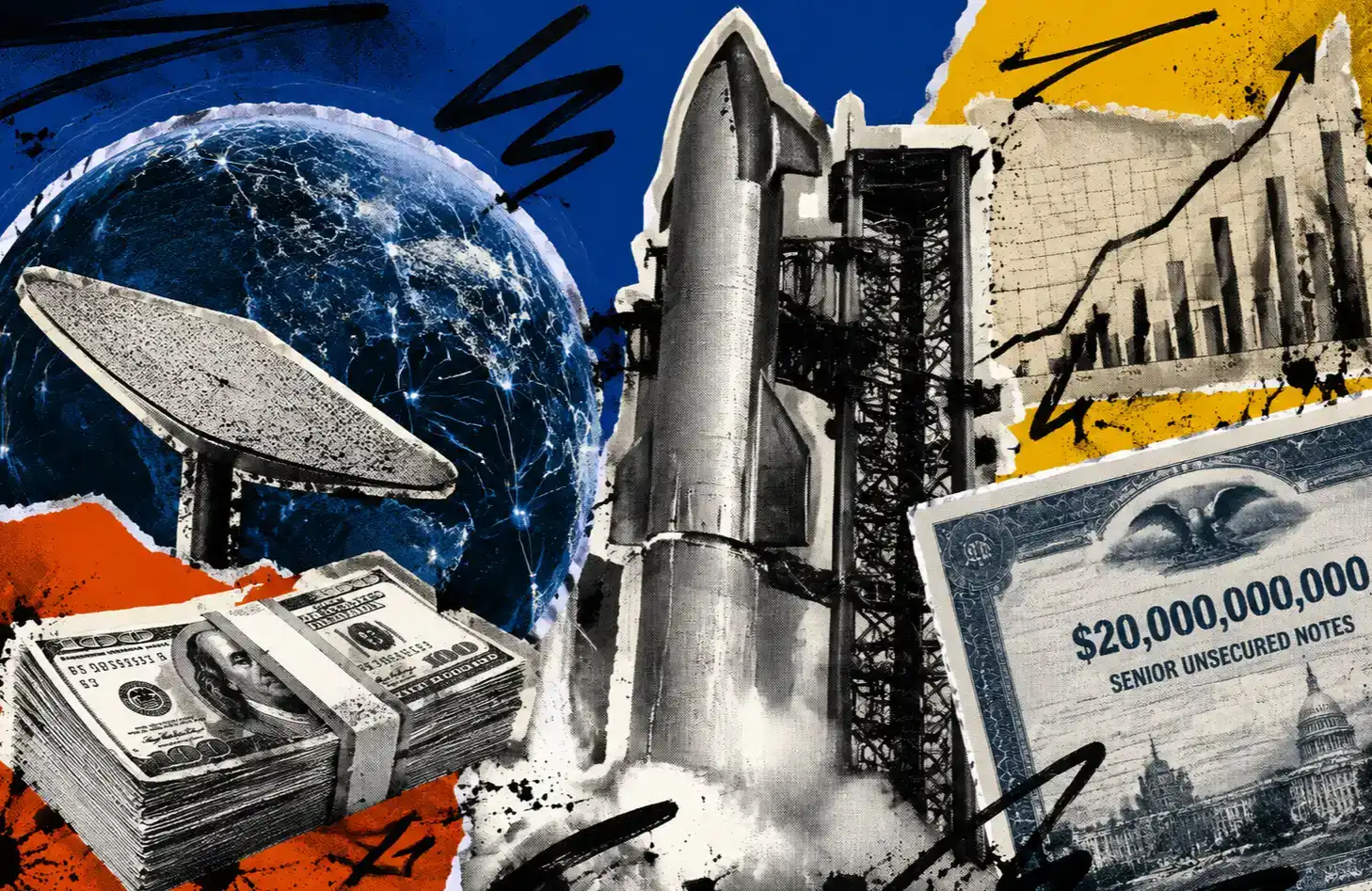
The article analyzes the contrasting market reactions to recent bond issuances by SpaceX and NVIDIA. While NVIDIA's $25 billion bond offering was met with strong demand and seen as securing long-term capital for its already profitable AI business, SpaceX's move to raise at least $20 billion in bonds (primarily to refinance bridge loans) triggered a sell-off in its stock (SPCX). The key difference lies in the stage of cash flow validation for their respective core narratives. For NVIDIA, the AI boom is generating substantial, visible revenue and profits, making debt a tool to amplify a proven growth curve. For SpaceX, despite a strong cash position post-IPO and a revenue-generating business in Starlink, its valuation is heavily tied to future, capital-intensive projects like Starship, global satellite networks, and potential AI infrastructure. The bond issuance acted as a trigger, shifting market focus from SpaceX's long-term vision to the pressing question of whether Starlink's profits can fund these ambitious, unproven ventures before they generate their own returns. Thus, the market penalizes not the act of borrowing itself, but the perceived gap between high capital expenditure and the speed of cash flow realization. SpaceX's valuation recovery hinges on demonstrating that Starlink's profitability can outpace the burn rate of its futuristic projects or that those projects (like Starship achieving reliable, low-cost reusability) can soon transition from costly visions to commercial realities.

marsbit21m ago

Why Did NVIDIA's Bond Issue Go Unnoticed While SpaceX's Caused a Plunge?

marsbit21m ago

Will the STRC Issue Price Determined by ChatGPT Really Fall into a Death Spiral?

"Strategy's" (STRC) preferred share, a financial instrument designed by CEO Michael Saylor in consultation with AI to trade steadily at $100, faces mounting pressure. Since its July 2025 launch alongside a ~40% Bitcoin price drop, STRC has traded at a steep discount, hitting a low of $82.53. This discount pushes its effective dividend yield above 12.9%. The core debate revolves around whether STRC's structure is sustainable or a "centralized Ponzi scheme," as economist Peter Schiff claims. The mechanism relies on issuing new shares ("at-the-market" offerings) to fund Bitcoin purchases and dividend payments. However, the deep discount has paused these ATM offerings, slowing Bitcoin accumulation and forcing a minor sale of 32 BTC to cover obligations. Proponents, like The Smarter Web Company's Jesse Myers, argue the sell-off is a leveraged unwinding, not a fundamental failure. They note Strategy has ample resources to cover dividends for years if Bitcoin appreciates modestly. The deep discount also makes STRC attractive for yield-seeking buyers, as dividends are calculated on the $100 face value. The key test is whether Strategy can maintain dividends without sustained Bitcoin sales. A critical watchpoint is June 30th, when STRC switches to semi-monthly dividends. An automatic rule will likely raise the dividend rate further because the price remains below $95$, potentially creating a "death spiral": lower prices trigger higher yields, increasing the cash burden and forcing more dilution or asset sales. The question of whether this AI-designed "flywheel" is a stable instrument or a flawed accelerator will be answered by its price action and Strategy's funding choices in the coming months.

链捕手21m ago

Will the STRC Issue Price Determined by ChatGPT Really Fall into a Death Spiral?

链捕手21m ago

Trading

Spot
Futures
活动图片