Anchorage digital为PayPal推出新的奖励计划

币界网Published on 2024-08-22Last updated on 2024-08-23

币界网报道:

Anchorage Digital是一家领先的加密货币原生银行和受监管的数字资产托管人,现在为在该平台托管PYUSD的客户提供赚取奖励的机会。该奖励计划旨在通过提供不涉及再抵押、质押或贷款的福利来吸引机构客户。

这种方法保证PYUSD在参与者的链上账户中保持完全可访问和隔离,从而在保持严格安全标准的同时实现快速部署。

PayPal USD(PYUSD)提供由美元支持的稳定币

PYUSD由PayPal于2023年2月推出,是一种完全由美元1:1支持的稳定币,由受监管的美国加密货币托管人Paxos Trust Company发行。PYUSD是以太坊区块链上的ERC-20代币,与Circle Internet Financial的美元硬币(USDC)等其他广泛使用的美元支持的稳定币竞争。

PYUSD比法定货币更具优势,包括可编程性、易于转账和自我托管。它在全球汇款中尤其受欢迎。

在最近的一份声明中,Anchorage Digital首席执行官Nathan McCauley强调了管理其国债资产的机构客户的安全性和可访问性的重要性。他说:

加密货币创新者希望将他们的国库现金投入使用,但不能在资产安全或可访问性方面妥协。内森·麦考利

Anchorage Digital的Porto增强了机构的自我监护选择

Anchorage Digital的Porto于2月推出,作为风险投资和主权财富基金用户的自我托管解决方案。此举是加密货币机构兴趣和监管日益增加的更广泛趋势的一部分。

Fireblocks最近还获得了纽约金融监管机构的批准,可以提供托管服务。与此同时,Coinbase托管信托、富达数字资产服务和PayPal Digital等其他主要参与者也获得了类似的许可。

自现货比特币ETF推出以来,对资产进行隔离功能和专业级保护的需求已成为一个关键的优先事项。因此,公司正在利用他们的技术,通过使托管安排易于访问,使客户和注册投资顾问(RIA)能够遵守新规则。

Trending Cryptos

Related Reads

In the AI Era, What's Left for Bitcoin?

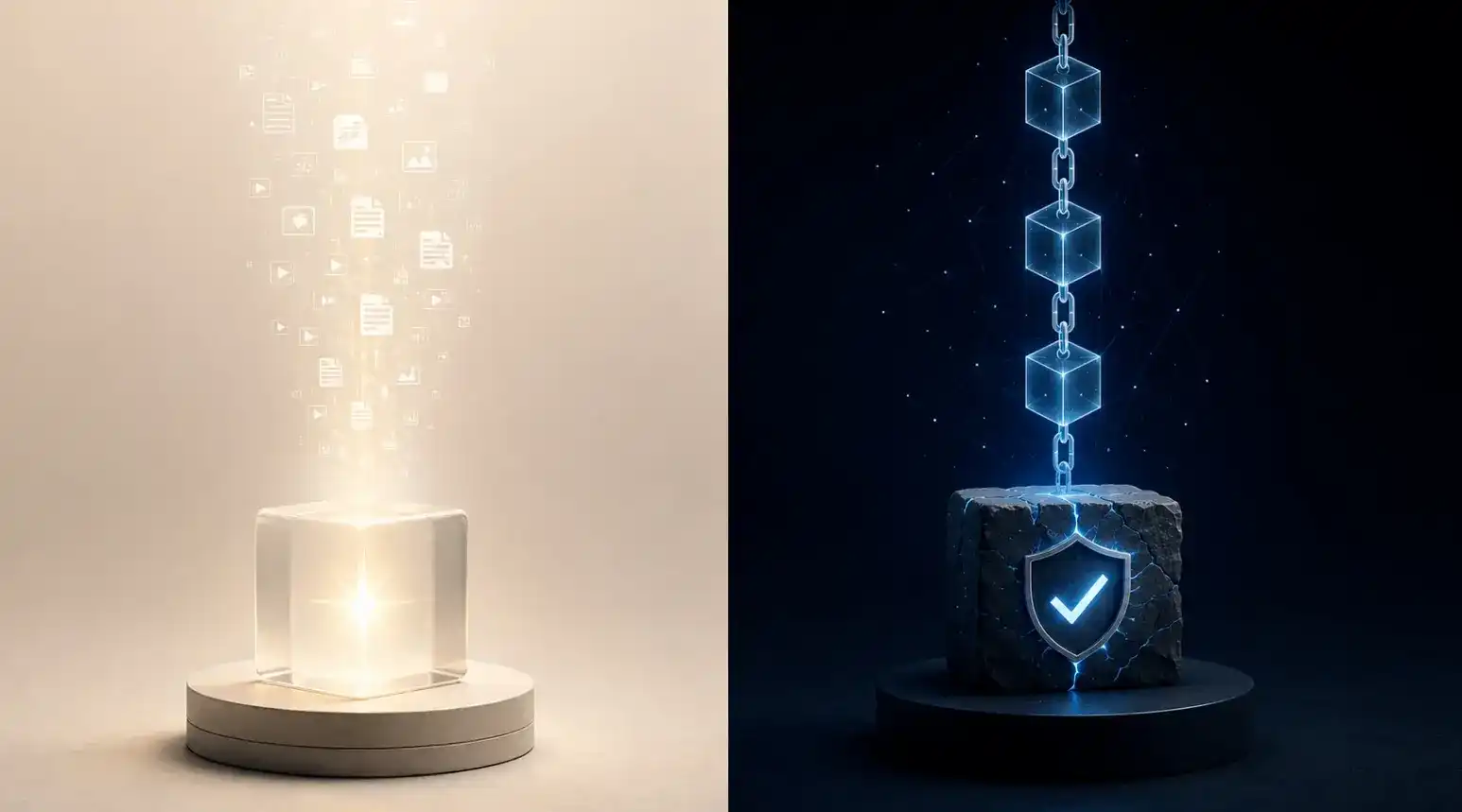
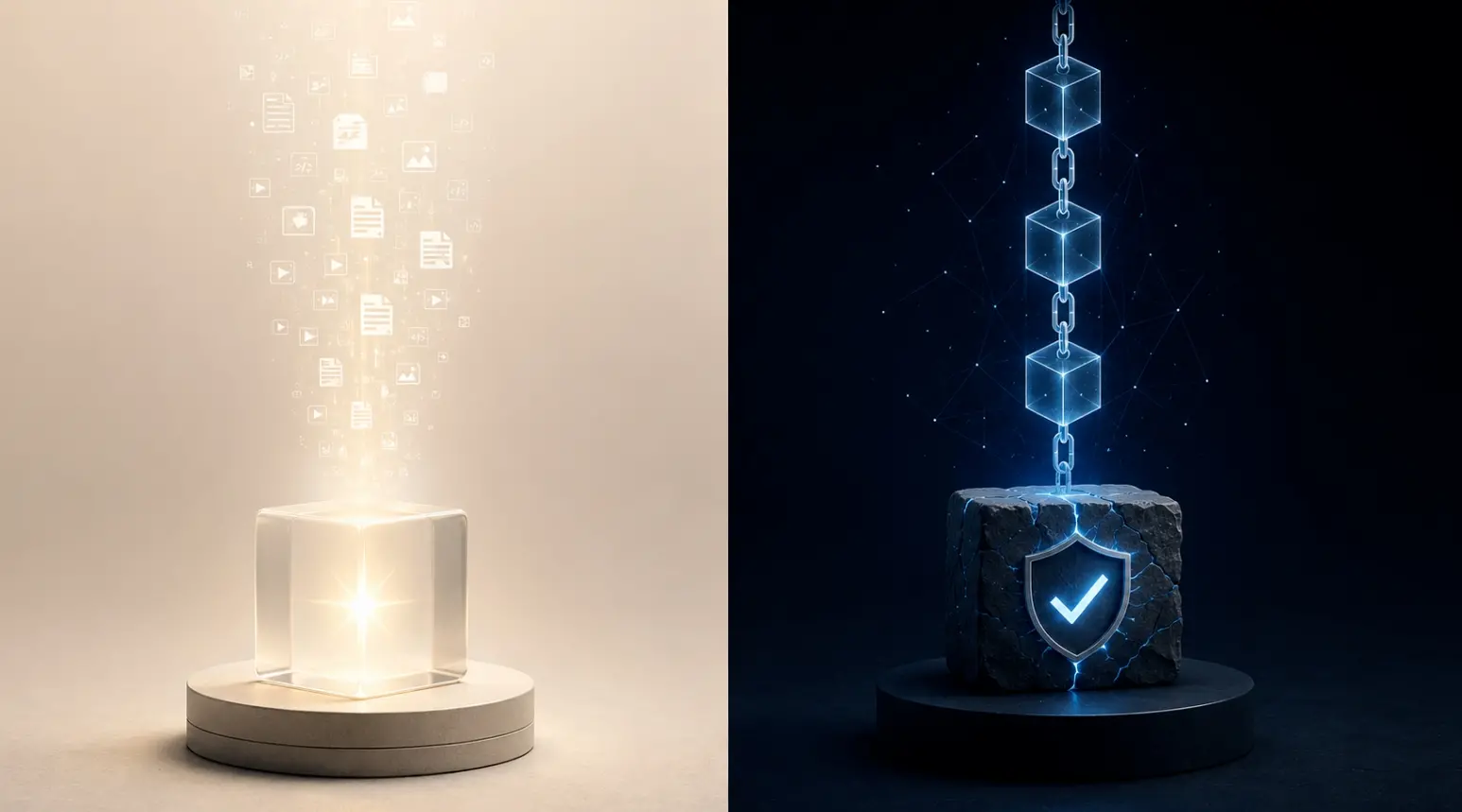
As Bitcoin falls below $60,000, the author reflects on the relationship between AI and Bitcoin, seeing them as two sides of the same coin. In the AI era, the cost of generating content has plummeted, making fake text, images, and videos increasingly easy and cheap to produce. This has led to a fundamental shift: while AI dramatically lowers the cost of information production, it also undermines trust and authenticity online. What becomes truly valuable is not more content, but the ability to verify what is real—"verifiability." This perspective offers a new lens for Bitcoin. Its massive energy consumption, often criticized as wasteful, is reinterpreted. While AI burns energy to enhance "capability" and efficiency, Bitcoin burns energy to produce "verifiability." Its purpose is not to be trusted but to enable a system where no trust in intermediaries—banks, platforms, or developers—is needed. Every transaction and the entire ledger's history is secured by cryptography and a decentralized network of nodes, making it independently verifiable. AI cannot forge a transaction on the Bitcoin network because the system is designed for proof, not generation. The author draws a historical parallel to the Renaissance: the printing press drastically reduced the cost of copying knowledge, while double-entry bookkeeping reduced the cost of trust in commerce. Today, AI is the new printing press, reducing content creation costs to near zero. Blockchain, and Bitcoin as its pioneer, may be the modern equivalent of double-entry bookkeeping—a foundational technology for verifying digital asset ownership and historical records without centralized authorities. Thus, AI and blockchain are not competitors. AI lowers the cost of creation; blockchain lowers the cost of verification. In an age where AI can generate anything, true scarcity may lie not in more content, but in independently verifiable facts. Whether the market will reprice Bitcoin accordingly remains uncertain, but its core value proposition as a "machine for producing verifiability" becomes strikingly relevant.

marsbit16m ago

In the AI Era, What's Left for Bitcoin?

marsbit16m ago

In the Age of AI, What's Left for Bitcoin?

Author: Sevclub, Seven Research Amid Bitcoin's recent drop below $60k, the author reflects on a growing sense that AI and Bitcoin are two sides of the same coin. Today, encountering any content triggers a new default question: "Was this made by AI?" The cost of generating convincing text, images, and video is now negligible. While the internet lowered information *distribution* costs, AI is crashing information *production* costs to near zero. The consequence is a flood of content where truth and falsehood are increasingly indistinguishable. In this environment, what becomes truly valuable is not more information, but the ability to verify what is real—"verifiability." This reframes the common criticism that Bitcoin "wastes electricity." AI consumes power to produce "capability" (e.g., more powerful models). Bitcoin consumes power to produce something else: "verifiability." Bitcoin's core purpose isn't about belief or trust in any institution, developer, or even its creator. It's about enabling independent verification. Every bitcoin's origin, every transaction, and the integrity of the entire ledger are secured by mathematics, cryptography, and a global network of nodes. AI can fabricate convincing media, but it cannot falsify a transaction on the Bitcoin network. The expended energy makes篡改历史 (tampering with history) prohibitively expensive, purchasing a globally verifiable ledger. The author draws a historical parallel to the Renaissance. The printing press drastically reduced the cost of copying knowledge, while double-entry bookkeeping reduced the cost of trust in commerce—one enabled creation, the other verification. Today, AI is the new printing press, driving content production costs toward zero. The question becomes: what is this era's "double-entry bookkeeping"? Blockchain appears to be the leading candidate. It doesn't verify which news is true or which image is real, but it provides a foundational layer for independently verifying asset ownership and historical records in the digital realm without centralized authorities. Therefore, AI and blockchain are not in competition. AI lowers the cost of *generation*. Blockchain (and Bitcoin as a prime example) lowers the cost of *verification*. One creates, the other proves. Whether Bitcoin ultimately succeeds remains uncertain, facing potential challenges from quantum computing, regulation, and technical evolution. However, the author now sees it less as a "machine for making bitcoin" and more as a "machine for making verifiability." In an age where AI can generate anything, true scarcity may no longer be "more content," but "more independently verifiable facts." Whether the market will price this accordingly is a separate question.

链捕手25m ago

In the Age of AI, What's Left for Bitcoin?

链捕手25m ago

Trading

Spot

Hot Articles

What Are USD Stablecoins? What Makes PayPal's PYUSD Different?

Stablecoins are a type of cryptocurrency designed to maintain a stable value, typically pegged to real-world asset classes or external indicators like a fiat currency, gold, or other commodities.

950 Total ViewsPublished 2023.09.20Updated 2024.02.18

What Are USD Stablecoins? What Makes PayPal's PYUSD Different?

How to Buy PYUSD

Welcome to HTX.com! We've made purchasing Paypal USD (PYUSD) simple and convenient. Follow our step-by-step guide to embark on your crypto journey.Step 1: Create Your HTX AccountUse your email or phone number to sign up for a free account on HTX. Experience a hassle-free registration journey and unlock all features.Get My AccountStep 2: Go to Buy Crypto and Choose Your Payment MethodCredit/Debit Card: Use your Visa or Mastercard to buy Paypal USD (PYUSD) instantly.Balance: Use funds from your HTX account balance to trade seamlessly.Third Parties: We've added popular payment methods such as Google Pay and Apple Pay to enhance convenience.P2P: Trade directly with other users on HTX.Over-the-Counter (OTC): We offer tailor-made services and competitive exchange rates for traders.Step 3: Store Your Paypal USD (PYUSD)After purchasing your Paypal USD (PYUSD), store it in your HTX account. Alternatively, you can send it elsewhere via blockchain transfer or use it to trade other cryptocurrencies.Step 4: Trade Paypal USD (PYUSD)Easily trade Paypal USD (PYUSD) on HTX's spot market. Simply access your account, select your trading pair, execute your trades, and monitor in real-time. We offer a user-friendly experience for both beginners and seasoned traders.

4.2k Total ViewsPublished 2024.03.29Updated 2026.06.02

How to Buy PYUSD

Discussions

Welcome to the HTX Community. Here, you can stay informed about the latest platform developments and gain access to professional market insights. Users' opinions on the price of PYUSD (PYUSD) are presented below.

活动图片