Регулятор Бразилии допустил к торгам уже второй SOL-ETF

investing.ruPublished on 2024-08-21Last updated on 2024-08-21

GetBlock Magazine - Что произошло? Комиссия Бразилии по ценным бумагам и биржам (CVM) допустила к торгам уже второй биржевой фонд (ETF) на базе нативного токена блокчейна Solana (SOL). Новый продукт, находящийся в стадии подготовки к запуску, будет предложен местной компанией Hashdex с активами под управлением на 962 млн долларов совместно с инвестиционным банком BTG Pactual.

Сайт регулятора

Что еще известно? Ранее Hashdex уже запустила фонд на базе криптоиндекса американской фондовой биржи Nasdaq, а также ETF на основе биткоина и Ethereum. Новый продукт, как и предыдущие, будет доступен на крупнейшей в Латинской Америке фондовой бирже B3.

Первый SOL-ETF был одобрен регулятором Бразилии в начале августа, он управляется инвестиционной фирмой QR Asset совместно с финтех-компанией Vortx и опирается на индекс CME CF Solana Dollar Reference Rate, созданный агентством CF Benchmarks при поддержке Чикагской товарной биржи (CME).

Что касается США, 20 августа регулятор ценных бумаг SEC отклонил заявки на запуск спотовых SOL-ETF от компаний VanEck и 21Shares. Чиновники высказали опасения по поводу того, что актив может подпадать под определение ценной бумаги, в связи с чем на его основе не могут быть запущены товарные фонды.

Аналитик Bloomberg Эрик Балчунас по этому поводу заявил, что теперь шанс на запуск таких продуктов в США в 2024 году близок к нулю. Столь же небольшая вероятность их допуска на рынок и в 2025 году, при условии победы Камалы Харрис в президентских выборах.

Источник: X.com

Читайте оригинальную статью на сайте GetBlock Magazine

Trending Cryptos

Related Reads

Are the Frantic Acquisitions of Crypto Companies by Giants Good or Bad?

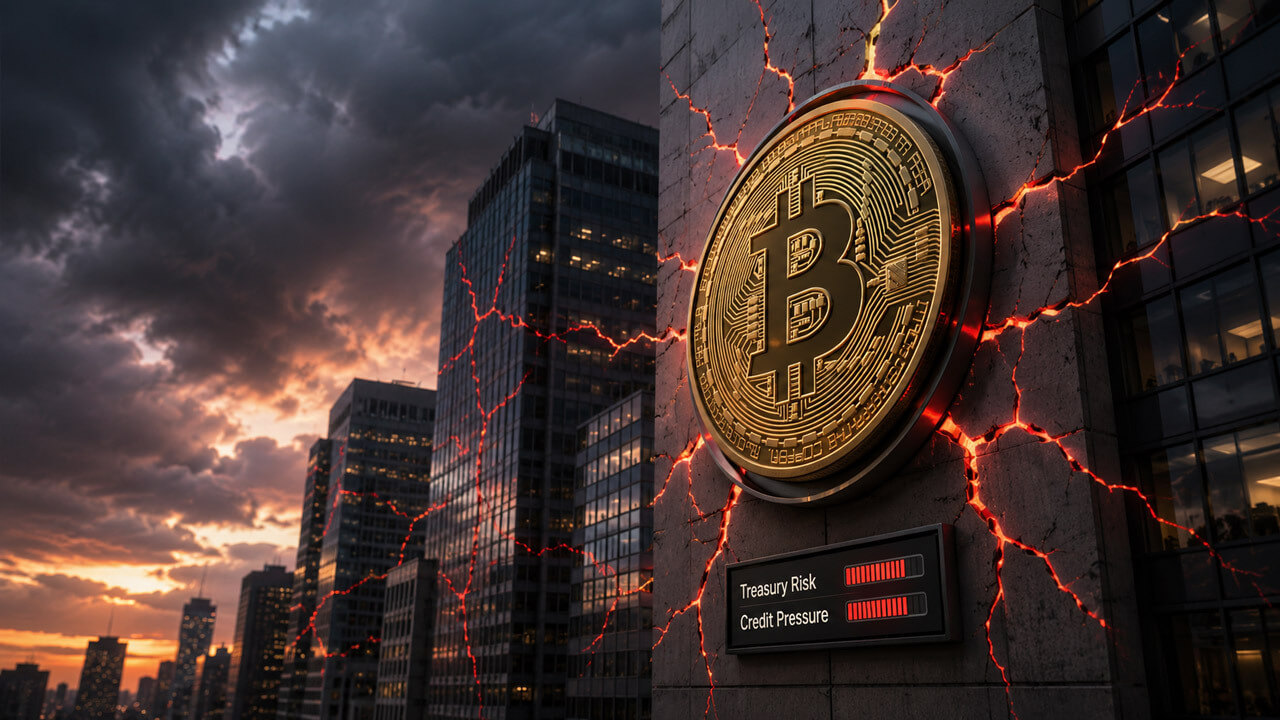
In a bear market, giants are actively acquiring crypto companies. Recent months have seen at least five major deals: Samsung Securities bought a 2% stake in Upbit operator Dunamu; Robinhood acquired WonderFi for $180 million to enter the Canadian market; Figure purchased Kiavi for $717 million to expand into on-chain real estate credit; Franklin Templeton bought 250Digital to launch Franklin Crypto; and Blockworks acquired data platform Messari at a steep discount—over 90% less than its 2022 $300 million valuation. These moves highlight a strategic shift. Cash-rich giants are consolidating resources at low cost, targeting companies with established compliance frameworks to navigate tightening global regulations. Acquisitions like WonderFi and the Upbit stake provide immediate market access and licensed user bases. Figure's deal signals real-world asset (RWA) tokenization moving from concept to large-scale implementation, with Kiavi's $7+ billion annual transaction volume being integrated into on-chain capital markets. Franklin Crypto's launch targets institutional investors like pension funds, offering them tailored, compliant crypto strategies. For these strategic players, bear markets present an ideal entry point: valuations are depressed, speculative noise is minimized, and they can acquire robust technology and compliance infrastructure at a fraction of the cost. This acquisition wave marks a transitional phase for crypto—from a wild frontier toward an institutional, regulated financial system. Giants are positioning themselves to capture future growth when macroeconomic conditions and liquidity improve, leaving latecomers behind.

marsbit38m ago

Are the Frantic Acquisitions of Crypto Companies by Giants Good or Bad?

marsbit38m ago

In the MiCA Era, Europe's New Cryptography Landscape: Why is Germany Taking Center Stage?

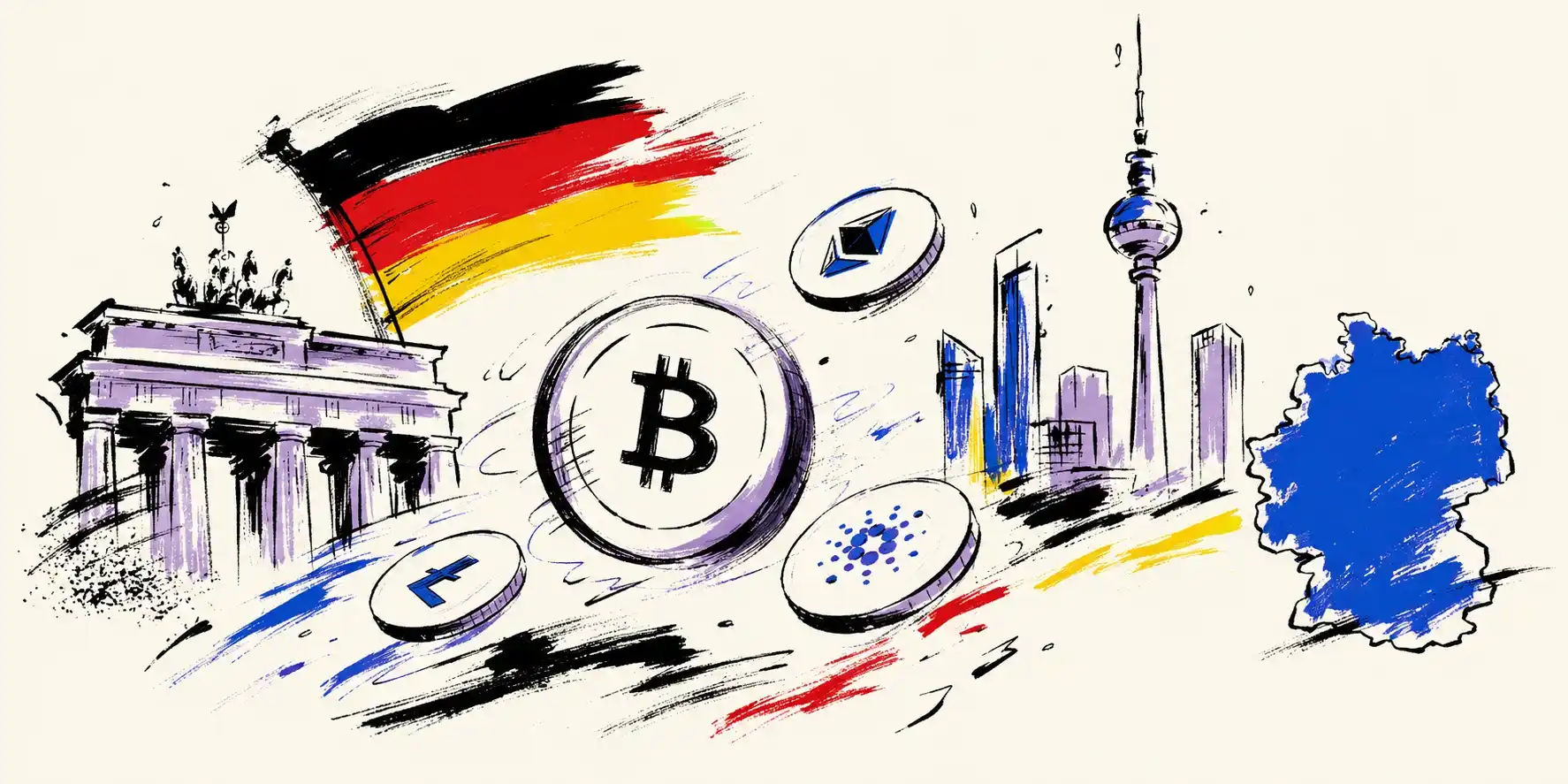
With MiCA's transitional arrangements concluding, Europe's crypto industry has undergone a regulatory consolidation. Post-MiCA, platforms must secure CASP authorization to operate compliantly within the EU. As of July 1st, only about 12% of crypto firms have received authorization, with Germany emerging as a key player, holding 57 authorizations (roughly 23% of the EU total). This positions Germany as a primary compliance gateway to the EU's unified market. Germany's advantage stems from its established, function-based regulatory framework, which integrated crypto activities into existing banking, securities, and payment systems pre-MiCA. This allowed a smoother transition and attracted both domestic platforms (like Bitcoin.de, BISON) and international ones (like Coinbase Germany). A distinctive trend is German banks becoming direct retail entry points for crypto services. Examples include DZ Bank integrating "meinKrypto" into its VR Banking App and the Sparkassen savings bank network planning to offer crypto trading via DekaBank. This mainstreams crypto access for ordinary users. Beyond trading, Germany is evolving into a digital asset infrastructure hub. Deutsche Börse Group's Clearstream is developing a next-generation platform for issuing, settling, and servicing both traditional and tokenized securities. Furthermore, German banks like DekaBank and DZ Bank are key participants in the Qivalis project, a European initiative for a regulated euro stablecoin, positioning Germany at the intersection of critical future capabilities like custody, settlement, and cross-border services.

marsbit1h ago

In the MiCA Era, Europe's New Cryptography Landscape: Why is Germany Taking Center Stage?

marsbit1h ago

Trading

Spot

Hot Articles

Discussions

Welcome to the HTX Community. Here, you can stay informed about the latest platform developments and gain access to professional market insights. Users' opinions on the price of SOL (SOL) are presented below.

活动图片