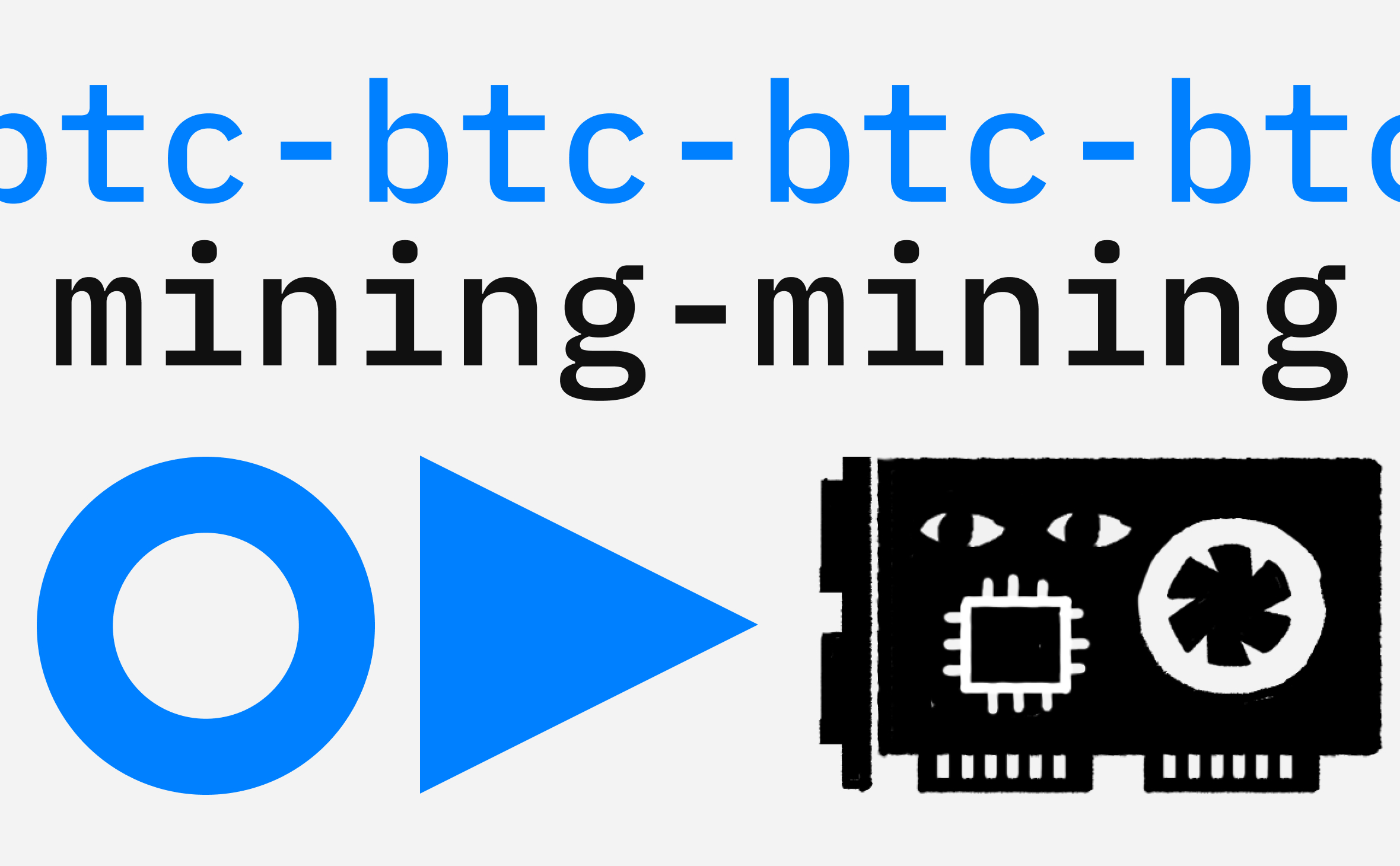
Более 90% биткоинов уже добыто. Когда перестанут появляться новые монеты

RBK-cryptoPublished on 2024-08-19Last updated on 2024-08-19

В декабре 2034 года будет добыто 99% всех биткоинов. Сколько сейчас монет находится на открытом рынке, почему инвесторы относятся к биткоину, как к активу для долгосрочного удержания

В сети главной криптовалюты добыто более 94% всех монет или 19,742 млн BTC ($1,145 трлн). Это означает, что биткоин-майнерам осталось создать всего 6% или 1,258 млн монет ($73 млрд по курсу на август 2024 года), согласно информационной панели Clarkmoody.

Эмиссия биткоина ограничена на программном уровне и не может превышать 21 млн BTC. Так как блокчейн представляет собой цифровой реестр, в котором фиксируются все криптовалютные транзакции, в том числе и вновь созданные (добытые) биткоины — это позволяет вести учет всех монет в режиме онлайн.

Механизм эмиссии в биткоине является предсказуемым и можно знать наперед, сколько и когда будет создано BTC, с небольшим отклонением по времени. Так, например, известно, что до 95% число добытых монет увеличится в ноябре 2025 года, а до 99% - в декабре 2034 года.

Напомним, что отметку в 90% монет BTC прошел в декабре 2021 года. Таким образом, темпы создания новых биткоинов постепенно снижаются. Этот процесс также заложен в алгоритмы первой криптовалюты и называется халвингом.

Что такое халвинг биткоина. Самое важное

Халвинг (англ. halving) — это плановое и заложенное в коде сокращение того самого вознаграждения, которое получает майнер при добавлении блока транзакций в блокчейн. Халвинги биткоина происходят примерно раз в четыре года, а если точнее, то через каждые 210 тыс. новых завершенных майнерами блоков. При каждом халвинге вдвое сокращается количество биткоинов, которые майнеры получают в качестве вознаграждения за блок.

На момент запуска биткоина в 2009 году майнеры получали 50 биткоинов за блок, но в ходе первого халвинга в 2012 году это вознаграждение было снижено до 25 биткоинов, в 2016 году — до 12,5 BTC, в 2020 году — до 6,25 BTC, а в 2024 году снизилось до 3,125 монет. Следующий халвинг ожидается в 2028 году.

Майнинг — это сложный вычислительный процесс проверки подлинности транзакций в биткоинах. Процесс майнинга заключается в подтверждении блоков с транзакциями и получении за это вознаграждения в виде новых биткоинов.

Ограниченный характер

Помимо того, что биткоин имеет ограниченную эмиссию, многие инвесторы и другие участники рынка следуют концепции «Hodl». Она подразумевает долгосрочную пассивную инвестиционную стратегию, при которой инвесторы сохраняют относительно стабильный портфель с течением времени, независимо от краткосрочных ценовых колебаний.

Hodl — криптовалютный термин, являющийся аналогом понятия «Купи и держи» на традиционных финансовых рынках.

Например, около 74% всех монет оставались без движения большую часть 2024 года, несмотря на то, что актив упал на 21% по сравнению со своим историческим ценовым максимумом в марте 2024 года, по сообщению Cointelegraph, ссылающихся на аналитическую компанию Glassnode.

Glassnode — ведущая аналитическая организация, специализирующаяся на ончейн-данных. Это вид исследования информации, полученной из публичных блокчейн-сетей, таких как биткоин и Ethereum. Технология блокчейн представляет собой открытый реестр информации со всей историей транзакций, позволяя любому компетентному человеку из любой точки мира и в любое время «посмотреть» на эти операции, и сделать собственные выводы.

Исследователи начали использовать «ончейн» для наблюдения за транзакционным поведением пользователей, ценового прогнозирования, а также сопоставления полученных данных из других источников информации для более глубокой аналитики.

Телеграм-канал РБК-Крипто — подпишитесь и будьте в курсе самых главных и актуальных новостей о криптовалюте

Такое большое количество монет BTC (74%) находится без движения более 6 месяцев, что может указывать на то, что долгосрочные инвесторы все чаще используют главную криптовалюту в качестве средства сбережения, возможно, ожидая будущего роста цен.

Справедливость этого тезиса отметили в компании BlackRock. Выступая на конференции Bitcoin 2024, руководитель отдела цифровых активов компании Роберт Митчник рассказал, что держатели акций биткоин-ETF имеют склонность к стратегии «покупай и держи».

Если тенденция к удержанию монет сохраниться, то это сократит общее доступное предложение биткоинов, доступных для торговли, что может привести к росту цены, поскольку спрос увеличивается, а предложение сокращается, пишет Cointelegraph.

Однако такое поведение создает дополнительные риски, если инвесторы поддадутся панике, которая может оказать давление на цену главной криптовалюты. То, что 74% монет не двигались более полугода, не значит, что все инвесторы в плюсе. И настроения части инвесторов могут измениться.

«Это похоже на 2018, 2019 и середину 2021 года, которые дали понять, что многие инвесторы рискуют поддаться панике и спровоцировать медвежий тренд», — отметил аналитик Джеймс Чек в X.

Биткоин на старость. Какие пенсионные фонды вкладывают в криптовалюты

Что такое торговые боты и как они подойдут для работы с криптобиржей

«Цифровое серебро». Что за криптовалюта Litecoin

Эксперты увидели первые признаки накопления, которых не было с марта 2024

«РБК-Крипто» запустил мониторинг криптовалютных обменников. Выбирайте надежный обменный сервис с выгодным курсом на yourcryptoex.ru или в удобном телеграм-боте.
Related Reads

Private Credit in US Dollar

Stablecoins are evolving into a new type of money market fund, channeling crypto deposits into the $2 trillion private credit market. This mirrors the 1970s innovation where money market funds pooled small deposits to buy high-yield government securities, bypassing bank restrictions. Today, platforms like Apollo's ACRED tokenized fund and Figure's on-chain lending system allow stablecoin holders to access institutional private credit strategies with no minimum investment, offering yields of 8-12%. On-chain tokenization enables greater liquidity and DeFi composability (e.g., using tokens as collateral for leveraged positions) compared to traditional, locked-up private credit funds. Consequently, on-chain private credit has grown 15x in a year to $5.87 billion, though it remains a tiny fraction (0.3%) of the global market. However, this model carries significant risks, as illustrated by the failure of Goldfinch. Launched in 2021, it directed crypto deposits to motorcycle loans in Kenya and Nigeria. Critical issues included a lack of local oversight, leading to unauthorized fund transfers and borrower defaults. With $56 million now trapped in non-performing loans, its collapse highlights that while blockchain streamlines capital transfer, the essential 90% of lending—underwriting, monitoring, and recovery—remains a costly, localized challenge. Success requires robust, traditional credit infrastructure, not just on-chain execution.

marsbit7m ago

Private Credit in US Dollar

marsbit7m ago

Goldman Sachs: How to Invest in Tech Stocks in the Second Half of the Year?

Goldman Sachs remains bullish on tech stocks in the second half of the year, advising a shift from "buying the sector" to "picking individual companies." The firm's latest report indicates the AI-driven tech cycle shows no signs of peaking, with supply exceeding demand or technological progress slowing yet to materialize. Recent pullbacks are viewed as healthy corrections following rapid gains, not a trend reversal. Three core investment themes are highlighted: 1) Maintain overweight positions in AI server and data center-related hardware stocks. 2) Conduct more nuanced risk-reward assessments in sub-sectors where supply and demand are tightening. 3) During periods of declining risk appetite, consider software and IT services companies leveraging AI to create new business opportunities as a defensive play. The report emphasizes that future outperformance will depend more on individual company competitiveness (alpha) rather than broad sector momentum (beta). Companies likely to excel are those benefiting from price increases, possessing strong capacity expansion capabilities, having undervalued AI growth potential, or holding unique catalysts. For defense, Goldman suggests focusing on AI-enabling software and service firms—such as those in AI consulting, data infrastructure, and cybersecurity—which may see efficiency gains and new demand, rather than retreating to traditional defensive sectors. Overall, the strategy balances offensive exposure to AI infrastructure with defensive positioning in AI-applicable software and services.

链捕手12m ago

Goldman Sachs: How to Invest in Tech Stocks in the Second Half of the Year?

链捕手12m ago

Wall Street's Take on the June Fed Meeting Minutes: Focus on Core Inflation, No Short-Term Urgency to Hike Rates

Wall Street's View on Fed June Minutes: Inflation is the Key, No Urgency for Near-Term Hike The minutes of the Federal Reserve's June FOMC meeting revealed a unified Wall Street interpretation: inflation remains the true determinant for future policy moves. Major institutions including Goldman Sachs, Morgan Stanley, and Citigroup concluded that the Fed remains data-dependent, with its path hinging on upcoming inflation data. Key takeaways from the minutes: * **No Immediate Tightening**: Despite "a few" participants seeing reasons to hike, none actively advocated for it at the June meeting. The consensus was to hold the federal funds rate steady at 3.5%-3.75%. * **Inflation as the Decisive Factor**: The Fed outlined two primary scenarios. If inflation declines "soon" toward the 2% target, "almost all" officials would support maintaining or eventually cutting rates. If inflation persists high due to factors like AI demand or supply shocks, "almost all" would see some policy tightening as necessary. * **Patience is Warranted**: Officials noted inflation remains above target but cited anchored inflation expectations and a labor market not currently driving price pressures as reasons for patience. The Fed is focused on the *direction* of inflation over the next few months. * **No Policy Framework Shift**: The minutes reaffirmed a data-dependent approach rather than a fundamental shift toward pre-emptive tightening. Institutional Forecasts: * **Morgan Stanley**: Expects rates on hold in 2026, with potential cuts in 2027 if inflation cools. * **Goldman Sachs**: Baseline scenario sees rates unchanged through 2026, with inflation moderating gradually. * **Citigroup**: Takes a more dovish view, suggesting market pricing for a July hike is too aggressive and forecasting potential rate cuts starting in late 2026. Overall, the minutes were perceived as marginally dovish, emphasizing a watchful stance on inflation data with no near-term urgency to hike.

marsbit18m ago

Wall Street's Take on the June Fed Meeting Minutes: Focus on Core Inflation, No Short-Term Urgency to Hike Rates

marsbit18m ago

Trump Earns $2.2 Billion Annually, Two-Thirds from Cryptocurrency, with 87 Stock Trades Daily

Former U.S. President Donald Trump reported a personal income exceeding $2.2 billion in 2025, the highest annual income for a sitting president, according to U.S. government financial disclosures. This income primarily stemmed from cryptocurrency ventures and investments, starkly contrasting the standard presidential salary of $400,000. More than two-thirds ($1.4 billion) of his income originated from cryptocurrency-related activities. This includes over $1 billion in Bitcoin and Ethereum holdings, approximately $800 million from World Liberty Financial (a crypto project co-founded with his son), and about $635 million from sales of the TRUMP meme coin. Overall, Trump family crypto operations reportedly generated over $2.3 billion in profit after his 2025 inauguration. Trump's stock portfolio showed heavy trading activity, with over 22,000 trades executed in 2025—averaging 87 trades per day. Major holdings included tech giants like Google, Apple, Nvidia, and Microsoft. Notably, some large-scale stock purchases coincided with major policy announcements, such as tariffs, raising questions about potential insider trading. His traditional business empire, centered on real estate and branding, contributed $575 million. Additionally, he earned nearly $60 million through numerous "DT Marks" licensing companies, which leverage the Trump brand globally in locations like Dubai and Abu Dhabi. The report highlights significant conflicts of interest, as countries like the UAE and Saudi Arabia, whose entities invested in Trump's businesses, later received favorable U.S. policy treatment. Trump has stated he delegates financial management and is not directly involved in day-to-day investment decisions.

Odaily星球日报19m ago

Trump Earns $2.2 Billion Annually, Two-Thirds from Cryptocurrency, with 87 Stock Trades Daily

Odaily星球日报19m ago

Trading

Spot
活动图片