Megabit交易实报:行情震荡,玩转攻略

Odaily星球日报Published on 2024-08-16Last updated on 2024-08-16

Abstract

虽然当前行情持续震荡,但未来仍充满希望。投资者应保持信心,持续关注技术创新、政策变化和市场动态,把握投资机会。

Megabit交易实报:行情震荡,玩转攻略

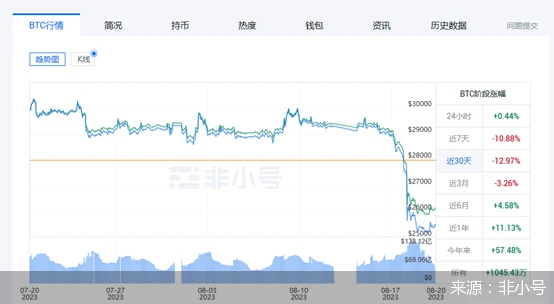
当前市场持续震荡,价格波动幅度较为明显。近段时间,资产的价格起伏不定,时而大幅上涨,时而急剧下跌。例如,比特币的价格在一周内可能从高位数万美元迅速回落到数万美元以下,这种大幅波动让投资者感到不安。

近期的主要趋势呈现出一种复杂的态势。一方面,部分主流资产价格在短期内有一定的上涨势头,但难以持续,很快又陷入回调。另一方面,一些新兴的项目虽然引起了市场的关注,但由于缺乏足够的技术支撑和应用场景,其价格走势也不稳定。

同时,市场的交易量也出现了较大的波动。在价格上涨时,交易量会迅速放大,但随着价格的回调,交易量又迅速萎缩,显示出市场参与者的信心不足和观望情绪浓厚。此外,政策环境的不确定性也对行情产生了影响,不同国家和地区对的监管政策时有变化,进一步加剧了市场的震荡。

一、震荡原因剖析

1. 市场监管的不确定性

不同国家和地区对的监管政策存在差异且不断变化。一些国家对技术持开放态度,积极推动相关法规的制定和完善,以促进其健康发展;而另一些国家则对其持谨慎或限制的态度,甚至采取严厉的监管措施。这种政策的不统一和变动性,给市场带来了极大的不确定性,使得投资者难以准确判断市场走向,从而导致行情的震荡。

2. 资金流向的复杂多变

资金在市场的流动呈现出复杂的态势。一方面,大量传统金融机构和大型投资基金的入场和退场,会对市场价格产生重大影响。当这些大资金涌入时,会推动价格上涨;一旦撤离,又会引发价格下跌。另一方面,短期投机资金的频繁进出,也加剧了市场的波动。这些资金往往追求短期高额利润,操作较为激进,进一步加剧了行情的不稳定性。

3. 投资者情绪的起伏不定

投资者对的态度存在两极分化。一部分投资者对其未来发展充满信心,积极参与投资;而另一部分则对其持怀疑或恐惧态度。在市场行情向好时,乐观情绪蔓延,导致过度投资;而在行情不佳时,恐慌情绪迅速传播,引发大量抛售。这种情绪的极端变化,使得市场供需失衡,从而推动价格的大幅波动,造成行情的持续震荡。

二、应对策略之短线操作

止损设置

在行情震荡的短线操作中,止损设置至关重要。可采用定额止损法,将亏损额设置为固定比例,如 5% ,一旦亏损达到该比例就及时平仓。时间止损法也是一种选择,若买入后价格在特定时间内未按预期上涨,如 3 天,应坚决出仓。技术止损法则是依据关键技术位,如重要均线被跌破、趋势线的切线被跌破等,及时止损以避免亏损进一步扩大。此外,平衡点止损法可在建仓后设立原始止损位,若价格上升,将止损位移至建仓价,即盈亏平衡点。而在极端情况下,如市场基本面发生根本性转折,应采用无条件止损法,不计成本地退出以保存实力。

仓位控制

仓位控制在短线操作中不可或缺。可采用金字塔形仓位管理法,初始进场资金量大,若行情反向则不再加仓,若同向则逐步加仓且比例渐小。漏斗形仓位管理法,初始进场资金小,行情反向时逐步加仓且比例渐大,但需注意风险,避免陷入困境。矩形仓位管理法,初次建仓资金占总资金固定比例,后续加仓遵循该比例,平均分摊风险。总之,应根据市场情况和个人风险承受能力,灵活选择和调整仓位,确保在控制风险的前提下,争取短线收益。

三、应对策略之中长线布局

(一)优质项目选择

在行情持续震荡的背景下,选择优质的项目进行中长线布局至关重要。首先,要关注项目的技术实力。具备先进且创新的技术的项目,往往能在未来的竞争中占据优势。例如,拥有高效的共识机制、强大的扩展性和出色的安全性的项目更有可能脱颖而出。其次,考察项目的应用场景和落地能力。与实体经济结合紧密,能够解决实际问题、创造实际价值的项目更具投资潜力。如在供应链金融、医疗健康、政务服务等领域有切实应用案例的项目。再者,评估项目团队的背景和经验。团队成员具备丰富的开发经验、行业资源以及良好的运营能力,是项目成功的重要保障。

(二)长期趋势判断

判断的长期趋势需要综合多方面的因素。宏观层面,关注全球经济形势、政策法规的走向以及技术创新的趋势。例如,各国对技术的支持政策不断加强,可能预示着行业将迎来更广阔的发展空间。行业层面,分析技术在不同领域的应用进展和市场接受度。当越来越多的传统行业开始采用技术进行升级改造时,意味着行业正在走向成熟。技术层面,关注技术的突破和创新,如跨链技术、隐私保护技术的发展等。同时,市场的资金流向和投资者情绪也是判断长期趋势的重要参考。但需要注意的是,长期趋势的判断并非一蹴而就,需要持续跟踪和分析。

(三)资产配置与风险管理

中长线布局并非将所有资金集中于单一项目,而是要进行合理的资产配置。可以选择不同类型、不同应用领域的项目,以降低单一项目带来的风险。同时,根据个人的风险承受能力和投资目标,确定投资组合中各项目的比例。在风险管理方面,设置合理的止损和止盈点,避免在行情波动中遭受过大损失或错过获利时机。此外,定期对投资组合进行评估和调整,根据项目的发展情况和市场变化,及时优化资产配置。

四、心态调整与风险控制

(一)保持良好心态

在行情持续震荡的情况下,保持良好的心态是至关重要的。首先,要认识到行情的波动是正常的,不要因为短期内的价格起伏而过度焦虑或兴奋。避免盲目跟风和追涨杀跌,要有自己的判断和决策依据。

其次,不要过分计较一时的得失,要以长期投资的眼光看待市场。不要被短期的盈利冲昏头脑,也不要因短期的亏损而丧失信心。

同时,要学会接受失败和错误,投资过程中难免会有失误,及时总结经验教训,调整策略,继续前行。

(二)风险控制方法

1. 分散投资

不要将所有资金集中投资于一个项目或一种资产,分散投资可以降低单一资产波动带来的风险。可以选择不同类型、不同领域、不同发展阶段的项目进行投资。

1. 设定风险阈值

根据自己的风险承受能力,设定明确的风险阈值。当投资损失达到一定比例时,坚决执行止损操作,避免损失进一步扩大。

1. 定期评估与调整

定期对投资组合进行评估,根据市场变化和项目发展情况,及时调整投资策略和资产配置,以适应新的风险状况。

1. 学习与提升

不断学习知识和投资技巧,提高自己的风险识别和应对能力。关注市场动态和行业研究报告,以便做出更明智的投资决策。

总之,在行情震荡的环境中,良好的心态和有效的风险控制是投资者实现长期稳定收益的关键。

五、未来展望

1. 技术创新推动行业发展

随着技术的不断进步,技术有望在性能、安全性和可扩展性方面取得重大突破。例如,新的共识算法和加密技术的应用将提高交易处理速度和数据安全性,侧链和闪电网络等技术的发展将增强的可扩展性,为大规模商业应用奠定基础。

2. 应用场景的拓展和深化

在金融、供应链、医疗、政务等领域的应用将不断拓展和深化。在金融领域,去中心化金融(DeFi)有望进一步改变传统金融服务模式;在供应链领域,将实现更高效的溯源和供应链管理,降低成本和风险;在医疗领域,将促进医疗数据的安全共享和管理,提高医疗服务质量。

3. 政策环境的改善和规范

随着各国对技术的认识不断加深,相关政策法规将更加完善和明确。这将为行业的发展提供更稳定和可预测的政策环境,吸引更多传统企业和机构参与其中。

4. 市场整合与成熟

随着市场的发展,行业竞争将加剧,一些技术实力弱、应用场景不明确的项目将被淘汰,市场将逐渐向头部企业和优质项目集中,行业整体将更加成熟和规范。

5. 与其他技术的融合

将与人工智能、物联网、大数据等技术深度融合,创造出更具创新性和价值的应用场景。例如,与物联网的结合将实现设备之间的可信交互和数据共享,为智能城市、工业互联网等领域带来新的发展机遇。

Trending Cryptos

Related Reads

Bitcoin Hits 20-Month Low as Largest Bull Suffers $15 Billion Paper Loss

Bitcoin Hits 20-Month Low as Major Bull Loses $15 Billion On June 25th, Bitcoin fell below $60,000, hitting a low of $58,030—its lowest level since October 2024. The sell-off triggered over $1 billion in leveraged liquidations in 24 hours, with longs accounting for $788 million. This marks a more than 53% decline from the October 2025 all-time high of $126,198. A critical factor in the downturn is the weakening position of MicroStrategy, the largest corporate Bitcoin holder. With 847,363 BTC at an average cost of $75,651, the company now faces over $14.6 billion in unrealized losses. Its core financing flywheel—raising capital to buy Bitcoin—is stalling. Its variable-rate preferred shares (STRC), a key fundraising tool, have fallen 25% below their $100 target. This raises doubts about its ability to continue providing steady institutional demand for Bitcoin. Simultaneously, U.S. spot Bitcoin ETFs are experiencing significant outflows, with a single-day net outflow of $469 million on June 24th. This represents the most severe sustained capital flight since their launch. The macroeconomic backdrop remains restrictive, with persistent inflation delaying expected Fed rate cuts. Analysts note a shift in capital allocation, with institutional funds moving away from crypto towards AI infrastructure stocks. Immediate pressure comes from approximately $10 billion worth of Bitcoin options expiring on June 26th, which could increase market volatility. The combined effect of these factors—eroding core demand pillars, macro headwinds, and capital rotation—has decisively broken the $60,000 support level.

Foresight News5m ago

Bitcoin Hits 20-Month Low as Largest Bull Suffers $15 Billion Paper Loss

Foresight News5m ago

STRC Falls Below $80, Can Conservative Investors Still Buy the Dip?

The article analyzes whether the STRC (a perpetual preferred stock issued by MicroStrategy) presents a buying opportunity after its price fell below its $100 par value to around $80, offering a seemingly high yield of 13-15%. The core argument is that STRC's discount reflects market skepticism about the sustainability of MicroStrategy's capital structure model, not just temporary panic. This model relies on issuing securities (like STRC) to raise funds to buy more Bitcoin, a "flywheel" that works in a bull market. The recent small sale of BTC to fund dividends, while minor, broke the psychological "never sell" anchor and signaled potential strain. Key risks identified are not a traditional Ponzi collapse but a potential breakdown in the financing narrative: 1) If Bitcoin enters a deep bear market, crushing MicroStrategy's stock premium (mNAV), its ability to raise cheap capital weakens. 2) If STRC remains deeply discounted, it signifies permanently higher funding costs. 3) The high cash dividend yield represents a significant ongoing expense. 4) If selling BTC to pay dividends becomes routine, the bullish narrative reverses. The conclusion is that STRC is not a risk-free high-yield asset. It is a high-coupon bet on whether MicroStrategy's BTC treasury financing model can withstand a bear market. Buying it is a wager that the market will continue to believe in and fund this structure at acceptable costs. The current price asks if this cycle's "casualty" might be a BTC treasury company's融资 model itself.

marsbit21m ago

STRC Falls Below $80, Can Conservative Investors Still Buy the Dip?

marsbit21m ago

Why Do Crypto Projects Keep Changing Their Names?

**Why Do Crypto Projects Keep Changing Names?** In the crypto world, changing a project's name is common—over 16% of projects have done so, including major ones like Polygon (formerly Matic Network). This contrasts sharply with traditional businesses, which fiercely protect brand equity. The core reason is that in crypto, brand loyalty is often weak. Users are frequently investors, airdrop hunters, or yield seekers, not traditional consumers. A name associated with price crashes, hacks, or failed narratives becomes a liability, not an asset. Renaming can be a strategic reset to shed this baggage. Name changes serve as a potent marketing tool. They can signal a genuine pivot in strategy or scope (e.g., EthSign dropping "Eth" as it expanded). However, they are often used to "narrative surf," rebranding to align with hot trends like AI, RWA, or the metaverse (e.g., Elrond → MultiversX). Critically, renaming is also a PR tactic to distance a project from past failures like security breaches (e.g., Anyswap → Multichain). The most significant risk emerges when a name change is coupled with a token migration or swap. This process can allow projects to reset exchange price charts, erase visible historical downtrends, and create an illusion of a fresh start. It often facilitates liquidity resets, where low float can be exploited for pumps. More alarmingly, migrations sometimes mask overhauls to tokenomics, introducing substantial new token supply through "ecosystem funds" or "node rewards," effectively diluting existing holders. The fundamental issue isn't renaming itself, which can be valid for strategic evolution. The problem is when it functions as an escape from history—a way to avoid accountability for past mistakes, failed promises, and poor performance. When a project announces a rebrand, the critical questions are: What tangible new capability or strategy does it represent? Has the tokenomics changed? And what part of its past is it most trying to make users forget?

marsbit27m ago

Why Do Crypto Projects Keep Changing Their Names?

marsbit27m ago

A Trillion-Dollar Entry Point for Pension Funds? Franklin's Bitcoin Dividend Reinvestment ETFs Come with a Built-In Selling Pressure Ceiling

Franklin Templeton filed for two ETFs on June 18 that embed a "default option" logic into Bitcoin investing. These funds—the Franklin US Equity Bitcoin Dividend Reinvestment Index ETF and the Franklin US Innovative Equity Bitcoin Dividend Reinvestment Index ETF—aim to automatically allocate a portion of investor dividends to Bitcoin, initially with a 95% stock and 5% Bitcoin allocation. The mechanism is designed for financial advisors, not retail investors. By packaging Bitcoin exposure within a standard equity fund label, advisors can bypass internal compliance restrictions against direct cryptocurrency allocation for their clients. Dividends from the stock holdings are automatically used to buy Bitcoin via spot ETFs, futures, or options. However, the structure imposes strict rebalancing rules: if Bitcoin's allocation exceeds 5%, it is trimmed back to 4.5% quarterly, with a hard cap of 20%. This means the fund becomes a systematic seller during Bitcoin price rallies. Realistically, the potential buying pressure is minimal. Based on dividend yields (approximately 1.05% for broad market, 0.52% for innovative equity), the annual inflow into Bitcoin would be a tiny fraction of the fund's assets. For comparison, Franklin's existing Bitcoin ETF ($359 million AUM) would generate only about $3.6 million in annual Bitcoin purchases—negligible against Bitcoin's daily trading volume. The innovative equity fund, heavily weighted in low-dividend stocks like Nvidia, would have even weaker buying power. The product utilizes an offshore Cayman subsidiary to hold Bitcoin, a common compliance tactic for commodity exposure in mutual funds. A key drawback for investors is the tax liability: they must pay taxes on dividends that are automatically converted into Bitcoin, requiring out-of-pocket cash for a gain they never directly receive. For the strategy to scale significantly, such funds would need to become a default or near-default option in retirement plans like 401(k)s. Recent regulatory moves, including a Trump executive order and a Department of Labor proposal offering fiduciary safe harbors for including crypto assets, could pave the way. However, widespread employer adoption likely awaits further legal clarity. Ultimately, the fund's model leverages investor inertia and automated systems, rather than convincing anyone to actively choose Bitcoin. While it creates a new, albeit small, structural buyer, its rebalancing rules also establish a built-in "selling ceiling" that could dampen price upside if similar products proliferate.

Foresight News29m ago

A Trillion-Dollar Entry Point for Pension Funds? Franklin's Bitcoin Dividend Reinvestment ETFs Come with a Built-In Selling Pressure Ceiling

Foresight News29m ago

Why Do Crypto Projects Always Love Changing Names?

This article explores why cryptocurrency projects frequently change their names, a practice uncommon in traditional businesses where brand equity is a core asset. Over 16% of crypto projects have reportedly rebranded, often for strategic, marketing, or defensive reasons. The primary explanation is the weak user loyalty in crypto; many users are investors, airdrop hunters, or narrative traders, not traditional consumers. When a project's token price falls, its narrative fades, or it faces scandals/hacks, its old name becomes a liability laden with negative history rather than brand value. Therefore, frequent rebranding aims to shed this historical baggage. Name changes can be a marketing strategy to align with new business directions (e.g., Matic to Polygon), capitalize on trending narratives (e.g., adding "AI" or "Multiverse"), or distance from past failures like security breaches (e.g., Anyswap to Multichain). However, the most concerning aspect often involves a simultaneous token migration or swap. This process can serve as a "liquidity reset": it wipes historical price charts, potentially eases market manipulation, and is sometimes used to introduce new tokenomics that dilute existing holders' value through hidden inflation. The article concludes that while legitimate strategic pivots can justify a rebrand, many crypto name changes are less about building a new future and more about escaping the past—erasing bad memories, failed narratives, and dissatisfied communities. The key questions for any rebranding project are: what genuine new value or strategy does it bring, how has the tokenomics changed, and what part of its history is it trying to make users forget?

链捕手36m ago

Why Do Crypto Projects Always Love Changing Names?

链捕手36m ago

Trading

Spot
Futures

Hot Articles

What is $BITCOIN

DIGITAL GOLD ($BITCOIN): A Comprehensive Analysis Introduction to DIGITAL GOLD ($BITCOIN) DIGITAL GOLD ($BITCOIN) is a blockchain-based project operating on the Solana network, which aims to combine the characteristics of traditional precious metals with the innovation of decentralized technologies. While it shares a name with Bitcoin, often referred to as “digital gold” due to its perception as a store of value, DIGITAL GOLD is a separate token designed to create a unique ecosystem within the Web3 landscape. Its goal is to position itself as a viable alternative digital asset, although specifics regarding its applications and functionalities are still developing. What is DIGITAL GOLD ($BITCOIN)? DIGITAL GOLD ($BITCOIN) is a cryptocurrency token explicitly designed for use on the Solana blockchain. In contrast to Bitcoin, which provides a widely recognized value storage role, this token appears to focus on broader applications and characteristics. Notable aspects include: Blockchain Infrastructure: The token is built on the Solana blockchain, known for its capacity to handle high-speed and low-cost transactions. Supply Dynamics: DIGITAL GOLD has a maximum supply capped at 100 quadrillion tokens (100P $BITCOIN), although details regarding its circulating supply are currently undisclosed. Utility: While precise functionalities are not explicitly outlined, there are indications that the token could be utilized for various applications, potentially involving decentralized applications (dApps) or asset tokenization strategies. Who is the Creator of DIGITAL GOLD ($BITCOIN)? At present, the identity of the creators and development team behind DIGITAL GOLD ($BITCOIN) remains unknown. This situation is typical among many innovative projects within the blockchain space, particularly those aligning with decentralized finance and meme coin phenomena. While such anonymity may foster a community-driven culture, it intensifies concerns about governance and accountability. Who are the Investors of DIGITAL GOLD ($BITCOIN)? The available information indicates that DIGITAL GOLD ($BITCOIN) does not have any known institutional backers or prominent venture capital investments. The project seems to operate on a peer-to-peer model focused on community support and adoption rather than traditional funding routes. Its activity and liquidity are primarily situated on decentralized exchanges (DEXs), such as PumpSwap, rather than established centralized trading platforms, further highlighting its grassroots approach. How DIGITAL GOLD ($BITCOIN) Works The operational mechanics of DIGITAL GOLD ($BITCOIN) can be elaborated on based on its blockchain design and network attributes: Consensus Mechanism: By leveraging Solana’s unique proof-of-history (PoH) combined with a proof-of-stake (PoS) model, the project ensures efficient transaction validation contributing to the network's high performance. Tokenomics: While specific deflationary mechanisms have not been extensively detailed, the vast maximum token supply implies that it may cater to microtransactions or niche use cases that are still to be defined. Interoperability: There exists the potential for integration with Solana’s broader ecosystem, including various decentralized finance (DeFi) platforms. However, the details regarding specific integrations remain unspecified. Timeline of Key Events Here is a timeline that highlights significant milestones concerning DIGITAL GOLD ($BITCOIN): 2023: The initial deployment of the token occurs on the Solana blockchain, marked by its contract address. 2024: DIGITAL GOLD gains visibility as it becomes available for trading on decentralized exchanges like PumpSwap, allowing users to trade it against SOL. 2025: The project witnesses sporadic trading activity and potential interest in community-led engagements, although no noteworthy partnerships or technical advancements have been documented as of yet. Critical Analysis Strengths Scalability: The underlying Solana infrastructure supports high transaction volumes, which could enhance the utility of $BITCOIN in various transaction scenarios. Accessibility: The potential low trading price per token could attract retail investors, facilitating wider participation due to fractional ownership opportunities. Risks Lack of Transparency: The absence of publicly known backers, developers, or an audit process may yield skepticism regarding the project's sustainability and trustworthiness. Market Volatility: The trading activity is heavily reliant on speculative behavior, which can result in significant price volatility and uncertainty for investors. Conclusion DIGITAL GOLD ($BITCOIN) emerges as an intriguing yet ambiguous project within the rapidly evolving Solana ecosystem. While it attempts to leverage the “digital gold” narrative, its departure from Bitcoin's established role as a store of value underscores the need for a clearer differentiation of its intended utility and governance structure. Future acceptance and adoption will likely depend on addressing the current opacity and defining its operational and economic strategies more explicitly. Note: This report encompasses synthesised information available as of October 2023, and developments may have transpired beyond the research period.

459 Total ViewsPublished 2025.05.13Updated 2025.05.13

What is $BITCOIN

Discussions

Welcome to the HTX Community. Here, you can stay informed about the latest platform developments and gain access to professional market insights. Users' opinions on the price of BTC (BTC) are presented below.

活动图片