「AMM」 VS 「CLOB」:两种交易模式谁更胜一筹?

币界网Опубликовано 2024-08-14Обновлено 2024-08-14

币界网报道:

作者:0xNatalie来源:ChainFeeds

近日,Flashbots 战略主管Hasu指出:在 Solana 链上,大部分交易量实际上是通过自动做市商(AMM)完成的,而不是通过中央限价订单簿(CLOB,或简称为订单簿模式)。这一结论令人意外,因为不少人曾认为 Solana 赢得市场的的重要原因之一其能够支持 CLOB。如Feng Liu所说:「当初 Solana 的一个核心卖点,就是终于可以在上面搞订单簿 dex 了,以及,『订单簿交易才是 dex 的未来』。」

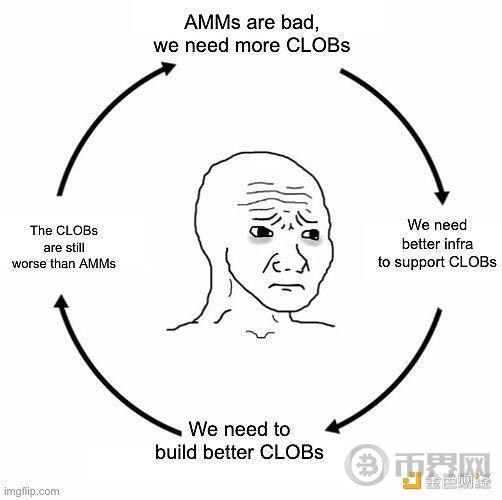
值得注意的是,AMM 和 CLOB 之间的争论并非始于近日,这场较量早已持续多时。自 DeFi Summer 以来,AMM 凭借其算法驱动的资产定价方式迅速成为去中心化交易的核心,而 CLOB 则因其在传统金融和中心化交易所中的主导地位,被认为是更成熟的市场机制。这场较量推动了它们在各类区块链平台上的不断创新。尤其是在以快速和低成本为核心的 Solana 上,Phoenix成功让 CLOB 一度成为焦点。
AMM 主导市场的原因仅在于长尾资产?

Hasu 的这一发现在社区内迅速引发了广泛讨论。对此,Multicoin Capital 合伙人 Kyle Samani解释道,在长尾资产的市场中,缺少真正的做市商(MM)来提供流动性,而 AMM 的出现弥补了这一不足,从而形成了当前 AMM 主导的局面。Solana 的成功不仅仅依赖于 CLOB,而是因为它能够提供始终如一的快速和低成本的交易体验,能够为各种类型的资产提供支持。此外,Solana 的无桥接机制(no bridging)也是其成功的一个重要因素,因为用户普遍对跨链桥接持负面态度。

Taproot Wizards 创始人 Udi Wertheimer 也认为AMM 在支持长尾资产方面具有独特优势,能够帮助小型社区为长尾资产快速启动流动性。Solana 上有大量的 memecoin,对于这些资产来说,AMM 是非常合适的选择。

Krane 则进一步将市场划分为三种类型:memecoin、主要资产(如 SOL/USDC)和稳定币。他指出,AMM 在 memecoin 市场中表现突出,因为这些资产需要良好的被动流动性,而 CLOB 在这方面表现较差。对于主要资产,虽然 CLOB 在一些情况下占据了一定地位,但 AMM 仍然具有竞争力。在稳定币市场中,CLOB 的应用尚未广泛普及。

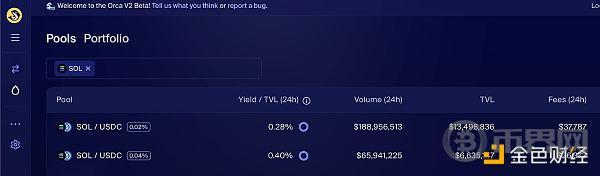
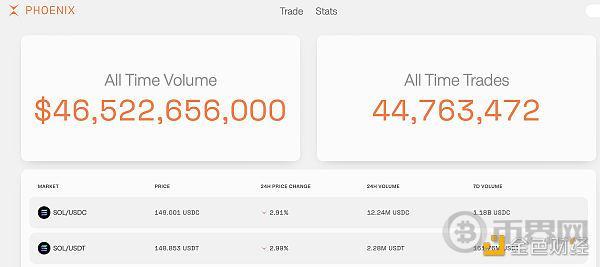
然而,Ambient 创始人 Doug Colkitt 提出了不同的看法,并通过数据进行了反驳。他指出,许多人误认为 Solana 上的 AMM 交易量主要来自一些不活跃的长尾资产。然而,他提供的数据表明,即使在主要交易对(如 SOL/USDC)中,AMM 的交易量也远远超过了 CLOB。例如,Orca在 24 小时内的交易量高达 2.5 亿美元,而 Phoenix 的交易量仅为 1400 万美元。即使采用最有利于 CLOB 的假设(使用 Phoenix 的 7 天平均每日交易量而不是当天的较低交易量,并尽可能多地计入 CLOB 的交易量),AMM 在主要交易对上的交易量也比 CLOB 高出 50%,如果不采用这些假设,差距甚至会扩大到 10 倍。
社区观点:CLOB 的发展受到区块链性能的限制

AMM 在 Solana 上占主导地位的原因不仅仅在于长尾资产,更深层次的原因在于区块链性能的限制。许多社区成员认为,CLOB 的发展受限于区块链的性能瓶颈。Sam觉得区块链面临的固有挑战(高延迟、Gas 费高、隐私保护不佳等)使得 CLOB 不适合在当前的区块链环境中有效运行。相比之下,AMM 更能适应区块链的特点,尤其是在价格发现和流动性提供方面。

Enzo也持类似观点,他认为 CLOB 在 Layer 1 上面临高延迟、昂贵的 Gas 费用和较低吞吐量的局限性,但在 Layer 2 解决方案中,这些局限性可以被克服,从而使 CLOB 在这些环境中更具竞争力。在当前的 Layer 1 链上,AMM 仍然是更为实际的选择。

实际上,在 Reforge Research 4月发布的《Death, Taxes, and EVM Parallelization》一文中也提到过类似观点。文章里指出:在以太坊等区块链平台上实现 CLOB 时,由于平台处理能力和速度的限制,往往会导致高延迟和高交易成本。然而,随着并行 EVM 的推出,网络的处理能力和效率得到极大提升,CLOB 的可行性也随之增加,并预计 DeFi 活动将显著增加。


Похожее

AI "Transfer Station" Earning Millions Monthly? Five Questions Uncover the Truth of Token Arbitrage

The article "AI 'Transfer Station' Earns Millions Monthly? Five Questions Uncover the Truth of Token Arbitrage" explores the emerging business of API token transfer stations, which profit from global AI service price disparities and access barriers. These intermediaries purchase low-cost tokens from overseas AI providers (e.g., OpenAI, Claude) through grey-market methods—such as exploiting enterprise credits, bulk accounts, or subscription benefits—and resell them to Chinese users at a markup. Key drivers include the high cost of using top AI models (e.g., Claude Code costs ~$5 per million tokens), the performance gap between domestic and foreign models, and mismatches between subscription and API pricing. However, the practice carries significant risks: upstream token sources may be unstable or illegal; user data passing through intermediaries can be harvested or injected with hidden prompts; and models might be downgraded without disclosure. The market is evolving, with some operators now exporting cheaper Chinese models (e.g., Qwen3.5 at ~$0.11 per million tokens) to overseas users, leveraging price gaps. Yet, sustainability is low due to compliance crackdowns, instability, and reputational risks. Users are advised to employ detection methods (e.g., prompt adherence tests) and avoid sensitive data usage. The authors caution that while transfer stations offer short-term arbitrage, they lack long-term reliability and security compared to official APIs.

marsbit32 мин. назад

AI "Transfer Station" Earning Millions Monthly? Five Questions Uncover the Truth of Token Arbitrage

marsbit32 мин. назад

The Cost of an 11.5% Annualized Return: Will MicroStrategy's STRC Face a Moment of Reckoning?

This article analyzes the potential risks associated with MicroStrategy's (MSTR) use of structured financial products like STRC to leverage its BTC exposure. While these tools have enabled impressive returns (e.g., 11.5% annualized) and fueled significant capital inflows ($13.5B outstanding), they also create substantial annual dividend obligations (~$400M). The author argues that this structure, while effective in a bull market, could become a liability if BTC price stagnates or declines. The core risk is a potential negative feedback loop: the growing dividend burden from continued STRC issuance may eventually outweigh the benefits of increased BTC holdings. To meet these obligations, MicroStrategy might need to use new issuance proceeds for dividends instead of buying more BTC, which could disappoint equity investors. If the market capitalization (mNAV) falls below the value of its BTC holdings, the company could be forced to sell BTC instead of issuing new shares, potentially triggering a panic. The author estimates a potential inflection point in 6 months, where annual dividend costs reach $3-4B. At that stage, CEO Michael Saylor might face a difficult choice: sell BTC to meet obligations or sacrifice the credibility of the preferred shares by halting dividends. The article concludes that this financial engineering, while powerful, could ultimately "backfire" on MicroStrategy if market conditions turn.

marsbit1 ч. назад

The Cost of an 11.5% Annualized Return: Will MicroStrategy's STRC Face a Moment of Reckoning?

marsbit1 ч. назад

Торговля

Спот
Фьючерсы

Популярные статьи

Обсуждения

Добро пожаловать в Сообщество HTX. Здесь вы сможете быть в курсе последних новостей о развитии платформы и получить доступ к профессиональной аналитической информации о рынке. Мнения пользователей о цене на SOL (SOL) представлены ниже.

活动图片