为什么总有人唱衰以太坊?以太坊后续还能不能行?

币界网Published on 2024-08-13Last updated on 2024-08-13

币界网报道:

为什么市场唱衰以太坊的声音总是此起彼伏?简单来说:以太坊生态系统确实面对内忧外患的焦灼处境,内有 layer2 等扩展方案一直挺不起脊梁,外有 Solana 等杀手始终亡我坊之心不死,创新乏力和竞争压力下的以太坊迎来了至难时刻。接下来,简单谈谈我的看法:

1)以太坊 Rollups 的大小生态系统已经成型,坎昆升级 EIP-4844 之后,以太坊短期技术层面的利好已然落定。更长期的分片链在 Rollup 冲击下已不再预期,而降低节点成本、简化协议以及底层 ZK-SNARKs 化等升级又仅是锦上添花。整个区块链行业都在等龙二以太坊交出一份满意的 layer2 答卷,然而截止目前,layer2 并没有承载以太坊的「增长」预期。

2)实在讲,Rollups 能从 Plasma、Validium 甚至平行链等多种扩展方案中脱颖而出,全在于 Rollups 采纳了一种执行和状态、结算等分层处理的主次链组合交互范式。正常逻辑下,layer2 在确立一种和主网交互的安全共识之后,接下来就该强化并放大执行层上的性能处理优势,给以太坊主网输入增量用户和生态才对。

然而事实是,大部分 layer2 却选择了进行商业叙事级别的叠杠杆套娃,走 Stack 战略拉同盟,共享组件牵入 layer3 应用链,还有 Rollup as a Service、DA as a Service、甚至 AVS as a Service 等等。这些乍一看能无限放大 layer2 商业和叙事想象空间的策略,都只能更长期叠加市场的预期杠杆,在扩大应用生态和赋能币价等方面并不能立竿见影。

3)很长一段时间,总有人嘲笑以太坊 Gas 费 1Gwei,以此来讥讽以太坊 layer2 战略方向的失败,但换个角度看,这何尝不是以太坊靠 layer2 解决拥堵、Gas 费高等问题的阶段性成功?只不过,糟糕的是 layer2 不仅没有以太坊带来预期的巨大生态和交易量,甚至还分流了一部分流量出走了。

实际上,layer2 在解决以太坊性能不足能力上算成功的,OP-Rollup 和 ZK-Rollup 阵营的竞争内卷也到达的白热化的程度,但选阵营搞 infra 而非纯应用创新暴露了以太坊开发者社区一个很尴尬的现状:过度依赖 VC 融资驱动发币而并非真正的价值创新。

尽管这是 web3 行业流入开发者人才越多,以及 VC 的资金流入趋多,进而竞争内卷加剧的直接结果。虽然创业门槛变高本来可以是市场趋于成熟的表现,在 Crypto 早期阶段,过度的内卷则成了项目高 FDV 扼杀创新的始作俑者。试想一个项目顶着巨大的 FDV,一切努力只为快速 Go to Market,怎么会有时间来沉淀价值创新。而 to VC 最有效的就是堆叠 B 端的商业叙事,C 端应用这类紧迫但却不性感的方向则一直不温不火。所以,才让市场感知到 infra> application 的失衡吧。

4)尽管,以太坊杀手的性感叙事已经在上一轮牛市中被证伪了,但这一轮 Solana、Sui、Aptos、Sei 等高性能公链都直戳以太坊 EVM 的「低性能」软肋。虽然都不再喊着杀死以太坊,但不可否认它们在性能上的高并发和特殊 Move 语言安全机制等层面确实能冲击到以太坊,尤其是可能成为新一代 web3 应用生态滋生的沃土,比如:DePIN、大型游戏、intent 交易、AI Agent 等等。

这是我认为新一代高性能公链最大的机会,不再堆叠 infra 预期,直接凭应用崛起来向以太坊宣战。

或者说根本就无需宣战,用模块化思想把以太坊归置到「结算层」的单薄叙事上,用新模块化执行层,DA 层、Unified 流动性层等对对以太坊过去建立的话语权体系进行重构,不也是一种竞合成功?对其他链是,对以太坊又何尝不是,然而,这是我在其他高性能链或模块化、链抽象链上看到的趋向,但似乎以太坊还只是「被动挨打」的姿态,即使在 ETF 这等超前性利好的前提下,也没能放下架子来应对。

5)很多人还在对另一次 DeFi Summer 抱有期待,但反思以太坊 layer2 的不及预期,我很无奈的接受了,DeFi Summer 或许永不复来的事实。以太坊最大的困局可能就是过度的金融属性,DeFi 这种承载金融属性的完美载体,既往成功经验和 DeFi 组合的无限套娃属性都让它天然契合人的投机偏好。以太坊生态此刻要考虑的不是重塑 DeFi Summer,而恰恰是走出纯 DeFi 文化阴霾。

上一轮牛市横空出世的 NFT,OpenSea 由盛转衰也都未曾完全嵌套进 DeFi 框架内,但这并不影响 NFT 带领上一轮以太坊走出超强牛市,这一轮 PolyMarket 去中心化预测市场被重视,虽然并非新玩法,也不知道能不能掀起新生机,但好在,它也并非纯 DeFi、或者说已经扩展重构了 DeFi。如何把以太坊最大可能向 web2 世界融合,脱虚向实,才是大家应该真正预期的新 Summer 所在。

结论

作为一个长期的以太坊 Holder,真心盼望以太坊能够走出内忧外患的至难时刻。但还是想强调,以太坊生态汇聚了最大规模的 Geeker,也是对创新最敏感的领地,只要市场走出当下困局,相信以太坊还会是力挽狂澜最靓的仔。

Trending Cryptos

Related Reads

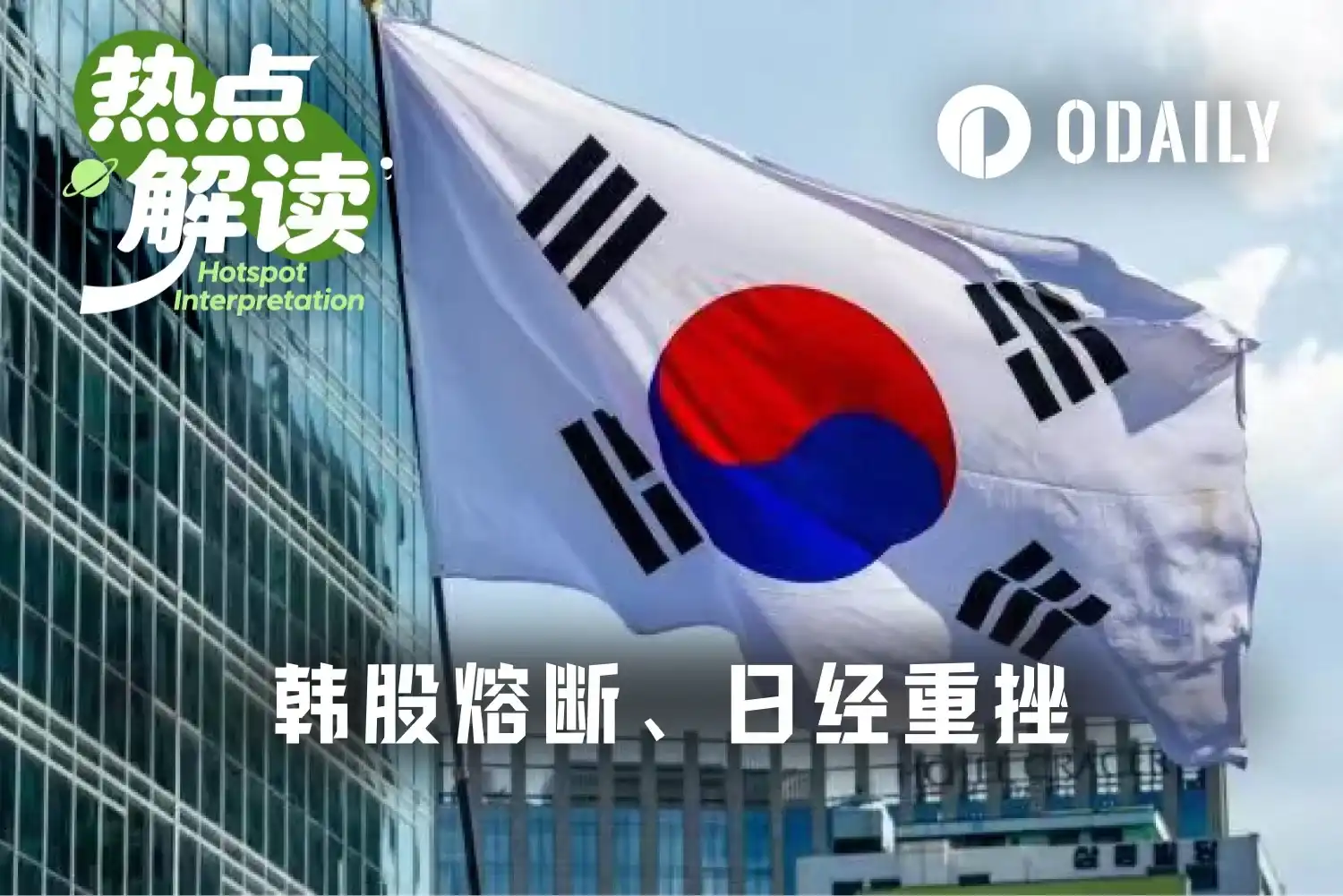
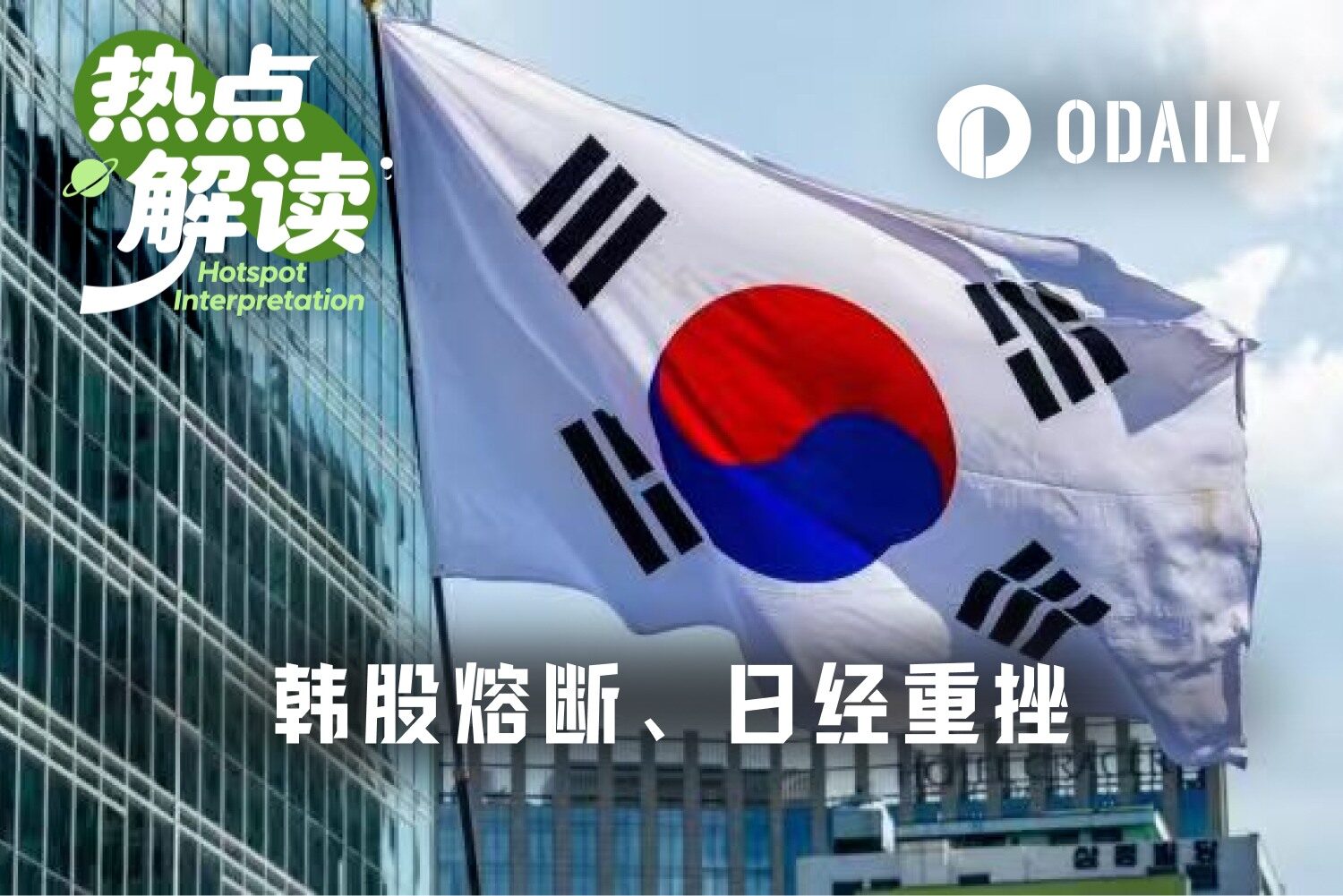
Black Tuesday in Japanese and Korean Stock Markets: South Korea Triggers Circuit Breaker, Nikkei Plummets, AI Boom Undergoes Phased Adjustment

"Black Tuesday" for Asian Markets: Korean Stocks Halted by Circuit Breaker, Nikkei Plunges as AI Rally Undergoes Correction Asian stock markets experienced severe turbulence on Tuesday, with South Korea's benchmark KOSPI index plummeting nearly 10% after triggering a market-wide trading halt when its losses exceeded 8%. Japan's Nikkei 225 index also fell sharply by approximately 3.5%, ending an eight-day winning streak. The sell-off was heavily concentrated in the technology and semiconductor sectors, with giants like Samsung Electronics and SK Hynix leading the declines. The plunge reflected a rapid reversal from recent highs, with the KOSPI having retreated over 12% from its mid-June peak. Analysts attribute the sharp correction to multiple converging factors. The direct trigger was weakness in U.S. tech stocks, which fueled profit-taking in overbought Asian markets. Furthermore, stronger-than-expected U.S. jobs data has reinforced expectations that the Federal Reserve will maintain or even raise interest rates, putting pressure on rate-sensitive growth stocks. Structural vulnerabilities also played a role, particularly in South Korea, where the market is highly concentrated in a few semiconductor heavyweights, making it susceptible to shifts in global AI demand and foreign capital outflows. Despite the short-term volatility, the long-term narrative for AI and semiconductors remains intact. Industry forecasts still point to massive growth in global AI capital expenditure over the coming years. South Korean firms like SK Hynix maintain a dominant position in critical segments like High Bandwidth Memory (HBM), with long-term orders secured well into 2027. While near-term fluctuations are expected to continue, driven by U.S. monetary policy signals and upcoming corporate earnings, the current correction may present a buying opportunity for quality assets tied to the enduring AI infrastructure build-out.

marsbit17m ago

Black Tuesday in Japanese and Korean Stock Markets: South Korea Triggers Circuit Breaker, Nikkei Plummets, AI Boom Undergoes Phased Adjustment

marsbit17m ago

'Black Tuesday' for Japanese and Korean Stock Markets: Korean Market Triggers Circuit Breaker, Nikkei Plunges, AI Frenzy Undergoes a Phased Adjustment

"Black Tuesday" for Japanese and South Korean Stock Markets: KOSPI Triggers Circuit Breaker, Nikkei Plunges as AI Rally Undergoes Correction Asian stock markets experienced severe volatility. South Korea's KOSPI index plunged over 8% intraday, triggering a 20-minute market-wide trading halt, and closed nearly 10% lower, marking its third-largest single-day drop this year. Japan's Nikkei 225 fell approximately 3.5%, ending an eight-session winning streak. The tech and semiconductor sectors led the decline, with heavyweights like Samsung Electronics and SK Hynix suffering double-digit losses, fueled by foreign investor selling and panic. The sell-off stemmed from multiple factors. A weak prior session for U.S. tech stocks, especially the "Magnificent Seven," raised concerns about AI's profitability timeline. Intense profit-taking followed massive year-to-date gains (KOSPI up over 80%, Nikkei hitting record highs). Hawkish signals from the Fed, suggesting potential rate hikes due to strong U.S. data, pressured rate-sensitive growth stocks. Structural vulnerabilities, like the high concentration of semiconductor giants in the KOSPI, amplified the drop, with foreign capital outflows exacerbating the move. Short-term volatility is expected to persist, contingent on U.S. market stability and Fed policy. However, the long-term AI narrative remains robust. Forecasts predict trillions in global AI capital expenditure through 2031. South Korea's leading position in critical areas like HBM memory, with major players' order books filled into 2027, provides fundamental support. This correction may represent a shift from speculative frenzy to a focus on tangible AI infrastructure, offering a potential entry point for long-term investors.

Odaily星球日报18m ago

'Black Tuesday' for Japanese and Korean Stock Markets: Korean Market Triggers Circuit Breaker, Nikkei Plunges, AI Frenzy Undergoes a Phased Adjustment

Odaily星球日报18m ago

Trading

Spot
Futures

Hot Articles

Discussions

Welcome to the HTX Community. Here, you can stay informed about the latest platform developments and gain access to professional market insights. Users' opinions on the price of ETH (ETH) are presented below.

活动图片