Chip Stocks Lead Gains, Driving Nasdaq Rebound; Dow Hits 53,000 for First Time; Oil and Gold Under Pressure; Bitcoin Surges Following Trump's Statement

华尔街日报Dipublikasikan tanggal 2026-07-13Terakhir diperbarui pada 2026-07-13

Abstrak

On Monday, U.S. stocks rallied with the tech-heavy Nasdaq leading gains, breaking a recent losing streak. The Dow Jones Industrial Average closed above the 53,000 mark for the first time. The rebound was fueled by positive news from AI infrastructure leaders: Nvidia confirmed its server roadmap remains unchanged, and Broadcom announced an extended chip partnership with Apple until 2031. However, Morgan Stanley strategist Mike Wilson warned that the semiconductor sector's trajectory resembles that of silver before a sharp correction, hinting at potential bubble risks. In commodities, oil prices remained under pressure. WTI crude traded flat around $68-$69, while Brent fell to its lowest since late February at $71.75. This weakness followed Saudi Arabia's significant price cut for August cargoes—its largest in at least 26 years—raising concerns about oversupply as OPEC+ agreed to boost production targets starting in August. Gold edged down 0.4% to $4,162 per ounce, pressured by a stronger dollar and hawkish-leaning signals from Federal Reserve officials. Bitcoin reversed early losses to surge about 1.4% to $63,571 after former President Donald Trump publicly declared himself a "big believer in cryptocurrency." This statement countered selling pressure from a major firm's $216 million Bitcoin divestment. In bond markets, the 10-year Treasury yield dipped slightly to 4.47%. The dollar index was largely flat, while USD/JPY rose 0.4% to 162.03, nearing a 40-year high and testin...

U.S. stocks rallied across the board on Monday, with tech stocks leading the gains, interrupting last week's consecutive losses. Meanwhile, a sharp price cut by Saudi Arabia exacerbated supply glut concerns, putting pressure on international oil prices.

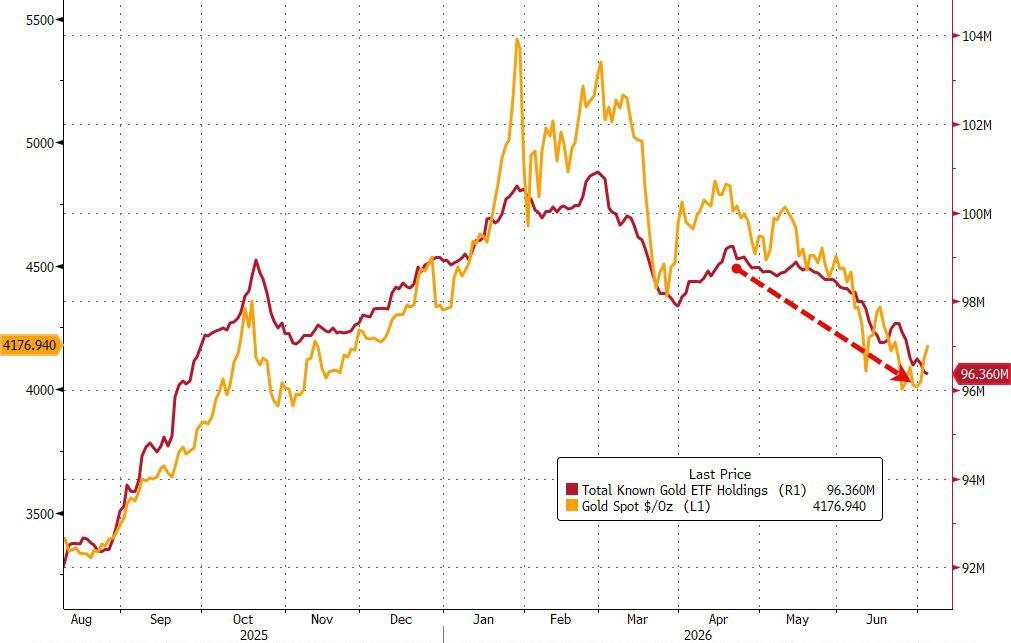
Gold edged lower due to persistent ETF outflows; Bitcoin staged a strong rebound after Trump publicly voiced support for cryptocurrencies.
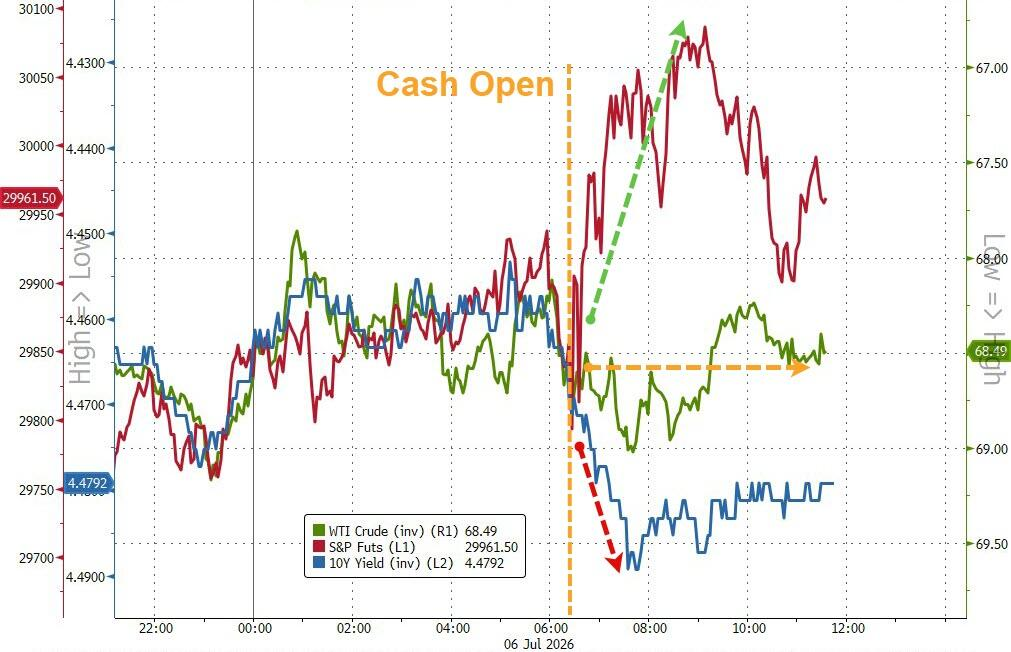
The Nasdaq 100 index rose 1.3% on Monday, the S&P 500 gained 0.7%, and the Dow Jones Industrial Average advanced 0.3%, breaching the 53,000-point milestone during the session. Nvidia's confirmation that its server roadmap remained unaffected and Broadcom's announcement of an extended chip partnership with Apple until 2031 bolstered confidence in the sustainability of AI infrastructure investment.

Trump stated in the White House Oval Office, "I have become a firm believer in cryptocurrency," directly pushing Bitcoin to its intraday high, with gains widening to about 1.4%, reaching $63,571. Gold fell 0.4% to $4,162 per ounce, with hawkish comments from Fed officials maintaining pressure on precious metals.
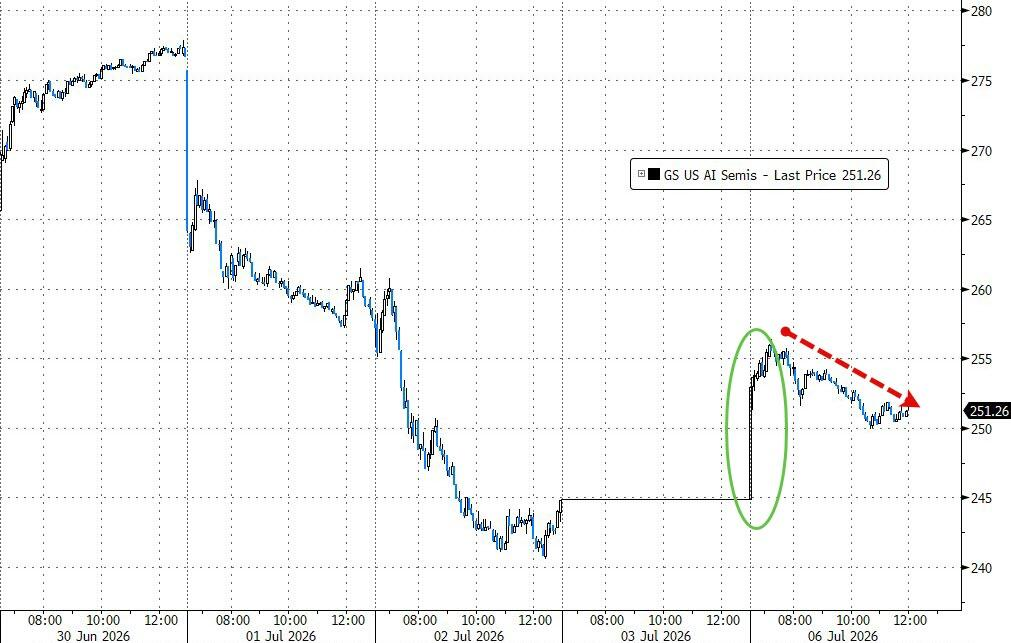
Foxconn, a Nvidia partner, reported quarterly revenue grew approximately 40% year-on-year, beating market expectations, and indicated that AI demand continues to expand.

South Korean memory chip giant SK Hynix also launched a formal U.S. IPO roadshow on Monday, planning to raise up to 43 trillion won (approximately $280 billion), having received up to $70 billion in indicative subscriptions from major investors.

However, a comparison by Morgan Stanley chief strategist Mike Wilson drew attention. He noted that the current trajectory of the semiconductor sector highly resembles that of silver before its crash, hinting at bubble risks that should not be overlooked.

A team led by Jean Boivin at BlackRock Investment Institute argues that whether AI constitutes a bubble depends not on current valuations, but on whether future profits can sustain at supernormal levels. The team wrote:

The market is increasingly pricing in this outcome, expecting AI to sufficiently boost productivity and growth to support current supernormal profits.

Jean Boivin's team pointed out that currently still-high profit margins are evidence supporting earnings resilience.

Mark Haefele, CIO of UBS, said investors this week will look for signs of stabilization in tech stock volatility while assessing whether pressure on hyperscale cloud providers' stock prices affects market expectations for the AI capital expenditure path.

He noted that if capital expenditure plans remain unchanged, it would help alleviate market doubts about the sustainability of AI infrastructure demand.

The oil market remained weak on Monday, with WTI crude largely flat within the $68-$69 range, while Brent crude fell to $71.75, its lowest level since late February this year.
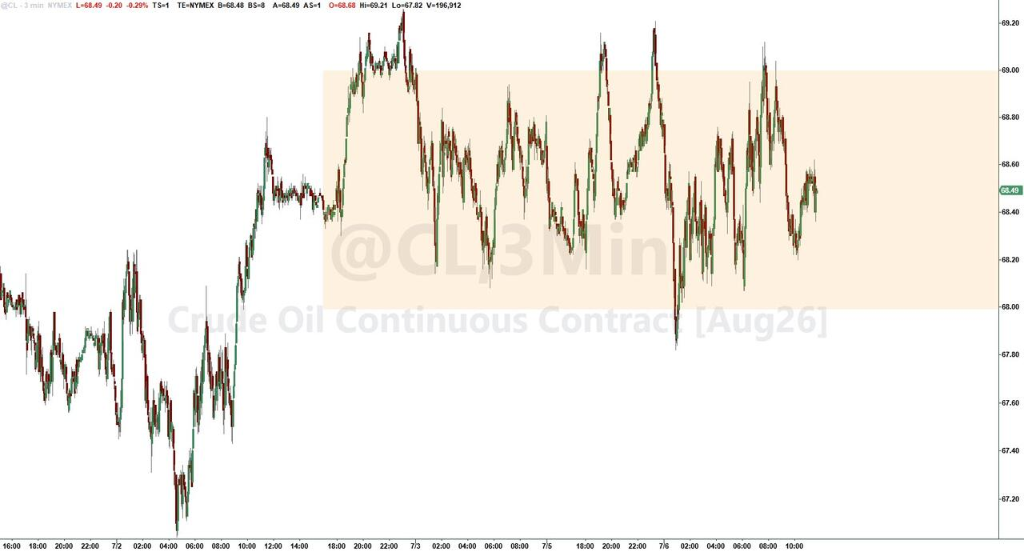
The key trigger for this round of oil price pressure was Saudi Arabia's significant price cut for August-loading crude oil.
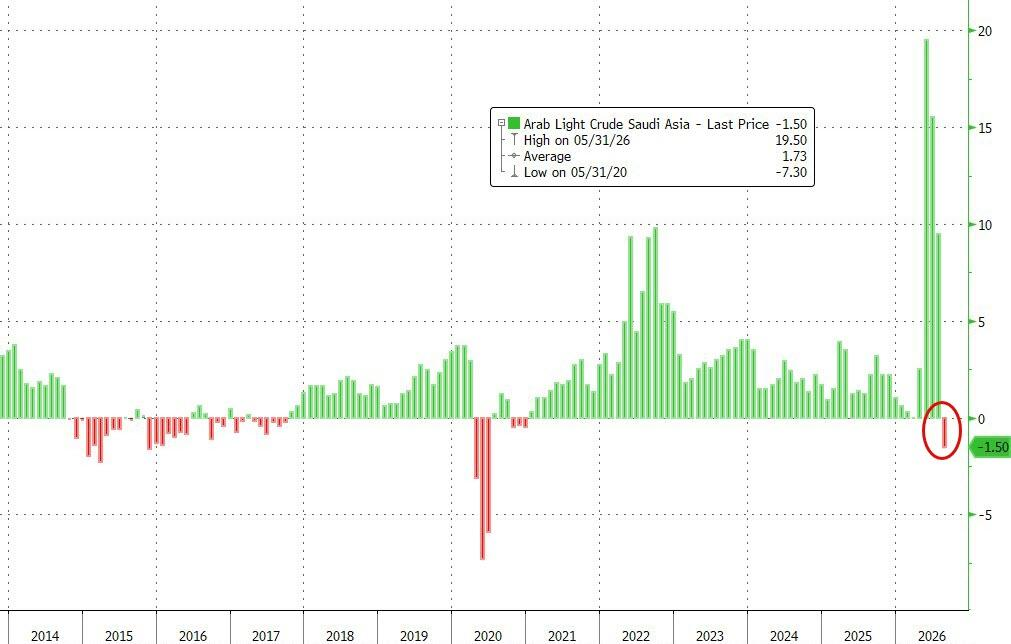
This is Saudi Arabia's largest official selling price cut in at least 26 years and its first time selling crude at a discount since the 2020 price war.

This raises concerns about whether other Middle Eastern producers will be forced to follow suit with price cuts, with official prices from other regional producers expected to be announced in the coming days. OPEC+ also agreed to further increase production targets by 188,000 barrels per day starting in August.

Ahmed Mehdi, an oil market analyst at Renaissance Energy Advisors, said Saudi Arabia's price cut reflects an inventory buildup of spot cargoes, not a new price war, and is more a result of "normalization of disorder in the Strait of Hormuz." He added:

Prices need to be competitive enough to reignite buying interest from Asian countries.

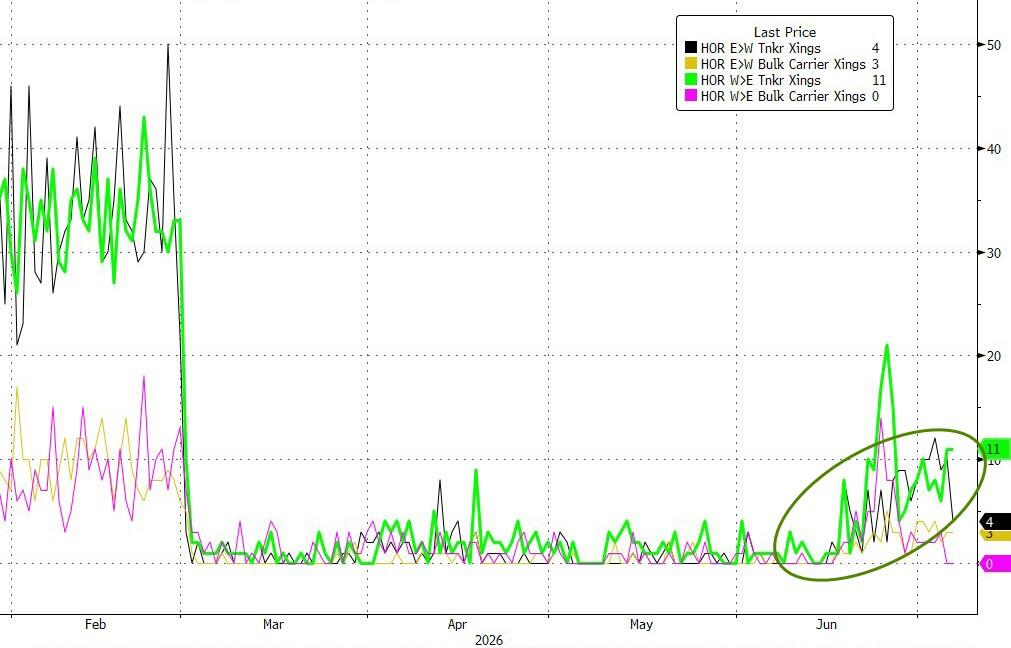
The number of vessels passing through the Strait of Hormuz continued to recover, with 160 vessels reported passing through from Monday to Saturday last week, but overall levels remain well below pre-war norms.
Gold fell on Monday, with spot gold down about 0.4% to $4,162 per ounce, despite briefly testing the $4,200 level overnight.
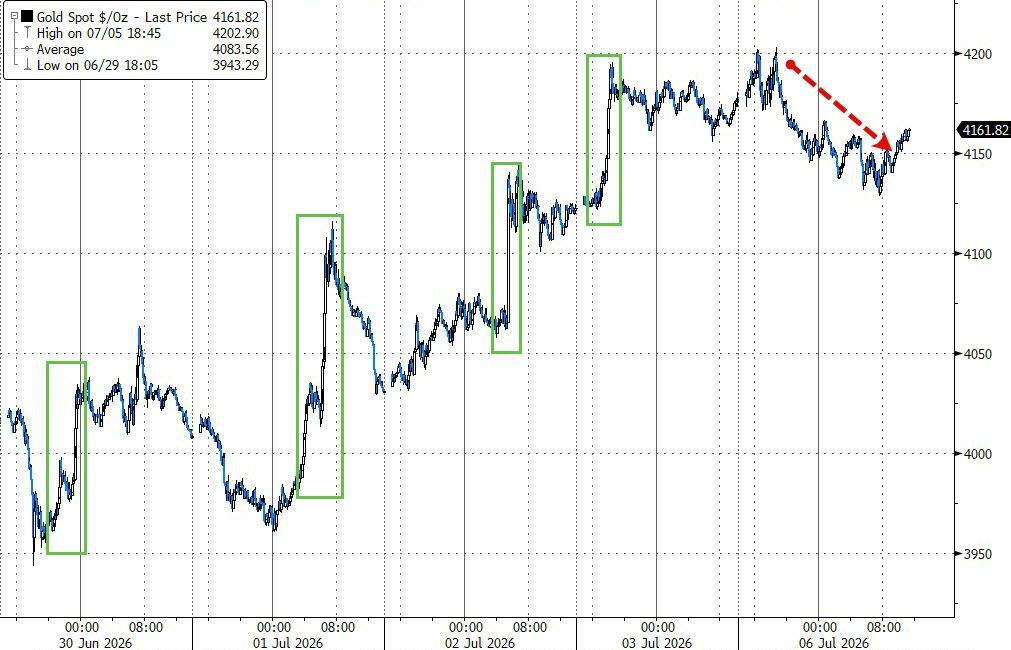
According to Bloomberg, the core logic behind gold's pressure is: despite falling oil prices, both the dollar and interest rates—two key financial drivers for gold—have moved in directions unfavorable to gold due to the Fed's hawkish signals.
Fed Governor Waller, speaking at a conference in Rome, reiterated that forward guidance remains valuable if used prudently, while emphasizing that the Fed's risk balance has clearly tilted toward inflation.

The ISM services data released on Monday showed a slight slowdown in the pace of U.S. service sector expansion in June, but employment improved and cost pressures eased. The ISM report also noted that multiple industries plan to raise prices due to geopolitical conflicts and industry cost pressures, reinforcing sticky inflation expectations.

Lawrence Gillum, chief fixed income strategist at LPL Financial, said:

The rates market has clearly calmed down; it's no longer an oil price story, and there aren't any particularly stimulative drivers.

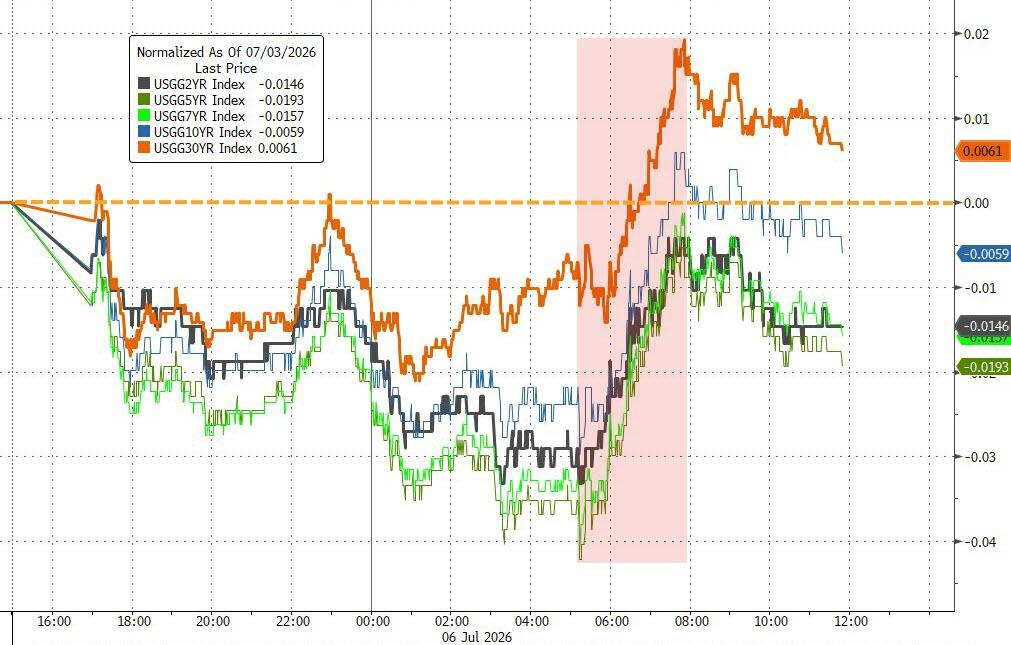
The 10-year Treasury yield edged down 2 basis points to 4.47% on Monday, while the 30-year yield rose 1 basis point, with overall curve movement mild.
Expectations for 2026 rate hikes remained at about 30 basis points, still significantly higher than market pricing before new Fed Chair Wash took office.
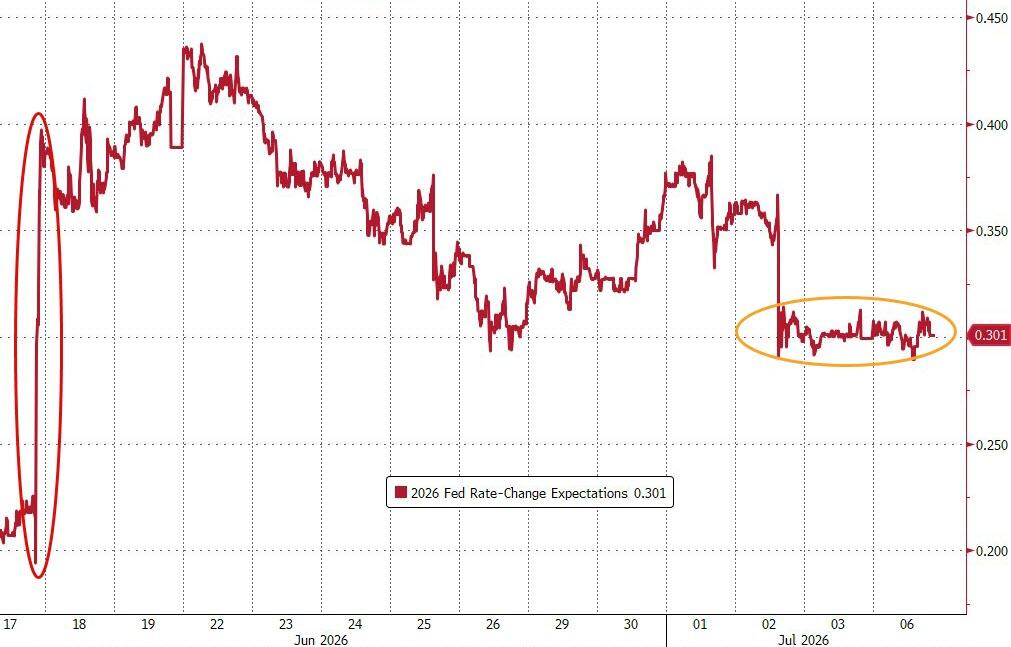
The market generally expects Wash to dilute the policy guidance content in FOMC meeting minutes. Steve Englander of Standard Chartered wrote in a report:

We expect Wash to make the FOMC minutes less informative in reflecting participants' views.

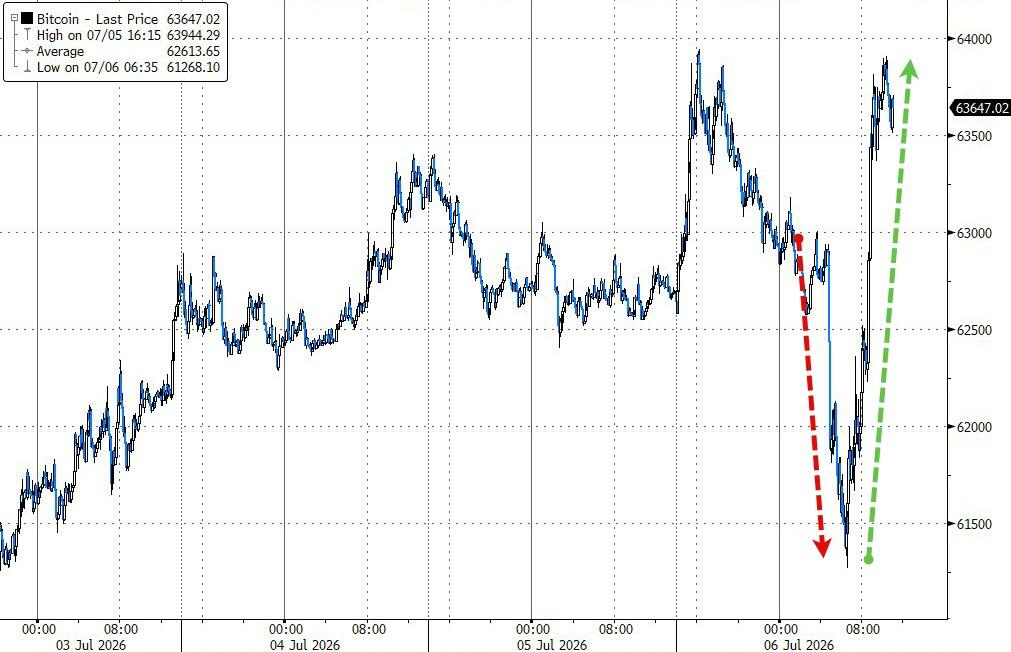
The cryptocurrency market experienced notable volatility on Monday.

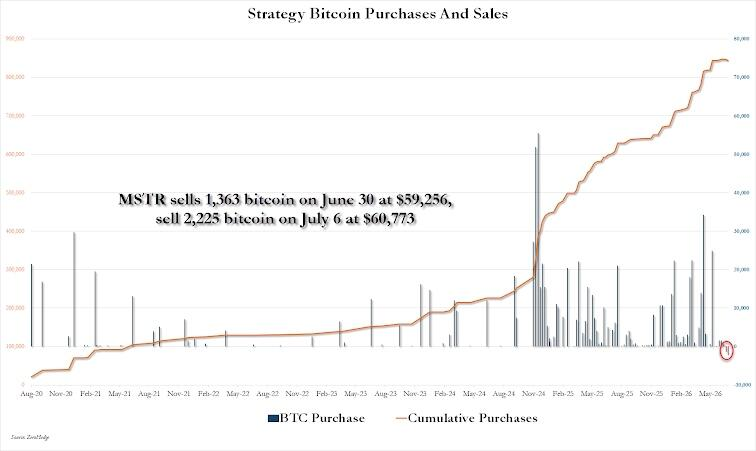
Bitcoin initially fell toward $61,000, triggered by Strategy's sale of approximately $216 million in Bitcoin holdings. This was the company's second major divestment this year, part of its recently announced financing structure adjustment plan.
However, Trump's subsequent public remarks in the Oval Office quickly reversed market sentiment. Responding to a reporter's question, he said, "I have become a firm believer in cryptocurrency," prompting Bitcoin to rally to its daily high, eventually closing up about 1.4% at $63,571. Ethereum also gained 0.7% to $1,787.
The U.S. dollar index closed largely flat on Monday, rising during the session to retest the gap left after last week's non-farm payrolls report, but ultimately gave up those gains.
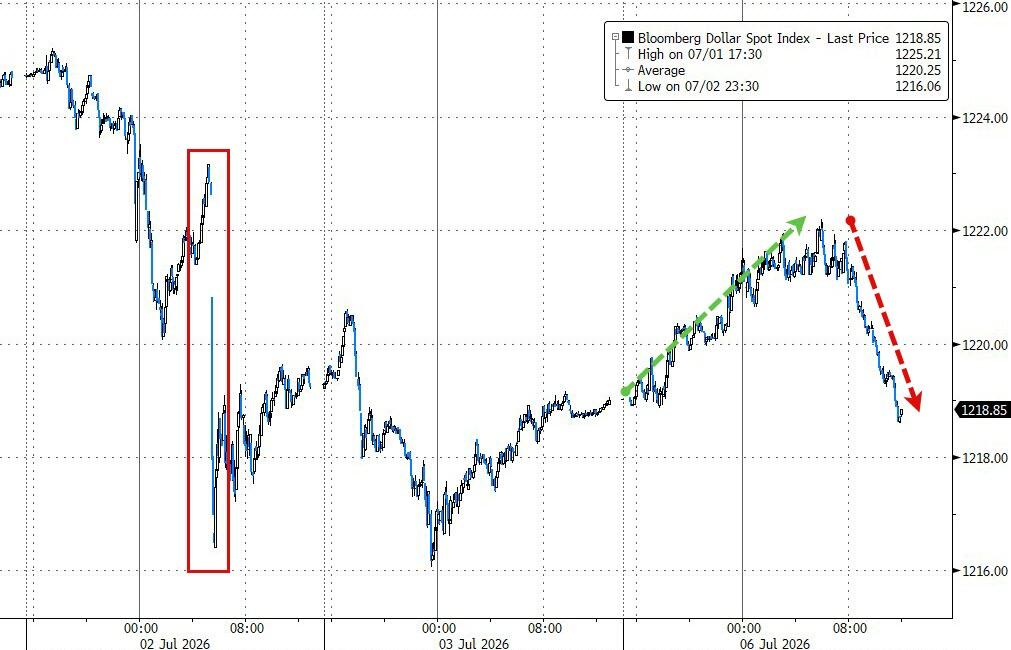
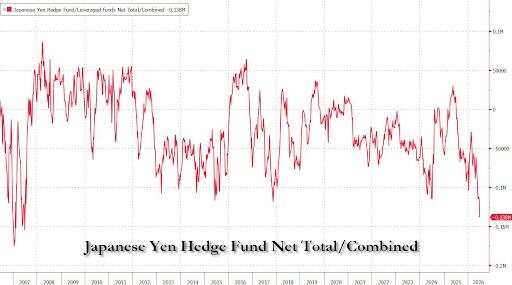
Regarding the yen, the dollar rose 0.4% against the yen to 162.03, nearing its 40-year high of 162.84, indicating the market continues to test Japanese authorities' intervention willingness. Meanwhile, hedge fund short positions on the yen are near historic highs.
U.S. stocks rebounded broadly on Monday, with tech stocks (Nasdaq) leading gains, and the Dow breaking above 53,000 points for the first time. Buying resumed after the long weekend following last week's sell-off post-non-farm payrolls.

Major U.S. Stock Indices:

  • Returning from the long weekend, the S&P 500 closed up 54.19 points, or 0.72%, at 7,537.43.

  • The Dow Jones Industrial Average closed up 155.84 points, or 0.29%, at 53,055.91, surpassing its previous closing record high set on non-farm payrolls day (July 2).

  • The Nasdaq closed up 288.488 points, or 1.12%, at 26,121.16. The Nasdaq 100 index closed up 368.66 points, or 1.26%, at 29,697.873.

  • The Russell 2000 closed up 0.45%, at 3,009.541.

  • The VIX volatility index closed down 1.58%, at 15.56, having stabilized around 10.30 since 15:00 Beijing time and declining persistently as U.S. stocks opened.

U.S. Stock Sector ETFs:

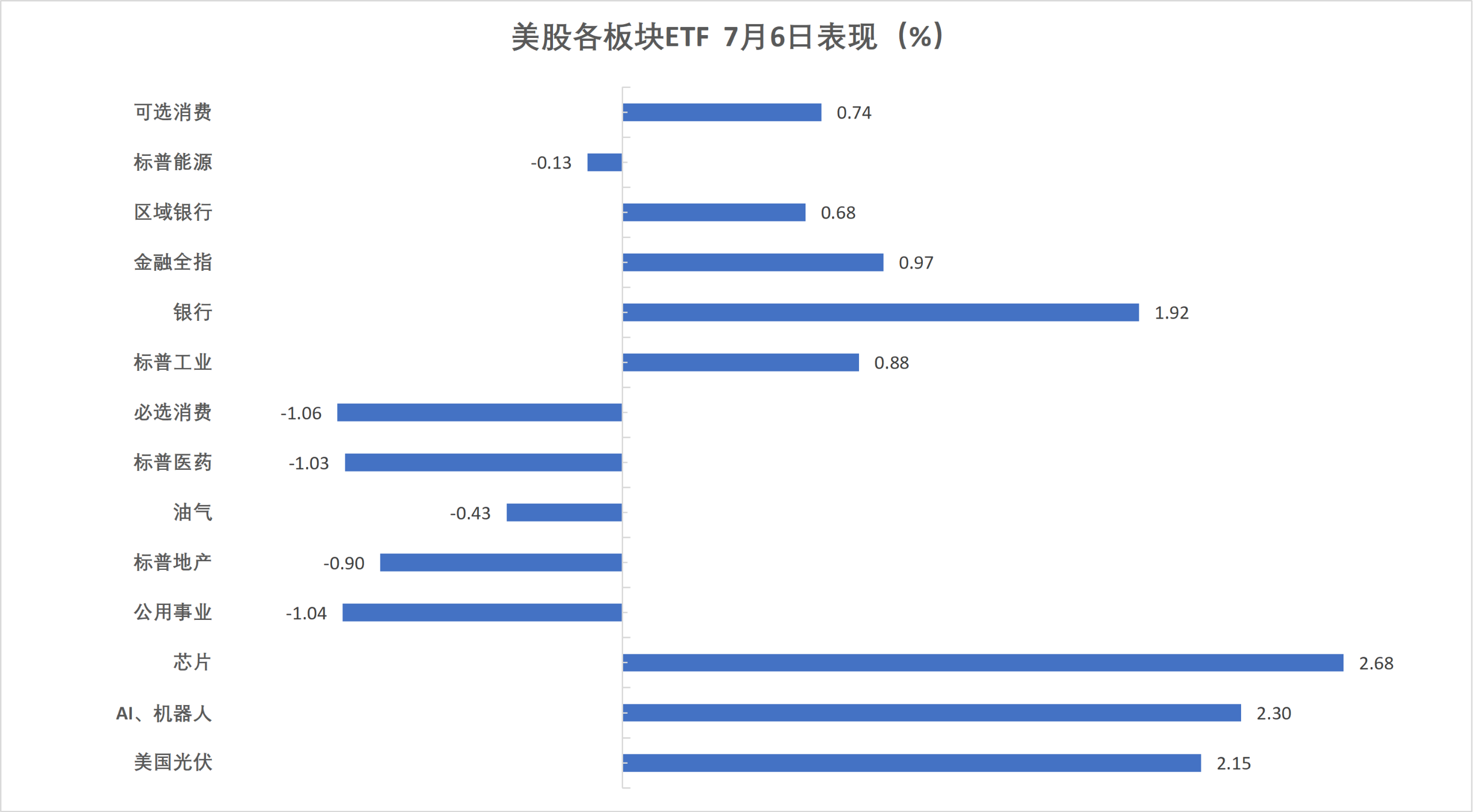
  • Most U.S. stock sector ETFs closed higher. The Global Tech Stocks Index ETF rose 2.18%, the Semiconductor ETF rose 2.03%, the Technology Sector ETF and Internet Index ETF gained up to 1.67%, while the Energy Sector ETF and Biotechnology Index ETF fell up to 0.20%.

(July 6: U.S. Stock Sector ETFs)

The "Magnificent Seven":

  • The Wind U.S. Tech Stock Magnificent 7 index rose 1.42%.

  • Tesla closed up 6.69%, Meta up 2.98%, Google A up 1.82%, Apple up 1.31%, Amazon up 0.61%, Nvidia up 0.37%, Microsoft down 0.96%.

Chip Stocks:

  • The Philadelphia Semiconductor Index closed up 2.17%, at 12,900.142.

  • TSMC ADR rose 4.07%, AMD rose 6.61%.

Chinese Stocks:

  • The Nasdaq Golden Dragon China Index closed up 1.71%, at 6,013.62.

  • Among popular Chinese stocks, BYD, Tencent, ASE Technology, and Canadian Solar closed up 4.5%, Nio and Meituan up 4.1%, XPeng up 3.6%, New Oriental and NetEase up 3%, Alibaba up 1.9%.

Other Individual Stocks:

  • Circle rose 6.24%.

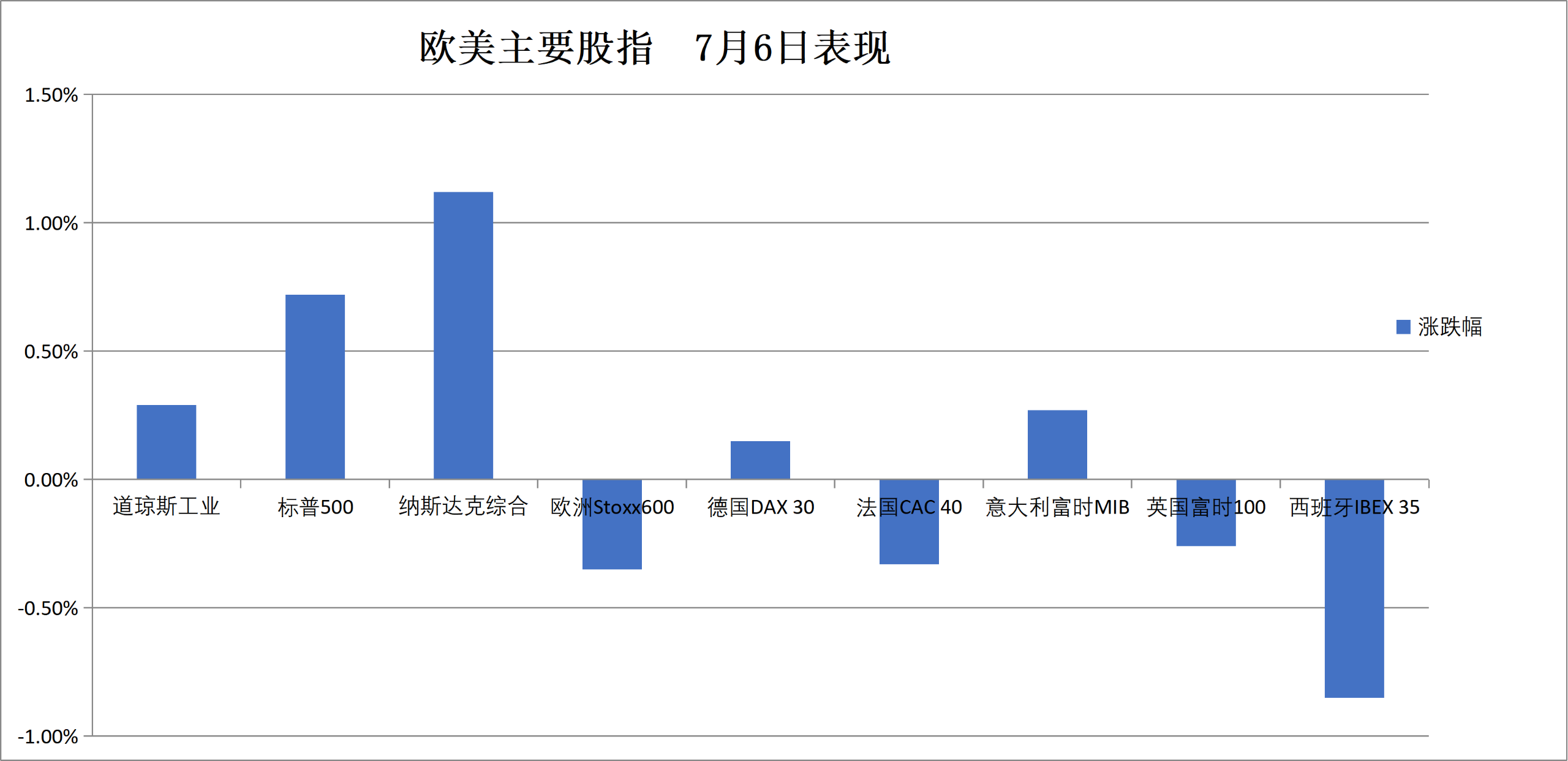
The European STOXX 600 index retreated from its record closing high of 652.77 set last Friday (July 3, the day after the U.S. non-farm payrolls report) but hit an intraday record high of 654.44 early Monday.

Pan-European Indices:

  • The European STOXX 600 index closed down 0.35%, at 650.50.

  • The Eurozone STOXX 50 index closed down 0.23%, at 6,398.01.

National Indices:

  • Germany's DAX 30 index closed up 0.15%, at 25,817.89, setting a record closing high for the third consecutive session and rising for five straight days (gaining 4.84% over the period).

  • France's CAC 40 index closed down 0.33%, at 8,479.87.

  • Britain's FTSE 100 index closed down 0.26%, at 10,651.77.

    (July 6: Performance of Major U.S. and European Indices)

Sectors and Stocks:

  • Among Eurozone blue-chips, Anheuser-Busch InBev closed down 4.11%, Bayer down 4.09%, Iberdrola down 3.81% (third biggest decliner), L'Oréal down 1.16%, and Hermès down 0.88% performed poorly.

  • Among all components of the European STOXX 600, BE Semiconductor Industries closed down 5.49%, Maersk B-shares down 5.45%, Kongsberg Maritime down 4.79% (third biggest decliner).
Kripto yang Sedang Tren

Pertanyaan Terkait

QWhat factors contributed to the Nasdaq's rebound on Monday?

AThe Nasdaq's rebound was primarily driven by gains in chip and tech stocks. Key catalysts included Nvidia confirming its server roadmap remains unaffected and Broadcom announcing an extension of its chip collaboration with Apple until 2031, which boosted confidence in the sustainability of AI infrastructure investment. Additionally, major AI hardware partners like Foxconn reported strong quarterly revenue growth, indicating robust demand.

QWhy did international oil prices face downward pressure on Monday?

AInternational oil prices faced downward pressure primarily due to Saudi Arabia's significant price cut for August-loading crude, its largest in at least 26 years. This move fueled concerns about oversupply, especially as OPEC+ agreed to further increase production targets by 188,000 barrels per day starting in August. The price cut was seen as an effort to stimulate buying interest in Asia amidst inventory build-up and the normalization of shipping traffic through the Strait of Hormuz.

QHow did former President Trump's comments impact the cryptocurrency market, specifically Bitcoin?

AFormer President Trump's public statement in the Oval Office, where he said 'I have become a firm believer in cryptocurrency,' directly triggered a strong rebound in Bitcoin. The price rose to the day's high, with intraday gains expanding to about 1.4%, closing at $63,571. This statement helped reverse earlier negative sentiment caused by a large Bitcoin sale from the company Strategy.

QWhat was the main reason for gold's slight decline on Monday?

AGold's slight decline was mainly attributed to persistent outflows from gold ETFs and headwinds from financial drivers. Despite falling oil prices, the US dollar and interest rates—two key financial drivers for gold—moved in directions unfavorable to the metal due to hawkish signals from Federal Reserve officials, such as Governor Waller's remarks emphasizing inflation risks.

QWhat major concern did Morgan Stanley's chief strategist Mike Wilson raise regarding the semiconductor sector?

AMorgan Stanley's chief strategist Mike Wilson raised concerns about a potential bubble in the semiconductor sector. He pointed out that the current trajectory of the semiconductor sector is highly similar to the path silver took before its sharp decline, implying significant bubble risks that should not be ignored.

Bacaan Terkait

Setelah Tiga Kuartal Berturut-Turut Turun, Bisakah Pasar Kripto Menyambut Jendela Stabilitas di Kuartal Ketiga?

Pasar kripto mengalami kuartal terburuk sejak 2022, dengan kapitalisasi pasar turun 12.6% menjadi $2.1 triliun, didorong oleh keluarnya modal dan penurunan volume perdagangan. Bitcoin dan Ethereum masing-masing jatuh 14.2% dan 25.4% di kuartal kedua. Aliran keluar bersih dari ETF Bitcoin AS mencapai $4.67 miliar, menandakan tekanan jual yang berkelanjutan. Faktor utama meliputi terputusnya hubungan dengan saham AS, kebijakan moneter Federal Reserve yang ketat, dan pelepasan aset oleh perusahaan seperti Strategy. Proses legislasi UU CLARITY yang akan memberikan kejelasan regulasi terhambat, meningkatkan premi risiko di sektor ini. Namun, ada tanda-tanda potensi stabilisasi. Aliran keluar ETF yang besar secara historis sering terjadi di akhir fase penurunan, dan para pemegang Bitcoin jangka panjang mulai menambah kepemilikan lagi. Sementara sebagian besar sektor menyusut, pasar prediksi dan aset koleksi yang ditokenisasi mencatat pertumbuhan signifikan. Pandangan untuk kuartal ketiga sangat bergantung pada pertemuan Fed akhir Juli. Sinyal kebijakan yang lunak dapat mendukung pemulihan Bitcoin, sementara sikap yang hawkish dapat memicu konsolidasi lebih lanjut. Meskipun tantangan regulasi tetap ada, indikator teknis seperti harga Bitcoin yang mendekati rata-rata bergerak 200-mingguannya menunjukkan dasar jangka panjang belum rusak. Logika pasar telah bergeser dari mengandalkan narasi ke faktor fundamental seperti kebijakan dan ekspektasi suku bunga.

marsbit21j yang lalu

Setelah Tiga Kuartal Berturut-Turut Turun, Bisakah Pasar Kripto Menyambut Jendela Stabilitas di Kuartal Ketiga?

marsbit21j yang lalu

The SpaceX Trade, Terbuka: SPCXON Mulai Diperdagangkan di WEEX

SpaceX meluncurkan IPO terbesar dalam sejarah pada Juni 2026, namun akses bagi banyak pedagang terhambat oleh batasan regional dan prosedur broker. WEEX kini menghadirkan SPCXON/USDT di pasar spotnya, sebuah instrumen tokenisasi yang memungkinkan paparan terhadap pergerakan harga SpaceX melalui akun kripto yang diselesaikan dengan USDT, tanpa memerlukan broker AS atau pembiayaan bank. SPCXON adalah produk tokenisasi yang mencerminkan ekonomi kepemilikan SpaceX bagi pedagang yang memenuhi syarat di luar AS, dengan dividen diinvestasikan kembali. Aset ini diperdagangkan di WEEX sebagai pasangan spot dengan USDT, tersedia selama jam pasar, memberikan akses mudah bagi trader kripto. Kasus investasi untuk SpaceX didasarkan pada pertumbuhan pendapatan Starlink dan pencapaian Starship, meskipun valuasinya yang tinggi (sekitar 90-110 kali pendapatan) telah memperhitungkan eksekusi sempurna selama bertahun-tahun. Faktor seperti jumlah saham publik yang terbatas dan masa buka kunci (unlock) insider pertama menjadi pertimbangan penting. Penting untuk diingat bahwa SPCXON memberikan paparan, bukan kepemilikan langsung atas saham atau hak suara. Harganya dapat diperdagangkan pada premium atau diskon terhadap nilai aset bersih. WEEX menawarkan akses ke berbagai aset TradFi yang ditokenisasi seperti ini dalam satu akun terpadu, bersama dengan pasar futures dan kampanye perdagangan dengan pool hadiah.

TheNewsCrypto21j yang lalu

The SpaceX Trade, Terbuka: SPCXON Mulai Diperdagangkan di WEEX

TheNewsCrypto21j yang lalu

Momen Perdagangan BIT: BTC Masih Tertekan oleh EMA 200 Mingguan, Setelah Ditolak Mungkin Kembali Turun, Saham Penyimpanan dan Semikonduktor yang Melonjak Malam Kemudian Mulai Anjlok di Pasar Malam

**PASAR KRIPTO & SAHAM: BTC Hadapi Resistensi, Saham Semikonduktor Turun di Perdagangan Malam** Pasar kripto melanjutkan pemulihan, dengan harga Bitcoin bertahan di sekitar $66,000 setelah rebound lebih dari 15% dari titik terendah Juli. Namun, BTC menghadapi **tembok resistensi kuat di dekat $68,000**, yang bertepatan dengan biaya rata-rata investor selama lima bulan terakhir dan titik gagalnya rebound pertengahan Juni. Secara teknis, perhatian tertuju pada **200 EMA mingguan (~$68,328) sebagai level kunci**. Jika BTC ditolak di level ini, potensi penurunan menuju support $63,000 terbuka. Analis menyoroti volume rendah dan penurunan open interest futures di CME, menandakan rebound ini lebih dipicu likuiditas rendah musim panas daripada awal bull run penuh. Di pasar saham AS, **indeks futures utama turang** setelah sesi kemarin yang kuat. Sektor semikonduktor dan penyimpanan (storage), yang melonjak pada hari Selasa (contoh: Micron +12%), **mengalami koreksi di perdagangan malam (night trading)**. ETF semikonduktor turun 2,22% dan saham Micron turun 2,29%. Meski begitu, ada sorotan positif seperti **Super Micro Computer (SMCI)** yang naik lebih dari 15% setelah melaporkan pandangan pendapatan yang kuat dan pesanan baru yang sangat besar, mengonfirmasi permintaan server AI tetap solid. Kekhawatiran makro muncul dari **kenaikan harga minyak mentah (di atas $91)** akibat ketegangan geopolitik dan **lonjakan imbal hasil (yield) obligasi pemerintah AS**, dengan imbal hasil 10-tahun mencapai sekitar 4,64%. Faktor-faktor ini dapat menambah tekanan inflasi dan membatasi ruang gerak pasar saham. Saham terkait kripto seperti Coinbase dan Robinhood naik kuat didorong oleh perkembangan regulasi yang lebih jelas di AS. Di Asia, **Korea Selatan** dan **Jepang** menunjukkan kinerja beragam. Indeks KOSPI Korea naik didukung pemulihan saham semikonduktor, sementara pasar Jepang melemah dengan **Yen terus melemah ke level terendah sejak 1986**, meningkatkan kekhawatiran akan intervensi bank sentral. **Yang Perlu Diperhatikan Selanjutnya:** * **22 Juli:** Acara AI AMD, rilis laporan keuangan dari Google (Alphabet), Tesla, IBM. * **23 Juli:** Keputusan suku bunga Bank Sentral Eropa (ECB), data klaim pengangguran AS, laporan keuangan Intel. * Perkembangan lebih lanjut dari **harga minyak, imbal hasil obligasi, dan dinamika Yen Jepang** akan menjadi penentu sentimen pasar risiko secara keseluruhan.

marsbit21j yang lalu

Momen Perdagangan BIT: BTC Masih Tertekan oleh EMA 200 Mingguan, Setelah Ditolak Mungkin Kembali Turun, Saham Penyimpanan dan Semikonduktor yang Melonjak Malam Kemudian Mulai Anjlok di Pasar Malam

marsbit21j yang lalu

Mantan Ketua CFTC dan Presiden Circle, Tarbert: Satu Pihak Menasihati Anda untuk Berpikir Jangka Panjang, di Sisi Lain Menguangkan $30 Juta Sendiri

Penulis: Zen, PANews Heath Tarbert, mantan Ketua CFTC dan Presiden Circle, baru-baru ini menyerukan kepada investor untuk mengadopsi pandangan jangka panjang terhadap saham Circle, meskipun harganya telah turun 70% dari puncaknya. Namun, ia sendiri secara konsisten menjual saham CRCL sejak perusahaan go public, menguangkan sekitar $30 juta tanpa pernah membeli saham tambahan di pasar terbuka. Tarbert, yang bergabung dengan Circle pada Juli 2023 dan menjadi Presiden pada awal 2025, dikenal sebagai pendukung kuat narasi "jangka panjang" perusahaan. Namun, sehari sebelum IPO Circle, ia menetapkan rencana perdagangan 10b5-1 untuk menjual hingga 353.290 saham dalam setahun. Dalam 13 bulan setelah IPO, ia menjual lebih dari 360.000 saham, termasuk penjualan tunggal senilai $11,5 juta pada Maret 2026. Ia bahkan menetapkan rencana 10b5-1 kedua untuk menjual hingga 160.000 saham lagi pada akhir tahun 2026. Langkah Tarbert ini menuai kecaman karena dianggap tidak konsisten dengan pesan "jangka panjang" yang ia sampaikan kepada publik. Perjalanan kariernya sering dikaitkan dengan "revolving door" antara regulator dan dunia keuangan. Setelah mengundurkan diri sebagai Ketua CFTC pada Maret 2021, ia bergabung dengan Citadel Securities hanya 27 hari kemudian sebagai Kepala Penasihat Hukum, tepat saat perusahaan itu menghadapi pengawasan ketat terkait peristiwa GameStop. Di Citadel, ia juga mendukung undang-undang yang memperluas wewenang CFTC atas pasar crypto, sementara Citadel diketahui berencana berekspansi ke aset kripto. Tarbert kemudian pindah ke Circle pada 2023, membantu perusahaan mengatasi tantangan regulasi dan akhirnya go public melalui IPO langsung. Meskipun sangat berharga bagi perusahaan, tindakannya menjual saham dalam jumlah besar sambil mendorong investor untuk bertahan menimbulkan pertanyaan tentang komitmennya yang sebenarnya terhadap masa depan jangka panjang Circle.

marsbit21j yang lalu

Mantan Ketua CFTC dan Presiden Circle, Tarbert: Satu Pihak Menasihati Anda untuk Berpikir Jangka Panjang, di Sisi Lain Menguangkan $30 Juta Sendiri

marsbit21j yang lalu

Gate Research Institute: Produk Keuangan Kripto Menggulirkan Gelombang "Wall Street-ization", Kompetisi atau Integrasi?

**Ringkasan: Gelombang "Wall Street-ization" Produk Keuangan Kripto: Kompetisi atau Integrasi?** Artikel ini membahas fenomena konvergensi antara keuangan tradisional (TradFi) dan keuangan kripto (Crypto). Meskipun Bitcoin awalnya dirancang sebagai sistem peer-to-peer yang terdesentralisasi dan bebas dari perantara seperti bank, pasar kripto kini semakin diintegrasikan ke dalam infrastruktur keuangan tradisional. **Tren "Wall Street-ization":** Dimulai dengan disetujuinya ETF spot Bitcoin pada 2024, aset kripto kini dikemas menjadi produk seperti ETF (oleh BlackRock, Fidelity, dll.), futures, dan sekuritisasi aset riil (RWA) seperti obligasi pemerintah yang ditokenisasi. Ini memberikan akses yang mudah dan teregulasi bagi investor institusional, tetapi juga berarti kekuasaan atas penerbitan, penentuan harga, kustodian, dan distribusi aset kripto semakin bergeser ke lembaga keuangan besar. **Dua Jalur Konvergensi (1+1>2):** Artikel ini menyoroti dua arah integrasi: 1. **Dari CEX ke TradFi:** Dilambangkan oleh **Gate.io**, yang berkembang dari bursa kripto menjadi platform multi-aset. Gate kini menawarkan perdagangan saham nyata (AS, Hong Kong, Korea) menggunakan USDT, menyediakan akses tanpa batas waktu ke pasar tradisional. 2. **Dari TradFi ke Crypto:** Dilambangkan oleh **Robinhood**, platform broker tradisional yang memperluas layanannya ke aset kripto (termasuk melalui akuisisi Bitstamp) dan mengembangkan produk seperti token saham di blockchain. **Tujuan Bersama: Akun Keuangan "Super" Terpadu:** Kedua jalur ini bertujuan menciptakan **akun keuangan generasi berikutnya yang terpadu**. Pengguna di masa depan mungkin dapat memperdagangkan Bitcoin, saham Apple, ETF, emas, dan obligasi pemerintah yang ditokenisasi dalam satu antarmuka yang sama, menggunakan stablecoin sebagai lapisan dana. **RWA dan Obligasi Pemerintah di On-Chain sebagai Lapisan Tengah:** Tokenisasi aset dunia nyata, terutama obligasi pemerintah AS, menyediakan aset berpenghasilan rendah risiko di ekosistem on-chain. Pasar ini tumbuh pesat (naik 40% pada paruh pertama 2026) meskipun pasar kripto turun, menunjukkan permintaan nyata. **Kesimpulan:** "Wall Street-ization" bukanlah pengambilalihan sepihak, melainkan **transformasi timbal balik**. TradFi dan Crypto saling melengkapi: Crypto mendapatkan akses ke likuiditas, kepatuhan, dan jaringan distribusi yang luas, sementara TradFi mengadopsi efisiensi, kecepatan, dan pasar 24/7 dari Crypto. Hasil akhirnya adalah pembentukan **pasar modal terpadu yang lebih efisien dan global**, di mana batas antara aset tradisional dan kripto semakin kabur.

marsbit21j yang lalu

Gate Research Institute: Produk Keuangan Kripto Menggulirkan Gelombang "Wall Street-ization", Kompetisi atau Integrasi?

marsbit21j yang lalu

Trading

Spot

Artikel Populer

Cara Membeli CHIP

Selamat datang di HTX.com! Kami telah membuat pembelian USD.AI (CHIP) menjadi mudah dan nyaman. Ikuti panduan langkah demi langkah kami untuk memulai perjalanan kripto Anda.Langkah 1: Buat Akun HTX AndaGunakan alamat email atau nomor ponsel Anda untuk mendaftar akun gratis di HTX. Rasakan perjalanan pendaftaran yang mudah dan buka semua fitur.Dapatkan Akun SayaLangkah 2: Buka Beli Kripto, lalu Pilih Metode Pembayaran AndaKartu Kredit/Debit: Gunakan Visa atau Mastercard Anda untuk membeli USD.AI (CHIP) secara instan.Saldo: Gunakan dana dari saldo akun HTX Anda untuk melakukan trading dengan lancar.Pihak Ketiga: Kami telah menambahkan metode pembayaran populer seperti Google Pay dan Apple Pay untuk meningkatkan kenyamanan.P2P: Lakukan trading langsung dengan pengguna lain di HTX.Over-the-Counter (OTC): Kami menawarkan layanan yang dibuat khusus dan kurs yang kompetitif bagi para trader.Langkah 3: Simpan USD.AI (CHIP) AndaSetelah melakukan pembelian, simpan USD.AI (CHIP) di akun HTX Anda. Selain itu, Anda dapat mengirimkannya ke tempat lain melalui transfer blockchain atau menggunakannya untuk memperdagangkan mata uang kripto lainnya.Langkah 4: Lakukan trading USD.AI (CHIP)Lakukan trading USD.AI (CHIP) dengan mudah di pasar spot HTX. Cukup akses akun Anda, pilih pasangan perdagangan, jalankan trading, lalu pantau secara real-time. Kami menawarkan pengalaman yang ramah pengguna baik untuk pemula maupun trader berpengalaman.

507 Total TayanganDipublikasikan pada 2026.04.21Diperbarui pada 2026.06.02

Cara Membeli CHIP

Diskusi

Selamat datang di Komunitas HTX. Di sini, Anda bisa terus mendapatkan informasi terbaru tentang perkembangan platform terkini dan mendapatkan akses ke wawasan pasar profesional. Pendapat pengguna mengenai harga CHIP (CHIP) disajikan di bawah ini.

活动图片