# Oil Articoli collegati

Il Centro Notizie HTX fornisce gli articoli più recenti e le analisi più approfondite su "Oil", coprendo tendenze di mercato, aggiornamenti sui progetti, sviluppi tecnologici e politiche normative nel settore crypto.

The Other Side of the Stock Market Rally: Energy Restructuring, Bitcoin Squeeze, and Market Mismatch

The article examines the complex and seemingly contradictory signals in global markets, where rising equities, falling oil prices, and cooling inflation expectations coexist with unresolved structural tensions. In digital assets, a major corporate strategy added nearly $1 billion in Bitcoin, increasing its holdings significantly, while Bitcoin's price action is seen as less important than the persistent negative funding rates, indicating a crowded short position that could lead to a sharp upward repricing. The global oil trade is rapidly rewiring, with the U.S. Gulf Coast becoming a key supplier to Europe and Asia amid Middle East disruptions. However, the article warns that such supply shocks can lead to permanent demand destruction as consumers and governments adapt. U.S. equities rose on optimism over potential geopolitical de-escalation and softer PPI data, led by tech stocks like NVIDIA. Meanwhile, the U.S. Federal Reserve maintains a wait-and-see stance on rates. Geopolitically, U.S.-Iran negotiations are ongoing alongside a maritime blockade, which has disrupted energy infrastructure and supply chains. Finally, the push for supply chain reshoring, particularly in critical minerals and defense, is accelerating but faces significant execution challenges related to permitting, financing, and labor, moving the issue from cost to one of strategic necessity.

marsbitIeri 07:53

The Other Side of the Stock Market Rally: Energy Restructuring, Bitcoin Squeeze, and Market Mismatch

marsbitIeri 07:53

Weekly Editor's Picks (0404-0410)

Weekly Editor's Picks (0404-0410) provides in-depth analysis on key trends often missed in fast-moving news cycles. Key themes include: - **Macro & Geopolitics**: Analysis of Trump's threat-based economic strategy suggests a pattern of pressure and negotiation impacting markets. The energy crisis is deepening, with oil potentially reaching $120–150 due to structural shifts, not temporary disruption. The situation in the Hormuz Strait is a complex blend of military action and commercial diplomacy. - **Investing & Markets**: Q2 is expected to be volatile, with alpha opportunities in AI infrastructure, resources, and aerospace. Gold may hit new highs, potentially reaching $6000. A warning is issued about seemingly profitable but high-risk arbitrage strategies in crypto oil perpetuals. - **Crypto & DeFi**: Bear market strategies profiting from spreads and fees are highlighted. Analysis suggests the crypto market cap could fall another 30%. The platform Hyperliquid is noted for growing weekend crude trading but faces hurdles with institutional adoption. - **Other Highlights**: Meme coin trading is described as a highly competitive, youth-dominated game. Anthropic is reported to have developed a powerful AI model (Mythos) but is delaying its release over security concerns. The column also covers airdrop guides and recent controversies in prediction markets. The weekly hotlist supplements with key news: a US-Iran ceasefire and its market impact, potential Bitcoin oil fees, stablecoin developments in Hong Kong, and updates from institutions like Bitwise, Polymarket, and SpaceX.

marsbit04/11 03:48

Weekly Editor's Picks (0404-0410)

marsbit04/11 03:48

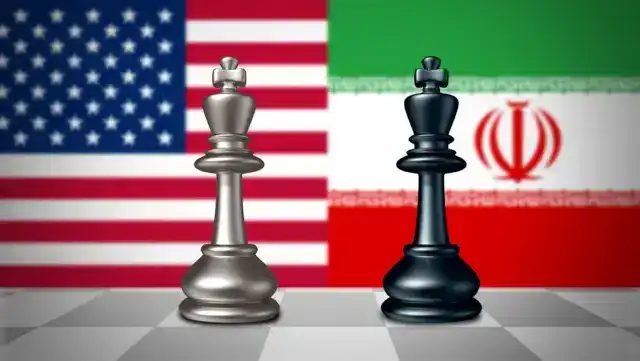
Paying the Strait Transit Fee with Bitcoin: Is Iran Just Talking Big?

An article titled "Bitcoin Payment for Strait Transit Fees: Is Iran Just Making Empty Threats?" discusses Iran's announcement to potentially charge a $1 per barrel transit fee for oil tankers passing through the Strait of Hormuz, payable in Bitcoin, during a two-week ceasefire period. This news briefly drove Bitcoin's price above $73,000, highlighting its symbolic significance as a tool for extreme scenarios where traditional financial systems fail due to sanctions. Iran, facing severe U.S. sanctions and exclusion from SWIFT, views Bitcoin as a means to ensure untraceable and unconfiscatable transactions, despite its volatility and slower settlement times. However, the practicality of this move is questioned. The Strait of Hormuz closed shortly after the announcement, leading to skepticism about its implementation. Experts like Arthur Hayes emphasize the need for on-chain evidence to validate the claim, suggesting it may be more of a psychological tactic against Western financial systems than a feasible plan. Even if Iran collects Bitcoin, converting it to fiat for essential purchases remains challenging under current sanctions. The article concludes that Bitcoin’s role in this geopolitical drama—whether as a practical tool or a strategic signal—marks its entry into high-stakes international politics, reinforcing its relevance in a fragmented world.

Odaily星球日报04/09 08:52

Paying the Strait Transit Fee with Bitcoin: Is Iran Just Talking Big?

Odaily星球日报04/09 08:52

活动图片