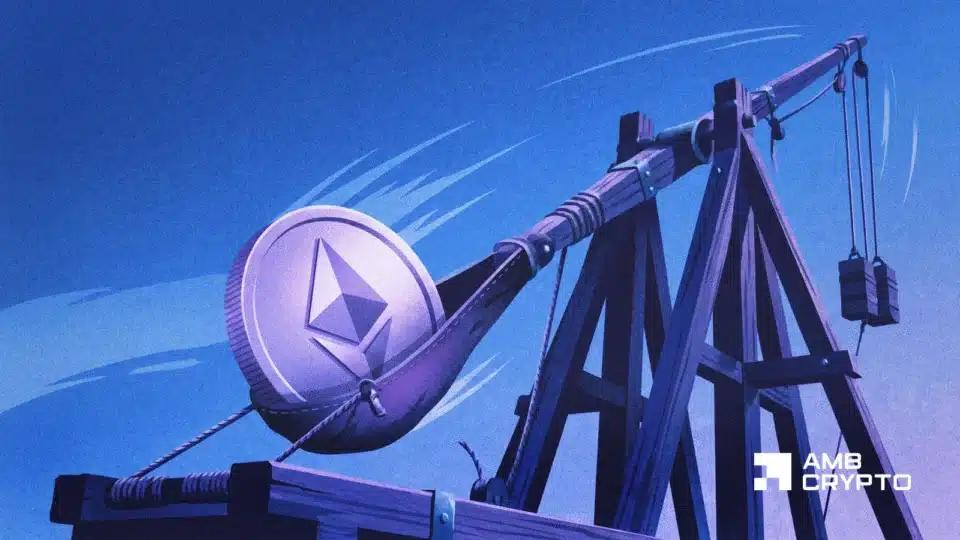
The Structural Reversal of TGE: Is It a 'Liability' to Be Liquidated or an 'Asset' to Be Left Behind?

marsbitDipublikasikan tanggal 2025-12-25Terakhir diperbarui pada 2025-12-25

Abstrak

The crypto industry is experiencing a structural shift in the role and perception of Token Generation Events (TGEs). Once seen as a finish line, TGEs are now becoming a complex "coming-of-age" ritual, marking a broader market move from "valuation discovery" to "value discovery." Driven by regulatory clarity (like MiCA in the EU) and institutional participation, 2026 is predicted to be a peak year for TGEs, with an estimated 15-30% increase in events. However, this surge in supply—from old project unlocks, delayed TGEs, and new launches—will occur alongside intense competition for scarce liquidity, lowering market tolerance for new tokens. The classic "token first, product later" model is failing. Without achieving Product-Market Fit (PMF), a token acts as a costly liability, draining team resources and morale. Narrative alone is no longer sufficient; liquidity now demands genuine utility. For projects to survive the intense competition of 2026, the focus must shift: - Building consensus around a strong narrative and solving real problems, not just technical specs. - Cultivating a seed community of genuine users for feedback, rather than just token holders. - Planning for sustainability post-TGE with continued marketing, grants, and deep liquidity. - Designing token economies that dynamically balance unlocks and use real revenue for buybacks. In conclusion, a successful TGE is no longer measured by listing price volatility, but by a team's ability to have achieved PMF *bef...

For a long time, TGE (Token Generation Event) has been regarded as the "finish line" of Crypto. However, after a series of narrative collapses and liquidity droughts, this logic is undergoing a structural reversal.

With regulatory clarity and the participation of institutional forces, we may usher in an even larger wave of TGEs.

As 2026 approaches, we are in a critical transition period for the Crypto market.

Against this market backdrop, TGE has become a highly anticipated yet painfully challenging "rite of passage" for every project.

In this cycle, when we observe and discuss the significance, quantity, frequency, and changes of TGE (Token Generation Event) events, we find that Crypto is comprehensively shifting from "valuation discovery" to "value discovery".

2025 - 2026: The Year of TGE and Structural Predictions

Driven by factors such as regulatory clarity (e.g., U.S. SEC, EU MiCA) and predictions of capital market cycles, 2026 is highly likely to become a "breakout year" for TGEs.

From a macro perspective, increased regulatory clarity and the maturity of institutional products like ETFs and futures mean that the "macro rhythm" of TGE events broadly indicates suitable timeframes for "when is the right time for a TGE?".

By the end of 2025, we see many projects focusing on token structure compliance and locking in investors early; several projects have also proactively postponed their TGE to 2026, hinting at anticipation for that year's market window. This suggests that 2026 might be a peak issuance period, becoming a window for TGEs and liquidity release, with the number of TGEs expected to increase by 15%–30% compared to 2025.

However, a surge in the number of TGEs does not mean opportunities are abundant.

2026 is the "year of great supply". At that time, we will simultaneously face: massive unlocks from older projects, Delayed TGEs accumulated from 2024–2025, and potential TGEs from new narrative projects. In this scenario, the market's tolerance for "new TGEs" is declining.

On one hand, more compliant, institutionally-narrated projects are entering; on the other, extreme liquidity scarcity due to the concentration of new project TGEs.

From a more meso perspective, 2026 might see a dual improvement in the quantity and quality of TGEs, an "improvement" accompanied by剧烈 volatility.

At the micro level, the nature of TGE has changed. In past cycles, TGE could be defined as a marketing行为 where "revenue outweighed cost":

  • Costs: Airdrop pressure, liquidity first being skimmed off by CEXs, predictable huge selling pressure in a short time.

  • Benefits: Market attention, brand reputation, early users.

Currently, market attention is fragmented, the cost and difficulty of branding are increasing, and "early users" care less about the product and more about token monetization, heavily reliant on incentives. This means the costs and benefits of TGE have undergone a structural reversal.

The "Token First, Product Later" Path is Gradually Failing

Compared to previous cycles, where公链relied on tokens and grand narratives to build distribution advantages, then channeled traffic to the ecosystem, and finally filled in the applications.

This path is failing:

  • Narratives require PMF (Product-Market Fit): Liquidity no longer blindly follows narratives; it needs to "separate the wheat from the chaff". If TGE is conducted before achieving PMF, the token at this point更像是一笔需要偿付的、昂贵的债务 (more like a debt that needs to be repaid, an expensive liability); for the team's energy and morale, it might be exhausted in internal friction around the TGE.

  • Cold starts in the same赛道are gradually being diluted: In the future, token-based cold starts might only work for the first mover in a赛道(refer to the top公链that have weathered cycles and Perp DEX赛道's Hyperliquid). For the numerous imitators that follow, attention will be quickly diluted, and liquidity will not multiply.

  • Misalignment with exchange goals: The core of an exchange is trading fees, aiming for "the more assets, the better"; if a project pursues long-term building, the two goals are not aligned. The essence of a TGE is not just a marketing event but also a stress test for the entire team.

If 2026 is a year of残酷 competition, how should projects view TGE?

  • Narrative is consensus, not technical parameters: Don't be overly obsessed with TPS or ZK-rollup technical parameters. Need to answer: What is the community's "consensus", or rather, "religion"? And how does the product solve specific pain points?

  • Seed community: The first 100 real users are more important than the first 100 token holders, as seen in many tech communities: these people often provide the most genuine feedback and suggestions for the product and allow for low-cost PMF trial and error.

  • Sustainable strategy post-TGE: When most projects die from the "news is out" effect after listing, projects need sustainable planning. For example, reserve "marketing" ammunition, transform "expectation-driven" growth into "event-driven"; build a real ecosystem through Grants programs; provide good long-term depth, etc.;

  • Dynamic balance of the economic model: Reasonable unlocking mechanisms to reduce initial selling pressure; emulate excellent secondary market projects by using real revenue generated from the product to buy back tokens, so value support does not rely on sentiment.

Future projects need careful planning in product delivery, Token Economy design, market timing, community building, differentiated narratives, and compliance transparency to stand out in the future密集TGE period.

Conclusion: The 2026 Survival Rulebook

The failure of some TGEs is not rooted in product quality or team qualifications, but in the team's lack of resilience to withstand market scrutiny, peer competition, and narrative shifts. It stems from rushing to launch unprepared for公开market competition and narrative changes.

In 2026, the market is极可能 (highly likely) to fall into a cycle of "密集TGE issuance, value volatility and collapse, market rest and reshuffle". Those who blindly chase highs will ultimately face the dilemma of liquidity drought.

It must be seen that: Token is no longer a synonym for growth, and narratives cannot凭空 (out of thin air)催生 (generate) value.

The measure of a successful TGE is绝对不是 (absolutely not) the listing and price volatility, but whether the team already possesses the ability to repay the "liability" before the TGE—that is, whether it has already found a PMF that can generate sustained cash flow or real users.

This brutal transition towards value回归 (return to value) is essentially the market's self-purification, also opening up more fertile ground for long-termists.


Kripto yang Sedang Tren

Pertanyaan Terkait

QWhat major shift is the TGE (Token Generation Event) logic undergoing according to the article?

AThe logic of TGE is undergoing a structural reversal, shifting from 'valuation discovery' to 'value discovery' due to narrative collapses and liquidity drying up.

QWhy is 2026 predicted to be a 'big year' for TGEs?

A2026 is predicted to be a big year for TGEs due to factors like regulatory clarity (e.g., from the U.S. SEC and EU MiCA), the maturity of institutional products such as ETFs and futures, and many projects locking in investors in late 2025 or delaying their TGE to 2026 in anticipation of a favorable market window.

QWhy is the 'Token first, product later' path becoming ineffective?

AThe 'Token first, product later' path is becoming ineffective because liquidity no longer blindly follows narratives and requires genuine Product-Market Fit (PMF). A TGE before achieving PMF turns the token into an expensive liability, and the cold-start advantage for projects in the same赛道 is being diluted, making it effective mostly for first movers.

QWhat should a project focus on to succeed in the competitive TGE landscape of 2026?

ATo succeed, a project should focus on narrative and consensus rather than just technical parameters, build a seed community of real users for feedback, have a sustainable post-TGE strategy (e.g., event-driven marketing, grants programs), and design a token economic model with a dynamic balance to reduce initial selling pressure and provide value support through real revenue.

QWhat is the new measure of a successful TGE, as stated in the article's conclusion?

AThe new measure of a successful TGE is not the listing or price volatility, but whether the team has acquired the ability to pay off the 'debt' before the TGE by finding a Product-Market Fit (PMF) that generates sustainable cash flow or real users.

Bacaan Terkait

Setelah Aave Pergi dan TVL Berguncang Hebat, Di Mana Anchor Valuasi MegaETH Berada?

Berdasarkan data DefiLlama, TVL MegaETH mengalami fluktuasi tajam pada 9-10 Juli, turun sekitar 60% dalam 24 jam menjadi sedikit di atas $30 juta, turun sekitar 70% dari puncaknya pada Mei. Protokol teratas Aave V3 menarik sekitar 80% likuiditas. Harga MEGA turun ke sekitar $0.048, dengan kapitalisasi pasar sekitar $54 juta dan FDV sekitar $480 juta. Artikel ini menganalisis tiga ketidaksesuaian dalam valuasi MegaETH: 1. **Ketidaksesuaian valuasi dengan penggunaan nyata**: FDV $4.7 miliar tidak didukung oleh aktivitas ekonomi riil. Pendapatan protokol 30 hari kurang dari $900k dengan hanya 2.619 alamat aktif harian. Sekitar 88.7% token belum beredar, berpotensi menciptakan tekanan jual di masa depan. 2. **Ketidaksesuaian narasi token dengan kualitas ekosistem**: Meski dinarasikan sebagai blockchain DeFi berkinerja tinggi, sebagian besar pendapatannya justru berasal dari game kartu Monster (sekitar 80%). Aave hanya menyumbang sekitar $90k. Volume perdagangan DEX dan kontrak berlanjut rendah, dan stablecoin native USDM terus menyusut. 3. **Ketidaksesuaian ekspektasi jangka pendek dengan realisasi jangka panjang**: TVL awal didorong oleh insentif dan strategi arbitrase siklus (seperti yang melibatkan USDe), bukan kebutuhan riil yang stabil. Integrasi protokol besar seperti Uniswap dan Aave tidak mempertahankan TVL. Penurunan serupa terlihat pada Monad (MON), menunjukkan pasar mulai meminta dukungan nilai yang lebih jelas daripada sekadar TVL dan narasi. Kesimpulannya, setelah insentif dan modal arbitrase keluar, MegaETH kekurangan pijakan nilai yang solid antara valuasi saat ini dan fundamental on-chain-nya. Pemulihan berkelanjutan bergantung pada kemampuan tim untuk mengubah likuiditas jangka pendek menjadi penggunaan nyata dan mewujudkan hasil ekosistem yang konkret. Tanpa itu, selain pemulihan jangka pendek dari sentimen pasar, sulit menemukan alasan kuat untuk valuasi yang stabil.

链捕手3j yang lalu

Setelah Aave Pergi dan TVL Berguncang Hebat, Di Mana Anchor Valuasi MegaETH Berada?

链捕手3j yang lalu

Laporan Mendalam Goldman Sachs: Siapa yang Akan Menjadi Pemenang Jangka Panjang di Industri Model AI Besar China?

Laporan mendalam Goldman Sachs menganalisis masa depan industri AI model besar China, menilai siapa yang akan menjadi pemenang jangka panjang. China saat ini berada pada titik balik historis, dengan model sumber terbuka/berbobot terbuka yang mendekati kinerja model berpemilik global terdepan. Efek roda data dari adopsi massal perusahaan domestik dan global mendorong iterasi model lebih lanjut. Model China mencapai efisiensi biaya tinggi melalui inovasi arsitektur (seperti MoE) dan efisiensi parameter, dengan model seperti DeepSeek V4 Pro (1,6T parameter) dan GLM5.2 (0,7T). Pasar membentuk struktur dua lapis: model high-end (contoh: GLM5.2) berharga ~$1/juta token, sementara model low-end untuk agen pintar berharga serendah $0,06/juta token. Goldman memproyeksikan pendapatan API/berlangganan model AI China tumbuh dari RMB35 miliar (2026) menjadi RMB879 miliar (2030). Strategi sumber terbuka mendorong adopsi global, tetapi monetisasi terbatas. Pergeseran menuju model "berat terbuka + lisensi komunitas" diharapkan dapat meningkatkan ekonomi unit melalui pembagian pendapatan dengan platform seperti AWS Bedrock. Untuk menentukan pemenang, Goldman menggunakan kerangka kerja tiga dimensi: kemampuan penetapan harga, keunggulan biaya, dan kekuatan keuangan. Dalam model teks dasar, Zhipu (GLM) dan DeepSeek dipandang paling kuat. Dalam multimodal/generasi video, ByteDance (Seedance) menjadi pemimpin, dengan Kuaishou (Kling) dan MiniMax juga diunggulkan. MiniMax mendapat peringkat Beli karena valuasi menarik dan posisi model M3-nya. Ekspansi ke pasar internasional non-AS merupakan peluang pertumbuhan kunci.

marsbit3j yang lalu

Laporan Mendalam Goldman Sachs: Siapa yang Akan Menjadi Pemenang Jangka Panjang di Industri Model AI Besar China?

marsbit3j yang lalu

Laporan Mendalam Goldman Sachs: Siapa yang Akan Menjadi Pemenang Jangka Panjang dalam Industri Model AI Besar China?

Laporan mendalam Goldman Sachs membahas pergeseran historis dalam industri model AI besar (LLM) China. Analisis menilai bagaimana model China, melalui inovasi arsitektur (seperti MoE) dan efisiensi parameter, mencapai kinerja cerdas yang mendekati model global teratas dengan biaya lebih rendah, didorong oleh momen efisiensi biaya DeepSeek (2025) dan momen kecerdasan model GLM Zhipu (2026). Pasar membentuk struktur dua lapis: model high-end (contoh: GLM5.2, Qwen3.7 Max) dengan harga ~$1/juta token, dan model low-end untuk agen AI dengan harga serendah $0.06/juta token, yang memperluas adopsi di kalangan UKM global. Goldman memproyeksikan pendapatan API/subskripsi model AI China tumbuh dari ~¥35 miliar (2026) menjadi ~¥879 miliar pada 2030. Strategi open-source/terbobot terbuka mendominasi untuk fleksibilitas dan ekosistem, tetapi monetisasinya terbatas. Tren pergeseran ke model "bobot terbuka + lisensi komunitas" (seperti MiniMax) dengan bagi hasil diharapkan meningkatkan ekonomi unit. Ekspansi ke pasar internasional (non-AS) adalah peluang kunci, seiring pergeseran paradigma perusahaan global dari "token maksimisasi" ke prioritas ROI. Menggunakan kerangka penilaian tiga dimensi (kemampuan penetapan harga, keunggulan biaya, kekuatan finansial), Goldman mengidentifikasi pemenang jangka panjang: Zhipu AI (cakupan awal: netral) dan DeepSeek (swasta) paling kuat di domain model teks dasar. Di bidang multimodal/generasi video, ByteDance (Seedance) memimpin, diikuti Kuaishou (Kling) dan MiniMax. Goldman mempertahankan rating "beli" untuk MiniMax, melihat diskon valuasi.

链捕手3j yang lalu

Laporan Mendalam Goldman Sachs: Siapa yang Akan Menjadi Pemenang Jangka Panjang dalam Industri Model AI Besar China?

链捕手3j yang lalu

Trading

Spot

Artikel Populer

Cara Membeli O

Selamat datang di HTX.com! Kami telah membuat pembelian O1 exchange (O) menjadi mudah dan nyaman. Ikuti panduan langkah demi langkah kami untuk memulai perjalanan kripto Anda.Langkah 1: Buat Akun HTX AndaGunakan alamat email atau nomor ponsel Anda untuk mendaftar akun gratis di HTX. Rasakan perjalanan pendaftaran yang mudah dan buka semua fitur.Dapatkan Akun SayaLangkah 2: Buka Beli Kripto, lalu Pilih Metode Pembayaran AndaKartu Kredit/Debit: Gunakan Visa atau Mastercard Anda untuk membeli O1 exchange (O) secara instan.Saldo: Gunakan dana dari saldo akun HTX Anda untuk melakukan trading dengan lancar.Pihak Ketiga: Kami telah menambahkan metode pembayaran populer seperti Google Pay dan Apple Pay untuk meningkatkan kenyamanan.P2P: Lakukan trading langsung dengan pengguna lain di HTX.Over-the-Counter (OTC): Kami menawarkan layanan yang dibuat khusus dan kurs yang kompetitif bagi para trader.Langkah 3: Simpan O1 exchange (O) AndaSetelah melakukan pembelian, simpan O1 exchange (O) di akun HTX Anda. Selain itu, Anda dapat mengirimkannya ke tempat lain melalui transfer blockchain atau menggunakannya untuk memperdagangkan mata uang kripto lainnya.Langkah 4: Lakukan trading O1 exchange (O)Lakukan trading O1 exchange (O) dengan mudah di pasar spot HTX. Cukup akses akun Anda, pilih pasangan perdagangan, jalankan trading, lalu pantau secara real-time. Kami menawarkan pengalaman yang ramah pengguna baik untuk pemula maupun trader berpengalaman.

162 Total TayanganDipublikasikan pada 2026.06.19Diperbarui pada 2026.06.29

Cara Membeli O

Cara Membeli PROS

Selamat datang di HTX.com! Kami telah membuat pembelian Pharos (PROS) menjadi mudah dan nyaman. Ikuti panduan langkah demi langkah kami untuk memulai perjalanan kripto Anda.Langkah 1: Buat Akun HTX AndaGunakan alamat email atau nomor ponsel Anda untuk mendaftar akun gratis di HTX. Rasakan perjalanan pendaftaran yang mudah dan buka semua fitur.Dapatkan Akun SayaLangkah 2: Buka Beli Kripto, lalu Pilih Metode Pembayaran AndaKartu Kredit/Debit: Gunakan Visa atau Mastercard Anda untuk membeli Pharos (PROS) secara instan.Saldo: Gunakan dana dari saldo akun HTX Anda untuk melakukan trading dengan lancar.Pihak Ketiga: Kami telah menambahkan metode pembayaran populer seperti Google Pay dan Apple Pay untuk meningkatkan kenyamanan.P2P: Lakukan trading langsung dengan pengguna lain di HTX.Over-the-Counter (OTC): Kami menawarkan layanan yang dibuat khusus dan kurs yang kompetitif bagi para trader.Langkah 3: Simpan Pharos (PROS) AndaSetelah melakukan pembelian, simpan Pharos (PROS) di akun HTX Anda. Selain itu, Anda dapat mengirimkannya ke tempat lain melalui transfer blockchain atau menggunakannya untuk memperdagangkan mata uang kripto lainnya.Langkah 4: Lakukan trading Pharos (PROS)Lakukan trading Pharos (PROS) dengan mudah di pasar spot HTX. Cukup akses akun Anda, pilih pasangan perdagangan, jalankan trading, lalu pantau secara real-time. Kami menawarkan pengalaman yang ramah pengguna baik untuk pemula maupun trader berpengalaman.

846 Total TayanganDipublikasikan pada 2026.06.22Diperbarui pada 2026.06.29

Cara Membeli PROS

Apa Itu VERONA

I. Pengenalan Proyek VERONA adalah blockchain yang dibangun untuk semua orang, di mana saja melalui abstraksi rantai. Memanfaatkan lapisan Abstraksi Umum, VERONA membedakan dirinya dengan mengintegrasikan fungsionalitas blockchain yang kompleks, seperti akun, tanda tangan, dan interoperabilitas, langsung di tingkat protokol. Pendekatan ini memungkinkan keterlibatan dengan aplikasi blockchain tanpa perlu memahami teknologi yang mendasarinya.1) Informasi Dasar Nama:VERONA(VERONA)III. Tautan Terkait Link situs resmi:https://xion.burnt.com/ Whitepaper:https://xion.burnt.com/whitepaper.pdf Penjelajah:https://explorer.burnt.com/ Media Sosial: https://x.com/burnt_xion Catatan: Pengenalan proyek berasal dari materi yang diterbitkan atau disediakan oleh tim proyek resmi, yang hanya untuk referensi dan tidak merupakan nasihat investasi. HTX tidak bertanggung jawab atas kerugian langsung atau tidak langsung yang diakibatkan.

97 Total TayanganDipublikasikan pada 2026.06.22Diperbarui pada 2026.06.22

Apa Itu VERONA

Diskusi

Selamat datang di Komunitas HTX. Di sini, Anda bisa terus mendapatkan informasi terbaru tentang perkembangan platform terkini dan mendapatkan akses ke wawasan pasar profesional. Pendapat pengguna mengenai harga A (A) disajikan di bawah ini.

活动图片