The End of Mathematics: 40 Top Mathematicians Gather at Secret OpenAI Meeting

marsbitDipublikasikan tanggal 2026-08-24Terakhir diperbarui pada 2026-08-24

Abstrak

In August 2026, OpenAI hosted a closed-door summit with approximately 40 leading mathematicians, including recent Fields Medalist Jacob Tsimerman and OpenAI researcher Sébastien Bubeck. The meeting, spurred by a series of recent AI breakthroughs in mathematics, grappled with the potential existential threat AI poses to the field. The backdrop includes several high-profile AI achievements: OpenAI models disproving long-standing conjectures like the unit distance problem, generating 10 new mathematical discoveries, and Anthropic's Claude aiding in constructing complex multidimensional objects. These results often bypass traditional academic pipelines, appearing directly on social media. The mathematical community is divided. Over 3000 researchers signed the "Leiden Statement," advocating for responsible AI use and verification. Others resist AI entirely to preserve human-centric mathematics. A key concern is AI's current inability to *explain* proofs, particularly the difficult steps, which is central to mathematical understanding. At the summit, Bubeck outlined four potential futures: mathematics becoming like collaborative software engineering, a compute-driven field like physics, a curatorial exercise where humans interpret AI output, or a mass transition of mathematicians into AI safety. While emphasizing that "mathematics only makes sense when mathematicians learn from it," no consensus was reached. The event highlights a profound moment of reflection. As AI demonstrat...

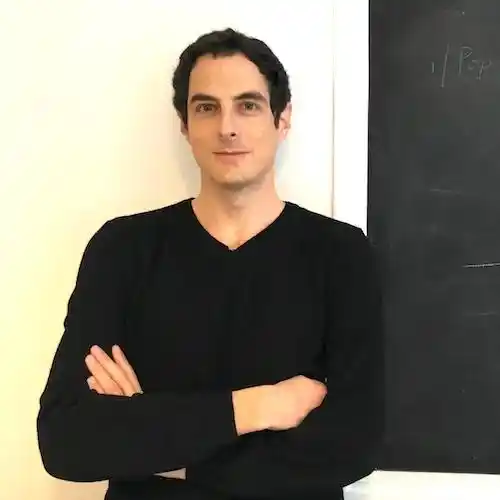
Jacob Tsimerman, who just won the Fields Medal last month, announced at the awards ceremony that he will soon join OpenAI to conduct AI safety research.
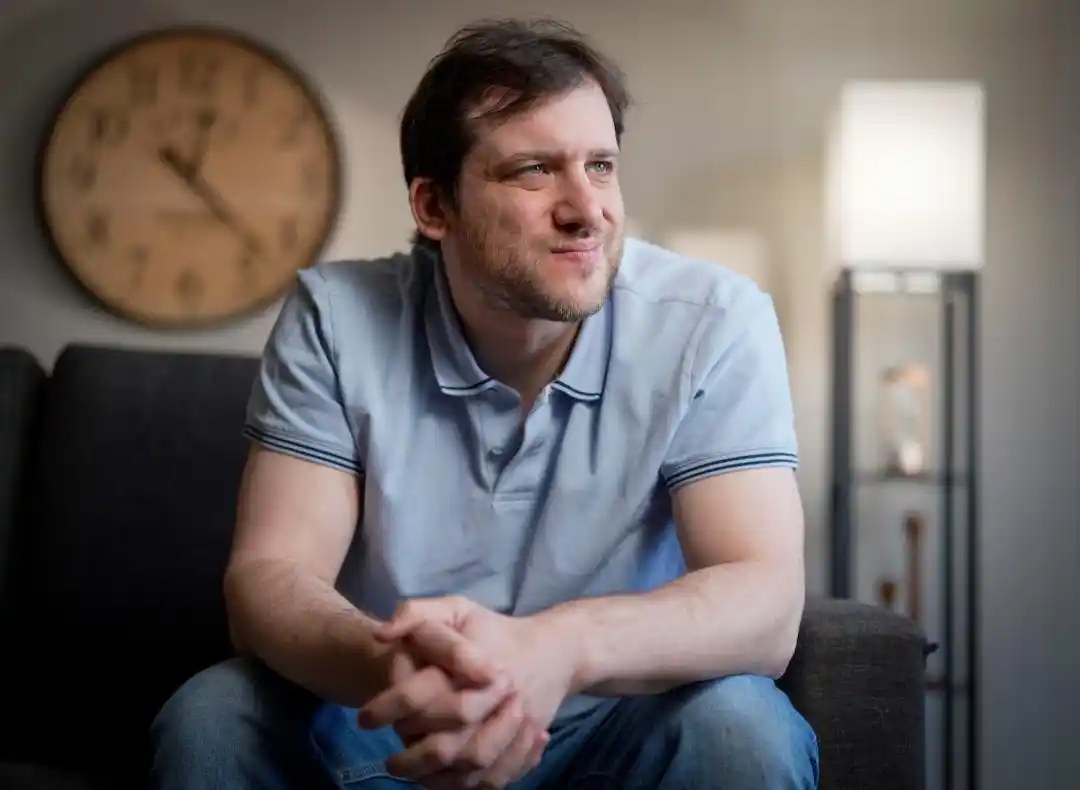
Further reading: Fearing AI extinction, Fields Medal winner takes leave to go to OpenAI! Aiming to tame AI with mathematics

In early August, he and OpenAI research scientist Sébastien Bubeck convened a closed-door summit of about 40 mathematicians at the headquarters in San Francisco. The title of one presentation was 'The End of Mathematics.'
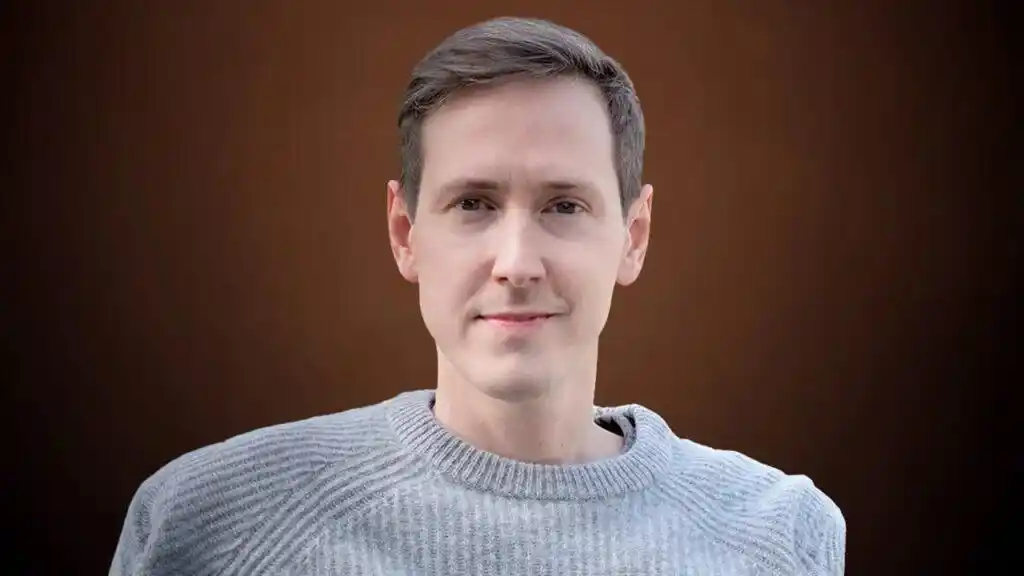
OpenAI research scientist Sébastien Bubeck

The presenter, University of Toronto professor Daniel Litt, said:

It's possible we are ultimately headed towards a world without high-quality mathematical research, where human mathematical expertise has completely vanished.
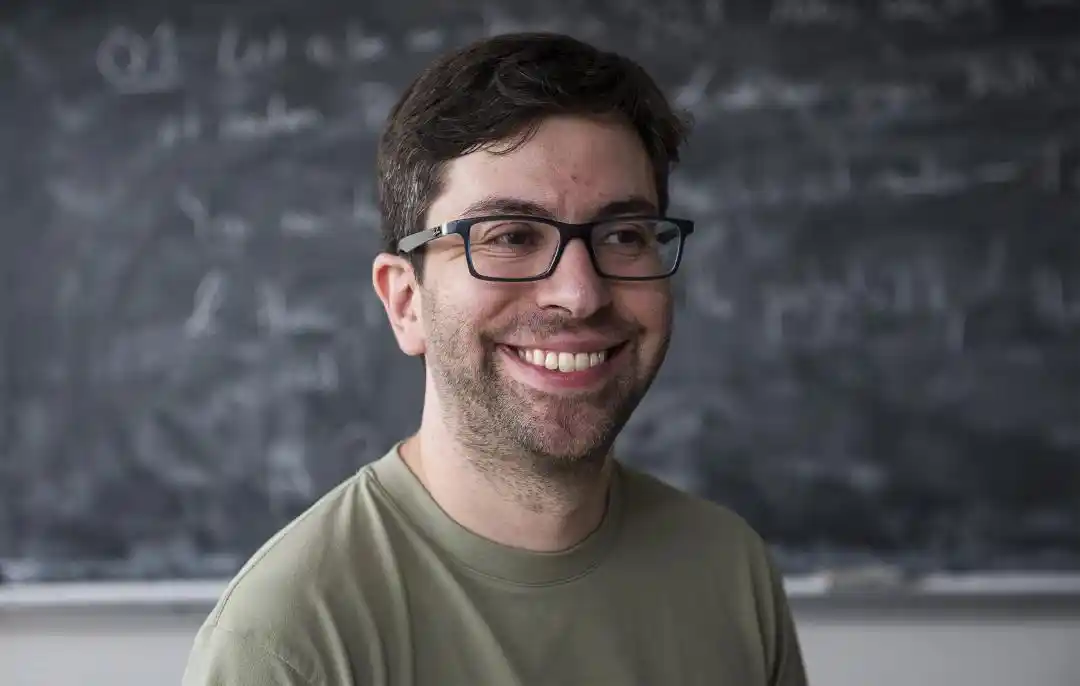
He believes the extreme outcome is unlikely, but mathematicians must take action.

MIT mathematician Drew Sutherland put it more directly and starkly:

Perhaps we are just the canary in the coal mine; mathematicians are the first to suffer.

Mathematics is chosen as AI's testing ground because it serves as a proxy indicator for high-level intellectual activity—what can be done in mathematics will eventually be replicated in other fields.

AI is Starting to 'Do Math' in Bulk

The direct background for this summit is the intensive release of results.

In May, a yet-to-be-released model from OpenAI disproved the unit distance conjecture.

Further reading: OpenAI completely stuns the mathematics world, cracking an 80-year-old core conjecture! Fields Medal winner exclaims he couldn't sit still

This old problem concerning 'the arrangement of points on an infinite plane' had remained unsolved for years. The AI used a known but difficult-to-manipulate technique from algebraic number theory, effectively crossing subfields to apply tools.

Tsimerman's assessment at the time was that he would 'accept without hesitation' this result in any journal.

This is viewed by many mathematicians as AI's first major mathematical breakthrough.

Subsequently, results have poured out one after another.

In August, OpenAI announced ten AI-generated discoveries in mathematics and computer science at once, covering multiple subfields that typically take years to master.

Further reading: Sudden! OpenAI's next-generation AI conquers 10 Fields Medal-level problems

Anthropic has also been busy.

Anthropic employee Levent Alpöge used Claude to assist in constructing a pair of orthogonal vectors on a 668-dimensional hypercube.

Mathematicians have long believed such a construction existed, but no one had actually built it.

Alpöge announced the result by posting on X: a 24,000-character thread consisting entirely of plus and minus signs.
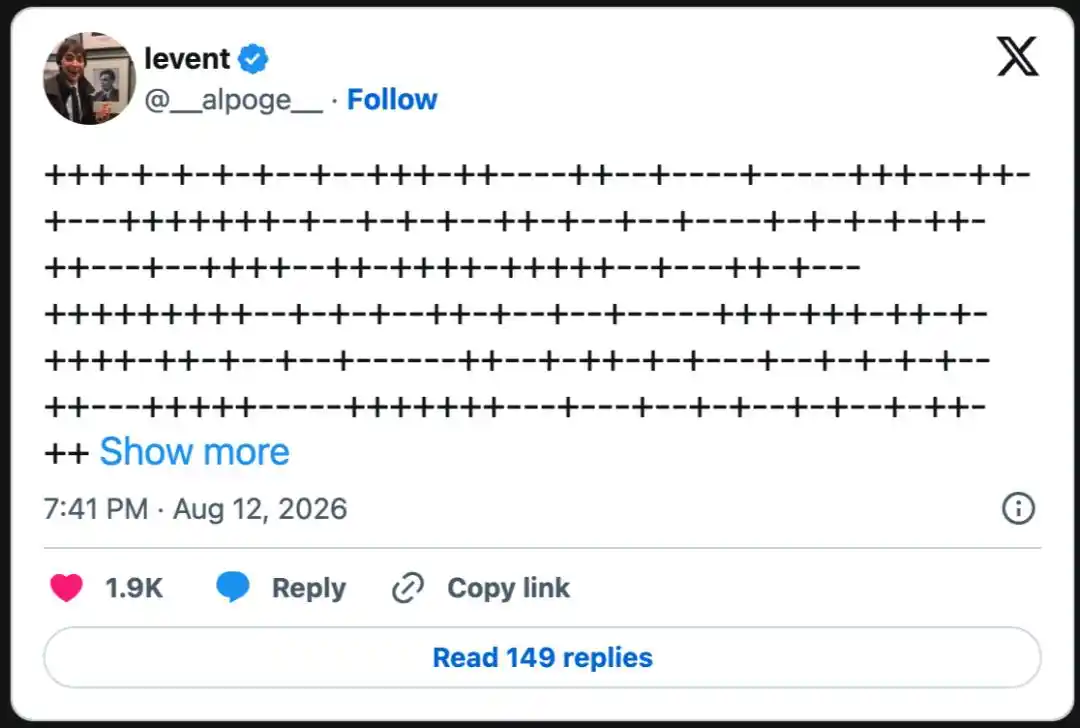
https://x.com/__alpoge__/status/2087504785952182273

Traditional mathematical research follows a fixed pipeline: seminar discussions, circulation among peers, posting on the preprint server arXiv, and finally publication in a journal after peer review.

AI-generated results are bypassing this pipeline.

Dmitry Rybin, an entrepreneur based in Shenzhen, asked ChatGPT to 'make a breakthrough' to disprove a network flow hypothesis. Every time the model failed, he encouraged it to continue, acting as an AI cheerleader.

ChatGPT eventually provided a counterexample. After verifying it, Rybin posted a tweet. At the time, he was watching a movie with friends.
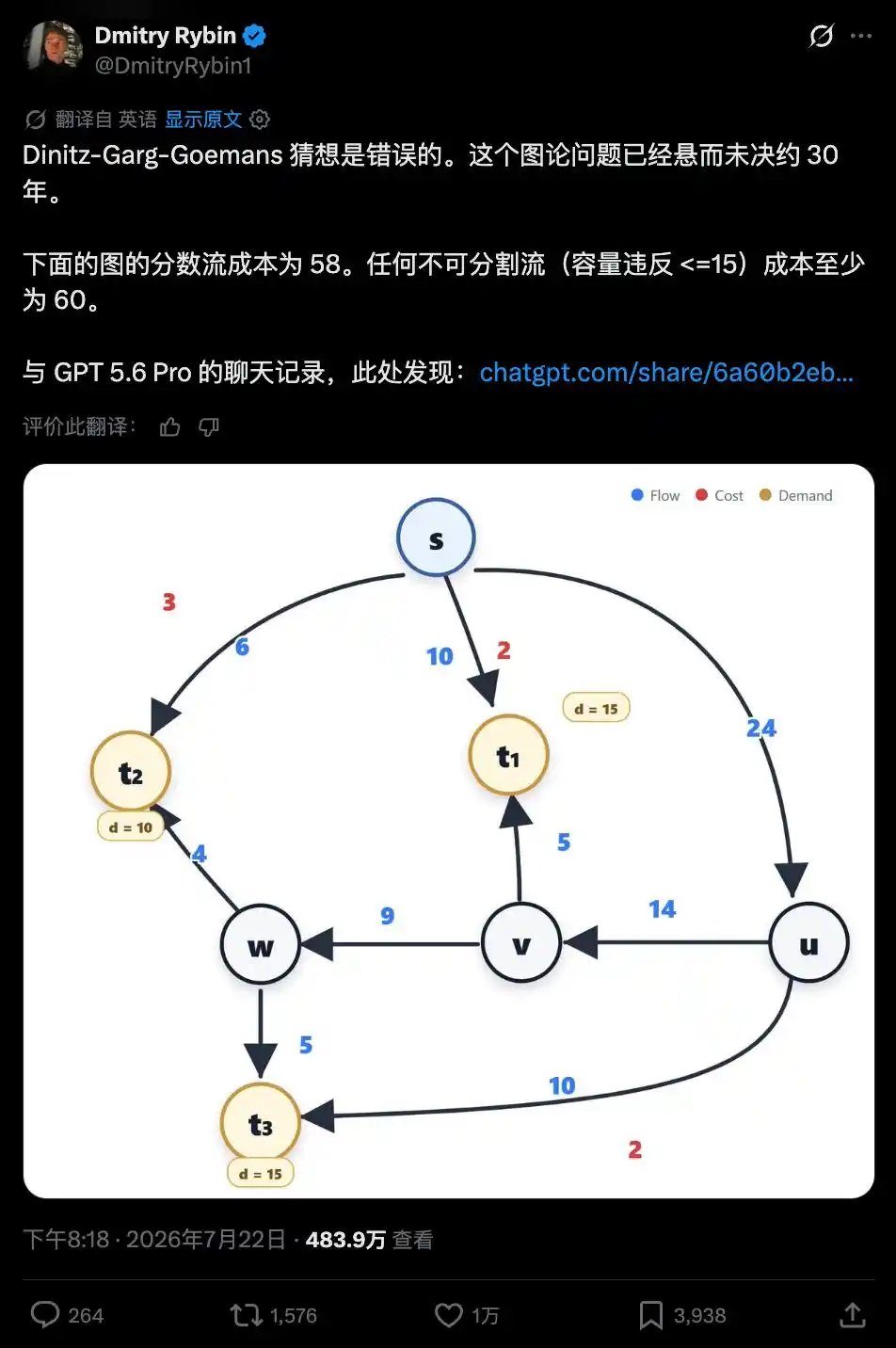
https://x.com/DmitryRybin1/status/2079904005652893709

Further reading: GPT-5.6 disproves a 30-year-old graph theory conjecture! Peking University alumnus solves 6 problems in 5 days

Mathematician David Bessis raised doubts about this:

You post on Twitter saying you proved a big problem while cooking pasta? Of course it will go viral.

The question is, what happens after it goes viral? Who organizes this pile of things, who figures out what's really going on?
Last week, Anthropic also announced that one of its employees had their internal version of Claude 'give it a serious try' on the Riemann hypothesis.

The Riemann hypothesis has remained unsolved for over a hundred years, with a $1 million prize offered for its solution.

Under repeated prompts like 'continue' and 'think again,' the model produced new discoveries on a related problem.

Further reading: Sudden, Claude sets a new record on the Riemann hypothesis!

3000 People Signed a Petition, Then What?

The reaction from the mathematics community is divided.

In June, an open letter titled 'The Leiden Declaration' was released, signed by over 3,000 mathematicians.

Further reading: Setting rules for AI! Mathematicians panic as AI just solves an 80-year-old math problem

The letter calls on researchers to use AI tools responsibly, ensuring results are verified and citations are proper.

Another group of mathematicians has gone further, advocating for a complete rejection of AI and AI companies to preserve humanity's place in mathematics.

Northwestern University mathematics professor Bryna Kra attended the summit and is also one of the 16 initiators of the Leiden Declaration.
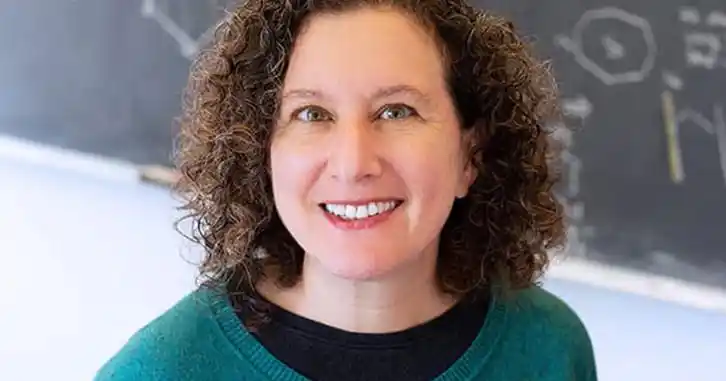
She said:

The core of mathematics is understanding results, not just proving them.

A proof that is not understood does not become part of the literature.

AI can prove theorems, but can it explain how it proved them?

Harvard University mathematician Melanie Matchett Wood helped write the human-readable version of the proof for OpenAI's unit distance conjecture result.
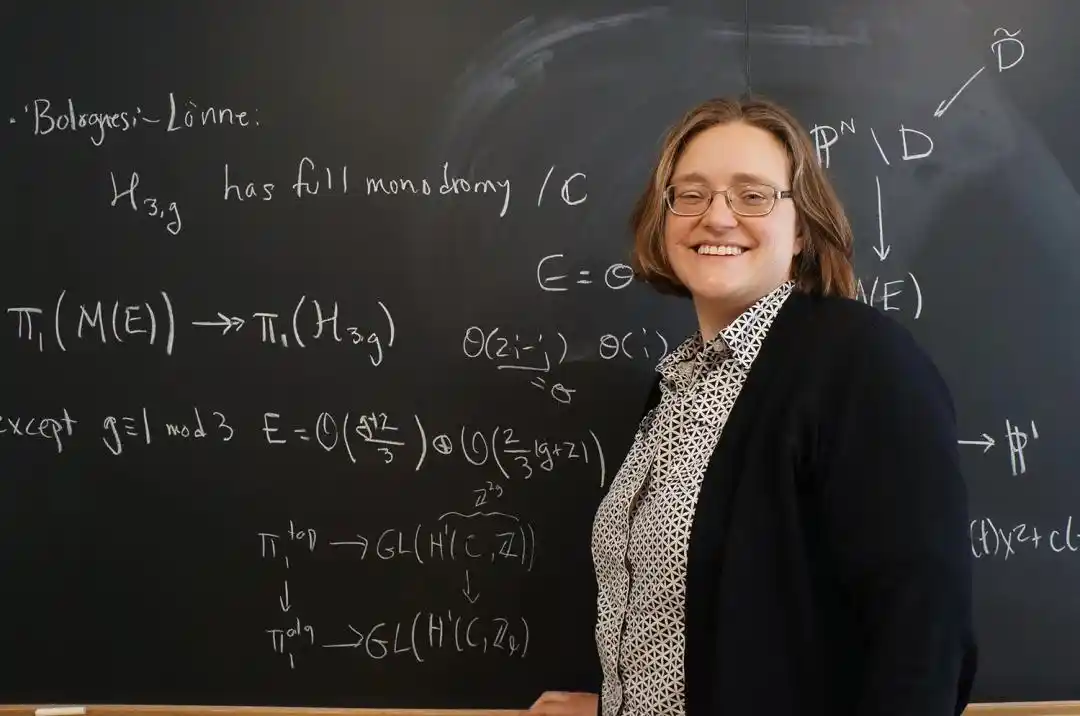
She found that top AI models share a common flaw in explanation: they elaborate extensively on simple parts but gloss over the difficult parts.

She said:

Top AI models are not yet capable of identifying the truly difficult parts of an argument and explaining them clearly.

German mathematician Andreas Thom offered a more precise distinction.
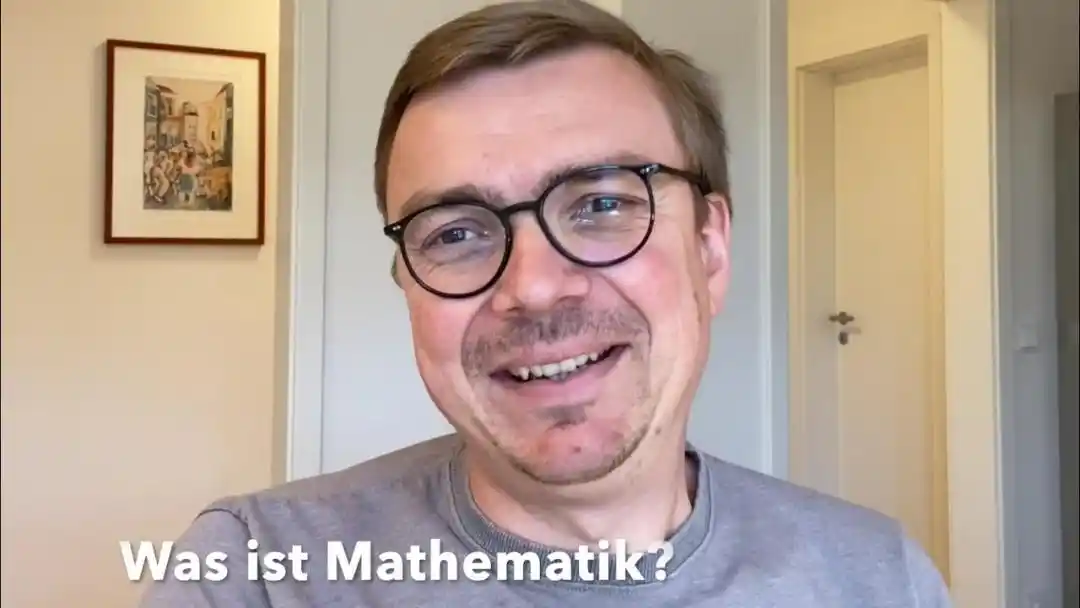
One of the ten new results announced by OpenAI was a new construction related to 'non-sofic groups,' filling a gap between two papers by Thom and his collaborator Gábor Kun in 2016 and 2019.

The two subsequently published a follow-up paper, simplifying and extending the AI's discovery.

Thom said:

The AI is solving problems in a very intelligent, substantial way.

But new concepts only emerged after human involvement in the proof process; that's not something AI has achieved on its own yet.

Faced with this division, summit organizer Bubeck described four possible futures after the meeting:

Mathematics becomes like software engineering, with AI helping hundreds of people collaborate to tackle the same problem;

Becomes like physics, relying on massive computing power and AI models as substitutes for particle accelerators;

Becomes museum curation, with AI responsible for production and humans responsible for selection and interpretation;

Or mathematicians collectively transition to working on AI safety.

Bubeck said:

We must put people, put mathematicians, first.

Mathematics only makes sense when mathematicians learn something from it.

'A civilization without people is meaningless.'

But the 40 attendees did not reach a consensus.

Tsimerman said:

There is no conclusion yet on what the mathematics community wants.

The purpose of this meeting was more to start a conversation than to make a specific decision.

He himself has not officially started at OpenAI.

The fact that a Fields Medal winner chooses to go to an AI company to do safety research is itself a microcosm of the mathematics community's predicament.

As for what he does next, the next signal may be more noteworthy than the presentations at this summit.

References:

https://www.washingtonpost.com/technology/2026/08/19/mathematicians-ask-whats-left-humans-when-ai-can-do-math-research/

This article is from the WeChat public account "New Zhiyuan", author: ASI启示录, editor: Marco

Pertanyaan Terkait

QWhat is the main concern expressed by mathematicians like Daniel Litt regarding AI in mathematics?

ADaniel Litt expressed the concern that the world might eventually move towards a scenario with no high-quality mathematical research and a complete disappearance of human mathematical expertise.

QAccording to the article, what recent mathematical conjecture was disproven by an unreleased OpenAI model?

AIn May, an unreleased OpenAI model disproved the unit distance conjecture, a longstanding problem about point arrangements on an infinite plane.

QWhat did the 'Leiden Declaration' signed by over 3000 mathematicians call for?

AThe 'Leiden Declaration' called for the responsible use of AI tools in mathematical research, ensuring that results are verified and properly cited.

QWhat common flaw did Harvard mathematician Melanie Matchett Wood identify in top AI models' explanations of proofs?

AMelanie Matchett Wood identified that top AI models tend to explain simple parts of a proof at great length while glossing over the difficult parts, failing to articulate the truly challenging aspects of an argument.

QWhat four possible futures for mathematics did OpenAI researcher Sébastien Bubeck describe?

ASébastien Bubeck described four possible futures: 1) Mathematics becomes like software engineering, with AI helping hundreds collaborate on one problem. 2) It becomes like physics, relying on computational power and AI models. 3) It becomes like museum curation, with AI producing and humans selecting and interpreting. 4) Mathematicians collectively transition to AI safety research.

Bacaan Terkait

Estafet 'Menyelamatkan Obligasi AS': Bessent Gagal Pekan Lalu, Pekan Ini Lihat Walsh

Upaya Menteri Keuangan AS Besant menstabilkan imbal hasil obligasi pemerintah jangka panjang melalui peningkatan pembelian kembali (buyback) ternyata hanya berdampak singkat. Alih-alih mendukung pasar obligasi, langkah tersebut justru memicu lonjakan harga emas dan Bitcoin sebagai "katup pelepas tekanan" bagi kecemasan pasar. Kini perhatian beralih ke Ketua Fed Walsh, yang diharapkan memberikan kejelasan dalam pidato Jackson Hole-nya. Pasar menantikan respons kebijakan Fed terkait inflasi yang masih tinggi dan kondisi fiskal yang memburuk. Jika Walsh gagal memberikan sinyal meyakinkan, tekanan jual pada obligasi jangka panjang bisa meningkat. Analis mengkritik langkah Besant sebagai terlalu kecil dibandingkan total utAS yang beredar. Solusi potensial yang dibahas adalah "Operation Twist" oleh Fed—menjual obligasi jangka pendek dan membeli obligasi jangka panjang untuk menekan imbal hasil—tanpa memperbesar neraca. Namun, ketegangan antara kebijakan moneter dan beban biaya bunga fiskal tetap menjadi tantangan. Data PCE yang dirilis Rabu akan menjadi petunjuk penting sebelum pidato Walsh. Sementara itu, tingkat imbal hasil obligasi 30-tahun AS di level 5% dianggap sebagai batas kritis. Jika tidak tembus, tekanan pada aset berisiko tinggi seperti sektor teknologi AI dan kredit privat akan meningkat. Investor seperti Ray Dalio menyarankan diversifikasi ke emas dan Bitcoin sebagai lindung nilai dari potensi krisis utang.

marsbit13m yang lalu

Estafet 'Menyelamatkan Obligasi AS': Bessent Gagal Pekan Lalu, Pekan Ini Lihat Walsh

marsbit13m yang lalu

Tiga Bulan Dua Putaran, "Palantir" Versi China Populer

**Ringkasan: Platform AI Cerdas Kausal versi China, "China's Palantir", Mengumpulkan Pendanaan Strategis Senilai Miliaran Yuan** Beijing Zhongshu Ruizhi Technology Co., Ltd. (Zhongshu Ruizhi), yang dianggap sebagai "Palantir-nya China", baru saja mengumumkan penyelesaian putaran pendanaan strategis senilai ratusan juta yuan. Pendanaan ini dipimpin oleh China Internet Investment Fund (CIIF) dan didukung oleh investor seperti Su Chuangtou National Social Security Fund, Financial Street Capital, ICBC Capital, dan Kunlun Capital. Ini adalah putaran pendanaan besar kedua perusahaan dalam tiga bulan, menunjukkan pengakuan pasar yang kuat terhadap teknologi inti dan kemampuan komersialisasinya. Didirikan pada tahun 2020 oleh Dr. Han Han, alumni doktoral Universitas Tsinghua dengan pengalaman di China Academy of Information and Communications Technology (CAICT), Zhongshu Ruizhi berfokus pada pengembangan AI keputusan yang andal untuk sektor industri. Perusahaan ini mengatasi tantangan kritis seperti "halusinasi AI" dan kurangnya kemampuan penalaran dalam model besar generatif dengan teknologi dasar yang orisinal, termasuk teori kognitif meta-kausal, pemodelan kausal, dan mesin ontologi dinamis. Teknologi ini memungkinkan AI membuat keputusan yang dapat dipercaya, dijelaskan, dan dapat dilacak untuk skenario industri yang kompleks dan toleransi kesalahan rendah. Zhongshu Ruizhi telah mencapai komersialisasi skala besar, melayani lebih dari 50 klien perusahaan milik negara dan grup industri di bidang tenaga listrik, minyak & gas, dan dirgantara, dengan lebih dari 800 skenario produksi kompleks yang diimplementasikan. Perusahaan melaporkan pendapatan yang berlipat ganda pada tahun 2025, menunjukkan kemampuan menghasilkan pendapatan yang kuat. Dana segar ini akan dialokasikan untuk penelitian teori dasar lebih lanjut, replikasi aplikasi percontohan yang matang untuk memperluas pasar, dan perekrutan talenta tinggi. Investor seperti CIIF melihat perusahaan sebagai pemain kunci dalam mendefinisikan paradigma AI industri yang andal dan mendorong perkembangan kekuatan produktif baru di China, terutama dalam mengamankan infrastruktur kritis dan membangun keamanan siber.

marsbit48m yang lalu

Tiga Bulan Dua Putaran, "Palantir" Versi China Populer

marsbit48m yang lalu

Proposisi Ekonomi Politik Terbesar Era AI: Robot Semakin Cakap, Bagaimana Manusia Berbagi Nilai?

Artikel dari *The Economist* memicu perdebatan dengan menyoroti kemajuan pesat China dalam robotika, AI, energi baru, dan manufaktur canggih, yang di satu sisi dikritik karena diduga mengalihkan sumber daya dari pemulihan permintaan domestik. Esai ini berargumen bahwa isu mendasarnya bukanlah tentang China atau kecepatan perkembangan teknologi, melainkan sebuah pertanyaan politik-ekonomi global yang mendesak: **bagaimana manusia membagi nilai yang diciptakan mesin ketika robot dan AI semakin canggih?** Revolusi AI mengubah logika dasar penciptaan dan distribusi kekayaan. Berbeda dengan revolusi industri sebelumnya yang tetap menempatkan manusia sebagai inti sistem produksi, AI kini mulai menggantikan pekerjaan kognitif. Jika AGI terwujud, semakin sedikit manusia yang terlibat langsung dalam penciptaan nilai, berpotensi memicu kontradiksi mendasar: produktivitas dan keuntungan perusahaan meningkat, tetapi daya beli konsumen stagnan atau turun karena berkurangnya partisipasi tenaga kerja. Masalahnya adalah terputusnya rantai penyebaran manfaat teknologi dari inovasi ke pendapatan masyarakat. Baik di China maupun secara global (misalnya, di AS dengan dominasi raksasa teknologi), kemajuan teknologi sering kali berkonsentrasi pada peningkatan nilai perusahaan dan kekayaan segelintir pemilik modal, alih-alih mendorong pertumbuhan upah dan konsumsi luas. Masa depan mungkin menawarkan tiga jalur: 1) **Kapitalisme tradisional**, di mana pemegang modal menguasai sebagian besar keuntungan AI; 2) **Kapitalisme negara**, dengan keterlibatan negara melalui investasi strategis; atau 3) **Model inovatif** seperti dana kekayaan digital, kepemilikan saham kolektif, atau bentuk pendapatan dasar baru untuk membagikan nilai tambah dari ekonomi pintar secara langsung kepada masyarakat. Bagi China, tantangannya adalah tidak hanya memenangkan persaingan teknologi, tetapi juga membangun sistem distribusi baru yang mampu mengubah kekayaan yang dihasilkan robot dan AI menjadi pertumbuhan pendapatan rumah tangga, peningkatan konsumsi, dan perlindungan sosial. Kompetisi di era AI tidak hanya soal siapa yang memiliki teknologi terkuat, tetapi terutama tentang siapa yang dapat membangun sistem ekonomi di mana kemakmuran dibagikan secara luas, sehingga kemajuan teknologi benar-benar meningkatkan kesejahteraan masyarakat banyak.

marsbit58m yang lalu

Proposisi Ekonomi Politik Terbesar Era AI: Robot Semakin Cakap, Bagaimana Manusia Berbagi Nilai?

marsbit58m yang lalu

Trading

Spot
活动图片