From Banger to Trash: A Sharp Critique of a Web3 Creator's 2025

marsbitPublié le 2025-12-25Dernière mise à jour le 2025-12-25

Résumé

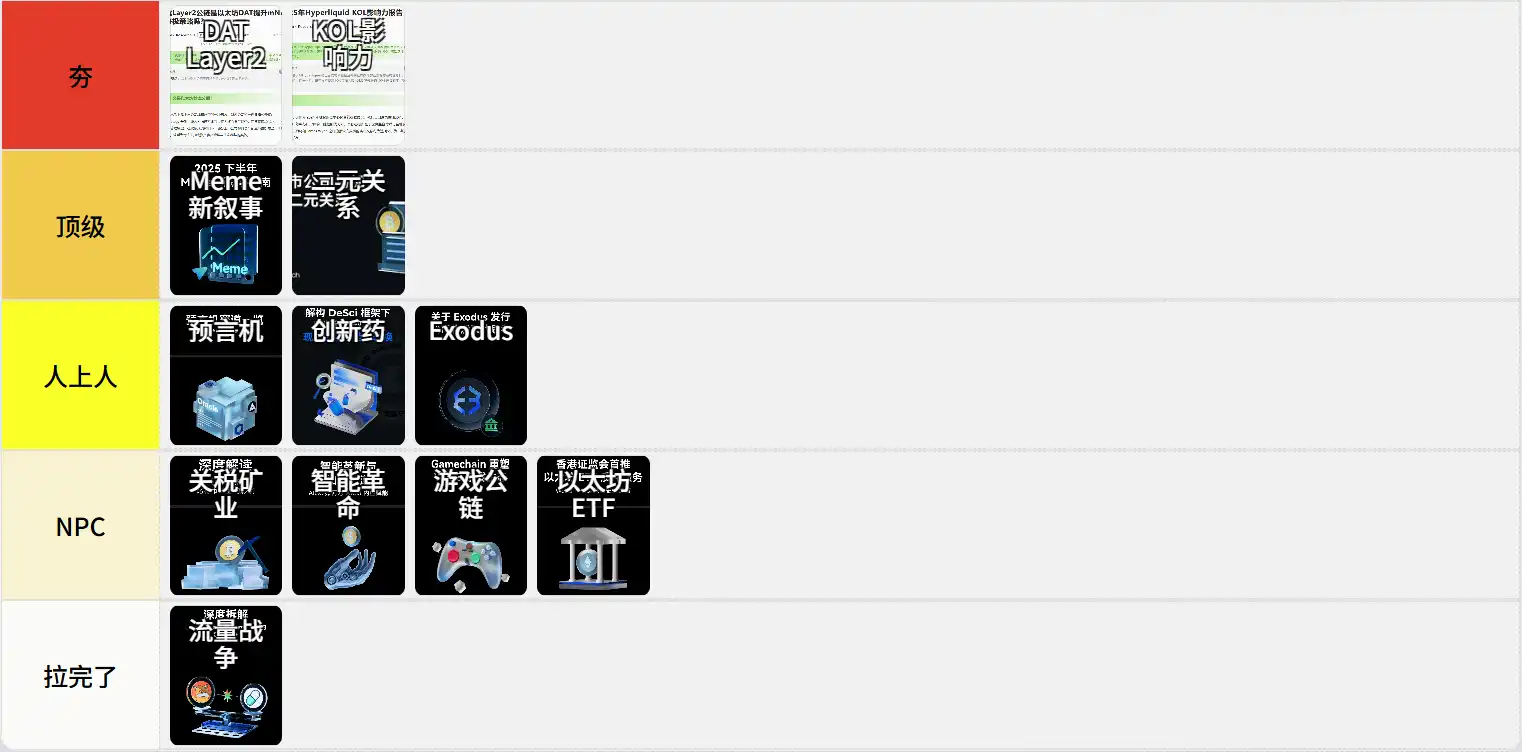
In his 2025 year-end review, a Web3 content creator reflects on a year marked by acceleration in both global events and the crypto space, driven by developments like Trump’s policies and major market shifts. He evaluates 12 of his own articles using a “夯到拉” (strong to weak) rating system. Top-rated pieces include an analysis of DATs (Digital Asset Treasuries) and their strategic use of Ethereum to build Layer 2 networks (“夯的批爆”), a data-driven report on Hyperliquid KOL trading performance (“夯”), and a forward-looking meme investment guide (“顶级”). Other well-received articles cover DeSci’s limitations, AIGC’s role in Web3 content, and tokenized equities like Exodus. Mid-tier articles discuss Trump’s tariff impact on Bitcoin mining, oracle growth beyond financial data, and GameFi’s decline, rated “人上人” or “NPC”. The lowest-rated piece compares Letsbonk.fun and Pump.fun, deemed “拉完了” for its lack of depth and relevance. The author concludes by acknowledging his growth as a creator in a turbulent year and commits to evolving with AI and industry changes despite expecting tougher times ahead.

Recently, it's been trendy online to rank everything from "banger" to "trash"; it seems everything can be rated on this scale. As a practitioner in the Web3 industry, the feeling of 2025 can be summed up in two words: "Acceleration". Having experienced world-shocking events like "Trump launching a coin", "Tariff wars", the "Genius Act", and "1011", it feels like since Trump took office, the entire capital market and crypto world have been put on fast-forward. What happened in the single year of 2025 equals the sum of events from the past 2-3 years. At the same time, as a content creator, I've almost consistently output one piece of in-depth content per month. But in these final days of 2025, rereading these pieces, I think some were well-written, while others fell short. So, at the end of 2025, I'll use the "from banger to trash" framework to rank my own articles.

1. Deconstructing the Real-World Dilemmas and Paradigm Shifts in the "Innovative Drug" Narrative Under the DeSci Framework

Author's Note

The DeSci narrative heated up around Q4 2024, and I personally always thought it was a "pseudo-narrative." Although CZ and Vitalik endorsed multiple token-launching Biotech projects, they aren't actually experts in life sciences. As a former investment manager at a Biotech VC with two years of experience, I probably understand innovative drugs a bit better than most crypto big shots. For example, after a team discovers a macromolecule for an innovative drug, it must go through Phase I, Phase II, and Phase III clinical trials—a 10-year cycle—which is completely misaligned with the investment pace of the crypto world. Therefore, I believe this narrative will eventually fade, becoming yet another aborted narrative in the crypto space. The title was discussed multiple times with former colleagues, and we ultimately settled on this relatively mild one.

Article Excerpt

"The author believes that the primary reason life sciences occupy such a high proportion within the DeSci industry is that after crypto industry opinion leaders accumulated sufficient wealth, all five levels of Maslow's hierarchy of needs were satisfied, leading them to focus more on issues related to life extension. From a fundamental logic perspective, there is a mismatch between DeSci in the Crypto field and real-world innovative drug development in terms of resources, timelines, and operations."

Article Sharp Review

Content Innovation: Four Stars

Content Reach: Three Stars

Content Re-evaluation: No change

Overall Rating: Top Tier (人上人)

2.Intelligent Innovation × Crypto Wave—How AIGC Empowers Web3 Content

Author's Note

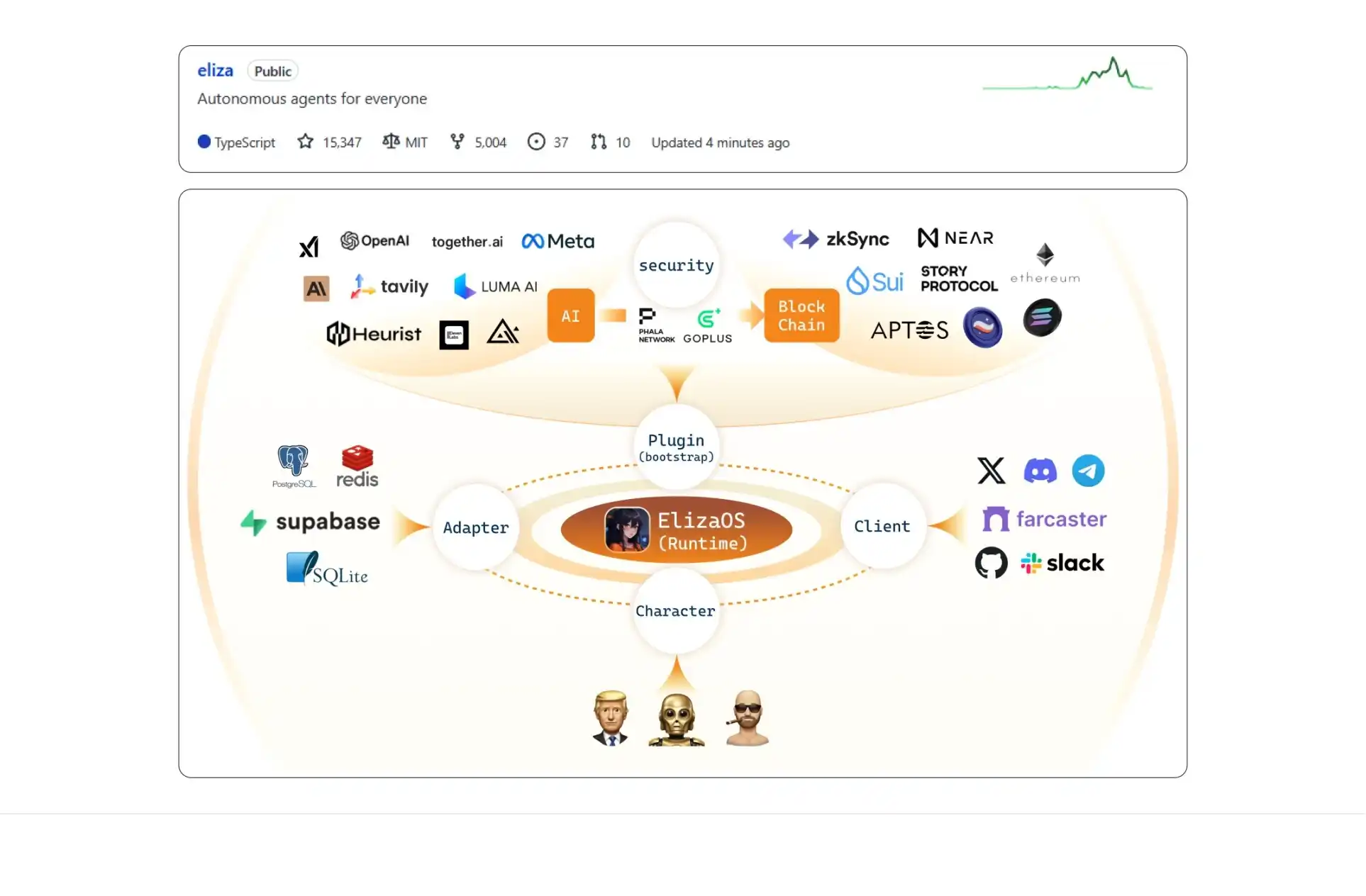
This was a topic I really wanted to write about. The inspiration came from a project I saw during my VC days. It was July 2024, the peak of the Memecoin frenzy. Pump.fun had lowered the barrier to launching a coin to an extreme, so many startup projects revolved around Memes. One project that caught my attention was about collecting viral meme images; the platform used crawlers to grab memes from social media like X, then crowdsourced the launch of Memecoins. Its advantage lay in its data scraping speed and the platform's judgment on the price trends of meme coins after launch. This made me think that Memecoin issuance is also an assembly line: upstream is hot meme capture, midstream is the launch platform, and downstream are retail investors and market makers.

Later, coinciding with the explosion of DeepSeek in early 2025, I started thinking about how AI and Memecoins could combine. Memecoins, as cultural symbols, still need content support. So, I thought about the two-way relationship: AI empowering Memes, and Memes empowering AI. It's a bit like what the famous blogger Zhang Zala said: "Content productization" and "Product contentization." Using Nano Banana and GPT to generate content for PEPE is content productization; while some entertainment AI Agents like Luna represent product contentization. However, these don't allow the author or developer to generate economic benefits; a chain like Story is needed to distribute economic收益. Rereading this article, I feel many ideas were too idealistic, and the overall effect was mediocre.
Article Excerpt

"AIGC can not only赋予 existing Meme characters with content, but AIGC technology can also use Agents as a载体 to provide users with richer services. If AIGC empowerment for Memecoins is the 'old梗新说' (old meme, new telling) of Web3 content, then AI Agents represent a paradigm leap for AIGC technology from content production to service interaction."

Article Sharp Review

Content Innovation: Four Stars

Content Reach: Three Stars

Content Re-evaluation: Minus One Star

Overall Rating: NPC

3.In-Depth Analysis of the Impact of Tariff Policies on Bitcoin Mining

Author's Note

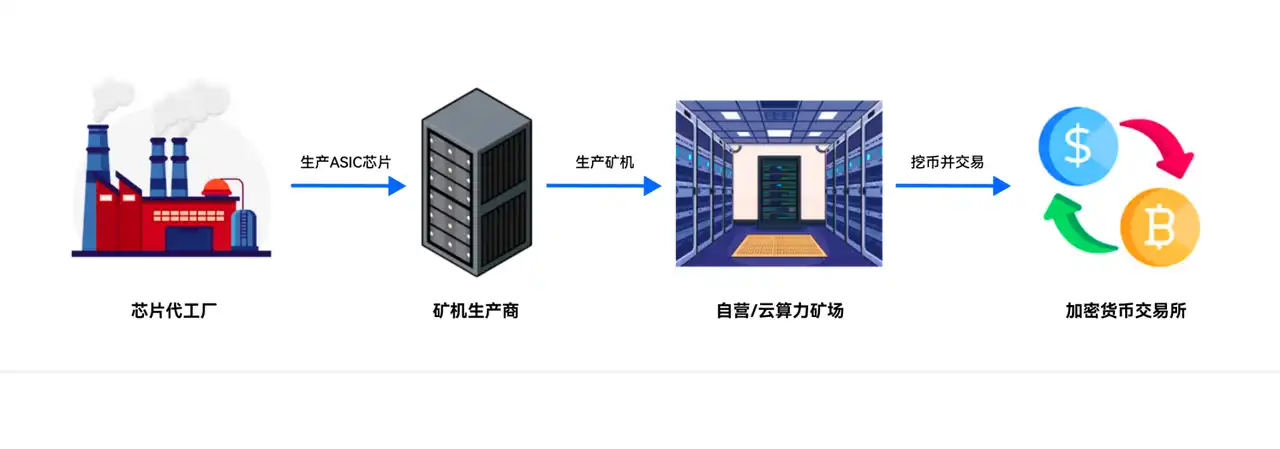
This was an assigned topic from my former company, against the backdrop of Trump's "crazy" tariff policies unsettling global capital markets. In this context, we were to analyze the impact of tariffs on the industry. As everyone knows, the part of the crypto industry most closely connected to the real economy is mining. The implementation of tariff policies had a huge impact on overseas mining farms in places like Iran, Uzbekistan, and Ethiopia. In terms of results, tariffs affected mining machines the most, followed by mining farms, and finally cloud hashrate platforms. Of course, Trump eventually rolled back most of the tariff policies, giving the capital market a scare.

My former company assigned me a small team of three people for this; the colleagues were very nice and hardworking. Maintaining that setup could have yielded a lot of quality content. This assigned topic was very time-sensitive; after the tariff policies passed, rereading this article offered diminishing returns.
Article Excerpt

After Trump announced the tariff policies, Bitcoin mining-related stocks fell by varying degrees, with different segments showing some divergence in performance. Mining machine manufacturers saw the most significant decline over the past month, primarily because mining machine manufacturing was hit by tariff policies on both the supply and demand sides. Self-operated mining farms were mainly affected on the supply side, while the business process of selling Bitcoin to cryptocurrency exchanges was less affected by tariffs. The leasing business model of cloud hashrate platforms naturally has a risk buffer mechanism—it essentially passes the cost of mining machines to customers through hashrate service fees, and some customers directly share the hardware investment through mining machine托管 agreements, making the erosion of mining machine premiums on platform profits significantly weaker than in traditional mining models.

Article Sharp Review

Content Innovation: Two Stars

Content Reach: Three Stars

Content Re-evaluation: Minus One Star

Overall Rating: NPC

4.The Underestimated High-Growth Sector: Searching for the Second Growth Curve of Oracles

Author's Note

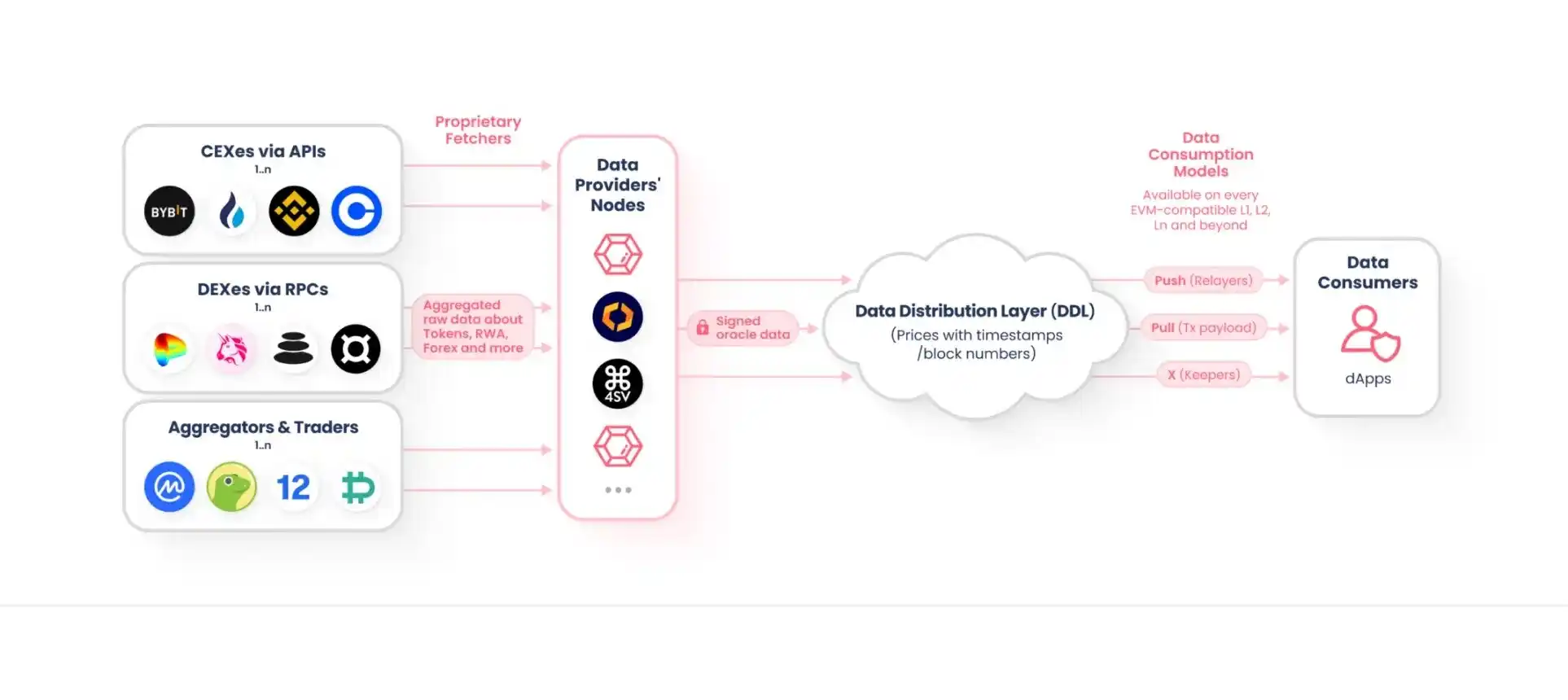
This was a topic chosen from the选题库 (topic pool). My former company required each researcher to produce 2 articles per month. The oracle topic is quite interesting; when I first entered the industry, there were many concepts I didn't understand, oracles being one of them. Because I had to write about this, I looked up a lot of information. Chainlink's moat in the "price feed"领域 is already quite deep; latecomers like Pyth, Redstone, and API3 find it hard to challenge. I still believe the future opportunity in the oracle industry lies in handling complex, non-standardized data, such as clinical data, industrial data, and code data, rather than traditional financial data. There seems to be little opportunity to challenge Chainlink in financial data. This piece reads a bit like routine work; I didn't particularly like it myself.
Article Excerpt

Non-financial assets refer to assets whose prices cannot be reflected in real-time and require mathematical modeling to reflect their value at a specific point in time. Examples include real estate, charging piles, photovoltaic modules, and artwork. Taking charging piles and PV panels as examples, users invest in tokenized assets through on-chain funds, but these cash flow assets are significantly affected by weather, environment, and equipment management, which may impact future cash flow distribution. For these non-financial assets, oracles need to provide more complex services, such as接入 data sources that reflect asset status and influencing factors (e.g., weather data, equipment operation data), and combine them with mathematical models to convert this information into credible on-chain prices or risk assessments, thereby supporting the valuation and management of non-financial RWA tokens.

Article Sharp Review

Content Innovation: Three Stars

Content Reach: Four Stars

Content Re-evaluation: Minus One Star

Overall Rating: Top Tier (人上人)

5. From General to Specialized: How Game Chains Reshape the Web3 Gaming Ecosystem

Author's Note

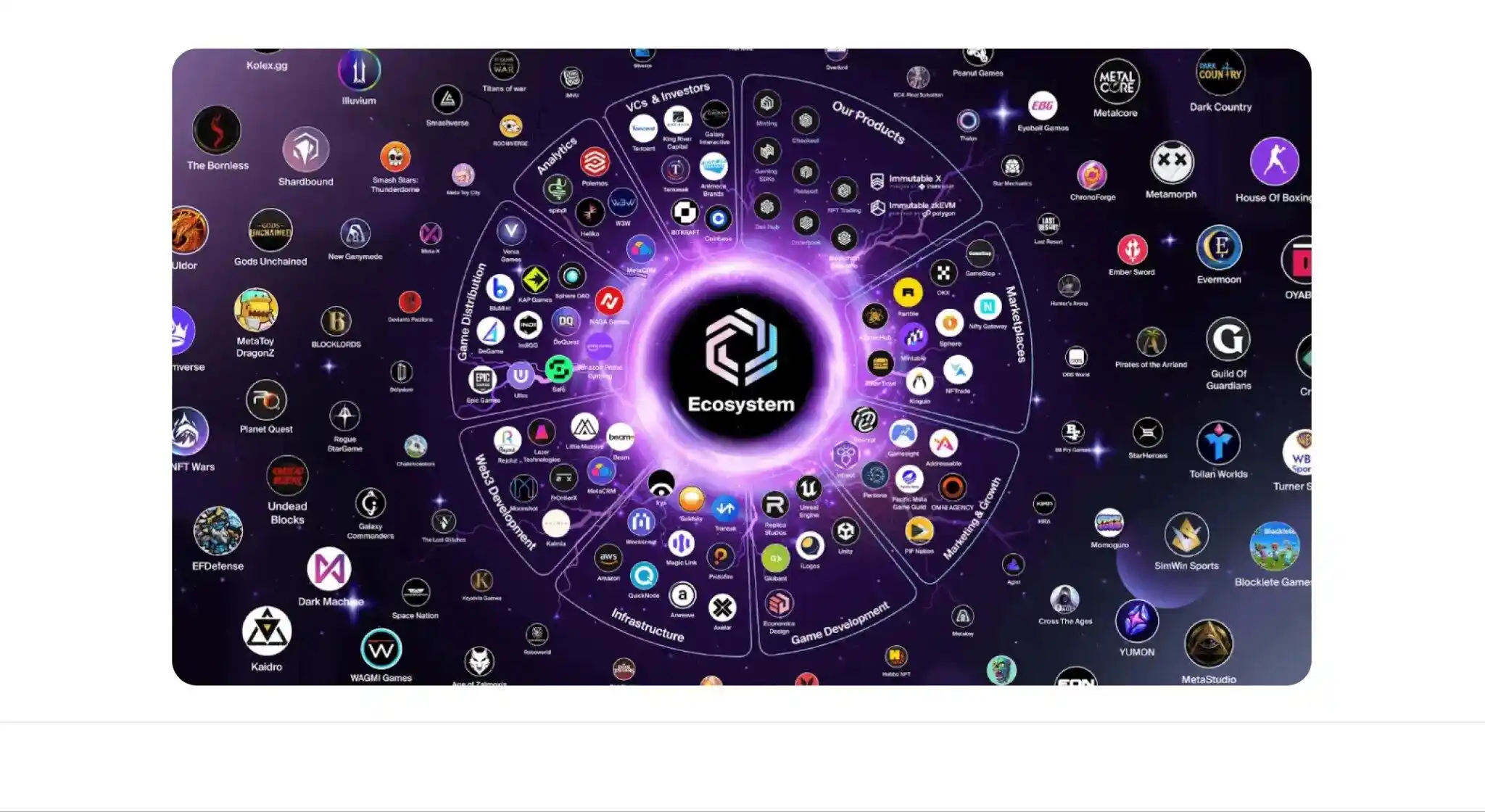
This was also a topic picked from the选题库. Gaming is an area I've always been interested in; I saw many gaming projects during my time as a Web3 VC. This article mainly analyzed some game-specific public chains, like WAX, ImmutableX, and Ronin, examining their game ecosystems and resource endowments. But what I completely didn't expect was that the entire GameFi sector, from games to公链, was very cold in 2025. IMX price dropped 82%, RON dropped 92%, SAND dropped 79%, all exceeding the decline of mainstream altcoins. Then again, Web2 gaming wasn't great this year, with no globally blockbuster hits released—no wonder Dembélé won the Ballon d'Or this year /(ㄒoㄒ)/~~ It's hard to say whether the crypto world dragged down gaming or gaming dragged down blockchain for the链游 sector's decline this year.
Article Excerpt

Gaming is a relatively new industry; Web2 online games have only been around for about 50 years. Looking at the development of Web2 games, high-quality game studios have the opportunity to grow into industry monopolies (like Blizzard Entertainment, Game Science), and internet companies with strong financial resources will also expand into gaming, becoming leaders in the industry (like Tencent, NetEase). The Web3 space has similar situations: Sky Mavis, with its hit game Axie Infinity, gradually advanced from a game studio to a giant in the Ronin game ecosystem; while general-purpose公链 like Polygon and OpBNB,凭借强大的资金实力 (relying on strong financial resources), have also released several influential games.

Article Sharp Review

Content Innovation: Two Stars

Content Reach: Three Stars

Content Re-evaluation: Minus One Star

Overall Rating: NPC

6.Hong Kong SFC First to Launch Ethereum Spot ETF Staking Services, Web3 Industry Sees Historic Breakthrough

Author's Note

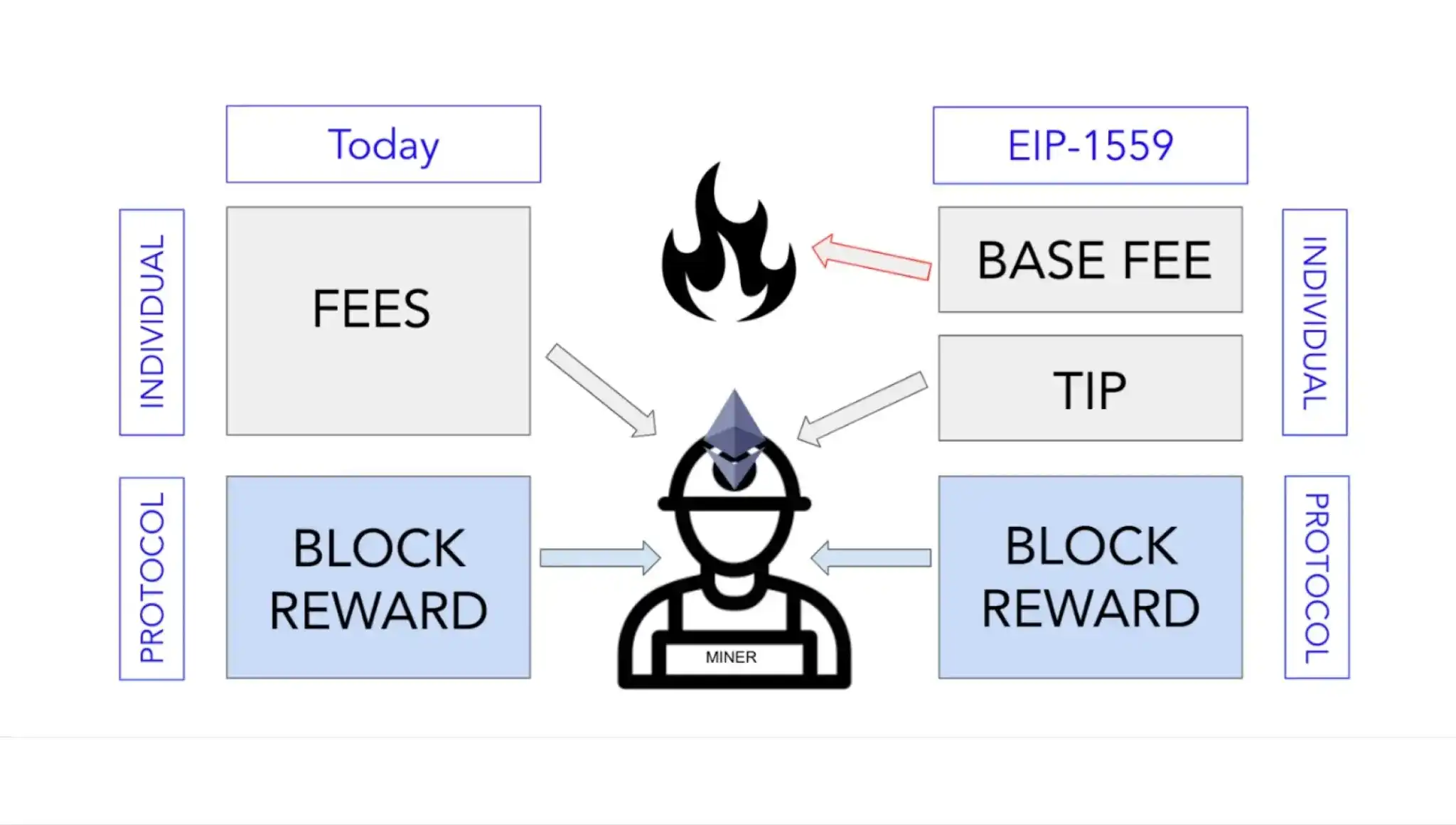
This was a topic closely related to policy. Hong Kong's Ethereum ETF offering staking services theoretically should be more competitive than US Ethereum ETFs without staking. But in reality, after this policy was introduced, not much net capital flowed into the several ETFs launched in Hong Kong; liquidity was still far lower than in the US. This was a short report, essentially introducing the benefits of Ethereum staking to readers. Looking back, the biggest gain from this article was probably learning more about the EIP-1559 proposal during research—turns out node rewards and transaction volume aren't completely linearly related.
Article Excerpt

Let's ask one more why: why has ETH staking yield continued to decline, significantly lagging behind SOL? The author believes the passage of EIP-1559 is an important reason. This proposal aimed to reduce ETH's inflation rate, further optimizing Ethereum's economic model. Before EIP-1559, nodes received the base fee + tips fee from on-chain transactions. After EIP-1559, nodes only receive the tips fee paid by transactors, while the base Gas fee is directly burned to ensure a stable deflation mechanism in ETH's economic model. Ethereum nodes and ETH stakers凭空 lost a significant chunk of revenue.

Article Sharp Review

Content Innovation: One Star

Content Reach: Three Stars

Content Re-evaluation: No change

Overall Rating: NPC

7. In-Depth Analysis of the Traffic War Between Letsbonk.fun and Pump.fun

Author's Note

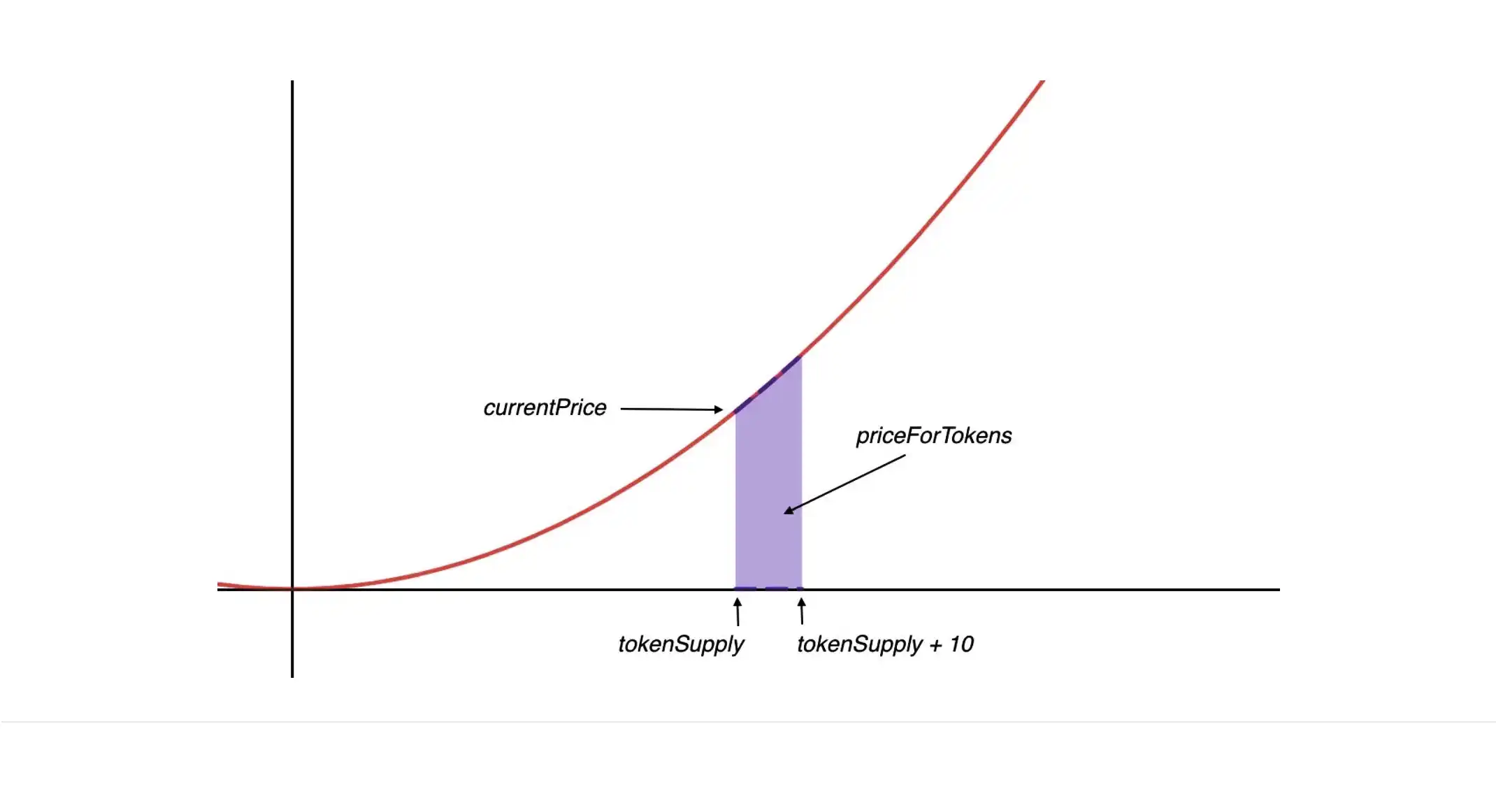
This is one I consider poorly written. Because there were fewer new narratives in July this year, there weren't many topics to write about. Letsbonk.fun was yet another challenger to Pump.fun at the time, but the platform incubated by Bonk was overall quite immature, with relatively simple UI and product structure—it couldn't compare to a complex product like Pump.fun from a product dimension. The reason for comparing the two was that Letsbonk.fun had跑出了一些“金狗” (produced some "golden dogs"), causing its Memecoin launch volume to surpass Pump.fun's for a few weeks.
Article Excerpt

As a latecomer in the one-click coin launch space, the core difference between Letsbonk.fun and Pump.fun lies in their driving forces. Letsbonk.fun's initiator, Tom, is also the initiator of the Bonk token, highly skilled in the community-driven Memecoin growth playbook. Pump.fun, as the pioneer of one-click launches, is primarily code and technology-driven, turning coin launches into a convenient tool. Pump.fun's on-chain address多次 transferred SOL to the centralized exchange Kraken, drawing community backlash. Letsbonk.fun announced an incentive plan for Memecoin project方 upon platform launch, sharing launch profits with community users.

Article Sharp Review

Content Innovation: Two Stars

Content Reach: One Star

Content Re-evaluation: Minus One Star

Overall Rating: Total Trash (拉完了)

8.2025 H2 Meme New Narrative Guide

Author's Note

This was a piece I had high hopes for. At my former company, I wrote 12 long articles in total, 4 of which were related to Memecoins. Actually, many readers want to find the next PEPE, the next BOME, though we all know the probability is very low, similar to scratching a lottery ticket. In 2024 and 2025, many cultural symbols and AI symbols also became hot Memes, like Wukong, Nezha, Grok, etc. So this piece attempted to establish a methodology, letting readers know about potential hot events in advance, so if a "golden dog" appears, they might have a better chance of not missing out. But from the results,这类翻超过 10 倍的域名型 Meme (this type of domain-name Meme that surged over 10x) never appeared again on链 scanning tools like GMGN, also reflecting that the altcoin market was relatively cold in the second half of the year.

Article Excerpt

But for retail investors, the first wave of opportunities for KOL-driven Memecoins is extremely difficult to catch, while another type of Meme's market opportunity is easier to predict. These are Memes that are the on-chain embodiment of real-world火爆 concepts. Because IP itself is not a physical asset and cannot be mapped on-chain through RWA, they can only bring the heat on-chain through Memecoins. Representative examples are Memecoins related to the game "Black Myth: Wukong," the movie "Nezha," the large model "DeepSeek," and "Grok."

Article Sharp Review

Content Innovation: Five Stars

Content Reach: Three Stars

Content Re-evaluation: No change

Overall Rating: Top Tier (顶级)

9. Analyzing the Dual Relationship Between Listed Companies and Cryptocurrency

Author's Note

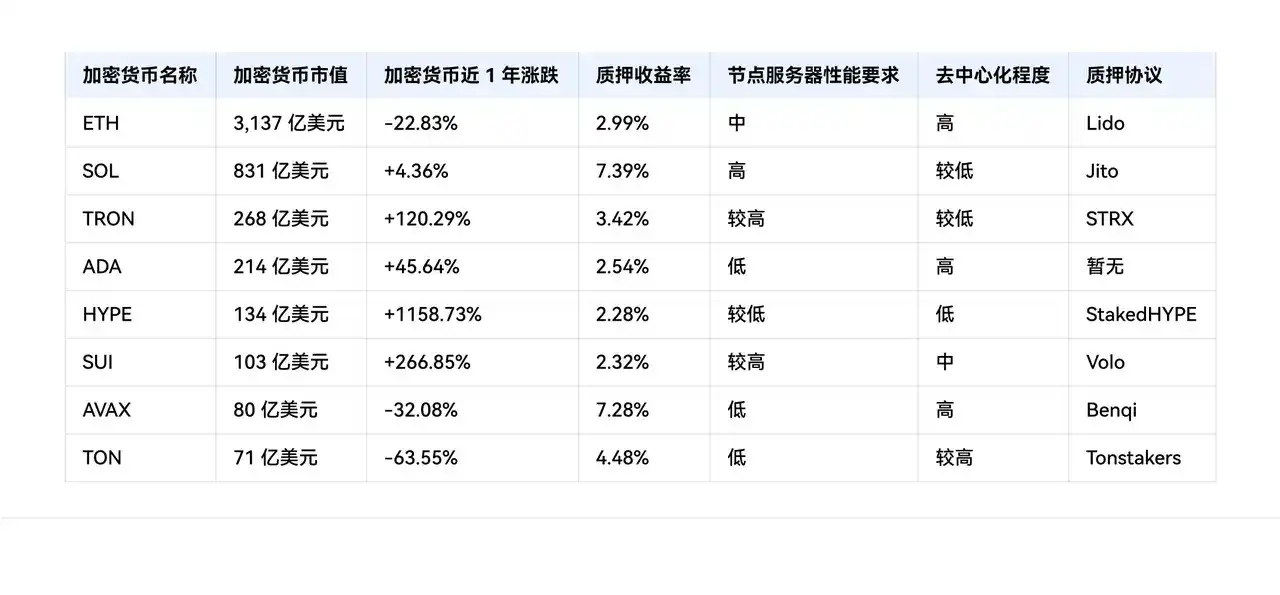
The big background for writing this was the热度 (buzz) of DAT (Treasury Companies) soaring in the second half of the year. Many listed companies copied MSTR's method, forming DATs with underlying assets like BNB, ETH, SOL, HYPE. Some friends from my private equity days also consulted me on how this thing actually works. This article was originally a guide teaching listed companies how to buy coins. For example, companies with poor main business wanting to use convertible bond financing to transform into a DAT and turn things around should最好囤 SOL or ETH, as staking rewards can cover financing costs. Others with stable cash inflows, like insurance companies, can囤 BTC or LTC; mining coins are类似于黄金和白银 (similar to gold and silver), a type of reserve asset. On the other hand, the Solana Foundation is also looking for the most suitable listed company to play the role of MSTR for the SOL token. Therefore, token project方 also have demands for listed companies to囤币. Ultimately, the title became about this dual relationship between the two. I'm relatively satisfied with the final presentation.
Article Excerpt

Staking yield can be analogized to stock dividend yield. From the needs of listed companies, the demand to become PoS token囤币商 (hoarding merchants) mainly falls into three categories: (1) Obtain high staking yield, covering financing costs while generating positive cash flow. (2) Obtain high asset appreciation, driving stock price growth. (3) Occupy a core position in the ecosystem, strategically布局 around the public chain ecosystem. Pursuing high staking yield: SOL has high staking yield,公链 has stable transaction volume; Pursuing value growth: HYPE has a transaction fee buyback mechanism, token price has already achieved 10x growth; Pursuing ecosystem layout: ETH has high decentralization, Layer2 development difficulty is low.

Article Sharp Review

Content Innovation: Three Stars

Content Reach: Four Stars

Content Re-evaluation: Plus Half Star

Overall Rating: Top Tier (顶级)

10. Thoughts on Exodus Issuing Tokenized Stocks On-Chain

Author's Note

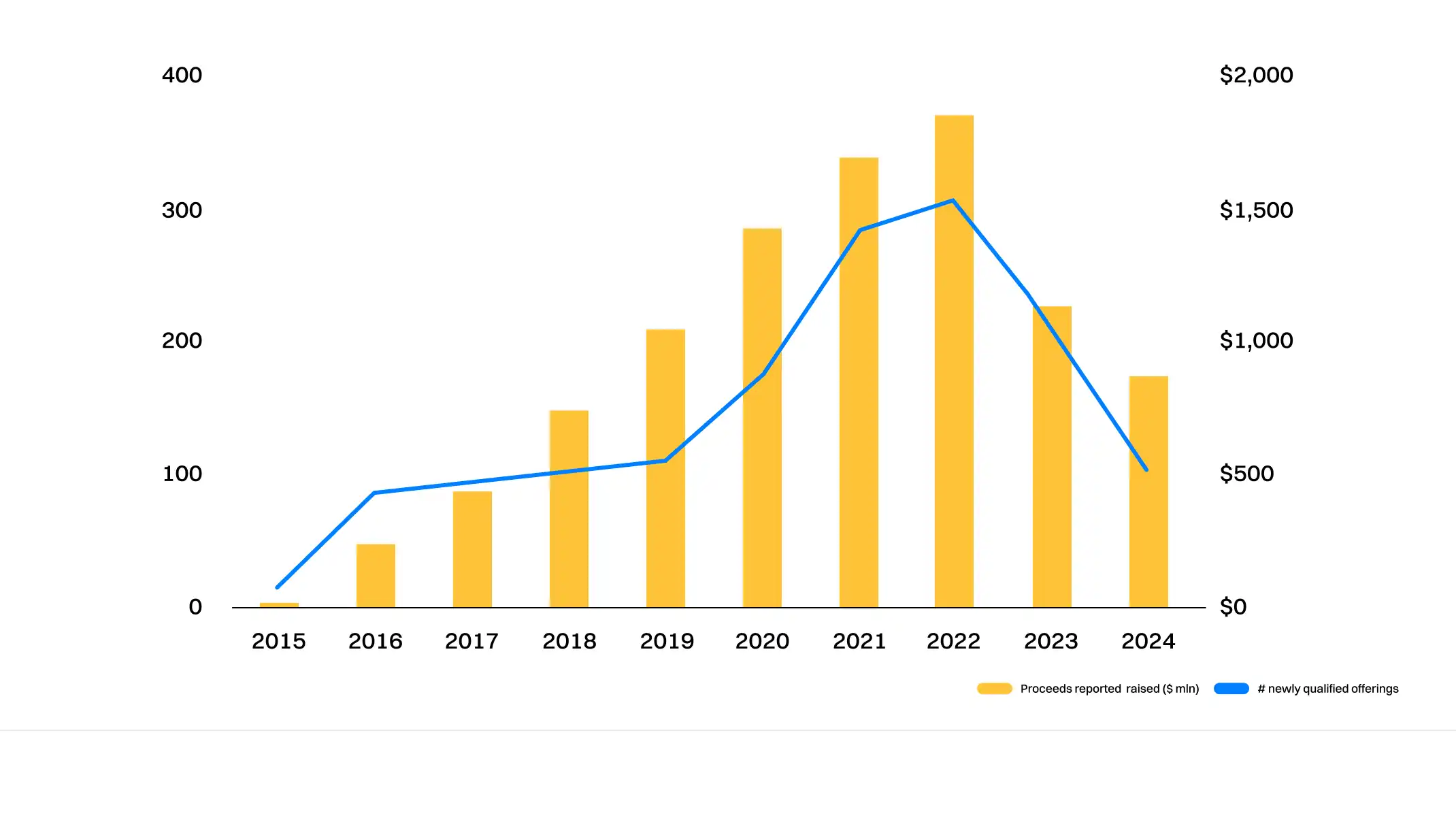
The catalyst for writing this was the stock tokenization narrative becoming very hot in the industry in July. xstocks and Robinhood both launched stock tokenization products and increased marketing efforts. Looking at data from RWA.xyz, actually well-known companies like Tesla, Nvidia, Oracle, Apple, and Google are not the largest by scale. The largest is the stock of Exodus. They passed the SEC's Regulation A, and their IPO financing was directly through token issuance, taking on-chain liquidity instead of traditional cornerstone and anchor investments. This sparked a lot of thought. Among the four methods—Pre-IPO, IPO,定向增发 (private placement), and direct tokenization of large company stocks—the company, the platform, and users all have different demands.
Article Excerpt

Listed companies, especially US-listed companies related to cryptocurrency (like Circle, Coinbase, Marathon) conducting增发融资 (additional issuance) of tokenized stocks on-chain, can补充流动性 (supplement liquidity) for the enterprise for business expansion or investment and acquisition; for investors, they can get a lower price than the secondary market and opportunities for on-chain yield generation. The author believes this area will be a key future development direction for stock tokenization.

Article Sharp Review

Content Innovation: Four Stars

Content Reach: Two Stars

Content Re-evaluation: No change

Overall Rating: Top Tier (人上人)

11. 2025 Hyperliquid KOL Influence Report

Author's Note

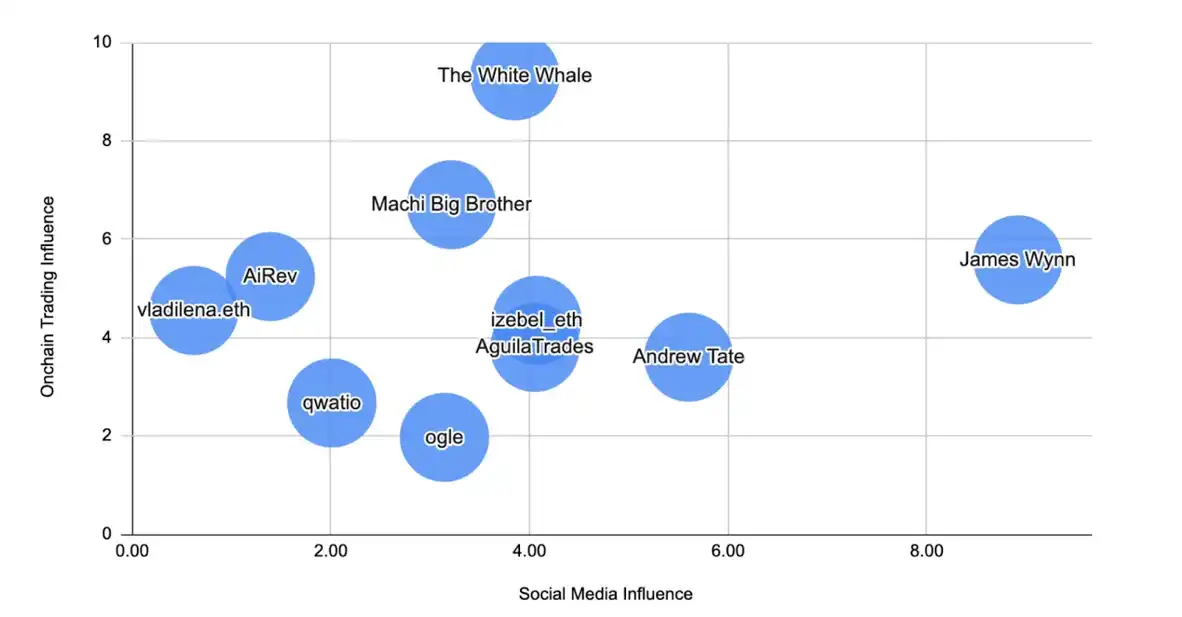
I consider this a very good piece, and it took a lot of effort. Hyperliquid and Pump.fun were the two biggest narrative highlights of 2024, both playing social media + trading perfectly—the former through X, the latter through a live streaming section embedded in the platform. Hyperliquid has so many trader KOLs, so which ones have higher win rates? I found a lot of data on the Hyperdash website and compiled a list of these people's publicly known wallet addresses. This was also the first article I wrote as an independent researcher, actually created during my tenure at the former company.
Article Excerpt

Focusing on KOLs who have bound their personal IP, two typical persona strategies can be observed: "Loss Whale" and "High Win Rate Smart Money." The former attracts market attention by crafting a narrative of "huge wealth fluctuations," leveraging dramatic events; the latter attracts investors to copy trades with the core of verifiable high win rates, hoping to replicate their excess returns. It is worth emphasizing that The White Whale successfully broke through the common "scale curse" in asset management, possessing both顶级资产规模 (top-tier asset scale) and high win rates, thus becoming a benchmark IP in the Hyperliquid ecosystem that combines influence and profitability.

Article Sharp Review

Content Innovation: Four Stars

Content Reach: Three Stars

Content Re-evaluation: Plus One Star

Overall Rating: Banger (夯)

12. Is Building Your Own Layer2 Chain the Ultimate Strategy for Ethereum DATs to Increase mNAV?

Author's Note

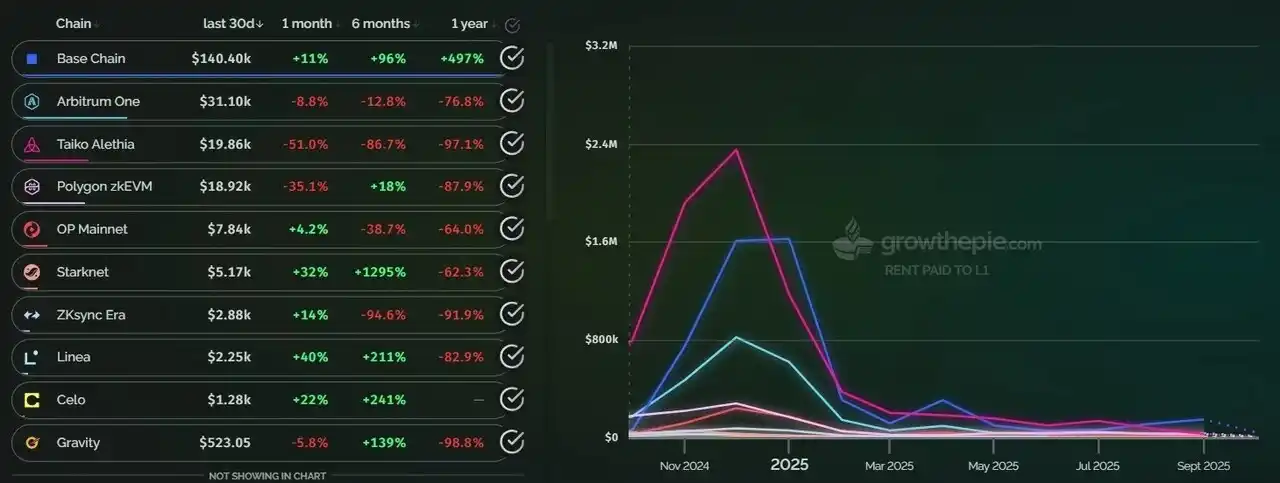
This was also a topic I had in reserve for a long time. Actually, the explanation of the ETH part in "Analyzing the Dual Relationship Between Listed Companies and Cryptocurrency" already hinted at this. For this wave of DATs, many companies haven't really figured out which coin to囤 to achieve which strategic goals. The ceiling for囤 ETH is actually the highest because building a Layer2 has become very easy. If a listed company has a lot of accumulated C-end users, it could完全可以做转化 (completely do conversion), turning some of these users into users of its own chain. Of course, this is just armchair theory; to actually achieve good conversion, many user incentive activities need to be pushed to attract users to the chain. Ultimately, this article was even made into a video by小伙伴 on B站 (Bilibili), and was reposted on Binance Square and Bitget Square, far exceeding my expectations in terms of reach. The host of the "Web3 101" podcast also later mentioned the possibility of Ethereum DATs building their own Layer2s.
Article Excerpt

Staking is currently the most commonly used asset appreciation method for crypto treasury companies, and this approach has gained widespread market recognition. But for Ethereum treasury companies holding ETH,仅仅使用第三方平台对 ETH 进行质押与借贷 (仅仅 using third-party platforms for ETH staking and lending) limits ETH to a financial asset and fails to leverage the high scalability of the Ethereum mainnet at a technical level, losing strategic opportunities. Building their own Ethereum Layer2 network is a fundamental strategic leap for treasury companies. Although it will incur higher capital expenditures for the treasury company, the core value of this decision lies in promoting the company's transition from a "holder" of crypto assets to an active "builder" of the blockchain ecosystem.

Article Sharp Review

Content Innovation: Four Stars

Content Reach: Five Stars

Content Re-evaluation: Plus Half Star

Overall Rating: Absolute Banger (夯的批爆)

Epilogue

2025 is almost over. This year, I wrote articles big and small, including daily, weekly, monthly, and annual reports on the blockchain industry at my former company. After the restructuring at my former company, I also wrote quite a few PR copy. For me, transitioning from Web3 VC to creator, I probably never wrote this much content in the previous 5 years of work. This is my 13th creation in 2025, and also a yearly journal for 2025. If I had to include this piece in the "from banger to trash" ranking, I'd give it a "Top Tier" (人上人), PUA-ing myself to learn more new things next year and produce some better content. Although next year might be the worst year in the four-year cycle, creators continuously evolving with AI will definitely form their own brand and moat.
Questions liées

QWhat is the author's overall feeling about the year 2025 in the Web3 space, and what key events contributed to this feeling?

AThe author's overall feeling about 2025 in the Web3 space is one of 'acceleration.' They felt that one year in 2025 was equivalent to 2-3 years' worth of events in the past. Key events that contributed to this feeling included 'Trump launching a coin,' the 'tariff war,' the 'Genius Act,' and the event referred to as '1011.'

QAccording to the author, what are the fundamental mismatches between the Crypto industry's DeSci narrative and real-world biotech innovation drug development?

AThe author identifies three fundamental mismatches: resource mismatch, cycle mismatch, and operational mismatch. The 10-year development cycle for a new drug (including clinical phases I, II, and III) is completely misaligned with the fast-paced investment rhythm of the crypto industry.

QWhich two of the author's articles received the highest 'Comprehensive Rating' of 'Banger' ('夯') and what were their main topics?

AThe two articles that received the 'Banger' rating are: 1) '2025 Hyperliquid KOL Influence Report,' which analyzed the performance and influence of trader KOLs on the Hyperliquid exchange. 2) 'Is Building a Custom Layer2 the Ultimate Strategy for an Ethereum DAT to Increase mNAV?', which explored the strategic potential for crypto treasury companies (DATs) holding ETH to build their own Layer2 networks instead of just staking.

QWhat was the author's critique of their own article 'Deconstructing the Realistic Dilemmas and Paradigm Shifts of the "Innovative Drug" Narrative under the DeSci Framework'?

AThe author critiqued the article by stating they believed the DeSci narrative was a 'false narrative' or 'pseudo-narrative.' They argued that while crypto leaders like CZ and Vitalik supported biotech token projects, they were not experts in life sciences. The author, with a background in Biotech VC, concluded that the long development cycles of biotech are fundamentally mismatched with crypto's investment pace, leading them to predict the narrative would eventually fade away.

QWhat common challenge did the author identify for both Web3 and Web2 games in 2025?

AThe author identified that the entire GameFi sector, including games and dedicated game chains, performed very poorly ('were very cool') in 2025. This was mirrored in the Web2 gaming world, which also had a weak year with no globally popular major game releases, as indicated by the author's comment about Dembele winning the Ballon d'Or, a real-world soccer award used here metaphorically to highlight the lack of a standout winner in gaming.

Lectures associées

iQiyi est trop pressé

L'entreprise de streaming chinoise iQiyi a provoqué une controverse en annonçant le lancement d'une « bibliothèque d’artistes IA » lors de sa conférence mondiale en avril 2026, affirmant que plus de 100 acteurs, dont des célébrités comme Zhang Ruoyun et Yu Hewei, avaient rejoint la plateforme. Cependant, plusieurs artistes ont rapidement publié des démentis, niant avoir signé des autorisations liées à l'IA. Le PDG d'iQiyi, Gong Yu, a déclaré que l'IA permettrait aux acteurs de « passer de 4 à 14 films par an », et a même suggéré que le tournage avec de vrais acteurs pourrait devenir « un patrimoine culturel mondial ». Ces propos ont suscité de vives réactions, et le hashtag « iQiyi est fou » est brièvement devenu tendance sur les réseaux sociaux. La plateforme a répondu que l'inscription signifiait une ouverture à des projets IA, mais nécessiterait des négociations séparées pour chaque rôle. Des questions juridiques sur les droits à l'image et l'utilisation de l'IA dans le divertissement ont été soulevées. Face à la pression concurrentielle des plateformes de short-video et à une baisse de revenus en 2025, iQiyi mise sur l'IA pour créer de nouvelles growth narratives, especially as it plans a listing à Hong Kong. Cependant, les observateurs estiment que la société est « trop pressée » et doit équilibrer innovation technologique, droits des artistes, et attentes du public, qui valorise l'authenticité humaine dans les contenus.

marsbitIl y a 51 mins

iQiyi est trop pressé

marsbitIl y a 51 mins

Pas une hausse des prix, mais une rupture d'approvisionnement ? Le pétrole a franchi un point de non-retour

L'article soutient que le marché pétrolier mondial a dépassé un « point de rupture » critique. Le problème n'est plus la hausse des prix, mais l'émergence d'un déficit physique d'approvisionnement d'environ 11 à 13 millions de barils par jour. Ce déficit se manifestera par une baisse accélérée des stocks de pétrole brut et de produits raffinés, ou par une destruction de la demande. Même si le détroit d'Ormuz rouvre, le délai de rotation des pétroliers entraînera une réduction inévitable des stocks terrestres pendant plusieurs semaines. La baisse des taux d'utilisation des raffineries amplifiera le problème en réduisant les stocks de produits finis, déclenchant un cycle auto-renforçant de hausse des prix et des marges de raffinage. Si la fermeture du détroit persiste au-delà d'avril, le marché fera face à une pénurie physique extrême, rendant les cadres de prix traditionnels obsolètes. Le rééquilibrage ne pourra se faire que par une destruction massive de la demande, probablement via des politiques gouvernementales restrictives similaires à celles des confinements COVID. Un prix de 95 dollars le baril est insuffisant ; les signaux clés à surveiller sont l'évolution des stocks et les annonces politiques. La situation géopolitique, tendue, laisse peu de place à un compromis entre les États-Unis et l'Iran.

marsbitIl y a 3 h

Pas une hausse des prix, mais une rupture d'approvisionnement ? Le pétrole a franchi un point de non-retour

marsbitIl y a 3 h

Trading

Spot
Futures

Articles tendance

Qu'est ce que $S$

Comprendre SPERO : Un aperçu complet Introduction à SPERO Alors que le paysage de l'innovation continue d'évoluer, l'émergence des technologies web3 et des projets de cryptomonnaie joue un rôle central dans la façon dont se dessine l'avenir numérique. Un projet qui a attiré l'attention dans ce domaine dynamique est SPERO, désigné comme SPERO,$$s$. Cet article vise à rassembler et à présenter des informations détaillées sur SPERO, afin d'aider les passionnés et les investisseurs à comprendre ses fondations, ses objectifs et ses innovations dans les domaines du web3 et de la crypto. Qu'est-ce que SPERO,$$s$ ? SPERO,$$s$ est un projet unique dans l'espace crypto qui cherche à tirer parti des principes de décentralisation et de la technologie blockchain pour créer un écosystème qui favorise l'engagement, l'utilité et l'inclusion financière. Le projet est conçu pour faciliter les interactions entre pairs de nouvelles manières, offrant aux utilisateurs des solutions et des services financiers innovants. Au cœur de SPERO,$$s$, l'objectif est d'autonomiser les individus en fournissant des outils et des plateformes qui améliorent l'expérience utilisateur dans l'espace des cryptomonnaies. Cela inclut la possibilité de méthodes de transaction plus flexibles, la promotion d'initiatives dirigées par la communauté et la création de voies pour des opportunités financières via des applications décentralisées (dApps). La vision sous-jacente de SPERO,$$s$ tourne autour de l'inclusivité, visant à combler les lacunes au sein de la finance traditionnelle tout en exploitant les avantages de la technologie blockchain. Qui est le créateur de SPERO,$$s$ ? L'identité du créateur de SPERO,$$s$ reste quelque peu obscure, car il existe peu de ressources publiques fournissant des informations détaillées sur son ou ses fondateurs. Ce manque de transparence peut découler de l'engagement du projet envers la décentralisation—une éthique que de nombreux projets web3 partagent, privilégiant les contributions collectives plutôt que la reconnaissance individuelle. En centrant les discussions autour de la communauté et de ses objectifs collectifs, SPERO,$$s$ incarne l'essence de l'autonomisation sans désigner des individus spécifiques. Ainsi, comprendre l'éthique et la mission de SPERO reste plus important que d'identifier un créateur unique. Qui sont les investisseurs de SPERO,$$s$ ? SPERO,$$s$ est soutenu par une diversité d'investisseurs allant des capital-risqueurs aux investisseurs providentiels dédiés à favoriser l'innovation dans le secteur crypto. L'objectif de ces investisseurs s'aligne généralement avec la mission de SPERO—priorisant les projets qui promettent des avancées technologiques sociétales, l'inclusivité financière et la gouvernance décentralisée. Ces fondations d'investisseurs s'intéressent généralement à des projets qui non seulement offrent des produits innovants, mais qui contribuent également positivement à la communauté blockchain et à ses écosystèmes. Le soutien de ces investisseurs renforce SPERO,$$s$ en tant que concurrent notable dans le domaine en rapide évolution des projets crypto. Comment fonctionne SPERO,$$s$ ? SPERO,$$s$ utilise un cadre multifacette qui le distingue des projets de cryptomonnaie conventionnels. Voici quelques-unes des caractéristiques clés qui soulignent son unicité et son innovation : Gouvernance décentralisée : SPERO,$$s$ intègre des modèles de gouvernance décentralisée, permettant aux utilisateurs de participer activement aux processus de décision concernant l'avenir du projet. Cette approche favorise un sentiment de propriété et de responsabilité parmi les membres de la communauté. Utilité du token : SPERO,$$s$ utilise son propre token de cryptomonnaie, conçu pour servir diverses fonctions au sein de l'écosystème. Ces tokens permettent des transactions, des récompenses et la facilitation des services offerts sur la plateforme, améliorant ainsi l'engagement et l'utilité globaux. Architecture en couches : L'architecture technique de SPERO,$$s$ supporte la modularité et l'évolutivité, permettant une intégration fluide de fonctionnalités et d'applications supplémentaires à mesure que le projet évolue. Cette adaptabilité est primordiale pour maintenir la pertinence dans le paysage crypto en constante évolution. Engagement communautaire : Le projet met l'accent sur des initiatives dirigées par la communauté, utilisant des mécanismes qui incitent à la collaboration et aux retours d'expérience. En cultivant une communauté forte, SPERO,$$s$ peut mieux répondre aux besoins des utilisateurs et s'adapter aux tendances du marché. Accent sur l'inclusion : En proposant des frais de transaction bas et des interfaces conviviales, SPERO,$$s$ vise à attirer une base d'utilisateurs diversifiée, y compris des individus qui n'ont peut-être pas engagé auparavant dans l'espace crypto. Cet engagement envers l'inclusion s'aligne avec sa mission globale d'autonomisation par l'accessibilité. Chronologie de SPERO,$$s$ Comprendre l'histoire d'un projet fournit des aperçus cruciaux sur sa trajectoire de développement et ses jalons. Voici une chronologie suggérée cartographiant les événements significatifs dans l'évolution de SPERO,$$s$ : Phase de conceptualisation et d'idéation : Les idées initiales formant la base de SPERO,$$s$ ont été conçues, s'alignant étroitement avec les principes de décentralisation et de concentration sur la communauté au sein de l'industrie blockchain. Lancement du livre blanc du projet : Suite à la phase conceptuelle, un livre blanc complet détaillant la vision, les objectifs et l'infrastructure technologique de SPERO,$$s$ a été publié pour susciter l'intérêt et les retours de la communauté. Construction de la communauté et engagements précoces : Des efforts de sensibilisation actifs ont été entrepris pour construire une communauté d'adopteurs précoces et d'investisseurs potentiels, facilitant les discussions autour des objectifs du projet et recueillant du soutien. Événement de génération de tokens : SPERO,$$s$ a organisé un événement de génération de tokens (TGE) pour distribuer ses tokens natifs aux premiers soutiens et établir une liquidité initiale au sein de l'écosystème. Lancement de la première dApp : La première application décentralisée (dApp) associée à SPERO,$$s$ a été mise en ligne, permettant aux utilisateurs d'interagir avec les fonctionnalités principales de la plateforme. Développement continu et partenariats : Des mises à jour et des améliorations continues des offres du projet, y compris des partenariats stratégiques avec d'autres acteurs de l'espace blockchain, ont façonné SPERO,$$s$ en un acteur compétitif et évolutif sur le marché crypto. Conclusion SPERO,$$s$ se dresse comme un témoignage du potentiel du web3 et de la cryptomonnaie pour révolutionner les systèmes financiers et autonomiser les individus. Avec un engagement envers la gouvernance décentralisée, l'engagement communautaire et des fonctionnalités conçues de manière innovante, il ouvre la voie vers un paysage financier plus inclusif. Comme pour tout investissement dans l'espace crypto en rapide évolution, les investisseurs et utilisateurs potentiels sont encouragés à mener des recherches approfondies et à s'engager de manière réfléchie avec les développements en cours au sein de SPERO,$$s$. Le projet illustre l'esprit d'innovation de l'industrie crypto, invitant à une exploration plus approfondie de ses nombreuses possibilités. Bien que le parcours de SPERO,$$s$ soit encore en cours, ses principes fondamentaux pourraient en effet influencer l'avenir de nos interactions avec la technologie, la finance et entre nous dans des écosystèmes numériques interconnectés.

101 vues totalesPublié le 2024.12.17Mis à jour le 2024.12.17

Qu'est ce que $S$

Qu'est ce que AGENT S

Agent S : L'avenir de l'interaction autonome dans Web3 Introduction Dans le paysage en constante évolution de Web3 et des cryptomonnaies, les innovations redéfinissent constamment la manière dont les individus interagissent avec les plateformes numériques. Un projet pionnier, Agent S, promet de révolutionner l'interaction homme-machine grâce à son cadre agentique ouvert. En ouvrant la voie à des interactions autonomes, Agent S vise à simplifier des tâches complexes, offrant des applications transformantes dans l'intelligence artificielle (IA). Cette exploration détaillée plongera dans les subtilités du projet, ses caractéristiques uniques et les implications pour le domaine des cryptomonnaies. Qu'est-ce qu'Agent S ? Agent S se présente comme un cadre agentique ouvert révolutionnaire, spécifiquement conçu pour relever trois défis fondamentaux dans l'automatisation des tâches informatiques : Acquisition de connaissances spécifiques au domaine : Le cadre apprend intelligemment à partir de diverses sources de connaissances externes et d'expériences internes. Cette approche double lui permet de construire un riche répertoire de connaissances spécifiques au domaine, améliorant ainsi sa performance dans l'exécution des tâches. Planification sur de longs horizons de tâches : Agent S utilise une planification hiérarchique augmentée par l'expérience, une approche stratégique qui facilite la décomposition et l'exécution efficaces de tâches complexes. Cette fonctionnalité améliore considérablement sa capacité à gérer plusieurs sous-tâches de manière efficace et efficiente. Gestion d'interfaces dynamiques et non uniformes : Le projet introduit l'Interface Agent-Ordinateur (ACI), une solution innovante qui améliore l'interaction entre les agents et les utilisateurs. En utilisant des Modèles de Langage Multimodaux de Grande Taille (MLLMs), Agent S peut naviguer et manipuler sans effort diverses interfaces graphiques. Grâce à ces fonctionnalités pionnières, Agent S fournit un cadre robuste qui aborde les complexités impliquées dans l'automatisation de l'interaction humaine avec les machines, préparant le terrain pour d'innombrables applications en IA et au-delà. Qui est le créateur d'Agent S ? Bien que le concept d'Agent S soit fondamentalement innovant, des informations spécifiques sur son créateur restent insaisissables. Le créateur est actuellement inconnu, ce qui souligne soit le stade naissant du projet, soit le choix stratégique de garder les membres fondateurs sous le radar. Quoi qu'il en soit, l'accent reste mis sur les capacités et le potentiel du cadre. Qui sont les investisseurs d'Agent S ? Étant donné qu'Agent S est relativement nouveau dans l'écosystème cryptographique, des informations détaillées concernant ses investisseurs et soutiens financiers ne sont pas explicitement documentées. Le manque d'aperçus publiquement disponibles sur les fondations d'investissement ou les organisations soutenant le projet soulève des questions sur sa structure de financement et sa feuille de route de développement. Comprendre le soutien est crucial pour évaluer la durabilité du projet et son impact potentiel sur le marché. Comment fonctionne Agent S ? Au cœur d'Agent S se trouve une technologie de pointe qui lui permet de fonctionner efficacement dans divers environnements. Son modèle opérationnel est construit autour de plusieurs caractéristiques clés : Interaction homme-ordinateur semblable à l'humain : Le cadre offre une planification IA avancée, s'efforçant de rendre les interactions avec les ordinateurs plus intuitives. En imitant le comportement humain dans l'exécution des tâches, il promet d'élever l'expérience utilisateur. Mémoire narrative : Utilisée pour tirer parti des expériences de haut niveau, Agent S utilise la mémoire narrative pour suivre les historiques de tâches, améliorant ainsi ses processus de prise de décision. Mémoire épisodique : Cette fonctionnalité fournit aux utilisateurs un accompagnement étape par étape, permettant au cadre d'offrir un soutien contextuel au fur et à mesure que les tâches se déroulent. Support pour OpenACI : Avec la capacité de fonctionner localement, Agent S permet aux utilisateurs de garder le contrôle sur leurs interactions et flux de travail, s'alignant avec l'éthique décentralisée de Web3. Intégration facile avec des API externes : Sa polyvalence et sa compatibilité avec diverses plateformes IA garantissent qu'Agent S peut s'intégrer sans effort dans des écosystèmes technologiques existants, en faisant un choix attrayant pour les développeurs et les organisations. Ces fonctionnalités contribuent collectivement à la position unique d'Agent S dans l'espace crypto, alors qu'il automatise des tâches complexes en plusieurs étapes avec un minimum d'intervention humaine. À mesure que le projet évolue, ses applications potentielles dans Web3 pourraient redéfinir la manière dont les interactions numériques se déroulent. Chronologie d'Agent S Le développement et les jalons d'Agent S peuvent être encapsulés dans une chronologie qui met en évidence ses événements significatifs : 27 septembre 2024 : Le concept d'Agent S a été lancé dans un document de recherche complet intitulé “Un cadre agentique ouvert qui utilise les ordinateurs comme un humain”, présentant les bases du projet. 10 octobre 2024 : Le document de recherche a été rendu publiquement disponible sur arXiv, offrant une exploration approfondie du cadre et de son évaluation de performance basée sur le benchmark OSWorld. 12 octobre 2024 : Une présentation vidéo a été publiée, fournissant un aperçu visuel des capacités et des caractéristiques d'Agent S, engageant davantage les utilisateurs et investisseurs potentiels. Ces jalons dans la chronologie illustrent non seulement les progrès d'Agent S, mais indiquent également son engagement envers la transparence et l'engagement communautaire. Points clés sur Agent S Alors que le cadre Agent S continue d'évoluer, plusieurs attributs clés se distinguent, soulignant sa nature innovante et son potentiel : Cadre innovant : Conçu pour offrir une utilisation intuitive des ordinateurs semblable à l'interaction humaine, Agent S propose une approche nouvelle de l'automatisation des tâches. Interaction autonome : La capacité d'interagir de manière autonome avec les ordinateurs via une interface graphique signifie un bond vers des solutions informatiques plus intelligentes et efficaces. Automatisation des tâches complexes : Avec sa méthodologie robuste, il peut automatiser des tâches complexes en plusieurs étapes, rendant les processus plus rapides et moins sujets aux erreurs. Amélioration continue : Les mécanismes d'apprentissage permettent à Agent S de s'améliorer grâce à ses expériences passées, améliorant continuellement sa performance et son efficacité. Polyvalence : Son adaptabilité à travers différents environnements d'exploitation comme OSWorld et WindowsAgentArena garantit qu'il peut servir un large éventail d'applications. Alors qu'Agent S se positionne dans le paysage Web3 et crypto, son potentiel à améliorer les capacités d'interaction et à automatiser les processus représente une avancée significative dans les technologies IA. Grâce à son cadre innovant, Agent S incarne l'avenir des interactions numériques, promettant une expérience plus fluide et efficace pour les utilisateurs à travers divers secteurs. Conclusion Agent S représente un saut audacieux en avant dans le mariage de l'IA et de Web3, avec la capacité de redéfinir notre interaction avec la technologie. Bien qu'il soit encore à ses débuts, les possibilités de son application sont vastes et convaincantes. Grâce à son cadre complet abordant des défis critiques, Agent S vise à mettre les interactions autonomes au premier plan de l'expérience numérique. À mesure que nous plongeons plus profondément dans les domaines des cryptomonnaies et de la décentralisation, des projets comme Agent S joueront sans aucun doute un rôle crucial dans la façon dont la technologie et la collaboration homme-machine évolueront à l'avenir.

739 vues totalesPublié le 2025.01.14Mis à jour le 2025.01.14

Qu'est ce que AGENT S

Comment acheter S

Bienvenue sur HTX.com ! Nous vous permettons d'acheter Sonic (S) de manière simple et pratique. Suivez notre guide étape par étape pour commencer votre parcours crypto.Étape 1 : Création de votre compte HTXUtilisez votre adresse e-mail ou votre numéro de téléphone pour ouvrir un compte sur HTX gratuitement. L'inscription se fait en toute simplicité et débloque toutes les fonctionnalités.Créer mon compteÉtape 2 : Choix du mode de paiement (rubrique Acheter des cryptosCarte de crédit/débit : utilisez votre carte Visa ou Mastercard pour acheter instantanément Sonic (S).Solde :utilisez les fonds du solde de votre compte HTX pour trader en toute simplicité.Prestataire tiers :pour accroître la commodité d'utilisation, nous avons ajouté des modes de paiement populaires tels que Google Pay et Apple Pay.P2P :tradez directement avec d'autres utilisateurs sur HTX.OTC (de gré à gré) : nous offrons des services personnalisés et des taux de change compétitifs aux traders.Étape 3 : stockage de vos Sonic (S)Après avoir acheté vos Sonic (S), stockez-les sur votre compte HTX. Vous pouvez également les envoyer ailleurs via un transfert sur la blockchain ou les utiliser pour trader d'autres cryptos.Étape 4 : tradez des Sonic (S)Tradez facilement Sonic (S) sur le marché Spot de HTX. Il vous suffit d'accéder à votre compte, de sélectionner la paire de trading, d'exécuter vos trades et de les suivre en temps réel. Nous offrons une expérience conviviale aux débutants comme aux traders chevronnés.

1.3k vues totalesPublié le 2025.01.15Mis à jour le 2025.03.21

Comment acheter S

Discussions

Bienvenue dans la Communauté HTX. Ici, vous pouvez vous tenir informé(e) des derniers développements de la plateforme et accéder à des analyses de marché professionnelles. Les opinions des utilisateurs sur le prix de S (S) sont présentées ci-dessous.

活动图片