OpenAI Buys Tens of Thousands of Macs for Reinforcement Training! NVIDIA's Job Gets Snatched by Apple

marsbitPublié le 2026-08-31Dernière mise à jour le 2026-08-31

Résumé

OpenAI is reported to have purchased tens of thousands of Mac mini and Mac Studio computers for reinforcement learning tasks, specifically to train "computer-use agents." This surge in demand from AI companies like Anthropic as well has made Mac Apple's fastest-growing product line. Apple is promoting its hardware's suitability for local AI processing, highlighting advantages like the unified memory architecture of M-series chips and robust cooling in desktop Macs. However, this unexpected enterprise demand has led to supply shortages for high-end configurations. Nvidia has taken notice, launching its DGX Spark desktop AI computer as a direct competitor. While Apple has begun building internal servers with its chips for AI tasks, it currently does not sell them, relying instead on partners to expand its enterprise reach.

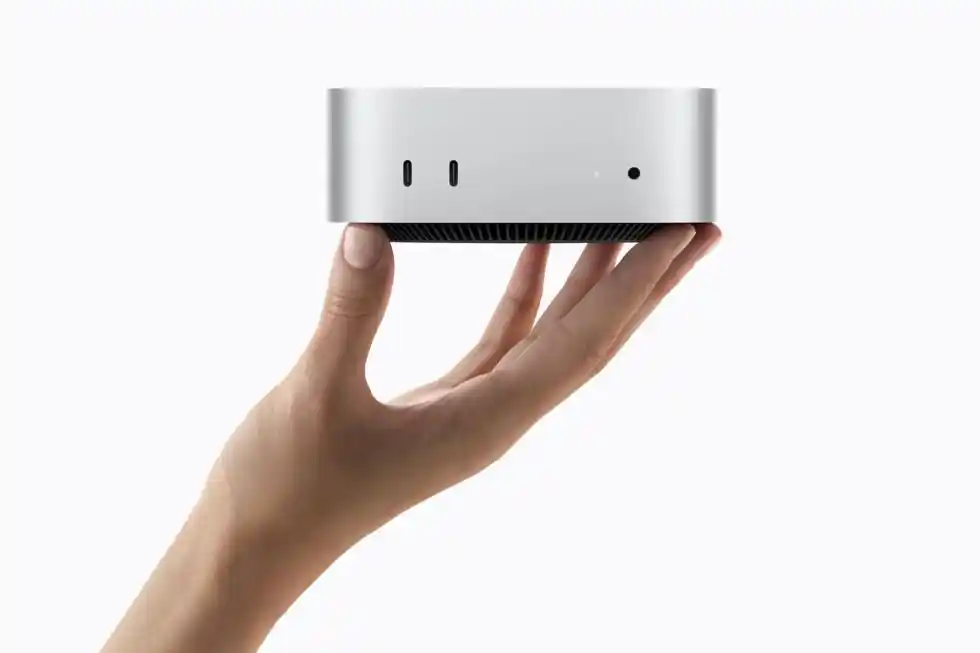
OpenAI has been exposed for frantically purchasing Macs, buying tens of thousands at a time.

They accidentally bought out the stock and are trying every means to acquire more.

They don't want MacBook laptops, specifically buying Mac mini and Mac Studio models without screens or keyboards.

So the question arises: What kind of AI business can't be handled by NVIDIA GPUs and Google TPUs, but must use Macs?
Using Tens of Thousands of Macs for Reinforcement Learning, AI Giants Are Doing It Too

According to The Information, OpenAI has purchased tens of thousands of Mac mini and Mac Studio units specifically for reinforcement learning.

Not just OpenAI, Anthropic is also renting Mac minis through Amazon Web Services (AWS) for similar tasks.
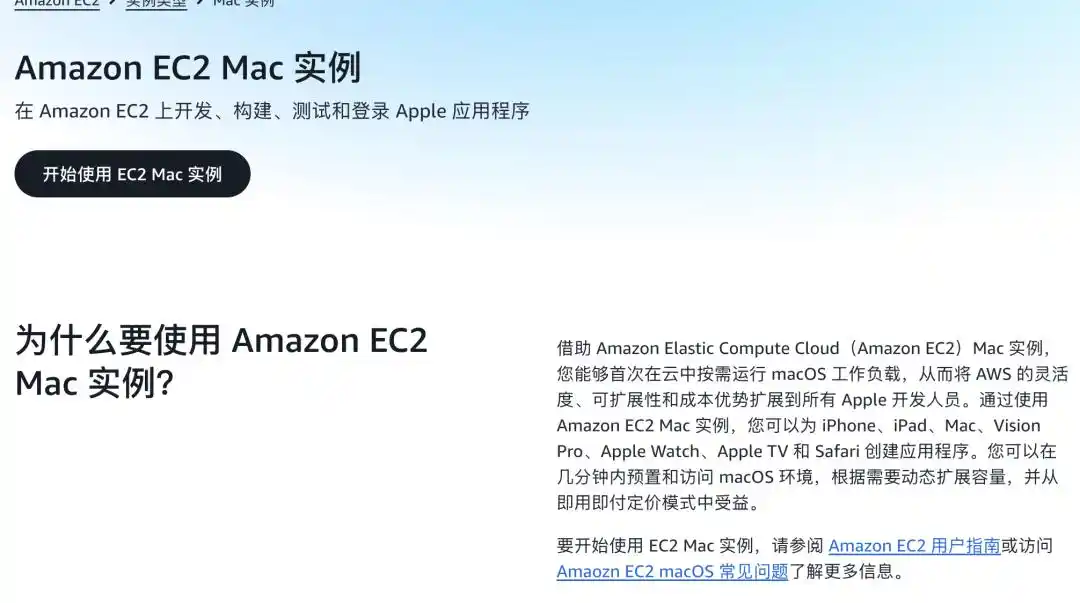
These Macs are used to train "computer-use agents," AI systems capable of autonomously operating computers to complete multi-step tasks like editing test code, automatically organizing email inboxes, and summarizing documents.

This frenzy is directly reflected in Apple's financial reports.

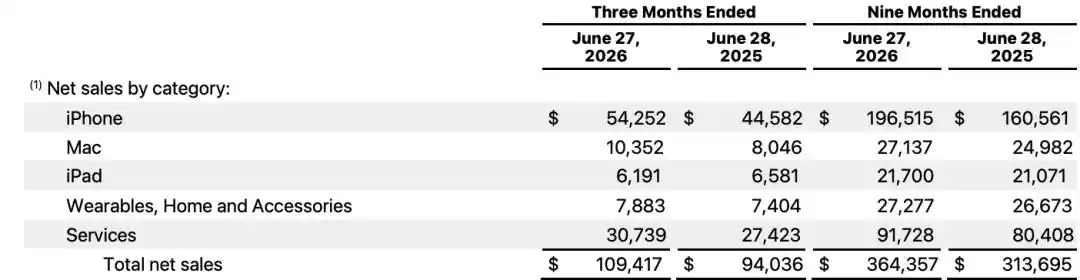
In the most recent quarter, Mac sales grew nearly 29% year-over-year, reaching $10.3 billion, outpacing the growth of iPhone, iPad, and all other Apple product lines. Mac became Apple's fastest-growing business.
On June 23rd, Apple Park hosted an event called "Business at the Park." This is uncommon in Apple's history, as the company has traditionally focused on the consumer market and rarely held events specifically for enterprise clients.

Executives from Disney and Ford attended the event, along with Anthropic co-founder Jared Kaplan. Apple's outgoing CEO Tim Cook and incoming CEO John Ternus were also present.

According to one attendee, Apple repeatedly emphasized at the event that its hardware is very suitable for handling AI tasks locally, with the Mac mini being the focus of the entire event.

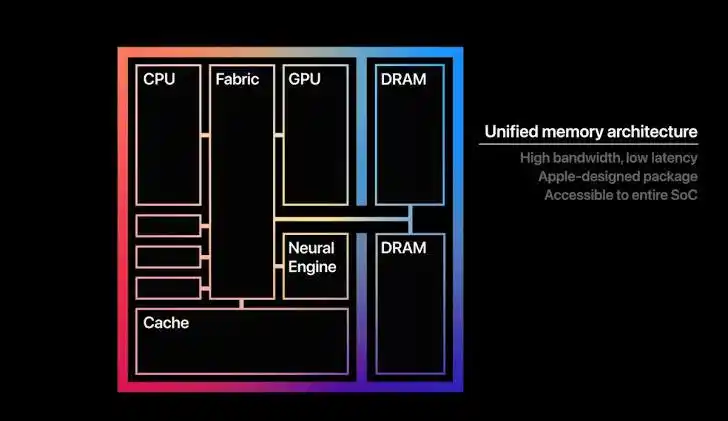
AI training has long been dominated by NVIDIA GPUs, but Macs have been purchased on a large scale for this specific reinforcement learning niche due to their unified memory architecture.

NVIDIA GPU VRAM and system memory are separate, and data transfer between them creates bottlenecks. Apple's M-series chips use a single, shared memory pool where the CPU and GPU directly access the same memory, providing performance advantages when handling AI workloads.
Furthermore, unlike slim MacBooks, the Mac mini and Mac Studio are equipped with dedicated cooling systems, preventing thermal throttling during prolonged, complex AI tasks. This is crucial for reinforcement learning training sessions that can last for hours or even days.

Apple is also promoting the EXO Labs open-source software project, which can cluster multiple Macs together to run trillion-parameter AI models locally.
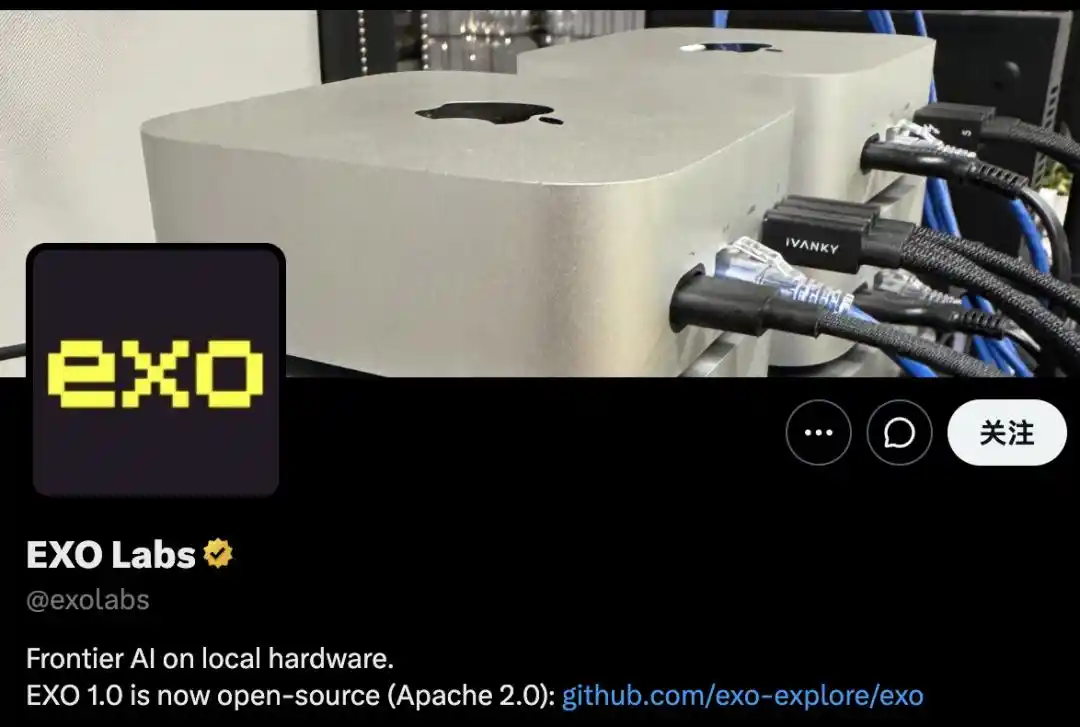
Apple's newly released Mac Studio also specifically highlights clustering capabilities, where multiple Mac Studios can be daisy-chained to form a more powerful system for running cutting-edge models.

The timing of this new product launch is also unusual. Apple typically updates its Mac lineup in October or November each year for the holiday season, but this time it was moved up to August.
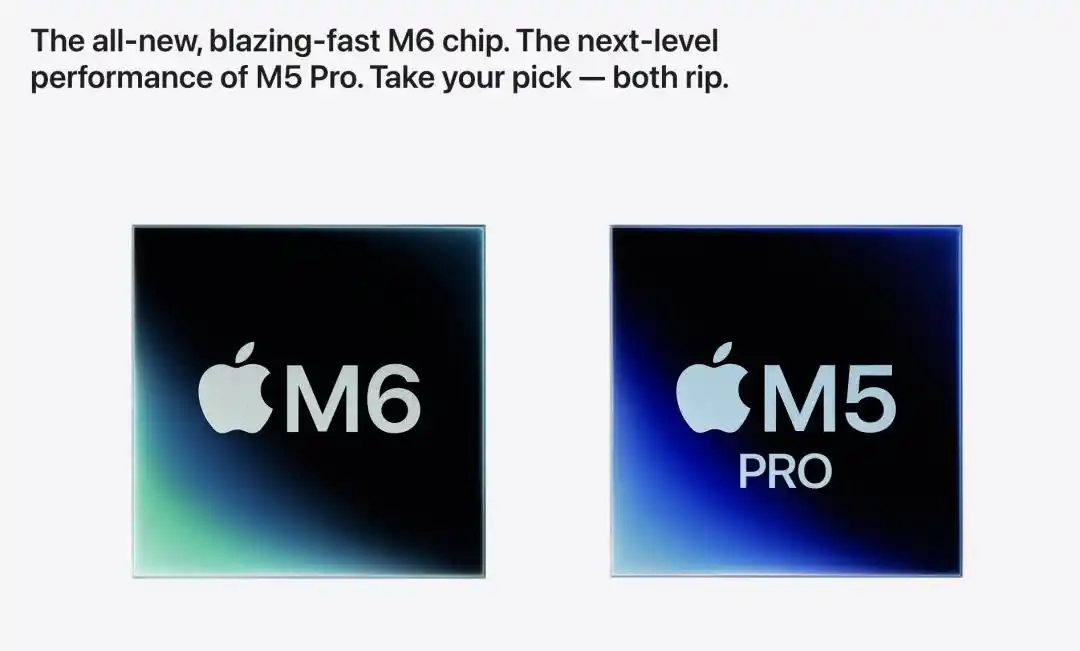
NVIDIA Has Taken Notice, Apple Scrambles to Respond

The rise of Macs in the local AI space has already caught NVIDIA's attention.

According to an insider who discussed the competitive landscape with NVIDIA executives, NVIDIA views Apple as its biggest competitor in the local AI domain.

Late last year, NVIDIA released the DGX Spark, an AI desktop computer with a design similar to the Mac mini, directly targeting this market.
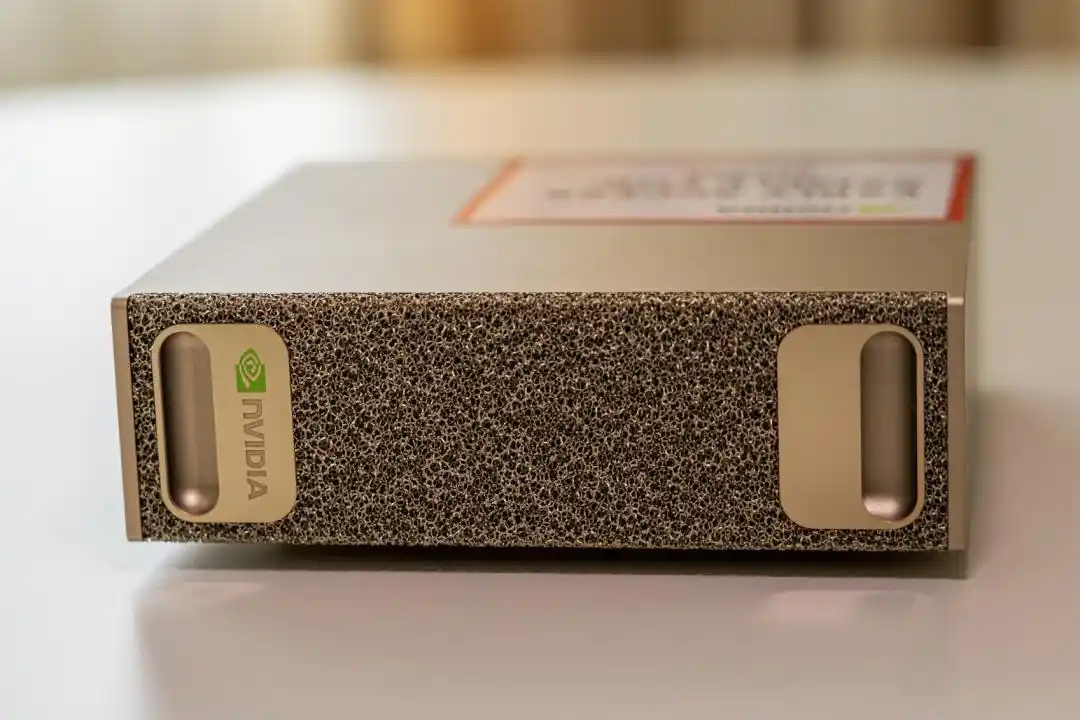
On Apple's side, they face the practical problem of supply keeping up with demand.

The massive demand for memory chips from AI data centers has led to a historic industry-wide shortage, from which Apple has not been spared.

The higher-spec configurations of Mac mini and Mac Studio, most attractive to AI developers, have been out of stock for months.

Todd Dailey, former AI Products Enterprise Marketing Manager at Apple, revealed that over the past year, due to constrained Mac supply, some enterprises have started looking for alternatives, with NVIDIA's DGX Spark frequently mentioned as an option—and it's currently available.

Dailey left Apple in April this year and is now an independent AI consultant. He also revealed that the Mac's popularity in the enterprise AI market was completely accidental, not part of Apple's proactive planning. Apple does not have a dedicated engineering team for enterprise clients nor any staff focused on developer relations.

The last time Apple sold a server product was the Xserve, discontinued in 2011. The server operating system based on macOS also ceased development in 2022.
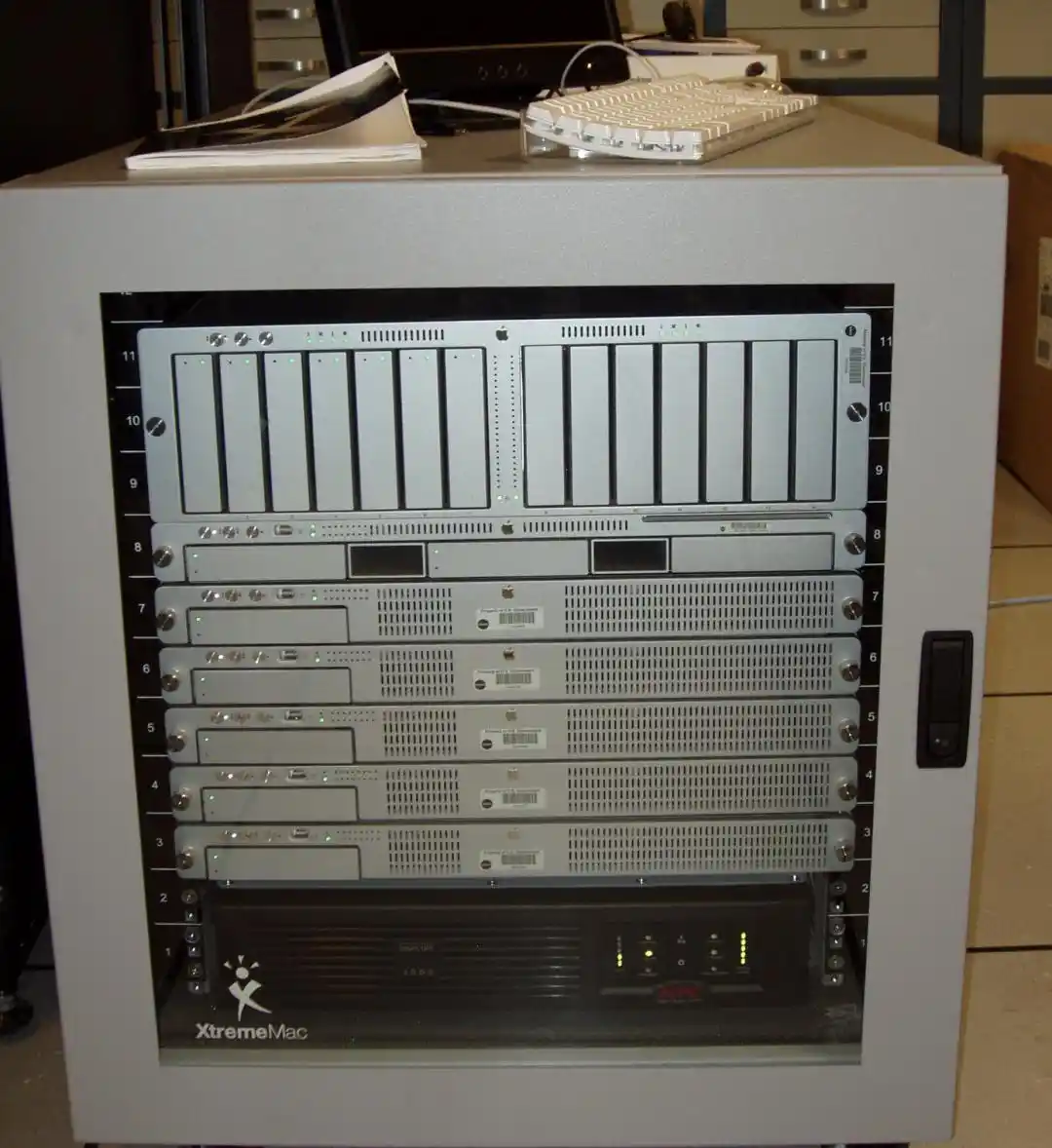
However, some have already sensed the opportunity.

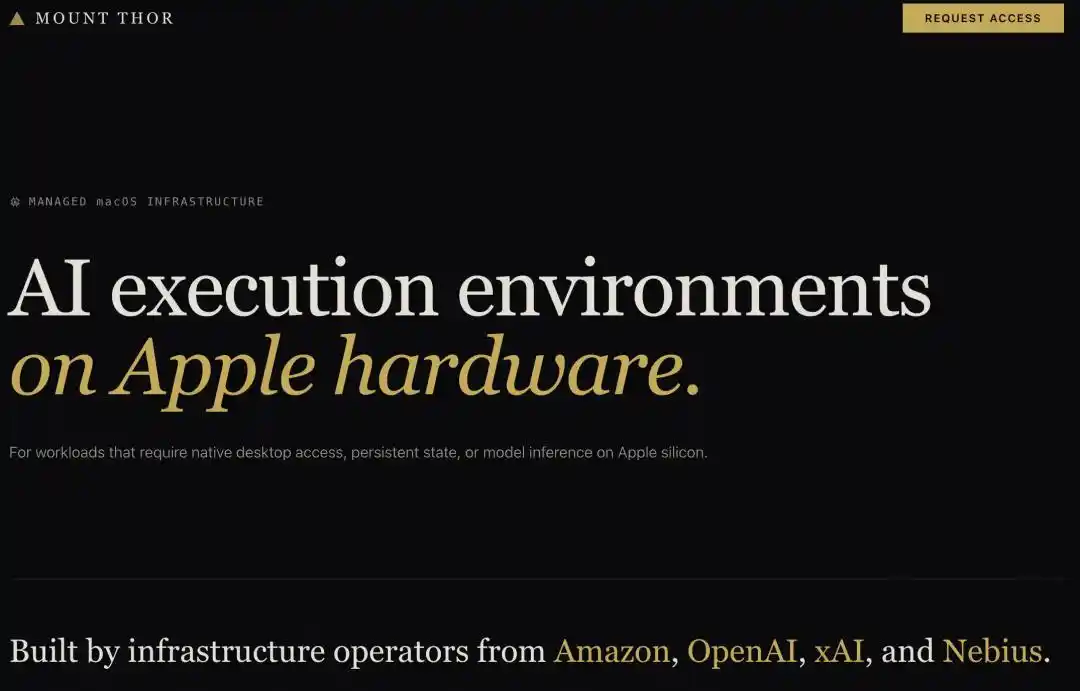
Former OpenAI Compute Infrastructure employee Peter Voell founded Mount Thor, a cloud computing company based on Apple hardware, currently still in stealth mode. Its website describes the product as an "Apple hardware-based AI execution environment."

Apple is also pinning its hopes on partners like Mount Thor and webAI to push Macs deeper into the enterprise market.
Apple has finally started using Mac chips to build its own servers. However, these servers are for internal use only, powering the Private Cloud Compute service to handle AI tasks beyond the capabilities of iPhones or Macs.

Some enterprise customers have inquired whether Apple would sell access to these servers, but Apple has so far refused.

Reference links:[1]https://www.theinformation.com/articles/apple-stumbled-ai-hardware-success-mac[2]https://www.apple.com/newsroom/2026/07/apple-reports-third-quarter-results/

This article is from the WeChat public account "QbitAI," author: Focus on Cutting-edge Technology


Questions liées

QWhat specific types of Macs is OpenAI reportedly purchasing in large quantities, and for what AI task?

AOpenAI is reportedly purchasing tens of thousands of Mac mini and Mac Studio units for the specific task of reinforcement learning, particularly for training 'computer-use agents' that can operate computers autonomously.

QAccording to the article, what key hardware feature of Apple's M-series chips gives Macs an advantage for certain AI workloads compared to NVIDIA GPUs?

AThe key hardware feature is the unified memory architecture. Apple's M-series chips use a single, shared memory pool that the CPU and GPU can access directly, avoiding the performance bottleneck caused by data transfer between separate GPU VRAM and system memory found in NVIDIA GPUs.

QHow did the surge in Mac purchases by AI companies like OpenAI impact Apple's financial results, as mentioned in the article?

AThe surge in Mac purchases contributed to Mac sales growing nearly 29% year-over-year in Apple's most recent quarter, reaching $10.3 billion. This made the Mac business Apple's fastest-growing product line, outpacing the growth of iPhone and iPad.

QWhat product did NVIDIA release to compete directly in the local AI hardware market targeted by devices like the Mac mini, and what is a key advantage it currently holds over Apple's offerings?

ANVIDIA released the DGX Spark, an AI desktop computer with a design similar to the Mac mini, to compete in this market. A key current advantage is that it is readily available, while high-configuration Mac mini and Mac Studio models have been out of stock for months.

QWhat was unusual about Apple's 'Business at the Park' event in June, and what was a major focus of the presentation according to a participant?

AIt was unusual because Apple has historically focused on the consumer market and rarely holds events specifically for enterprise customers. According to a participant, a major focus of the presentation was that Apple's hardware is well-suited for local AI tasks, with the Mac mini being the centerpiece of the event.

Lectures associées

Grande redistribution des villes du commerce extérieur ! Shenzhen dépasse Shanghai, Suzhou dépasse Pékin

Le paysage des villes du commerce extérieur chinois en 2026 connaît un remaniement significatif. Sur la base des données des sept premiers mois, Shenzhen consolide sa position de leader, accentuant son avance sur Shanghai, notamment grâce à une croissance historique de ses importations qui dépassent pour la première fois celles de Shanghai. Suzhou dépasse Pékin pour se hisser au troisième rang national. La tendance nationale montre une croissance des importations (+22%) plus rapide que celle des exportations (+14%), signalant une reprise de la demande intérieure et renforçant la chaîne d'approvisionnement pour les réexportations. Parmi les changements notables, Wuxi fait son entrée dans le top 10, tandis que Qingdao en sort. Xi'an se distingue comme la plus grande réussite, avec une croissance explosive de 100,4%, propulsée par ses exportations de produits électroniques et son industrie des semi-conducteurs. D'autres villes comme Hefei, Chongqing et Wuhan voient également leur rang s'améliorer. Cette redistribution des cartes profite principalement aux pôles manufacturiers spécialisés dans les technologies de pointe. Les villes avec des industries solides dans les semi-conducteurs, le matériel d'IA et l'électronique (Shenzhen, Suzhou, Xi'an, Hefei, Wuxi) enregistrent les progressions les plus fortes. À l'inverse, certaines villes dont la croissance est inférieure à la moyenne nationale voient leur classement reculer.

marsbitIl y a 7 mins

Grande redistribution des villes du commerce extérieur ! Shenzhen dépasse Shanghai, Suzhou dépasse Pékin

marsbitIl y a 7 mins

Marvell : Incomparable à NVIDIA, ne supportant pas les attentes, sa valorisation élevée va d’abord se « dégonfler » ?

Marvell a publié ses résultats du Q2 2027 (clôturé en juillet 2026), révélant des perspectives annuelles revues à la hausse : 120 milliards de dollars pour 2027 (+45%) et 180 milliards pour 2028 (+50%). Cependant, ces prévisions, bien que légèrement supérieures aux attentes du marché, sont jugées décevantes par rapport aux projections "explosives" de Nvidia. Le marché s'inquiète particulièrement de l'activité ASIC sur mesure. Malgré un récent accord de coopération avec Google, Marvell n'a pas relevé ses prévisions pour ce segment, alimentant les doutes sur la nature concrète de cet accord et sa capacité à décrocher des commandes TPU significatives. La croissance actuelle est principalement tirée par les produits d'interconnexion dans le segment Data Center (+19% en trimestriel). Toutefois, la perspective de croissance du Data Center pour 2028 (+60%+) reste inférieure à celle de Nvidia (+70%+). Pour sécuriser des partenariats (Google, Amazon), Marvell a accordé des bons de souscription, une position perçue comme désavantageuse. Combiné à une valorisation élevée reflétant des attentes ambitieuses, ce manque de surprise positive dans les perspectives a entraîné une forte réaction négative des investisseurs en après-hours. L'attention se porte désormais sur la journée analystes du 6 octobre pour des précisions sur l'activité ASIC.

marsbitIl y a 46 mins

Marvell : Incomparable à NVIDIA, ne supportant pas les attentes, sa valorisation élevée va d’abord se « dégonfler » ?

marsbitIl y a 46 mins

Tendances du marché boursier américain (31 août) : Les déclarations fermes de Wash plombent les actions de puces, les attaques mutuelles entre les États-Unis et l'Iran font grimper le prix du pétrole

**Tendance des marchés américains (31 août) : Des propos hawkish de Wash font chuter les actions technologiques, des échanges de frappes entre les États-Unis et l'Iran font grimper le pétrole** Les marchés américains ont clôturé en baisse vendredi dernier, le S&P 500 perdant 0,25%. La semaine s'est achevée sur un discours nettement hawkish du président de la Fed, Wash, à Jackson Hole. Il a laissé entendre que des hausses de taux pourraient être nécessaires si l'inflation ne reculait pas rapidement, faisant bondir la probabilité d'une hausse en septembre de 35% à près de 60%. Cette perspective a pesé sur les actifs sensibles aux taux : les obligations d'État à court terme ont vu leurs rendements s'envoler, le dollar a grimpé, tandis que l'or et les actions de croissance, notamment les valeurs technologiques, ont reculé. L'indice des semi-conducteurs de Philadelphie a chuté de 3,47%, NVIDIA perdant près de 5%. Parallèlement, les tensions géopolitiques se sont aggravées durant le week-end avec des échanges de frappes militaires entre les États-Unis et l'Iran dans la région du détroit d'Hormuz. Cette escalade a injecté une prime de risque dans les cours du pétrole, le Brent gagnant plus de 2% en début de séance asiatique lundi. Dans un autre développement, l'ancien président Trump a annoncé un accord pétrolier "historique" avec le Venezuela, visant à augmenter significativement la production pétrolière du pays sur le long terme. La semaine à venir sera cruciale pour observer comment le marché digère cette double pression : un resserrement monétaire plus agressif que prévu et une recrudescence des risques géopolitiques. La trajectoire des rendements obligataires et l'évolution de la situation au Moyen-Orient détermineront si la pression sur la valorisation des actions technologiques à forte croissance peut se stabiliser ou si elle persistera.

marsbitIl y a 1 h

Tendances du marché boursier américain (31 août) : Les déclarations fermes de Wash plombent les actions de puces, les attaques mutuelles entre les États-Unis et l'Iran font grimper le prix du pétrole

marsbitIl y a 1 h

Trading

Spot
活动图片