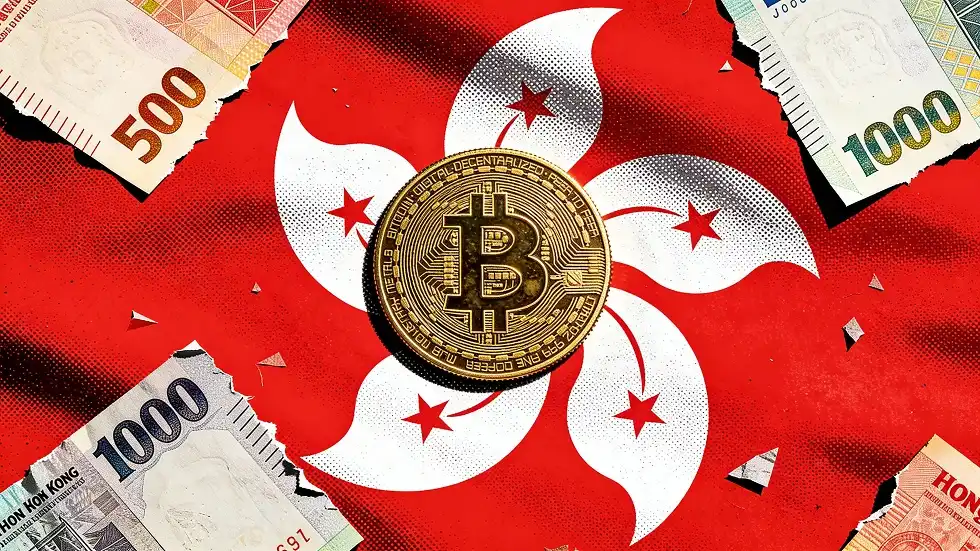
Billionaire ‘Shark’ Mark Cuban explains why Bitcoin is better than gold

CryptoGlobePublicado a 2022-12-27Actualizado a 2022-12-27

Resumen

In a recent interview, billionaire investor and entrepreneur Mark Cuban shared his thoughts on Bitcoin and gold.

In a recent interview, billionaire investor and entrepreneur Mark Cuban shared his thoughts on Bitcoin and gold.

Cuban is the majority owner of the professional basketball team Dallas Mavericks, as well as one of the “sharks” on the highly popular reality show “Shark Tank” (which is aired on the ABC television network).

Cuban’s comments were made during an interview on the “Club Random with Bill Maher” podcast.

According to a report by Decrypt, Cuban still seems bullish on Bitcoin:

“I want Bitcoin to go down a lot further so I can buy some more.“

As for why he thinks Bitcoin is a better store-of-value asset than gold, Cuban said:

“Gold is a store of value and so is Bitcoin… If everything went to hell in a hand basket and you had a gold bar you know what would happen? Someone would beat the f*** out of you or kill you and take your gold bar. It’s useless.“

According to a report by The Daily Hodl, during an interview with Forbes that was released on September 26, Cuban said the current state of the crypto space is kind of like the state of streaming services in the 90s:

“With crypto, it’s very analogous to that. We’re in the early ‘hassle’ phases. Now the very earliest of crypto – however you want to decide the beginning, with Bitcoin or whatever – has been around 12 years. But in terms of applications with smart contracts, that’s only 2017 for the most part. And so we’re really only five years in...

“So I’m still really bullish on crypto. We had some early wins, just like streaming audio with sports and news. Now with crypto you have DeFi (decentralized finance), and you have money transfer and some other applications, but you haven’t had any mainstream applications where your mom says, ‘Okay, we’ve got to get a wallet because I have to do A, B or C.’ It’s been DeFi, NFTs (non-fungible tokens) and money transfer. And so it’s kind of boring right now. We’re waiting for that next round of applications, and there’s a lot of people working on them.“

With regard to NFTs, Cuban had this to say:

“NFTs as books, I think particularly for textbooks. Now, whether or not we can get the college textbook publishers to go along is another issue but the idea of kids buying books for classes… The whole process of buying books.

“First, do you want new or used? Then, you lug these books back, then at the end of the semester – because they’re only good for the time you’re in the class – you make the decision, ‘Yeah I’m going to sell it. How do I sell it? Do I ship it off? Do I take it to the bookstore?’ It’s just a pain in the ass and in a digital world, it’s ridiculous.

“With those as NFTs, well the NFTs allow you to apply royalties so that when that book is resold, the author and the publisher and whoever else is involved can get a set royalty fee. That means that the publishers who created the book can keep on getting paid, whereas when there’s a physical book that’s sold and resold they have to hope that book falls apart, so that they can sell a new one. So I think that’s a great application.”
Lecturas Relacionadas

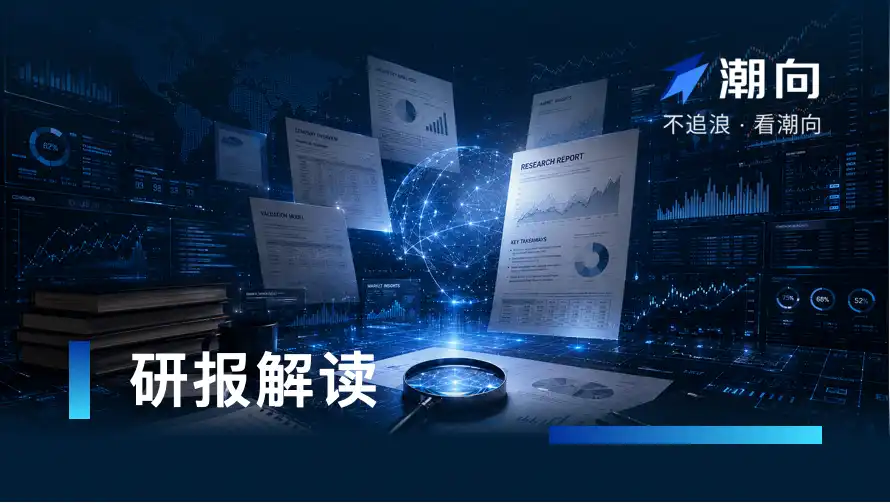
Interpretación de Informe de Investigación: El Sector Semiconductores Subió un 155%, Bernstein Dice que NVDA y AVGO Siguen "Absurdamente Baratas"

Análisis del informe: El sector de semiconductores subió un 155%, y Bernstein dice que NVDA y AVGO siguen "absurdamente baratas" Bernstein publicó una revisión trimestral del sector el 23 de junio. Su tesis central es que la IA es ahora el "único juego" que impulsa al sector, con fundamentales sólidos, aunque las valoraciones y la concentración de inversión están en máximos históricos. El índice SOX ha subido un 155,6% en el último año, impulsado principalmente por un crecimiento de los beneficios (EPS) del 75%, no por una burbuja de valoración. Bernstein recomienda **NVDA y AVGO** (calificación: "Outperform"), considerándolas los principales beneficiarios de la cadena de suministro de IA. A pesar del fuerte desempeño del sector, estas acciones han tenido un rendimiento relativamente atrasado este año. El analista Stacy Rasgon las describe como "absurdamente baratas", señalando que NVDA cotiza a un P/E de 25x para 2027 frente al 34x del sector, y que AVGO tiene un camino claro hacia los 100.000 millones de dólares en ingresos relacionados con la IA para 2030. **AMD** fue actualizada a "Outperform" debido a su oportunidad dual en GPU para IA y CPU. Por el contrario, **QCOM** mantiene una calificación "Market-Perform" debido a la debilidad persistente en el mercado de smartphones, que presiona su negocio principal. Los fabricantes de equipos semiconductores (como AMAT, LRCX, KLAC) siguen siendo favorecidos ("Outperform") por la fuerte demanda de construcción de capacidad. Sin embargo, Bernstein es cauteloso con los chips analógicos (ADI, TXN, calificación "Market-Perform"), cuyas valoraciones parecen elevadas. El informe advierte sobre dos riesgos clave: 1) La **congestión** del sector está en niveles históricamente altos. 2) Los niveles de **inventario** siguen siendo elevados, lo que podría generar presión si la demanda flaquea. La conclusión es que, en este entorno, la selección de acciones individuales es más crucial que nunca.

marsbitHace 35 min(s)

Interpretación de Informe de Investigación: El Sector Semiconductores Subió un 155%, Bernstein Dice que NVDA y AVGO Siguen "Absurdamente Baratas"

marsbitHace 35 min(s)

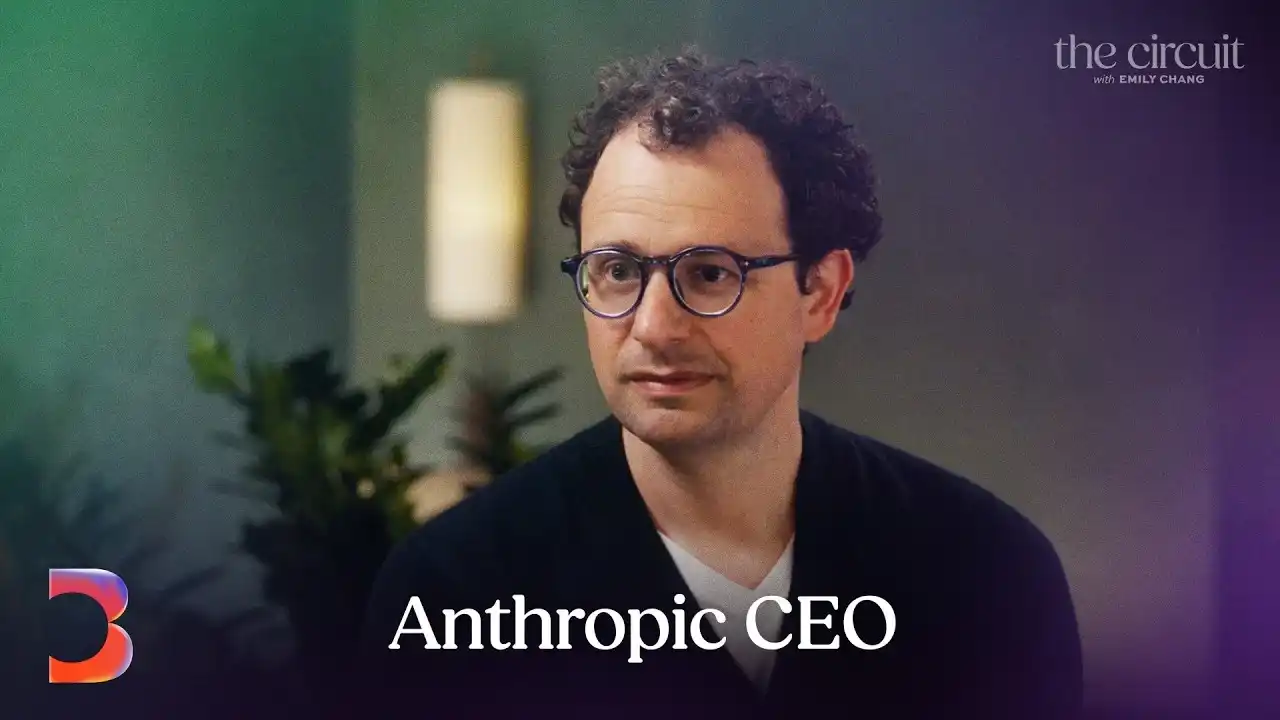
Entrevista de 10,000 palabras con el CEO de Anthropic: Cuando la IA se convierte en un arma súper potente, ¿cómo encontrar el equilibrio entre negocios y seguridad?

**Fuente:** Bloomberg **Resumen de la entrevista al CEO de Anthropic, Dario Amodei** Dario Amodei, CEO de Anthropic, habla sobre la trayectoria de su empresa en el centro del universo de la IA. Explica que su enfoque en aplicaciones empresariales (como Claude Code y Claude Cowork) se debe a su compatibilidad con sus valores de seguridad y responsabilidad, a diferencia de los modelos de negocio orientados al consumo. Reconoce que la IA podría eliminar muchos trabajos de cuello blanco junior, pero subraya la necesidad de una transición manejada y de que las empresas busquen una "suma positiva" utilizando las ganancias de eficiencia para nuevas tareas. Amodei aborda su salida de OpenAI, citando diferencias en valores y una falta de confianza. Aunque compite con empresas como OpenAI y Google, enfatiza la importancia de la colaboración en seguridad entre actores confiables para elevar los estándares de la industria. En cuanto a la seguridad nacional, justifica el trabajo de Anthropic con el Departamento de Defensa de EE. UU. como una necesidad para contrarrestar amenazas de regímenes autoritarios, pero establece límites claros, como no participar en vigilancia masiva o armas autónomas. También explica la decisión de no lanzar públicamente el potente modelo "Mythos", considerado un "súper arma" cibernética, hasta que existan salvaguardias defensivas más robustas. Finalmente, Amodei discute los riesgos a largo plazo de la IA y la necesidad de un equilibrio de poder entre el sector privado y la regulación gubernamental para gestionar esta tecnología transformadora de manera segura.

marsbitHace 47 min(s)

Entrevista de 10,000 palabras con el CEO de Anthropic: Cuando la IA se convierte en un arma súper potente, ¿cómo encontrar el equilibrio entre negocios y seguridad?

marsbitHace 47 min(s)

Trading

Spot
Futuros
活动图片