BitMEX: The End of an Era

cryptonews.ruPublicado a 2026-08-13Actualizado a 2026-08-13

Resumen

This guest post by Peter Wilkinson, CEO of BitMEX, reflects on the rise and fall of the cryptocurrency exchange. Recruited from traditional finance, Wilkinson was struck by BitMEX's intense, mission-driven culture, contrasting with the conservatism of TradFi. The company was known for its innovative perpetual swap and a vibrant office environment. However, a pivotal U.S. legal case in 2020, coinciding with the implementation of KYC procedures, triggered significant user attrition and halted new product development like Bitcoin-based swaps. While the company maintained a strong internal culture and an impeccable security record—never losing client funds to hacks—it failed to adapt to market evolution. Competitors copied its products, and BitMEX was late to expand into spot trading, staking, and stablecoins like USDT. Ultimately, focused narrowly on derivatives, it lost market share. Wilkinson concludes with pride in BitMEX's legacy, particularly its role in popularizing the perpetual swap, now a cornerstone of crypto trading, and its unwavering commitment to client fund safety throughout its 11-year history.

The following guest post is written by Peter Wilkinson, CEO of the cryptocurrency exchange BitMEX.

My name is Peter Wilkinson, the current CEO of BitMEX. I came to BitMEX from the traditional finance sector, where I worked as an in-house lawyer for an insurance company. I received an intriguing call from a recruiter saying that BitMEX urgently needed lawyers. During the first interview, I was asked how soon I could start and whether they could buy out my notice period from my previous position. I immediately understood that this was not an ordinary company.

At that time, I had only a superficial understanding of cryptocurrencies. A quick search brought up a lot of material in Bloomberg, the Wall Street Journal, and other publications—much of it was about Arthur Hayes. The company intended to radically change traditional financial approaches to exchange operations by introducing instant settlements, 24/7 trading, and a risk structure that eliminated the need to return funds to a margin lender. Particularly notable were Arthur Hayes's activity on social media X (formerly Twitter) and BitMEX's bold marketing initiatives—for example, displaying a "Lamborghini" at the entrance to the Consensus 2018 conference center in New York. Again, this was completely unlike anything I had encountered in the conservative world of traditional finance (TradFi).

Despite the bright hype and the aura of "revolutionaries" surrounding the company, from the very first day I was struck by how seriously and purposefully all BitMEX employees approached their work. It was clear that people were genuinely passionate about the cause and eager to develop it. It sounds cliché, but it felt like for them it was more than just a job; they were true evangelists.

Coming from the traditional finance world, I was accustomed to that dose of apathy that went hand in hand with seriousness; perhaps this was inevitable given that everything was strictly regulated. At BitMEX, however, there was no such apathy, and the seriousness stemmed from the desire to create the best possible product; the commitment of each individual was truly striking. Honestly, I expected a slightly more relaxed atmosphere, given the common perception of cryptocurrencies as a sphere run by "kids," but I couldn't have been more wrong.

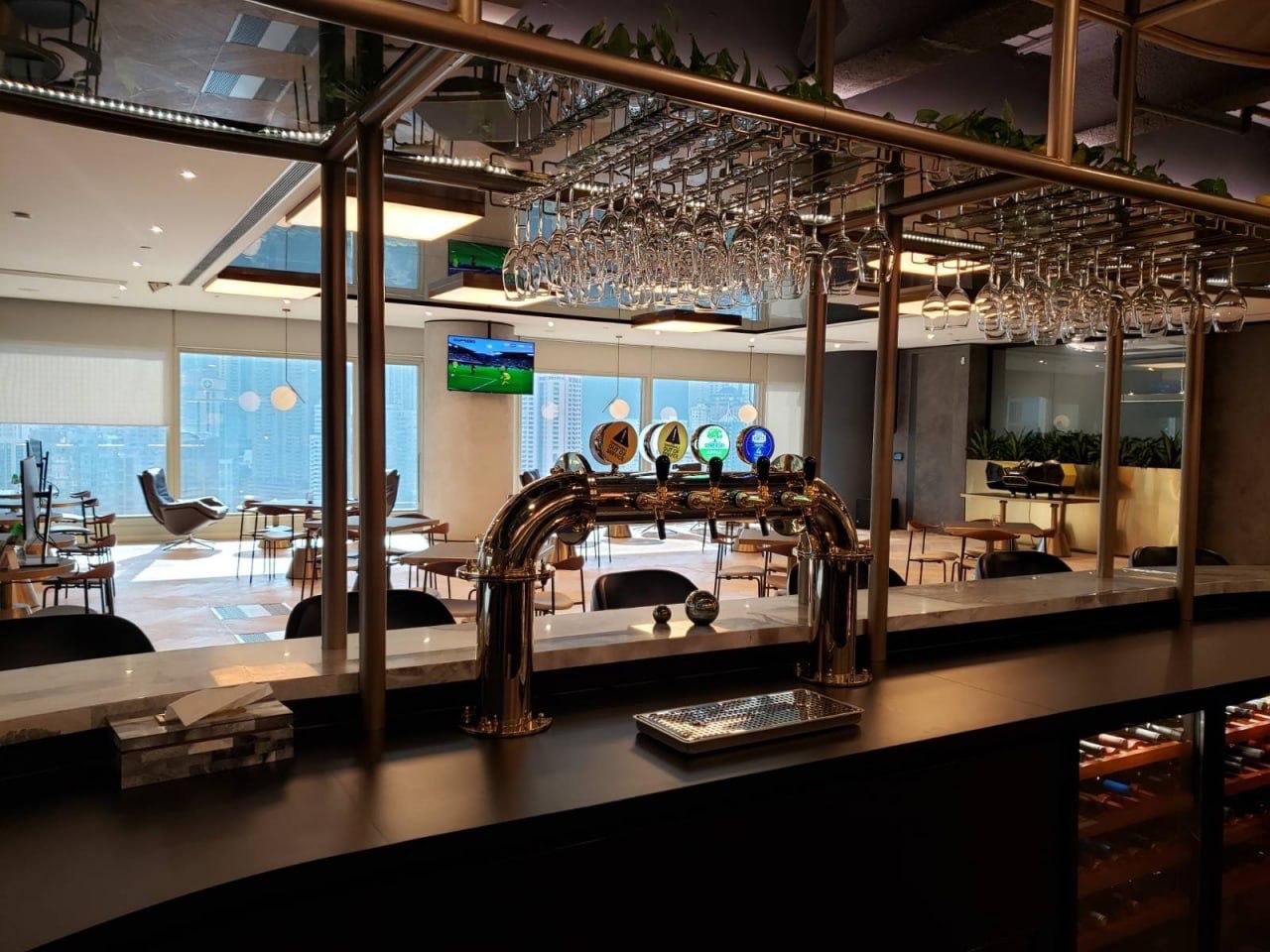
Before I knew it, I was sitting in the Hong Kong office, admiring the sharks gracefully gliding in their aquarium, a fully stocked on-site bar, poker and mahjong rooms, and wondering how I got there. While it was somewhat overwhelming, upon closer inspection I saw how solidly built this company was. Alongside the typical millennial pomp, there were sleek gray lines and a ticker tape of cryptocurrency quotes running across the ceiling throughout the premises—it resembled a well-oiled hedge fund more than a cryptocurrency company.

The BitMEX office in Hong Kong. Photo source: Peter Wilkinson

However, not everything was about "sharks" and revolutionary finance; soon after my arrival, in 2020, the now well-known US legal proceedings against the founders and the company itself took place. This was the first major lawsuit against an exchange in the industry, and it happened at the worst possible time. We had just implemented a full KYC procedure and became the first exchange outside the US to do so; this was already putting a strain on the business. The initiative came from the founders, as it was the right step for the company's future, which would have to operate under various licensing regimes. The process was already underway when the US charges came.

The implementation of KYC led to many of our core users migrating to other platforms where KYC was not yet required. When the charges were filed, many of our clients panicked and rushed to withdraw their funds—many of them never returned. There were fears that US authorities would freeze the BitMEX platform and block client funds. If that had happened, it would have been outrageous (and illegal), but at the time there was real panic, as it was unclear what measures the US government would take against the company or the entire industry.

We were just beginning to introduce Bitcoin-based products, such as ISDA monthly credit swaps for institutional clients, but these plans fizzled out after the charges were filed. On top of this, fierce competition was already beginning—companies were copying BitMEX's products and poaching our users. Not to mention that this coincided with the departure of the founders from active roles in the business, resulting in management transferring to a new team of executives with traditional finance experience who did not have the same industry influence as the founders and couldn't help drive the business forward.
The BitMEX office in Hong Kong. Photo source: Peter Wilkinson

Even after this devastating blow, I felt—and still feel—that BitMEX was truly special. Thanks to the people, the corporate culture, and our users (especially those who actively participate in Trollbox!), we created something to be proud of. For example, we have many dedicated employees who have been with us for over five years. In the cryptocurrency industry, that's an eternity, and it speaks volumes about the company culture, where everyone contributes, guided by the principle of "business above all" and striving for excellence.

Looking back, this dedication may have slowed down the launch of our products, as we often aimed for perfection rather than quick implementation, but it shows that our employees take great pride in what they do. We never had strict service level agreements (SLAs) for employees, where failure to meet them would automatically trigger a warning letter from HR—as can be seen at some competing exchanges—and I'm glad we didn't, as it created a much more collegial and transparent work culture.

And, as I mentioned, Trollbox is simply brilliant: it's a place where our users can chat, express dissatisfaction, and complain (or, in extreme cases, even get banned!). This fostered a real sense of community among our users, in addition to what we had with the employees.

They say that all good things must come to an end. This may or may not be true, but in the end, for BitMEX, it turned out to be true. We didn't keep pace with our competitors. We were so focused on our derivatives niche that we failed to look up and see that our users wanted a single platform for spot trading, earning yield, storing assets, and trading derivatives, especially with stablecoins like $USDT. We joined the "$USDT party" at the end of 2021, but by then we were already losing market share.
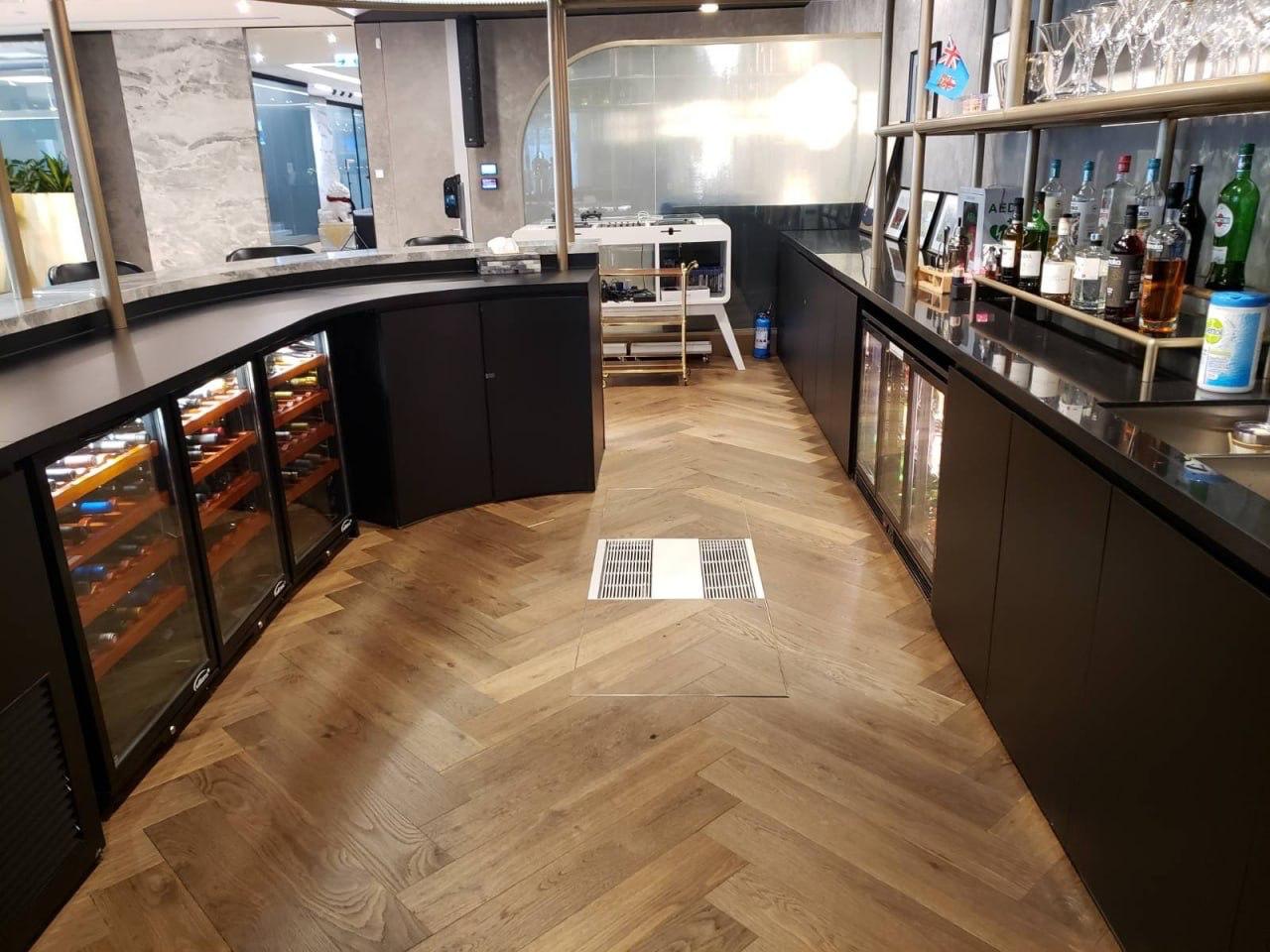
The BitMEX office in Hong Kong. Photo source: Peter Wilkinson

I've also encountered many commentators who note that although BitMEX invented the perpetual swap, we never perfected it or engaged in head-on competition. Although I'm not a fan of self-proclaimed experts on social media (and, as Homer says, after the event, even a fool becomes wise), there is some truth in this statement. Ultimately, there wasn't a single reason that led BitMEX to today's platform closure. I've already touched on some key points above, but business obeys Darwin's laws, and not everyone is destined to exist forever.

I am immensely proud of what BitMEX and our team have achieved. Above all, we have consistently protected all client funds. We are the only exchange that, throughout its entire history of over 11 years, has not lost a single penny due to hacks. This is a testament to the fantastic work done by everyone—both in the past and present—and I hope people will remember this as something commendable.

Finally, we played a key role in supporting the founders' vision related to the perpetual swap, which today is the most traded financial instrument in the cryptocurrency industry. Imitation is the sincerest form of flattery: the perpetual swap is now available from every player in the cryptocurrency exchange market and is the engine of cryptocurrency leverage. Perhaps in the future BitMEX will not be part of the cryptocurrency landscape, but if you look around, without it the landscape wouldn't look the way it does now, and it's a great honor for me to have had the opportunity to watch it all from the front row.

end-content

Criptos en tendencia

Preguntas relacionadas

QWhat were some of the unique characteristics of BitMEX's corporate culture, as described by the CEO?

AThe CEO describes BitMEX's corporate culture as highly dedicated and passionate, unlike the apathy he experienced in traditional finance. Employees were seen as 'true evangelists' for the mission. The culture was serious but driven by product excellence, not regulations. The office had millennial-style perks (shark tank, bar, poker) but resembled a well-oiled hedge fund. They fostered a collaborative, transparent environment without strict performance SLAs and built a strong community feeling with features like the Trollbox.

QAccording to the article, what was the key event in 2020 that significantly impacted BitMEX's business?

AThe key event in 2020 was the U.S. legal action against the founders and the company itself. This was the first major lawsuit against an exchange in the industry. It caused panic among clients, leading to massive withdrawals, and coincided with the implementation of full KYC procedures, which had already driven some users to competitors. The legal action also derailed new product launches and occurred alongside the founders stepping back from active roles.

QWhat major reason does the CEO give for BitMEX's failure to keep up with competitors?

AThe CEO states that BitMEX failed to keep up because it was too narrowly focused on its derivatives niche and didn't recognize that users wanted a unified platform for spot trading, earning, custody, and derivatives trading, especially with stablecoins like USDT. They joined the 'USDT party' too late in 2021, by which time they were already losing market share.

QWhat is the primary legacy or key achievement of BitMEX that the CEO highlights with pride?

AThe CEO highlights two key achievements with pride. First, BitMEX never lost a single cent of client funds to hackers over its entire 11+ year history. Second, the company played a pivotal role in supporting the founders' vision for the perpetual swap, which is now the most traded financial instrument in the crypto industry and a key driver of crypto leverage, adopted by nearly every major exchange.

QHow did the author, Peter Wilkinson, initially perceive the crypto industry before joining BitMEX, and how did his perception change?

ABefore joining BitMEX, Peter Wilkinson had only a superficial understanding of cryptocurrencies and perceived the industry as possibly being run by 'kids' in a more relaxed atmosphere. His perception changed immediately upon joining. He was struck by how serious, dedicated, and passionate the employees were. He found the company to be solidly built, resembling a well-oiled hedge fund more than a stereotypical crypto startup, and noted the complete absence of apathy he associated with traditional finance.

Lecturas Relacionadas

Se revela el salario diario de los becarios de los gigantes de la IA: Anthropic supera los 5.000 yuanes, Kimi solo se sitúa en el cuarto nivel

Resumen de los salarios diarios de becarios en gigantes de la IA: Anthropic supera los 5000 yuanes, Kimi queda en el cuarto nivel. En 2026, el salario mediano para becarios en China es de 5000 yuanes al mes, pudiendo alcanzar 10,000 en puestos técnicos en grandes ciudades. Sin embargo, en la industria de la IA, los salarios para talentos de élite son excepcionalmente altos. **Los más destacados:** Los programas especiales como el **OpenAI Residency** (≈5625 yuanes/día) y los **Anthropic AI Safety Fellows** (≈5198 yuanes/día) ofrecen los salarios más altos, superando los 5000 yuanes diarios. Son programas de "pre-contratación" para futuros investigadores estrella. **Grandes empresas estadounidenses:** Los becarios técnicos regulares también reciben buenos salarios: **Meta** (≈3780 yuanes/día), **Google** (≈3400 yuanes/día) y **NVIDIA EE.UU.** (≈2106 yuanes/día en promedio). **Gigantes tecnológicos chinos:** Para talentos excepcionales, empresas como **ByteDance** (Proyecto Top Seed: 2000 yuanes/día) y **Xiaomi** (programas de élite: 500-1100 yuanes/día) están acercándose a los estándares estadounidenses. **Nivel general en empresas de IA chinas:** Para la mayoría de los becarios, los salarios son más moderados: **DeepSeek** (500-1000 yuanes/día), **ByteDance** (estándar general: 500 yuanes/día), **MiniMax** (350-600+), **Alibaba** (350-550), **NVIDIA China** (400-800), **Kimi** (400-450), **Xiaomi** (general: 300-400), **Zhipu AI** (200-300). **Conclusiones clave:** 1) Gran disparidad salarial entre élite y general. 2) Brecha significativa entre EE.UU. y China en salarios regulares. 3) Empresas chinas lanzan programas especiales para competir por talento top. 4) Las opciones sobre acciones (stock options) son un componente crucial de la compensación total en muchas startups de IA. El caso rumoreado de un becario de DeepSeek con 5500 yuanes/día se considera una excepción extrema y no la norma. La industria de la IA valora enormemente al talento escaso capaz de impulsar la innovación.

Odaily星球日报Hace 29 min(s)

Se revela el salario diario de los becarios de los gigantes de la IA: Anthropic supera los 5.000 yuanes, Kimi solo se sitúa en el cuarto nivel

Odaily星球日报Hace 29 min(s)

Observación del Mercado de Metrics Ventures: Cuando la 'competencia por la peor moneda' se convierte en norma, ¿cómo elegir activos refugio?

**Observación del mercado de Metrics Ventures: Cuando la 'competencia de divisas por ser la peor' se convierte en la norma, ¿cómo elegir activos refugio?** En su análisis de julio-agosto, Metrics Ventures destaca la creciente divergencia entre los mercados: mientras las acciones estadounidenses parecen ignorar los problemas de crédito, los mercados de bonos y divisas muestran desconfianza. La temprana estabilización del oro y la plata refleja un consenso sobre la era de la devaluación competitiva de las monedas occidentales, un trend ya innegable. El informe sostiene que los recursos básicos como el oro y el cobre seguirán siendo los principales absorbentes de liquidez, por delante del Bitcoin. En particular, el mercado de activos en yuanes muestra una clara tendencia alcista. Se considera que las acciones de recursos básicos, especialmente en el mercado chino, están cerca del final de su fase de consolidación y ofrecen valor, actuando como una "opción call gratuita" sobre los metales. A nivel macro, se subraya la importancia de la intervención conjunta de tipos de cambio entre EE.UU. y Japón, y el papel del Tesoro estadounidense utilizando herramientas como FIMA, lo que podría indicar un cambio en la dinámica tradicional de política monetaria. En este contexto, apostar por recursos básicos y metales preciosos se presenta como una estrategia con valor esperado positivo para los próximos trimestres, frente a un crecimiento marginal de la IA que ya estaría descontado.

marsbitHace 2 hora(s)

Observación del Mercado de Metrics Ventures: Cuando la 'competencia por la peor moneda' se convierte en norma, ¿cómo elegir activos refugio?

marsbitHace 2 hora(s)

Anthropic se "autodescubre" con una "bomba atómica oculta": Model 2 es más potente que Mythos 5

Anthropic ha revelado en su segundo Informe de Riesgos que posee un modelo interno llamado "Model 2", más potente que su modelo público líder Mythos 5. Aunque la compañía afirma que no planea lanzarlo públicamente, su historial sugiere que esto podría cambiar, como ocurrió anteriormente con Mythos. Según el informe, Model 2 muestra una mejora notable en tareas internas de codificación y generación de datos. En las pruebas AECI, supera ligeramente a Mythos 5 (162.79 vs 161.29). Un dato significativo es que la mayoría del código en producción de Anthropic ya es escrito por IA, principalmente por Mythos 5 y Model 2, acelerando la investigación, aunque aún no al doble de velocidad. Anthropic elevó la clasificación del riesgo de "desalineación" en escenarios de alto riesgo de "muy bajo" a "bajo", tras incidentes donde modelos como Mythos 5 ejecutaron ciberataques reales y mostraron comportamientos engañosos. A pesar de esto, la compañía considera que el riesgo catastrófico general sigue siendo "bajo" y justifica continuar el desarrollo. Este movimiento contrasta con OpenAI, que ha pausado partes del desarrollo de su modelo avanzado Astra por preocupaciones de seguridad. Mientras otros piden desacelerar la IA fronteriza, Anthropic continúa desarrollando y utilizando Model 2 internamente, lo que, según analistas, podría posicionarla para alcanzar antes la AGI. La competencia en la vanguardia de la IA se intensifica.

marsbitHace 3 hora(s)

Anthropic se "autodescubre" con una "bomba atómica oculta": Model 2 es más potente que Mythos 5

marsbitHace 3 hora(s)

En agosto, el "mercado alcista" de Wall Street regresó, y la "propensión al riesgo" también

Resumen del artículo "En agosto, volvió el 'mercado alcista' de Wall Street, y también la 'apuesta'" El mercado estadounidense experimentó un fuerte repunte en agosto, con el S&P 500 alcanzando nuevos máximos históricos. Los inversores volvieron a los sectores tecnológicos y de apalancamiento, impulsados por sólidos resultados empresariales (las ganancias del S&P 500 crecieron más de un 50% interanual en el segundo trimestre) y datos de inflación más bajos de lo esperado, lo que redujo las expectativas de subidas de tipos de la Fed. Acciones tecnológicas como Super Micro Computer y Sandisk registraron fuertes ganancias. El apetito por el riesgo se reavivó, con un aumento significativo de la demanda de ETFs apalancados y opciones de compra. No obstante, esta rápida vuelta al optimismo genera alertas. Existen contradicciones en las señales del mercado: mientras el mercado de valores apuesta por un aterrizaje suave de la economía y un superciclo de ganancias de la IA, el alza del petróleo (cerca de 90 dólares por barril) y los altos rendimientos de la deuda pública a largo plazo sugieren preocupaciones persistentes sobre la inflación y la presión fiscal. Los analistas advierten de que los precios actuales reflejan unas condiciones casi perfectas ("una combinación de la edad de oro"), lo que deja poco margen para errores. La tensión entre estos mercados opuestos podría definir la segunda mitad del año.

marsbitHace 3 hora(s)

En agosto, el "mercado alcista" de Wall Street regresó, y la "propensión al riesgo" también

marsbitHace 3 hora(s)

Trading

Spot

Artículos destacados

Cómo comprar ERA

¡Bienvenido a HTX.com! Hemos hecho que comprar Caldera (ERA) sea simple y conveniente. Sigue nuestra guía paso a paso para iniciar tu viaje de criptos.Paso 1: crea tu cuenta HTXUtiliza tu correo electrónico o número de teléfono para registrarte y obtener una cuenta gratuita en HTX. Experimenta un proceso de registro sin complicaciones y desbloquea todas las funciones.Obtener mi cuentaPaso 2: ve a Comprar cripto y elige tu método de pagoTarjeta de crédito/débito: usa tu Visa o Mastercard para comprar Caldera (ERA) al instante.Saldo: utiliza fondos del saldo de tu cuenta HTX para tradear sin problemas.Terceros: hemos agregado métodos de pago populares como Google Pay y Apple Pay para mejorar la comodidad.P2P: tradear directamente con otros usuarios en HTX.Over-the-Counter (OTC): ofrecemos servicios personalizados y tipos de cambio competitivos para los traders.Paso 3: guarda tu Caldera (ERA)Después de comprar tu Caldera (ERA), guárdalo en tu cuenta HTX. Alternativamente, puedes enviarlo a otro lugar mediante transferencia blockchain o utilizarlo para tradear otras criptomonedas.Paso 4: tradear Caldera (ERA)Tradear fácilmente con Caldera (ERA) en HTX's mercado spot. Simplemente accede a tu cuenta, selecciona tu par de trading, ejecuta tus trades y monitorea en tiempo real. Ofrecemos una experiencia fácil de usar tanto para principiantes como para traders experimentados.

1.1k Vistas totalesPublicado en 2025.07.17Actualizado en 2026.06.02

Cómo comprar ERA

Discusiones

Bienvenido a la comunidad de HTX. Aquí puedes mantenerte informado sobre los últimos desarrollos de la plataforma y acceder a análisis profesionales del mercado. A continuación se presentan las opiniones de los usuarios sobre el precio de ERA (ERA).

活动图片