Market Trend (June 19): US-Iran Deal Drives Out Geopolitical Premium; Chip Stocks Soar to New Highs; Energy Sector Leads Declines

marsbitPublicado a 2026-06-19Actualizado a 2026-06-19

Resumen

U.S. Market Trends (June 19): U.S.-Iran Deal Eases Tensions, Chip Stocks Soar, Energy Sector Leads Declines. U.S. stocks rallied on Thursday as the signing of a temporary U.S.-Iran deal in Geneva de-escalated Middle East tensions, with Saudi oil tankers transiting the Strait of Hormuz. This geopolitical relief helped markets recover from recent Fed-driven volatility. The S&P 500 rose over 1%, the Nasdaq gained nearly 2%, and the Dow Jones Industrial Average closed at another record high. The Philadelphia Semiconductor Index surged over 6% to a historic peak. Chip stocks were the standout performers. Reports of an Apple-Intel design and foundry deal for certain products, alongside mentions of potential Nvidia and SpaceX collaborations with Intel, propelled the sector. Intel surged ~10.5%, while memory chip makers like Micron also saw significant gains, highlighting sustained confidence in long-term AI capital expenditure. In contrast, the energy sector was the day's sole loser, with the S&P 500 energy sub-index declining as WTI crude fell ~2% to around $74.29/barrel. The reopening of key shipping routes erased prior geopolitical risk premiums. SpaceX extended losses for a second day on news of a potential large bond offering. Market volatility (VIX) dropped sharply, indicating a swift reversal of post-Fed jitters. Treasury yields dipped slightly but remained elevated. The focus now shifts to upcoming economic data, including next week's PCE inflation report and Micron's ea...

Written By: Trend Research
On Thursday, the Strait of Hormuz opened, and chip stocks hit a record high.

The provisional US-Iran agreement was officially signed in Geneva, with three Saudi supertankers transiting the Strait of Hormuz the same day. The geopolitical positive news outweighed the hawkish FOMC shock. The S&P 500 rose over 1%, the Nasdaq jumped nearly 2% to reverse a two-day losing streak, the Dow recorded its third record-high close this week, and the Philadelphia Semiconductor Index surged more than 6% to set another all-time high. Energy stocks bled collectively as oil prices fell, becoming the only losing sector for the day.

Market Performance

The S&P 500 closed up 1.08% at 7,500.58 points, the Nasdaq gained 1.91% to 26,517.93 points, the Dow edged up 0.14% to 51,564.70 points, and the Russell 2000 led the gains, rising 2.12% to 2,979.77 points. Gains decreased from small caps to large caps, with the Dow almost flatlining. This indicates that the primary drivers of the rebound were the high-beta names that fell the most in the previous two days, while defensive and blue-chip stocks failed to keep up. The US-Iran news had already been fully priced in pre-market, with indices maintaining a steady upward trajectory throughout the day, largely recouping yesterday's FOMC-induced losses by the close.

In the early hours, Trump confirmed on Truth Social that Apple and Intel have reached a design and foundry partnership, with Intel initially handling mature-node chips for iPads and older iPhones, while flagship products will continue to be supplied by TSMC. Negotiations have been ongoing for over a year. With this deal, Intel's foundry business secures its most significant external client, and Apple diversifies its reliance on TSMC. Neither company has officially responded, but the market priced in the directional significance.

In the same post, Trump also mentioned that Nvidia has agreed to have Intel produce its initial batch of chips and that Musk committed to jointly building the world's largest wafer fab, TerraFab. The Apple partnership is the third piece in Intel's foundry puzzle. Intel closed up roughly 10.5% at $133.82. Apple plans price hikes due to rising memory and storage chip costs, with SanDisk surging over 11% and Micron gaining nearly 9%, benefiting the entire storage supply chain. Nvidia rose nearly 3%, and the Philadelphia Semiconductor Index jumped over 6% to a record high. From equipment to storage to computing power, the entire AI value chain moved higher, confirming that the long-term logic of AI capital expenditure remains intact even after the hawkish dot plot landed.

SpaceX closed down 3.56% at $185.00, falling for a second consecutive day with a cumulative two-day decline of about 8.3%. Bloomberg reported that day that the company is preparing to issue at least $20 billion in investment-grade dollar-denominated bonds to repay a bridge loan maturing in 2027. Concerns over potential equity dilution, combined with the hawkish FOMC shock, constituted a double pressure behind the two-day decline. It is still up nearly 15% for the week and 37% above its IPO price from the first day of trading, but short-term pressure has not yet dissipated.

The energy sector led the declines among the S&P 500's 11 major sectors. WTI crude oil fell about 2% to $74.29 per barrel. ExxonMobil and Chevron both retreated, and the Dow Jones Transportation Average slid over 4%. The reopening of the Strait of Hormuz released all geopolitical premiums, and the year-to-date gains of 20-40% began to loosen. The energy sector went from being the biggest winner of the week to the biggest loser.

The technology, consumer discretionary, and industrial sectors led the gains in unison. Capital flowed from defensive and energy stocks into the computing power chain. Money that flowed out of tech stocks yesterday due to the FOMC shock partially flowed back today, taking advantage of the geopolitical positive news. The speed of this rotation indicates that these funds did not truly exit the market but were simply waiting for a reason to re-enter.

Macro Outlook

The VIX plunged 11.06% to close at 16.40. The panic sentiment triggered by yesterday's FOMC largely dissipated within a day, suggesting the market's pricing of the hawkish dot plot was more of a technical hedge than genuine risk aversion. The 10-year Treasury yield edged down to around 4.445%, while the 2-year yield remained above 4.18%. The market did not roll back its pricing for a September rate hike; volatility was merely suppressed temporarily by improved risk appetite. Gold fell to $4,210 per ounce, silver also declined, and the dollar index retreated slightly but remained elevated. Bitcoin (CoinGecko) traded around $64,026, and Ethereum hovered around $1,734. The crypto market showed no clear reaction to the geopolitical positive news, with the pressure from hawkish expectations not yet relieved. WTI crude oil closed at $74.29 per barrel, hitting a nearly three-month low.

Next week will see the release of PCE data, Flash PMI, and Micron's earnings report. Micron's guidance is the most direct barometer for AI computing demand; last quarter, a single below-expectation guidance triggered a sector-wide single-day plunge. The Russell Reconstitution will take effect at the close next Friday, with mechanical rebalancing flows expected to cause a significant spike in trading volume, elevating volatility for small-cap stocks.

Trend Perspective

Thursday's rebound stood on two legs: the US-Iran deal signing released the geopolitical premium, and chip stocks confirmed the AI narrative remains intact with actual gains. Both logics hold, but their durations differ. The geopolitical premium is a one-time event; once the deal is signed, it's largely priced out. If Iran backtracks later, the market reaction will be faster and fiercer than the first time. The chip stock logic is more durable. The simultaneous rise in Intel, SanDisk, and Micron indicates the day's rally had breadth across the supply chain, and the pricing of AI capital expenditure has fundamental support. Behind SpaceX's two-day decline lies a new variable: once the $20 billion bond issuance materializes, financing pressure and dilution expectations could become a sustained drag on the stock price, not just a valuation adjustment. Next week's PCE data is the nearest litmus test. If the data again comes in hotter than expected, solidifying a September rate hike from probability to consensus, Thursday's rebound will be merely a pause for breath. If the data softens, the market will repricing rate cut expectations faster than anyone expects.


Criptos en tendencia

Preguntas relacionadas

QWhat was the main driver behind the major indices (S&P 500, Nasdaq, Dow) rising on the day discussed in the article?

AThe primary driver was the formal signing of the temporary U.S.-Iran agreement, which reduced geopolitical tensions. This positive development outweighed the impact of the previous day's hawkish FOMC minutes, leading to a broad market rebound.

QWhy did the Philadelphia Semiconductor Index surge to a record high, and which specific stocks were highlighted as key contributors?

AThe Philadelphia Semiconductor Index surged over 6% due to renewed confidence in the long-term AI capital expenditure cycle following the FOMC shock. Key contributors included Intel (up ~10.5% on news of a potential Apple deal), Micron (up nearly 9%), Western Digital/SanDisk (up over 11%), and Nvidia (up nearly 3%), reflecting strength across the entire chip ecosystem from equipment to memory to computing power.

QWhich sector was the sole loser on the trading day, and what was the primary reason for its decline?

AThe Energy sector was the sole loser, leading the declines among the S&P 500's 11 major sectors. The primary reason was a ~2% drop in WTI crude oil prices to around $74.29 per barrel, as the reopening of the Strait of Hormuz following the U.S.-Iran deal eliminated the geopolitical risk premium that had previously supported oil prices.

QAccording to the article, what new factor is creating sustained pressure on SpaceX's stock price beyond short-term valuation adjustments?

AThe article states that SpaceX is preparing to issue at least $20 billion in investment-grade USD bonds to refinance bridge loans due in 2027. This potential debt issuance raises concerns about financing pressure and equity dilution, which could create ongoing downward pressure on the stock price.

QWhat does the article identify as the key near-term test ('litmus test') for determining the sustainability of the market's rebound?

AThe article identifies the upcoming PCE (Personal Consumption Expenditures) inflation data as the key near-term litmus test. If the data comes in hotter than expected, it could solidify market consensus for a September Fed rate hike and undermine the rebound. Conversely, softer data could lead markets to quickly reprice rate cut expectations, supporting further gains.

Lecturas Relacionadas

TechFlow Oficina de Inteligencia: Las probabilidades de que Anthropic realice una OPI superan el 80%, Irán vuelve a cerrar el estrecho de Ormuz y desestabiliza los precios del petróleo

Resumen del informe TechFlow: Los mercados anticipan que Anthropic anunciará su OPV antes de noviembre de 2026, planteando dudas sobre si una valoración billonaria puede coexistir con su promesa central de seguridad en IA. Otras tendencias clave: * **Marketing digital:** Marcas adoptan influencers virtuales generados por IA para promocionar productos. * **Energía y Geopolítica:** Irán anuncia el cierre del estrecho de Ormuz, causando volatilidad en el precio del petróleo, aunque datos de seguimiento muestran cierto tráfico marítimo persistente. Paralelamente, Irán reanuda la carga de crudo en la isla de Kharg. * **Finanzas/Tecnología:** Goldman Sachs advierte que los gastos de capital en IA (5,3 billones de dólares) podrían acercarse al límite de crédito. En Europa, se produce la primera incumplimiento en acciones de CLO desde la crisis financiera. * **Empresas tecnológicas:** Cloudflare introduce cuentas temporales para agentes de IA; el tráfico IPv6 de Google supera el 50%; Hyundai adquiere el control total de Boston Dynamics. * **Mercados:** Inversores minoristas invierten fuertemente en la OPV de SpaceX. Elon Musk especula sobre futuras inversiones astronómicas en antimateria para viajes interestelares. **Conclusión subyacente:** Tres señales (tensión en Ormuz, incumplimiento en CLO y advertencias sobre gasto en IA) apuntan a una creciente restricción de la liquidez global y al aumento de los costes marginales. Mientras tanto, el capital sigue buscando narrativas de crecimiento a gran escala (como la OPV de Anthropic, SpaceX y los proyectos de Musk), indicando una bifurcación entre un "viejo mundo" con creciente presión financiera y un "nuevo mundo" que construye narrativas aún más ambiciosas.

marsbitHace 35 min(s)

TechFlow Oficina de Inteligencia: Las probabilidades de que Anthropic realice una OPI superan el 80%, Irán vuelve a cerrar el estrecho de Ormuz y desestabiliza los precios del petróleo

marsbitHace 35 min(s)

El cazador cazado: el bot MEV más rentable fue hackeado

**El cazador cazado: El bot de MEV más rentable es hackeado** El conocido bot de MEV en Ethereum, Jaredfromsubway.eth, sufrió un ataque dirigido el sábado, perdiendo más de 7,5 millones de dólares. Según investigaciones, no fue un phishing tradicional ni una explotación de contrato inteligente, sino un sofisticado "ataque de honeypot contra-MEV" diseñado específicamente para explotar la lógica de comportamiento de estos bots. El atacante desplegó durante semanas 66 contratos de tokens falsos y pools de liquidez, disfrazados como activos principales como WETH, USDC o USDT, para crear rutas de arbitraje falsas. El bot, al detectar la aparente oportunidad, ejecutó una transacción que concedió permisos a un contrato controlado por el atacante. Estos permisos no fueron revocados, permitiendo finalmente que el atacante drenara los fondos del bot en una sola transacción. Jaredfromsubway.eth es uno de los bots de MEV más activos e infames de Ethereum, especializado en ataques de "sándwich" para capturar ganancias de los deslizamientos de precio en las transacciones de usuarios. Se estima que ha acumulado decenas de millones en ganancias y estaba relacionado con alrededor del 70% de estos ataques en un período reciente. Este incidente subraya la creciente sofisticación de las amenazas en cripto, demostrando que incluso los actores más agresivos y automatizados ("depredadores") ahora son vulnerables a ataques multidimensionales que explotan sus propias reglas y automatizaciones. Tras el hackeo, una cuenta no oficial en X se hizo pasar por el bot ofreciendo una recompensa falsa, lo que ha generado advertencias de seguridad adicionales.

marsbitHace 1 hora(s)

El cazador cazado: el bot MEV más rentable fue hackeado

marsbitHace 1 hora(s)

La realidad de los pagos en Latinoamérica es muy distinta a lo que imaginas

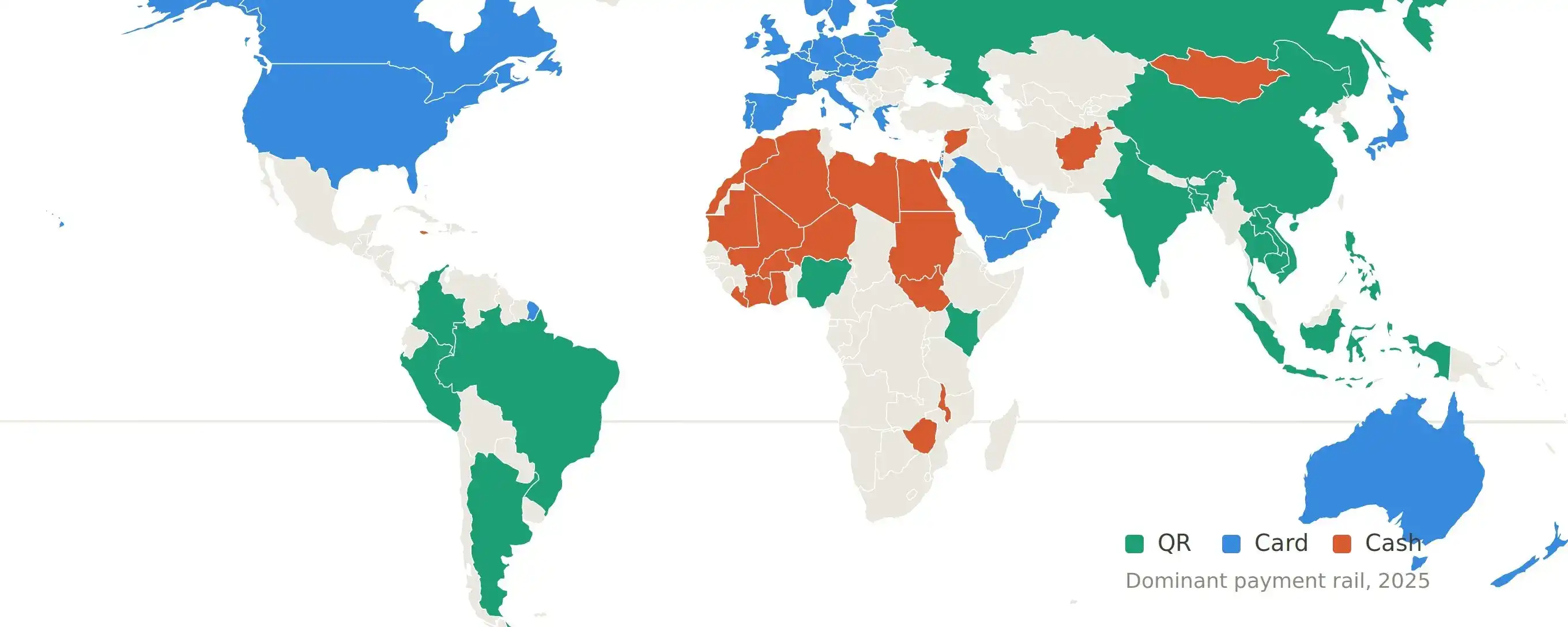
La realidad de los pagos en Latinoamérica desafía las percepciones. Tras una investigación de 500 horas, estos son los hallazgos clave: 1. Las tarjetas cripto generan volumen principalmente de profesionales que reciben salarios en dólares o USDT y convierten a moneda local vía Pix, no de compras minoristas pequeñas. 2. Los pagos con código QR (como Pix en Brasil) dominan en mercados emergentes, superando a las tarjetas. Es el sistema de pago principal para la mayoría de la población mundial. 3. Existe una gran oportunidad en la interoperabilidad internacional entre sistemas de pago instantáneo, ya que actualmente están aislados por país. 4. La competencia en pagos ahora se centra en controlar la infraestructura de liquidación, no solo en adquirir clientes. Las empresas líderes buscan licencias bancarias. 5. Latinoamérica no es un mercado único. Brasil, México, Argentina y otros tienen economías, regulaciones y flujos de capital muy diferentes. 6. El negocio de las remesas y el cambio de stablecoins se está commoditizando, con márgenes cayendo hacia cero. El valor está en los productos construidos encima. 7. La próxima generación de empresas de pagos debe tener una marca y tecnología escalable internacionalmente desde el inicio. 8. Brasil y México son mercados saturados ("rojos"). Oportunidades menos exploradas existen en países como Guatemala, Honduras, El Salvador, Nicaragua y República Dominicana. 9. El marketing debe segmentarse finamente según el flujo de fondos del usuario (ej. turistas, nómadas digitales, residentes extranjeros), no tratar a un país como un grupo homogéneo. 10. La regulación en Latinoamérica está más avanzada que en EE.UU. en aspectos como pagos instantáneos y cripto, con marcos más claros y pragmáticos. La conclusión: el futuro de los pagos en la región no está en replicar modelos basados en tarjetas, sino en conectar los sistemas QR locales, resolver la interoperabilidad transfronteriza y construir para segmentos de usuarios específicos.

marsbitHace 2 hora(s)

La realidad de los pagos en Latinoamérica es muy distinta a lo que imaginas

marsbitHace 2 hora(s)

Haciendo música en un mercado bajista: El experimento de supervivencia de una banda de Bitcoin

**Resumen: "Haciendo Música en un Mercado Bajista: El Experimento de Supervivencia de una Banda de Bitcoin"** Orange Pill Jam es una banda única que fusiona géneros como reggae gitano, afrolatino y hip-hop, mientras explora temas de soberanía financiera, privacidad y el declive de sistemas modernos. Aceptan pagos en bitcoin. Nacieron tras una actuación improvisada de la vocalista Mermaid en el Plan B Forum de Lugano en 2022, donde cantó "Dollar Apocalypse", dedicada al influyente podcaster Max Keizer. Este momento planteó la pregunta: ¿dónde está la música en la cultura bitcoin? Su proceso creativo combina las letras y melodías de Mermaid con la producción meticulosa y orientada al ritmo corporal de Michi. Canciones como "Cypherpunks' Manifesto" y "Fire of Freedom" abordan la privacidad digital, la soberanía personal y la adopción del bitcoin, con letras que permanecen intactas tras experiencias como la visita de Mermaid a El Salvador. Frente al auge de la IA generativa musical, Michi ve un paralelismo con la pintura y la fotografía: la IA puede replicar, pero no crear géneros nuevos o capturar la intención humana única. Ellos usan IA para tareas administrativas, no para la creación artística. En pleno mercado bajista de cripto, su modelo es "copyleft" (permite descargas y remezclas gratis) y aceptan donaciones en bitcoin. Su desafío es ser escuchados en un ecosistema como Spotify, saturado por 14.000 canciones diarias y algoritmos que no favorecen su temática. Su proyecto representa una apuesta por la creación humana auténtica e irrepetible en una era de contenido masivo y IA. Mientras los algoritmos se aceleran, Orange Pill Jam persevera, grabando por decimoséptima vez, defendiendo el valor de lo que no se puede generar ni optimizar fácilmente.

marsbitHace 2 hora(s)

Haciendo música en un mercado bajista: El experimento de supervivencia de una banda de Bitcoin

marsbitHace 2 hora(s)

Trading

Spot
Futuros

Artículos destacados

Cómo comprar CHIP

¡Bienvenido a HTX.com! Hemos hecho que comprar USD.AI (CHIP) sea simple y conveniente. Sigue nuestra guía paso a paso para iniciar tu viaje de criptos.Paso 1: crea tu cuenta HTXUtiliza tu correo electrónico o número de teléfono para registrarte y obtener una cuenta gratuita en HTX. Experimenta un proceso de registro sin complicaciones y desbloquea todas las funciones.Obtener mi cuentaPaso 2: ve a Comprar cripto y elige tu método de pagoTarjeta de crédito/débito: usa tu Visa o Mastercard para comprar USD.AI (CHIP) al instante.Saldo: utiliza fondos del saldo de tu cuenta HTX para tradear sin problemas.Terceros: hemos agregado métodos de pago populares como Google Pay y Apple Pay para mejorar la comodidad.P2P: tradear directamente con otros usuarios en HTX.Over-the-Counter (OTC): ofrecemos servicios personalizados y tipos de cambio competitivos para los traders.Paso 3: guarda tu USD.AI (CHIP)Después de comprar tu USD.AI (CHIP), guárdalo en tu cuenta HTX. Alternativamente, puedes enviarlo a otro lugar mediante transferencia blockchain o utilizarlo para tradear otras criptomonedas.Paso 4: tradear USD.AI (CHIP)Tradear fácilmente con USD.AI (CHIP) en HTX's mercado spot. Simplemente accede a tu cuenta, selecciona tu par de trading, ejecuta tus trades y monitorea en tiempo real. Ofrecemos una experiencia fácil de usar tanto para principiantes como para traders experimentados.

464 Vistas totalesPublicado en 2026.04.21Actualizado en 2026.06.02

Cómo comprar CHIP

Discusiones

Bienvenido a la comunidad de HTX. Aquí puedes mantenerte informado sobre los últimos desarrollos de la plataforma y acceder a análisis profesionales del mercado. A continuación se presentan las opiniones de los usuarios sobre el precio de CHIP (CHIP).

活动图片