CertiK Releases Cryptocurrency ATM Fraud Report: Losses Reach $330 Million, AI Scams and Cross-Border Money Laundering Emerge as Major Threats

marsbitPublicado a 2026-04-02Actualizado a 2026-04-02

Resumen

CertiK's "Skynet Cryptocurrency ATM Fraud Report" reveals that losses from such scams reached $330 million in 2025, a 33% year-on-year increase, making it one of the fastest-growing financial crimes in the U.S. The report highlights that these scams have evolved into a highly organized transnational criminal industry, leveraging social engineering and AI technologies. Cryptocurrency ATMs, with 78% located in the U.S., serve as a rapid channel for fraudsters to transfer funds. Victims, often elderly individuals who account for 86% of the losses, are manipulated via phone calls or messages to deposit cash into these machines. The funds are quickly converted into cryptocurrency and transferred to wallets controlled by criminals, making recovery nearly impossible once the transaction is on the blockchain. AI-driven scams, including voice cloning and deepfake videos, have proven 4.5 times more profitable than traditional methods. Criminal networks use automated scripts and employ "smurfing" tactics to bypass transaction limits. The illicit funds are rapidly laundered through mixing services, cross-chain bridges, and decentralized exchanges, often within minutes. The report emphasizes that the only effective intervention point is at the transaction entry level, before funds are on-chain. It calls for enhanced KYC measures, industry-wide intelligence sharing, real-time risk screening, and stronger cross-border law enforcement cooperation to combat this escalating threat.

On March 12, CertiK, the world's largest Web3 security company, released the "Skynet Cryptocurrency ATM Fraud Report." The report reveals that losses from such scams have reached $330 million in 2025, a year-on-year increase of approximately 33%, making it one of the fastest-growing categories of financial crime in the United States.

The report points out that as the number of global cryptocurrency ATM devices continues to grow and criminal organizations increasingly leverage social engineering and AI technology to upgrade their fraudulent tactics, this criminal model has evolved from isolated cases into a highly organized transnational fraud industry.
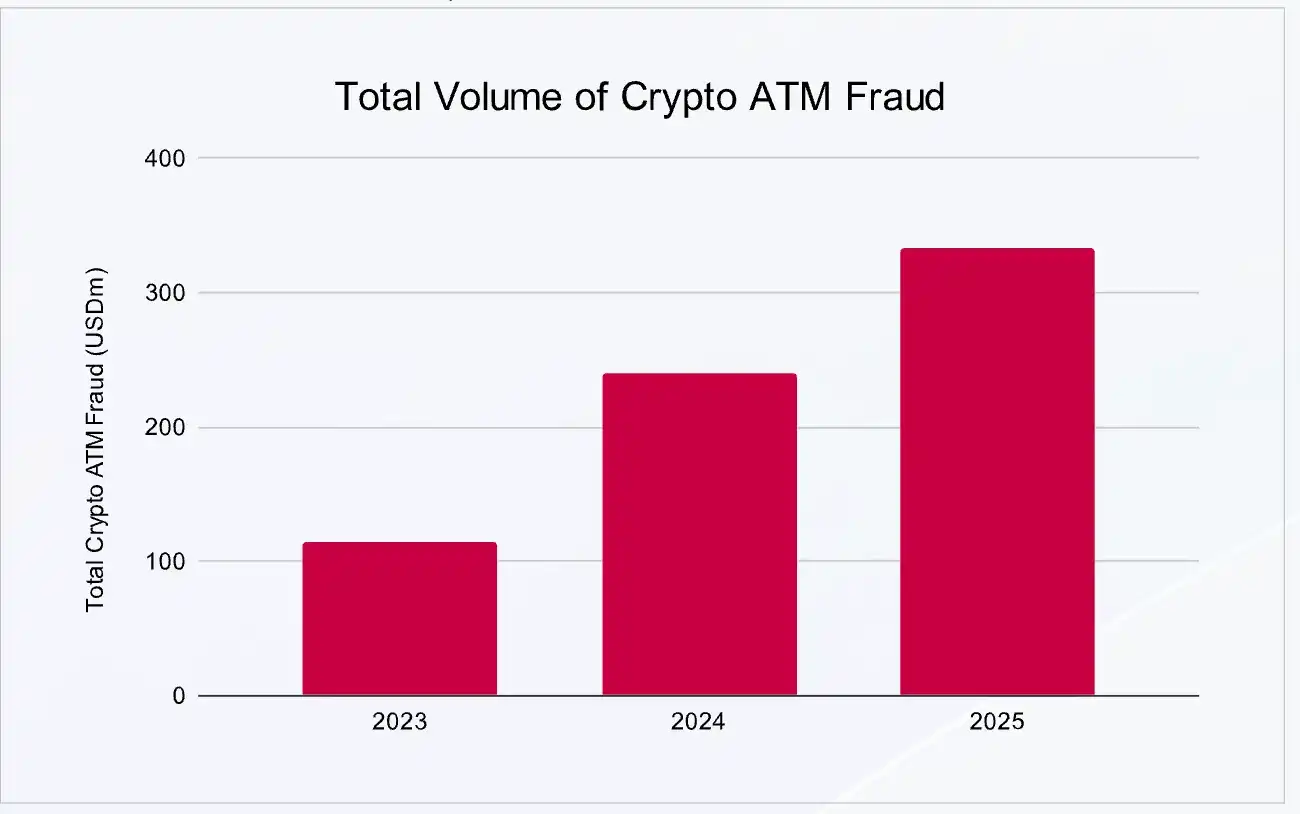
Total Losses from Cryptocurrency ATM Fraud

Cryptocurrency ATMs Become a "Fast Lane" for Fraudulent Fund Transfers

Cryptocurrency ATM fraud refers to a scheme where scammers, via phone calls, text messages, or online social engineering, induce victims to withdraw cash and deposit it into a cryptocurrency ATM. The funds are then converted into digital assets and transferred to wallet addresses controlled by the scammers.

There are currently about 45,000 cryptocurrency ATMs globally, with 78% located in the United States. Users can typically complete the cash-to-cryptocurrency conversion and transfer within 5 minutes, a feature that makes these machines an ideal channel for criminal groups to move funds.
Unlike traditional cryptocurrency attacks, this type of crime does not rely on account intrusion or hacking but instead uses social engineering to trick victims into initiating the operations themselves. Once a transaction is recorded on the blockchain, the funds are almost impossible to recover.

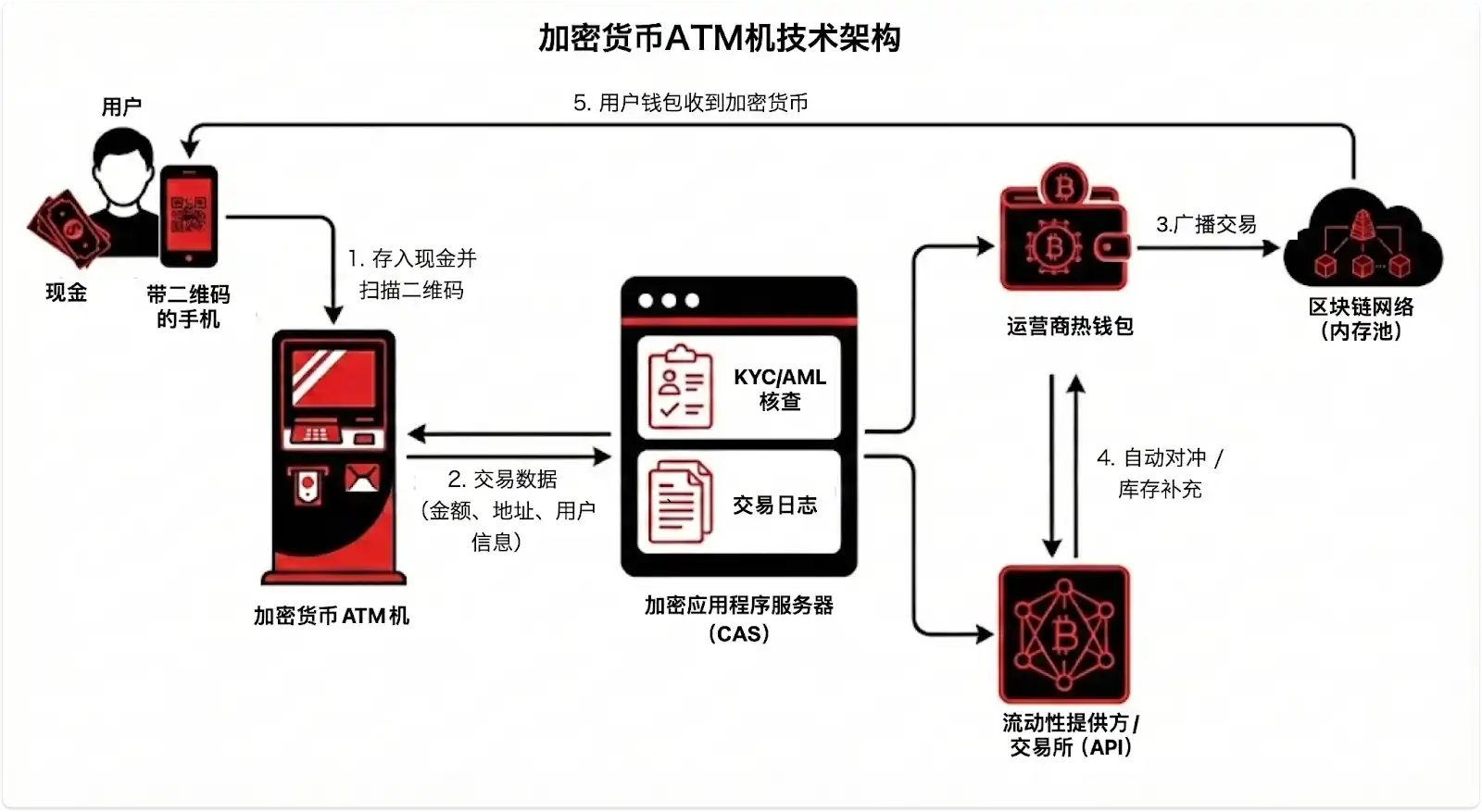
From a technical architecture perspective, cryptocurrency ATMs act merely as front-end terminals connected to back-end crypto application servers (CAS). All transactions are completed through the operator's mixed hot wallets for fund transfers. On-chain records only show transfers from the operator's wallet to the target address and do not record the depositor's identity information. This structure creates a "tracing gap," posing significant challenges for law enforcement investigations.

Elderly Population Accounts for 86% of Total Losses, Protective Warnings Prove Ineffective

The most alarming data in the report highlights the extreme vulnerability of the elderly demographic in this type of fraud. Data shows that 86% of all cryptocurrency ATM fraud losses in the U.S. in 2025 came from people aged 60 and above. A lawsuit filed by the Washington D.C. Attorney General against U.S. ATM operator Athena Bitcoin pointed out that 93% of the deposits at the company's local ATMs were linked to fraudulent crimes, with the median victim age being 71 and the median loss per transaction reaching $8,000.

The report outlines the mainstream types of fraud, whose core objectives are to induce strong emotional fluctuations in victims, impairing their rational judgment; isolate victims from potential helpers; and guide them in real-time through the entire process of cash-to-cryptocurrency conversion.
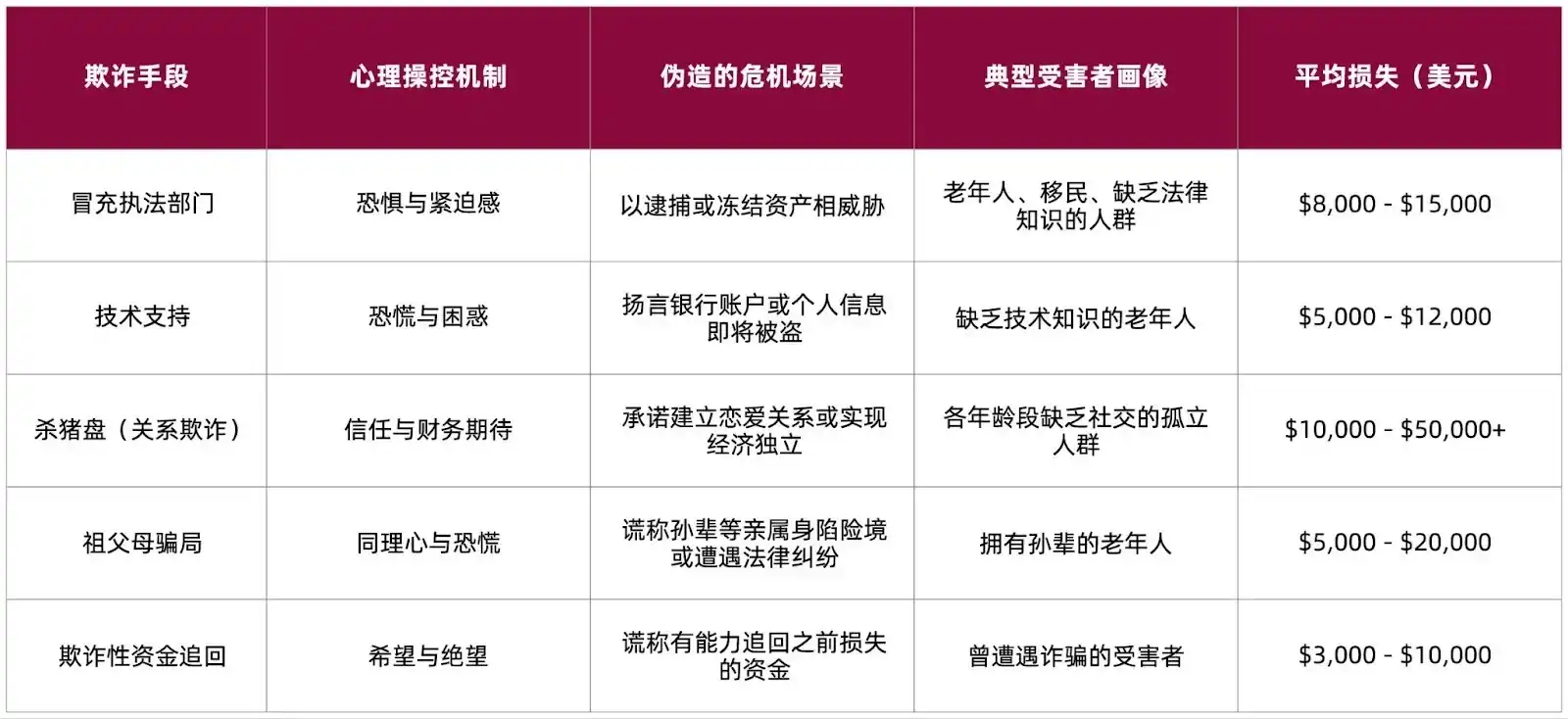
Classification of Cryptocurrency ATM Fraud Methods

"When victims are on a live call with scammers, on-screen warning prompts simply cannot serve as an effective deterrent," the report states. Current protective measures at the ATM level are largely ineffective. Scammers maintain real-time communication with victims throughout the entire process of withdrawing cash and operating the ATM, not only guiding them to bypass on-screen warnings but also prepping them with uniform excuses—such as home renovations or family emergencies—to use in response to inquiries from bank staff, thereby completely cutting off external intervention.

AI Technology is Reshaping Fraud Patterns

The report also notes that AI technology is accelerating the evolution of fraudulent methods. In 2025, AI-driven scams were approximately 4.5 times more profitable than traditional methods. Criminal organizations are beginning to use AI voice cloning, deepfake videos, and automated scripts to carry out more targeted social engineering attacks.

Meanwhile, to evade transaction limit policies gradually being introduced by regulators worldwide, fraud networks are also adopting a "divide and conquer" strategy. This involves inducing a large number of victims to make small transactions across different ATMs, thereby maintaining the overall scale of criminal profits while avoiding regulatory scrutiny.

Industrialized Operations of Transnational Criminal Networks
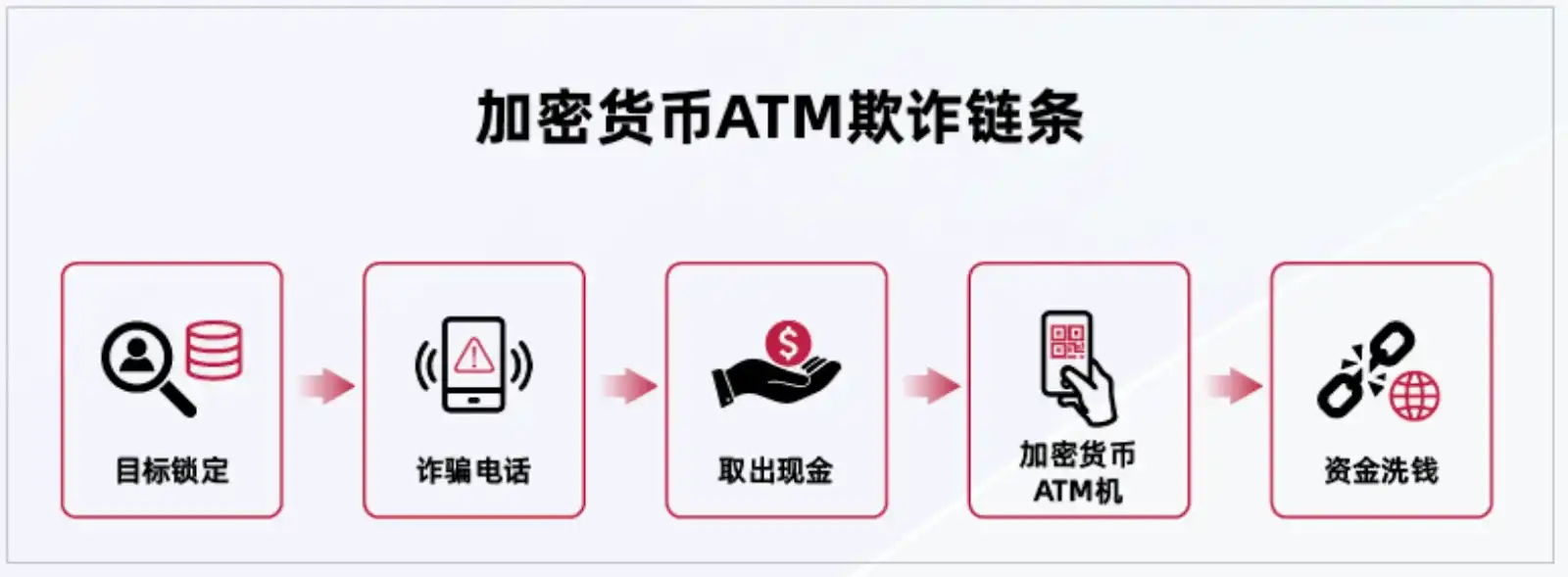
The report reveals that cryptocurrency ATM fraud has evolved from isolated cases into highly organized transnational criminal operations. Criminal organizations employ an industrialized operational model with a detailed division of labor, encompassing data collection, social engineering scams, and fund transfer and money laundering, among other stages.

The increasing efficiency of the money laundering环节 (stage) further amplifies the harm caused by this type of crime. In 2025, Southeast Asian money laundering networks processed approximately $16.1 billion in illicit cryptocurrency funds, accounting for 20% of the traceable global cryptocurrency ecosystem involving illegal activities. These networks operate via Telegram coordination and can settle large transactions within two minutes. After victims deposit cash, the funds are typically routed through mixing services, cross-chain bridges, and decentralized exchanges for multi-layer obfuscation within minutes. Often, the funds have left the traceable scope of the regulatory system before the victim has even ended the scam call.

Transaction Entry Point as a Critical Control Node

In response to the current threat landscape, the report concludes with systematic prevention and control recommendations. It identifies the transaction entry point at the CAS level as the only effective intervention node in the cryptocurrency ATM fraud chain—real-time screening and risk verification of target wallet addresses must be completed before the transaction is recorded on the blockchain.
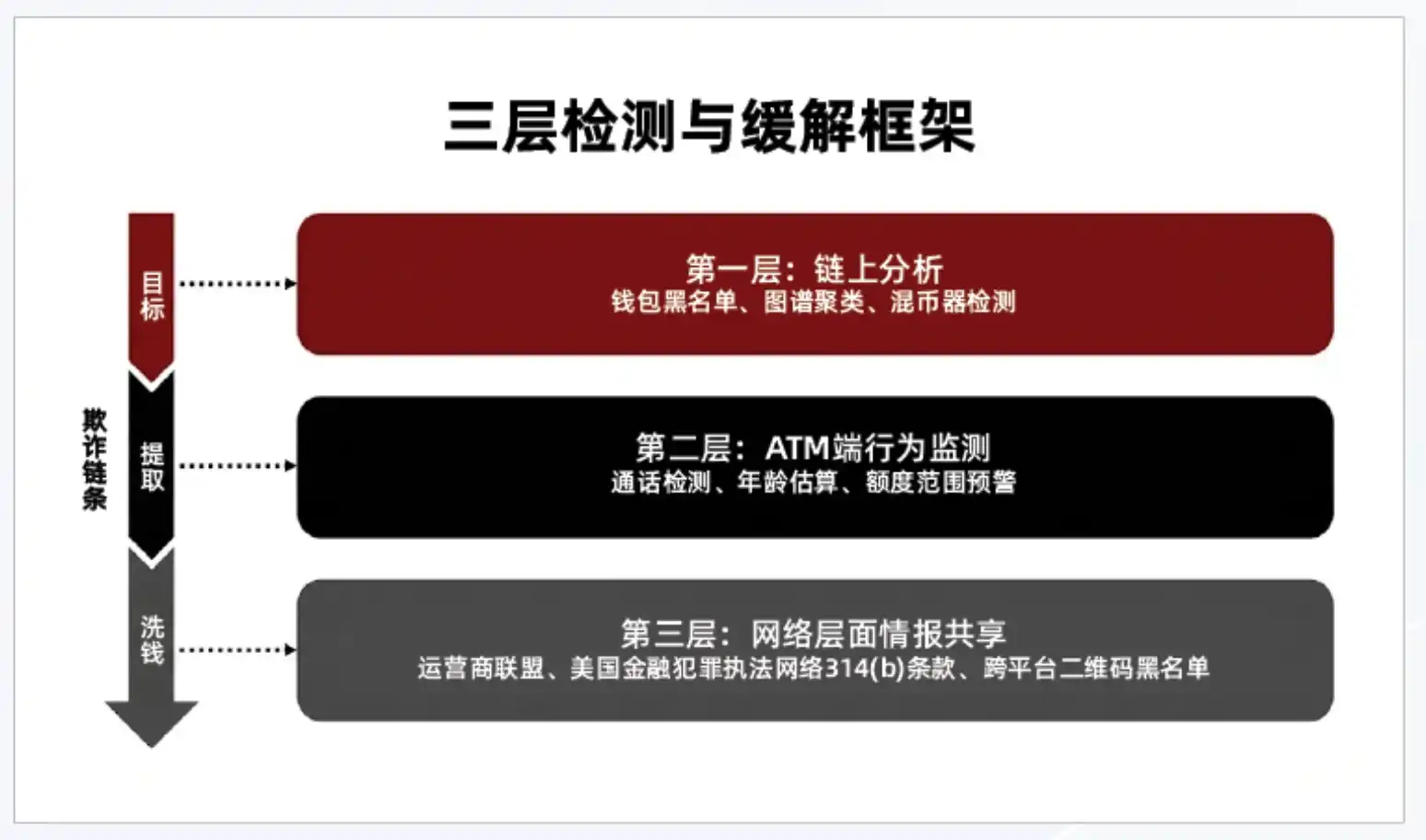
Simultaneously, the report proposes specific measures for consumers, operators, and law enforcement agencies: consumers need to be wary of any陌生来电 (strange calls) requesting payment via cryptocurrency ATMs; operators need to implement tiered KYC, industry-wide intelligence sharing, and pre-transaction risk checks; law enforcement agencies need to enhance blockchain analysis capabilities and promote unified legislation and cross-border law enforcement cooperation.

"The reported $330 million loss in 2025 only reflects the tip of the iceberg of the actual harm," the report warns in its conclusion. As new methods such as AI deepfakes, automated cross-chain money laundering, and "divide and conquer" small transactions become more prevalent, the threat of cryptocurrency ATM fraud will continue to escalate. Only through coordinated efforts in technology, regulation, and law enforcement can the criminal chain be severed within the shrinking intervention window to protect financial consumers, especially the elderly population, from property loss.

Report link: https://indd.adobe.com/view/bfb98f74-c308-4f0d-b9eb-c3bdb86e2785

Preguntas relacionadas

QAccording to the CertiK report, what was the total financial loss attributed to cryptocurrency ATM fraud in 2025?

AThe total financial loss attributed to cryptocurrency ATM fraud in 2025 was $330 million.

QWhich demographic group was identified as the most vulnerable, accounting for the highest percentage of losses?

AAdults aged 60 and older were the most vulnerable demographic, accounting for 86% of all losses in the US.

QHow is AI technology changing the cryptocurrency ATM fraud landscape according to the report?

AAI technology is accelerating the upgrade of fraud methods. In 2025, AI-driven fraud was about 4.5 times more profitable than traditional methods. Criminal organizations are using AI voice cloning, deepfake videos, and automated scripts for more targeted social engineering attacks.

QWhat is the 'traceability fracture' mentioned in the report, and why does it make investigation difficult?

AThe 'traceability fracture' refers to the technical architecture of cryptocurrency ATMs. They act as front-end terminals connected to a backend Crypto Application Server (CAS), with all transactions completed through the operator's mixed hot wallet. On-chain records only show transfers from the operator's wallet to the target address, not the depositor's identity information. This structure creates a break in the chain of evidence, making law enforcement investigation and forensics extremely difficult.

QWhat does the report identify as the only effective point of intervention to prevent these frauds?

AThe report identifies the transaction entry point at the CAS (Crypto Application Server) level as the only effective intervention node. It states that real-time screening and risk verification of the target wallet address must be completed *before* the transaction is put on the blockchain.

Lecturas Relacionadas

Advertencia más reciente de Dalio: No se deje llevar por la IA, el rendimiento real del mercado estadounidense en los próximos 5-10 años podría ser del -5% al -10%

**Ray Dalio alerta sobre el riesgo de concentración en IA y prevé rendimientos reales negativos en Wall Street** El fundador de Bridgewater, Ray Dalio, advierte que el mercado actual, dominado por unas pocas grandes empresas tecnológicas impulsadas por la IA, presenta un **riesgo elevado** y una **alta concentración**. Según su análisis, los **rendimientos reales esperados para las acciones estadounidenses en los próximos 5 a 10 años podrían situarse entre -5% y -10%**. Dalio no desaconseja invertir en IA, sino que insta a **evitar apostar de forma concentrada**. Basándose en más de 50 años de experiencia y estudios históricos de burbujas tecnológicas, argumenta que es difícil predecir qué compañías específicas triunfarán a largo plazo dentro de un sector tan volátil e incierto. Su principio fundamental es la **diversificación**. Recomienda construir una "copa sagrada de inversiones": una cartera equilibrada con **alrededor de 15 apuestas de buena calidad y no correlacionadas entre sí**. Matemáticamente, esto mejora significativamente la relación riesgo-rendimiento en comparación con una apuesta concentrada, permitiendo obtener mejores resultados con menor volatilidad. En el contexto actual, con grandes incertidumbres geopolíticas, políticas y tecnológicas, Dalio cree que pocos inversores tienen información suficiente para justificar grandes apuestas concentradas. La estrategia más prudente es **reconocer lo que no se sabe y diversificar inteligentemente**, en lugar de dejarse llevar por el entusiasmo y acumular riesgos altamente correlacionados.

marsbitHace 9 min(s)

Advertencia más reciente de Dalio: No se deje llevar por la IA, el rendimiento real del mercado estadounidense en los próximos 5-10 años podría ser del -5% al -10%

marsbitHace 9 min(s)

Las ventas de las TPU de Google se revisan al alza en un 50%

Recientemente, los ajustes en las expectativas de envíos de las Unidades de Procesamiento Tensor (TPU) de Google han generado un repunte clave en el sector de la capacidad computacional para IA. Varias instituciones han revisado al alza las previsiones, situando los envíos potenciales para 2027 en 15 millones de unidades, un aumento del 50% respecto a estimaciones anteriores de 10 millones. Este crecimiento impulsará la demanda en toda la cadena de suministro, beneficiando especialmente a sectores como motores ópticos NPO (con una relación 1:1 con las TPU), módulos ópticos 1.6T, conmutadores ópticos OCS, fuentes de alimentación para servidores, fibra óptica & MPO y refrigeración líquida. La refrigeración líquida emerge como un área de cambio significativo y potencial de alto rendimiento. El aumento en el consumo energético de las nuevas TPU hace indispensable esta tecnología, con 2026 marcado como el año de su despliegue masivo en los clústeres de Google. Las limitaciones de capacidad y tecnología de los proveedores tradicionales están creando una ventana de oportunidad para que los fabricantes chinos, con ventajas en velocidad de iteración, capacidad de entrega y disponibilidad de producción, se integren en la cadena de suministro central. El sector de la fibra óptica también ve reforzada su lógica de crecimiento. La demanda explosiva de los centros de datos de IA, unida a los largos ciclos de ampliación de capacidad (18-24 meses para la preforma), está generando un desajuste estructural entre oferta y demanda. Se prevé que las exportaciones chinas de fibra alcancen 200-300 millones de kilómetros de núcleo en 2026. Los acuerdos de compra a largo plazo con los principales proveedores de nube están estabilizando el sector. En conjunto, el aumento en las expectativas de envíos de las TPU de Google está trasladando el foco de inversión en IA desde la mera capacidad del chip hacia la infraestructura de soporte, consolidando la visibilidad de los ingresos para los próximos años en toda la cadena de suministro de computación.

marsbitHace 1 hora(s)

Las ventas de las TPU de Google se revisan al alza en un 50%

marsbitHace 1 hora(s)

Tras la recesión de las historias del ecosistema de las criptomonedas, ¿qué es lo que realmente quiere Wall Street?

El título sugiere un cambio: después de la fiebre de las criptomonedas, Wall Street busca algo distinto. El artículo detalla esta evolución. En 2008, el colapso de Lehman Brothers coincidió con el nacimiento del Bitcoin, una crítica al sistema financiero tradicional. Diecisiete años después, Wall Street ha adoptado la tecnología blockchain, pero no para especular con criptomonedas. Su objetivo es crear una infraestructura financiera controlada, rentable y regulada sobre registros distribuidos. Un ejemplo clave es el fondo BUIDL de BlackRock, que ofrece bonos del Tesoro estadounidense tokenizados. Es accesible solo para grandes inversores, está totalmente respaldado por activos seguros y permite transferencias instantáneas las 24 horas a través de Securitize. Esta empresa, valorada en 12.500 millones de dólares, pronto cotizará en la Bolsa de Nueva York (NYSE), la cual planea un sistema de liquidación de acciones en cadena con Securitize como agente de transferencia. Nasdaq también avanza en esta dirección. Para hacer el Bitcoin atractivo para fondos de pensiones, BlackRock lanzará el ETF BITA. En lugar de buscar ganancias por la revalorización, vende opciones de compra sobre su propio ETF de Bitcoin (IBIT) para generar ingresos por primas, transformando la volatilidad en un pago de intereses mensual predecible. Las stablecoins están siendo redefinidas como herramientas de pago, no de inversión. Empresas como Stripe las usan para pagos transfronterizos instantáneos, y Mastercard integra stablecoins como USDC para liquidaciones de tarjetas fuera del horario laboral. Incluso SWIFT explora un libro mayor compartido para bancos. La ley GENIUS de 2025 consolida este enfoque: prohíbe que las stablecoins paguen intereses y las somete a estrictas normas contra el lavado de dinero, convirtiéndolas en una extensión del sistema del dólar. En resumen, Wall Street está construyendo en la blockchain un espejo de su sistema tradicional: fondos de bonos, estrategias de opciones generadoras de ingresos y redes de pago reguladas. No se trata de reemplazar el sistema centralizado, sino de modernizarlo utilizando la tecnología de la cadena de bloques, integrándolo firmemente con el crédito soberano del dólar.

marsbitHace 2 hora(s)

Tras la recesión de las historias del ecosistema de las criptomonedas, ¿qué es lo que realmente quiere Wall Street?

marsbitHace 2 hora(s)

Trading

Spot
Futuros

Artículos destacados

Cómo comprar ATM

¡Bienvenido a HTX.com! Hemos hecho que comprar Atletico De Madrid Fan Token (ATM) sea simple y conveniente. Sigue nuestra guía paso a paso para iniciar tu viaje de criptos.Paso 1: crea tu cuenta HTXUtiliza tu correo electrónico o número de teléfono para registrarte y obtener una cuenta gratuita en HTX. Experimenta un proceso de registro sin complicaciones y desbloquea todas las funciones.Obtener mi cuentaPaso 2: ve a Comprar cripto y elige tu método de pagoTarjeta de crédito/débito: usa tu Visa o Mastercard para comprar Atletico De Madrid Fan Token (ATM) al instante.Saldo: utiliza fondos del saldo de tu cuenta HTX para tradear sin problemas.Terceros: hemos agregado métodos de pago populares como Google Pay y Apple Pay para mejorar la comodidad.P2P: tradear directamente con otros usuarios en HTX.Over-the-Counter (OTC): ofrecemos servicios personalizados y tipos de cambio competitivos para los traders.Paso 3: guarda tu Atletico De Madrid Fan Token (ATM)Después de comprar tu Atletico De Madrid Fan Token (ATM), guárdalo en tu cuenta HTX. Alternativamente, puedes enviarlo a otro lugar mediante transferencia blockchain o utilizarlo para tradear otras criptomonedas.Paso 4: tradear Atletico De Madrid Fan Token (ATM)Tradear fácilmente con Atletico De Madrid Fan Token (ATM) en HTX's mercado spot. Simplemente accede a tu cuenta, selecciona tu par de trading, ejecuta tus trades y monitorea en tiempo real. Ofrecemos una experiencia fácil de usar tanto para principiantes como para traders experimentados.

240 Vistas totalesPublicado en 2024.12.11Actualizado en 2025.03.21

Cómo comprar ATM

Discusiones

Bienvenido a la comunidad de HTX. Aquí puedes mantenerte informado sobre los últimos desarrollos de la plataforma y acceder a análisis profesionales del mercado. A continuación se presentan las opiniones de los usuarios sobre el precio de ATM (ATM).

活动图片