DeFi Security Crisis: Bunni DEX Folds After Major Exploit, Leaving Users Empty-Handed

bitcoinistPublicado a 2025-10-24Actualizado a 2025-10-24

Resumen

In another blow to the decentralized finance (DeFi) sector, Bunni DEX, a Uniswap V4-based decentralized exchange, has announced its permanent...

Trusted Editorial content, reviewed by leading industry experts and seasoned editors. Ad Disclosure

In another blow to the decentralized finance (DeFi) sector, Bunni DEX, a Uniswap V4-based decentralized exchange, has announced its permanent shutdown following an $8.4 million exploit that crippled its operations. The team cited an inability to cover relaunch and audit costs, marking one of the most significant DeFi collapses of 2025.

The exploit, which occurred on September 2, targeted Bunni’s Liquidity Distribution Function (LDF), a custom mechanism designed to optimize liquidity for traders.

Hackers used flash loans to manipulate internal calculations, triggering rounding errors that allowed them to drain funds across Ethereum and Unichain networks. Despite prior audits by Trail of Bits and Cyfrin, the logic-level flaw went undetected.

Users Allowed Withdrawals, But Recovery Looks Grim

Before the attack, Bunni had rapidly grown from $2.2 million to nearly $80 million in total value locked (TVL), according to DeFiLlama data. However, the breach erased months of progress in a matter of seconds.

Following the hack, Bunni’s team halted operations, paused all smart contracts, and urged users to withdraw their remaining assets “until further notice.” Remaining treasury funds will be redistributed to BUNNI, LIT, and veBUNNI tokenholders, with the team pledging to exclude themselves from the compensation process.

“The recent exploit has forced Bunni’s growth to a halt,” the team posted on X. “To securely relaunch, we’d need six to seven figures for audits and monitoring, capital that we simply don’t have.”

In a final act before winding down, Bunni relicensed its v2 smart contracts from Business Source License (BUSL) to MIT, opening its technology, including liquidity distribution functions, surge fees, and autonomous rebalancing, to other developers in the DeFi ecosystem.
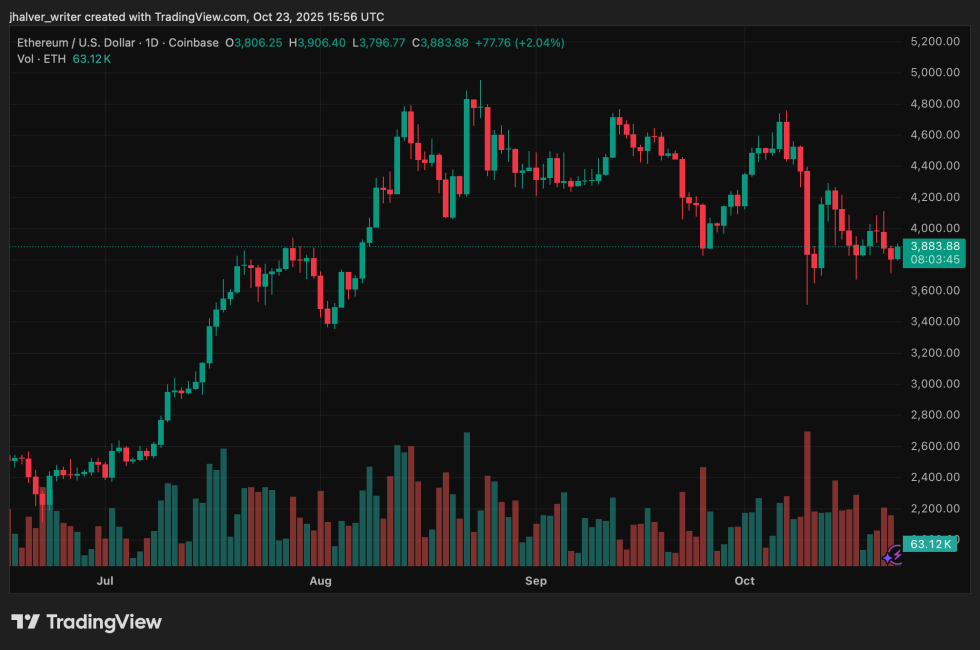
Ethereum ETH ETHUSD

ETH's price trends sideways on the daily chart. Source: ETHUSD on Tradingview

The Broader Impact on DeFi Security

Bunni’s collapse spotlights a growing security crisis in DeFi, which has already seen over $3.1 billion lost to exploits in 2025 alone, according to Hacken’s report. The incident highlights the dangers of deploying custom smart contract logic without sufficient financial and technical safeguards.

Industry experts warn that the event could usher in a new era of cautious innovation, where developers prioritize comprehensive audits, real-time monitoring, and stricter bug bounty programs.

For users, the Bunni exploit serves as a stark reminder: in the high-yield world of decentralized finance, trust and transparency remain as valuable as the tokens themselves.

Cover image from ChatGPT, ETHUSD chart from Tradingview

Editorial Process for bitcoinist is centered on delivering thoroughly researched, accurate, and unbiased content. We uphold strict sourcing standards, and each page undergoes diligent review by our team of top technology experts and seasoned editors. This process ensures the integrity, relevance, and value of our content for our readers.

Lecturas Relacionadas

En la víspera de la explosión de HYPE: AQAv2 inicia la acumulación de ganancias este mes, HIP-4 se prepara para su lanzamiento

Tras alcanzar su máximo histórico a mediados de junio, HYPE entró en un período de ajuste de dos meses. Actualmente, existen indicios técnicos y fundamentales que sugieren una posible recuperación. Analistas destacan un posible rebote hacia la zona de 76-77 USD si se supera la resistencia de 58-58.5 USD. Además, instituciones financieras tradicionales están aumentando su exposición a HYPE a través del fondo PURR, proporcionando un piso de compra estructural. El próximo 26 de agosto se activará el mecanismo de reparto de ingresos AQAv2 (Aligned Quote Asset v2). Este sistema requerirá que los emisores de stablecoins (como USDC, con Circle y Coinbase como socios) destinen el 90% de los ingresos por reservas al protocolo Hyperliquid. Estos fondos se utilizarán exclusivamente para recomprar y quemar tokens HYPE. Con un suministro de stablecoins de 57,400 millones de dólares en la plataforma, se estima que esto podría generar unos 210 millones de dólares anuales para recompras, reforzando significativamente la captura de valor del token HYPE y haciendo los ingresos del protocolo más predecibles. Paralelamente, HIP-4, el mercado de resultados (predicciones) de Hyperliquid, se prepara para su lanzamiento en mainnet con despliegue sin permiso, actualmente en testnet. Esta actualización, que incluye una nueva interfaz dedicada, busca competir directamente con plataformas como Polymarket, centrándose inicialmente en mercados de predicciones deportivas. En resumen, la combinación del inminente inicio del reparto de ingresos de AQAv2 (con su impacto en las recompras) y el despliegue de HIP-4 podrían actuar como catalizadores fundamentales para HYPE en el corto y mediano plazo.

marsbitHace 29 min(s)

En la víspera de la explosión de HYPE: AQAv2 inicia la acumulación de ganancias este mes, HIP-4 se prepara para su lanzamiento

marsbitHace 29 min(s)

Trading

Spot
活动图片