EU Lawmakers Vote for Three Major Texts in Anti-Money Laundering Package That Also Targets Crypto

CoinDeskPolicyPublicado a 2024-03-18Actualizado a 2024-03-19

Resumen

The broad package sets up an anti-money laundering authority, a single rulebook for all 27 member states, and tough rules for crypto service providers.

  • EU lawmakers have adopted three key texts in a broad anti-money laundering legislative package that will also apply to crypto.
  • In a joint meeting, the Committee on Civil Liberties, Justice and Home Affairs and the Committee on Economic and Monetary Affairs voted for the texts after a political agreement on the package was reached in January.
10

Two lawmaker committees in the European Parliament on Tuesday adopted three major texts in a broad anti-money laundering legislative package that also applies to crypto.

The vote follows a political agreement on the Anti-Money Laundering Regulation (AMLR) in January, which will require crypto service providers to comply with customer verification requirements and monitor cross-border transfers and transactions involving self-hosted wallets. The broader package also sets up an Anti-Money Laundering Authority (AMLA) based out of Frankfurt, Germany.

The Joint Committee on Civil Liberties, Justice and Home Affairs and the Committee on Economic and Monetary Affairs voted 68 in favor (10 against) the establishment of the AMLA on Tuesday.

Advertisement
Advertisement

Lawmakers voted 71 in favor (four abstentions, nine against) for the provisional agreement on the regulation for the prevention of the use of the financial system for the purposes of money laundering or terrorist financing. Proposed mechanisms to be put in place by the EU's 27 member states were agreed 74 with five votes against.

The three files voted on Tuesday are fundamental to the EU's fight against money laundering and will establish a single rulebook to harmonize implementation across the bloc.

Though the regulation seeks to level requirements for all players in the financial sector, the European crypto industry worries the agreed rules for crypto service providers are harsher than those for traditional financial institutions.


Edited by Parikshit Mishra.


Lecturas Relacionadas

El valor de las acciones se duplica en el año, cae 20 CM tras reanudar la cotización, y finaliza la trama de la 'reestructuración de chips' de Biolight

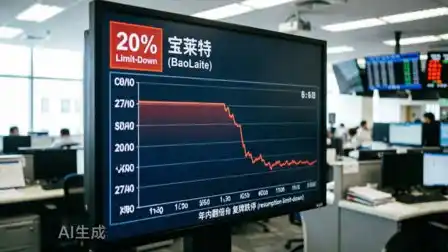
El 10 de agosto de 2026, las acciones de Baolai Microtek (300246.SZ) cayeron un 20% tras anunciar la terminación de la planificada transferencia de control. Este revés frustró las expectativas del mercado sobre una posible toma de control por parte de Weigu Information, una empresa especializada en chips de almacenamiento sólido, lo que había impulsado el precio de las acciones más del 130% este año. La empresa enfrenta desafíos fundamentales graves: su negocio principal de diálisis está presionado por los bajos precios de las compras centralizadas gubernamentales, y su línea de monitores médicos muestra un crecimiento estancado. Baolaite ha registrado pérdidas durante tres años consecutivos (2023-2025), sumando más de 200 millones de yuanes, y continuó con pérdidas en el primer trimestre de 2026. Además, la empresa tiene una presión de deuda a corto plazo significativa, con pasivos corrientes de 830 millones de yuanes y solo 457 millones en efectivo. También se acerca la fecha de vencimiento (3 de septiembre de 2026) de sus bonos convertibles "Baolaibond" por unos 218 millones de yuanes, que probablemente requerirán reembolso en efectivo ya que el precio de las acciones está muy por debajo del precio de conversión. En resumen, más allá del colapso inmediato por la terminación del acuerdo, los problemas centrales de Baolaite son su incapacidad para generar ganancias en sus negocios principales y su inminente crisis de liquidez.

marsbitHace 2 hora(s)

El valor de las acciones se duplica en el año, cae 20 CM tras reanudar la cotización, y finaliza la trama de la 'reestructuración de chips' de Biolight

marsbitHace 2 hora(s)

Trading

Spot
活动图片