Bitcoin surged from $65,000 to $70,000 in the middle of the night, Ethereum saw a nearly 20% spike, and HYPE is almost at its all-time high.
Cryptocurrency experienced an overnight surge, courtesy of news from the United States.
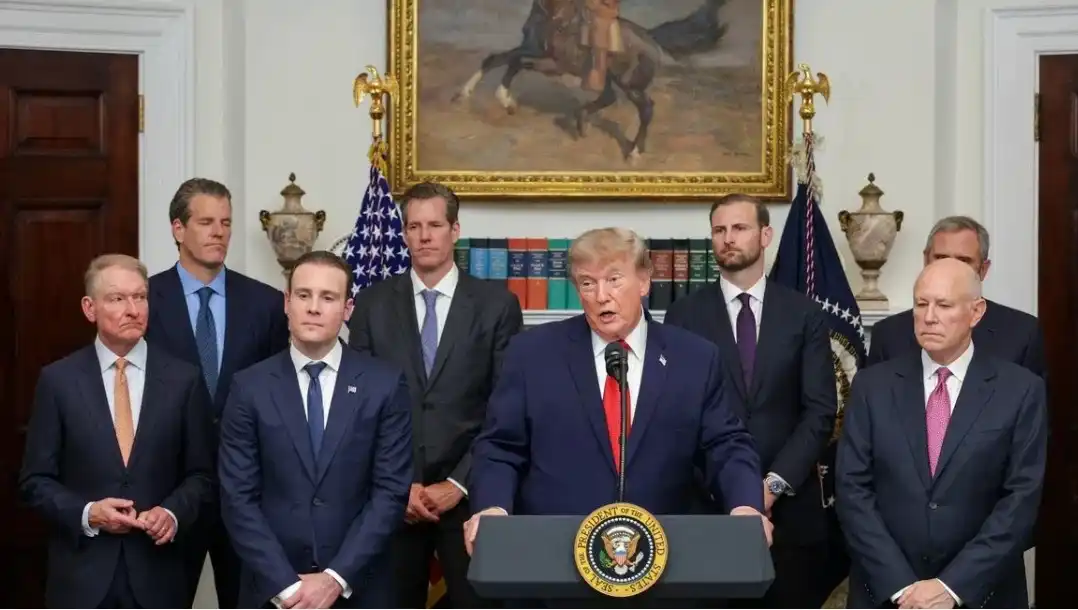
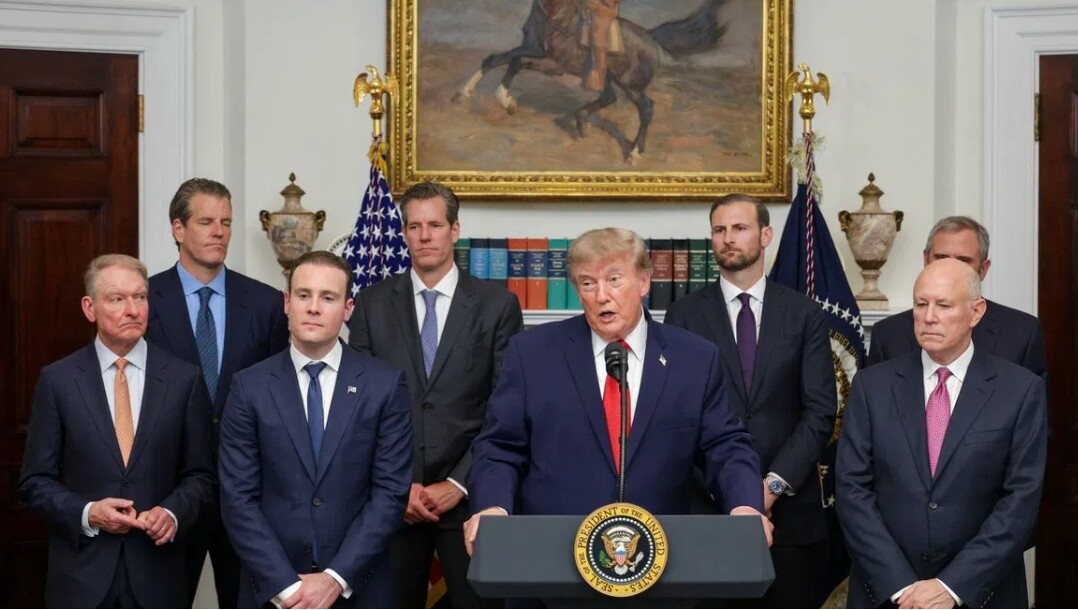
On July 20th, President Trump convened a roundtable discussion and public address at the White House in Washington, D.C., bringing together executives from U.S. finance, cryptocurrency, and technology firms, as well as leaders of regulatory agencies.
The attendees were high-profile. They included Mike Selig, Chairman of the CFTC (Commodity Futures Trading Commission); Paul Atkins, Chairman of the SEC (Securities and Exchange Commission); Patrick Witt, Executive Director of the President's Digital Assets Advisory Committee; and then top figures from the cryptocurrency industry: Brian Armstrong, CEO of Coinbase; Jeff Sprecher, CEO of Intercontinental Exchange (ICE/NYSE); Adena Friedman, CEO of Nasdaq; Vlad Tenev, CEO of Robinhood; Arjun Sethi, CEO of Kraken; Brad Garlinghouse, CEO of Ripple; Sergey Nazarov, Co-founder of Chainlink; and the Winklevoss twins, among others.
The core purpose of this meeting was for Trump to emphasize that the United States is competing with other countries for dominance in the financial markets and AI sector, pledging to ensure the future of global fintech is built and perfected on American soil.
However, as can be seen from the attendees, the cryptocurrency industry was the main focus of this event.
Crypto Legislation
Trump first recounted his accomplishments in the cryptocurrency industry over the past two years, like Bitcoin reserves, but those are less important. What's important was his content regarding crypto legislation.
- The GENIUS Act: Trump mentioned that he signed this landmark legislation a year ago. This act comprehensively paves the way for the large-scale adoption of compliant dollar-pegged stablecoins, not only consolidating the dollar's global hegemony but also driving global capital to purchase U.S. Treasury bonds in large volumes.
- The Clarity Act: Currently in a critical stage of congressional advancement. This act aims to clearly delineate the boundary between 'crypto securities' and 'crypto commodities' at the legislative level.
Trump urged Congress to accelerate the passage of the Clarity Act to establish a clear legal framework for digital assets. Coinbase CEO Brian Armstrong revealed in his remarks that Congress plans to vote on this bill on September 15th. If passed smoothly, it would codify into law the regulatory benefits enjoyed over the past year-plus.
Introducing Hyperliquid, Proposing New Crypto Financing Rules
Then came the statements from the regulatory agencies, equally important as they represent the regulatory layer.
CFTC Chairman Mike Selig and SEC Chairman Paul Atkins detailed the progress of their respective agencies' specific projects on deregulation and embracing innovation.
On the CFTC side:
- First Compliant Bitcoin Perpetual Futures: CFTC Chairman Mike Selig confirmed that the first true 'Bitcoin Perpetual Futures Contract' in the U.S. was launched in May 2026 on a CFTC-registered exchange.
- Introducing the Decentralized Protocol Hyperliquid: The CFTC is fully advancing a compliance framework aimed at introducing the decentralized trading protocol Hyperliquid into the United States in a fully legal and compliant manner.
This is also the core reason for HYPE's overnight surge.
- Protecting 'Prediction Markets': Federal regulators are actively intervening to prevent state officials (such as New York Attorney General Letitia James) from overstepping their authority and interfering with compliant prediction markets, avoiding the forced outflow of such financial innovation overseas.
On the SEC side:
- Proposing 'Crypto Asset Rules': SEC Chairman Paul Atkins announced that the SEC has just proposed new crypto asset rules, fundamentally resolving the certainty for crypto startups to legally conduct equity and capital financing through digital assets in the U.S.
- Capital Market Recovery and the 'Trump Account': Thanks to rationalized IPO thresholds, 583 companies have gone public since the new administration took office (a 75% year-on-year increase), raising $28 billion; simultaneously promoting the 'Trump Account' to allow a new generation of young investors to better share in the capital market's benefits.
The new rules for crypto asset financing are also quite significant—legal ICOs might be making a comeback. For details, see this article: 'The Biggest Boon for the Crypto Circle: Is Compliant Token Financing Coming Back?'
Bitcoin Reserves
During the final Q&A session with journalists, there was also an interesting question about whether the U.S. government would further expand its Bitcoin reserves.
Trump said he is open to the idea and will take advice from his regulatory team.
Just floating the idea is bullish.
Another part was about AI, but not much useful information was provided. Addressing AI's massive electricity demand, Trump proposed a fast-track approval policy, allowing tech companies to build their own dedicated power plants (approved within two to three weeks), which would neither strain the public grid and could feed surplus power back into the traditional grid.