Tether launches privacy-focused health platform with on-device AI

cointelegraphPublished on 2025-12-10Last updated on 2025-12-10

Abstract

T Summary Tether has launched QVAC Health, a privacy-focused health platform that aggregates data from various wearables and wellness apps into a single, encrypted dashboard. The platform processes all data locally on the user's device using on-device AI and peer-to-peer model downloads, eliminating the need for external servers. It includes experimental computer-vision tools to estimate calories from meal photos and correlates this data with wearable information to identify patterns in activity, recovery, and sleep. Tether CEO Paolo Ardoino emphasized the platform's role as a "neutral ground for wellness data," reflecting the company's commitment to privacy. Future updates will enable direct Bluetooth Low Energy connections to certain wearables, bypassing manufacturer APIs and cloud services. This development aligns with growing privacy concerns in the crypto and tech sectors, as highlighted by comments from Ardoino and former White House adviser David Holtzman regarding the vulnerabilities of centralized data repositories. The move is part of a broader trend towards decentralized, privacy-preserving technologies, including initiatives from Ethereum's Vitalik Buterin and Circle's development of a privacy-enhanced stablecoin.

Tether has launched a new platform that aggregates data from multiple wearables and wellness apps into a single, locally processed dashboard, aiming to give users control over their biometric information.

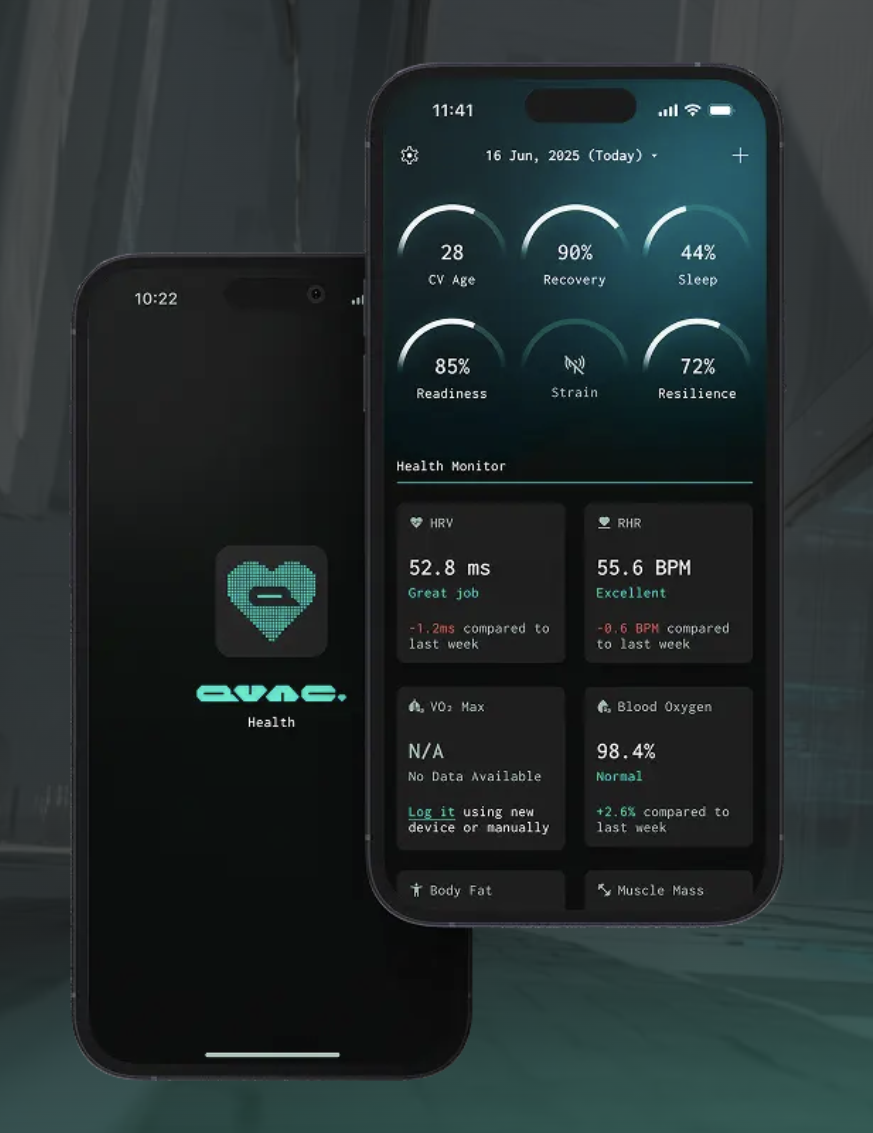
The platform, called QVAC Health, aggregates data from fitness trackers, nutrition apps and other wearables into an encrypted dashboard that works offline, using on-device AI and peer-to-peer model downloads to analyze activity, meals, symptoms and medication logs without relying on external servers.

The app includes experimental computer-vision tools that can estimate calories and macronutrients from meal photos and can correlate those logs with data from multiple wearables to identify patterns in activity, recovery or sleep, all processed locally on the user’s device, according to a Wednesday announcement.
Source: QVAC

Tether CEO Paolo Ardoino called the platform a “neutral ground for wellness data” that reflects the “company’s commitment to privacy-preserving local intelligence.”

Tether, the world’s largest stablecoin issuer, says future updates will include direct Bluetooth Low Energy connections that will let the app read data from certain wearables without routing information through manufacturer APIs or cloud services.

The platform is part of Tether Data’s QVAC project, which builds peer-to-peer, device-based AI systems designed to operate without relying on centralized platforms.

The global fitness-tracker market was valued at $52.29 billion in 2024 and is projected to grow to $189.98 billion by 2032, according to a Verified Market Research report. Major fitness-tracker manufacturers include Apple, Fitbit, Samsung, and Huawei.

Related: Australian fitness firm tanks 21% on Solana treasury gamble

Privacy concerns drive new developments across crypto

Tether’s new platform aligns with comments Ardoino made in 2024, when he argued that running local AI models directly on user devices was the only reliable way to prevent data from being harvested or exposed through centralized servers.

Former White House adviser David Holtzman told Cointelegraph in December 2024 that AI-driven data aggregation and future quantum threats make large data repositories especially vulnerable.

Holtzman noted that AI can rapidly assemble behavioral and transactional data to identify targets more precisely, while future quantum attacks could break today’s encryption standards across sectors. He said decentralized systems can help reduce these risks by avoiding large, centralized data stores.
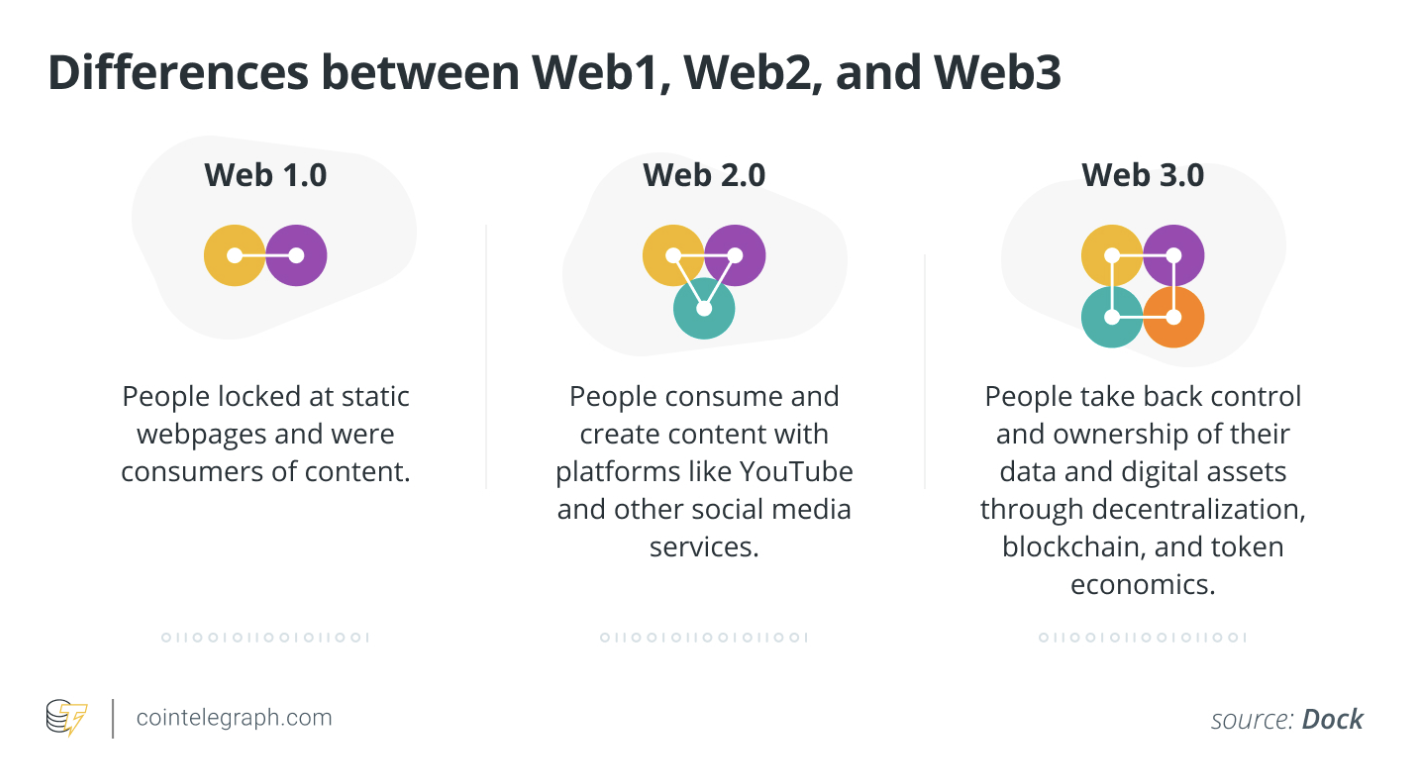
The evolution of the internet. Source: Dock/Cointelegraph

The various threats to privacy have spurred some action in the crypto community. In June, Ethereum co-founder Vitalik Buterin proposed a “pluralistic identity” model — a digital ID approach that lets people prove who they are or qualify for services without exposing all of their personal information.

In December, Fortune reported that Circle is developing a privacy-enhanced stablecoin called USDCx with Aleo, designed to give institutional users banking-level transaction privacy while preserving the ability to furnish compliance records when necessary.

Growing concerns over data exposure and surveillance have also fueled renewed interest in privacy-focused cryptocurrencies, with the Zcash protocol emerging as one of the beneficiaries.

Magazine: Meet the onchain crypto detectives fighting crime better than the cops

Trending Cryptos

Related Reads

For the First Time Since 1955, S&P 500 Profits Exceed Long-Term Trend by 14%

For the first time since 1955, the S&P 500's earnings per share (EPS) have risen approximately 14% above their long-term historical trend channel, according to a recent report. This highlights a significant fundamental shift: strong corporate profits, not just AI narratives or liquidity, are now underpinning the market's high valuations. The strength of current earnings is evidenced on multiple fronts. Actual quarterly results are consistently beating analyst expectations, with the percentage of S&P 500 companies exceeding profit forecasts and the magnitude of sales surprises near multi-year highs. Furthermore, analysts are *raising* future EPS estimates instead of the typical post-quarter downgrades, with full-year 2026 growth expectations revised sharply upwards from ~13% to nearly 28%. This profit growth is broadening beyond the mega-cap "Magnificent Seven" tech stocks. While these giants remain the primary engine, the majority of S&P 500 sectors are contributing, with median company earnings growth around 13.8%. However, this exceptional strength creates a higher bar for future performance. With profit levels already so elevated, merely meeting elevated expectations may not suffice to push stocks higher. Any disappointment in revenue growth, profit margins, or forward guidance could trigger significant pressure on stretched valuations. Therefore, the sustainability of the earnings support will depend on continued sales expansion, stable margins, the payoff from massive AI investments, and, crucially, whether the positive trend of upward earnings revisions can persist.

marsbit28m ago

For the First Time Since 1955, S&P 500 Profits Exceed Long-Term Trend by 14%

marsbit28m ago

Once-Hot Web3 Enters Wave of Layoffs

"Once a hot sector, Web3 has entered a wave of layoffs, driven less by AI than by underlying financial pressures. The article details a severe and rapid downsizing across Web3 companies, particularly crypto exchanges, over the past year. It shares accounts from employees like Kevin and Richard, who experienced sudden terminations, often with system access cut off instantly and sometimes with minimal or no severance. Management frequently used pretexts like impossible performance targets or bogus tests to justify dismissals and avoid compensation. The layoffs have created a climate of fear and toxic workplace cultures for remaining employees, characterized by excessive surveillance, pointless meetings, and internal political battles. High-level power struggles and a focus on loyalty over competence further destabilize companies. The author argues the industry's core business model is collapsing. Exchanges, reliant on trading fees and high listing charges, are accused of exploiting projects and retail investors. This, combined with events like a major market crash in October 2025 that wiped out leveraged retail traders, has led to a severe liquidity drought. Venture capital funding has dried up, and many projects lack sustainable revenue. As a result, displaced workers struggle to find new roles. While many transition to the AI sector, they face stigma, with traditional finance and even some AI firms viewing Web3 experience negatively. The article concludes that this downturn is distinct: rather than a simple market cycle, it stems from predatory practices, a lack of innovation, and destructive internal competition that consumed the industry from within while the market shrank."

marsbit43m ago

Once-Hot Web3 Enters Wave of Layoffs

marsbit43m ago

Trading

Spot

Hot Articles

Discussions

Welcome to the HTX Community. Here, you can stay informed about the latest platform developments and gain access to professional market insights. Users' opinions on the price of AI (AI) are presented below.

活动图片