Tether launches privacy-focused health platform with on-device AI

cointelegraphPublished on 2025-12-10Last updated on 2025-12-10

Abstract

T Summary Tether has launched QVAC Health, a privacy-focused health platform that aggregates data from various wearables and wellness apps into a single, encrypted dashboard. The platform processes all data locally on the user's device using on-device AI and peer-to-peer model downloads, eliminating the need for external servers. It includes experimental computer-vision tools to estimate calories from meal photos and correlates this data with wearable information to identify patterns in activity, recovery, and sleep. Tether CEO Paolo Ardoino emphasized the platform's role as a "neutral ground for wellness data," reflecting the company's commitment to privacy. Future updates will enable direct Bluetooth Low Energy connections to certain wearables, bypassing manufacturer APIs and cloud services. This development aligns with growing privacy concerns in the crypto and tech sectors, as highlighted by comments from Ardoino and former White House adviser David Holtzman regarding the vulnerabilities of centralized data repositories. The move is part of a broader trend towards decentralized, privacy-preserving technologies, including initiatives from Ethereum's Vitalik Buterin and Circle's development of a privacy-enhanced stablecoin.

Tether has launched a new platform that aggregates data from multiple wearables and wellness apps into a single, locally processed dashboard, aiming to give users control over their biometric information.

The platform, called QVAC Health, aggregates data from fitness trackers, nutrition apps and other wearables into an encrypted dashboard that works offline, using on-device AI and peer-to-peer model downloads to analyze activity, meals, symptoms and medication logs without relying on external servers.

The app includes experimental computer-vision tools that can estimate calories and macronutrients from meal photos and can correlate those logs with data from multiple wearables to identify patterns in activity, recovery or sleep, all processed locally on the user’s device, according to a Wednesday announcement.
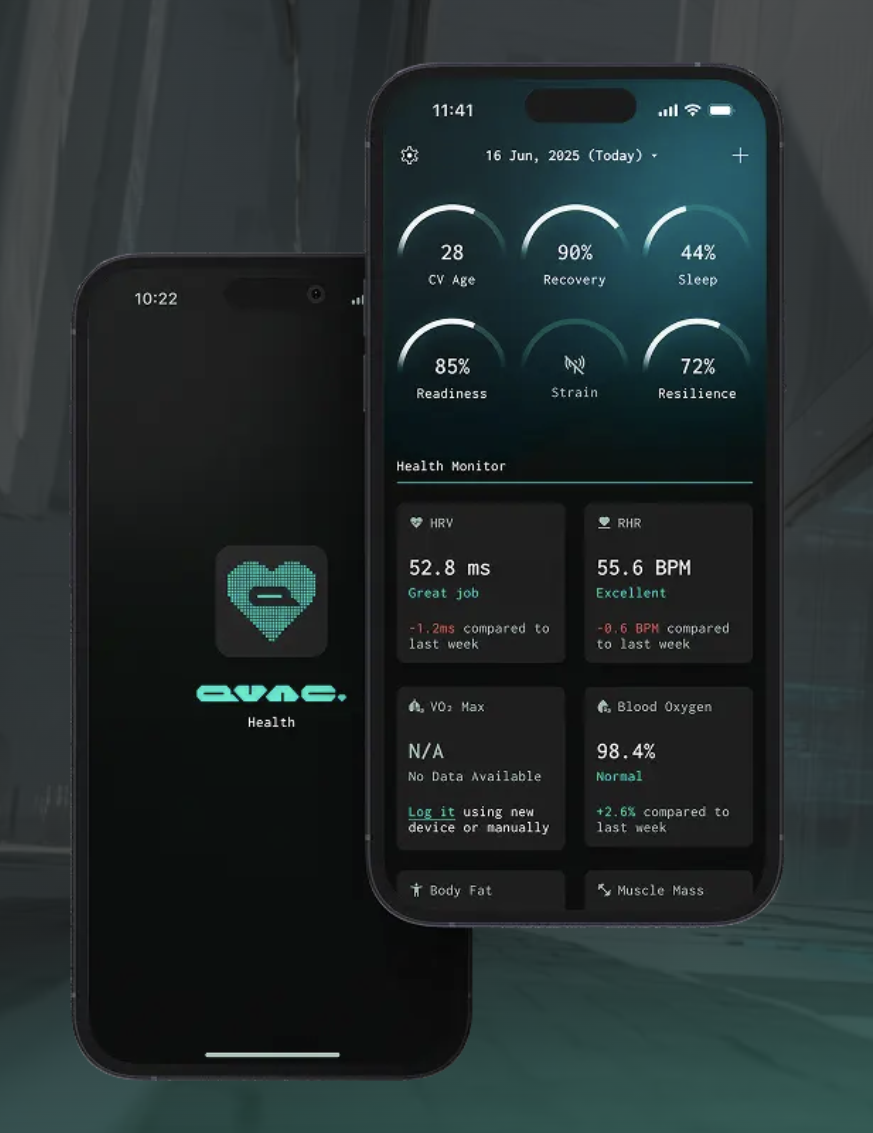
Source: QVAC

Tether CEO Paolo Ardoino called the platform a “neutral ground for wellness data” that reflects the “company’s commitment to privacy-preserving local intelligence.”

Tether, the world’s largest stablecoin issuer, says future updates will include direct Bluetooth Low Energy connections that will let the app read data from certain wearables without routing information through manufacturer APIs or cloud services.

The platform is part of Tether Data’s QVAC project, which builds peer-to-peer, device-based AI systems designed to operate without relying on centralized platforms.

The global fitness-tracker market was valued at $52.29 billion in 2024 and is projected to grow to $189.98 billion by 2032, according to a Verified Market Research report. Major fitness-tracker manufacturers include Apple, Fitbit, Samsung, and Huawei.

Related: Australian fitness firm tanks 21% on Solana treasury gamble

Privacy concerns drive new developments across crypto

Tether’s new platform aligns with comments Ardoino made in 2024, when he argued that running local AI models directly on user devices was the only reliable way to prevent data from being harvested or exposed through centralized servers.

Former White House adviser David Holtzman told Cointelegraph in December 2024 that AI-driven data aggregation and future quantum threats make large data repositories especially vulnerable.

Holtzman noted that AI can rapidly assemble behavioral and transactional data to identify targets more precisely, while future quantum attacks could break today’s encryption standards across sectors. He said decentralized systems can help reduce these risks by avoiding large, centralized data stores.
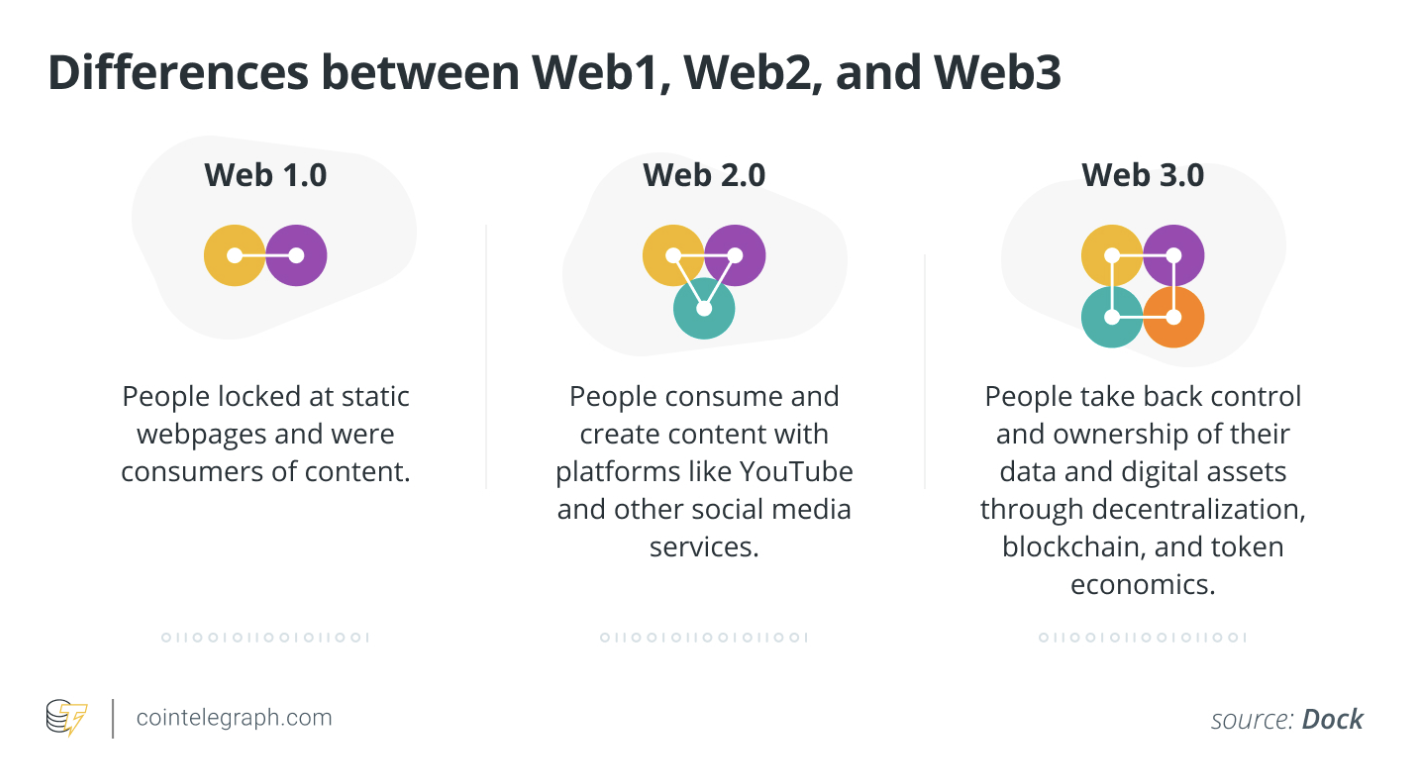
The evolution of the internet. Source: Dock/Cointelegraph

The various threats to privacy have spurred some action in the crypto community. In June, Ethereum co-founder Vitalik Buterin proposed a “pluralistic identity” model — a digital ID approach that lets people prove who they are or qualify for services without exposing all of their personal information.

In December, Fortune reported that Circle is developing a privacy-enhanced stablecoin called USDCx with Aleo, designed to give institutional users banking-level transaction privacy while preserving the ability to furnish compliance records when necessary.

Growing concerns over data exposure and surveillance have also fueled renewed interest in privacy-focused cryptocurrencies, with the Zcash protocol emerging as one of the beneficiaries.

Magazine: Meet the onchain crypto detectives fighting crime better than the cops

Trending Cryptos

Related Reads

Bitcoin Withdrawals Continue: 8 Years of Storage in a Coldcard Cold Wallet Ended in Zero

Coldcard Hardware Wallet Hacked: Losses Mount Due to Vulnerable Seed Generation A critical vulnerability in Coldcard hardware wallets has led to a continued wave of fund thefts. According to Galaxy Research, the total stolen has reached 1,367.05 BTC (approx. $88.6 million) from 4,585 addresses, a significant increase from the initial 594.5 BTC reported on July 30, 2026. Most of the stolen funds remain on the attackers' addresses. The issue is not with the current firmware, which Coinkite has updated, but with seed phrases generated on vulnerable devices between March 2021 and the release of fixed firmware versions. Due to a programmer error, devices switched from using a hardware random number generator to the software-based Yasmarang generator, which was initialized with publicly accessible data like the chip's serial number. This made the seed phrases predictable through offline brute-force attacks, meaning wallets remain at risk until funds are moved to a new wallet generated with the patched firmware. Affected devices include Mk2/Mk3 with firmware 4.0.1–4.1.9 (and up to 5.0.3), Mk4/Mk5 up to version 5.6.0, and Q models up to 1.5.0Q. The only exceptions are seeds created with a high-entropy method like at least 50 independent dice rolls or a strong unique BIP-39 passphrase. All other owners must generate a new seed on the fixed firmware and transfer their assets. A case highlighting the human impact involves a 39-year-old long-term investor who lost 2 BTC (approx. $130,000) in minutes. He had accumulated the Bitcoin over eight years through physical labor, viewing it as a financial lifeline and a retirement plan in a country suffering from hyperinflation. His story underscores that even conservative "buy and hold in cold storage" strategies can be compromised by such underlying technical flaws. From a technical perspective, this incident echoes historical failures where weak random number generators undermined cryptographic security, challenging the assumption that offline storage is automatically foolproof.

cryptonews.ru1h ago

Bitcoin Withdrawals Continue: 8 Years of Storage in a Coldcard Cold Wallet Ended in Zero

cryptonews.ru1h ago

Trading

Spot

Hot Articles

Discussions

Welcome to the HTX Community. Here, you can stay informed about the latest platform developments and gain access to professional market insights. Users' opinions on the price of AI (AI) are presented below.

活动图片















