End of the 'Gray Era' for Hong Kong and US Stock Trading Accounts: Where Can Your Money Go Now?
Hong Kong and US stock “grey account opening era” ends, where can your money go?
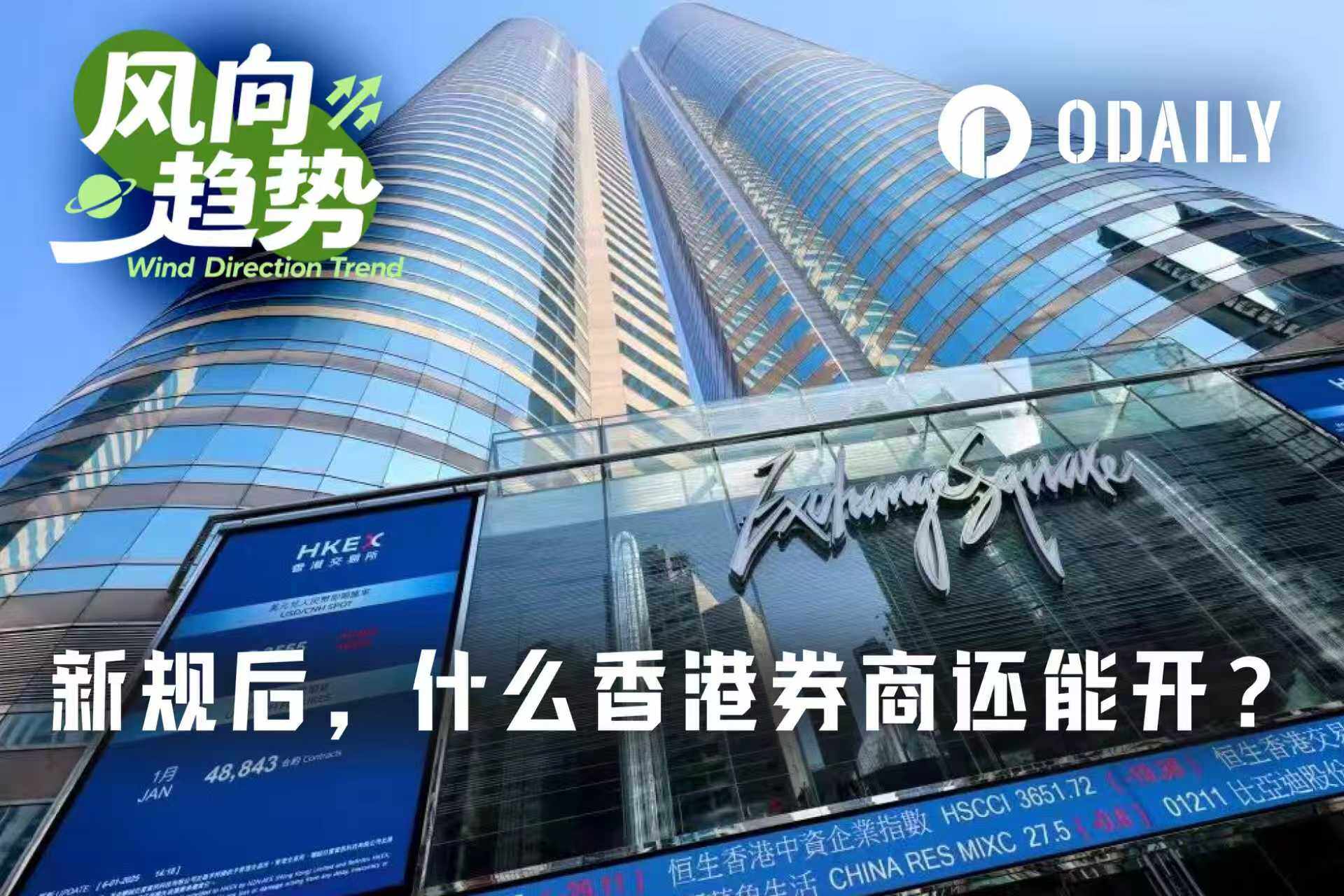
In a coordinated regulatory crackdown starting May 22nd, Hong Kong's SFC and China's securities regulator have targeted the previously common but legally ambiguous practice of mainland Chinese investors opening accounts with Hong Kong brokers to trade Hong Kong and US stocks.
The SFC issued a stern circular after a review of 12 brokerages, citing major deficiencies including inadequate due diligence, acceptance of suspicious or forged documents, and weak management of cross-border relationships. New requirements mandate mainland clients to submit a written declaration confirming their investment funds originate from *outside* mainland China, the account has never been closed for using suspicious documents, and agreeing to information disclosure. Brokers must immediately close accounts opened with suspicious documents and dormant accounts.
Simultaneously, Chinese authorities launched a two-year campaign to rectify illegal cross-border securities activities. Key internet brokers like Futu, Tiger Brokers, and Longbridge are facing penalties, with existing accounts allowed only to sell/withdraw funds, not add new ones.
The impact is immediate. Reports from social media and financial news outlets confirm that individuals traveling to Hong Kong to open accounts are now required to sign the new declaration. However, even after signing, applications are frequently rejected. The declaration shifts compliance responsibility to the client and acts as a filter, as most mainland investors' funds do not legally meet the "from outside China" criterion.
Major brokers like Futu and Tiger have stopped accepting new mainland clients. A few, such as uSmart Securities, Fosun Wealth, and Cheerful Investment, still offer limited channels, but approvals have tightened significantly. Crucially, funding must now come exclusively from the investor's own bank account in Hong Kong or a qualified jurisdiction, blocking previous workarounds like using money changers or stablecoins.
For mainland investors, compliant pathways still exist but are narrower. Individuals with overseas status (students, work visa holders) and verifiable offshore funds may still qualify. Official channels like Stock Connect, QDII, and the Cross-boundary Wealth Management Connect remain fully compliant options, albeit with product and quota limitations. On-chain alternatives exist but carry their own regulatory uncertainties and often exclude mainland users.
The crackdown signals the end of the lax expansion period for Hong Kong brokers targeting mainland clients. While investment opportunities persist, the era of easy, low-compliance access is over. Investors must now carefully assess their eligibility and understand that signing the new declaration carries personal legal liability.
Odaily星球日报05/28 09:15