Survey of 81,000 Claude Users: 20% of Respondents Worry About Unemployment

marsbitPublished on 2026-05-10Last updated on 2026-05-10

Abstract

Survey of 81,000 Claude Users: 20% Fear Job Loss A report by Anthropic surveying 81,000 Claude users reveals the complex impact of AI on work. Key findings show that 20% of respondents worry about AI-induced job loss, with anxiety strongest among early-career professionals and those in roles with high "observed exposure" to AI tasks, like software engineering. While most users report significant productivity gains—averaging 5.1 on a 7-point scale—the benefits are uneven. High-income professionals and, notably, some lower-income workers experience the largest boosts. The primary gains come from expanding work scope (48%)—enabling new tasks—and increasing speed (40%). Paradoxically, those who benefit most from AI, especially when it drastically speeds up work, express the greatest anxiety about their job security. Most users feel the productivity gains accrue to themselves, though 10% believe the benefits are captured by employers or clients. The report concludes that AI is demonstrably empowering users by unlocking new capabilities, but this does not alleviate the pervasive economic anxiety, particularly among those who best understand AI's potential. The study acknowledges limitations, including its sample of active Claude users, but highlights that the concerns of over 80,000 individuals are a significant signal.

Author: TinTinLand

Why are those who benefit the most from AI also the ones most worried about losing their jobs?

On April 22, Anthropic released a survey report covering 81,000 real Claude users—"What 81,000 people told us about the economics of AI"—attempting to uncover the real situations and mindsets of ordinary people under the wave of AI.

The core findings mentioned in the report are as follows:

  • The deeper AI involvement in a profession, the stronger the workers' anxiety about unemployment, especially among newcomers to the field;

  • Productivity improvements are most significant among the highest and lowest income groups. And most of these improvements are not about "doing things faster," but about "doing things that were previously impossible";

  • Those who achieve the highest efficiency gains through AI instead feel the deepest anxiety about their career prospects.

TinTinLand has conducted an in-depth translation of the full text, taking you through the analysis of this latest survey on AI, the economy, and survival.

🤔 Who is Worried About Unemployment?

One-fifth Express Concern

"Like every white-collar worker today, I worry almost all the time that my job will be replaced by AI." — A software engineer

Among the respondents, about one-fifth explicitly expressed concern about economic unemployment.

One software developer said, "AI at this stage is likely to replace entry-level positions." Others lamented that their job content is being eroded by automation.

A market researcher stated: "There's no doubt that AI has enhanced my capabilities. But in the future, it might replace my job."

In some positions, the arrival of AI has even made work more difficult. A software developer observed: "Since AI emerged, project managers have been assigning us increasingly difficult tasks and bugs."

Data Validation

In this report, we used Claude to infer the attributes and sentiments of respondents from their answers. For example, many respondents incidentally mentioned their occupation or provided details about their work life, allowing us to infer their occupational category. Similarly, we quantified "unemployment concern" by having Claude identify and interpret respondents' direct statements about "their own position facing the risk of AI replacement."

The study found that respondents' subjective perception of AI threat is highly correlated with the "observed exposure" of their occupation. Exposure refers to the proportion of tasks actually undertaken by AI in that profession.

For example, elementary school teachers' concern about being replaced is significantly lower than that of software engineers, which aligns perfectly with the reality of programming tasks dominating Claude's usage.

As shown in Figure 1, the vertical axis represents the percentage of respondents in a given occupation who believe AI is already replacing their positions or is likely to do so in the near future; the horizontal axis represents "observed exposure."

For every 10-percentage-point increase in exposure, the perceived job threat rises by 1.3 percentage points. Those in the top 25% of exposure express concern three times more frequently than those in the bottom 25%.
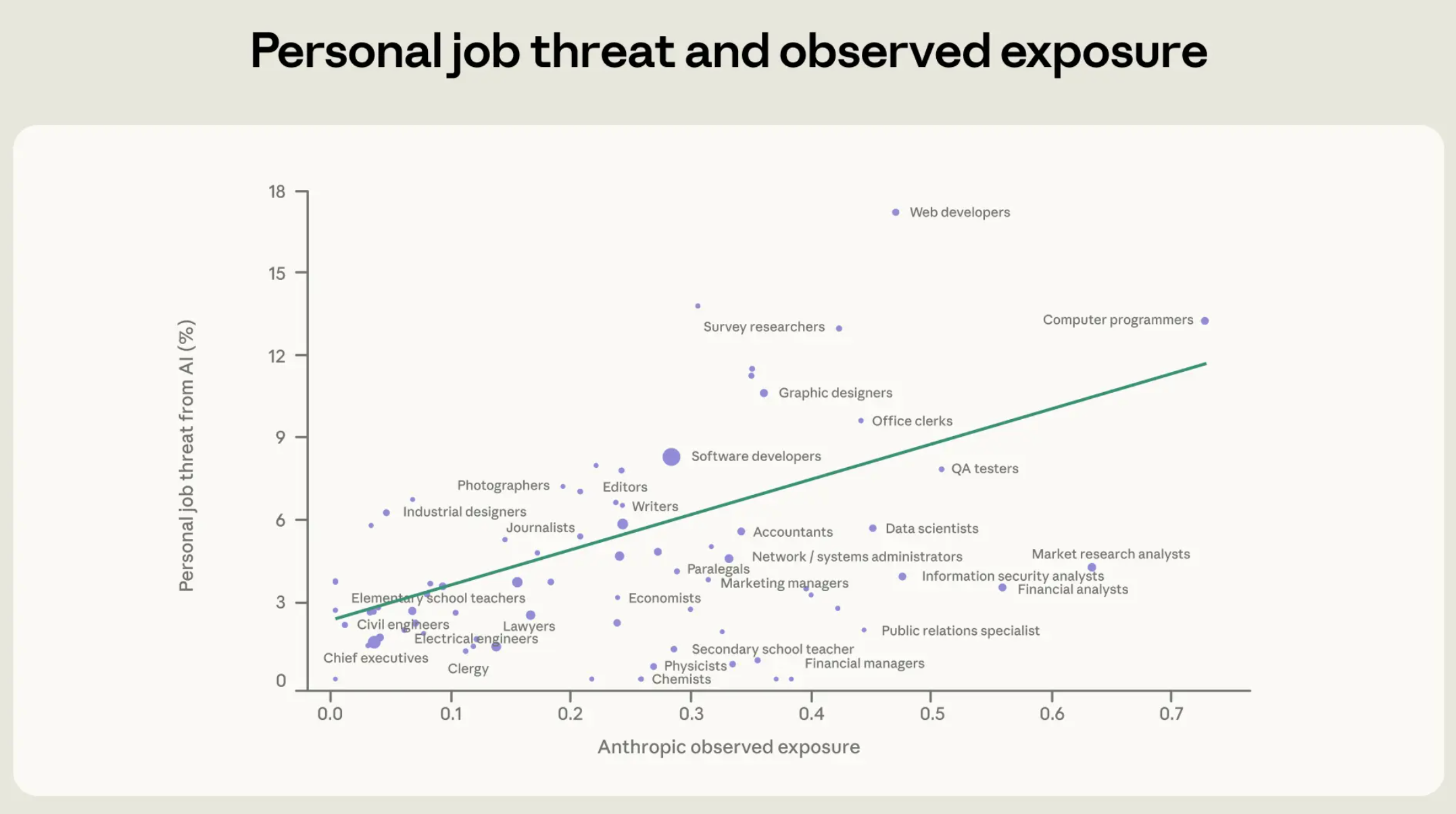
Figure 1: Job Threat from AI vs. Observed Exposure

Younger People Are More Anxious

Career stage is a key variable influencing anxiety. In previous research, we have already observed signs of a slowdown in hiring for new graduates and early-career professionals in the US.

In this survey, we also found: Early-career professionals are far more panicked about unemployment than their senior counterparts.
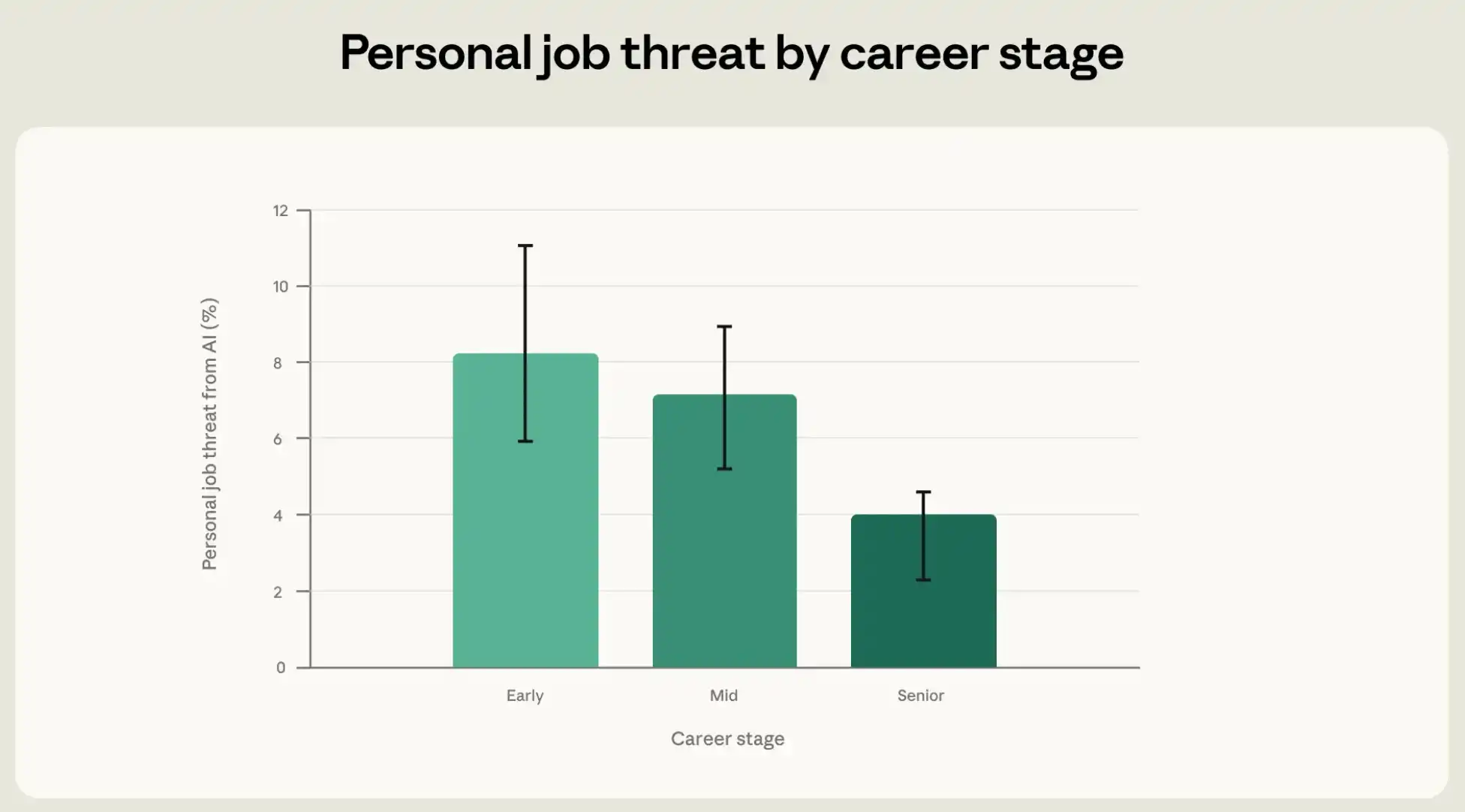
Figure 2: Unemployment Concern by Career Stage

Who is Benefiting from AI?

Most People Feel a Productivity Boost

We used Claude to score the degree of self-reported productivity improvement among respondents on a scale from 1 to 7: 1 represents "decreased efficiency," 2 represents "no change," and each subsequent level represents greater improvement.

  • A typical 7-point response: "Building a website used to take months, now it's done in 4 or 5 days";

  • A 5-point response: "Something that might have taken four hours can now be done in half an hour";

  • A 2-point response: "AI helped me fix a piece of code, but it took several tries to get the desired result."

The final average score was 5.1, meaning "significantly more efficient."

Of course, these respondents are active Claude users who were willing to take the survey, so they are more likely than the average user to perceive productivity gains. About 3% reported negative or neutral impacts, and another 42% did not explicitly mention productivity changes.

High Earners Benefit the Most

This result shows some divergence along income lines.

The left side of Figure 3 shows that high-paying professions (like software developers) gained the largest productivity boosts. This trend holds even when excluding computer and math-related occupations.

For tasks requiring higher education levels, Claude tends to shorten the time needed to complete them more substantially (compared to not using AI).

But one detail is worth noting: The benefit for low-wage positions is also not insignificant. A customer service representative uses AI to quickly generate responses, saving a lot of time; a delivery person is using Claude to start an e-commerce business; a gardener is developing a music app. AI is opening doors for less educated, lower-income people that were previously inaccessible.
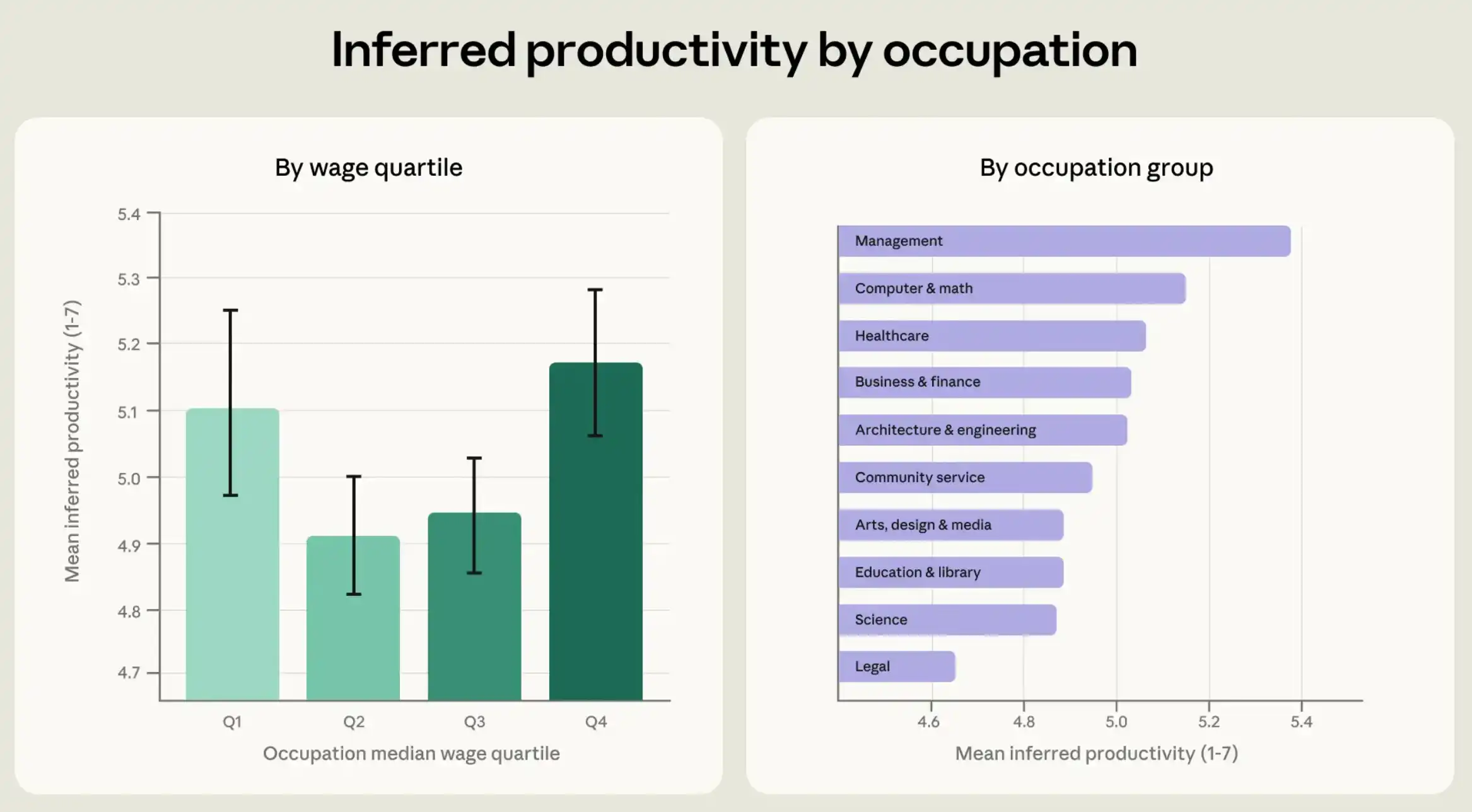
Figure 3: Productivity Improvement by Occupation (Inferred)

We break down this result more finely on the right side of Figure 3.

Management occupations rank highest; these respondents are mostly entrepreneurs using Claude to start businesses. Next are computer and math occupations, including software developers. The two groups with the most modest productivity improvements are research and legal professionals.

Some lawyers expressed concern about AI's ability to accurately follow complex instructions: "I've given very specific rules, including content placement, how to interpret legal documents, the operations I want it to perform... but it goes off track every time."

Where Do the Gains Flow?

As AI diffuses through the economic system, a key question is: Where do these gains ultimately flow—to the workers themselves, managers, consumers, or companies?

Overall, most people believe the benefits go to themselves: tasks are completed faster, they can do more things, and they gain more discretionary time.

However, 10% of respondents still felt this dividend was "harvested" by employers or clients: needing to deliver more output in the same amount of time. A small fraction also mentioned that AI companies would benefit.

This difference also relates to career stage: only 60% of early-career professionals believe they are beneficiaries of the AI dividend, compared to 80% among senior professionals.
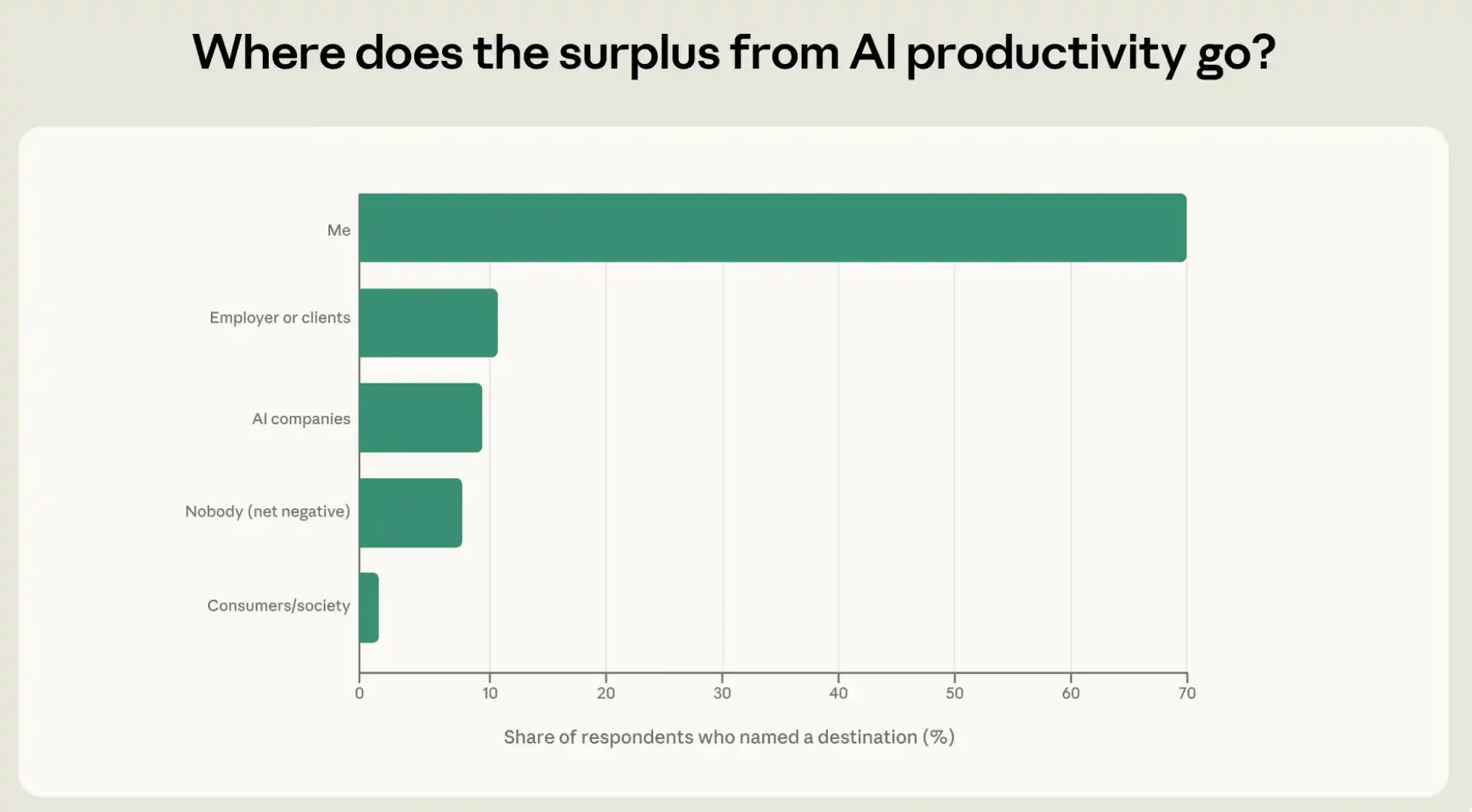
Figure 4: Where Does the AI Productivity Dividend Flow?

Where is Efficiency Improvement Manifested?

"I'm Doing Things I Couldn't Do Before"

Respondents shared in which aspects they felt productivity improvements. We break this down into four dimensions: work scope, speed, quality, and cost.

Analysis found that among all respondents who explicitly mentioned productivity changes, the most common improvement came from "expansion of work scope," accounting for 48%; while 40% emphasized speed improvements.

For example, many using AI for programming said: "I wasn't a technical person before, but now I can do full-stack development." This falls under scope expansion—AI unlocked new capabilities for them.

Others achieved speed-ups on existing tasks, like an accountant who said: "I built a tool that can complete financing tasks in 15 minutes that used to take 2 hours."

Quality improvements often manifest in more comprehensive and detailed checks on code, contracts, and various documents. A small portion of respondents also mentioned AI's low-cost advantage.
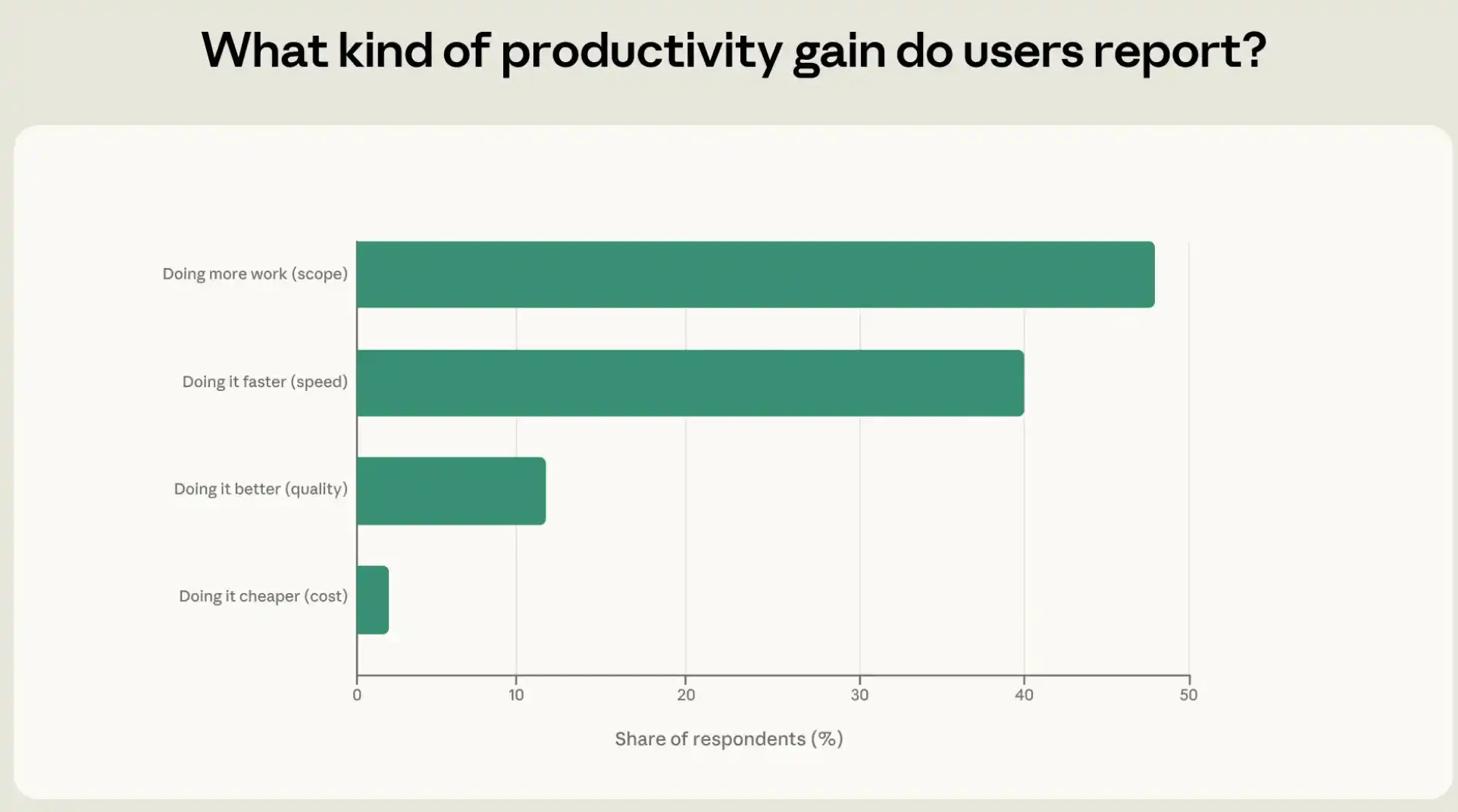
Figure 5: Types of Productivity Improvements Reported by Users

The Faster the Speed, The Greater the Fear of Unemployment

The study found a U-shaped relationship between AI's improvement in work speed and perceived job threat (see Figure 6).

  • Low-Speed Group (Slower): Mainly creative workers (e.g., writers, artists) who feel AI's rigidity limits creative flow, yet worry that the flood of low-quality AI content will squeeze their living space.

  • High-Speed Group (Extreme Speed Boost): When task completion time shrinks from hours to minutes, users develop a strong sense of insecurity—if work becomes so easy, what is the long-term value of "my" existence?
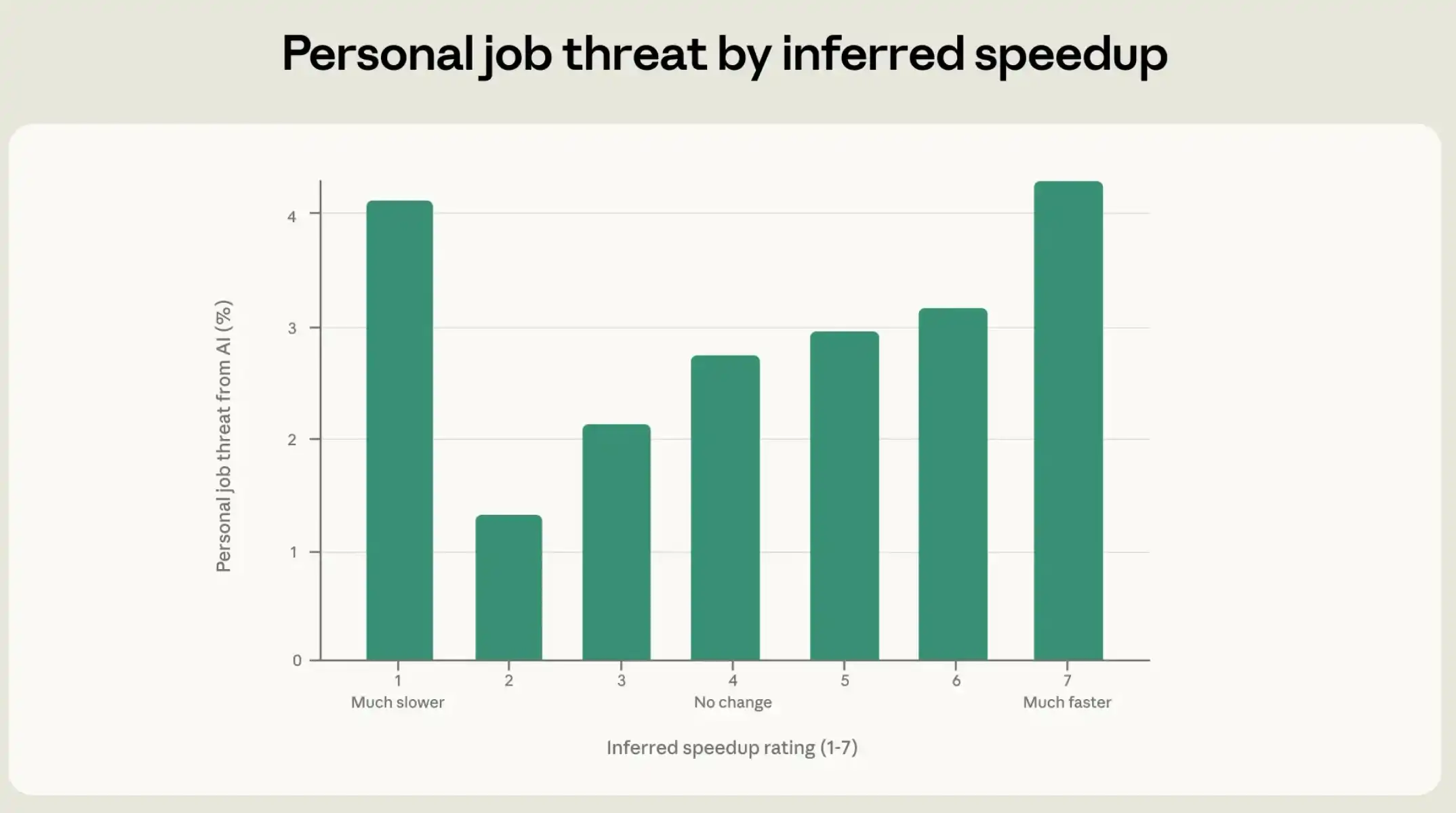
Figure 6: Relationship Between Job Threat from AI and Speed Change

Conclusion: What Can We Read From This?

People's Perceptions Highly Align with Data

Data shows that people's perceptions are consistent with actual usage data: the more tasks Claude can undertake, the more people worry about AI's impact.

Additionally, higher economic anxiety among early-career populations aligns with existing research findings.

AI is Empowering, But Anxiety is Also Real

Meanwhile, the survey also presents the other side of the coin: AI is genuinely expanding people's capabilities.

Although high-income earners are most positive about productivity gains from AI, low-wage positions and those with lower education levels also report significant efficiency improvements. Most respondents believe Claude enhances their capabilities by expanding work scope or increasing execution speed.

But this does not dissolve the anxiety. Those who benefit the most are often also the most uneasy—because they understand better than anyone else what AI can do.

Limitations and Outlook

It must be noted that our analysis has some important limitations:

Respondents are all active Claude users, making them more likely to perceive personal benefits from AI; information like occupation and career stage is inferred from open-ended responses, with some margin of error; also, the survey uses open-ended questions, so results depend on what respondents "happened to voluntarily mention."

Nevertheless, the economic anxiety mentioned by 80,508 Claude users in the report is itself a signal that cannot be ignored.


Trending Cryptos

Related Questions

QWhat is the main finding of the Anthropic survey regarding AI and job security?

AThe main finding is that about 20% of the 81,000 surveyed Claude users expressed concern about economic displacement due to AI. The anxiety is strongest among professionals in fields where AI is most actively used, particularly those early in their careers.

QWhich professional groups reported the greatest productivity gains from using AI according to the report?

AThe report found that high-income professionals, such as software developers and managers, reported the greatest productivity gains. However, low-income and low-education individuals also reported significant benefits, as AI enabled them to perform tasks previously out of reach.

QHow did the 'speed of task completion' relate to users' perception of job threat?

AThe relationship was U-shaped. Users who reported a very high speed increase (e.g., tasks reduced from hours to minutes) felt the strongest job insecurity. Some creative professionals who felt AI slowed their workflow also expressed anxiety about being displaced by lower-quality AI content.

QWhat was the most common way in which users experienced productivity improvements from AI?

AThe most common form of productivity improvement was an expansion of 'work scope' (48% of respondents who mentioned changes), meaning AI allowed them to do things they couldn't do before. Speed improvements were the second most common (40%).

QWho do most users believe benefits from the productivity gains provided by AI tools like Claude?

AMost users believe the primary benefits accrue to themselves, through faster task completion, expanded capabilities, and more free time. However, 10% feel the gains are captured by their employers or clients, who expect more output in the same time.

Related Reads

Base Under Pressure

**Title: The Pressure Mounts for Base** Base, the Ethereum Layer 2 scaling solution backed by Coinbase, is facing significant pressure and public scrutiny from its leadership following the launch of Robinhood Chain. Base co-founder Jesse Pollak recently acknowledged strategic missteps, admitting that the chain's past focus on social and creator tokens (e.g., through Farcaster, Zora) failed to deliver sustainable adoption. He has refocused on core infrastructure, handing leadership of the Base App back to Coinbase's Cobie. While Base remains a top L2 contender alongside OP Mainnet and Arbitrum, and boasts the highest TVL (nearly $12B), its weaknesses are being highlighted by the new competitor. Key criticisms include its slow progress on decentralization. Base has faced issues with its single sequencer causing block production halts, and L2BEAT is reportedly considering downgrading its decentralization rating from Stage 1 to Stage 0. This contrasts sharply with the rapid initial success of Robinhood Chain, whose DEX quickly entered the top five by volume. The leadership styles of the parent companies are also being compared: Robinhood's CEO actively engages with new projects, while a recent incident where Coinbase's Brian Armstrong briefly changed his profile picture—sparking and then crashing a related meme token—drew community ire and mockery. Pollak stated Base is working with Coinbase on tokenized stocks backed 1:1 by real equity, differentiating it from Robinhood's derivatives model. However, the article argues that Base's most urgent task is to address its long-standing technical and trust issues. With more traditional finance players likely to emulate Robinhood's path, Base must use this competitive pressure to solidify its position as long-term financial infrastructure.

Foresight News16m ago

Base Under Pressure

Foresight News16m ago

White House Concession Removes Ethical Hurdle, Clarity Act Races Against Final Window Before Recess?

On July 21st, industry sources reported that the Trump administration has agreed to include an ethics provision in the "Clarity Act" (Digital Asset Market Clarity Act of 2025). This concession addresses the long-standing conflict-of-interest concerns regarding government officials and the crypto industry, potentially removing the final major obstacle to the bill's progress. Additionally, Patrick Witt, the executive director of the White House's Digital Asset Advisory Committee, confirmed he will remain in his role to help finalize the bill, alleviating previous concerns about his potential departure. The Clarity Act aims to establish a unified federal regulatory framework for the U.S. digital asset market. Its core objective is to resolve regulatory ambiguity by defining different types of digital assets (digital commodities, investment contract assets, and permitted payment stablecoins) and clarifying the respective oversight roles of the SEC and CFTC. This would end the long-running jurisdictional dispute between the two agencies and provide clearer compliance paths for the industry. With the ethics issue moving toward resolution, the most urgent challenge now is time. The U.S. Congress is set to begin its August recess in mid-August, leaving only a few working weeks to finalize the text and advance the bill through the Senate. Industry advocates, like the Blockchain Association's Kristin Smith, stress that this is a critical moment. If negotiations conclude successfully in the coming weeks, the Clarity Act could pass a key hurdle before the recess; otherwise, it may face significant delays. If enacted, the Clarity Act could mark a historic turning point in crypto regulation. By providing a clearer and more predictable legal framework, it aims to reduce uncertainty for businesses, developers, and traditional financial institutions looking to enter the digital asset space, potentially setting a global benchmark for market structure regulation.

Odaily星球日报21m ago

White House Concession Removes Ethical Hurdle, Clarity Act Races Against Final Window Before Recess?

Odaily星球日报21m ago

AI Era, Industrial Revolution, and Future Civilization Interview — Zhang Dingwen: The Future Does Not Belong to Chasers

"AI Era, Industrial Revolution and Future Civilization: An Interview with Zhang Dingwen – The Future Does Not Belong to Those Who Chase" In this interview, entrepreneur Zhang Dingwen reflects on his entrepreneurial journey and philosophy, moving beyond discussions of financing or success to emphasize understanding the "era" itself. He argues that true entrepreneurs should not chase short-term trends ("winds"), but position themselves in the direction of long-term technological and societal evolution. Zhang shares key lessons from his early days, including the realization that user value does not automatically translate to commercial value. For him, the core of entrepreneurship is not building a company but constantly upgrading one's own "cognition" – the ability to interpret information, ask the right questions, and understand the underlying "causes" behind business outcomes, not just the effects. His thinking has evolved from a focus on creating good products to a strategic focus on building "entrances" – platforms that naturally connect users to digital services. He sees smart wearables, like watches, not merely as hardware but as potential future gateways combining technological, financial, social, and even fashion attributes to create sustained user relationships and ecosystems. Ultimately, Zhang's vision transcends individual products or companies. He discusses business competition in three stages: product, platform, and finally, "civilization" – where the greatest companies influence how society operates by defining new rules and ways of life. He believes the mission of a truly great enterprise is to solve problems of its time, build enduring trust, and contribute lasting value, leaving behind not just wealth but a positive impact on how the world works. The future, he concludes, belongs not to the fastest, but to those with the correct long-term direction and a commitment to continuous learning and evolution.

marsbit32m ago

AI Era, Industrial Revolution, and Future Civilization Interview — Zhang Dingwen: The Future Does Not Belong to Chasers

marsbit32m ago

Cryptocurrency & Stock Market Barometer丨Strategy Cash Reserves Increase to $3.23 Billion, Halting BTC Purchases; Vanguard and Other Asset Managers Increase Holdings in Strategy Stock (July 21)

Market Overview & Warnings: The article warns of high volatility in South Korean stocks and continued dependence on U.S. stocks on geopolitics. Chinese A-shares remain under pressure. It advises against using leverage in current equity markets. For crypto-linked stocks, most have limited growth except Robinhood, with caution advised. U.S. Stock Market: Bearish bets on U.S. stocks, particularly targeting AI-related companies, have reached record highs since 2010, signaling deep skepticism about the sustainability of the AI-driven rally. Tech and chip stocks led a market decline, with the Philadelphia Semiconductor Index potentially entering a bear market. Increased expectations for Federal Reserve interest rate hikes and geopolitical tensions contributed to the negative sentiment. Bitcoin Treasury Company Updates: * Strategy: Increased its cash reserves to $3.23 billion and paused Bitcoin purchases. Several major asset managers, including Vanguard Group and Capital Group, increased their holdings of Strategy (MSTR) stock. * Global corporate Bitcoin buying slowed significantly to just $1.33 million last week. * Other notable activity: Strive purchased 21 BTC; ORANGE JUICE raised $40 million for Bitcoin acquisitions; Bitcoin Japan Corp. raised $60 million, allocating $4.08 million for its first BTC purchase. Other Crypto Treasury Holdings: * Ethereum: BitMine increased its ETH holdings to 5.78 million, nearing its 5% of supply goal. Its total crypto assets, cash, and securities are valued at $11.5 billion. * Solana: No significant corporate treasury activity reported. * Altcoins: HypeStrat made no adjustments to its treasury; its mNAV ratio fell to a long-term low. (Note: This summary is for informational purposes only and does not constitute investment advice.)

marsbit33m ago

Cryptocurrency & Stock Market Barometer丨Strategy Cash Reserves Increase to $3.23 Billion, Halting BTC Purchases; Vanguard and Other Asset Managers Increase Holdings in Strategy Stock (July 21)

marsbit33m ago

Trading

Spot

Hot Articles

Discussions

Welcome to the HTX Community. Here, you can stay informed about the latest platform developments and gain access to professional market insights. Users' opinions on the price of AI (AI) are presented below.

活动图片