Surprise Lasted Only Hours! Apple AI for China Version Suddenly Launched and Then Withdrawn, No Official Release Plan Yet

marsbitPublished on 2026-03-31Last updated on 2026-03-31

Abstract

Apple Intelligence, Apple's generative AI service, experienced an unexpected and brief beta launch for the Chinese market in the early hours of March 31, 2026. The service, which included a new Siri interface and features like photo object removal, AI-generated emojis, real-time translation, and visual intelligence tools, became active on some devices running iOS 26.4 or later. However, many users reported unstable activation and issues with key functions, particularly the GPT extension plugin. According to Bloomberg's Mark Gurman, this activation was unplanned. He reported that while the technology had been ready for months, Apple had not yet received final approval from Chinese regulators and had no official release plan for the region. The launch was deemed an accident, inconsistent with Apple’s typical product rollout strategy for a major market like China. A key piece of evidence was the inclusion of a Google reverse image search feature, which is inaccessible within the country. Apple has since taken the service offline, with users no longer able to download it from their settings. The incident highlights the significant compliance challenges and technical complexities global tech companies face when deploying AI services in China.

At 3:31 AM Beijing time on March 31, 2026, the beta version of Apple's generative AI service, Apple Intelligence, was activated in batches on some devices that had been upgraded to iOS 26.4 or above in China. Although this feature brought a brand-new Siri interface and covered core collaboration tools such as photo erasure, smart emoji, real-time translation, and visual intelligence, a large number of users reported that the activation process was unstable, and the critical GPT extension plugin could not function properly.
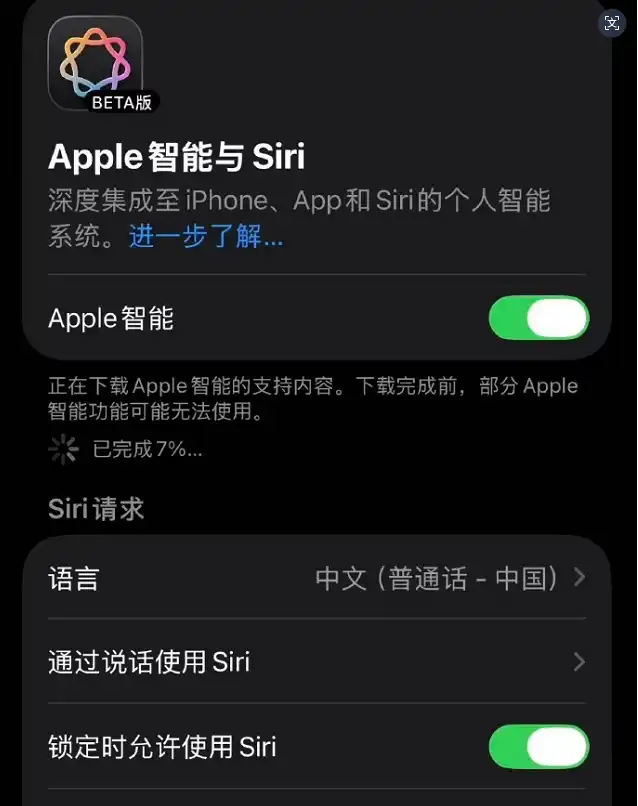
However, this highly anticipated launch was subsequently suggested to possibly be an "accident." According to veteran Bloomberg reporter Mark Gurman's latest report, the activation of Apple Intelligence in China was an unplanned and accidental launch. Gurman pointed out that although the relevant features have been technically ready for months, Apple has not yet obtained final approval from Chinese regulatory authorities, and there is currently no clear near-term release schedule. This incident is also unrelated to the ongoing iOS 26.5 testing cycle.
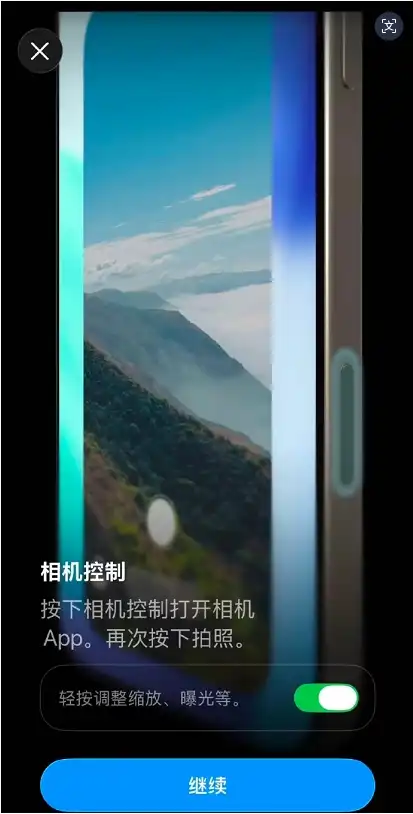
Signs supporting the "accident theory" are quite evident: First, Apple rarely releases major features in a strategic market like China without an official announcement; second, a launch in the early morning does not align with its usual product release rhythm; the most critical evidence is that the Google Reverse Image Search function included in this test version cannot connect properly within China.

Currently, Apple has taken emergency measures to take it offline. Many users have reported that after clicking download in the "Apple Intelligence and Siri" settings, the progress bar no longer appears. This incident once again highlights the compliance challenges and technical adaptation complexities faced by top-tier terminal manufacturers when deploying AI services in China.


Trending Cryptos

Related Questions

QWhat is the name of Apple's generative AI service mentioned in the article, and what was the issue with its release in China?

AThe service is called 'Apple Intelligence'. The issue was that its beta version was unexpectedly and non-programmatically activated for some users in China, only to be taken down hours later as it was not yet approved by Chinese regulators.

QAccording to Bloomberg's Mark Gurman, why was the activation of Apple Intelligence in China considered an 'accidental launch'?

AMark Gurman stated that the activation was a 'non-planned, accidental launch' because although the feature was technically ready, Apple had not yet obtained final approval from Chinese regulators and had no clear near-term release plan.

QWhat were some of the key features of the Apple Intelligence beta that became available?

AThe key features included a new Siri interface, photo object removal, smart emoji creation, real-time translation, and visual intelligence tools.

QWhat specific technical issue did users encounter with the beta version, indicating it was not fully functional in China?

AA critical issue was that the GPT extension plugin could not be used normally, and the Google reverse image search feature included in the beta could not connect properly within China.

QWhat action did Apple take after the accidental launch was identified?

AApple urgently took the service offline. Many reported that the download progress bar would no longer appear when attempting to access the 'Apple Intelligence and Siri' settings.

Related Reads

In Jinjiang, Fujian, a Storage Super Unicorn Lies Quiet

In Fujian's Jinjiang, a city known for sportswear, lies a quiet semiconductor giant: Fujian Jinhua Integrated Circuit Co. (JHICC). Once a promising domestic DRAM manufacturer alongside Yangtze Memory and ChangXin Memory Technologies (CXMT), its journey was derailed in 2018 when the U.S. placed it on an Entity List and filed criminal charges for alleged trade secret theft. This halted production for years. A turning point came in February 2024 when a U.S. federal court found JHICC not guilty. However, it had lost crucial time. While CXMT soared to become a top-valued A-share company in 2024, JHICC, with an estimated valuation of 80 billion RMB, was just restarting. Its current output is primarily customized DDR4 chips, not the advanced DDR5/HBM demanded for AI, but it still benefits from the broader memory chip upcycle. JHICC's story is tied to Chen Zhengkun, a veteran engineer who left Micron to lead the venture. Founded in 2016 with state-backed funding, JHICC partnered with Taiwan's UMC to develop DRAM technology. Rapid progress was cut short by the U.S. actions, which Micron initiated, partly due to its heavy reliance on the Chinese market. Post-sanctions, Chen's team worked to rebuild the production line with reduced reliance on U.S. technology. According to its records, JHICC achieved small-scale production and revenue growth under immense pressure. It now focuses on the stable "niche" DRAM market (e.g., TVs, routers) with a monthly capacity of ~40,000 wafers, aiming for 60,000 by 2026. It holds over 1,000 patents but remains on the Entity List. For Jinjiang, investing in JHICC was a bold industrial leap. The local government provided unwavering financial and logistical support during the crisis, helping the company survive. JHICC has become the anchor for a growing local semiconductor cluster. Though its scale lags behind domestic peers, JHICC's persistence symbolizes a hard-won foothold in a global market long dominated by Samsung, SK Hynix, and Micron. Having missed one boom, it seeks a place in the new AI-driven memory supercycle.

marsbit1h ago

In Jinjiang, Fujian, a Storage Super Unicorn Lies Quiet

marsbit1h ago

Trading

Spot

Hot Articles

Discussions

Welcome to the HTX Community. Here, you can stay informed about the latest platform developments and gain access to professional market insights. Users' opinions on the price of AI (AI) are presented below.

活动图片














