Surprise Lasted Only Hours! Apple AI for China Version Suddenly Launched and Then Withdrawn, No Official Release Plan Yet

marsbitPublished on 2026-03-31Last updated on 2026-03-31

Abstract

Apple Intelligence, Apple's generative AI service, experienced an unexpected and brief beta launch for the Chinese market in the early hours of March 31, 2026. The service, which included a new Siri interface and features like photo object removal, AI-generated emojis, real-time translation, and visual intelligence tools, became active on some devices running iOS 26.4 or later. However, many users reported unstable activation and issues with key functions, particularly the GPT extension plugin. According to Bloomberg's Mark Gurman, this activation was unplanned. He reported that while the technology had been ready for months, Apple had not yet received final approval from Chinese regulators and had no official release plan for the region. The launch was deemed an accident, inconsistent with Apple’s typical product rollout strategy for a major market like China. A key piece of evidence was the inclusion of a Google reverse image search feature, which is inaccessible within the country. Apple has since taken the service offline, with users no longer able to download it from their settings. The incident highlights the significant compliance challenges and technical complexities global tech companies face when deploying AI services in China.

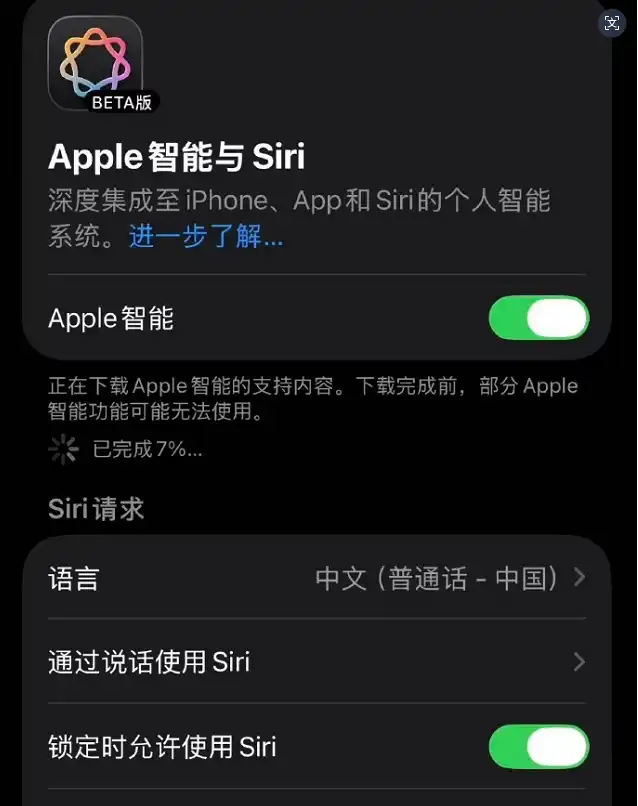
At 3:31 AM Beijing time on March 31, 2026, the beta version of Apple's generative AI service, Apple Intelligence, was activated in batches on some devices that had been upgraded to iOS 26.4 or above in China. Although this feature brought a brand-new Siri interface and covered core collaboration tools such as photo erasure, smart emoji, real-time translation, and visual intelligence, a large number of users reported that the activation process was unstable, and the critical GPT extension plugin could not function properly.
However, this highly anticipated launch was subsequently suggested to possibly be an "accident." According to veteran Bloomberg reporter Mark Gurman's latest report, the activation of Apple Intelligence in China was an unplanned and accidental launch. Gurman pointed out that although the relevant features have been technically ready for months, Apple has not yet obtained final approval from Chinese regulatory authorities, and there is currently no clear near-term release schedule. This incident is also unrelated to the ongoing iOS 26.5 testing cycle.
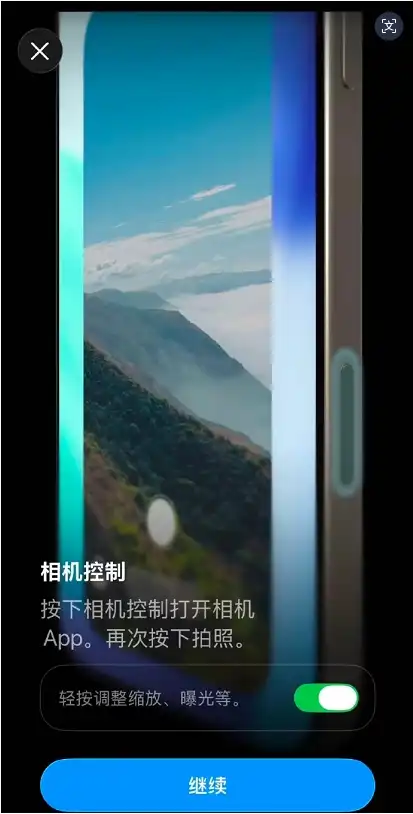
Signs supporting the "accident theory" are quite evident: First, Apple rarely releases major features in a strategic market like China without an official announcement; second, a launch in the early morning does not align with its usual product release rhythm; the most critical evidence is that the Google Reverse Image Search function included in this test version cannot connect properly within China.

Currently, Apple has taken emergency measures to take it offline. Many users have reported that after clicking download in the "Apple Intelligence and Siri" settings, the progress bar no longer appears. This incident once again highlights the compliance challenges and technical adaptation complexities faced by top-tier terminal manufacturers when deploying AI services in China.


Trending Cryptos

Related Questions

QWhat is the name of Apple's generative AI service mentioned in the article, and what was the issue with its release in China?

AThe service is called 'Apple Intelligence'. The issue was that its beta version was unexpectedly and non-programmatically activated for some users in China, only to be taken down hours later as it was not yet approved by Chinese regulators.

QAccording to Bloomberg's Mark Gurman, why was the activation of Apple Intelligence in China considered an 'accidental launch'?

AMark Gurman stated that the activation was a 'non-planned, accidental launch' because although the feature was technically ready, Apple had not yet obtained final approval from Chinese regulators and had no clear near-term release plan.

QWhat were some of the key features of the Apple Intelligence beta that became available?

AThe key features included a new Siri interface, photo object removal, smart emoji creation, real-time translation, and visual intelligence tools.

QWhat specific technical issue did users encounter with the beta version, indicating it was not fully functional in China?

AA critical issue was that the GPT extension plugin could not be used normally, and the Google reverse image search feature included in the beta could not connect properly within China.

QWhat action did Apple take after the accidental launch was identified?

AApple urgently took the service offline. Many reported that the download progress bar would no longer appear when attempting to access the 'Apple Intelligence and Siri' settings.

Related Reads

Bitcoin Withdrawals Continue: 8 Years of Storage in a Coldcard Cold Wallet Ended in Zero

Coldcard Hardware Wallet Hacked: Losses Mount Due to Vulnerable Seed Generation A critical vulnerability in Coldcard hardware wallets has led to a continued wave of fund thefts. According to Galaxy Research, the total stolen has reached 1,367.05 BTC (approx. $88.6 million) from 4,585 addresses, a significant increase from the initial 594.5 BTC reported on July 30, 2026. Most of the stolen funds remain on the attackers' addresses. The issue is not with the current firmware, which Coinkite has updated, but with seed phrases generated on vulnerable devices between March 2021 and the release of fixed firmware versions. Due to a programmer error, devices switched from using a hardware random number generator to the software-based Yasmarang generator, which was initialized with publicly accessible data like the chip's serial number. This made the seed phrases predictable through offline brute-force attacks, meaning wallets remain at risk until funds are moved to a new wallet generated with the patched firmware. Affected devices include Mk2/Mk3 with firmware 4.0.1–4.1.9 (and up to 5.0.3), Mk4/Mk5 up to version 5.6.0, and Q models up to 1.5.0Q. The only exceptions are seeds created with a high-entropy method like at least 50 independent dice rolls or a strong unique BIP-39 passphrase. All other owners must generate a new seed on the fixed firmware and transfer their assets. A case highlighting the human impact involves a 39-year-old long-term investor who lost 2 BTC (approx. $130,000) in minutes. He had accumulated the Bitcoin over eight years through physical labor, viewing it as a financial lifeline and a retirement plan in a country suffering from hyperinflation. His story underscores that even conservative "buy and hold in cold storage" strategies can be compromised by such underlying technical flaws. From a technical perspective, this incident echoes historical failures where weak random number generators undermined cryptographic security, challenging the assumption that offline storage is automatically foolproof.

cryptonews.ru5h ago

Bitcoin Withdrawals Continue: 8 Years of Storage in a Coldcard Cold Wallet Ended in Zero

cryptonews.ru5h ago

Trading

Spot

Hot Articles

Discussions

Welcome to the HTX Community. Here, you can stay informed about the latest platform developments and gain access to professional market insights. Users' opinions on the price of AI (AI) are presented below.

活动图片














