Inside Bonzo Lend’s $9M exploit – Why secure smart contracts couldn’t stop it

ambcryptoPublished on 2026-07-12Last updated on 2026-07-12

Abstract

Bonzo Lend, a lending protocol on the Hedera network, suffered a $9.05 million exploit due to a flaw in the external Supra oracle system. The attacker manipulated SAUCE token price feeds, enabling them to borrow assets far exceeding their collateral. Audits confirmed the protocol's own smart contracts and the Hedera core network were secure; the failure originated in the trusted oracle infrastructure. This incident highlights a recurring DeFi risk where correct protocol logic can still be weaponized via compromised external data. The attack impacted market sentiment, causing a drop in HBAR's price and Hedera's DeFi TVL, underscoring the need for stronger oracle safeguards and verification standards.

Bonzo Lend, a non-custodial lending and borrowing protocol built on the Hedera [HBAR] network, was recently exploited. The exploit happened after an oracle exploit enabled the attacker to borrow assets exceeding the posted collateral. As a result, Bonzo Lend suffered losses of $9.05 million.

Preliminary findings linked the breach to a flaw in Supra’s signature verification, enabling manipulation of SAUCE price feeds. The attacker then secured undercollateralized loans before the protocol halted activity.
Source: Hedera on X

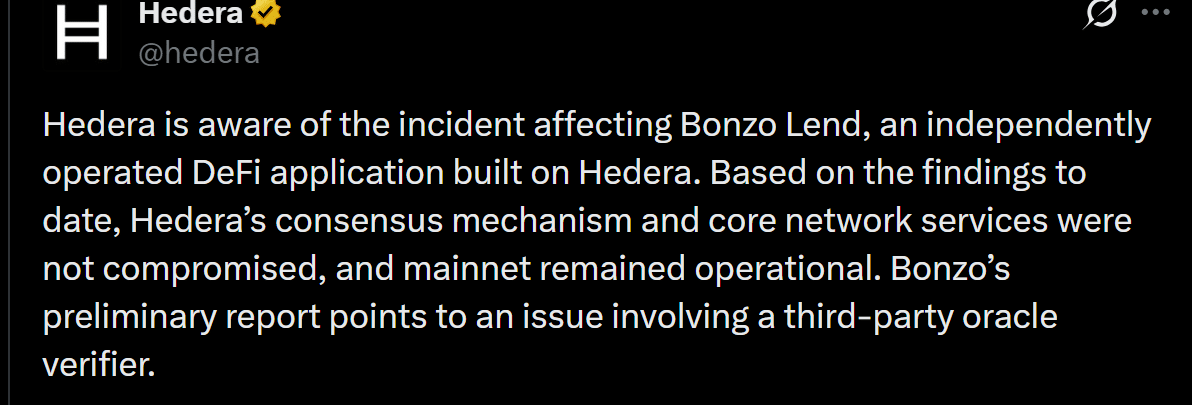
In a post on X, Hedera confirmed Bonzo Lend’s smart contracts and Hedera’s core network were not compromised. That discovery narrowed the failure to external oracle infrastructure rather than blockchain security.

Meanwhile, the exploit quickly spilled into market sentiment. At press time, HBAR fell to about $0.068, while Hedera’s DeFi TVL plunged 21.43% to $25.4 million. This drawdown reflected capital withdrawals despite the network itself remaining uncompromised.
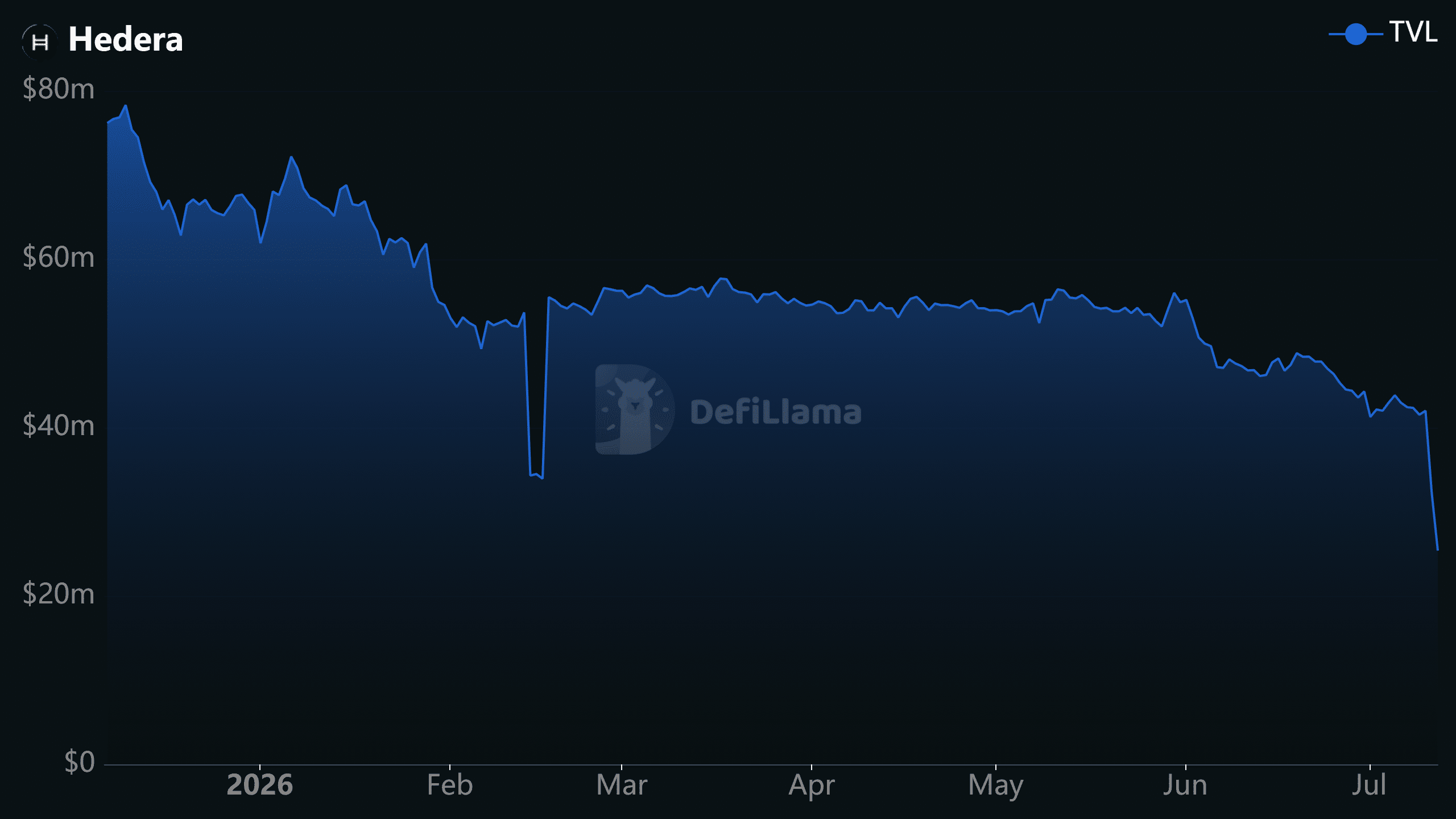
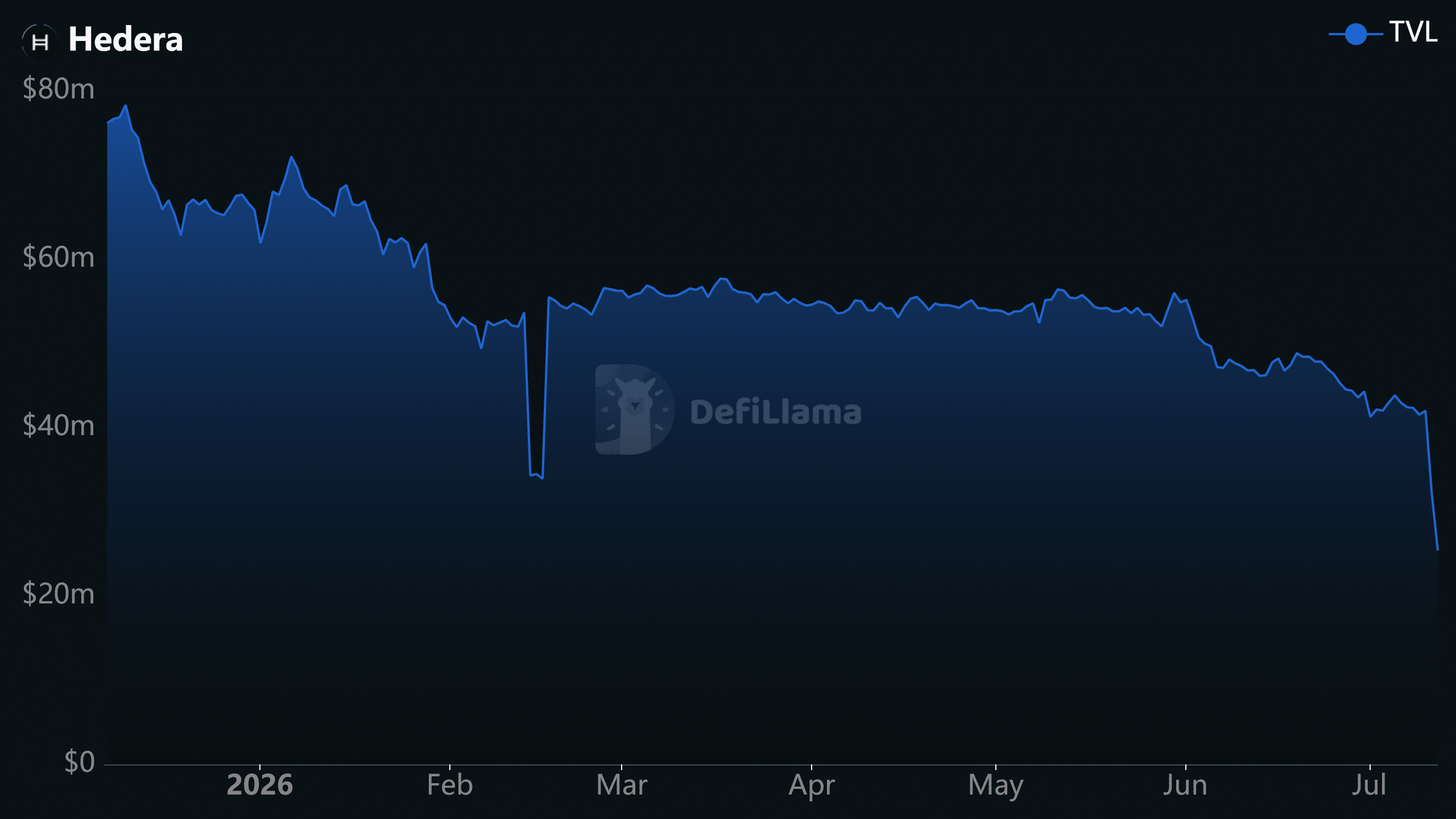
Source: DeFILlama

Nevertheless, the exploit exposed the growing importance of resilient price oracles. As recovery efforts continue, stronger oracle safeguards and verification standards will likely become essential for protecting DeFi lending protocols.

Oracle flaw exposes DeFi risk

The audit of Bonzo Lend’s smart contracts determined that there were no issues related to it. Still, it also identified how the attack was successful. Although the protocol had read a manipulated SAUCE price to calculate collateral exactly as defined by the protocol, it had done so precisely as designed.

Auditors eliminated flash loans and market manipulation based upon their observations of SAUCE trading volumes having peaked at only a couple of thousand dollars.

Instead of using those methods, the attacker exploited the protocol’s reliance on trusted oracle inputs. Although the code executes flawlessly, attackers can still weaponize protocol rules against users and protocol owners. That pattern reflects a recurring DeFi risk where the rules themselves become weaponized despite flawless code execution. Such protocol logic exploits remain a recurring category in DefiLlama’s hacks database.

Therefore, such a recurring pattern is driving protocols to adopt economic simulations, formal verification, and bug bounties, in addition to traditional smart contract audits.


Final Summary

  • Hedera oracle exploit exposed critical risks in trusted price feeds.
  • HBAR showed correct protocol logic can still enable multimillion-dollar exploits.

Trending Cryptos

Related Questions

QWhat was the primary cause of the $9.05 million exploit on Bonzo Lend?

AThe primary cause was a flaw in Supra's signature verification, which enabled manipulation of the SAUCE price feeds from the oracle. This allowed the attacker to borrow assets exceeding the value of their posted collateral.

QAccording to Hedera, were the Bonzo Lend smart contracts or the Hedera network itself compromised in the attack?

ANo, Hedera confirmed that Bonzo Lend's smart contracts and the Hedera core network were not compromised. The failure was isolated to external oracle infrastructure.

QHow did the attack affect Hedera's market metrics following the exploit?

AFollowing the exploit, HBAR's price fell to about $0.068, and Hedera's total value locked (TVL) in DeFi plunged by 21.43% to $25.4 million, reflecting capital withdrawals.

QWhy were methods like flash loans or market manipulation ruled out as the attack vector by auditors?

AAuditors ruled out flash loans and market manipulation because they observed that SAUCE trading volumes had peaked at only a couple of thousand dollars, which was insufficient for such methods.

QWhat recurring DeFi risk does the Bonzo Lend exploit exemplify, according to the article?

AIt exemplifies the recurring risk where protocol rules themselves can be weaponized by attackers, despite the smart contract code executing flawlessly. This highlights vulnerabilities in trusted oracle inputs and protocol logic.

Related Reads

Miners' Sales and Expensive Oil: Experts Name the Causes of Crypto Market Stagnation

"Sales of Miners and Expensive Oil: Experts Name Reasons for Crypto Market Stagnation" The crypto market currently lacks sufficient internal drivers for growth, and escalating tensions around the Strait of Hormuz could further worsen prospects for crypto assets, according to analysts at Wintermute. Key pressures include a significant $390 million net outflow from US spot Bitcoin ETFs from August 10-14, suggesting recent demand was speculative. While some altcoin ETFs saw inflows, Bitcoin's inability to rally on positive news indicates sellers have returned. Another factor is selling pressure from miners, exemplified by Riot Platforms selling 4,300 BTC last quarter while its mining costs exceeded Bitcoin's market price. With a record hash rate, many miners face unprofitable conditions, potentially forcing further sell-offs from their reserves. The primary external risk is macroeconomics, particularly rising energy prices. Brent crude surged nearly 8% due to the Strait of Hormuz situation, threatening to boost US inflation and potentially delay Federal Reserve rate cuts. Wintermute maintains a neutral stance, noting market positions are moderate, but requires stabilization in ETF flows or sustained capital return for a more positive outlook. Upcoming Fed minutes, PMI data, and the Jackson Hole symposium are key events, while the Strait of Hormuz remains a major external risk.

cryptonews.ru1h ago

Miners' Sales and Expensive Oil: Experts Name the Causes of Crypto Market Stagnation

cryptonews.ru1h ago

Trading

Spot

Hot Articles

How to Buy T

Welcome to HTX.com! We've made purchasing Threshold Network Token (T) simple and convenient. Follow our step-by-step guide to embark on your crypto journey.Step 1: Create Your HTX AccountUse your email or phone number to sign up for a free account on HTX. Experience a hassle-free registration journey and unlock all features.Get My AccountStep 2: Go to Buy Crypto and Choose Your Payment MethodCredit/Debit Card: Use your Visa or Mastercard to buy Threshold Network Token (T) instantly.Balance: Use funds from your HTX account balance to trade seamlessly.Third Parties: We've added popular payment methods such as Google Pay and Apple Pay to enhance convenience.P2P: Trade directly with other users on HTX.Over-the-Counter (OTC): We offer tailor-made services and competitive exchange rates for traders.Step 3: Store Your Threshold Network Token (T)After purchasing your Threshold Network Token (T), store it in your HTX account. Alternatively, you can send it elsewhere via blockchain transfer or use it to trade other cryptocurrencies.Step 4: Trade Threshold Network Token (T)Easily trade Threshold Network Token (T) on HTX's spot market. Simply access your account, select your trading pair, execute your trades, and monitor in real-time. We offer a user-friendly experience for both beginners and seasoned traders.

13.0k Total ViewsPublished 2024.03.29Updated 2026.06.02

How to Buy T

Discussions

Welcome to the HTX Community. Here, you can stay informed about the latest platform developments and gain access to professional market insights. Users' opinions on the price of T (T) are presented below.

活动图片