Unicorn Shanghai Senilai 100 Miliar Yuan Akan IPO

marsbitPublished on 2026-08-22Last updated on 2026-08-22

Abstract

**Perusahaan Unicorn Perangkat Semikonduktor Mobil Shanghai dengan Nilai Miliaran RMB Akan Melakukan IPO** Perusahaan unikorn perangkat semikonduktor radar milimeter (MMIC) otomotif China, Calterah (Garuda Microelectronics), telah secara resmi mengajukan dokumen penawaran umum perdana (IPO) ke Papan STAR Bursa Saham Shanghai, dengan rencana mengumpulkan dana sebesar 3,489 miliar yuan. Didirikan pada tahun 2014 oleh Dr. Chen Jiashu, lulusan UC Berkeley, Calterah mengadopsi jalur teknologi CMOS yang inovatif untuk mematahkan monopoli lama raksasa internasional di industri chip radar milimeter kelas otomotif. Perusahaan ini mencapai tonggak sejarah dengan memproduksi chip transceiver 77GHz pertama yang sepenuhnya terintegrasi di dunia pada tahun 2015, dan chip RF front-end 77GHz kelas otomotif pertama di dunia pada tahun 2017. Hingga tahun 2025, Calterah menguasai 31,1% pangsa pasar chip radar milimeter otomotif di China (peringkat kedua di dalam negeri, keempat di dunia), dengan total pengiriman melebihi 30 juta unit. Pelanggannya mencakup lebih dari 30 pabrikan mobil, termasuk BYD, Geely, Changan, NIO, serta perusahaan Tier-1 global dan merek mobil Eropa seperti Volvo. Perusahaan telah menyelesaikan 11 putaran pendanaan, menarik investor ternama seperti China Integrated Circuit Industry Investment Fund Phase II (CIIF), China International Capital Corporation (CICC), Walden International, Noah Holdings, GAC Capital, dan Pudong Venture Capital. Nilai perusahaan diperkirakan ...

Kembali ada unicorn chip kelas otomotif yang mengetuk pintu pasar saham A.

Baru-baru ini, Calterah Microelectronics (Shanghai) Co., Ltd. (selanjutnya disebut "Calterah") secara resmi mengajukan prospektus ke SSE STAR Market. Perusahaan chip radar milimeter kelas otomotif yang berasal dari laboratorium Berkeley ini akan segera memasuki pasar modal, berencana mengumpulkan dana sebesar 3,489 miliar yuan.

Sebagai perusahaan percontohan substitusi impor, Calterah berhasil memecah monopoli raksasa internasional yang berlangsung puluhan tahun dengan jalur teknologi CMOS. Pangsa pasar chip radar milimeter otomotif domestik pada tahun 2025 mencapai 31,1%, menempati posisi kedua di dalam negeri dan keempat di dunia; total pengiriman telah melebihi 30 juta unit, dengan klien termasuk BYD, Geely, NIO, dan Volvo.

Didirikan dua belas tahun lalu, perusahaan juga telah menyelesaikan 11 putaran pendanaan secara intensif. China Integrated Circuit Industry Investment Fund Phase II, Walden International, Gopher Asset, GAC Capital, Pudong Venture Capital, Silergy, Zhangjiang Hi-Tech, dan Greater Bay Area Science and Technology Innovation Fund semuanya masuk, mendorong valuasi perusahaan melampaui 10 miliar yuan.

Mentor dan Murid Berkeley "Bertaruh" dengan Benar

Kisah Calterah dimulai pada tahun 2014.

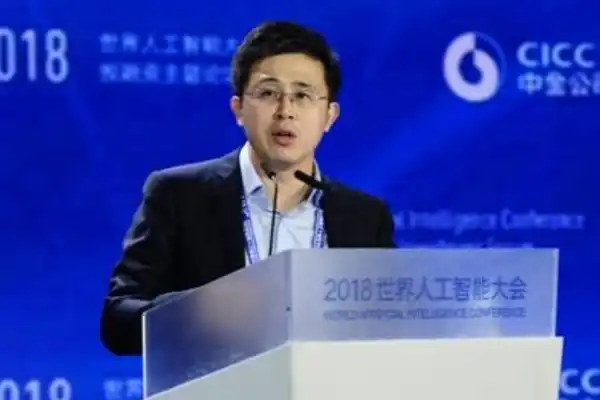
Setelah meraih gelar doktor di bidang Teknik Elektro dari University of California, Berkeley, Chen Jiashu yang berusia 30 tahun memutuskan untuk kembali ke China dan memulai usaha di Shanghai, dengan fokus pada radar milimeter. Selama di Amerika Serikat, Chen Jiashu pernah memimpin tim untuk mengembangkan chip SoC WiGig 60GHz CMOS pertama di dunia, memenangkan Fulbright Science and Technology Award yang diberikan oleh Departemen Luar Negeri AS, dan menjadi satu-satunya siswa berkewarganegaraan China di antara 27 penerima penghargaan tahun itu.

Saat itu, industri otomotif China sedang berada di ambang ledakan kecerdasan, namun komponen inti chip radar milimeter sepenuhnya dikuasai oleh raksasa internasional seperti Texas Instruments, NXP, dan Infineon, dengan tingkat lokalisasi mendekati nol.

Dia juga mengajak mentornya — Profesor Ali Niknejad, Direktur Berkeley Wireless Research Center (BWRC) — untuk bersama-sama memulai bisnis. Perusahaan dinamai "Calterah", dengan "CAL" sebagai penghormatan kepada Berkeley, dan "TERAH" berasal dari Terahertz.

Pasangan mentor dan murid ini memilih jalan yang berbeda dari arus utama. Praktik umum industri adalah menggunakan teknologi GaAs atau SiGe untuk skema perakitan multi-chip, yang stabil kinerjanya tetapi biayanya tinggi dan tingkat integrasinya rendah. Calterah dari awal mempertaruhkan proses CMOS, karena biayanya rendah dan tingkat integrasinya tinggi, meskipun kinerjanya di frekuensi tinggi selalu dipertanyakan apakah memenuhi standar otomotif.

Banyak orang mengira, apakah doktor-doktor dari Berkeley terlalu idealis. Namun kenyataannya membuktikan, taruhannya tepat.

Pada 2015, hanya setahun setelah berdiri, Calterah melakukan tape-out untuk chip transceiver radar 77GHz tunggal pertama di dunia yang terintegrasi penuh. Pada 2017, chip front-end RF radar milimeter 77GHz proses CMOS kelas otomotif pertama di dunia, Yosemite, diproduksi massal, membuka celah pertama untuk chip radar milimeter buatan lokal. Pada 2019, mereka memasukkan antena ke dalam kemasan dan meluncurkan chip SoC radar milimeter 77/60GHz AiP, sehingga ambang batas desain modul radar semakin rendah. Pada 2024, mereka meluncurkan platform Kunlun yang terutama berbasis rantai pasokan domestik.

Kekuatan sebenarnya dari jalur CMOS terletak pada biaya. Modul radar yang dibuat dengan skema GaAs tradisional harganya bisa mencapai ratusan dolar AS, hanya terjangkau oleh mobil mewah kelas satu juta. Skema chip tunggal CMOS memotong biaya hingga beberapa kali lipat, membuat radar milimeter yang awalnya eksklusif untuk mobil mewah menjadi standar untuk mobil keluarga seharga 100.000 yuan. Dengan kata lain, Calterah tidak hanya melakukan substitusi impor, tetapi juga memperbesar kue pasar secara keseluruhan.

Hingga 2025, pangsa pasar domestik Calterah mencapai 31,1%, keempat di dunia, dengan total pengiriman melebihi 30 juta unit, bekerja sama dengan lebih dari 30 pabrikan mobil, mencakup lebih dari 300 model. Daftar klien domestiknya panjang: BYD, Geely, Changan, Chery, NIO, Leapmotor. Menariknya, mereka juga berhasil masuk ke Eropa, menjadi pemasok chip radar milimeter domestik pertama untuk platform global dua Tier1 terkemuka, dengan produk masuk ke model Volvo dan Rivian. Sebelumnya, hampir tidak terbayangkan chip otomotif domestik masuk ke rantai pasokan depan pabrikan mobil luar negeri.

Valuasi 10 Miliar Yuan Setelah 11 Putaran Pendanaan

Sejak berdiri, Calterah telah menyelesaikan total 11 putaran pendanaan, dengan susunan investor yang mewah. Hampir semua institusi terkenal di bidang chip tercantum dalam daftar pemegang saham: China Integrated Circuit Industry Investment Fund Phase II, CICC Capital, Walden International, Gopher Asset, GAC Capital, Pudong Venture Capital, Silergy, Zhangjiang Hi-Tech, Greater Bay Area Science and Technology Innovation Fund.

Yang paling awal masuk adalah Silergy, berinvestasi pada putaran angel pada November 2015. Saat itu, Calterah baru menyelesaikan tape-out chip 77GHz pertamanya, dengan modal disetor perusahaan hanya 50.000 yuan. Hingga tanggal penandatanganan prospektus, Silergy tetap menjadi pemegang saham penting. Dari modal disetor 50.000 yuan hingga valuasi 10 miliar yuan, dua belas tahun perjalanan merupakan jalan panjang modal.

Setelah itu, ritme pendanaan semakin cepat dari tahun ke tahun:

Putaran A tahun 2017, FreeS Fund dan Zhongguancun Xingye Investment masuk;

Pada 2019 menyelesaikan pendanaan Putaran B, diikuti oleh CICC Capital, Shaanxi Hongchuang, China Renaissance, CMIIC Fund, Gaolishengzhu, dll.;

Putaran strategis Juli 2020, Shangqi Capital, GAC Capital, Nest.Bio Ventures masuk;

Putaran C September 2021 dipimpin oleh SDIC Unity Capital, dengan partisipasi Langmafeng Venture Capital, BOCOM International, China Renaissance New Economy Fund, dengan jumlah mencapai ratusan juta yuan;

Putaran C+ Januari 2022, Fosun Capital, China Merchants Capital, Gopher Asset, Inno Harbor Capital, Juntong Capital terus menambah investasi.

Putaran D Juli 2024 dipimpin oleh China Integrated Circuit Industry Investment Fund Phase II, dengan partisipasi Guoxin Capital, Fuchuang Investment, SDIC Unity Capital, Walden International, dll., dengan jumlah ratusan juta yuan.

Ritme pendanaan selama periode pelaporan sangat padat.

Dalam peningkatan modal Januari 2025, China Integrated Circuit Industry Investment Fund Phase II menyetor 50 juta yuan, Shanghai Guoxin 49 juta yuan, Advanced Manufacturing Phase II 30 juta yuan, Innovation Chuangke 20 juta yuan, Hong Kong Ziteng 1 juta dolar AS, total menyuntikkan sekitar 179 juta yuan. Putaran E1 September 2025, Leading Area Fund, Zhangke Yaokun, Ruishi Phase IX, Greater Bay Area Fund, dll. bersama-sama menyetor 208 juta yuan. Putaran E2 2026, Huaxin Dingxin secara eksklusif berinvestasi 300 juta yuan, CCTV Media Convergence, Ruishi Phase VII, Guofengtou Xinzhi masing-masing menyetor 100 juta yuan, satu putaran mengumpulkan sekitar 955 juta yuan. Tiga putaran total sekitar 1,34 miliar yuan.

Di antaranya, dalam Putaran E2, Huaxin Dingxin memperoleh 3,63% saham dengan 300 juta yuan, diperkirakan valuasi sekitar 8,26 miliar yuan. Sedangkan IPO ini berencana mengumpulkan 3,489 miliar yuan dengan penerbitan minimal 25% saham, berdasarkan perhitungan ini valuasi penerbitan sekitar 14 miliar yuan. Artinya, institusi yang masuk di Putaran E2 kurang dari setahun, keuntungan kertas telah mencapai 70%.

Sejalan dengan transfusi pendanaan yang padat, terdapat juga banyak transfer saham lama.

Antara September 2025 dan Maret 2026, termasuk Leading Area Fund, Huaxin Dingxin, CCTV Media Convergence, dan 23 pemegang saham baru lainnya secara kolektif masuk melalui peningkatan modal atau menerima transfer saham lama. Harga masuk melalui peningkatan modal adalah 292,25 yuan per saham, sedangkan harga transfer saham lama bervariasi antara 176,99 yuan per saham hingga 287,93 yuan per saham.

Chen Jiashu sendiri secara langsung memegang 12,1376% saham, dan melalui Nanchang Xichuang mengontrol secara tidak langsung 20,8730%, total mengendalikan 33,0106% hak suara, menjadi pengendali sesungguhnya. Perusahaan tidak memiliki pemegang saham tunggal di atas 30%. Kepemilikan saham yang sangat tersebar tidak jarang terjadi di perusahaan chip STAR Market. Selain itu, China Integrated Circuit Industry Investment Fund Phase II memegang 0,6266%, proporsinya tidak tinggi. Namun, dukungan dari tim nasional memiliki makna simbolis yang jauh lebih besar daripada makna finansial.

Belum Untung, Semua Dibakar untuk R&D

Dilihat dari data, momentum pertumbuhan Calterah memang sangat cepat.

Dari 2023 hingga 2025, pendapatan operasional meningkat dari 206 juta yuan menjadi 303 juta yuan, kemudian menjadi 632 juta yuan, dengan tingkat pertumbuhan majemuk selama tiga tahun sebesar 75,28%. Pada 2025 saja meningkat lebih dari dua kali lipat, dengan peningkatan tahunan sebesar 108,44%. Pendapatan kuartal pertama 2026 sebesar 154 juta yuan, dengan chip milimeter otomotif menyumbang lebih dari 99% pendapatan.

Namun sisi B dari pertumbuhan tinggi ini adalah kehilangan darah yang terus-menerus.

Dari 2023 hingga 2025, laba bersih yang diatribusikan kepada pemilik perusahaan masing-masing rugi 323 juta yuan, 334 juta yuan, dan 193 juta yuan; kuartal pertama 2026 rugi lagi 60,28 juta yuan. Tiga setengah tahun terakumulasi kerugian lebih dari 900 juta yuan. Hingga akhir Maret 2026, akumulasi kerugian yang belum ditutupi sebesar 172 juta yuan.

Uang ini semuanya dihabiskan untuk penelitian dan pengembangan (R&D).

Di industri chip otomotif ini, siklus R&D panjang, standar validasi ketat, masuk rantai pasokan pabrikan mobil bisa memakan waktu tiga hingga empat tahun, membakar uang adalah hal biasa. Selama periode pelaporan, akumulasi pengeluaran R&D Calterah melebihi 1,039 miliar yuan. Biaya R&D tahun 2023 sebesar 304 juta yuan, 1,5 kali lipat pendapatan tahun itu. Hingga 2025 rasio ini turun menjadi 58,55%, tetap tinggi. Hingga Maret 2026, perusahaan memiliki 275 personel R&D, mewakili 65,63% dari total karyawan, yang berarti dua pertiga orang di perusahaan bergerak di bidang R&D. Pengeluaran R&D yang lama melebihi pendapatan, kerugian sementara hampir tak terelakkan.

Namun margin laba kotor tidak rendah. Margin laba kotor usaha utama masing-masing periode pelaporan adalah 47,80%, 43,81%, 47,25% dan 48,97%, secara konsisten lebih tinggi dari rata-rata rekanan domestik. Artinya, produk itu sendiri menguntungkan, hanya saja uang yang dihasilkan semuanya dibakar untuk R&D.

Secara objektif, kerugian perusahaan saat ini menyempit. Kerugian 2025 sebesar 193 juta yuan, menyempit 42% dibandingkan 334 juta yuan pada 2024. Arus kas operasi juga membaik dari -249 juta yuan pada 2024 menjadi -18 juta yuan pada 2025, mendekati seimbang. Titik balik profitabilitas tampaknya semakin dekat.

Namun apakah titik balik ini benar-benar datang, tergantung pada dua variabel.

Variabel pertama adalah klien. Proporsi pendapatan dari lima klien terbesar masing-masing periode pelaporan sangat tinggi, yaitu 99,77%, 99,07%, 99,90% dan 99,97%. Pada 2025, proporsi pendapatan dari klien terminal terbesar BYD melebihi 50%. Prospektus mengakui bahwa sejak 2026, dipengaruhi oleh strategi diversifikasi rantai pasokan seperti masuknya pemasok kedua oleh pabrikan mobil hilir, pendapatan dari klien tersebut telah menunjukkan tanda-tanda tekanan berkelanjutan. Ini mungkin berarti BYD mulai membandingkan beberapa pemasok. Siklus masuk klien baru chip otomotif memakan waktu tiga hingga empat tahun, sekali klien inti mengurangi pembelian, pendapatan mungkin menyusut drastis.

Variabel kedua adalah rantai pasokan. Proporsi pembelian dari lima pemasok terbesar meningkat dari 54,50% pada 2023 menjadi 80,16% pada kuartal pertama 2026, dengan proporsi pembelian dari satu pemasok besar meningkat dari 37,20% menjadi 58,68%. Proporsi pembelian luar negeri setiap periode di atas 50%, alat EDA dan sebagian IP antarmuka juga bergantung pada pemasok luar negeri.

Konsentrasi klien dan konsentrasi rantai pasokan, keduanya memiliki risiko. Ini juga alasan mengapa Calterah harus IPO, mereka membutuhkan dana yang cukup untuk memperluas produksi, mengembangkan klien, dan mengurangi ketergantungan.

Artikel ini berasal dari akun WeChat publik "Dongsi Shitiao Capital" (ID: DsstCapital), penulis: Li Man

Trending Cryptos

Related Questions

QSiapa pendiri Calterah (Perusahaan Unicorn yang akan IPO) dan di mana perusahaan tersebut didirikan?

ACalterah didirikan oleh Chen Jiashu, yang mendapatkan gelar PhD dalam Teknik Elektro dari UC Berkeley, dan didirikan di Shanghai pada tahun 2014.

QApa teknologi kunci yang membuat chip radar milimeter Calterah berbeda dari kompetitor dan apa manfaat utamanya?

ATeknologi kuncinya adalah penggunaan proses CMOS, berbeda dengan proses arsenida galium (GaAs) atau silikon-germanium (SiGe) yang umum digunakan. Keuntungan utamanya adalah biaya produksi yang jauh lebih rendah dan tingkat integrasi yang lebih tinggi, sehingga membuat modul radar menjadi lebih terjangkau untuk mobil keluarga.

QBagaimana performa keuangan Calterah (pertumbuhan pendapatan dan profitabilitas) dalam beberapa tahun terakhir?

APendapatan Calterah tumbuh pesat dari 206 juta yuan (2023) menjadi 632 juta yuan (2025), dengan CAGR 75.28%. Namun, perusahaan masih mengalami kerugian bersih kumulatif lebih dari 900 juta yuan dalam tiga setengah tahun terakhir (hingga Q1 2026), terutama karena tingginya belanja penelitian dan pengembangan (R&D).

QSiapa saja investor utama yang mendukung Calterah selama 11 putaran pendanaannya?

AInvestor utamanya meliputi National Integrated Circuit Industry Investment Fund Phase II (Big Fund II), China International Capital Corporation Limited (CICC Capital), Walden International, Gopher Asset, GAC Capital, Pudong Innovation Investment, Silergy, Zhangjiang High-tech, dan Greater Bay Area Science and Technology Innovation Fund.

QApa saja tantangan atau risiko utama yang dihadapi Calterah yang disebutkan dalam artikel?

ADua risiko utama adalah: 1) Konsentrasi pelanggan yang tinggi (pendapatan dari 5 pelanggan teratas >99%, dengan BYD sebagai klien terbesar >50%), yang berisiko jika ada pengurangan pesanan. 2) Ketergantungan pada rantai pasok yang terkonsentrasi dan pemasok luar negeri untuk alat EDA dan IP tertentu, sehingga rentan terhadap gangguan pasokan.

Related Reads

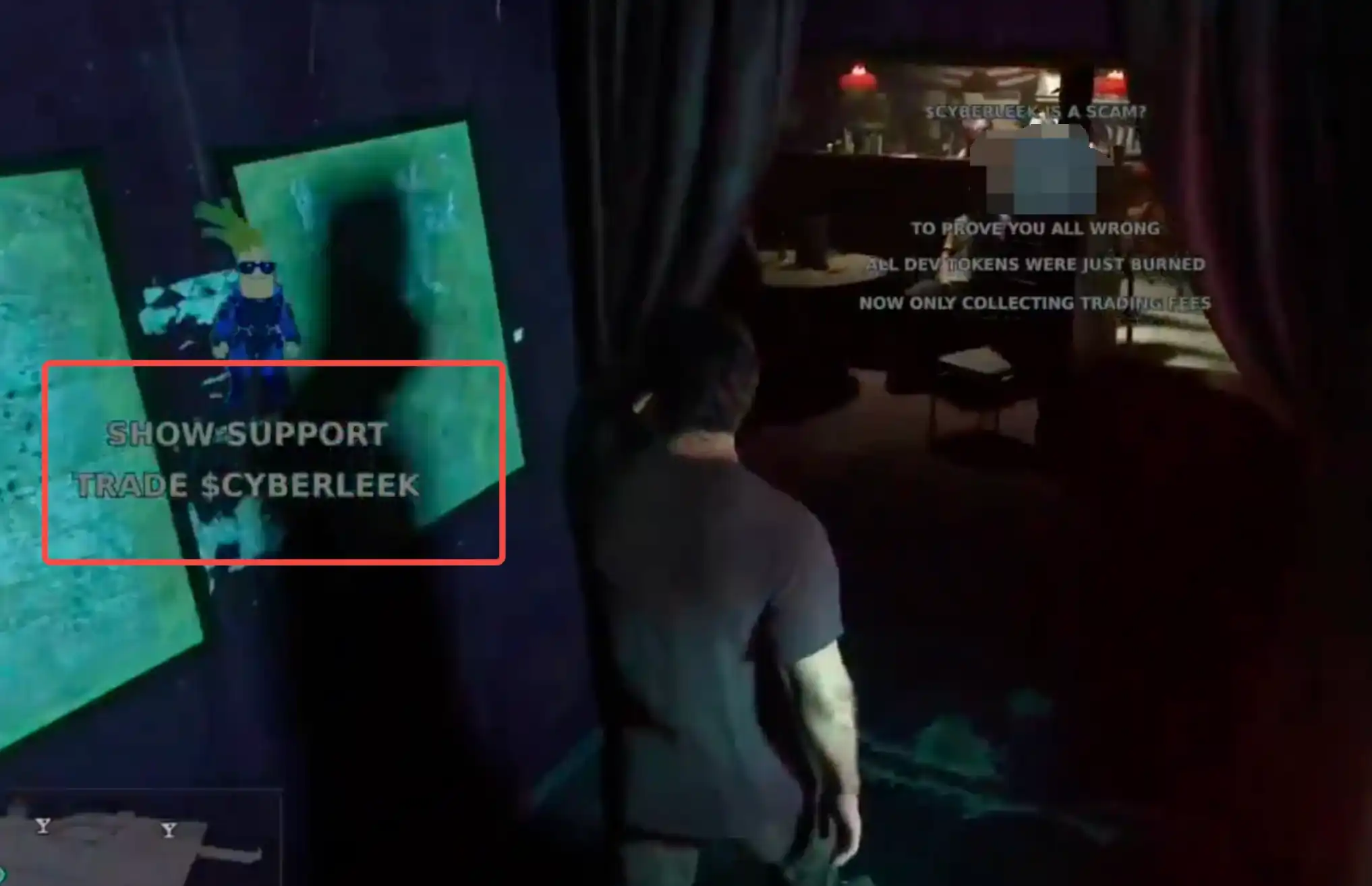
Hacker Leaks GTA6 and Launches a Token: Leaked Videos Become Ad Space for $CYBERLEEK, Must Buy Tokens to Vote for Next Clip

A hacker group called "CyberLeek" has leaked gameplay footage of the highly anticipated video game *GTA 6*, which is slated for release in 2026. Simultaneously, the group launched a meme token, $CYBERLEEK, on Solana. The leaks, which include maps and gameplay clips, are heavily watermarked with advertisements urging viewers to buy the token. Investigations of blockchain data reveal that the token was created and funded from a single wallet approximately eight hours before the first leak was released, suggesting a coordinated plan. The group has implemented a voting system where token holders can "vote" for the next type of content to be leaked by sending $CYBERLEEK tokens to a designated wallet—a process that permanently transfers the tokens to the hackers. This creates a self-sustaining cycle where interest in the leaks drives token purchases. Financially, the operation involved minimal upfront costs (less than $3,500 in out-of-pocket expenses) but generated significant revenue. On its first day, the token saw $15 million in trading volume, netting the creators an estimated $30,000 from transaction fees alone. While the group later burned a large portion of its developer-held tokens (worth over $1 million) to build trust, the fee-generating mechanism remains intact. The game's publisher, Take-Two Interactive, has initiated legal proceedings to identify the hackers. Despite this, the case demonstrates a new model where leaked intellectual property is used as leverage to promote and profit from a cryptocurrency, with meme token markets serving as an additional revenue stream.

marsbit1h ago

Hacker Leaks GTA6 and Launches a Token: Leaked Videos Become Ad Space for $CYBERLEEK, Must Buy Tokens to Vote for Next Clip

marsbit1h ago

Jensen Huang's Daughter: From Chef to an $8 Million Annual Salary

Madison Huang, daughter of NVIDIA founder Jensen Huang, recently made a rare public appearance in Beijing during the 2026 World Robot Conference. As the Senior Director of Product and Technology Marketing for NVIDIA's Physical AI Platform, with an annual salary of approximately $1.2 million, her visit focused on evaluating leading Chinese robotics companies like UBTech, Unitree, and others. This highlights NVIDIA's strategic interest in the burgeoning Chinese robotics ecosystem, a key battleground for the development of Physical AI—technology that enables machines to understand and interact with the physical world. Huang's career path is unconventional. Initially pursuing her passion, she studied culinary arts, worked as a chef, and later held a marketing role at LVMH. She joined NVIDIA as an intern in 2020 after completing an MBA, quickly rising through the ranks. Her brother, Spencer Huang, followed a similar path, closing a cocktail bar he co-founded to also join NVIDIA, where he now works on robotics software. Jensen Huang has publicly addressed nepotism concerns, humorously noting that some "second-generation" employees outperform their parents. The conference itself underscored China's vibrant robotics sector, marked by Unitree's recent blockbuster IPO and a pipeline of companies preparing to go public. While hardware development and manufacturing are advancing rapidly, industry leaders like Wang Xingxing of Unitree point to the next critical challenge: developing the "brain" or AI that allows robots to perform diverse, unseen tasks based on simple instructions. With massive manufacturing scale and diverse real-world testing scenarios, China is positioned as a central player in the global race to define the future of robotics.

marsbit3h ago

Jensen Huang's Daughter: From Chef to an $8 Million Annual Salary

marsbit3h ago

He Gave Wang Xingxing the First 2 Million, Now Serves as Chairman for the Next 'Unitree'

On August 19, 2024, Unitree Robotics, China's "first humanoid robotics stock," went public. Its founder, Wang Xingxing, started a decade ago with his self-developed XDog. In 2016, at a critical funding juncture, he received his first angel investment of 2 million RMB from Yin Fangming. This bet has since yielded a return of over 140 times. Yin Fangming is more than just a key investor. He was a co-founder of the AI robotics company ROOBO, whose own venture ultimately struggled. This firsthand experience with the hardware challenges in robotics gave him unique insight when backing Unitree, a company renowned for its hardware R&D and cost control. While his own company faltered, Yin continued investing shrewdly. He partially cashed out some Unitree shares early, reinvesting the proceeds into sectors like energy (e.g., solid-state battery firm TaiLan) and commercial aerospace (e.g., small launch vehicle developer XianDeng Aerospace). However, his most significant move after Unitree is his deep involvement with Galaxy General, a leading embodied AI unicorn. In July 2024, Yin stepped from behind the scenes to officially become its Chairman, indicating a role far beyond a typical investor. This comes as Galaxy General is viewed as preparing for future capital moves. Yin's career has consistently been ahead of the curve—from mobile internet to AI and robotics. Known for his foresight and low profile, he declined an interview for this story, offering only a statement encouraging support for visionary entrepreneurs like Wang Xingxing.

marsbit3h ago

He Gave Wang Xingxing the First 2 Million, Now Serves as Chairman for the Next 'Unitree'

marsbit3h ago

Trading

Spot

Hot Articles

What is LINON

Linde plc Tokenized Stock (Ondo): Revolutionizing Traditional Equity Access Through Blockchain Innovation The emergence of Linde plc Tokenized Stock (Ondo), represented by the ticker $LINON, signifies a monumental shift in the fusion of traditional financial structures and decentralized finance (DeFi). This innovative financial instrument showcases the tremendous potential of blockchain technology to democratize access to traditional equity markets while ensuring the security and regulatory compliance necessary for institutional-grade financial products. Through Ondo Finance's pioneering tokenization platform, $LINON provides a seamless pathway for global investors to engage with one of the world's leading industrial gas companies, Linde plc, creating a blockchain-native representation of the underlying equity. Introduction to Linde plc Tokenized Stock The landscape of financial markets is witnessing a groundbreaking transformation through the tokenization of real-world assets. Linde plc Tokenized Stock (Ondo) epitomizes this revolutionary approach by bridging the gap between conventional stock ownership and blockchain-enabled financial infrastructure. The $LINON token allows investors to gain exposure to one of the prominent industrial companies worldwide through decentralized technology. Operating within Ondo Finance's comprehensive ecosystem, $LINON symbolizes a practical application of tokenization technology that enhances accessibility, efficiency, and global connectivity in traditional financial markets. By leveraging blockchain infrastructure, this tokenized stock enables international investors to participate in U.S. equity markets, overcoming traditional barriers associated with cross-border investing. The significance of $LINON goes beyond technological innovation; it represents a fundamental shift in asset structuring, distribution, and trading in the digital age. This tokenized stock maintains all the economic benefits associated with traditional Linde plc shares while offering improved liquidity, programmable compliance features, and seamless integration with decentralized finance protocols. The development of $LINON indicates a growing acceptance of blockchain technology as a viable means for traditional finance, exemplifying how even well-established assets like Linde plc can integrate into blockchain systems. This approach preserves the core attributes that appeal to investors while introducing advanced capabilities that enhance the overall investment proposition. Project Overview and Objectives Linde plc Tokenized Stock (Ondo) encapsulates a strategic effort to democratize access to traditional equity markets through advanced blockchain technologies. The primary objective of $LINON is to provide approved global investors seamless access to the economic exposure associated with Linde plc shares, furthering an effort to create a more inclusive financial ecosystem. Beyond the digital representation of traditional assets, $LINON endeavors to eliminate barriers of geography and time zones that limit investor participation. Its design ensures that blockchain technology can elevate traditional investment vehicles without undermining the security or compliance requirements expected by investors. Key goals of the project include enhanced liquidity provision, programmable compliance mechanisms, and interoperability with other blockchain networks. Each $LINON token is fortified by actual Linde plc securities housed at U.S.-registered broker-dealers, allowing holders to reap economic advantages akin to traditional stockholders, such as dividend reinvestment. Furthermore, $LINON aims to establish new industry standards for institutional-grade tokenized securities, paving the way for traditional assets to embrace blockchain technology while remaining compliant with regulatory frameworks. By associating itself with a company as reputable as Linde plc, the project opens avenues for exploring tokenized equities catering to both conservative institutional players and daring retail investors. Project Creator and Development Team The vision for Linde plc Tokenized Stock (Ondo) comes from Nathan Allman, founder and CEO of Ondo Finance. His background in traditional finance coupled with expertise in blockchain technology positions him uniquely to navigate the complexities of asset tokenization. Allman's academic journey began at Brown University, focusing on Economics and Biology, equipping him with valuable analytical skills. His time at Goldman Sachs in the Digital Assets division strengthened his understanding of the interplay between financial institutions and emerging technologies, laying the groundwork for his later endeavors in alternative investment strategies. Under Allman's guidance, Ondo Finance has emerged as a leader in asset tokenization, launching $LINON as a flagship example of the company's larger mission towards revolutionizing traditional financial systems using blockchain technology. His commitment to leveraging blockchain for creating institutional-grade financial products has shaped the landscape of real-world asset tokenization. Investment and Funding Structure The growth of Ondo Finance, the platform powering Linde plc Tokenized Stock (Ondo), is bolstered by robust financial backing from prestigious venture capital firms and strategic investors. This strong investment foundation underpins the development of the key infrastructure essential for compliant tokenized securities like $LINON. In August 2021, Ondo Finance secured $4 million in seed funding led by a major venture capital firm, which enabled the company to commence platform development and establish the necessary regulatory processes for tokenizing real-world assets. This early investment cemented Ondo Finance's credibility within the industry. The Series A funding round followed, garnering $20 million with participation from renowned firms committed to transformative technology companies. This backing demonstrated substantial institutional confidence in Ondo Finance's vision, allowing it to hone its approach to asset tokenization through mechanisms that ensure compliance and accessibility. Noteworthy contributors, including institutional investors and experienced partners, have added significant value to Ondo Finance’s development efforts. Their involvement underscores the confidence across sectors in Ondo Finance's approach to bridging traditional finance with blockchain innovations. Technical Infrastructure and Innovation The technical architecture that underpins Linde plc Tokenized Stock (Ondo) represents a sophisticated melding of traditional finance systems and cutting-edge blockchain technology. The architecture's foundation is built on the Ethereum network, renowned for its security and programmability—both critical for intricate financial instruments. The $LINON tokenization process comprises creating a blockchain-native representation of Linde plc shares that preserves economic benefits while augmenting investor capabilities. Each token corresponds to actual shares held at U.S.-registered broker-dealers, creating a compliant custody structure that legitimizes the asset's existence and value. Automated compliance systems are integrated into the tokenization process, managing critical components such as know-your-customer (KYC) verification and anti-money laundering (AML) protocols. This incorporation of programmable compliance empowers $LINON to uphold regulatory standards essential for institutional proliferation. Cross-chain interoperability characterizes the advanced technical features of $LINON. While initially deployed on Ethereum, the framework is designed for expansion to other networks such as Solana and BNB Chain. This adaptability enhances liquidity and accessibility, allowing investors to select their preferred blockchain ecosystems. Historical Timeline and Development Crafting the history of Linde plc Tokenized Stock (Ondo) unfolds in parallel with the evolution of Ondo Finance's tokenization platform. The timeline's inception dates back to March 2021 when Nathan Allman laid the foundations for creating institutional-grade financial products on blockchain infrastructure. The initial funding round in August 2021 provided crucial resources for developing the platform and establishing partnerships necessary for effective tokenization. By January 2023, Ondo Finance launched its tokenized treasury products, establishing mechanisms that would facilitate future tokenized equities such as $LINON. A pivotal milestone arose in February 2025 when Ondo Chain—a Layer 1 blockchain designed specifically for asset tokenization—was introduced. This infrastructure enhances capabilities vital for institutional markets, demonstrating Ondo Finance's long-term commitment to tokenization. Subsequently, the launch of Ondo Global Markets in September 2025 marked the official debut of $LINON. This milestone showcased the successful transition from development to active trading, enabling investors around the world to access American financial markets seamlessly. Ongoing development plans include a targeted expansion of available tokenized assets to over 1,000 by the end of 2025, pointing to a bright future for Ondo Finance's ecosystem and its mission to broaden tokenized equity accessibility. Regulatory Compliance and Legal Framework The legal architecture governing Linde plc Tokenized Stock (Ondo) emphasizes a sophisticated approach to regulatory compliance, allowing tokenized securities to be implemented within a blockchain-based framework. The legal structure governing $LINON spans multiple jurisdictions while maintaining a robust legal footing. Compliance systems ensure that only eligible investors can access the token, enforced through automated verification that aligns with international regulations. This innovative regulatory technology promises real-time enforcement of complex requirements, considerably enhancing efficiency in operating within the regulatory landscape. The custody framework undergirding $LINON ensures that the underlying shares are securely held at U.S.-registered broker-dealers, complying with necessary regulations while delivering blockchain-driven access to investors. The token maintains its economic equivalency and security through this carefully structured custody arrangement. KYC and AML compliance systems are embedded within the smart contract architecture, ensuring integrity and adherence to regulatory practices while fostering transparency for investors. The jurisdictional restrictions mark a commitment to navigating the evolving landscape of international securities laws. Market Impact and Industry Significance The advent of Linde plc Tokenized Stock (Ondo) holds profound implications for the broader financial landscape, symbolizing a clear shift towards blockchain-enabled markets. $LINON serves as a proof-of-concept for integrating traditional companies into blockchain ecosystems, showcasing the potential benefits such as broader accessibility and improved efficiency. The market's response to $LINON indicates a growing acceptance of tokenization among institutional investors, contributing to the emergence of an expanding sector wherein traditional assets can be interconnected with blockchain innovations. The success of $LINON further solidifies market confidence, indicating an overarching shift towards recognizing asset tokenization as a transformative force in finance. Future Development and Expansion Plans The future trajectory for Linde plc Tokenized Stock (Ondo) centers around the expansion of the tokenization ecosystem and enhanced infrastructure supporting blockchain-enabled financial services. Plans for cross-chain integration usher in new opportunities for liquidity and flexibility within the investment framework, with existing capabilities poised for continuous enhancement. With the introduction of Ondo Chain, Ondo Finance aims to transition $LINON to an optimized blockchain environment specifically designed for asset tokenization. This new infrastructure heralds exciting prospects for the development of institutional-grade financial products, ensuring ongoing compatibility with contemporary investment strategies. Further integration with decentralized finance protocols signifies a commitment to empowering $LINON holders through advanced financial strategies. The anticipated expansion of available tokenized assets promises to broaden investor access, enhancing the utility and appeal of the platform. In alignment with ambitions for regulatory expansion, ongoing efforts to secure approvals for new jurisdictions will enhance investor access, further positioning $LINON at the forefront of the burgeoning tokenization market. Conclusion Linde plc Tokenized Stock (Ondo), as represented by the $LINON token, stands at the intersection of traditional finance and blockchain innovation. It embodies a transformative milestone in how financial assets are structured, distributed, and engaged within modern investment ecosystems. The technical sophistication behind $LINON, combined with its regulatory compliance framework, illustrates that asset tokenization can improve financial infrastructure rather than simply digitizing existing products. This pioneering effort not only enhances investor access to U.S. equity markets but also signifies an evolution of how traditional financial services can integrate blockchain technology. As the asset tokenization market grows exponentially, with prospects suggesting significant valuation increases, $LINON paves the way for a future where tokenized securities become standard fixtures in the financial landscape. The trajectory of $LINON will undoubtedly influence how traditional finance adapts to a transformed, blockchain-powered world.

4.7k Total ViewsPublished 2025.12.05Updated 2025.12.05

What is LINON

What is CRMON

Salesforce Tokenized Stock (Ondo): Revolutionising Traditional Equity Access Through Blockchain Innovation The emergence of Salesforce Tokenized Stock (CRMON) marks a pivotal advancement in integrating traditional financial markets with blockchain technology. This innovative approach offers investors unprecedented access to equity exposure through tokenisation. Developed by Ondo Finance, CRMON provides tokenholders with economic exposure equivalent to holding Salesforce stock (CRM) while automatically reinvesting dividends. This effectively bridges the gap between conventional equity markets and decentralised finance (DeFi). Introduction and Comprehensive Overview of Salesforce Tokenized Stock In recent years, the financial landscape has dramatically transformed due to blockchain technology, fundamentally altering how investors access and interact with traditional assets. The development of Salesforce Tokenized Stock (CRMON) is a prime example of this evolution, representing a sophisticated fusion of conventional equity markets with cutting-edge distributed ledger technology. CRMON is a tokenised version of Salesforce stock, emerging from the innovative work of Ondo Finance, a leading platform in the real-world asset tokenisation sector that positions itself as a bridge between traditional finance and decentralised systems. Designed to provide tokenholders with economic exposure that mirrors the performance of the underlying Salesforce stock, CRMON incorporates automatic dividend reinvestment mechanisms. This eliminates many traditional barriers associated with international equity investment, such as complex brokerage relationships, currency conversion challenges, and restricted trading hours. The tokenisation process reimagines stock ownership as a blockchain-native asset while maintaining its economic equivalence with the underlying security, offering enhanced portability and integration capabilities within decentralised finance ecosystems. CRMON transcends its individual utility as an investment instrument to represent a fundamental shift in how financial markets can operate in an increasingly digital world. By maintaining full backing through U.S.-registered broker-dealers and implementing robust compliance frameworks, CRMON demonstrates that tokenised securities can achieve the regulatory standards necessary for institutional adoption while delivering the technological advantages of blockchain infrastructure. Understanding Tokenized Real-World Assets and CRMON's Strategic Position Tokenised real-world assets signify one of the most significant innovations in modern finance, fundamentally reimagining how traditional securities are represented, traded, and utilised within digital ecosystems. CRMON operates as a tokenised equity instrument correlating directly with Salesforce stock while optimising accessibility and efficiency. This aligns with Ondo Finance's broader mission to democratise access to institutional-grade financial products through innovative tokenisation strategies. The tokenisation process guarantees complete economic equivalence with the underlying Salesforce equity. Each CRMON token represents a proportional claim on Salesforce stock held by qualified custodians, with dividend payments automatically reinvested to maintain continuous exposure to total return performance. This structure simplifies dividend management and ensures that tokenholders receive the full economic benefit of their equity exposure, encompassing both capital appreciation and income generation. Ondo Finance's strategy in tokenising Salesforce stock demonstrates its expertise in creating compliant, institutional-grade products that meet traditional financial markets' stringent requirements. The platform’s focus on merging regulatory compliance with blockchain benefits positions it at the forefront of decentralised finance, captivating both institutional and retail investors seeking blockchain-native solutions. The Technology and Innovation Framework Behind CRMON The technological infrastructure supporting CRMON integrates blockchain technology with traditional financial mechanisms, delivering institutional-grade security and compliance while maintaining the operational advantages of decentralised systems. Built on the Ethereum blockchain, CRMON utilises robust smart contract capabilities to ensure transparent, secure operations. The smart contract architecture incorporates layered security and compliance mechanisms, enabling automated compliance checks and real-time asset backing verification. Integration with oracle services maintains accurate pricing and dividend information, ensuring CRMON reflects the underlying Salesforce stock's accurate performance. This architecture delivers automated dividend reinvestments and other corporate actions, eliminating manual processing requirements and directly enhancing tokenholder benefits. Ondo Finance ensures CRMON's security structure includes daily third-party verification of holdings, independent collateral agents, and a multiple-layer custody system through partnerships with established financial institutions. This framework safeguards tokenholder interests against operational risks while providing robust asset backing. The user interface enhances integration capabilities, allowing seamless interaction between CRMON and various decentralised finance protocols, as well as cryptocurrency exchanges. This interoperability enables users to leverage their tokenised equity across multiple platforms, creating sophisticated investment strategies that marry traditional equity characteristics with blockchain-native innovation. Leadership and Corporate Structure of Ondo Finance The leadership team behind CRMON and Ondo Finance blends expertise from traditional finance and blockchain technology, presenting a robust combination of skills essential for successfully bridging conventional markets with decentralised finance. Nathan Allman, the founder and CEO, emerged from a distinguished financial background before establishing Ondo Finance in 2021. Allman's experience includes notable roles at major financial institutions, including significant contributions to developing cryptocurrency market services. His insights into regulatory compliance were paramount in developing products like CRMON that successfully unify traditional securities with blockchain technology. With a team of professionals boasting substantial experience in both conventional finance and blockchain sectors, Ondo Finance's leadership comprises diverse expertise that covers every aspect of tokenised asset development. Justin Schmidt serves as President and COO, contributing unique operational expertise, while Chris Tyrell brings essential compliance knowledge. Investment Landscape and Funding History The investment landscape surrounding Ondo Finance reflects significant institutional confidence in its mission to tokenise real-world assets. The company has raised substantial funds through various investment rounds, attracting leading venture capital firms and strategic investors that recognise the transformative potential of tokenised securities like CRMON. Notably, Ondo Finance completed a successful Series A funding round in 2022, led by well-known venture capital firms. This funding success validates Ondo Finance's innovative approach to creating compliant, institutional-grade tokenised products. In total, Ondo Finance has successfully secured substantial funding, raising significant capital for product development and market expansion, including a noteworthy token sale that reinforced its governance structure through the establishment of the ONDO token. The diverse composition of investors reflects broad market confidence in Ondo Finance's business model, demonstrating support from both traditional and blockchain-native organisations. Operational Mechanics and Technical Implementation The operational framework supporting CRMON exemplifies sophisticated integration of traditional financial mechanisms with blockchain technology. The technical implementation introduces multiple layers of security, compliance, and operational efficiency to meet institutional standards while enhancing accessibility. The tokenisation process begins by acquiring actual Salesforce stock through U.S.-registered broker-dealers, ensuring each CRMON token maintains direct correlation with the underlying equity performance. Smart contracts automate operational processes, including dividend reinvestment and corporate action processing, facilitating a streamlined user experience. The Minting and redemption processes allow authorised participants to manage CRMON tokens effectively. During U.S. trading hours, institutions can mint new tokens by depositing stablecoins that are used to purchase corresponding Salesforce equity. This structure maintains a tight correlation with underlying assets, enhancing liquidity and price discovery. Additionally, the infrastructure supports twenty-four-hour token transfer capabilities, providing CRMON holders with operations outside traditional market hours. This represents a significant advantage over conventional securities ownership, thus promoting integration with decentralised finance applications. Plans for cross-chain compatibility through partnerships signal further ambitions for CRMON's market reach. By expanding to other blockchain networks, Ondo Finance aims to enhance accessibility and user engagement with tokenised equity products. Timeline and Historical Development of Tokenized Equity Innovation The timeline of CRMON's development and Ondo Finance's broader tokenised capabilities demonstrates a systematic innovation process beginning with the company's founding in 2021. 2021: Ondo Finance is founded by Nathan Allman and co-founders, launching initial products focused on structured vault offerings on the Ethereum blockchain. 2022: The company completes substantial funding rounds—both equity and token sales—totaling significant capital and launching initial tokenised U.S. Treasury products. 2023-2024: Ondo Finance experiences substantial growth, establishing partnerships with major financial institutions while expanding its product offerings beyond fixed-income securities. February 2025: Ondo Global Markets is announced, marking the transition into equity tokenisation with plans for accessing over one hundred U.S. stocks and ETFs. September 2025: The official launch of Ondo Global Markets includes CRMON alongside other tokenised equity offerings, marking a significant evolution in Ondo Finance's product ecosystem. This timeline highlights the organisation's rapid growth and its capability to adapt its technological and compliance frameworks to accommodate different asset classes effectively while maintaining security and regulatory integrity. Regulatory Framework and Compliance Approach Ondo Finance's regulatory framework showcases a sophisticated compliance strategy, essential for achieving institutional adoption in the tokenised securities market. The company's strong partnerships with U.S.-registered broker-dealers promote adherence to Securities and Exchange Commission regulations and apply robust investor protections. Acquisitions, such as Oasis Pro—a registered broker-dealer—significantly enhance Ondo Finance's compliance capabilities, ensuring thorough alignment with existing regulatory structures. The company employs independent verification procedures that foster transparency, aiming for a solid performance standards reputation. Furthermore, Ondo Finance's commitment extends to international regulatory compliance, ensuring token access remains restricted to eligible investors while adhering to pertinent cross-border securities regulations. Comprehensive attention to tax implications and reporting requirements fortifies the security and compliance landscape of CRMON, ensuring that investor obligations remain manageable. Future Prospects and Market Positioning The forward-looking landscape for CRMON and Ondo Finance illustrates substantial growth opportunities driven by institutional adoption of blockchain technology and escalating demand for efficient alternatives to conventional securities ownership. Market projections indicate the tokenised asset sector could value multiple trillion dollars by 2030. With plans to scale CRMON offerings significantly and integrate it with a dedicated blockchain infrastructure—Ondo Chain—Ondo Finance aims to elevate its institutional-grade tokenised asset operations. Additionally, the development of strategic partnerships enhances distribution capabilities while establishing the company's credibility in the financial market. Furthermore, the integration of tokenised equity with decentralised finance protocols offers new potential for innovative financial products and strategies previously impossible with traditional securities. These factors underscore CRMON's positioning to effectively capture increased market share and deliver innovative solutions for international investment exposure. Conclusion Salesforce Tokenized Stock (CRMON) symbolises a transformative development within financial markets, successfully bridging traditional equity ownership with blockchain technology to create unprecedented accessibility for global investors. Through Ondo Finance's sophisticated tokenisation framework, CRMON provides complete economic exposure to Salesforce equity performance while enhancing operational advantages that exceed traditional ownership. The launch of CRMON reflects the broader evolution of financial markets towards blockchain infrastructures that maintain regulatory compliance while delivering increased efficiency. Ondo Finance's extensive approach to regulatory adherence, institutional-grade security, and technological innovation solidifies CRMON as a model for future tokenised securities, delivering access previously unattainable in conventional brokerage structures. As the tokenised asset sector continues to develop, CRMON is well-positioned to address historical inefficiencies in capital markets while providing investors with innovative solutions for accessing traditional securities. The outlook for CRMON looks exceptionally promising, supported by ambitious expansion plans, technological innovations, and strategic partnerships, thereby representing a pioneering model of modern financial infrastructure evolving through blockchain integration.

4.8k Total ViewsPublished 2025.12.05Updated 2025.12.05

What is CRMON

What is SHOPON

Shopify Tokenized Stock (Ondo): A Comprehensive Analysis of Real-World Asset Tokenization in Web3 This article delves into the Shopify Tokenized Stock (Ondo), recognised by its ticker symbol $SHOPON, exploring its implications at the intersection of traditional finance and blockchain technology. As a part of Ondo Finance's tokenized securities platform, Shopify’s tokenized stock exemplifies advancements in democratizing access to global capital markets through innovative digital assets. Introduction and Overview of Shopify Tokenized Stock (Ondo) Shopify Tokenized Stock (Ondo), or $SHOPON, portrays a pivotal innovation in the realm of tokenized securities, allowing investors to gain economic exposure akin to directly owning shares of Shopify Inc. This token, developed under the umbrella of Ondo Finance, not only provides investors with the ability to hold digital representations of the company’s stock but also integrates features such as automatic reinvestment of dividends. This advancement represents a substantial shift in the landscape of decentralized finance (DeFi), linking conventional equity markets with blockchain solutions designed to enhance accessibility, transparency, and liquidity. By eliminating geographical barriers and enabling 24/7 trading capabilities, $SHOPON is positioned as a bridge connecting traditional financial instruments and the emerging Web3 ecosystem. What is Shopify Tokenized Stock (Ondo), $SHOPON? The $SHOPON token serves as a digital manifestation of Shopify Inc.'s shares, engineered to provide a direct correlation to the underlying asset's performance. Through the utilization of blockchain technology, the token gives holders a mechanism to participate in the economic benefits associated with equity ownership, including capital appreciation and dividend distribution. The unique aspect of $SHOPON lies in its automatic dividend reinvestment mechanism, which allows returns to compound without necessitating active management by the investor. This feature inherently enhances its attractiveness as an investment vehicle, particularly for individuals seeking passive income growth alongside exposure to high-performing equities. The tokenization process is facilitated by the custody of actual Shopify shares through regulated intermediaries, ensuring that every $SHOPON token is verifiably backed by real equity. This structure empowers investors with the dual advantages of both traditional financial characteristics and the innovative benefits tied to blockchain technology. Who is the Creator of Shopify Tokenized Stock (Ondo)? The creator of Shopify Tokenized Stock (Ondo), Nathan Allman, is an experienced figure in the finance sector, formerly associated with Goldman Sachs. His rich background includes significant expertise in digital asset development, bridging the gap between traditional finance and cryptocurrencies. Allman’s educational journey, marked by studies at Brown University, provided him with a deep understanding of economics and biology, equipping him with analytical skills that inform his strategic vision. In 2021, he founded Ondo Finance, committing to developing tokenized securities that meet institutional-grade standards while leveraging blockchain's transformative capabilities. Under Allman's leadership, Ondo Finance has focused on creating compliant and innovative financial products that empower a diverse investor base. Who are the Investors of Shopify Tokenized Stock (Ondo)? The investment landscape surrounding Shopify Tokenized Stock (Ondo) is notably robust, underpinned by significant institutional support. Primarily, Pantera Capital stands out as a strategic partner through the Ondo Catalyst initiative, a $250 million commitment aimed at accelerating the development of on-chain capital markets. This partnership not only signifies institutional confidence in the potential of tokenized assets but also reinforces Ondo Finance's operational capabilities and market positioning. The funding pathways have included earlier rounds that amassed millions in seed funding and further structural investments, solidifying relationships with both venture capital firms and private investors. Moreover, the financial framework is complemented by strategic partnerships with established financial institutions and technology companies, enhancing Ondo’s infrastructure and operational expertise. How Does Shopify Tokenized Stock (Ondo), $SHOPON Work? At the core of $SHOPON's operational framework is a sophisticated system integrating traditional finance mechanisms with blockchain technology. The custody of actual Shopify shares ensures that token holders retain authentic economic exposure, safeguarding their investments in line with recognized legal structures. The smart contracts employed in managing $SHOPON handle various functions, including automatic dividend reinvestment and ownership transfer, offering instant settlement and increased liquidity, marking a significant departure from conventional trading systems plagued by multi-day settlement delays. By providing interoperability with other decentralized finance applications, $SHOPON empowers holders with potentially lucrative opportunities for advanced investment strategies, including lending and automated market making. This complex integration presents a unique value proposition, catering to both traditional and crypto-native investors. The innovative structure of $SHOPON also allows for real-time settlements and transactions documented on the blockchain, delivering unparalleled transparency and security—a major advancement over standard equity trading practices. Timeline of Shopify Tokenized Stock (Ondo) March 2021: Nathan Allman establishes Ondo Finance, initially focusing on decentralized finance yield optimization. August 2021: Completion of a $4 million seed funding round led by Pantera Capital. January 2023: Launch of initial tokenized treasury security products, laying the groundwork for future equity tokenization. July 2025: Announcement of the Ondo Catalyst initiative, a strategic investment program valued at $250 million, aimed at propelling the development of tokenization in capital markets. September 3, 2025: Launch of Ondo Global Markets featuring over 100 tokenized U.S. stocks and ETFs, including $SHOPON. Technical Implementation and Blockchain Infrastructure Shopify Tokenized Stock (Ondo) operates on a technical architectural framework that marries blockchain protocols with traditional financial custody arrangements. The ecosystem leverages Ethereum's smart contract capabilities, providing seamless transaction management while ensuring compliance with regulatory standards through established financial custodians. Central to this architecture are security measures and transparent transaction records that affirm the legitimacy of each tokenholder's economic stake. With automated features managed by intricate smart contracts, $SHOPON not only streamlines ownership transfers but also allows for the tactical reinvestment of dividends—a hallmark of modern investment strategies. Moreover, the incorporation of LayerZero technology facilitates cross-chain interoperability, making $SHOPON accessible across multiple blockchain environments while preserving its functional robustness. This forward-thinking technical design positions $SHOPON as an adaptable asset within the larger DeFi milieu. Regulatory Framework and Compliance Architecture $SHOPON's regulatory framework is built upon the meticulous navigation of existing financial regulations that govern securities. The custody arrangements for the underlying Shopify shares are managed by U.S.-regulated broker-dealers, ensuring compliance and protection for investors. By maintaining a separation between the blockchain tokenization process and traditional custody, $SHOPON adheres to legal requirements while offering innovative functionalities that challenge conventional constraints. This dual-layered compliance approach enhances investor confidence and underscores Ondo Finance's commitment to regulatory integrity. Notably, the availability of $SHOPON is tailored to international investors from regions such as Asia-Pacific, Europe, and Africa, as regulatory parameters in the U.S. and U.K. present challenges in accessing tokenized securities. Market Access and Global Distribution Strategy The distribution strategy of $SHOPON is keenly designed to optimize global access while conforming to regulatory standards. The platform aims to establish comprehensive coverage for eligible investors across multiple regions, effectively dismantling traditional barriers through the implementation of blockchain technology. Integration with various cryptocurrency wallets and exchanges also promotes user-friendliness and accessibility, establishing a streamlined experience for investors to manage their holdings. Moreover, the 24/7 trading capabilities afforded by the tokenized model allow participants to react promptly to market shifts, fundamentally transforming how global equities are accessed and traded. Technology Integration and Cross-Chain Functionality The remarkable technological underpinnings of $SHOPON propagate its multi-chain functionality, set to expand its reach beyond Ethereum to networks such as Solana and BNB Chain. Such cross-chain capabilities allow users flexibility when navigating between blockchains, concurrently leveraging distinct network attributes to optimize their trading experience. LayerZero serves as the backbone for ensuring decentralized transfers between networks while providing the requisite security and speed, quintessential for maintaining investor trust. This comprehensive interoperability illustrates $SHOPON's commitment to being a versatile, user-centric asset in the evolving investment landscape. Ecosystem Integration and DeFi Compatibility Incorporating $SHOPON into broader DeFi protocols signifies its potential beyond traditional stock ownership. Token holders can leverage their holdings for various sophisticated strategies and applications, enhancing investment returns and liquidity management. By establishing a presence in lending protocols and automated trading systems, $SHOPON effectively democratizes access to advanced financial strategies previously limited to institutional investors. Such integration contributes to a more competitive and dynamic financial landscape, where individual investors can capitalize on tools typically reserved for larger entities. Risk Management and Security Framework Security remains paramount in the operational infrastructure of $SHOPON. The tokenization framework employs multiple layers of protection—beginning with regulated custody of the underlying Shopify shares. The operational protocols establish rigorous auditing, key management, and transaction monitoring standards, thus safeguarding against potential vulnerabilities. Moreover, meticulous adherence to evolving regulatory requirements provides an extra layer of security, fortifying investor protections and institutional compliance. Market Impact and Industry Implications The introduction of Shopify Tokenized Stock (Ondo) heralds a transformative shift in how financial markets operate, emphasizing the potential of tokenized securities to reshape traditional investment paradigms. The successful integration of $SHOPON encapsulates the efficiencies inherent in blockchain technology and opens avenues for new user demographics previously barred from extensive market participation. The impact extends beyond the immediate benefits to token holders, indicating broader trends that may challenge the status quo of investment services, particularly in addressing geographic restrictions and operational costs typically associated with traditional brokerage platforms. Undeniably, $SHOPON encapsulates the potential for traditional institutions to innovate further, leveraging the increasing demand for seamless blockchain access to complement existing financial infrastructure. Future Development Roadmap and Strategic Vision As Ondo Finance looks forward, the trajectory of $SHOPON rests on ambitious goals aimed at broadening the spectrum of available tokenized assets significantly. Over the next few years, plans are in place to expand to more than 1,000 tokenized securities, further enhancing market participation and investment options for individuals worldwide. Continued integration with traditional financial actors, development of specialized institutional products, and enhancements in automated trading capabilities will ensure that $SHOPON maintains its position at the forefront of financial innovation. Regulatory collaboration will also remain a focal point, establishing a framework that not only supports the compliance requirements but also promotes a healthy environment for tokenized asset proliferation. Conclusion and Market Significance In summary, Shopify Tokenized Stock (Ondo), represented by the ticker $SHOPON, is more than merely a tokenized equity offering; it embodies the innovation possible when traditional finance collides with modern blockchain applications. With a robust technical architecture, a commitment to compliance, and a clear strategic vision, $SHOPON exemplifies the potential for tokenized assets to enhance liquidity, accessibility, and functionality in capital markets. As the global investment landscape evolves, the transformative implications of $SHOPON extend beyond individual investors to revolutionize how financial instruments are perceived, traded, and utilized within both traditional and decentralized frameworks.

4.8k Total ViewsPublished 2025.12.05Updated 2025.12.05

What is SHOPON

Discussions

Welcome to the HTX Community. Here, you can stay informed about the latest platform developments and gain access to professional market insights. Users' opinions on the price of CHIP (CHIP) are presented below.

活动图片