Dari Watermark Tak Kasat Mata Claude Meninjau Penyembunyian Informasi di Era GenAI: Bagaimana Watermark Tersemat Menjamin Tanpa Kerusakan?

marsbitPublished on 2026-08-17Last updated on 2026-08-17

Abstract

Pada 11 Agustus 2026, Anthropic mengumumkan bahwa model Claude versi baru akan menyematkan watermark tak kasat mata dalam teks yang dihasilkannya untuk memungkinkan identifikasi dan penelusuran konten AI. Langkah ini, didorong oleh regulasi seperti EU AI Act, mencerminkan tren global menuju transparansi konten buatan AI. Inti dari penelitian watermark era GenAI adalah "kinerja tanpa kerugian yang dapat dibuktikan," yang berakar pada teori steganografi aman terbukti. Secara tradisional, steganografi hanya mengandalkan keamanan empiris. Teori aman terbukti mensyaratkan bukti matematis bahwa data yang berisi pesan tersembunyi tidak dapat dibedakan dari data normal dalam hal distribusinya. Perkembangan model generatif AI, yang mempelajari dan mengambil sampel dari distribusi data alami, akhirnya memberikan landasan yang diperlukan untuk konstruksi teoretis ini. Penelitian perintis dari Universitas Sains dan Teknologi Tiongkok (2018) mengusulkan steganografi aman terbukti berbasis model generatif, membuka jalan bagi bidang ini. Perkembangannya meliputi evolusi dari skema kunci simetris ke asimetris (kunci publik), dan dari ekstraksi "white-box" (bergantung pada model) menuju "black-box" atau "grey-box" yang lebih praktis, serta mengatasi ambiguitas token. Prinsip yang sama diterapkan pada watermarking. Dengan menjamin bahwa distribusi sampel model tidak berubah setelah penyematan watermark, watermark "tanpa kerugian kinerja yang dapat dibuktikan" menjadi mungkin. Teknik seperti...

Pada 11 Agustus 2026, Anthropic mengumumkan: mulai dari tanggal 2 Agustus, model Claude versi baru yang dirilis akan secara langsung menyematkan watermark tak kasat mata (tidak terlihat oleh mata manusia namun dapat dibaca mesin) ke dalam teks yang dihasilkan, sehingga konten yang dihasilkan AI tetap dapat diidentifikasi dan ditelusuri asal-usulnya oleh perangkat lunak setelah disalin dan disebarluaskan.

Dokumentasi resmi menuliskan: "Ketika model Claude yang didukung menghasilkan teks, ia akan menyematkan watermark yang sulit disadari langsung ke dalam teks tersebut. Anda tidak akan melihatnya, dan watermark ini tidak akan mengubah semantik, kualitas jawaban Claude, maupun memengaruhi keterbacaannya."

Mekanisme ini mencakup seluruh lini produk: antarmuka web Claude, API, dan Claude Code, berlaku untuk pengguna global dan tidak dapat dinonaktifkan; gambar dan file lainnya yang dihasilkan juga akan dilengkapi dengan metadata penelusuran asal-usul (provenance) berupa tanda tangan digital yang sesuai dengan standar C2PA.

Ini adalah langkah ikonis Anthropic setelah menandatangani Kode Etik Transparansi Pasal 50 dari “EU Artificial Intelligence Act” (Undang-Undang AI Uni Eropa).

Memberi 'watermark' pada konten yang dihasilkan AI sedang bergerak dari inisiatif perusahaan menuju konsensus global. Pada Juni 2025, World Economic Forum (Forum Ekonomi Dunia) merilis "10 Teknologi Muncul Teratas 2025" pada Summer Davos di Tianjin, di mana "Watermark Generatif" menempati posisi kedua; Futuris Kevin Kelly dalam bukunya "2049: Kemungkinan 10.000 Hari Mendatang" meramalkan bahwa era kecerdasan buatan memerlukan "mendefinisikan ulang realitas", membutuhkan "penanda untuk membedakan keaslian seperti watermark pada gambar dan video yang dihasilkan AI".
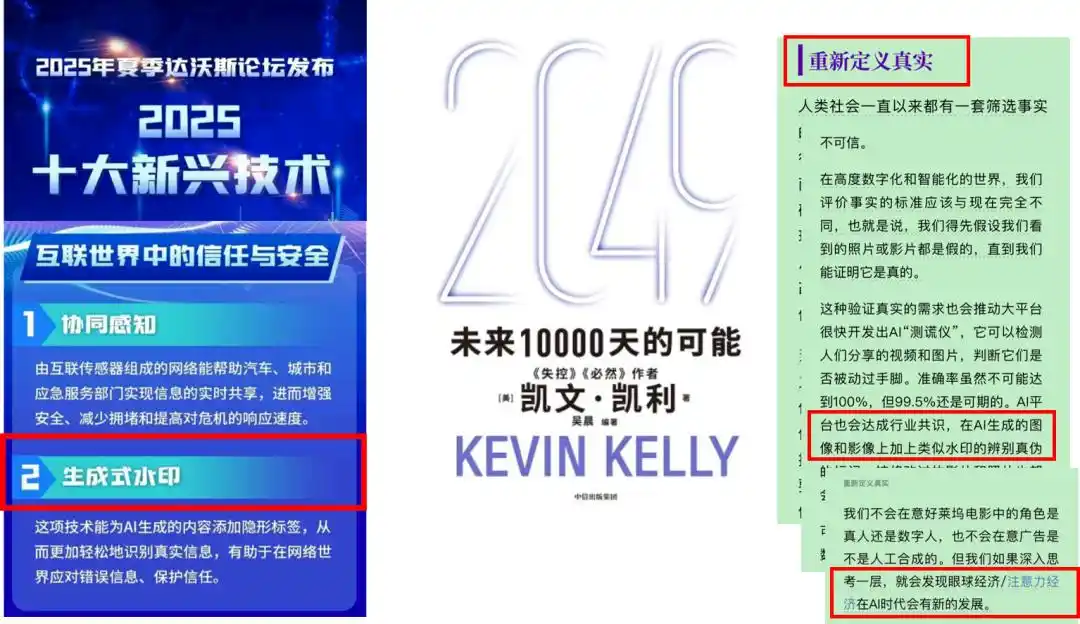
Gambar 1 Forum Summer Davos dan Ramalan Kevin Kelly

Tapi membuat watermark yang "tepat" tidaklah mudah.

Di hari pengumuman Anthropic, keraguan utama dari pengguna adalah: apakah watermark akan merusak model? Apakah akan menurunkan kualitas generasi?

"Kinerja tanpa kerusakan yang dapat dibuktikan" (Provable Performance Losslessness), dengan demikian menjadi proposisi inti penelitian penyembunyian informasi di era GenAI. Dan untuk memahami proposisi ini, kita perlu kembali ke sumber teoretisnya—Steganografi Aman Terbukti (Provably Secure Steganography).

Steganografi Aman Terbukti, Menunggu Model Generatif Dua Puluh Tahun

Steganografi dan watermark sama-sama termasuk dalam penyembunyian informasi. Steganografi tradisional selama bertahun-tahun tetap berada pada tingkat "keamanan empiris": menggunakan algoritma deteksi steganografi untuk menguji kekuatan keamanan steganografi, tetapi tidak dapat memberikan jaminan matematis. Steganografi Aman Terbukti menuntut pembuktian yang ketat: bahwa data yang membawa rahasia tidak dapat dibedakan dari data normal dalam hal distribusi.

Jalur teoretis ini sudah lama ada.

Pada 1949, Shannon menyoroti kesulitan membangun teori komunikasi tersembunyi; pada 1998, Cachin memperkenalkan entropi relatif, memberikan definisi keamanan dalam arti teori informasi; pada 2002, penerima Turing Award Manuel Blum membimbing Hopper dkk. untuk membangun kerangka kerja steganografi keamanan komputasi, yang pada 2004 dikembangkan lagi menjadi steganografi kunci publik dan negosiasi kunci tersembunyi.

Namun, semua konstruksi steganografi aman terbukti bergantung pada satu prasyarat ketat—distribusi pembawa (carrier) dapat di-sampel secara tepat. Distribusi data alami tidak dapat dikendalikan, sehingga teori ini lama terpendam.
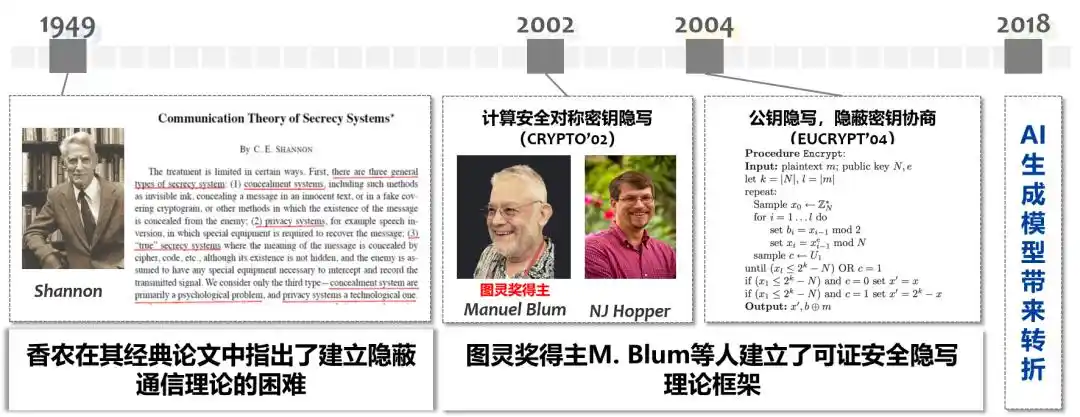
Gambar 2 Garis Waktu Singkat Perkembangan Steganografi Aman Terbukti

Pada 2018, model generatif AI membawa titik balik: model pertama-tama mempelajari distribusi, kemudian melakukan sampling sesuai distribusi, secara alami menyediakan "distribusi eksplisit atau sampler sempurna".

Tim dari University of Science and Technology of China (USTC) adalah yang pertama di dunia mengusulkan gagasan steganografi aman terbukti generatif, memberikan dua set kerangka kerja: "sampling kotak hitam" (black-box sampling) dan "sampling kompresi-reversibel" (compression-reversible sampling) (IWDW 2018, arXiv 2018), mereduksi keamanan steganografi ke keamanan algoritma enkripsi—mengenkripsi pesan menjadi ciphertext pseudorandom, menggunakan ciphertext untuk menggerakkan sampling menghasilkan konten, dan penerima memulihkan ciphertext melalui sampling terbalik.

Saat itu, AI generatif belum meledak, ide ini tampak "terlalu maju", dan sempat sulit mendapat pengakuan dari rekan sejawat akademik. Seiring dengan peningkatan kualitas model generatif seperti suara, hasil terkait secara bertahap diakui. International Workshop on Digital Watermarking (IWDW) mengundang tim USTC untuk memberikan laporan utama berjudul "When Provably Secure Steganography Meets Generative Models".
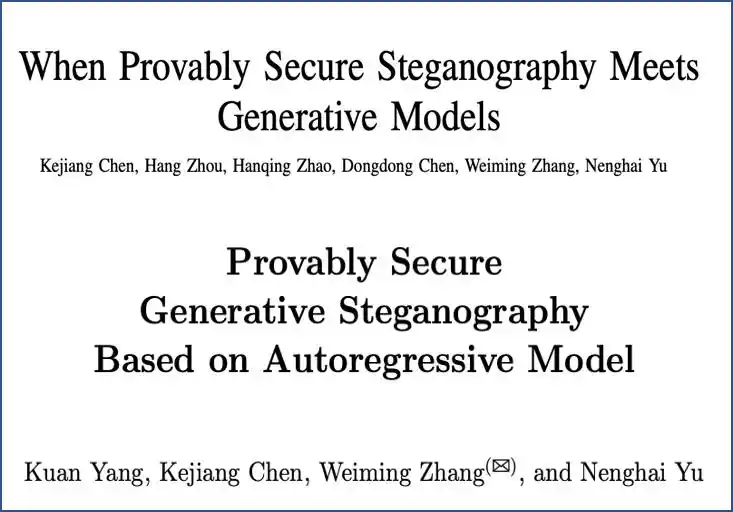
Gambar 3 Artikel Steganografi Aman Terbukti Generatif Pertama

Sekitar tahun 2021, data yang dihasilkan AI secara bertahap menjadi bentuk utama konten jaringan, dan steganografi aman terbukti mendapat perhatian luas secara global: Universitas Tsinghua mengusulkan steganografi bahasa aman terbukti berbasis pengelompokan sampel (grouping-based) (Findings of ACL 2021); Boston University dan Johns Hopkins University mengusulkan steganografi aman kriptografi yang berorientasi pada distribusi nyata, Meteor (ACM CCS 2021); Universitas Oxford mengusulkan steganografi aman sempurna berbasis kopling entropi minimum (minimum entropy coupling) (ICLR 2023).

Tim USTC mengusulkan konstruksi Discop berbasis "replika distribusi" (distribution replica) (IEEE S&P 2023), yang secara signifikan meningkatkan laju muatan tersemat (embedding payload rate). Pada tahun yang sama, Quanta Magazine memasukkan "menyembunyikan informasi rahasia secara sempurna dalam data generatif" sebagai salah satu dari tujuh terobosan ilmu komputer internasional tahun itu, menandai masuknya era "terbukti" (provable) dalam penyembunyian informasi.

Dari Simetris ke Asimetris, dari "Ber-Kotak" ke "Tanpa Kotak"

Steganografi aman terbukti generatif awal semuanya menggunakan sistem "kunci simetris", di mana pengirim dan penerima harus berbagi kunci terlebih dahulu, dan bergantung pada ekstraksi kotak putih (white-box), sehingga penerapannya terbatas.

Selain itu, ambiguitas sub-kata (subword ambiguity) dapat menyebabkan ekstraksi gagal. Tim USTC mendorong arah teknologi menuju steganografi kunci publik, skenario tanpa kotak/kotak abu-abu, serta menghilangkan ambiguitas sub-kata, membuat penyembunyian generatif menuju kepraktisan.

Steganografi Kunci Publik (IEEE TIFS 2024): Mengusulkan skema steganografi kunci publik aman terbukti yang menggabungkan Elliptic Curve Cryptography (ECC) dengan model generatif, dan mengusulkan protokol pertukaran kunci steganografi. Memecahkan masalah negosiasi kunci steganografi dan ekstraksi informasi tersembunyi yang "asimetris".

Steganografi Tanpa Kotak (IEEE TMM 2026): Metode tradisional bergantung pada ekstraksi "kotak putih", penerima harus memiliki model bahasa yang persis sama dengan pengirim. Tim mengusulkan Disreo, yang melalui randomisasi posisi token dan penggabungan ulang probabilitas output (output probability recombination) mencapai "ekstraksi tanpa kotak", memungkinkan penerima memulihkan pesan tanpa perlu mengakses model dasar, memberikan kemudahan lebih besar untuk penerapan nyata.

Steganografi Kotak Abu-abu (ACM CCS 2026): Antara kotak putih dan tanpa kotak, ada skenario "kotak abu-abu"—sumber daya pengirim dan penerima tidak setara, penerima mungkin hanya memiliki kemampuan menjalankan model kecil (misalnya perangkat seluler). SpecStega berbasis speculative sampling: model kecil yang dibagi kedua belah pihak menyelesaikan penyematan dan ekstraksi pesan, kemudian menggunakan model besar target untuk memurnikan output, sehingga teks pembawa rahasia akhir selaras dengan distribusi output model besar, mempertahankan kualitas dan keamanan tinggi, sekaligus dapat didekode secara efisien oleh pihak penerima hanya dengan model kecil, meningkatkan laju muatan hingga 20 kali lipat dibandingkan skema kotak hitam yang ada—menyediakan jalur ketiga antara "ber-kotak" dan "tanpa kotak" untuk steganografi aman terbukti.

Memecahkan Ambiguitas Sub-kata (IEEE TDSC): Steganografi berbasis model bahasa besar umumnya menghadapi ambiguitas dekode token—teks yang sama dapat dipotong menjadi urutan sub-kata yang berbeda, menyebabkan ekstraksi gagal. Tim mengusulkan SyncPool, yang mengelompokkan token yang memiliki hubungan prefiks sebelum penyematan, menghilangkan ambiguitas dari prinsipnya, mencapai ekstraksi andal untuk steganografi aman terbukti.

Dari Steganografi ke Watermark, Membawa "Tanpa Kerusakan Terbukti" Menuju Industri

Model besar AIGC pertama-tama mempelajari distribusi data alami, kemudian melakukan sampling sesuai distribusi untuk menghasilkan teks, gambar, audio, video, dll. Jika dapat dilakukan: menyematkan watermark dalam konten yang dihasilkan tanpa memengaruhi distribusi sampling, maka itu berarti penyematan watermark tidak memengaruhi kualitas generasi.

Steganografi Aman Terbukti secara teori menjamin bahwa data pembawa rahasia tidak dapat dibedakan dari data generasi normal, artinya penyematan informasi tidak mengubah distribusi sampling model—inilah definisi "Watermark Tanpa Kerusakan Kualitas Generasi Terbukti" (Provably Lossless Generation Quality Watermark). Watermark tidak memerlukan kapasitas sebesar steganografi, sehingga juga dapat menukar kapasitas untuk mendapatkan ketahanan (robustness).

Di bidang teks, sistem watermark tanpa kerusakan kualitas generasi terbukti yang dikembangkan tim USTC, bersifat plug-and-play, tidak perlu memodifikasi parameter model, mendukung identifikasi ketahanan bit tunggal dan atribusi model multi-bit, telah diterapkan pada platform seperti model besar Spark (星火) dan model GPT aman, melayani 13 ribu pengembang.

Sementara itu, penelitian watermark teks generasi tanpa kerusakan terbukti juga berkembang pesat di tingkat internasional:

2024, tim dari University of Maryland dkk. dengan "Unbiased Watermark for Large Language Models" (ICLR 2024 Spotlight) mendefinisikan watermark tanpa bias (unbiased) dan memberikan konstruksi umum;

Tahun yang sama, Stanford University mengusulkan watermark tanpa bias yang tahan distorsi (TMLR 2024);

2025, watermark tanpa bias multi-saluran MCmark (ACL 2025) meningkatkan ketahanan ekstraksi watermark sambil tetap mempertahankan ketidakbiasan yang ketat.

Di bidang gambar, tim USTC mengusulkan Gaussian Shading (CVPR 2024), yang memetakan watermark yang diacak secara kriptografis menjadi variabel laten Gaussian yang tidak dapat dibedakan dari generasi normal, kemudian melalui proses difusi bekerja pada seluruh ruang laten, tidak perlu pelatihan, plug-and-play, kinerja tanpa kerusakan dapat dibuktikan;

Gaussian Shading++ dan T2SMark (NeurIPS 2025) lebih lanjut memecahkan masalah ketahanan, perubahan parameter generasi, dan keanekaragaman generasi dalam penerapan nyata;

TAG-WM (ICCV 2025) memperkenalkan mekanisme ganda "watermark template + watermark informasi", yang secara simultan mencapai pelokalan pemalsuan (tamper localization) dan konfirmasi kepemilikan (ownership verification) dalam kondisi tanpa kerusakan;

SemBind (ICML 2026) mengikat watermark dengan semantik gambar melalui semantik masker, melindungi dari serangan pemalsuan kotak hitam.
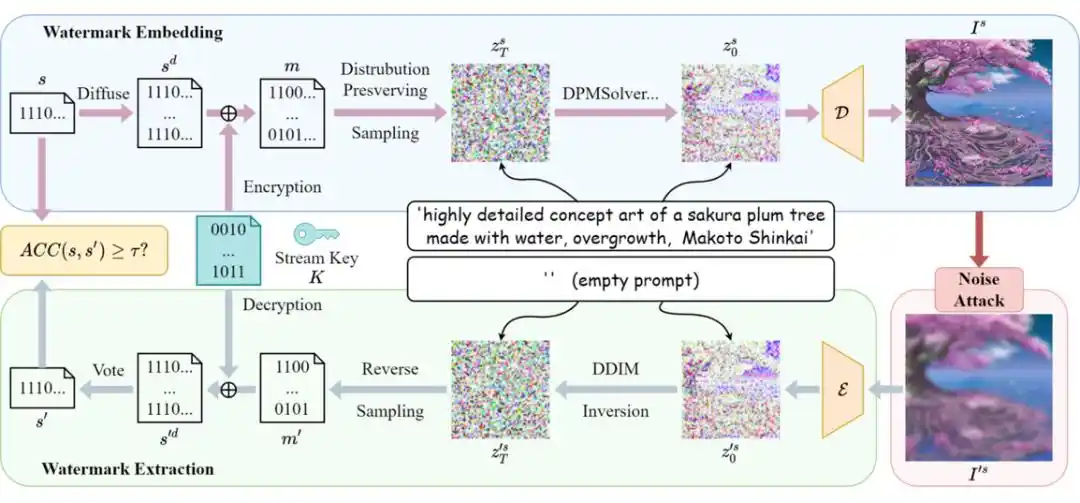
Gambar 4 Watermark Gambar Generatif Tanpa Kerusakan Terbukti Gaussian Shading (CVPR 2024)

Dari Watermark Konten ke Watermark Model. Model itu sendiri juga merupakan aset digital penting yang memerlukan bukti kepemilikan yang andal, dan watermark model selalu menghadapi satu keraguan: apakah akan memengaruhi penggunaan normal model?

Berdasarkan konstruksi "Backdoor Tak Terdeteksi Terbukti" (Provably Undetectable Backdoor) yang diusulkan oleh penerima Turing Award Shafi Goldwasser dkk. di FOCS 2022, tim USTC mengusulkan protokol watermark model kotak hitam tanpa kerusakan kinerja terbukti (IEEE TDSC 2026): menggunakan message authentication code yang tidak dapat dipalsukan untuk membangun indikator cabang, sehingga probabilitas pengguna normal memicu cabang watermark dapat diabaikan secara komputasi, sehingga mereduksi sifat tanpa kerusakan kinerja ke keamanan kriptografi.

"Tanpa Kerusakan Terbukti" dengan demikian diperluas dari konten generasi ke model itu sendiri.

Dari "Keamanan Empiris" ke "Keamanan Terbukti"

Watermark tak kasat mata Anthropic menimbulkan kontroversi di hari pertama peluncurannya: penulis khawatir tentang atribusi kepenulisan, pengembang khawatir "apakah watermark akan menurunkan kualitas generasi". Pelopor industri memilih "lari cepat secara rekayasa" (engineering fast run), sementara tujuan "tepat sasaran, tidak merusak, tahan terhadap penulisan ulang dan penghapusan, dan mampu memberikan bukti yang pasti" membutuhkan dukungan teori yang kokoh.

Dari visi Shannon yang mengajukan masalah tantangan hingga kerangka teori Blum dkk., dari algoritma steganografi aman terbukti generatif pertama tahun 2018 hingga watermark model besar Spark dan watermark Claude, penyembunyian informasi telah berjalan selama tujuh puluh tujuh tahun, akhirnya melompat dari "keamanan empiris" ke "keamanan terbukti", mengubah "kekhawatiran watermark merusak model" menjadi "pembuktian tanpa kerusakan secara matematis"—baik untuk konten yang dihasilkan, maupun untuk model itu sendiri—menyediakan dukungan teknologi dengan jaminan teoretis untuk tata kelola konten AI.

Serangan dan Pertahanan Watermark

Merancang watermark sulit, menghapus watermark mudah. Sebenarnya, tidak juga. Merancang watermark harus mengejar tanpa kerusakan kualitas dan ketahanan secara bersamaan, sementara penyerang juga perlu menghapus watermark dengan kendala kualitas.

Tanpa kendala, watermark mudah dihapus. Menulis ulang kalimat demi kalimat untuk menghapus watermark, apakah itu masih dianggap sebagai konten yang dihasilkan oleh model asli? Mungkin lebih baik langsung menggunakan model open source lainnya untuk menghasilkan.

Seperti bidang keamanan lainnya, pihak penyerang dan bertahan berpermainan di bawah kendala masing-masing, dengan adanya serangan dan pertahanan, arah teknologi ini baru memiliki daya hidup.

Dan "tanpa kerusakan" (losslessness) adalah kendala dan tujuan bagi kedua belah pihak.

Pihak bertahan tidak ingin mengorbankan kualitas generasi karena menyematkan watermark; pihak penyerang juga tidak ingin menurunkan kualitas karena menghapus watermark.

Tidak pernah ada keamanan mutlak, makna pertahanan adalah menciptakan biaya sebesar mungkin bagi penyerangan. Esensi serangan dan pertahanan adalah permainan biaya, begitu juga dengan watermark.

Artikel ini berasal dari akun WeChat publik "XinZhiYuan" (新智元), penulis: XinZhiYuan

Trending Cryptos

Related Questions

QApa yang diumumkan Anthropic pada Agustus 2026 terkait model Claude?

APada 11 Agustus 2026, Anthropic mengumumkan bahwa mulai 2 Agustus, model Claude versi baru akan secara langsung menyematkan tanda air tak kasat mata yang tidak terlihat oleh mata manusia tetapi dapat dibaca oleh mesin ke dalam teks yang dihasilkannya. Ini memungkinkan konten yang dihasilkan AI untuk tetap dapat diidentifikasi dan dilacak sumbernya bahkan setelah disalin dan disebarluaskan.

QApa inti dari 'steganografi yang dapat dibuktikan keamanannya' (provably secure steganography) yang dibahas dalam artikel?

AInti dari steganografi yang dapat dibuktikan keamanannya adalah untuk secara matematis membuktikan bahwa data yang membawa pesan tersembunyi tidak dapat dibedakan dari data normal dalam hal distribusinya. Ini adalah lompatan dari keamanan 'empiris' atau pengalaman ke keamanan yang dapat dibuktikan secara teoritis, dengan prasyarat keras bahwa distribusi pembawa (carrier) dapat di-sampling secara tepat.

QMengapa kemunculan model generatif AI pada 2018 menjadi titik balik penting bagi penelitian steganografi?

AKemunculan model generatif AI menjadi titik balik karena model-model ini pertama-tama mempelajari distribusi data alami, lalu menghasilkan konten dengan melakukan sampling dari distribusi tersebut. Proses ini secara alami menyediakan 'distribusi eksplisit atau sampler yang sempurna', yang merupakan prasyarat yang sebelumnya sulit dipenuhi untuk membangun steganografi yang dapat dibuktikan keamanannya.

QApa saja perkembangan penting yang disebutkan untuk membuat steganografi generatif dapat digunakan secara praktis?

APerkembangan penting untuk kepraktisan meliputi: 1) Steganografi kunci publik, yang memungkinkan ekstraksi informasi asimetris tanpa perlu berbagi kunci rahasia terlebih dahulu. 2) Steganografi tanpa-kotak (boxless), di mana penerima tidak perlu memiliki akses ke model yang sama dengan pengirim untuk mengekstrak pesan. 3) Steganografi kotak-abu (greybox), yang memungkinkan ekstraksi dengan model yang lebih kecil di sisi penerima. 4) Penyelesaian ambiguitas sub-kata (token), memastikan ekstraksi pesan yang andal.

QBagaimana konsep 'steganografi yang dapat dibuktikan keamanannya' berkaitan dengan 'tanda air yang dapat dibuktikan tidak merusak kinerja' (provably performance无损 watermark) untuk konten AI?

AKonsepnya terkait erat. Steganografi yang dapat dibuktikan keamanannya menjamin bahwa data yang membawa pesan tidak dapat dibedakan dari data normal hasil generasi model, yang berarti penyematan pesan tidak mengubah distribusi sampling model. Konsep ini diterapkan pada tanda air dengan kapasitas yang lebih kecil (karena tanda air tidak membutuhkan kapasitas sebesar pesan rahasia). Jika penyematan tanda air tidak mengubah distribusi, maka secara teori kualitas generasi model tidak terpengaruh - inilah inti dari 'tanda air yang dapat dibuktikan tidak merusak kinerja' (provably performance无损 watermark).

Related Reads

UBS Research Report Analysis: Murata's MLCC Factory Opens to the Public for the First Time in 20 Years, 20% Production Increase Potential from Optimization of Existing Assets

On August 18, UBS analysts visited Murata's Fukui Takefu factory, its first public opening in about 20 years. As the global MLCC leader with ~35% market share, this plant serves as the mother factory for advanced MLCCs used in AI servers and premium smartphones. UBS confirmed key findings: deep technical barriers remain, existing equipment holds ~20% latent production capacity, and physical expansion is nearing its limits. Murata's competitive edge lies in a closed-loop system encompassing proprietary ceramic material uniformity control, capacitance-maximizing self-developed technology, and self-built production equipment—a "black box" model difficult to replicate. Its flexible segmented production system efficiently manages over 50,000 product types. With new facility construction constrained and equipment lead times lengthening, optimizing existing lines becomes a crucial, lower-cost path to increase output. Murata's strategy involves shifting generic production to overseas sites like Thailand while focusing Japanese facilities on advanced, high-margin products. UBS projects significant operating margin expansion from 15.4% in FY2026 to 37.6% in FY2029, driven by this product mix upgrade toward high-capacitance, small-size MLCCs for AI and smartphones. Primary risks include U.S. economic slowdown, technology diffusion in Asia, and circuit integration trends. UBS maintains a positive industry outlook, noting potential for guidance upgrades, and sets a 13,200 yen target price based on a 30x FY2029 P/E, implying ~76% upside contingent on successful MLCC product structure advancement.

marsbit23m ago

UBS Research Report Analysis: Murata's MLCC Factory Opens to the Public for the First Time in 20 Years, 20% Production Increase Potential from Optimization of Existing Assets

marsbit23m ago

Arthur Hayes: Awaiting Fed Signal, Replenishing Ammo to Position for Crypto Bull Market

Arthur Hayes, co-founder of BitMEX, argues that the yen is significantly undervalued and analyzes three potential paths for its appreciation. He dismisses the first two options—the Bank of Japan raising interest rates or Japanese institutions selling foreign assets—as politically or economically unfeasible. Instead, he identifies the preferred method: Japan's Ministry of Finance (MOF) using the Federal Reserve's FIMA (Foreign and International Monetary Authorities) repo facility to borrow dollars against its U.S. Treasury holdings, then selling those dollars to buy yen in the forex market. Hayes explains that U.S. Treasury Secretary "Besant" has already called for removing the FIMA per-counterparty limit to enable this. The execution depends on Fed Chair "Warsh" convening a subcommittee to adjust the FIMA rules. Hayes is confident this will happen, signaling a major shift in USD/JPY dynamics and the end of the "cheap" yen era. He connects this potential massive dollar liquidity injection directly to a surge in asset prices, particularly Bitcoin, physical gold, and gold miners' stocks, drawing parallels to the Fed's balance sheet expansion during COVID-19. Within crypto, besides Bitcoin, he views Ethereum as undervalued and highlights Ethena (ENA) as a high-potential, speculative altcoin that could see 5-10x returns if liquidity increases and boosts Bitcoin basis trade yields. Hayes concludes he is waiting for the Fed's signal to fully deploy capital, anticipating a significant crypto bull market.

marsbit1h ago

Arthur Hayes: Awaiting Fed Signal, Replenishing Ammo to Position for Crypto Bull Market

marsbit1h ago

BTC Sees Largest Single-Day Short Liquidation in History: Overnight $1.1 Billion Short Positions Evaporate, But Calling a Bull Return is Premature

Bitcoin experienced its largest single-day short liquidation in history, with approximately $1.191 billion in short positions being forcibly closed within 24 hours as the price surged nearly 7% to approach $70,000. This event, occurring on the evening of August 19, resulted in total liquidations of about $1.345 billion across the network. The massive short squeeze was attributed to a combination of catalysts: a White House meeting between former President Trump and crypto industry executives fueling regulatory optimism, and a more substantial signal from the U.S. Treasury doubling its liquidity support for long-term bond repurchases, hinting at looser macro liquidity for risk assets. Data showed strong institutional buying, with U.S. spot Bitcoin ETFs seeing significant inflows. The liquidation process itself created a feedback loop, accelerating the price rise as forced buy-backs pushed prices higher. This event surpassed the previous record for BTC perpetual short liquidations set during the volatile "5.19" period in 2021. While such extreme short liquidations have historically signaled a potential medium-term bottom formation, analysts caution that the market often undergoes weeks of consolidation and "cooling off" afterward. Current sentiment remains mixed, with the Fear & Greed Index still in "Fear" territory, and the key test for the rally being whether it can sustain momentum to challenge higher resistance levels like $75,000. The article concludes by warning against immediate "bull market is back" assumptions, emphasizing that history provides context but not guaranteed outcomes.

marsbit1h ago

BTC Sees Largest Single-Day Short Liquidation in History: Overnight $1.1 Billion Short Positions Evaporate, But Calling a Bull Return is Premature

marsbit1h ago

Trading

Spot

Hot Articles

What is SONIC

Sonic: Pioneering the Future of Gaming in Web3 Introduction to Sonic In the ever-evolving landscape of Web3, the gaming industry stands out as one of the most dynamic and promising sectors. At the forefront of this revolution is Sonic, a project designed to amplify the gaming ecosystem on the Solana blockchain. Leveraging cutting-edge technology, Sonic aims to deliver an unparalleled gaming experience by efficiently processing millions of requests per second, ensuring that players enjoy seamless gameplay while maintaining low transaction costs. This article delves into the intricate details of Sonic, exploring its creators, funding sources, operational mechanics, and the timeline of significant events that have shaped its journey. What is Sonic? Sonic is an innovative layer-2 network that operates atop the Solana blockchain, specifically tailored to enhance the existing Solana gaming ecosystem. It accomplishes this through a customised, VM-agnostic game engine paired with a HyperGrid interpreter, facilitating sovereign game economies that roll up back to the Solana platform. The primary goals of Sonic include: Enhanced Gaming Experiences: Sonic is committed to offering lightning-fast on-chain gameplay, allowing players and developers to engage with games at previously unattainable speeds. Atomic Interoperability: This feature enables transactions to be executed within Sonic without the need to redeploy Solana programmes and accounts. This makes the process more efficient and directly benefits from Solana Layer1 services and liquidity. Seamless Deployment: Sonic allows developers to write for Ethereum Virtual Machine (EVM) based systems and execute them on Solana’s SVM infrastructure. This interoperability is crucial for attracting a broader range of dApps and decentralised applications to the platform. Support for Developers: By offering native composable gaming primitives and extensible data types - dining within the Entity-Component-System (ECS) framework - game creators can craft intricate business logic with ease. Overall, Sonic's unique approach not only caters to players but also provides an accessible and low-cost environment for developers to innovate and thrive. Creator of Sonic The information regarding the creator of Sonic is somewhat ambiguous. However, it is known that Sonic's SVM is owned by the company Mirror World. The absence of detailed information about the individuals behind Sonic reflects a common trend in several Web3 projects, where collective efforts and partnerships often overshadow individual contributions. Investors of Sonic Sonic has garnered considerable attention and support from various investors within the crypto and gaming sectors. Notably, the project raised an impressive $12 million during its Series A funding round. The round was led by BITKRAFT Ventures, with other notable investors including Galaxy, Okx Ventures, Interactive, Big Brain Holdings, and Mirana. This financial backing signifies the confidence that investment foundations have in Sonic’s potential to revolutionise the Web3 gaming landscape, further validating its innovative approaches and technologies. How Does Sonic Work? Sonic utilises the HyperGrid framework, a sophisticated parallel processing mechanism that enhances its scalability and customisability. Here are the core features that set Sonic apart: Lightning Speed at Low Costs: Sonic offers one of the fastest on-chain gaming experiences compared to other Layer-1 solutions, powered by the scalability of Solana’s virtual machine (SVM). Atomic Interoperability: Sonic enables transaction execution without redeployment of Solana programmes and accounts, effectively streamlining the interaction between users and the blockchain. EVM Compatibility: Developers can effortlessly migrate decentralised applications from EVM chains to the Solana environment using Sonic’s HyperGrid interpreter, increasing the accessibility and integration of various dApps. Ecosystem Support for Developers: By exposing native composable gaming primitives, Sonic facilitates a sandbox-like environment where developers can experiment and implement business logic, greatly enhancing the overall development experience. Monetisation Infrastructure: Sonic natively supports growth and monetisation efforts, providing frameworks for traffic generation, payments, and settlements, thereby ensuring that gaming projects are not only viable but also sustainable financially. Timeline of Sonic The evolution of Sonic has been marked by several key milestones. Below is a brief timeline highlighting critical events in the project's history: 2022: The Sonic cryptocurrency was officially launched, marking the beginning of its journey in the Web3 gaming arena. 2024: June: Sonic SVM successfully raised $12 million in a Series A funding round. This investment allowed Sonic to further develop its platform and expand its offerings. August: The launch of the Sonic Odyssey testnet provided users with the first opportunity to engage with the platform, offering interactive activities such as collecting rings—a nod to gaming nostalgia. October: SonicX, an innovative crypto game integrated with Solana, made its debut on TikTok, capturing the attention of over 120,000 users within a short span. This integration illustrated Sonic’s commitment to reaching a broader, global audience and showcased the potential of blockchain gaming. Key Points Sonic SVM is a revolutionary layer-2 network on Solana explicitly designed to enhance the GameFi landscape, demonstrating great potential for future development. HyperGrid Framework empowers Sonic by introducing horizontal scaling capabilities, ensuring that the network can handle the demands of Web3 gaming. Integration with Social Platforms: The successful launch of SonicX on TikTok displays Sonic’s strategy to leverage social media platforms to engage users, exponentially increasing the exposure and reach of its projects. Investment Confidence: The substantial funding from BITKRAFT Ventures, among others, emphasizes the robust backing Sonic has, paving the way for its ambitious future. In conclusion, Sonic encapsulates the essence of Web3 gaming innovation, striking a balance between cutting-edge technology, developer-centric tools, and community engagement. As the project continues to evolve, it is poised to redefine the gaming landscape, making it a notable entity for gamers and developers alike. As Sonic moves forward, it will undoubtedly attract greater interest and participation, solidifying its place within the broader narrative of blockchain gaming.

2.4k Total ViewsPublished 2024.04.04Updated 2024.12.03

What is SONIC

What is $S$

Understanding SPERO: A Comprehensive Overview Introduction to SPERO As the landscape of innovation continues to evolve, the emergence of web3 technologies and cryptocurrency projects plays a pivotal role in shaping the digital future. One project that has garnered attention in this dynamic field is SPERO, denoted as SPERO,$$s$. This article aims to gather and present detailed information about SPERO, to help enthusiasts and investors understand its foundations, objectives, and innovations within the web3 and crypto domains. What is SPERO,$$s$? SPERO,$$s$ is a unique project within the crypto space that seeks to leverage the principles of decentralisation and blockchain technology to create an ecosystem that promotes engagement, utility, and financial inclusion. The project is tailored to facilitate peer-to-peer interactions in new ways, providing users with innovative financial solutions and services. At its core, SPERO,$$s$ aims to empower individuals by providing tools and platforms that enhance user experience in the cryptocurrency space. This includes enabling more flexible transaction methods, fostering community-driven initiatives, and creating pathways for financial opportunities through decentralised applications (dApps). The underlying vision of SPERO,$$s$ revolves around inclusiveness, aiming to bridge gaps within traditional finance while harnessing the benefits of blockchain technology. Who is the Creator of SPERO,$$s$? The identity of the creator of SPERO,$$s$ remains somewhat obscure, as there are limited publicly available resources providing detailed background information on its founder(s). This lack of transparency can stem from the project's commitment to decentralisation—an ethos that many web3 projects share, prioritising collective contributions over individual recognition. By centring discussions around the community and its collective goals, SPERO,$$s$ embodies the essence of empowerment without singling out specific individuals. As such, understanding the ethos and mission of SPERO remains more important than identifying a singular creator. Who are the Investors of SPERO,$$s$? SPERO,$$s$ is supported by a diverse array of investors ranging from venture capitalists to angel investors dedicated to fostering innovation in the crypto sector. The focus of these investors generally aligns with SPERO's mission—prioritising projects that promise societal technological advancement, financial inclusivity, and decentralised governance. These investor foundations are typically interested in projects that not only offer innovative products but also contribute positively to the blockchain community and its ecosystems. The backing from these investors reinforces SPERO,$$s$ as a noteworthy contender in the rapidly evolving domain of crypto projects. How Does SPERO,$$s$ Work? SPERO,$$s$ employs a multi-faceted framework that distinguishes it from conventional cryptocurrency projects. Here are some of the key features that underline its uniqueness and innovation: Decentralised Governance: SPERO,$$s$ integrates decentralised governance models, empowering users to participate actively in decision-making processes regarding the project’s future. This approach fosters a sense of ownership and accountability among community members. Token Utility: SPERO,$$s$ utilises its own cryptocurrency token, designed to serve various functions within the ecosystem. These tokens enable transactions, rewards, and the facilitation of services offered on the platform, enhancing overall engagement and utility. Layered Architecture: The technical architecture of SPERO,$$s$ supports modularity and scalability, allowing for seamless integration of additional features and applications as the project evolves. This adaptability is paramount for sustaining relevance in the ever-changing crypto landscape. Community Engagement: The project emphasises community-driven initiatives, employing mechanisms that incentivise collaboration and feedback. By nurturing a strong community, SPERO,$$s$ can better address user needs and adapt to market trends. Focus on Inclusion: By offering low transaction fees and user-friendly interfaces, SPERO,$$s$ aims to attract a diverse user base, including individuals who may not previously have engaged in the crypto space. This commitment to inclusion aligns with its overarching mission of empowerment through accessibility. Timeline of SPERO,$$s$ Understanding a project's history provides crucial insights into its development trajectory and milestones. Below is a suggested timeline mapping significant events in the evolution of SPERO,$$s$: Conceptualisation and Ideation Phase: The initial ideas forming the basis of SPERO,$$s$ were conceived, aligning closely with the principles of decentralisation and community focus within the blockchain industry. Launch of Project Whitepaper: Following the conceptual phase, a comprehensive whitepaper detailing the vision, goals, and technological infrastructure of SPERO,$$s$ was released to garner community interest and feedback. Community Building and Early Engagements: Active outreach efforts were made to build a community of early adopters and potential investors, facilitating discussions around the project’s goals and garnering support. Token Generation Event: SPERO,$$s$ conducted a token generation event (TGE) to distribute its native tokens to early supporters and establish initial liquidity within the ecosystem. Launch of Initial dApp: The first decentralised application (dApp) associated with SPERO,$$s$ went live, allowing users to engage with the platform's core functionalities. Ongoing Development and Partnerships: Continuous updates and enhancements to the project's offerings, including strategic partnerships with other players in the blockchain space, have shaped SPERO,$$s$ into a competitive and evolving player in the crypto market. Conclusion SPERO,$$s$ stands as a testament to the potential of web3 and cryptocurrency to revolutionise financial systems and empower individuals. With a commitment to decentralised governance, community engagement, and innovatively designed functionalities, it paves the way toward a more inclusive financial landscape. As with any investment in the rapidly evolving crypto space, potential investors and users are encouraged to research thoroughly and engage thoughtfully with the ongoing developments within SPERO,$$s$. The project showcases the innovative spirit of the crypto industry, inviting further exploration into its myriad possibilities. While the journey of SPERO,$$s$ is still unfolding, its foundational principles may indeed influence the future of how we interact with technology, finance, and each other in interconnected digital ecosystems.

428 Total ViewsPublished 2024.12.17Updated 2024.12.17

What is $S$

What is AGENT S

Agent S: The Future of Autonomous Interaction in Web3 Introduction In the ever-evolving landscape of Web3 and cryptocurrency, innovations are constantly redefining how individuals interact with digital platforms. One such pioneering project, Agent S, promises to revolutionise human-computer interaction through its open agentic framework. By paving the way for autonomous interactions, Agent S aims to simplify complex tasks, offering transformative applications in artificial intelligence (AI). This detailed exploration will delve into the project's intricacies, its unique features, and the implications for the cryptocurrency domain. What is Agent S? Agent S stands as a groundbreaking open agentic framework, specifically designed to tackle three fundamental challenges in the automation of computer tasks: Acquiring Domain-Specific Knowledge: The framework intelligently learns from various external knowledge sources and internal experiences. This dual approach empowers it to build a rich repository of domain-specific knowledge, enhancing its performance in task execution. Planning Over Long Task Horizons: Agent S employs experience-augmented hierarchical planning, a strategic approach that facilitates efficient breakdown and execution of intricate tasks. This feature significantly enhances its ability to manage multiple subtasks efficiently and effectively. Handling Dynamic, Non-Uniform Interfaces: The project introduces the Agent-Computer Interface (ACI), an innovative solution that enhances the interaction between agents and users. Utilizing Multimodal Large Language Models (MLLMs), Agent S can navigate and manipulate diverse graphical user interfaces seamlessly. Through these pioneering features, Agent S provides a robust framework that addresses the complexities involved in automating human interaction with machines, setting the stage for myriad applications in AI and beyond. Who is the Creator of Agent S? While the concept of Agent S is fundamentally innovative, specific information about its creator remains elusive. The creator is currently unknown, which highlights either the nascent stage of the project or the strategic choice to keep founding members under wraps. Regardless of anonymity, the focus remains on the framework's capabilities and potential. Who are the Investors of Agent S? As Agent S is relatively new in the cryptographic ecosystem, detailed information regarding its investors and financial backers is not explicitly documented. The lack of publicly available insights into the investment foundations or organisations supporting the project raises questions about its funding structure and development roadmap. Understanding the backing is crucial for gauging the project's sustainability and potential market impact. How Does Agent S Work? At the core of Agent S lies cutting-edge technology that enables it to function effectively in diverse settings. Its operational model is built around several key features: Human-like Computer Interaction: The framework offers advanced AI planning, striving to make interactions with computers more intuitive. By mimicking human behaviour in tasks execution, it promises to elevate user experiences. Narrative Memory: Employed to leverage high-level experiences, Agent S utilises narrative memory to keep track of task histories, thereby enhancing its decision-making processes. Episodic Memory: This feature provides users with step-by-step guidance, allowing the framework to offer contextual support as tasks unfold. Support for OpenACI: With the ability to run locally, Agent S allows users to maintain control over their interactions and workflows, aligning with the decentralised ethos of Web3. Easy Integration with External APIs: Its versatility and compatibility with various AI platforms ensure that Agent S can fit seamlessly into existing technological ecosystems, making it an appealing choice for developers and organisations. These functionalities collectively contribute to Agent S's unique position within the crypto space, as it automates complex, multi-step tasks with minimal human intervention. As the project evolves, its potential applications in Web3 could redefine how digital interactions unfold. Timeline of Agent S The development and milestones of Agent S can be encapsulated in a timeline that highlights its significant events: September 27, 2024: The concept of Agent S was launched in a comprehensive research paper titled “An Open Agentic Framework that Uses Computers Like a Human,” showcasing the groundwork for the project. October 10, 2024: The research paper was made publicly available on arXiv, offering an in-depth exploration of the framework and its performance evaluation based on the OSWorld benchmark. October 12, 2024: A video presentation was released, providing a visual insight into the capabilities and features of Agent S, further engaging potential users and investors. These markers in the timeline not only illustrate the progress of Agent S but also indicate its commitment to transparency and community engagement. Key Points About Agent S As the Agent S framework continues to evolve, several key attributes stand out, underscoring its innovative nature and potential: Innovative Framework: Designed to provide an intuitive use of computers akin to human interaction, Agent S brings a novel approach to task automation. Autonomous Interaction: The ability to interact autonomously with computers through GUI signifies a leap towards more intelligent and efficient computing solutions. Complex Task Automation: With its robust methodology, it can automate complex, multi-step tasks, making processes faster and less error-prone. Continuous Improvement: The learning mechanisms enable Agent S to improve from past experiences, continually enhancing its performance and efficacy. Versatility: Its adaptability across different operating environments like OSWorld and WindowsAgentArena ensures that it can serve a broad range of applications. As Agent S positions itself in the Web3 and crypto landscape, its potential to enhance interaction capabilities and automate processes signifies a significant advancement in AI technologies. Through its innovative framework, Agent S exemplifies the future of digital interactions, promising a more seamless and efficient experience for users across various industries. Conclusion Agent S represents a bold leap forward in the marriage of AI and Web3, with the capacity to redefine how we interact with technology. While still in its early stages, the possibilities for its application are vast and compelling. Through its comprehensive framework addressing critical challenges, Agent S aims to bring autonomous interactions to the forefront of the digital experience. As we move deeper into the realms of cryptocurrency and decentralisation, projects like Agent S will undoubtedly play a crucial role in shaping the future of technology and human-computer collaboration.

1.1k Total ViewsPublished 2025.01.14Updated 2025.01.14

What is AGENT S

Discussions

Welcome to the HTX Community. Here, you can stay informed about the latest platform developments and gain access to professional market insights. Users' opinions on the price of S (S) are presented below.

活动图片