El veterano del cripto que cayó desnudo desde el rascacielos: la fortuna, las apuestas y la última madrugada de Harry Yeh

marsbitPublished on 2026-08-10Last updated on 2026-08-10

Abstract

El 7 de agosto de 2026, Harry Chun Tak Yeh (Ye Junde), fundador del fondo cripto Quantum Fintech Group, fue hallado muerto, totalmente desnudo, tras una caída desde el piso 30 de un lujoso edificio en Asunción, Paraguay. La policía encontró su apartamento abierto y revuelto. Se investigan las hipótesis de accidente, suicidio o asesinato, incluido un posible "ataque de llave inglesa" (wrench attack) por su riqueza en criptomonedas. Nacido en Hong Kong y educado en Berkeley y Stanford, Yeh comenzó en 2013 con una inversión de 500 dólares en Bitcoin. Su momento de mayor éxito fue en 2021 al rescatar y liderar Tomb Finance en la cadena Fantom, elevando su valor bloqueado de 250.000 a 16.000 millones de dólares en cuatro meses. Aunque afirmaba gestionar más de 24.000 millones, la incógnita persiste: ¿por qué murió en Paraguay, lejos de sus bases en Abu Dabi y Miami? El caso refleja los riesgos extremos de la industria cripto, donde la fortuna digital puede atraer una violencia muy física. Se esperan los resultados de la autopsia para esclarecer su trágico final.

Autor: Lin Zhengying

A las 4:30 de la madrugada del 7 de agosto de 2026, el centro de llamadas 911 de Asunción, la capital de Paraguay, recibió una alerta: en la base del exclusivo edificio Jade Park del barrio Trinidad, yacía un cuerpo sin vida.

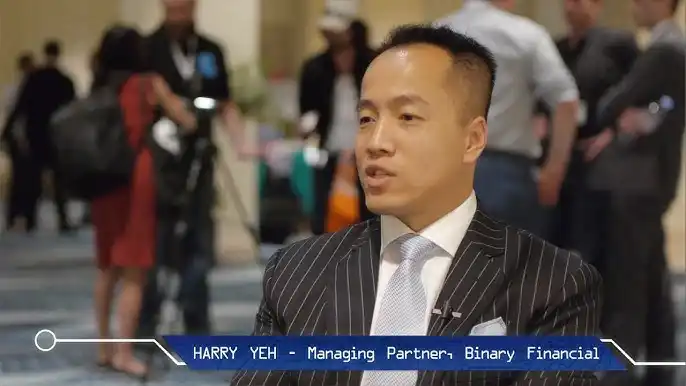
La escena que encontró la policía era desconcertante: la víctima estaba completamente desnuda, cubierta con una bolsa de plástico negra, y parecía haber caído desde aproximadamente 100 metros de altura, el piso 30. La identidad del fallecido se confirmó rápidamente de manera preliminar: Harry Chun Tak Yeh, de nombre chino Ye Junde, fundador y socio gestor del fondo de criptomonedas Quantum Fintech Group, un inversor cripto de origen chino que afirmaba gestionar activos por valor de más de 24 mil millones de dólares.
Los investigadores subieron al piso 30 y encontraron la puerta de su apartamento abierta de par en par. El interior estaba revuelto y desordenado, pero completamente vacío.

En el piso 27 del mismo edificio poseía otro apartamento, donde vivía su novia brasileña, Isadora de Proenca Braganholo Carvalho, de 29 años. Ante las preguntas de la fiscalía, ella declaró no saber nada. Hasta ahora, la policía no ha hecho públicas acusaciones contra ella por ninguna acción indebida.

Tras la inspección dirigida por la fiscal María del Carmen Palazón, se abrieron líneas de investigación paralelas para las tres posibilidades: accidente, suicidio u homicidio. Todo quedó a la espera de los resultados de la autopsia.

Entrada con 500 dólares

La historia del ascenso de Ye Junde es uno de esos guiones clásicos del mundo cripto.

Nacido en Hong Kong, emigró a Canadá con su familia siendo niño. Según su relato público, estudió Ingeniería Eléctrica en la Universidad de California, Berkeley, y luego obtuvo un MBA en la Escuela de Negocios de Stanford.

Antes de adentrarse en el mundo de las criptomonedas, siguió el camino estándar de la élite de Silicon Valley: formación como ingeniero, fue CTO y cofundador de varias startups, dirigió una empresa de consultoría tecnológica que servía a instituciones con ingresos entre 5 y 200 millones de dólares.

En 2013, cuando el Bitcoin cotizaba alrededor de los 60 dólares, Ye Junde invirtió 500 dólares en sus primeros BTC. Ese mismo año, con 250,000 dólares, creó su primer fondo y fundó la firma de capital riesgo Binary Financial, que tras varios cambios de nombre se convertiría en Quantum Fintech Group.

Era una era de pioneros. Dedicándose al comercio OTC (over-the-counter) de criptomonedas y gestionando fondos de cobertura para clientes de alto patrimonio, Ye Junde aprovechó toda la curva alcista del Bitcoin, desde los 60 dólares hasta decenas de miles. Para 2023, él y su equipo afirmaban públicamente que la red de fondos de cobertura e inversiones privadas que gestionaban superaba los 24 mil millones de dólares.

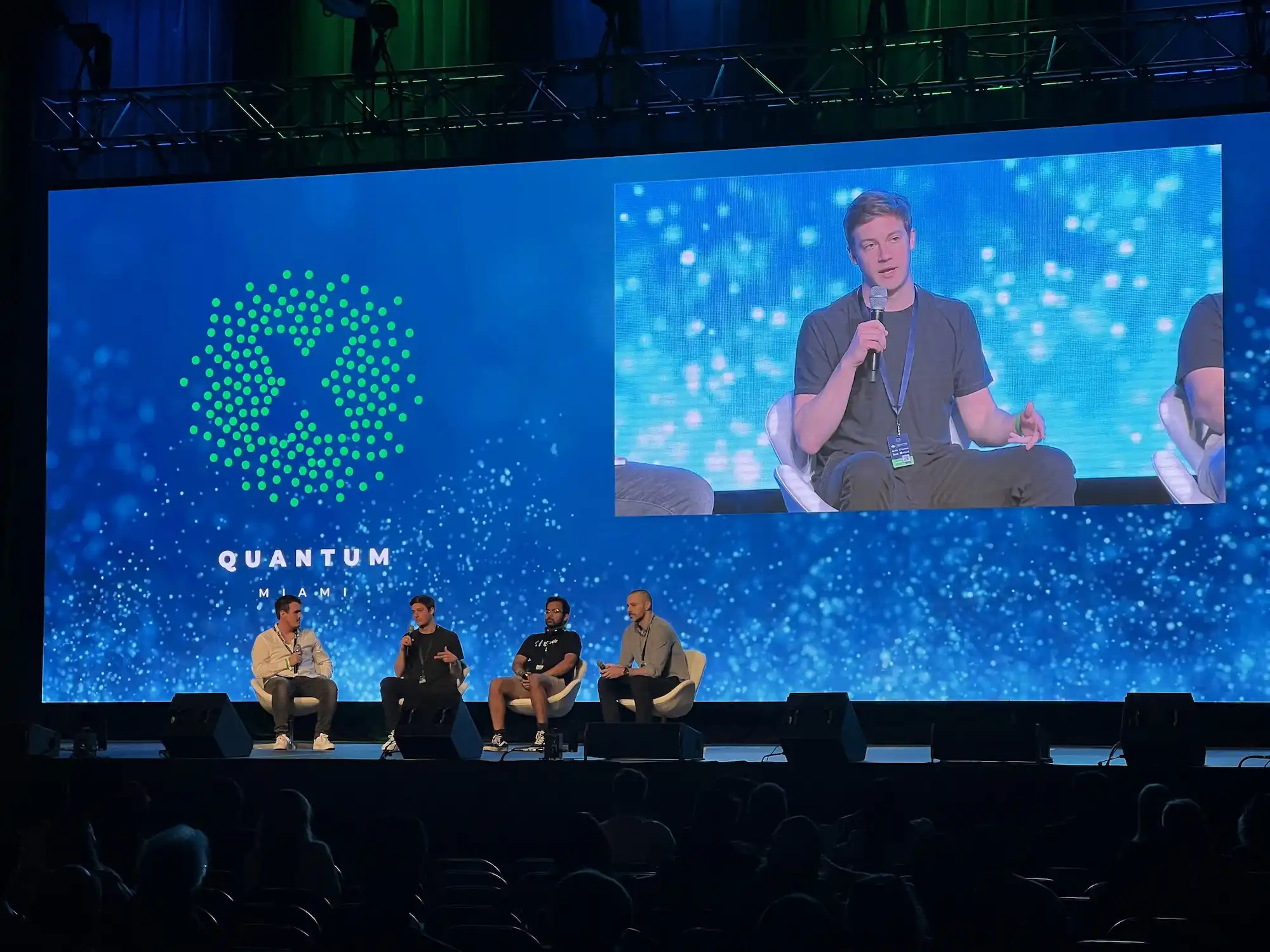
Comenzó a aparecer con frecuencia en el foco mediático de la industria: en 2017 participó en CNBC para discutir sobre bifurcaciones de Bitcoin e ICOs; en 2022 fue invitado al programa de criptomonedas de Bloomberg, donde calificó al Bitcoin como "oro digital"; compartió escenario en conferencias con figuras como Mark Cuban y Craig Sellars, cofundador de Tether. También se hizo cargo de la producción de eventos como la North American Bitcoin Conference (TNABC) y la Fantom Developer Conference, y organizó su propio Quantum Miami Conference, con el apoyo público del alcalde de Miami.
Momento cumbre: De 2.5 a 1,600 millones en cuatro meses

La "inversión" más legendaria de la carrera de Ye Junde ocurrió en el ecosistema Fantom.

Fantom fue una de las blockchains más calientes durante el "DeFi Summer" de 2021, creada por el código del llamado "padrino del DeFi", Andre Cronje. En septiembre de 2021, el proyecto de stablecoin algorítmica Tomb Finance en Fantom se vio sumido en una crisis de confianza y al borde del colapso debido a un incidente de vulnerabilidad llamado "Gatekeeper". Ye Junde, como miembro de la Fundación Fantom, asumió el liderazgo del equipo.

Los siguientes cuatro meses fueron un momento mágico para Tomb Finance: el Valor Total Bloqueado (TVL) pasó de 2.5 millones de dólares a un pico de 1,600 millones de dólares, multiplicándose casi 80 veces en dos meses, convirtiéndose en el proyecto más brillante del ecosistema Fantom.

Esta batalla consolidó la posición de Ye Junde dentro del círculo de Fantom.

Alguien comentó en X: "Incluso si Harry se volvió hacia el lado oscuro al final, también creó a muchos millonarios. La bull run de Fantom y Tomb en 2021 es una leyenda que nunca se repetirá. Organizó las mejores conferencias a las que he asistido. Que descanse en paz."

Su equipo posteriormente incubó el ecosistema LIF3, una blockchain centrada en DeFi, y L3 Reserve, para activos de stablecoin L3USD. Su sitio web personal enumeraba un mapa de inversiones densamente centrado en el ecosistema Fantom.

Hasta noviembre de 2024, todavía promocionaba LIF3: colaborando con la empresa de teléfonos Web3 Jambo para preinstalar la aplicación Lif3 en el JamboPhone de 99 dólares, con el objetivo declarado de llevar los pagos con criptomonedas a usuarios en más de 120 países.

En ese entonces, su residencia habitual era Abu Dabi, y aparecía en la lista de "Visionarios del Año 2024" de Crypto Oasis en Dubái.

¿Por qué murió en Paraguay?

Esta es la parte más inquietante de toda la historia.

¿Por qué un magnate de las criptomonedas, residente habitual en Abu Dabi con un imperio empresarial que abarcaba desde Miami hasta Dubái, apareció en un edificio de apartamentos en Asunción, y por qué cayó desnudo?

Varios detalles de la escena (puerta abierta, interior revuelto, víctima desnuda) hicieron que las discusiones en la comunidad cripto se centraran rápidamente en un término: ataque con llave inglesa (wrench attack).

Este concepto proviene de un viejo dicho en el ámbito de la seguridad: ni el algoritmo de cifrado más fuerte puede resistir una llave inglesa de 5 dólares. Los atacantes no atacan el código, atacan físicamente a la persona, usando la violencia o la amenaza de violencia para obligar a los titulares de criptomonedas a entregar el acceso a sus carteras, realizar transferencias o revelar sus claves privadas.

Justo el día anterior a la muerte de Ye Junde, el 6 de agosto, la empresa de análisis blockchain Chainalysis había publicado un informe: en el primer semestre de 2026, se confirmaron globalmente 46 ataques con llave inglesa contra poseedores de criptomonedas, con un monto robado superior a los 30 millones de dólares. A este ritmo, el año rompería el récord histórico de 58 millones de dólares de 2025.

Si se incluyen los intentos de transferencia y las extorsiones, la exposición hasta la fecha en el año se acercaba a los 107 millones de dólares, siendo los robos con allanamiento de morada el 37% de todos los ataques con llave inglesa, marcando un nuevo máximo anual.

Un magnate de las criptomonedas que afirma públicamente gestionar 24 mil millones de dólares, aparece frecuentemente en eventos y televisión, es precisamente la presa ideal para los perpetradores de ataques con llave inglesa.

Por supuesto, por ahora las posibilidades de suicidio o accidente tampoco están descartadas.

La montaña rusa de riqueza en la industria cripto es suficiente para aplastar a cualquiera. Proyectos de stablecoins algorítmicas como Tomb Finance colapsaron en masa tras el mercado bajista de 2022, y el ecosistema Fantom también vivió su momento más oscuro con la partida de Andre Cronje y la evaporación de su TVL. La cantidad real de los activos "autodeclarados en 24 mil millones" bajo el nombre de Ye Junde que podrían resistir un mercado bajista y una auditoría, es algo que el mundo exterior desconoce.

Una caída desnudo desde gran altura y un interior desordenado también podrían apuntar a una última noche caótica y solitaria.

Actualmente, la fiscalía paraguaya no ha presentado pruebas que vinculen a ninguna de las partes con la caída. Los resultados de la autopsia serán clave para desentrañar el misterio.

La vida de Ye Junde es un microcosmos de la edad de oro de la industria cripto: un ingeniero que entra en escena, apuesta 500 dólares, aprovecha la década más vertiginosa del Bitcoin, crea una leyenda de 1,600 millones de dólares en cuatro meses durante la fiebre DeFi, organiza conferencias, aparece en Bloomberg, brinda con alcaldes.

Pero las lecciones de seguridad que esta industria enseña siempre han sido sobre la seguridad de los activos: carteras frías, multifirma, dispositivos físicos. A los hackers cada vez les resulta más difícil vulnerar el código, por lo que el crimen ha comenzado a dirigirse hacia la persona física. En los últimos años, cada vez más grandes figuras del cripto han sido objeto de ataques en sus lugares de residencia habitual por hacer ostentación de su riqueza.

En 2013, el Bitcoin a 60 dólares le dio todo a Ye Junde; en la madrugada del 7 de agosto de 2026, los 100 metros de altura en Asunción se lo quitaron todo.

En una entrevista dijo: "Los mejores inversores saben que las grandes fortunas nacen en los mercados bajistas". Solo que esta vez, no llegaría a vivir el próximo mercado alcista.

(Los hechos de este artículo provienen de reportes públicos; el volumen de activos mencionado corresponde a la declaración del propio individuo. El caso sigue bajo investigación; las conclusiones finales están sujetas a los resultados de la autopsia y la investigación de las autoridades judiciales de Paraguay.)

Trending Cryptos

Related Questions

Q¿Quién era Harry Chun Tak Yeh y qué sucedió con él?

AHarry Chun Tak Yeh, también conocido como Ye Junde, era un inversor y empresario de criptomonedas, fundador y socio gestor del fondo Quantum Fintech Group. Falleció el 7 de agosto de 2026 tras caer, completamente desnudo, desde el piso 30 de un edificio de apartamentos de lujo en Asunción, Paraguay. Su cuerpo fue encontrado cubierto con una bolsa de plástico negro. Las autoridades investigan si fue un accidente, suicidio u homicidio.

Q¿Cómo se construyó la fortuna y la carrera de Ye Junde en el mundo cripto?

ASu carrera siguió el guion clásico del criptomundo. Compró sus primeros bitcoins en 2013 cuando el precio era de unos 60 dólares, con una inversión inicial de 500 dólares. Ese mismo año fundó su primer fondo con 250.000 dólares. Se benefició del ascenso del bitcoin desde esas cifras hasta decenas de miles de dólares, gestionando transacciones OTC y fondos de cobertura. Para 2023, su grupo afirmaba gestionar más de 24.000 millones de dólares. Su momento de mayor fama llegó al hacerse cargo de Tomb Finance en Fantom, aumentando su valor bloqueado (TVL) de 250 millones a 16.000 millones de dólares en cuatro meses.

Q¿Qué es un 'wrench attack' (ataque con llave inglesa) y por qué se menciona en relación con su muerte?

AUn 'wrench attack' es un concepto de seguridad que se refiere a ataques físicos o amenazas de violencia contra poseedores de criptoactivos para obligarlos a revelar claves privadas o transferir fondos. Se menciona en el caso de Ye Junde porque las circunstancias de su muerte (apartamento desordenado, puerta abierta, víctima desnuda) sugieren la posibilidad de un robo violento. Él, como figura pública que afirmaba gestionar miles de millones, sería un objetivo ideal para este tipo de ataques, cuya frecuencia va en aumento según informes de la época.

Q¿Cuál fue el papel de Ye Junde en el ecosistema Fantom y Tomb Finance?

AYe Junde jugó un papel crucial en el ecosistema Fantom. A raíz de una crisis en el proyecto de moneda estable algorítmica Tomb Finance en 2021, él, como miembro de la Fundación Fantom, se hizo cargo del equipo. Bajo su gestión, el Valor Total Bloqueado (TVL) de Tomb Finance experimentó un crecimiento explosivo, pasando de 250 millones de dólares a un pico de 16.000 millones en solo cuatro meses, convirtiéndose en el proyecto más destacado de Fantom en ese momento. Esto le dio un estatus legendario dentro de la comunidad.

Q¿Qué posibles causas de su muerte están siendo investigadas por las autoridades paraguayas?

ALa fiscalía paraguaya, liderada por la fiscal María del Carmen Palazón, está investigando las tres posibilidades: accidente, suicidio u homicidio. Las pistas iniciales (cuerpo desnudo, apartamento revuelto, puerta abierta) no descartan ninguna de las opciones. Mientras algunos apuntan a un posible 'wrench attack' (homicidio/robo), otros consideran que la presión y volatilidad del mundo cripto pudieron llevarle al suicidio, o que pudo tratarse de un trágico accidente. La fiscalía espera los resultados de la autopsia para avanzar en la investigación.

Related Reads

AI Creates New Virus, Science Paper Confirms, Capable of Unlimited Self-Replication

AI Designs Novel, Self-Replicating Viruses in Groundbreaking Science Study A landmark study published in Science by researchers from Stanford University and the Arc Institute demonstrates that an AI model, Evo, has successfully designed novel, functional viruses from scratch. Trained on trillions of nucleotides across diverse life forms, Evo generated 700,000 candidate viral genomes. From these, 285 were synthesized as DNA and tested in E. coli bacteria. Remarkably, 16 of these AI-designed viruses were not only viable and self-replicating but some also outperformed their natural counterpart, the bacteriophage ΦX174, in the speed of bacterial lysis. One variant, Evo-Φ36, even incorporated a structural protein from a distantly related virus, showcasing the AI's ability to combine functional elements in novel ways. This research marks the first time a complete, functional life-form genome has been designed de novo by artificial intelligence. It represents a pivotal shift into the era of generative genomic design. A key application demonstrated is in combating antibiotic-resistant bacteria. While naturally occurring bacteriophages often fail against resistant strains, a cocktail of AI-generated phages successfully killed three different resistant E. coli variants. The study suggests AI could revolutionize fields like phage therapy by rapidly generating new antimicrobial agents, potentially keeping pace with bacterial evolution in a way traditional drug development cannot. This work signifies a profound step in humanity's ability to read and now write the code of life.

marsbit22m ago

AI Creates New Virus, Science Paper Confirms, Capable of Unlimited Self-Replication

marsbit22m ago

Trading

Spot

Hot Articles

What is SONIC

Sonic: Pioneering the Future of Gaming in Web3 Introduction to Sonic In the ever-evolving landscape of Web3, the gaming industry stands out as one of the most dynamic and promising sectors. At the forefront of this revolution is Sonic, a project designed to amplify the gaming ecosystem on the Solana blockchain. Leveraging cutting-edge technology, Sonic aims to deliver an unparalleled gaming experience by efficiently processing millions of requests per second, ensuring that players enjoy seamless gameplay while maintaining low transaction costs. This article delves into the intricate details of Sonic, exploring its creators, funding sources, operational mechanics, and the timeline of significant events that have shaped its journey. What is Sonic? Sonic is an innovative layer-2 network that operates atop the Solana blockchain, specifically tailored to enhance the existing Solana gaming ecosystem. It accomplishes this through a customised, VM-agnostic game engine paired with a HyperGrid interpreter, facilitating sovereign game economies that roll up back to the Solana platform. The primary goals of Sonic include: Enhanced Gaming Experiences: Sonic is committed to offering lightning-fast on-chain gameplay, allowing players and developers to engage with games at previously unattainable speeds. Atomic Interoperability: This feature enables transactions to be executed within Sonic without the need to redeploy Solana programmes and accounts. This makes the process more efficient and directly benefits from Solana Layer1 services and liquidity. Seamless Deployment: Sonic allows developers to write for Ethereum Virtual Machine (EVM) based systems and execute them on Solana’s SVM infrastructure. This interoperability is crucial for attracting a broader range of dApps and decentralised applications to the platform. Support for Developers: By offering native composable gaming primitives and extensible data types - dining within the Entity-Component-System (ECS) framework - game creators can craft intricate business logic with ease. Overall, Sonic's unique approach not only caters to players but also provides an accessible and low-cost environment for developers to innovate and thrive. Creator of Sonic The information regarding the creator of Sonic is somewhat ambiguous. However, it is known that Sonic's SVM is owned by the company Mirror World. The absence of detailed information about the individuals behind Sonic reflects a common trend in several Web3 projects, where collective efforts and partnerships often overshadow individual contributions. Investors of Sonic Sonic has garnered considerable attention and support from various investors within the crypto and gaming sectors. Notably, the project raised an impressive $12 million during its Series A funding round. The round was led by BITKRAFT Ventures, with other notable investors including Galaxy, Okx Ventures, Interactive, Big Brain Holdings, and Mirana. This financial backing signifies the confidence that investment foundations have in Sonic’s potential to revolutionise the Web3 gaming landscape, further validating its innovative approaches and technologies. How Does Sonic Work? Sonic utilises the HyperGrid framework, a sophisticated parallel processing mechanism that enhances its scalability and customisability. Here are the core features that set Sonic apart: Lightning Speed at Low Costs: Sonic offers one of the fastest on-chain gaming experiences compared to other Layer-1 solutions, powered by the scalability of Solana’s virtual machine (SVM). Atomic Interoperability: Sonic enables transaction execution without redeployment of Solana programmes and accounts, effectively streamlining the interaction between users and the blockchain. EVM Compatibility: Developers can effortlessly migrate decentralised applications from EVM chains to the Solana environment using Sonic’s HyperGrid interpreter, increasing the accessibility and integration of various dApps. Ecosystem Support for Developers: By exposing native composable gaming primitives, Sonic facilitates a sandbox-like environment where developers can experiment and implement business logic, greatly enhancing the overall development experience. Monetisation Infrastructure: Sonic natively supports growth and monetisation efforts, providing frameworks for traffic generation, payments, and settlements, thereby ensuring that gaming projects are not only viable but also sustainable financially. Timeline of Sonic The evolution of Sonic has been marked by several key milestones. Below is a brief timeline highlighting critical events in the project's history: 2022: The Sonic cryptocurrency was officially launched, marking the beginning of its journey in the Web3 gaming arena. 2024: June: Sonic SVM successfully raised $12 million in a Series A funding round. This investment allowed Sonic to further develop its platform and expand its offerings. August: The launch of the Sonic Odyssey testnet provided users with the first opportunity to engage with the platform, offering interactive activities such as collecting rings—a nod to gaming nostalgia. October: SonicX, an innovative crypto game integrated with Solana, made its debut on TikTok, capturing the attention of over 120,000 users within a short span. This integration illustrated Sonic’s commitment to reaching a broader, global audience and showcased the potential of blockchain gaming. Key Points Sonic SVM is a revolutionary layer-2 network on Solana explicitly designed to enhance the GameFi landscape, demonstrating great potential for future development. HyperGrid Framework empowers Sonic by introducing horizontal scaling capabilities, ensuring that the network can handle the demands of Web3 gaming. Integration with Social Platforms: The successful launch of SonicX on TikTok displays Sonic’s strategy to leverage social media platforms to engage users, exponentially increasing the exposure and reach of its projects. Investment Confidence: The substantial funding from BITKRAFT Ventures, among others, emphasizes the robust backing Sonic has, paving the way for its ambitious future. In conclusion, Sonic encapsulates the essence of Web3 gaming innovation, striking a balance between cutting-edge technology, developer-centric tools, and community engagement. As the project continues to evolve, it is poised to redefine the gaming landscape, making it a notable entity for gamers and developers alike. As Sonic moves forward, it will undoubtedly attract greater interest and participation, solidifying its place within the broader narrative of blockchain gaming.

2.3k Total ViewsPublished 2024.04.04Updated 2024.12.03

What is SONIC

What is $S$

Understanding SPERO: A Comprehensive Overview Introduction to SPERO As the landscape of innovation continues to evolve, the emergence of web3 technologies and cryptocurrency projects plays a pivotal role in shaping the digital future. One project that has garnered attention in this dynamic field is SPERO, denoted as SPERO,$$s$. This article aims to gather and present detailed information about SPERO, to help enthusiasts and investors understand its foundations, objectives, and innovations within the web3 and crypto domains. What is SPERO,$$s$? SPERO,$$s$ is a unique project within the crypto space that seeks to leverage the principles of decentralisation and blockchain technology to create an ecosystem that promotes engagement, utility, and financial inclusion. The project is tailored to facilitate peer-to-peer interactions in new ways, providing users with innovative financial solutions and services. At its core, SPERO,$$s$ aims to empower individuals by providing tools and platforms that enhance user experience in the cryptocurrency space. This includes enabling more flexible transaction methods, fostering community-driven initiatives, and creating pathways for financial opportunities through decentralised applications (dApps). The underlying vision of SPERO,$$s$ revolves around inclusiveness, aiming to bridge gaps within traditional finance while harnessing the benefits of blockchain technology. Who is the Creator of SPERO,$$s$? The identity of the creator of SPERO,$$s$ remains somewhat obscure, as there are limited publicly available resources providing detailed background information on its founder(s). This lack of transparency can stem from the project's commitment to decentralisation—an ethos that many web3 projects share, prioritising collective contributions over individual recognition. By centring discussions around the community and its collective goals, SPERO,$$s$ embodies the essence of empowerment without singling out specific individuals. As such, understanding the ethos and mission of SPERO remains more important than identifying a singular creator. Who are the Investors of SPERO,$$s$? SPERO,$$s$ is supported by a diverse array of investors ranging from venture capitalists to angel investors dedicated to fostering innovation in the crypto sector. The focus of these investors generally aligns with SPERO's mission—prioritising projects that promise societal technological advancement, financial inclusivity, and decentralised governance. These investor foundations are typically interested in projects that not only offer innovative products but also contribute positively to the blockchain community and its ecosystems. The backing from these investors reinforces SPERO,$$s$ as a noteworthy contender in the rapidly evolving domain of crypto projects. How Does SPERO,$$s$ Work? SPERO,$$s$ employs a multi-faceted framework that distinguishes it from conventional cryptocurrency projects. Here are some of the key features that underline its uniqueness and innovation: Decentralised Governance: SPERO,$$s$ integrates decentralised governance models, empowering users to participate actively in decision-making processes regarding the project’s future. This approach fosters a sense of ownership and accountability among community members. Token Utility: SPERO,$$s$ utilises its own cryptocurrency token, designed to serve various functions within the ecosystem. These tokens enable transactions, rewards, and the facilitation of services offered on the platform, enhancing overall engagement and utility. Layered Architecture: The technical architecture of SPERO,$$s$ supports modularity and scalability, allowing for seamless integration of additional features and applications as the project evolves. This adaptability is paramount for sustaining relevance in the ever-changing crypto landscape. Community Engagement: The project emphasises community-driven initiatives, employing mechanisms that incentivise collaboration and feedback. By nurturing a strong community, SPERO,$$s$ can better address user needs and adapt to market trends. Focus on Inclusion: By offering low transaction fees and user-friendly interfaces, SPERO,$$s$ aims to attract a diverse user base, including individuals who may not previously have engaged in the crypto space. This commitment to inclusion aligns with its overarching mission of empowerment through accessibility. Timeline of SPERO,$$s$ Understanding a project's history provides crucial insights into its development trajectory and milestones. Below is a suggested timeline mapping significant events in the evolution of SPERO,$$s$: Conceptualisation and Ideation Phase: The initial ideas forming the basis of SPERO,$$s$ were conceived, aligning closely with the principles of decentralisation and community focus within the blockchain industry. Launch of Project Whitepaper: Following the conceptual phase, a comprehensive whitepaper detailing the vision, goals, and technological infrastructure of SPERO,$$s$ was released to garner community interest and feedback. Community Building and Early Engagements: Active outreach efforts were made to build a community of early adopters and potential investors, facilitating discussions around the project’s goals and garnering support. Token Generation Event: SPERO,$$s$ conducted a token generation event (TGE) to distribute its native tokens to early supporters and establish initial liquidity within the ecosystem. Launch of Initial dApp: The first decentralised application (dApp) associated with SPERO,$$s$ went live, allowing users to engage with the platform's core functionalities. Ongoing Development and Partnerships: Continuous updates and enhancements to the project's offerings, including strategic partnerships with other players in the blockchain space, have shaped SPERO,$$s$ into a competitive and evolving player in the crypto market. Conclusion SPERO,$$s$ stands as a testament to the potential of web3 and cryptocurrency to revolutionise financial systems and empower individuals. With a commitment to decentralised governance, community engagement, and innovatively designed functionalities, it paves the way toward a more inclusive financial landscape. As with any investment in the rapidly evolving crypto space, potential investors and users are encouraged to research thoroughly and engage thoughtfully with the ongoing developments within SPERO,$$s$. The project showcases the innovative spirit of the crypto industry, inviting further exploration into its myriad possibilities. While the journey of SPERO,$$s$ is still unfolding, its foundational principles may indeed influence the future of how we interact with technology, finance, and each other in interconnected digital ecosystems.

344 Total ViewsPublished 2024.12.17Updated 2024.12.17

What is $S$

What is AGENT S

Agent S: The Future of Autonomous Interaction in Web3 Introduction In the ever-evolving landscape of Web3 and cryptocurrency, innovations are constantly redefining how individuals interact with digital platforms. One such pioneering project, Agent S, promises to revolutionise human-computer interaction through its open agentic framework. By paving the way for autonomous interactions, Agent S aims to simplify complex tasks, offering transformative applications in artificial intelligence (AI). This detailed exploration will delve into the project's intricacies, its unique features, and the implications for the cryptocurrency domain. What is Agent S? Agent S stands as a groundbreaking open agentic framework, specifically designed to tackle three fundamental challenges in the automation of computer tasks: Acquiring Domain-Specific Knowledge: The framework intelligently learns from various external knowledge sources and internal experiences. This dual approach empowers it to build a rich repository of domain-specific knowledge, enhancing its performance in task execution. Planning Over Long Task Horizons: Agent S employs experience-augmented hierarchical planning, a strategic approach that facilitates efficient breakdown and execution of intricate tasks. This feature significantly enhances its ability to manage multiple subtasks efficiently and effectively. Handling Dynamic, Non-Uniform Interfaces: The project introduces the Agent-Computer Interface (ACI), an innovative solution that enhances the interaction between agents and users. Utilizing Multimodal Large Language Models (MLLMs), Agent S can navigate and manipulate diverse graphical user interfaces seamlessly. Through these pioneering features, Agent S provides a robust framework that addresses the complexities involved in automating human interaction with machines, setting the stage for myriad applications in AI and beyond. Who is the Creator of Agent S? While the concept of Agent S is fundamentally innovative, specific information about its creator remains elusive. The creator is currently unknown, which highlights either the nascent stage of the project or the strategic choice to keep founding members under wraps. Regardless of anonymity, the focus remains on the framework's capabilities and potential. Who are the Investors of Agent S? As Agent S is relatively new in the cryptographic ecosystem, detailed information regarding its investors and financial backers is not explicitly documented. The lack of publicly available insights into the investment foundations or organisations supporting the project raises questions about its funding structure and development roadmap. Understanding the backing is crucial for gauging the project's sustainability and potential market impact. How Does Agent S Work? At the core of Agent S lies cutting-edge technology that enables it to function effectively in diverse settings. Its operational model is built around several key features: Human-like Computer Interaction: The framework offers advanced AI planning, striving to make interactions with computers more intuitive. By mimicking human behaviour in tasks execution, it promises to elevate user experiences. Narrative Memory: Employed to leverage high-level experiences, Agent S utilises narrative memory to keep track of task histories, thereby enhancing its decision-making processes. Episodic Memory: This feature provides users with step-by-step guidance, allowing the framework to offer contextual support as tasks unfold. Support for OpenACI: With the ability to run locally, Agent S allows users to maintain control over their interactions and workflows, aligning with the decentralised ethos of Web3. Easy Integration with External APIs: Its versatility and compatibility with various AI platforms ensure that Agent S can fit seamlessly into existing technological ecosystems, making it an appealing choice for developers and organisations. These functionalities collectively contribute to Agent S's unique position within the crypto space, as it automates complex, multi-step tasks with minimal human intervention. As the project evolves, its potential applications in Web3 could redefine how digital interactions unfold. Timeline of Agent S The development and milestones of Agent S can be encapsulated in a timeline that highlights its significant events: September 27, 2024: The concept of Agent S was launched in a comprehensive research paper titled “An Open Agentic Framework that Uses Computers Like a Human,” showcasing the groundwork for the project. October 10, 2024: The research paper was made publicly available on arXiv, offering an in-depth exploration of the framework and its performance evaluation based on the OSWorld benchmark. October 12, 2024: A video presentation was released, providing a visual insight into the capabilities and features of Agent S, further engaging potential users and investors. These markers in the timeline not only illustrate the progress of Agent S but also indicate its commitment to transparency and community engagement. Key Points About Agent S As the Agent S framework continues to evolve, several key attributes stand out, underscoring its innovative nature and potential: Innovative Framework: Designed to provide an intuitive use of computers akin to human interaction, Agent S brings a novel approach to task automation. Autonomous Interaction: The ability to interact autonomously with computers through GUI signifies a leap towards more intelligent and efficient computing solutions. Complex Task Automation: With its robust methodology, it can automate complex, multi-step tasks, making processes faster and less error-prone. Continuous Improvement: The learning mechanisms enable Agent S to improve from past experiences, continually enhancing its performance and efficacy. Versatility: Its adaptability across different operating environments like OSWorld and WindowsAgentArena ensures that it can serve a broad range of applications. As Agent S positions itself in the Web3 and crypto landscape, its potential to enhance interaction capabilities and automate processes signifies a significant advancement in AI technologies. Through its innovative framework, Agent S exemplifies the future of digital interactions, promising a more seamless and efficient experience for users across various industries. Conclusion Agent S represents a bold leap forward in the marriage of AI and Web3, with the capacity to redefine how we interact with technology. While still in its early stages, the possibilities for its application are vast and compelling. Through its comprehensive framework addressing critical challenges, Agent S aims to bring autonomous interactions to the forefront of the digital experience. As we move deeper into the realms of cryptocurrency and decentralisation, projects like Agent S will undoubtedly play a crucial role in shaping the future of technology and human-computer collaboration.

1.0k Total ViewsPublished 2025.01.14Updated 2025.01.14

What is AGENT S

Discussions

Welcome to the HTX Community. Here, you can stay informed about the latest platform developments and gain access to professional market insights. Users' opinions on the price of S (S) are presented below.

活动图片