Kalshi vs Polymarket: Apakah Pendiri Keduanya Bertentangan? Pertempuran Bisnis Ini Jauh Lebih Sengit dari yang Dibayangkan

Foresight NewsPublished on 2026-07-21Last updated on 2026-07-21

Abstract

Pada November 2024, pendiri Polymarket, Shayne Coplan, digerebek oleh FBI terkait dugaan perjudian ilegal. Dia dan timnya menduga saingan utama mereka, Tarek Mansour, CEO platform prediksi pasar Kalshi, berada di balik laporan kepada penuntut federal yang memicu penyelidikan. Persaingan sengit antara kedua startup miliarder ini telah melampaui batas kompetisi bisnis normal, merambah ke ranah pribadi dan taktik saling menjatuhkan. Kalshi menekankan kepatuhan regulasi di AS, sementara Polymarket sebagian beroperasi dari luar negeri (Panama) dan dapat diakses pengguna AS, meski dilarang. Konflik ini melibatkan saling lapor ke regulator, perebutan investor (seperti ICE), perang penawaran sponsor (Madison Square Garden), saling mempengaruhi kebijakan, dan perang di media sosial. Kalshi melaporkan Polymarket ke CFTC, yang menyebabkan denda pada 2022. Setelah kemenangan hukum Kalshi, Polymarket tetap populer, terutama saat pemilu 2024. Insiden peretasan FBI pada Coplan diikuti oleh upaya Kalshi mendiskreditkannya di media sosial. Polymarket membalas dengan menghalangi kesepakatan Kalshi dan membuat pasar taruhan tentang masalah hukum Kalshi. Perbedaan utama terletak pada pendekatan: Kalshi memprioritaskan izin dan identifikasi pengguna, sedangkan Polymarket lebih terbuka dan anonim di platform lepas pantainya, meski telah meluncurkan aplikasi AS yang patuh melalui akuisisi. Dengan volume perdagangan meledak dan tekanan regulasi meningkat, persaingan ini terus menentukan masa de...


Ditulis oleh: David Yaffe-Bellany, William K. Rashbaum, The New York Times

Diterjemahkan oleh: Luffy, Foresight News


Suatu pagi di November 2024, Shayne Coplan, pendiri Polymarket, terbangun dengan kehadiran tamu tak diundang di rumahnya. Beberapa agen FBI, lengkap dengan palang pemecah pintu, masuk ke apartemennya di New York, menggeledah mencari bukti terkait perjudian ilegal di platformnya.


Coplan bersuara di media sosial, menyebut penggeledahan ini sebagai upaya represif pemerintah Biden dengan motif politik. Namun secara pribadi, dia dan para penasihat timnya memiliki kecurigaan lain, menyalahkan berbagai masalah yang dihadapi Polymarket pada pesaing terbesarnya — CEO platform pasar prediksi Kalshi, Tarek Mansour.


Menurut empat orang yang mengetahui masalah ini, beberapa bulan sebelum penggeledahan FBI, pengacara Kalshi telah mengunjungi kantor Jaksa Federal Manhattan untuk melaporkan masalah terkait Polymarket, sesuatu yang sebelumnya belum pernah diungkap ke publik. Mereka yang mengetahui mengatakan bahwa para pengacara tersebut menjelaskan secara rinci model operasi platform Polymarket kepada jaksa penuntut, dengan menekankan satu masalah kunci: platform tersebut seharusnya diblokir untuk digunakan di Amerika Serikat, tetapi pengguna tetap dapat mengaksesnya.


Konfrontasi ini hanyalah salah satu puncak dari permusuhan panjang antara Kalshi dan Polymarket. Keduanya adalah startup paling panas di industri teknologi saat ini. Bentrokan ambisi antar pendiri Silicon Valley bukanlah hal baru, pertarungan industri yang dipicu oleh ego adalah pemandangan biasa, seperti persaingan Uber dan Lyft di pasar transportasi online; perang kata-kata antara miliarder Sam Altman dari OpenAI dan Dario Amodei dari Anthropic juga telah menjadi cerita sampingan yang sangat menarik di industri kecerdasan buatan.


Namun pertentangan antara Coplan (28 tahun) dan Mansour (30 tahun) telah melampaui batas kompetisi bisnis normal. Lebih dari empat puluh orang dalam lingkaran keduanya yang diwawancarai secara anonim mengatakan, keduanya sama-sama miliarder baru, bertekad memonopoli pasar taruhan prediksi yang mencakup semua kategori seperti olahraga, politik, hiburan, dan saling membenci dengan sangat dalam. Sentimen permusuhan ini meresap ke hampir semua interaksi bisnis kedua perusahaan.
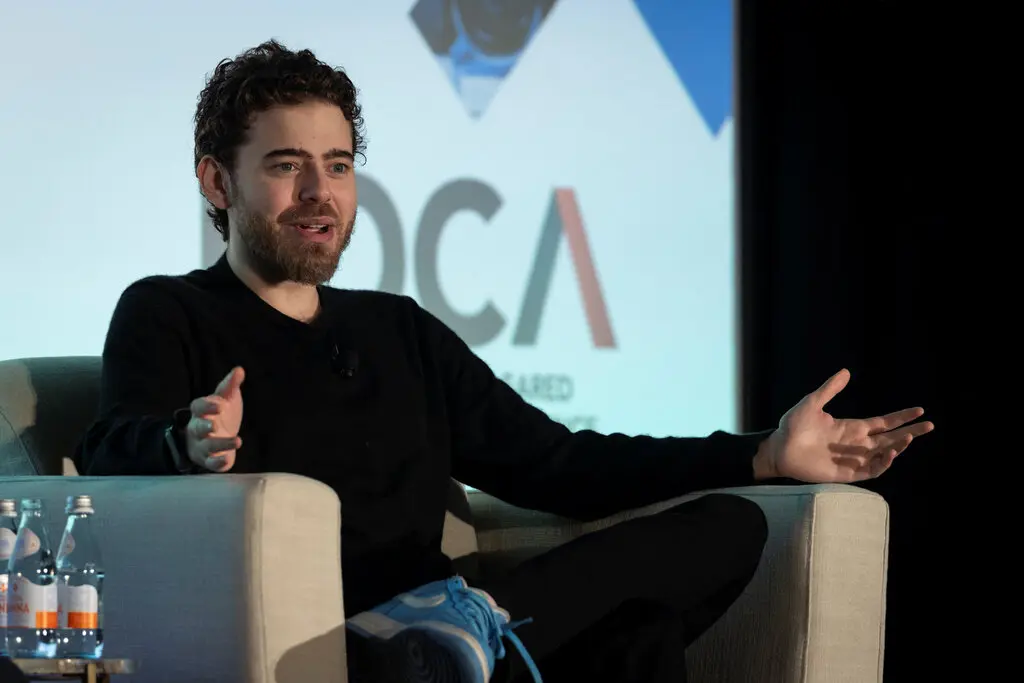

Shayne Coplan, Pendiri Polymarket


Dustin Gouker, kolumnis yang telah lama menulis tentang industri pasar prediksi, mengatakan: "Permusuhan mereka terlalu dalam, pertarungan ini sudah lama dicampuri dendam pribadi."


Pertarungan ini merembes ke rapat internal perusahaan, sidang Kongres AS, mempengaruhi arah kebijakan regulasi di Washington, dan memicu perhatian serta kekhawatiran regulasi industri yang belum pernah terjadi sebelumnya. Kedua perusahaan saling mendaftarkan merek dagang, berebut kemitraan bisnis yang sama, saling merebut talenta, saling menuduh di media, dan menyerang secara langsung di platform sosial. Keduanya juga menjalin kerja sama bisnis dengan Donald Trump Jr., sebuah strategi hubungan masyarakat yang cukup umum di lingkaran Washington selama pemerintahan Trump.


Mantan karyawan Kalshi dan manajer dana investasi pasar prediksi, Noah Zingler-Sternig, menilai: "Kedua perusahaan telah melampaui batas dalam banyak hal, dan ini juga membuat publik sulit memandang serius kedua platform ini."


Permusuhan mereka bukan hanya tentang persaingan pangsa pasar, tetapi perbedaan yang lebih mendalam terletak pada batasan etika dan batas perilaku. Kalshi membentuk citra sebagai tolok ukur kepatuhan, bersikeras mendapatkan izin regulator AS sebelum mengoperasikan bisnis di dalam negeri; Polymarket, di sisi lain, tidak memiliki lisensi domestik, dengan platform inti yang beroperasi secara lepas pantai dalam jangka panjang. Kalshi secara ketat menerapkan aturan verifikasi identitas dan memblokir kategori taruhan sensitif; pengguna Polymarket dapat mendaftar tanpa mengirimkan informasi pribadi, bahkan dapat bertaruh pada peristiwa seperti waktu serangan rudal Israel.


Selama bertahun-tahun, Coplan dan Mansour meskipun pernah bertemu, tetapi sekarang hampir tidak berkomunikasi, hanya saling menjelekkan dari jauh. Mansour lulusan MIT, mengaku sebagai penggemar matematika, pernah membandingkan persaingan keduanya dengan rivalitas sehat antara dua quarterback legendaris, Tom Brady dan Eli Manning. Namun baru-baru ini, dia dengan tegas menyebut model operasi Polymarket "ilegal dan tidak bermoral," dan menunjuk bahwa platform lepas pantainya dioperasikan oleh entitas Panama.


Pada April tahun ini, Mansour secara terbuka mengatakan dalam sebuah konferensi industri di Washington: "Saya tidak tahu regulasi apa yang ada di Panama terkait perdagangan orang dalam di pasar prediksi, kemungkinan besar tidak ada sama sekali."


Coplan, yang keluar dari New York University, pandai dalam presentasi dan membangun hype, jarang menyebut Kalshi di depan umum. Namun dua sumber mengungkapkan, secara pribadi dia menyebut Kalshi hanya meniru model Polymarket, dan yakin Mansour selalu mencari cara untuk menekannya. Coplan yakin platformnya adalah solusi terbaik di industri, tahun lalu dalam program "60 Minutes" mengatakan: "Ini adalah alat informasi paling akurat yang dimiliki umat manusia saat ini."


Juru bicara Kalshi, Elisabeth Diana, mengatakan perusahaan mengetahui tentang penggeledahan FBI dari laporan berita. Dia menambahkan, Kalshi secara rutin berkomunikasi dengan regulator tentang masalah kepatuhan, dan juga pernah secara terbuka menyatakan "ada perusahaan yang merugikan pengguna dan merusak reputasi industri".
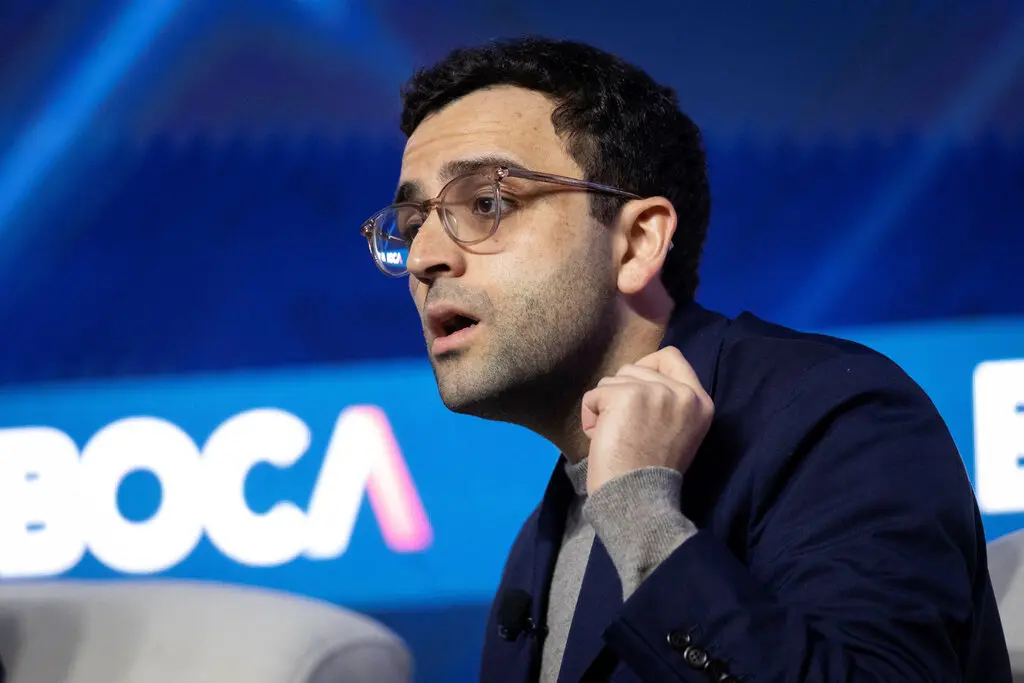

Tarek Mansour, Pendiri Bersama Kalshi


Diana mengatakan, "Mansour sendiri tidak memiliki permusuhan pribadi terhadap Shayne, satu-satunya ketidakpuasannya adalah, Kalshi menghabiskan bertahun-tahun mendorong kepatuhan industri, sementara pihak lain mengoperasikan jalur ini dengan cara yang tidak memiliki batas sama sekali."


Juru bicara Polymarket hanya merespons Mansour dengan mengutip pepatah Emerson: "Orang yang terus-menerus membanggakan moralitasnya sendiri, kita harus menjaga sendok perak kita." Dia juga menyatakan bahwa platform telah membangun mekanisme penyaringan perdagangan orang dalam yang solid, telah menyerahkan petunjuk mencurigakan ke otoritas penegak hukum hampir seratus kali, dan menekankan: "Kami berkomitmen untuk membangun pasar yang akurat, adil, dan transparan."


Seiring pasar prediksi berkembang dari ceruk kecil menjadi populer secara massal, tekanan regulasi yang dihadapi kedua perusahaan terus meningkat. Jaksa Agung dari berbagai negara bagian di AS secara berturut-turut menggugat kedua platform, menuduh bisnis taruhan olahraga mereka melanggar undang-undang perjudian; Polymarket juga sedang diselidiki oleh Komisi Perdagangan Berjangka Komoditas AS (CFTC).


Laporan Kalshi terhadap Polymarket menjadi semakin terbuka. Pada Mei, mantan komisioner CFTC dan direktur Kalshi saat ini, Brian Quintenz, memposting di platform X, menjelaskan mekanisme verifikasi pengguna Polymarket, dan menandai akun resmi kantor Jaksa Federal Distrik Selatan New York.


Awal dan Akhir Permusuhan Dua Lawan


Coplan adalah orang asli New York, mendirikan Polymarket pada tahun 2020, awalnya berkantor di sebuah apartemen di Lower Manhattan, dengan kamar mandi yang dimodifikasi sementara menjadi kantor, hanya bermodalkan sebuah laptop. Saat itu dia menganggap dirinya sebagai pemain baru di industri, mengembangkan produk baru yang sama sekali tidak konvensional.


Dia segera mendapat lawan tangguh. Mansour tumbuh besar di Lebanon, pernah menjadi trader di Castle Fund, pada 2018 bersama teman sekelas MIT dan COO perusahaan saat ini, Luana Lopes Lara, bersama-sama mendirikan Kalshi. Rekan kerja menilai Mansour cerdas, berani, dan sedikit introver; Coplan ramah, mengoleksi karya seni, mencintai musik, membawa aura santai dan bebas khas orang New York.


Luana Lopes Lara, Pendiri Bersama Kalshi


Hubungan keduanya memang tidak pernah terlalu bersahabat. Menurut sumber, dalam sebuah pertemuan canggung di awal, Coplan menyebutkan bahwa keduanya dibesarkan oleh ibu tunggal, perkataan ini membuat Mansour sangat tidak nyaman.


Namun keduanya memiliki satu konsensus yang sama: pasar prediksi akan membentuk kembali industri keuangan dan media, mengandalkan "kebijaksanaan kolektif" untuk menghasilkan referensi informasi yang sangat berharga. Taruhan di Polymarket dan Kalshi disajikan dalam bentuk pertanyaan "Ya/Tidak", dengan subjek taruhan mencakup cuaca, acara Super Bowl, dan lainnya. Jumlah total taruhan pengguna akan menentukan peluang peristiwa yang bersangkutan.


Kalshi, jauh sebelum meluncurkan bisnis taruhan pada 2021, telah mengajukan izin operasi lengkap ke CFTC. Tiga sumber mengungkapkan, bahkan pada tahap komunikasi awal dengan regulator, Kalshi telah melaporkan masalah kepatuhan Polymarket kepada pihak regulator.


Orang utama yang menangani adalah penasihat strategis Kalshi, Jeff Bandman, yang berkali-kali mendesak CFTC untuk memeriksa perusahaan Coplan, menunjukkan bahwa platform dapat digunakan di wilayah AS tanpa izin. Pada Januari 2022, regulator menjatuhkan denda $1,4 juta kepada Polymarket, memerintahkan platform untuk menghentikan penerimaan taruhan dari pengguna AS.


Larangan ini sekali waktu memberi harapan Kalshi untuk memonopoli pasar domestik AS, tetapi perusahaan masih harus bernegosiasi dengan regulator untuk mendapatkan aturan operasi yang lebih longgar. Di bawah pemerintahan Biden, CFTC melarang taruhan terkait pemilu, Kalshi menggugat regulator ke pengadilan pada 2023.


Selama Kalshi terjebak dalam litigasi hukum, meskipun dilarang melayani pengguna AS, Polymarket tetap meledak popularitasnya. Pengguna AS hanya perlu menggunakan jaringan pribadi virtual (VPN) untuk mengubah lokasi mereka, dan mereka dapat mengakses situs web lepas pantai. Sebelum pemilihan presiden 2024, peluang di platform menjadi bahan pembicaraan hangat di internet, datanya menunjukkan kemungkinan kemenangan Trump jauh lebih tinggi daripada jajak pendapat tradisional.


Mansour dengan tegas mengatakan dalam podcast bulan Juni: "Mereka sepenuhnya melewati proses kepatuhan, langsung meluncurkan produk, tanpa keraguan."


Menjelang pemilihan, Kalshi menang di pengadilan, pasar prediksi berizin secara legal dapat beroperasi di AS. Polymarket tetap tidak memiliki izin operasi domestik, tetapi lalu lintas platform melonjak, Coplan melompat menjadi selebritas industri.


Pada tahun 2024, Kantor Jaksa Distrik Selatan New York memulai penyelidikan, memeriksa apakah Polymarket secara ilegal membuka layanan kepada pengguna AS. Seminggu setelah kemenangan Trump, FBI menggerebek apartemen Coplan di Manhattan, menyita semua perangkat elektroniknya.


Kalshi segera memanfaatkan momen ini untuk membangun momentum. Media teknologi "Pirate Wires" mengungkapkan screenshot percakapan yang menunjukkan karyawan Kalshi, Keaton Inglis, menghubungi mantan bintang NFL, Antonio Brown, memintanya memposting di platform X bahwa Coplan "bersalah".


Antonio Brown, Mantan Bintang NFL


Brown kemudian memposting permintaan maaf, mengatakan saat itu dia sedang dalam kerja sama bisnis dengan Kalshi, dan tanpa berpikir panjang membagikan konten terkait. Mansour juga meminta maaf, dalam podcast Desember 2024 mengatakan: "Beberapa anggota tim kami saat itu terlalu emosional."


Peristiwa penggeledahan membuat Coplan dan timnya sangat curiga, rumor terkait dengan cepat menyebar ke media. Empat sumber mengungkapkan, secara internal Polymarket secara pribadi menduga, Kalshi atau pihak yang bekerja sama dengannya menyewa detektif swasta untuk melacak Coplan, setelah melihat kedatangan FBI langsung memberi tahu media.


Juru bicara Kalshi, Diana, membantah: "Ini sama sekali tidak berdasar, dugaan pihak lain sudah mencapai tingkat yang keterlaluan."


Menggagalkan Kerja Sama Besar Secara Diam-diam


Pada Juli tahun lalu, Coplan pergi ke restoran puncak Manhattan, Manhatta, untuk menghadiri makan malam bisnis kunci, restoran dengan pemandangan 360 derajat dari lantai 60. Dia berpakaian santai, membawa bagel dalam kantong kertas.


Pihak lain dalam makan malam itu adalah miliarder Jeffrey Sprecher, pendiri Intercontinental Exchange (ICE). Raksasa dengan kapitalisasi pasar $80 miliar ini mengoperasikan Bursa Efek New York. Pertemuan antara raksasa jalur lama dan baru juga menjadi titik balik kunci dalam persaingan Polymarket dan Kalshi.


Selama bertahun-tahun, Kalshi memegang daftar investor terkemuka seperti Sequoia Capital; Coplan sebelumnya sering gagal mendapatkan pendanaan dari institusi besar. Namun baik Coplan maupun Mansour sama-sama berusaha mendapatkan investasi dari ICE, yang berniat berekspansi ke jalur pasar prediksi.


Coplan dan Sprecher langsung akrab. ICE awalnya mempertimbangkan untuk berinvestasi di Kalshi, akhirnya pada musim gugur tahun lalu menyetujui perjanjian investasi di Polymarket.


Sumber mengatakan, Mansour sangat marah setelah mengetahui berita ini. Lima sumber mengungkapkan, sebelum pengumuman kerja sama, Mansour dan mitra a16z, investor Kalshi, Alex Immerman, masing-masing bertemu dengan tim eksekutif ICE.


Beberapa sumber memberikan deskripsi berbeda tentang detail percakapan, tetapi tiga orang mengkonfirmasi, komunikasi Mansour dan Immerman pada dasarnya adalah menggunakan segala cara untuk mencegah ICE melepaskan investasi ini.


Juru bicara Kalshi, Diana, mengatakan perusahaan itu sendiri "tidak berniat untuk melanjutkan kerja sama dengan Sprecher".
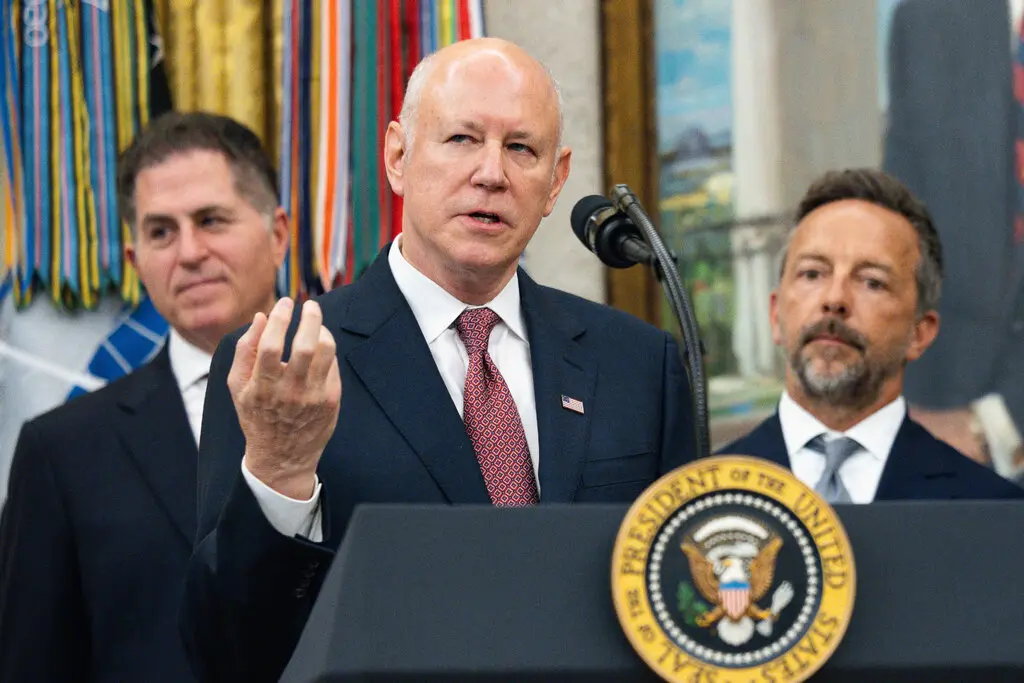

Jeffrey Sprecher, Pendiri Intercontinental Exchange


Akhirnya Sprecher memilih Coplan, pada Oktober mengumumkan investasi hingga $2 miliar di Polymarket. Ini hanya salah satu dari serangkaian kabar baik bagi Polymarket: pada Juli tahun lalu pemerintahan Trump memperketat penegakan hukum, Distrik Selatan New York menarik penyelidikan terhadap Coplan; pada musim panas yang sama, perusahaan ventura milik Trump Jr., 1789 Capital, juga mengumumkan investasi di Polymarket.


Coplan mengatakan dalam program "60 Minutes" tahun lalu: "Pemerintahan ini sangat mendukung inovasi, industri kripto, dan terutama mendukung Polymarket, ini sangat langka."


Untuk memanfaatkan keuntungan kebijakan ini, Polymarket harus mendapatkan izin operasi domestik AS. Coplan berencana mengakuisisi perusahaan yang sudah memiliki kualifikasi kepatuhan.


Dia sekali lagi menghadapi hambatan dari Kalshi. Lima sumber mengungkapkan, ada rumor bahwa Coplan berminat mengakuisisi platform prediksi kecil Railbird, Mansour kemudian melaporkan potensi masalah terkait target akuisisi tersebut ke pejabat tinggi CFTC.


Laporan Kalshi tidak berhasil, pada Juni 2025 CFTC menyetujui izin operasi Railbird. Coplan akhirnya menghabiskan $112 juta untuk mengakuisisi perusahaan lain yang berizin, QCX. Meskipun platform utama lepas pantainya masih dibatasi, tetapi setelah mengakuisisi QCX, Polymarket meluncurkan App versi ringan domestik AS, sehingga dapat menjangkau sejumlah besar pengguna domestik.


Saat mengumumkan akuisisi pada bulan Juli, Coplan memposting gambar bendera AS di platform sosial dengan keterangan: "Sudah terlalu lama aku menunggu hari ini, Polymarket secara resmi kembali ke tanah air AS."


Permainan Bisnis yang Sengaja Menantang


Musim semi ini, tim New York Knicks masuk playoff, Mansour memposting foto menonton pertandingan di tepi lapangan Madison Square Garden, mengenakan pakaian dengan warna tim, tersenyum lebar.


Secara resmi, ini adalah acara perayaan kerja sama baru antara Kalshi dan arena, lorong di lantai enam arena secara resmi dinamai Kalshi Gallery. Tetapi pengamat industri melihat maksud lain: sebuah provokasi yang disengaja.


Coplan, bahkan sebelum terkenal, sering membagikan konten terkait Knicks di media sosial, sering muncul di tepi lapangan arena selama musim reguler. Sumber mengatakan, sebelum Kalshi menyetujui kerja sama, Polymarket juga pernah merundingkan sponsor serupa, tetapi tidak mau menandingi penawaran yang diberikan pihak lain.


Ini juga menandakan bahwa pertarungan industri yang awalnya terbatas pada lingkaran kecil kripto, sekarang sepenuhnya memasuki pandangan publik. Dalam enam bulan pertama tahun ini, total volume perdagangan kedua platform melampaui $150 miliar, naik 1200%, yang tak diragukan lagi memperhebat ketatnya persaingan.


Dari data saat ini, Mansour sementara memimpin. Setelah menyelesaikan putaran pendanaan baru pada Mei, valuasi Kalshi mencapai $22 miliar, $7 miliar lebih tinggi dari Polymarket. Menurut statistik lembaga data The Block, bulan lalu volume perdagangan Kalshi $33 miliar, dua kali lipat Polymarket.


Diana menyangkal bahwa kerja sama dengan Madison Square Garden bermaksud menargetkan Coplan: "Kami tidak akan menyetujui kerja sama bisnis hanya untuk menantang lawan, pernyataan ini sangat konyol."


Popularitas pasar prediksi yang meledak juga menarik pengawasan regulasi yang lebih ketat, dengan fokus sebagian besar pada Polymarket. Pada April tahun ini, seorang prajurit pasukan khusus militer AS didakwa, dia menggunakan informasi rahasia, login ke platform lepas pantai Polymarket melalui VPN untuk bertaruh pada peristiwa terkait penangkapan Presiden Venezuela Maduro, memperoleh keuntungan ilegal lebih dari $400.000. Juru bicara Polymarket mengatakan platform dengan tegas melarang akses VPN.


Pendekatan kedua platform dalam mengendalikan perdagangan orang dalam sangat berbeda. Kalshi meminta pengguna mengirimkan informasi pribadi lengkap sebelum bertaruh, dalam beberapa situasi juga perlu mengisi pekerjaan; semua transaksi Polymarket terbuka di blockchain, memudahkan pengguna komunitas memeriksa perilaku ilegal sendiri. Pengguna App domestik AS harus melakukan verifikasi identitas, tetapi platform utama lepas pantai tetap tidak mewajibkan pengguna mengungkapkan informasi pribadi seperti nama, tempat kerja, dll.


Influencer berbayar Polymarket, Aj Pleasanton, menilai, model ini sangat umum di industri kripto, pengguna umumnya lebih suka operasi anonim.


Secara pribadi, Mansour semakin tidak puas dengan model operasi Polymarket, dua sumber mengungkapkan, dia sering menelepon Kepala Penasihat Hukum Polymarket, Neal Kumar, untuk mengungkapkan kemarahannya.


Konflik antara keduanya sering terjadi. Menurut sumber dan dokumen yang ditinjau oleh The New York Times, pada musim semi 2025, beberapa influencer yang bekerja sama dengan Polymarket menyebarkan berita tentang kegagalan kerja sama antara Kalshi dan xAI milik Elon Musk.


Tahun yang sama, Polymarket merekrut mantan karyawan Uber, Max Crowley, sebagai Wakil Presiden Kemitraan, bekerja kurang dari dua bulan, Crowley pindah ke Kalshi, hal ini membuat Coplan sangat marah. Menurut sumber, selama masa perpindahan, Coplan dan pengacara dewan perusahaan, Alex Spiro, mengirimkan surat peringatan pengacara yang mengancam akan menggugat, tetapi akhirnya tidak diajukan ke pengadilan.


Meskipun memiliki kepentingan industri bersama, kedua perusahaan sama sekali tidak mau bekerja sama. Kalshi membentuk kelompok lobi industri untuk melawan regulasi pembatasan pasar prediksi di berbagai negara bagian, bergabung dengan beberapa pesaing lainnya, hanya mengesampingkan Polymarket.


Bulan berikutnya, Kalshi mengalami kekalahan dalam gugatan taruhan olahraga di satu negara bagian, Polymarket segera meluncurkan subjek taruhan baru, membuka taruhan tentang waktu penutupan bisnis olahraga Kalshi di Massachusetts.


Trending Cryptos

Related Questions

QApa yang memicu ketegangan antara Kalshi dan Polymarket?

AKetegangan terutama dipicu oleh perbedaan pendekatan terhadap kepatuhan regulasi dan persaingan sengit untuk mendominasi pasar prediksi. Kalshi fokus pada operasi legal di AS setelah mendapatkan izin regulator, sementara Polymarket beroperasi secara lepas pantai tanpa izin AS, memungkinkan pengguna mengaksesnya melalui VPN. Kalshi juga dilaporkan melaporkan masalah kepatuhan Polymarket ke otoritas.

QBagaimana insiden penyitaan FBI terhadap apartemen Shayne Coplan terkait dengan persaingan ini?

ABeberapa bulan sebelum penyitaan FBI, pengacara Kalshi dikabarkan telah mengunjungi kantor Kejaksaan AS untuk melaporkan masalah operasi Polymarket, termasuk akses pengguna AS ke platform lepas pantainya. Insiden penyitaan ini memperdalam kecurigaan tim Polymarket bahwa Kalshi atau pihak terkait secara aktif berusaha menggagalkan bisnis mereka.

QApa perbedaan utama dalam model bisnis dan etika antara Kalshi dan Polymarket?

AKalshi menekankan kepatuhan penuh, memerlukan verifikasi identitas pengguna, dan menghindari pasar prediksi sensitif. Polymarket, meskipun sekarang memiliki aplikasi AS yang patuh melalui akuisisi, platform lepas pantai utamanya memungkinkan anonimitas pengguna dan menawarkan pasar pada peristiwa yang lebih luas (seperti serangan militer), yang dianggap Kalshi tidak bermoral dan ilegal.

QBagaimana persaingan ini memengaruhi strategi ekspansi dan kemitraan kedua perusahaan?

APersaingan memengaruhi banyak aspek: mereka saling bersaing untuk investasi (seperti dari ICE), kemitraan sponsorship (seperti dengan Madison Square Garden), dan akuisisi perusahaan patuh. Contohnya, Mansour dari Kalshi dikabarkan mencoba menggagalkan kesepakatan investasi ICE dengan Polymarket, dan Kalshi memenangkan sponsor tempat meskipun Polymarket juga menawar.

QApa dampak persaingan sengit ini terhadap industri pasar prediksi secara keseluruhan?

APersaingan telah menarik perhatian regulator yang lebih ketat, memicu investigasi hukum terhadap kedua platform, dan menciptakan polarisasi dalam industri. Meskipun mendorong inovasi dan pertumbuhan volume perdagangan yang pesat, konflik publik dan taktik saling menjatuhkan juga berisiko merusak reputasi industri dan menghambat upaya lobi bersama untuk regulasi yang lebih menguntungkan.

Related Reads

Low Investment Isn't Apple's Immunity Pass

While Meta and Google face investor scrutiny over ballooning AI capital expenditures, Apple's minimal AI investment has paradoxically become a strength. Its market cap recently reclaimed the global top spot, surpassing $5 trillion. The irony is deep: Apple's own AI efforts have lagged, with "Apple Intelligence" delayed and core talent lost, forcing reliance on partners like Google Gemini and Alibaba's Qianwen. Its Q3 FY2026 (Q2 CY) earnings initially seemed stellar. Revenue hit $109.4B (up 16% YoY), with iPhone and Mac sales, growing 22% and 29% respectively, driving most of the growth. However, the stock fell over 8% post-earnings. The primary concern was a weaker Q4 revenue growth forecast of 9-11%, below expectations, due to looming supply chain constraints. Apple is feeling the indirect cost of the AI boom. Soaring memory and chip prices, fueled by massive data center investments from Microsoft, Amazon, and others, are forcing Apple to raise Mac and iPad prices significantly. The upcoming iPhone launch is also expected to see substantial price hikes. Despite avoiding heavy AI infrastructure spending—its capital expenditures are actually down 28%—Apple cannot escape the industry-wide supply and cost pressures. While Apple's operating cash flow remains robust, its substantial R&D spending (up 32% YoY) has yet to yield major AI breakthroughs. As Tim Cook prepares to step down as CEO, Apple faces a challenging transition: balancing its premium hardware success against the strategic and cost pressures of the AI era it has so far cautiously navigated.

marsbit44m ago

Low Investment Isn't Apple's Immunity Pass

marsbit44m ago

PA Graphics Explanation | One Chart to Understand the Major Web3 Events in August 2026

**PANews Crypto Calendar: Key Web3 Events in August 2026** PANews introduces its revamped crypto calendar, featuring comprehensive coverage, flexible filtering, and easy export options. The market in August will be shaped by multiple key events across macroeconomics, regulation, tokenomics, and project developments: * **Macro & Policy:** Key US economic data releases (July Non-Farm Payrolls, CPI), the Federal Reserve meeting minutes, and the Jackson Hole Economic Symposium will be in focus. On the regulatory front, the US Senate plans to release a new draft of the *CLARITY Act*, while the EU's expanded crypto ban against Belarus comes into effect. * **Token Unlocks:** Significant token unlocks are scheduled for assets including ENA, AVAX, CONX, ZRO, and KAITO, which may influence market volatility. * **Project Updates & Shutdowns:** Several services, including Exchange Art, Ctrl Wallet, Zapper, NFTfi, and Summer.fi, are set to cease operations or undergo major adjustments. Users are advised to manage their assets accordingly. * **Corporate Activity:** Q2 earnings reports from companies like SpaceX, Circle, and Nvidia are due. Unitree Robotics will initiate its IPO subscription on the STAR Market, and Moonshot AI plans to begin a Pre-IPO financing round. * **Industry Events:** Major conferences such as Bitcoin Asia 2026 and the 2026 Digital Expo will take place. The overarching market narrative for August will revolve around macroeconomic expectations, regulatory developments, token unlock schedules, and ongoing industry consolidation.

marsbit54m ago

PA Graphics Explanation | One Chart to Understand the Major Web3 Events in August 2026

marsbit54m ago

Wall Street's Most Famous 'Cassandra' Now Has His Sights Set on Nvidia

Michael Burry, the famed "Big Short" investor, has once again captured Wall Street's attention with a series of short positions against major tech and semiconductor stocks, most notably Nvidia. In late June and July, through his "Cassandra Unchained" newsletter, Burry disclosed short bets against Nvidia, Tesla, Applied Materials, Caterpillar, the SOXX semiconductor ETF, and later, Micron Technology. His core thesis revolves around potential distortions in the AI infrastructure boom, specifically questioning whether extended depreciation schedules (e.g., 6 years vs. a realistic 2-3 years for AI chips) by cloud giants like Microsoft and Google artificially inflate profits. He also raises concerns about possible "off-balance-sheet circular financing," where chip demand might be propped up by vendor-backed funding to clients. Nvidia's stock experienced volatility following these disclosures, briefly dipping but largely holding near Burry's reported entry points, leaving his positions roughly flat or slightly underwater as of late July. This move is part of a pattern for Burry, whose track record since his legendary 2008 bet is mixed. He has faced notable losses, such as on Tesla in 2021, while scoring on broader market turns like the 2020 pandemic crash. His methodology focuses intensely on free cash flow and scrutinizing original financial documents to spot overvaluation and structural risks, but it often struggles with timing the market. The article contrasts Burry's stance with other prominent investors. Steve Eisman, another "Big Short" figure, is not shorting Nvidia, citing strong fundamentals but expressing nervousness about sustainability. Jim Chanos agrees with the broad "accounting mismatch" concern—comparing it to the dot-com bubble—but targets financial leverage in private equity firms rather than the chip stocks themselves. While Nvidia's short interest remains relatively low at 1.3-1.4% of float, the massive stock size means absolute short losses have been significant, exceeding $5 billion earlier this year. The piece concludes that for ordinary investors, the key takeaway is not replicating specific short bets but learning from the critical frameworks these investors use: questioning rosy accounting, identifying structural vulnerabilities, and maintaining skepticism during market euphoria, even if pinpointing the exact catalyst for a downturn remains elusive.

marsbit1h ago

Wall Street's Most Famous 'Cassandra' Now Has His Sights Set on Nvidia

marsbit1h ago

Weekly Selection丨Epic Stock Market Volatility, Changxin Tech's IPO Reshapes Storage Landscape, Saylor Aims to Re-Anchor STRC Around September 8th

PANews Weekly Digest: Market Turmoil, Tech Breakthroughs, and Crypto Developments. The week saw significant volatility across global markets. South Korea's KOSPI index experienced extreme turbulence, including multiple trading halts, largely driven by sharp declines in AI hardware stocks like SK Hynix. In contrast, China's Changxin Xinqiao (CXC) achieved a landmark IPO with a market cap surpassing 4 trillion yuan, marking a major success for the domestic DRAM industry after a decade of losses. In the crypto and Web3 space, several key narratives emerged. AI is driving demand for new infrastructure, with projects like AI agent wallets and programmable payments gaining traction, attracting interest from firms like Coinbase. The Bitcoin mining sector is pivoting, with companies like MARA focusing on energy management as electricity becomes a core AI-era asset. Meanwhile, the RWA (Real World Assets) sector faces a "utilization puzzle," with hundreds of billions in on-chain assets remaining dormant. Notable market movements included a historic single-day surge of over 17% for the KOSPI index and a significant migration of $16.5 billion in staked ETH within the Lido ecosystem. Michael Saylor announced a target to re-peg the STRC stablecoin around September 8th. Other highlights include discussions on Ethereum's ambitious 2030 roadmap for scaling and privacy, analysis showing high protocol revenues not always translating to token price gains, and warnings from Citi about potential extreme commodity price shocks by late 2026.

marsbit1h ago

Weekly Selection丨Epic Stock Market Volatility, Changxin Tech's IPO Reshapes Storage Landscape, Saylor Aims to Re-Anchor STRC Around September 8th

marsbit1h ago

When the Market Begins to Question AI Capex: A Full Analysis of Q2 Earnings Reports from Five Tech Giants

In late July 2026, five major US tech giants—Alphabet, Intel, Microsoft, Meta, and Apple—released their Q2 earnings reports. While all companies exceeded revenue and profit expectations, driven by strong AI-related business growth, investor reactions diverged sharply due to concerns over escalating AI capital expenditures (capex) and their impact on free cash flow. Alphabet reported strong revenue growth and a surging cloud business, but its stock fell after announcing a doubled year-on-year capex and negative quarterly free cash flow for the first time. Intel posted its strongest revenue growth in over 15 years, but its stock experienced volatile trading after significantly raising its full-year capex guidance. Microsoft saw its stock surge after beating estimates and, crucially, lowering its capex forecast while projecting positive free cash flow. Meta faced the most severe sell-off as its profits declined despite revenue beats, with free cash flow plunging over 90% and its capex guidance raised. Apple reported record June-quarter results, but its stock plummeted after providing Q4 revenue guidance that fell short of expectations, citing supply chain constraints and forex headwinds. The overall takeaway is that the market's focus has shifted from validating AI demand to scrutinizing the timeline for returns on massive AI investments. Companies demonstrating a clearer path to managing capex and preserving free cash flow, like Microsoft, were rewarded, while those signaling continued aggressive spending faced investor skepticism.

Odaily星球日报1h ago

When the Market Begins to Question AI Capex: A Full Analysis of Q2 Earnings Reports from Five Tech Giants

Odaily星球日报1h ago

Trading

Spot

Hot Articles

What is LINON

Linde plc Tokenized Stock (Ondo): Revolutionizing Traditional Equity Access Through Blockchain Innovation The emergence of Linde plc Tokenized Stock (Ondo), represented by the ticker $LINON, signifies a monumental shift in the fusion of traditional financial structures and decentralized finance (DeFi). This innovative financial instrument showcases the tremendous potential of blockchain technology to democratize access to traditional equity markets while ensuring the security and regulatory compliance necessary for institutional-grade financial products. Through Ondo Finance's pioneering tokenization platform, $LINON provides a seamless pathway for global investors to engage with one of the world's leading industrial gas companies, Linde plc, creating a blockchain-native representation of the underlying equity. Introduction to Linde plc Tokenized Stock The landscape of financial markets is witnessing a groundbreaking transformation through the tokenization of real-world assets. Linde plc Tokenized Stock (Ondo) epitomizes this revolutionary approach by bridging the gap between conventional stock ownership and blockchain-enabled financial infrastructure. The $LINON token allows investors to gain exposure to one of the prominent industrial companies worldwide through decentralized technology. Operating within Ondo Finance's comprehensive ecosystem, $LINON symbolizes a practical application of tokenization technology that enhances accessibility, efficiency, and global connectivity in traditional financial markets. By leveraging blockchain infrastructure, this tokenized stock enables international investors to participate in U.S. equity markets, overcoming traditional barriers associated with cross-border investing. The significance of $LINON goes beyond technological innovation; it represents a fundamental shift in asset structuring, distribution, and trading in the digital age. This tokenized stock maintains all the economic benefits associated with traditional Linde plc shares while offering improved liquidity, programmable compliance features, and seamless integration with decentralized finance protocols. The development of $LINON indicates a growing acceptance of blockchain technology as a viable means for traditional finance, exemplifying how even well-established assets like Linde plc can integrate into blockchain systems. This approach preserves the core attributes that appeal to investors while introducing advanced capabilities that enhance the overall investment proposition. Project Overview and Objectives Linde plc Tokenized Stock (Ondo) encapsulates a strategic effort to democratize access to traditional equity markets through advanced blockchain technologies. The primary objective of $LINON is to provide approved global investors seamless access to the economic exposure associated with Linde plc shares, furthering an effort to create a more inclusive financial ecosystem. Beyond the digital representation of traditional assets, $LINON endeavors to eliminate barriers of geography and time zones that limit investor participation. Its design ensures that blockchain technology can elevate traditional investment vehicles without undermining the security or compliance requirements expected by investors. Key goals of the project include enhanced liquidity provision, programmable compliance mechanisms, and interoperability with other blockchain networks. Each $LINON token is fortified by actual Linde plc securities housed at U.S.-registered broker-dealers, allowing holders to reap economic advantages akin to traditional stockholders, such as dividend reinvestment. Furthermore, $LINON aims to establish new industry standards for institutional-grade tokenized securities, paving the way for traditional assets to embrace blockchain technology while remaining compliant with regulatory frameworks. By associating itself with a company as reputable as Linde plc, the project opens avenues for exploring tokenized equities catering to both conservative institutional players and daring retail investors. Project Creator and Development Team The vision for Linde plc Tokenized Stock (Ondo) comes from Nathan Allman, founder and CEO of Ondo Finance. His background in traditional finance coupled with expertise in blockchain technology positions him uniquely to navigate the complexities of asset tokenization. Allman's academic journey began at Brown University, focusing on Economics and Biology, equipping him with valuable analytical skills. His time at Goldman Sachs in the Digital Assets division strengthened his understanding of the interplay between financial institutions and emerging technologies, laying the groundwork for his later endeavors in alternative investment strategies. Under Allman's guidance, Ondo Finance has emerged as a leader in asset tokenization, launching $LINON as a flagship example of the company's larger mission towards revolutionizing traditional financial systems using blockchain technology. His commitment to leveraging blockchain for creating institutional-grade financial products has shaped the landscape of real-world asset tokenization. Investment and Funding Structure The growth of Ondo Finance, the platform powering Linde plc Tokenized Stock (Ondo), is bolstered by robust financial backing from prestigious venture capital firms and strategic investors. This strong investment foundation underpins the development of the key infrastructure essential for compliant tokenized securities like $LINON. In August 2021, Ondo Finance secured $4 million in seed funding led by a major venture capital firm, which enabled the company to commence platform development and establish the necessary regulatory processes for tokenizing real-world assets. This early investment cemented Ondo Finance's credibility within the industry. The Series A funding round followed, garnering $20 million with participation from renowned firms committed to transformative technology companies. This backing demonstrated substantial institutional confidence in Ondo Finance's vision, allowing it to hone its approach to asset tokenization through mechanisms that ensure compliance and accessibility. Noteworthy contributors, including institutional investors and experienced partners, have added significant value to Ondo Finance’s development efforts. Their involvement underscores the confidence across sectors in Ondo Finance's approach to bridging traditional finance with blockchain innovations. Technical Infrastructure and Innovation The technical architecture that underpins Linde plc Tokenized Stock (Ondo) represents a sophisticated melding of traditional finance systems and cutting-edge blockchain technology. The architecture's foundation is built on the Ethereum network, renowned for its security and programmability—both critical for intricate financial instruments. The $LINON tokenization process comprises creating a blockchain-native representation of Linde plc shares that preserves economic benefits while augmenting investor capabilities. Each token corresponds to actual shares held at U.S.-registered broker-dealers, creating a compliant custody structure that legitimizes the asset's existence and value. Automated compliance systems are integrated into the tokenization process, managing critical components such as know-your-customer (KYC) verification and anti-money laundering (AML) protocols. This incorporation of programmable compliance empowers $LINON to uphold regulatory standards essential for institutional proliferation. Cross-chain interoperability characterizes the advanced technical features of $LINON. While initially deployed on Ethereum, the framework is designed for expansion to other networks such as Solana and BNB Chain. This adaptability enhances liquidity and accessibility, allowing investors to select their preferred blockchain ecosystems. Historical Timeline and Development Crafting the history of Linde plc Tokenized Stock (Ondo) unfolds in parallel with the evolution of Ondo Finance's tokenization platform. The timeline's inception dates back to March 2021 when Nathan Allman laid the foundations for creating institutional-grade financial products on blockchain infrastructure. The initial funding round in August 2021 provided crucial resources for developing the platform and establishing partnerships necessary for effective tokenization. By January 2023, Ondo Finance launched its tokenized treasury products, establishing mechanisms that would facilitate future tokenized equities such as $LINON. A pivotal milestone arose in February 2025 when Ondo Chain—a Layer 1 blockchain designed specifically for asset tokenization—was introduced. This infrastructure enhances capabilities vital for institutional markets, demonstrating Ondo Finance's long-term commitment to tokenization. Subsequently, the launch of Ondo Global Markets in September 2025 marked the official debut of $LINON. This milestone showcased the successful transition from development to active trading, enabling investors around the world to access American financial markets seamlessly. Ongoing development plans include a targeted expansion of available tokenized assets to over 1,000 by the end of 2025, pointing to a bright future for Ondo Finance's ecosystem and its mission to broaden tokenized equity accessibility. Regulatory Compliance and Legal Framework The legal architecture governing Linde plc Tokenized Stock (Ondo) emphasizes a sophisticated approach to regulatory compliance, allowing tokenized securities to be implemented within a blockchain-based framework. The legal structure governing $LINON spans multiple jurisdictions while maintaining a robust legal footing. Compliance systems ensure that only eligible investors can access the token, enforced through automated verification that aligns with international regulations. This innovative regulatory technology promises real-time enforcement of complex requirements, considerably enhancing efficiency in operating within the regulatory landscape. The custody framework undergirding $LINON ensures that the underlying shares are securely held at U.S.-registered broker-dealers, complying with necessary regulations while delivering blockchain-driven access to investors. The token maintains its economic equivalency and security through this carefully structured custody arrangement. KYC and AML compliance systems are embedded within the smart contract architecture, ensuring integrity and adherence to regulatory practices while fostering transparency for investors. The jurisdictional restrictions mark a commitment to navigating the evolving landscape of international securities laws. Market Impact and Industry Significance The advent of Linde plc Tokenized Stock (Ondo) holds profound implications for the broader financial landscape, symbolizing a clear shift towards blockchain-enabled markets. $LINON serves as a proof-of-concept for integrating traditional companies into blockchain ecosystems, showcasing the potential benefits such as broader accessibility and improved efficiency. The market's response to $LINON indicates a growing acceptance of tokenization among institutional investors, contributing to the emergence of an expanding sector wherein traditional assets can be interconnected with blockchain innovations. The success of $LINON further solidifies market confidence, indicating an overarching shift towards recognizing asset tokenization as a transformative force in finance. Future Development and Expansion Plans The future trajectory for Linde plc Tokenized Stock (Ondo) centers around the expansion of the tokenization ecosystem and enhanced infrastructure supporting blockchain-enabled financial services. Plans for cross-chain integration usher in new opportunities for liquidity and flexibility within the investment framework, with existing capabilities poised for continuous enhancement. With the introduction of Ondo Chain, Ondo Finance aims to transition $LINON to an optimized blockchain environment specifically designed for asset tokenization. This new infrastructure heralds exciting prospects for the development of institutional-grade financial products, ensuring ongoing compatibility with contemporary investment strategies. Further integration with decentralized finance protocols signifies a commitment to empowering $LINON holders through advanced financial strategies. The anticipated expansion of available tokenized assets promises to broaden investor access, enhancing the utility and appeal of the platform. In alignment with ambitions for regulatory expansion, ongoing efforts to secure approvals for new jurisdictions will enhance investor access, further positioning $LINON at the forefront of the burgeoning tokenization market. Conclusion Linde plc Tokenized Stock (Ondo), as represented by the $LINON token, stands at the intersection of traditional finance and blockchain innovation. It embodies a transformative milestone in how financial assets are structured, distributed, and engaged within modern investment ecosystems. The technical sophistication behind $LINON, combined with its regulatory compliance framework, illustrates that asset tokenization can improve financial infrastructure rather than simply digitizing existing products. This pioneering effort not only enhances investor access to U.S. equity markets but also signifies an evolution of how traditional financial services can integrate blockchain technology. As the asset tokenization market grows exponentially, with prospects suggesting significant valuation increases, $LINON paves the way for a future where tokenized securities become standard fixtures in the financial landscape. The trajectory of $LINON will undoubtedly influence how traditional finance adapts to a transformed, blockchain-powered world.

3.9k Total ViewsPublished 2025.12.05Updated 2025.12.05

What is LINON

What is CRMON

Salesforce Tokenized Stock (Ondo): Revolutionising Traditional Equity Access Through Blockchain Innovation The emergence of Salesforce Tokenized Stock (CRMON) marks a pivotal advancement in integrating traditional financial markets with blockchain technology. This innovative approach offers investors unprecedented access to equity exposure through tokenisation. Developed by Ondo Finance, CRMON provides tokenholders with economic exposure equivalent to holding Salesforce stock (CRM) while automatically reinvesting dividends. This effectively bridges the gap between conventional equity markets and decentralised finance (DeFi). Introduction and Comprehensive Overview of Salesforce Tokenized Stock In recent years, the financial landscape has dramatically transformed due to blockchain technology, fundamentally altering how investors access and interact with traditional assets. The development of Salesforce Tokenized Stock (CRMON) is a prime example of this evolution, representing a sophisticated fusion of conventional equity markets with cutting-edge distributed ledger technology. CRMON is a tokenised version of Salesforce stock, emerging from the innovative work of Ondo Finance, a leading platform in the real-world asset tokenisation sector that positions itself as a bridge between traditional finance and decentralised systems. Designed to provide tokenholders with economic exposure that mirrors the performance of the underlying Salesforce stock, CRMON incorporates automatic dividend reinvestment mechanisms. This eliminates many traditional barriers associated with international equity investment, such as complex brokerage relationships, currency conversion challenges, and restricted trading hours. The tokenisation process reimagines stock ownership as a blockchain-native asset while maintaining its economic equivalence with the underlying security, offering enhanced portability and integration capabilities within decentralised finance ecosystems. CRMON transcends its individual utility as an investment instrument to represent a fundamental shift in how financial markets can operate in an increasingly digital world. By maintaining full backing through U.S.-registered broker-dealers and implementing robust compliance frameworks, CRMON demonstrates that tokenised securities can achieve the regulatory standards necessary for institutional adoption while delivering the technological advantages of blockchain infrastructure. Understanding Tokenized Real-World Assets and CRMON's Strategic Position Tokenised real-world assets signify one of the most significant innovations in modern finance, fundamentally reimagining how traditional securities are represented, traded, and utilised within digital ecosystems. CRMON operates as a tokenised equity instrument correlating directly with Salesforce stock while optimising accessibility and efficiency. This aligns with Ondo Finance's broader mission to democratise access to institutional-grade financial products through innovative tokenisation strategies. The tokenisation process guarantees complete economic equivalence with the underlying Salesforce equity. Each CRMON token represents a proportional claim on Salesforce stock held by qualified custodians, with dividend payments automatically reinvested to maintain continuous exposure to total return performance. This structure simplifies dividend management and ensures that tokenholders receive the full economic benefit of their equity exposure, encompassing both capital appreciation and income generation. Ondo Finance's strategy in tokenising Salesforce stock demonstrates its expertise in creating compliant, institutional-grade products that meet traditional financial markets' stringent requirements. The platform’s focus on merging regulatory compliance with blockchain benefits positions it at the forefront of decentralised finance, captivating both institutional and retail investors seeking blockchain-native solutions. The Technology and Innovation Framework Behind CRMON The technological infrastructure supporting CRMON integrates blockchain technology with traditional financial mechanisms, delivering institutional-grade security and compliance while maintaining the operational advantages of decentralised systems. Built on the Ethereum blockchain, CRMON utilises robust smart contract capabilities to ensure transparent, secure operations. The smart contract architecture incorporates layered security and compliance mechanisms, enabling automated compliance checks and real-time asset backing verification. Integration with oracle services maintains accurate pricing and dividend information, ensuring CRMON reflects the underlying Salesforce stock's accurate performance. This architecture delivers automated dividend reinvestments and other corporate actions, eliminating manual processing requirements and directly enhancing tokenholder benefits. Ondo Finance ensures CRMON's security structure includes daily third-party verification of holdings, independent collateral agents, and a multiple-layer custody system through partnerships with established financial institutions. This framework safeguards tokenholder interests against operational risks while providing robust asset backing. The user interface enhances integration capabilities, allowing seamless interaction between CRMON and various decentralised finance protocols, as well as cryptocurrency exchanges. This interoperability enables users to leverage their tokenised equity across multiple platforms, creating sophisticated investment strategies that marry traditional equity characteristics with blockchain-native innovation. Leadership and Corporate Structure of Ondo Finance The leadership team behind CRMON and Ondo Finance blends expertise from traditional finance and blockchain technology, presenting a robust combination of skills essential for successfully bridging conventional markets with decentralised finance. Nathan Allman, the founder and CEO, emerged from a distinguished financial background before establishing Ondo Finance in 2021. Allman's experience includes notable roles at major financial institutions, including significant contributions to developing cryptocurrency market services. His insights into regulatory compliance were paramount in developing products like CRMON that successfully unify traditional securities with blockchain technology. With a team of professionals boasting substantial experience in both conventional finance and blockchain sectors, Ondo Finance's leadership comprises diverse expertise that covers every aspect of tokenised asset development. Justin Schmidt serves as President and COO, contributing unique operational expertise, while Chris Tyrell brings essential compliance knowledge. Investment Landscape and Funding History The investment landscape surrounding Ondo Finance reflects significant institutional confidence in its mission to tokenise real-world assets. The company has raised substantial funds through various investment rounds, attracting leading venture capital firms and strategic investors that recognise the transformative potential of tokenised securities like CRMON. Notably, Ondo Finance completed a successful Series A funding round in 2022, led by well-known venture capital firms. This funding success validates Ondo Finance's innovative approach to creating compliant, institutional-grade tokenised products. In total, Ondo Finance has successfully secured substantial funding, raising significant capital for product development and market expansion, including a noteworthy token sale that reinforced its governance structure through the establishment of the ONDO token. The diverse composition of investors reflects broad market confidence in Ondo Finance's business model, demonstrating support from both traditional and blockchain-native organisations. Operational Mechanics and Technical Implementation The operational framework supporting CRMON exemplifies sophisticated integration of traditional financial mechanisms with blockchain technology. The technical implementation introduces multiple layers of security, compliance, and operational efficiency to meet institutional standards while enhancing accessibility. The tokenisation process begins by acquiring actual Salesforce stock through U.S.-registered broker-dealers, ensuring each CRMON token maintains direct correlation with the underlying equity performance. Smart contracts automate operational processes, including dividend reinvestment and corporate action processing, facilitating a streamlined user experience. The Minting and redemption processes allow authorised participants to manage CRMON tokens effectively. During U.S. trading hours, institutions can mint new tokens by depositing stablecoins that are used to purchase corresponding Salesforce equity. This structure maintains a tight correlation with underlying assets, enhancing liquidity and price discovery. Additionally, the infrastructure supports twenty-four-hour token transfer capabilities, providing CRMON holders with operations outside traditional market hours. This represents a significant advantage over conventional securities ownership, thus promoting integration with decentralised finance applications. Plans for cross-chain compatibility through partnerships signal further ambitions for CRMON's market reach. By expanding to other blockchain networks, Ondo Finance aims to enhance accessibility and user engagement with tokenised equity products. Timeline and Historical Development of Tokenized Equity Innovation The timeline of CRMON's development and Ondo Finance's broader tokenised capabilities demonstrates a systematic innovation process beginning with the company's founding in 2021. 2021: Ondo Finance is founded by Nathan Allman and co-founders, launching initial products focused on structured vault offerings on the Ethereum blockchain. 2022: The company completes substantial funding rounds—both equity and token sales—totaling significant capital and launching initial tokenised U.S. Treasury products. 2023-2024: Ondo Finance experiences substantial growth, establishing partnerships with major financial institutions while expanding its product offerings beyond fixed-income securities. February 2025: Ondo Global Markets is announced, marking the transition into equity tokenisation with plans for accessing over one hundred U.S. stocks and ETFs. September 2025: The official launch of Ondo Global Markets includes CRMON alongside other tokenised equity offerings, marking a significant evolution in Ondo Finance's product ecosystem. This timeline highlights the organisation's rapid growth and its capability to adapt its technological and compliance frameworks to accommodate different asset classes effectively while maintaining security and regulatory integrity. Regulatory Framework and Compliance Approach Ondo Finance's regulatory framework showcases a sophisticated compliance strategy, essential for achieving institutional adoption in the tokenised securities market. The company's strong partnerships with U.S.-registered broker-dealers promote adherence to Securities and Exchange Commission regulations and apply robust investor protections. Acquisitions, such as Oasis Pro—a registered broker-dealer—significantly enhance Ondo Finance's compliance capabilities, ensuring thorough alignment with existing regulatory structures. The company employs independent verification procedures that foster transparency, aiming for a solid performance standards reputation. Furthermore, Ondo Finance's commitment extends to international regulatory compliance, ensuring token access remains restricted to eligible investors while adhering to pertinent cross-border securities regulations. Comprehensive attention to tax implications and reporting requirements fortifies the security and compliance landscape of CRMON, ensuring that investor obligations remain manageable. Future Prospects and Market Positioning The forward-looking landscape for CRMON and Ondo Finance illustrates substantial growth opportunities driven by institutional adoption of blockchain technology and escalating demand for efficient alternatives to conventional securities ownership. Market projections indicate the tokenised asset sector could value multiple trillion dollars by 2030. With plans to scale CRMON offerings significantly and integrate it with a dedicated blockchain infrastructure—Ondo Chain—Ondo Finance aims to elevate its institutional-grade tokenised asset operations. Additionally, the development of strategic partnerships enhances distribution capabilities while establishing the company's credibility in the financial market. Furthermore, the integration of tokenised equity with decentralised finance protocols offers new potential for innovative financial products and strategies previously impossible with traditional securities. These factors underscore CRMON's positioning to effectively capture increased market share and deliver innovative solutions for international investment exposure. Conclusion Salesforce Tokenized Stock (CRMON) symbolises a transformative development within financial markets, successfully bridging traditional equity ownership with blockchain technology to create unprecedented accessibility for global investors. Through Ondo Finance's sophisticated tokenisation framework, CRMON provides complete economic exposure to Salesforce equity performance while enhancing operational advantages that exceed traditional ownership. The launch of CRMON reflects the broader evolution of financial markets towards blockchain infrastructures that maintain regulatory compliance while delivering increased efficiency. Ondo Finance's extensive approach to regulatory adherence, institutional-grade security, and technological innovation solidifies CRMON as a model for future tokenised securities, delivering access previously unattainable in conventional brokerage structures. As the tokenised asset sector continues to develop, CRMON is well-positioned to address historical inefficiencies in capital markets while providing investors with innovative solutions for accessing traditional securities. The outlook for CRMON looks exceptionally promising, supported by ambitious expansion plans, technological innovations, and strategic partnerships, thereby representing a pioneering model of modern financial infrastructure evolving through blockchain integration.

4.0k Total ViewsPublished 2025.12.05Updated 2025.12.05

What is CRMON

What is SHOPON

Shopify Tokenized Stock (Ondo): A Comprehensive Analysis of Real-World Asset Tokenization in Web3 This article delves into the Shopify Tokenized Stock (Ondo), recognised by its ticker symbol $SHOPON, exploring its implications at the intersection of traditional finance and blockchain technology. As a part of Ondo Finance's tokenized securities platform, Shopify’s tokenized stock exemplifies advancements in democratizing access to global capital markets through innovative digital assets. Introduction and Overview of Shopify Tokenized Stock (Ondo) Shopify Tokenized Stock (Ondo), or $SHOPON, portrays a pivotal innovation in the realm of tokenized securities, allowing investors to gain economic exposure akin to directly owning shares of Shopify Inc. This token, developed under the umbrella of Ondo Finance, not only provides investors with the ability to hold digital representations of the company’s stock but also integrates features such as automatic reinvestment of dividends. This advancement represents a substantial shift in the landscape of decentralized finance (DeFi), linking conventional equity markets with blockchain solutions designed to enhance accessibility, transparency, and liquidity. By eliminating geographical barriers and enabling 24/7 trading capabilities, $SHOPON is positioned as a bridge connecting traditional financial instruments and the emerging Web3 ecosystem. What is Shopify Tokenized Stock (Ondo), $SHOPON? The $SHOPON token serves as a digital manifestation of Shopify Inc.'s shares, engineered to provide a direct correlation to the underlying asset's performance. Through the utilization of blockchain technology, the token gives holders a mechanism to participate in the economic benefits associated with equity ownership, including capital appreciation and dividend distribution. The unique aspect of $SHOPON lies in its automatic dividend reinvestment mechanism, which allows returns to compound without necessitating active management by the investor. This feature inherently enhances its attractiveness as an investment vehicle, particularly for individuals seeking passive income growth alongside exposure to high-performing equities. The tokenization process is facilitated by the custody of actual Shopify shares through regulated intermediaries, ensuring that every $SHOPON token is verifiably backed by real equity. This structure empowers investors with the dual advantages of both traditional financial characteristics and the innovative benefits tied to blockchain technology. Who is the Creator of Shopify Tokenized Stock (Ondo)? The creator of Shopify Tokenized Stock (Ondo), Nathan Allman, is an experienced figure in the finance sector, formerly associated with Goldman Sachs. His rich background includes significant expertise in digital asset development, bridging the gap between traditional finance and cryptocurrencies. Allman’s educational journey, marked by studies at Brown University, provided him with a deep understanding of economics and biology, equipping him with analytical skills that inform his strategic vision. In 2021, he founded Ondo Finance, committing to developing tokenized securities that meet institutional-grade standards while leveraging blockchain's transformative capabilities. Under Allman's leadership, Ondo Finance has focused on creating compliant and innovative financial products that empower a diverse investor base. Who are the Investors of Shopify Tokenized Stock (Ondo)? The investment landscape surrounding Shopify Tokenized Stock (Ondo) is notably robust, underpinned by significant institutional support. Primarily, Pantera Capital stands out as a strategic partner through the Ondo Catalyst initiative, a $250 million commitment aimed at accelerating the development of on-chain capital markets. This partnership not only signifies institutional confidence in the potential of tokenized assets but also reinforces Ondo Finance's operational capabilities and market positioning. The funding pathways have included earlier rounds that amassed millions in seed funding and further structural investments, solidifying relationships with both venture capital firms and private investors. Moreover, the financial framework is complemented by strategic partnerships with established financial institutions and technology companies, enhancing Ondo’s infrastructure and operational expertise. How Does Shopify Tokenized Stock (Ondo), $SHOPON Work? At the core of $SHOPON's operational framework is a sophisticated system integrating traditional finance mechanisms with blockchain technology. The custody of actual Shopify shares ensures that token holders retain authentic economic exposure, safeguarding their investments in line with recognized legal structures. The smart contracts employed in managing $SHOPON handle various functions, including automatic dividend reinvestment and ownership transfer, offering instant settlement and increased liquidity, marking a significant departure from conventional trading systems plagued by multi-day settlement delays. By providing interoperability with other decentralized finance applications, $SHOPON empowers holders with potentially lucrative opportunities for advanced investment strategies, including lending and automated market making. This complex integration presents a unique value proposition, catering to both traditional and crypto-native investors. The innovative structure of $SHOPON also allows for real-time settlements and transactions documented on the blockchain, delivering unparalleled transparency and security—a major advancement over standard equity trading practices. Timeline of Shopify Tokenized Stock (Ondo) March 2021: Nathan Allman establishes Ondo Finance, initially focusing on decentralized finance yield optimization. August 2021: Completion of a $4 million seed funding round led by Pantera Capital. January 2023: Launch of initial tokenized treasury security products, laying the groundwork for future equity tokenization. July 2025: Announcement of the Ondo Catalyst initiative, a strategic investment program valued at $250 million, aimed at propelling the development of tokenization in capital markets. September 3, 2025: Launch of Ondo Global Markets featuring over 100 tokenized U.S. stocks and ETFs, including $SHOPON. Technical Implementation and Blockchain Infrastructure Shopify Tokenized Stock (Ondo) operates on a technical architectural framework that marries blockchain protocols with traditional financial custody arrangements. The ecosystem leverages Ethereum's smart contract capabilities, providing seamless transaction management while ensuring compliance with regulatory standards through established financial custodians. Central to this architecture are security measures and transparent transaction records that affirm the legitimacy of each tokenholder's economic stake. With automated features managed by intricate smart contracts, $SHOPON not only streamlines ownership transfers but also allows for the tactical reinvestment of dividends—a hallmark of modern investment strategies. Moreover, the incorporation of LayerZero technology facilitates cross-chain interoperability, making $SHOPON accessible across multiple blockchain environments while preserving its functional robustness. This forward-thinking technical design positions $SHOPON as an adaptable asset within the larger DeFi milieu. Regulatory Framework and Compliance Architecture $SHOPON's regulatory framework is built upon the meticulous navigation of existing financial regulations that govern securities. The custody arrangements for the underlying Shopify shares are managed by U.S.-regulated broker-dealers, ensuring compliance and protection for investors. By maintaining a separation between the blockchain tokenization process and traditional custody, $SHOPON adheres to legal requirements while offering innovative functionalities that challenge conventional constraints. This dual-layered compliance approach enhances investor confidence and underscores Ondo Finance's commitment to regulatory integrity. Notably, the availability of $SHOPON is tailored to international investors from regions such as Asia-Pacific, Europe, and Africa, as regulatory parameters in the U.S. and U.K. present challenges in accessing tokenized securities. Market Access and Global Distribution Strategy The distribution strategy of $SHOPON is keenly designed to optimize global access while conforming to regulatory standards. The platform aims to establish comprehensive coverage for eligible investors across multiple regions, effectively dismantling traditional barriers through the implementation of blockchain technology. Integration with various cryptocurrency wallets and exchanges also promotes user-friendliness and accessibility, establishing a streamlined experience for investors to manage their holdings. Moreover, the 24/7 trading capabilities afforded by the tokenized model allow participants to react promptly to market shifts, fundamentally transforming how global equities are accessed and traded. Technology Integration and Cross-Chain Functionality The remarkable technological underpinnings of $SHOPON propagate its multi-chain functionality, set to expand its reach beyond Ethereum to networks such as Solana and BNB Chain. Such cross-chain capabilities allow users flexibility when navigating between blockchains, concurrently leveraging distinct network attributes to optimize their trading experience. LayerZero serves as the backbone for ensuring decentralized transfers between networks while providing the requisite security and speed, quintessential for maintaining investor trust. This comprehensive interoperability illustrates $SHOPON's commitment to being a versatile, user-centric asset in the evolving investment landscape. Ecosystem Integration and DeFi Compatibility Incorporating $SHOPON into broader DeFi protocols signifies its potential beyond traditional stock ownership. Token holders can leverage their holdings for various sophisticated strategies and applications, enhancing investment returns and liquidity management. By establishing a presence in lending protocols and automated trading systems, $SHOPON effectively democratizes access to advanced financial strategies previously limited to institutional investors. Such integration contributes to a more competitive and dynamic financial landscape, where individual investors can capitalize on tools typically reserved for larger entities. Risk Management and Security Framework Security remains paramount in the operational infrastructure of $SHOPON. The tokenization framework employs multiple layers of protection—beginning with regulated custody of the underlying Shopify shares. The operational protocols establish rigorous auditing, key management, and transaction monitoring standards, thus safeguarding against potential vulnerabilities. Moreover, meticulous adherence to evolving regulatory requirements provides an extra layer of security, fortifying investor protections and institutional compliance. Market Impact and Industry Implications The introduction of Shopify Tokenized Stock (Ondo) heralds a transformative shift in how financial markets operate, emphasizing the potential of tokenized securities to reshape traditional investment paradigms. The successful integration of $SHOPON encapsulates the efficiencies inherent in blockchain technology and opens avenues for new user demographics previously barred from extensive market participation. The impact extends beyond the immediate benefits to token holders, indicating broader trends that may challenge the status quo of investment services, particularly in addressing geographic restrictions and operational costs typically associated with traditional brokerage platforms. Undeniably, $SHOPON encapsulates the potential for traditional institutions to innovate further, leveraging the increasing demand for seamless blockchain access to complement existing financial infrastructure. Future Development Roadmap and Strategic Vision As Ondo Finance looks forward, the trajectory of $SHOPON rests on ambitious goals aimed at broadening the spectrum of available tokenized assets significantly. Over the next few years, plans are in place to expand to more than 1,000 tokenized securities, further enhancing market participation and investment options for individuals worldwide. Continued integration with traditional financial actors, development of specialized institutional products, and enhancements in automated trading capabilities will ensure that $SHOPON maintains its position at the forefront of financial innovation. Regulatory collaboration will also remain a focal point, establishing a framework that not only supports the compliance requirements but also promotes a healthy environment for tokenized asset proliferation. Conclusion and Market Significance In summary, Shopify Tokenized Stock (Ondo), represented by the ticker $SHOPON, is more than merely a tokenized equity offering; it embodies the innovation possible when traditional finance collides with modern blockchain applications. With a robust technical architecture, a commitment to compliance, and a clear strategic vision, $SHOPON exemplifies the potential for tokenized assets to enhance liquidity, accessibility, and functionality in capital markets. As the global investment landscape evolves, the transformative implications of $SHOPON extend beyond individual investors to revolutionize how financial instruments are perceived, traded, and utilized within both traditional and decentralized frameworks.

4.0k Total ViewsPublished 2025.12.05Updated 2025.12.05

What is SHOPON

Discussions

Welcome to the HTX Community. Here, you can stay informed about the latest platform developments and gain access to professional market insights. Users' opinions on the price of WAR (WAR) are presented below.

活动图片