砸50亿美金:Cerebras用一张「赎身契」,闯入奥特曼众神殿

marsbitPublished on 2026-05-14Last updated on 2026-05-14

Abstract

芯片公司Cerebras Systems以480亿美元估值冲击IPO,成为2026年最大上市案。其核心产品WSE-3是一块晶圆级巨型芯片,拥有4万亿晶体管,算力远超英伟达B200。但此前公司收入严重依赖单一客户,陷入困境。 为换取生存与发展,Cerebras与OpenAI达成关键协议:未来三年提供750兆瓦算力,预计带来270亿美元收入。作为交换,Cerebras将授予OpenAI价值约50亿美元的认股权证,使其持有公司10%股份。这笔交易被视为一份“算力赎身契”,Cerebras以未来一半潜在利润,换取了OpenAI的核心合作伙伴身份及市场背书。 这一模式是“奥特曼经济学”的体现:OpenAI通过定义模型需求,对底层硬件供应链掌握了“征税权”,将供应商绑定为利益共同体。Cerebras的IPO获得狂热追捧,其高估值本质是市场对“OpenAI认证”的溢价。 文章指出,半导体行业正进入阶层化时代,芯片公司要么像英伟达自建生态,要么像Cerebras献出部分主权以进入核心圈层。这不仅是技术竞争,更是AI时代模型主权与算力附庸之间的权力博弈。

华尔街的显示器里,数字神谕的火焰越烧越旺。

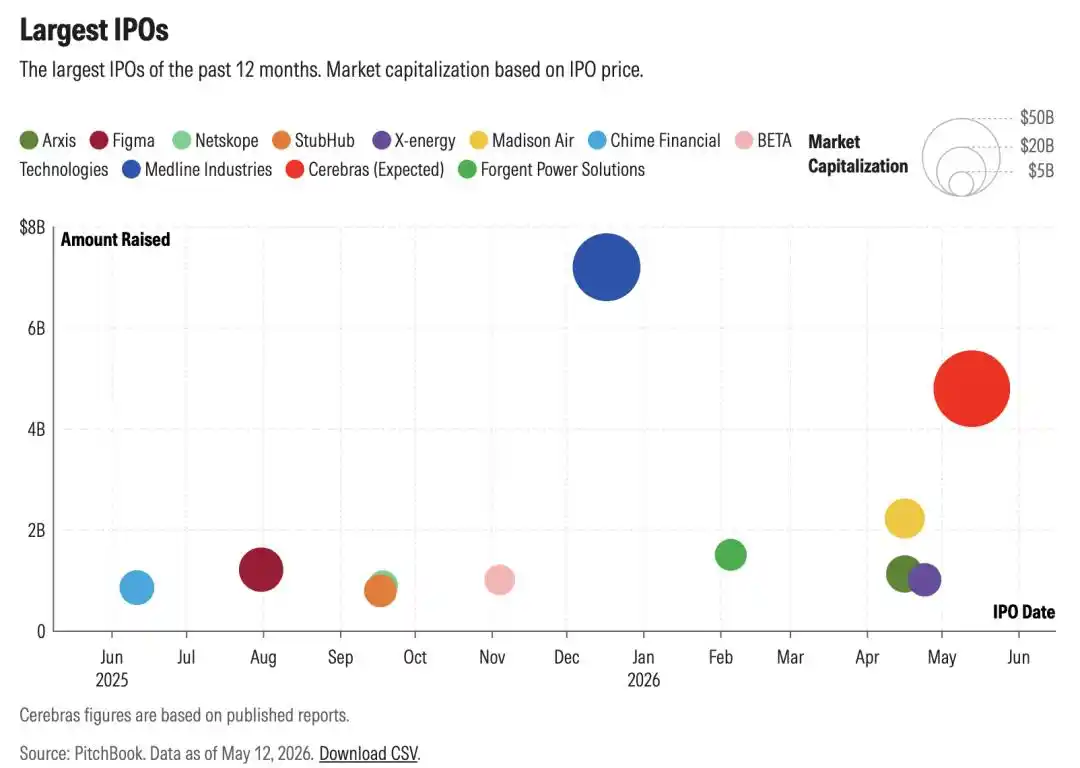
本周,芯片界「奇葩」Cerebras Systems带着480亿美元的估值冲击IPO——

这是2026年规模最大的上市案,也是一场带有神圣感与残酷性的商业仪式。
为了挤进奥特曼的「众神殿」,Cerebras亲手割下了自己10%的「血肉」——价值约50亿美元的认股权证。

这不再是一场简单的IPO。这是一次在文明黄昏时期,底层硬件对模型主权的纳贡。

而站在这一切繁华背后的,是那个被称为「硅谷新领主」的男人。

暴力美学回归

它造出了「硅基巨兽」

如果英伟达说引以为傲的B200芯片是一枚精致的邮票,那么Cerebras的旗舰产品WSE-3就是一个硕大的餐盘。
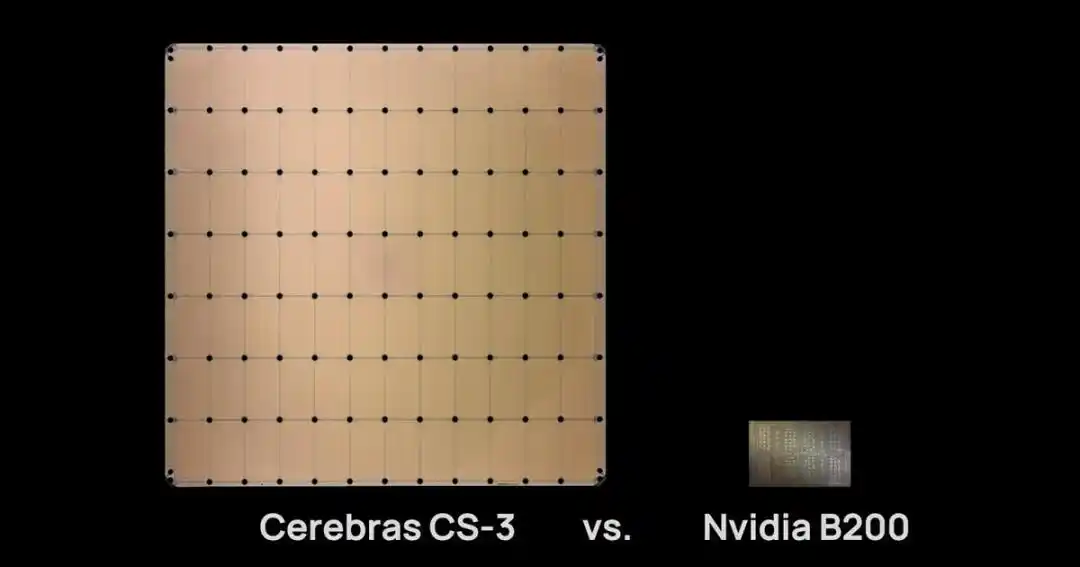
过去三十年,半导体行业的信条是「微缩」——在针尖上起舞,在纳米级尺度里堆叠晶体管。

但Cerebras走了一条反直觉道路:既然内存带宽是AI推理的死穴,那就干脆把整块晶圆做成一颗芯片。

这颗「硅基巨兽」面积接近半平方英尺,拥有超过4万亿个晶体管(是英伟达B200的19倍)、90万个AI优化核心、125 petaflops的AI计算能力——综合算力是B200的28倍。

它的设计本质是「空间换时间」:直接在一整块12英寸晶圆上刻蚀核心,铲平了数据在芯片与外部存储之间穿梭的「内存墙」。

这种暴力美学在「推理时代」展现了恐怖的统治力:

运行OpenAI、Cognition、Meta等顶级模型时,它能以每秒高达3000个token的吞吐速度,比传统GPU快70倍。
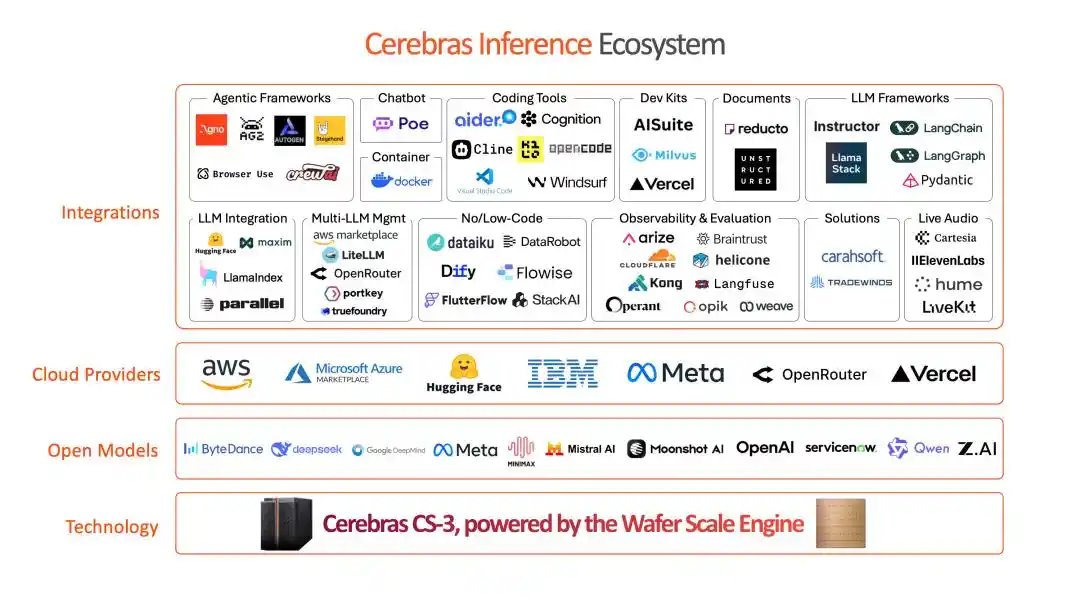
然而,在2026年,最硬的科技如果不能换成最快的Token,它就只是一堆昂贵的沙子。

18个月前,Cerebras还是个落寞的极客。

2025年,它的收入仅5.1亿美元,几乎全部来自阿联酋G42一家客户,运营亏损1.459亿美元,IPO计划被迫搁浅。
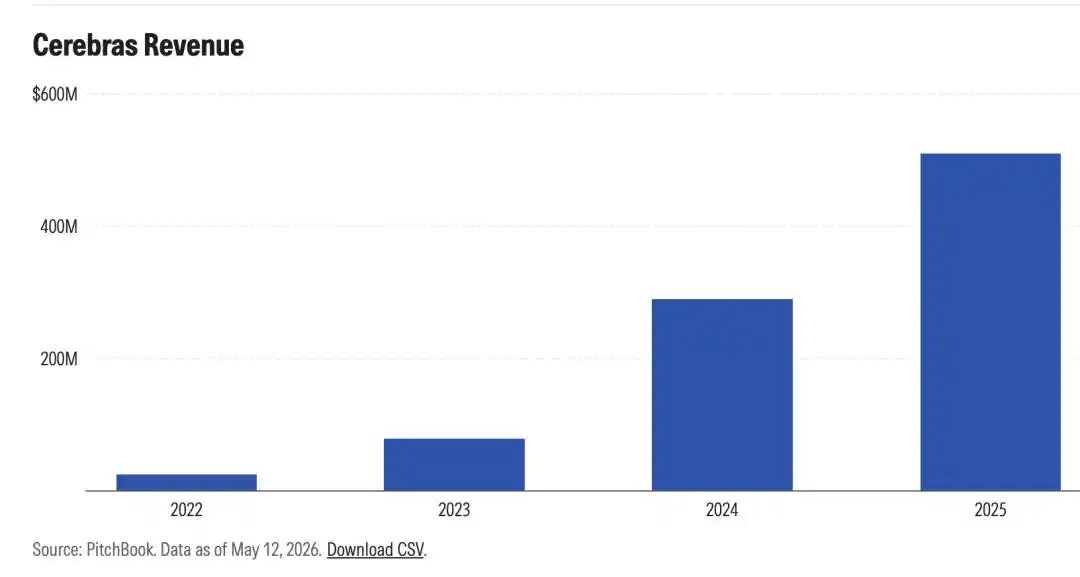
空有越过英伟达的性能,命却悬在单一客户的支票本上,像个随时可能溺水的孤儿。

直到它敲开了那扇通往「奥特曼朋友圈」的大门。

50亿美金的「赎身契」

通往未来的黄金入场券

在AI的世界里,摩尔定律正在让位于「朋友圈定律」

为了换取生存与爆发,Cerebras签下了一份让外界瞠目结舌的协议:未来三年向OpenAI提供750兆瓦的计算能力。

按当前市场价(750兆瓦约90亿美元/年)测算,这笔单子能带来约270亿美元收入、100亿美元毛利。

这对一家去年还在亏损的公司,无异于及时雨。

更耐人寻味的是,这750兆瓦仅相当于OpenAI认为自己到2030年所需总算力的四十分之一。一笔零头订单,足以让Cerebras从「边缘玩家」一跃成为市场焦点。

但天下没有免费的午餐,只有昂贵的背书。

作为交换,Cerebras必须逐步向OpenAI授予认股权证。一旦行权,OpenAI将持有10%的Cerebras股份——按发行价中值155美元计算,价值约50亿美元

这意味着Cerebras慷慨地把这笔超级大单未来一半的潜在利润,作为「贡品」直接献祭给了OpenAI

这并不平等。这是AI时代的「算力赎身契」。

OpenAI是掌握着流量与需求分配权的「领主」,Cerebras则是提供先进生产工具的重装骑士——骑士想进入领主的封地,就必须纳上投名状,并把自己的战利品分一半给对方。
一旦打上OpenAI核心血盟的印记,Cerebras的市销率(P/S)瞬间飙升至15倍,连英伟达都得礼让三分。

「奥特曼经济学」

他在割硬件巨头「韭菜」

Cerebras并不是唯一一个向奥特曼「低头」的算力企业。

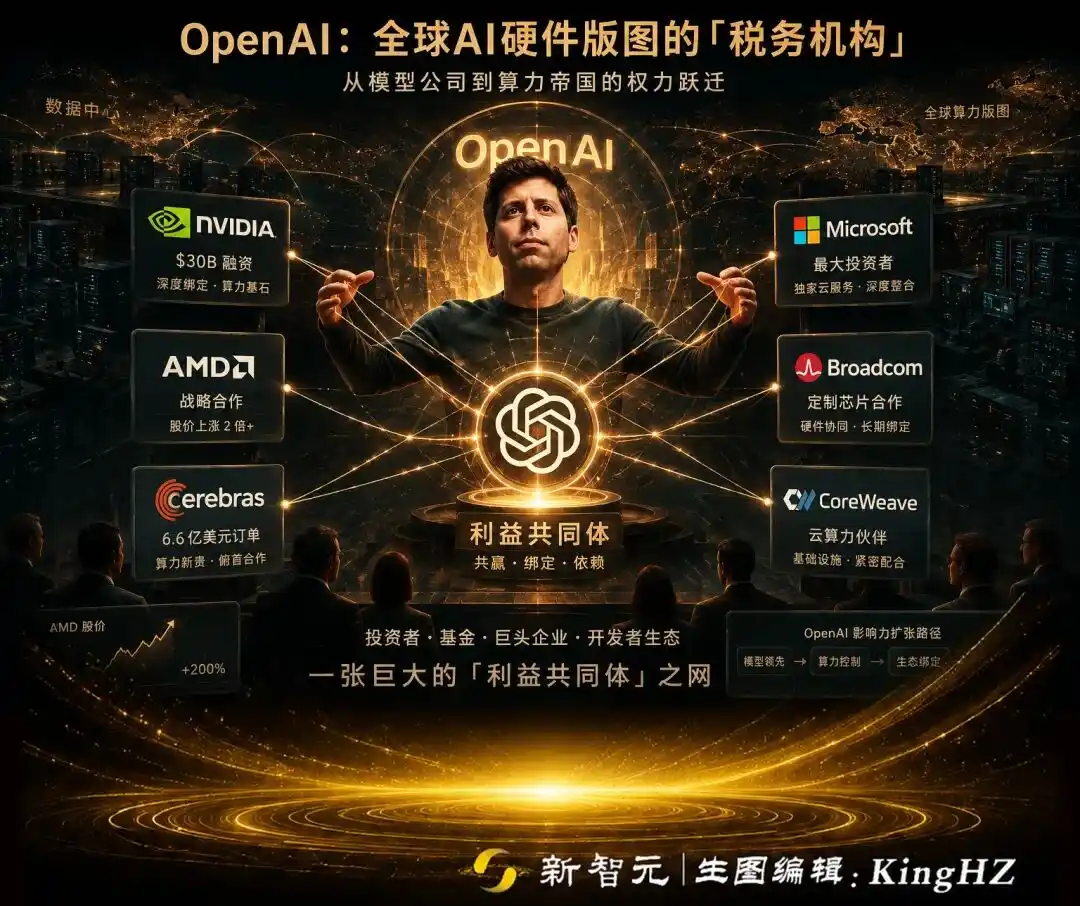
去年10月,AMD与OpenAI达成类似协议后股价上涨两倍;更早,英伟达被传通过300亿美元融资反向深度绑定OpenAI。

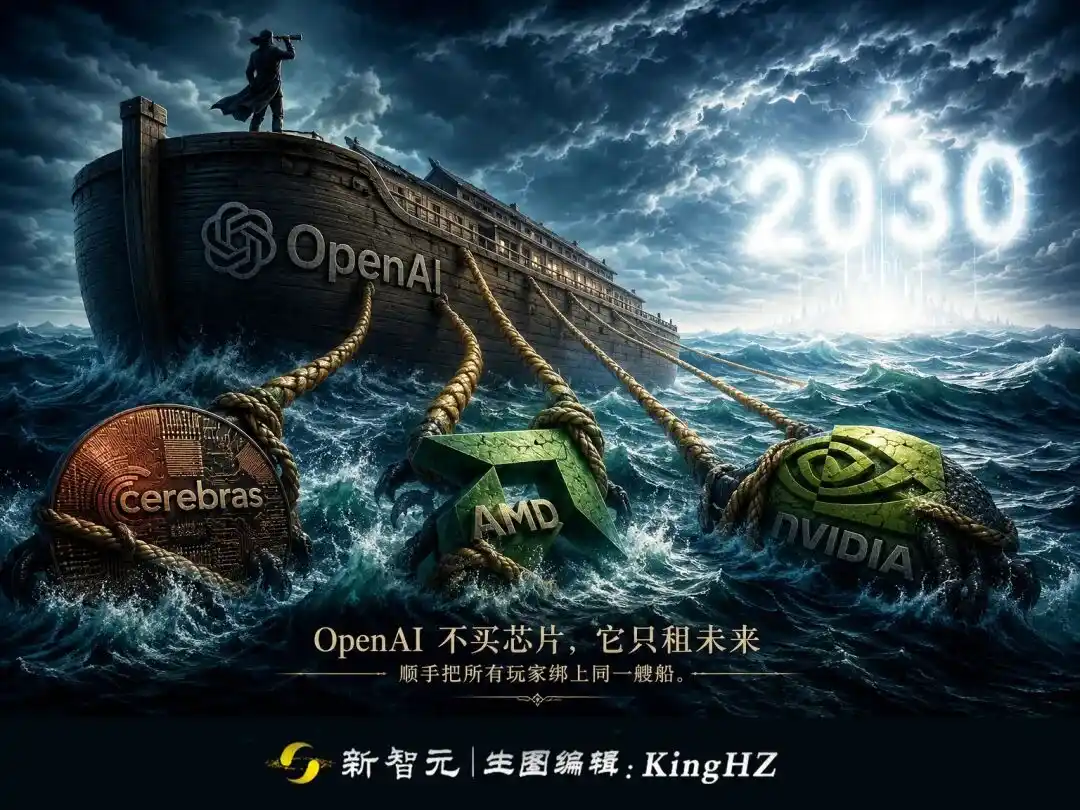
一个清晰的权力版图正在浮现:OpenAI正在从一家软件公司,演变为全球AI硬件版图的「税务机构」

奥特曼的真正野心不只是获取数据中心来训练和运行自己的模型,而是在悄然扩大那些「在助力OpenAI成功中拥有切身利益」的公司和投资者群体。

他正在编织一张巨大的「利益共同体」之网。
OpenAI不买芯片,它只租未来——顺手把所有玩家绑上同一艘船。

对硬件商而言:即便利润减半,能换取「OpenAI认证」和15倍市销率估值,就是划算买卖。

对奥特曼而言:他不仅锁定了未来十年的计算底座,还成为了所有潜在竞争对手的股东。
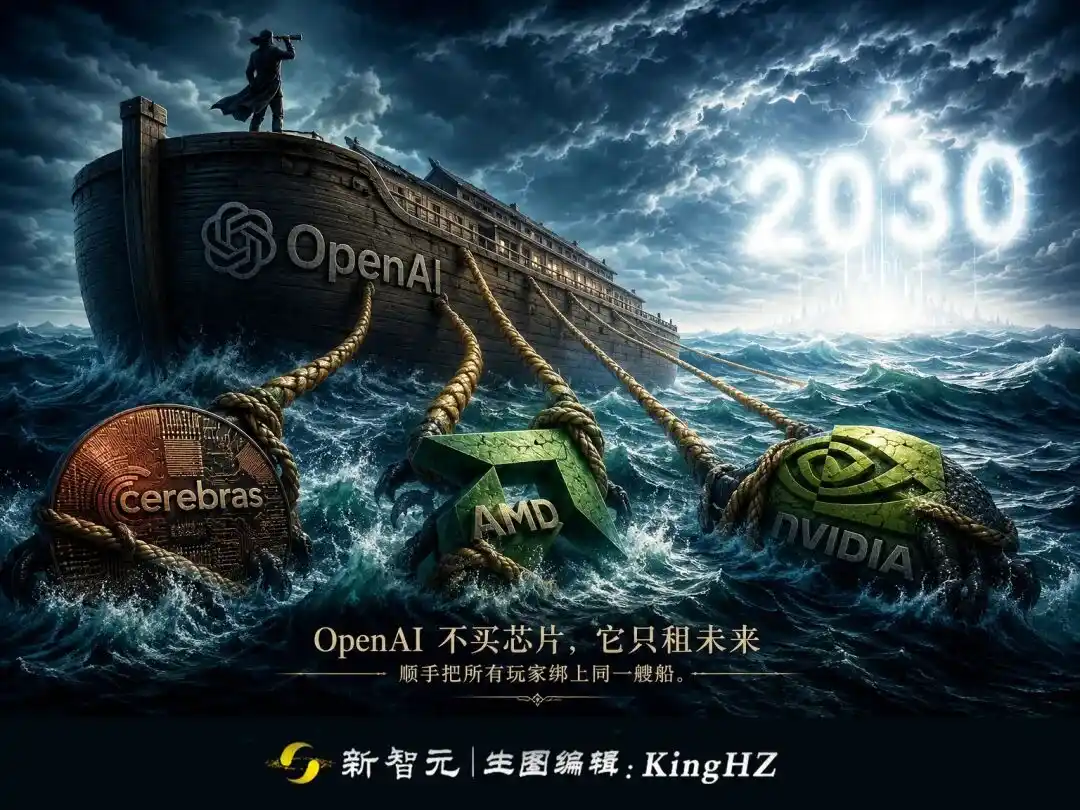
这就是「奥特曼经济学」的本质:在AI竞赛的下半场,谁定义了模型的需求,谁就掌握了对底层供应链的「征税权」。

480亿美金能买来权力位次?

本周四,Cerebras的IPO获得了20倍超额认购,定价区间上调至150-160美元/股,隐含估值480亿美元,恰逢半导体股自3月低点累计上涨53%。
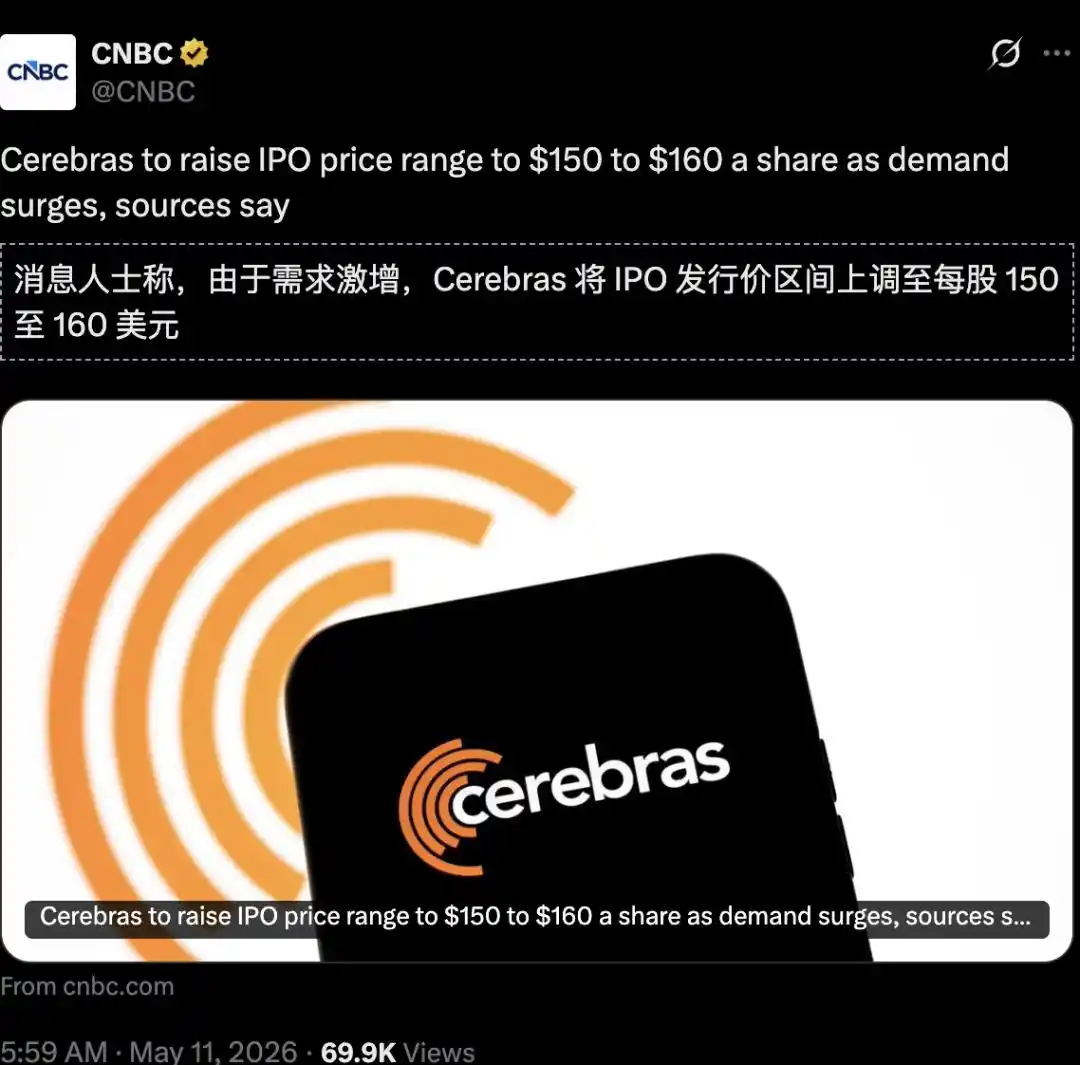
资本市场的狂热近乎盲目。但他们已经不在乎Cerebras去年是否还亏损1.4亿美元,也不在乎它的市销率是否已经超过了英伟达。

他们买入的是一种「确定性」。

2026年,充满变数,还有什么比「OpenAI的核心合作伙伴」更确定的身份标签呢?

这正是这场IPO最耐人寻味的地方。Cerebras的高估值,本质上是市场对「奥特曼背书」的溢价。

结语:主权还是附庸?

2026年的这场上市,标志着半导体行业进入了一个残酷的阶层化时代。

未来的芯片公司只有两条路可走:

要么像英伟达一样,靠先发优势建立自己的生态帝国,成为分发规则的人;要么像Cerebras一样,献出一半灵魂,在豪赌中换取一张进入核心圈层的门票。

如果你不能成为神,那就成为神最昂贵的祭品。

这不仅是技术之争,更是主权之争。

每一兆瓦的电力里,都流淌着芯片商对硅谷新霸主的「岁贡」。

参考资料:

https://x.com/FT/status/2054141078710768006

https://www.ft.com/content/3f77f8ad-16b8-4f97-ae55-0bd2e31122fa?syn-25a6b1a6=1

https://www.theinformation.com/newsletters/ai-agenda/startup-helping-openai-optimize-ai-cerebras-chips

https://www.morningstar.com/stocks/why-ai-chip-designer-cerebras-is-2026s-hottest-ipo-yet

本文来自微信公众号“新智元”,作者:新智元,编辑:KingHZ

Trending Cryptos

Related Questions

QCerebras Systems公司冲击IPO的核心估值是多少?

ACerebras Systems此次冲击IPO的核心估值是480亿美元。

QCerebras为了与OpenAI达成协议,付出了什么具体代价?

ACerebras与OpenAI达成的协议代价是,向OpenAI授予价值约50亿美元的认股权证。一旦行权,OpenAI将持有Cerebras公司10%的股份。这相当于将未来超级大单(提供750兆瓦算力)约一半的潜在利润让渡给了OpenAI。

Q文章将Cerebras的旗舰芯片WSE-3与英伟达B200相比,其优势体现在哪些关键指标上?

A相比英伟达B200,Cerebras WSE-3的优势体现在:晶体管数量超过4万亿个(是B200的19倍),拥有90万个AI优化核心,综合AI算力是B200的28倍,运行顶级AI模型时的吞吐速度比传统GPU快70倍。

Q文章提出了一个名为“奥特曼经济学”的概念,其核心本质是什么?

A“奥特曼经济学”的核心本质是:在AI竞赛的下半场,谁定义了模型的需求(即掌握了AI应用和流量入口),谁就掌握了对底层算力供应链的“征税权”,能够通过利益绑定(如股权、订单)将硬件供应商纳入自己的生态体系,从而锁定未来的计算底座并巩固自身的主导地位。

Q根据文章观点,在当前的AI半导体行业中,芯片公司面临哪两条主要的生存路径?

A根据文章观点,当前的AI半导体公司主要面临两条生存路径:一是像英伟达一样,依靠先发优势建立自己的生态帝国,成为分发规则和标准的制定者;二是像Cerebras一样,通过让渡部分核心利益(如股权和利润)来换取与像OpenAI这样的顶级AI模型公司的深度绑定,从而获得进入核心圈层的门票和市场的确定性溢价。

Related Reads

How Does Codex Use a Computer? Three Entry Points and Permission Boundaries

This article explains the three primary methods for Codex to interact with a computer, each with distinct use cases, permission boundaries, and trust levels. **1. Computer Use:** This offers the broadest access, allowing Codex to visually control and interact with the graphical user interface of authorized macOS/Windows apps, system settings, and even iOS simulators. It's ideal for tasks lacking APIs or structured tools, such as operating legacy software or multi-app workflows. However, it's the slowest method and has the widest permission scope, requiring careful supervision for sensitive actions. **2. Chrome Extension:** This grants Codex access to the user's logged-in Chrome browser state, including cookies, profiles, and open tabs. It's best for tasks requiring user identity across websites like Gmail, LinkedIn, Salesforce, or internal dashboards. Its key advantage is multi-tab control for complex workflows. While more powerful for browser-based tasks than Computer Use, it carries higher sensitivity as actions are performed under the user's identity. **3. In-App Browser:** This is a browser isolated within the Codex thread, separate from the user's personal browsing data. It excels in web development and debugging scenarios—previewing local servers, testing responsive layouts, or annotating designs directly on the page. Its isolation is a strength for development but a limitation for tasks requiring login sessions. The core principle is to choose the narrowest, safest, and most structured interface for the task. Use plugins or MCPs first, resort to visual control (Computer Use) only for GUI-dependent tasks, employ the Chrome extension for identity-reliant browser work, and prefer the In-App Browser for isolated development. **Appshots** are clarified as a fourth, complementary tool for *inputting* context—capturing a screenshot of a window to point Codex to something—rather than a method for Codex to *act*. Together, this layered approach highlights a key to AI agent productization: not granting unlimited permissions, but constraining them within clear boundaries for specific tasks while preserving user oversight.

marsbit1h ago

How Does Codex Use a Computer? Three Entry Points and Permission Boundaries

marsbit1h ago

The "Iron Rule" of Chip Equipment Is Being Broken

For years, the semiconductor equipment industry followed an unwritten "iron rule": suppliers offered steep discounts for new tool introductions (Design-in) and faced consistent price pressure during repeat orders, especially during market downturns. This long-standing buyer's market dynamic is now being upended. Recently, SK Hynix's primary equipment suppliers have reportedly requested a 3-4% price *increase*, a nearly unprecedented move. This shift is driven by a severe supply-demand imbalance fueled by the AI compute boom. Securing equipment has become an urgent arms race as chipmakers' expansion speed dictates their ability to fulfill massive AI chip orders. Key areas feeling the strain include: **TCB (Thermal Compression Bonding) Equipment:** Demand is exploding, driven by the simultaneous needs of HBM4 memory stacking, AI chip Chip-on-Substrate (C2S), and logic Chiplet Chip-on-Wafer (C2W) packaging. Players like Hanmi Semiconductor, Hanwha Semitech, and ASMPT are receiving major orders. While hybrid bonding is seen as the future, TCB remains the pragmatic choice for HBM4 mass production, with its lifecycle extended by relaxed specifications and ongoing technological upgrades. **Test Equipment Bottlenecks:** Ironically, AI-driven shortages are now crippling test equipment manufacturing. Critical components like FPGAs, Driver ICs, and CPUs face severe shortages and extended lead times (up to 52 weeks for FPGAs), as AI data center and server vendors prioritize supply. This creates a paradoxical cycle: AI chip shortages drive fab expansion, which requires more test equipment, whose production is delayed because its key parts are diverted to make AI chips. The industry is entering a broad, AI-powered upcycle. SEMI forecasts global semiconductor equipment sales to hit a record $156 billion by 2027, fueled by investment in advanced logic/foundry, HBM-driven DRAM, and advanced packaging (like CoWoS). Major players like TSMC, SK Hynix, and Micron are aggressively ramping capital expenditure. In conclusion, leading equipment vendors are no longer just selling tools; they are selling the critical capability to deliver AI-era capacity. Pricing power is shifting decisively to those with indispensable technology in key process nodes like advanced logic, HBM, and advanced packaging, rewriting the industry's traditional power structure.

marsbit1h ago

The "Iron Rule" of Chip Equipment Is Being Broken

marsbit1h ago

Trading

Spot
Futures

Hot Articles

How to Buy GODS

Welcome to HTX.com! We've made purchasing Gods Unchained (GODS) simple and convenient. Follow our step-by-step guide to embark on your crypto journey.Step 1: Create Your HTX AccountUse your email or phone number to sign up for a free account on HTX. Experience a hassle-free registration journey and unlock all features.Get My AccountStep 2: Go to Buy Crypto and Choose Your Payment MethodCredit/Debit Card: Use your Visa or Mastercard to buy Gods Unchained (GODS) instantly.Balance: Use funds from your HTX account balance to trade seamlessly.Third Parties: We've added popular payment methods such as Google Pay and Apple Pay to enhance convenience.P2P: Trade directly with other users on HTX.Over-the-Counter (OTC): We offer tailor-made services and competitive exchange rates for traders.Step 3: Store Your Gods Unchained (GODS)After purchasing your Gods Unchained (GODS), store it in your HTX account. Alternatively, you can send it elsewhere via blockchain transfer or use it to trade other cryptocurrencies.Step 4: Trade Gods Unchained (GODS)Easily trade Gods Unchained (GODS) on HTX's spot market. Simply access your account, select your trading pair, execute your trades, and monitor in real-time. We offer a user-friendly experience for both beginners and seasoned traders.

4.1k Total ViewsPublished 2024.03.29Updated 2026.06.02

How to Buy GODS

Discussions

Welcome to the HTX Community. Here, you can stay informed about the latest platform developments and gain access to professional market insights. Users' opinions on the price of GODS (GODS) are presented below.

活动图片