Barry Sternlicht Cho Biết Quy Định Crypto Của Mỹ Đang Cản Trở Kế Hoạch Token Hóa Bất Động Sản Của Starwood

TheNewsCryptoPublished on 2026-02-19Last updated on 2026-02-19

Abstract

Barry Sternlicht, người sáng lập kiêm CEO của Starwood Capital, tuyên bố công ty ông đã sẵn sàng token hóa tài sản thực nhưng bị cản trở bởi quy định pháp lý tiền mã hóa chưa rõ ràng tại Mỹ. Với hơn 125 tỷ USD tài sản quản lý, ông nhận định token hóa là tương lai của tài chính, cho phép nhà đầu tư nhỏ mua cổ phần bất động sản dạng sống, dễ giao dịch, đồng thời nâng cao tính minh bạch và giảm thủ tục giấy tờ. Dù Deloitte dự báo thị trường token hóa bất động sản có thể đạt 4 nghìn tỷ USD vào năm 2035, Mỹ hiện chỉ token hóa dưới 0.3 nghìn tỷ do thiếu khung pháp lý rõ ràng. Sternlicht nhấn mạnh nếu Mỹ có quy định cụ thể, thị trường tài sản thực token hóa (RWA) sẽ bùng nổ trong những năm tới.

Barry Sternlicht, người sáng lập và cựu CEO của Starwood Capital, cho biết công ty của ông đã sẵn sàng token hóa tài sản trong thế giới thực nhưng các quy định của Mỹ đang ngăn cản điều này. Công ty của ông quản lý hơn 125 tỷ USD tài sản. Ông đã chia sẻ kế hoạch về RWA và đưa ra nhận xét về các quy định crypto hiện tại của Mỹ tại Diễn đàn Tự do Thế giới ở Florida.

Token hóa có nghĩa là gì

Token hóa là quá trình chuyển quyền sở hữu các tài sản vật chất thành các token kỹ thuật số trên blockchain. Thay vì mua toàn bộ một tòa nhà, một nhà đầu tư có thể mua một phần nhỏ dưới dạng cổ phần kỹ thuật số có thể giao dịch dễ dàng hơn. Những người ủng hộ cho rằng token hóa đối với các tập đoàn lớn có thể giúp huy động vốn dễ dàng hơn và cho phép các nhà đầu tư nhỏ tham gia. Nó cũng giảm bớt thủ tục giấy tờ và cải thiện tính minh bạch.

Hiện tại, Mỹ vẫn chưa áp dụng đầy đủ token hóa trong lĩnh vực bất động sản. Công ty tư vấn Deloitte ước tính rằng tài sản bất động sản trị giá 4 nghìn tỷ USD có thể được token hóa vào năm 2035, và Proppy cũng đã công bố kế hoạch mở rộng dịch vụ bất động sản dựa trên blockchain của mình. Vào năm 2024, chưa đến 0,3 nghìn tỷ USD bất động sản được token hóa, điều này báo hiệu thị trường có thể phát triển đáng kể trong thập kỷ tới.

Theo Sternlicht, ông mô tả token hóa là "tuyệt vời" và cho biết nó đại diện cho tương lai của tài chính. Ông so sánh token hóa với trí tuệ nhân tạo nhưng nói rằng nó vẫn đang ở giai đoạn phát triển ban đầu. Ông nói thách thức lớn nhất là sự thiếu vắng các quy định rõ ràng của Mỹ xung quanh tài sản kỹ thuật số và chứng khoán được token hóa, điều này tạo ra sự không chắc chắn cho các công ty tài chính lớn.

Tuyên bố của Sternlicht cho thấy các quy định của Mỹ là vấn đề chính ngăn cản các tập đoàn lớn tham gia vào lĩnh vực token hóa bất động sản. Nếu các nhà làm luật Mỹ đưa ra các quy định rõ ràng, thì RWA được token hóa có thể trở thành một thị trường lớn trong những năm tới.

Tin Tức Crypto Nổi Bật:

CoinFello Ra Mắt Đại Lý Hợp Đồng Thông Minh AI Tại ETHDenver với Bản Xem Trước BuffiBot

TagsBlockchainCryptocurrencyUS crypto

Trending Cryptos

Related Questions

QBarry Sternlicht là ai và ông ấy đã phát biểu điều gì về token hóa bất động sản?

ABarry Sternlicht là người sáng lập và cựu CEO của Starwood Capital, một công ty quản lý hơn 125 tỷ USD tài sản. Ông cho biết công ty của mình đã sẵn sàng token hóa tài sản trong thế giới thực nhưng các quy định của Hoa Kỳ đang cản trở kế hoạch này. Ông mô tả token hóa là 'tuyệt vời' và đại diện cho tương lai của tài chính.

QToken hóa (tokenization) trong bất động sản là gì?

AToken hóa là quá trình chuyển quyền sở hữu các tài sản vật chất thành các token kỹ thuật số trên blockchain. Thay vì mua toàn bộ một tòa nhà, một nhà đầu tư có thể mua một phần nhỏ thông qua một cổ phần kỹ thuật số, giúp việc giao dịch dễ dàng hơn. Nó giúp các công ty lớn huy động vốn dễ dàng hơn, cho phép các nhà đầu tư nhỏ tham gia, đồng thời giảm giấy tờ và tăng tính minh bạch.

QTình hình token hóa bất động sản tại Hoa Kỳ hiện nay như thế nào?

AHiện tại, Hoa Kỳ chưa áp dụng đầy đủ token hóa trong lĩnh vực bất động sản. Năm 2024, giá trị bất động sản được token hóa là dưới 0,3 nghìn tỷ USD. Tuy nhiên, công ty tư vấn Deloitte ước tính rằng tài sản bất động sản trị giá 4 nghìn tỷ USD có thể được token hóa vào năm 2035, cho thấy thị trường này có tiềm năng tăng trưởng mạnh trong thập kỷ tới.

QTheo Barry Sternlicht, thách thức lớn nhất đối với token hóa là gì?

ATheo Barry Sternlicht, thách thức lớn nhất là sự thiếu vắng các quy định rõ ràng của Hoa Kỳ xung quanh tài sản kỹ thuật số và chứng khoán được token hóa. Điều này tạo ra sự không chắc chắn cho các công ty tài chính lớn, ngăn cản họ tham gia vào thị trường token hóa bất động sản.

QĐiều gì cần xảy ra để token hóa tài sản trong thế giới thực (RWA) trở thành một thị trường lớn?

ATheo bài viết, nếu các nhà làm luật Hoa Kỳ đưa ra các quy định rõ ràng, thì token hóa tài sản trong thế giới thực (RWA) có thể trở thành một thị trường lớn trong những năm tới. Các quy tắc minh bạch sẽ giúp giảm bớt sự không chắc chắn và khuyến khích các công ty tài chính lớn tham gia.

Related Reads

Breaking: Google Earth Urgently Pulls Back Nano Banana 2 Image Generation Feature!

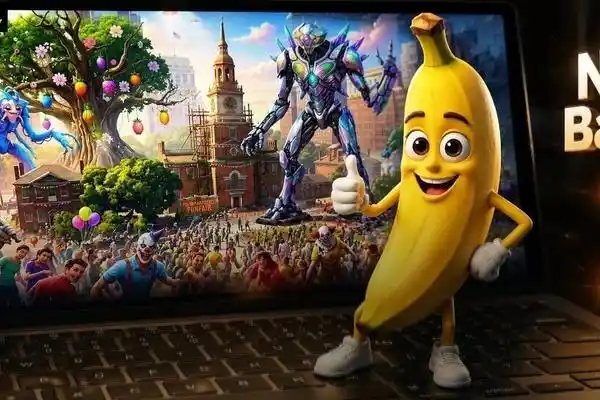
Google Earth's newly launched "Create image" feature, powered by the Nano Banana 2 AI image generation model, was abruptly withdrawn shortly after its release due to being "played" by users. The feature allowed users to generate and overlay AI-created visuals directly onto real-world satellite and 3D maps in Google Earth. The tool enabled creative applications like historical recreations (e.g., visualizing ancient Pompeii), generating informational graphics for landmarks, and envisioning architectural projects or futuristic cityscapes on real terrain. It operated under "geospatial grounding," meaning the AI respected the underlying geography, topography, and perspective of the chosen map view. The model also integrated with Gemini to retrieve relevant factual information. However, upon release, users quickly tested its limits. A prominent example involved reimagining Philadelphia's historic Independence Hall as a post-apocalyptic ruin overrun by "happy" zombies, evil clowns, and giant alien mechs. This highlighted both the feature's playful potential and its risks regarding the generation of inappropriate or misleading content on realistic maps, leading to its swift temporary removal. Google stated it would re-release the feature after implementing "enhanced guardrails." Analysts note this move strategically leverages Google's vast proprietary geospatial data, positioning its AI not just for artistic generation but for spatially accurate world visualization—a unique advantage in the competitive AI image generation landscape.

marsbit41m ago

Breaking: Google Earth Urgently Pulls Back Nano Banana 2 Image Generation Feature!

marsbit41m ago

Altman Admits: Overestimated AI Snatching Jobs! Huang Renxun: The Unemployment Narrative Is Completely Backwards

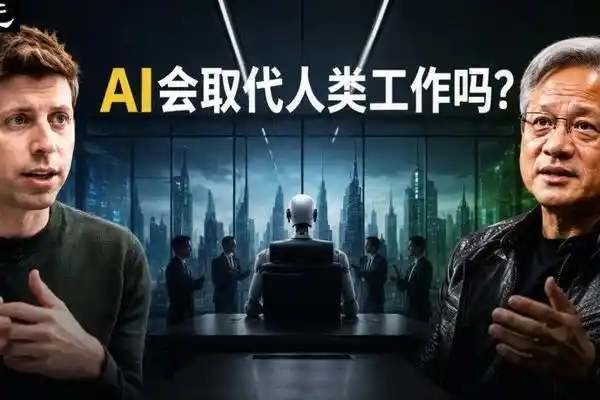
Sam Altman has revised his earlier predictions about AI rapidly replacing jobs, admitting he overestimated the speed at which AI would eliminate entry-level white-collar roles. Speaking on the "Invest Like the Best" podcast, he stated that people do not truly want an AI CEO, as accountability and human connection remain critical. He found that individuals prefer interacting with people who can be held responsible for decisions. Similarly, NVIDIA's Jensen Huang argued that the narrative of AI destroying jobs is misguided. He distinguishes between tasks and jobs, noting that while AI can automate specific tasks, entire jobs—encompassing communication, judgment, coordination, and accountability—are not eliminated. He cited examples like radiologists and software engineers, where demand for these roles has increased as AI handles repetitive tasks, allowing for business expansion and the creation of more positions. Data from a University of Maryland and LinkUp study supports this, showing that U.S. job postings for new graduates have actually risen, countering the fear of vanishing entry-level roles. However, a significant shift is occurring: the traditional entry-level tasks that help newcomers gain experience are being automated, making initial career access more challenging. The key insight is that as AI takes over standardized tasks, the enduring value of human work shifts toward areas of responsibility, trust-building, and final decision-making—aspects that AI cannot replicate. The real "moat" for professionals lies in these irreplaceable human elements.

marsbit46m ago

Altman Admits: Overestimated AI Snatching Jobs! Huang Renxun: The Unemployment Narrative Is Completely Backwards

marsbit46m ago

Weekly Editor's Picks (0725-0731)

Weekly Editor's Picks (0725-0731) provides a curated selection of deep analysis, filtering out market noise. Key themes from this week include: **Macro & Policy:** The Federal Reserve's upcoming meeting is marked by high uncertainty, balancing cooling inflation data against persistent price pressures. Meanwhile, the U.S. crypto regulatory Clarity Act faces critical political hurdles, with its 2026 passage probability seen as low. **Investing & Crypto:** Analysis suggests long-term crypto success depends on conviction through volatile cycles, focusing on assets like Bitcoin and core smart contract platforms. A trend noted is the increasing similarity between global equity markets (especially tech) and crypto, driven by narrative and leverage. Several major crypto protocols show strong revenue growth, but this isn't always translating to token price appreciation due to sell pressure and structural factors. **AI & Semiconductors:** Nvidia's rising credit default swap rates signal market concern over AI infrastructure financing risks. The storage sector experienced volatility as markets began pricing in potential 2027 oversupply. Despite a record profitable quarter, SK Hynix's results were deemed "below expectations," reflecting heightened investor demands for future growth visibility. **Markets & DeFi:** TradeXYZ demonstrated remarkable accuracy in pre-market pricing for a major A股 listing. The token ONDO saw gains, linked to its growing role in the on-chain tokenized stock ecosystem. **Ethereum:** Post-Pectra upgrade, a major structural shift is underway as Lido begins migrating millions of ETH to new validator architectures designed for capital efficiency. **Also Highlighted:** Butian's bullish stock market move; OpenAI's Altman promising major advances; Samsung and SK Hynix securing large AI chip deals; Apple reaching a $5T market cap; and ongoing discussions around exchange security following Poolin's bankruptcy case.

marsbit1h ago

Weekly Editor's Picks (0725-0731)

marsbit1h ago

Low Investment Isn't Apple's Immunity Pass

While Meta and Google face investor scrutiny over ballooning AI capital expenditures, Apple's minimal AI investment has paradoxically become a strength. Its market cap recently reclaimed the global top spot, surpassing $5 trillion. The irony is deep: Apple's own AI efforts have lagged, with "Apple Intelligence" delayed and core talent lost, forcing reliance on partners like Google Gemini and Alibaba's Qianwen. Its Q3 FY2026 (Q2 CY) earnings initially seemed stellar. Revenue hit $109.4B (up 16% YoY), with iPhone and Mac sales, growing 22% and 29% respectively, driving most of the growth. However, the stock fell over 8% post-earnings. The primary concern was a weaker Q4 revenue growth forecast of 9-11%, below expectations, due to looming supply chain constraints. Apple is feeling the indirect cost of the AI boom. Soaring memory and chip prices, fueled by massive data center investments from Microsoft, Amazon, and others, are forcing Apple to raise Mac and iPad prices significantly. The upcoming iPhone launch is also expected to see substantial price hikes. Despite avoiding heavy AI infrastructure spending—its capital expenditures are actually down 28%—Apple cannot escape the industry-wide supply and cost pressures. While Apple's operating cash flow remains robust, its substantial R&D spending (up 32% YoY) has yet to yield major AI breakthroughs. As Tim Cook prepares to step down as CEO, Apple faces a challenging transition: balancing its premium hardware success against the strategic and cost pressures of the AI era it has so far cautiously navigated.

marsbit2h ago

Low Investment Isn't Apple's Immunity Pass

marsbit2h ago

Trading

Spot

Hot Articles

How to Buy COMP

Welcome to HTX.com! We've made purchasing Compound (COMP) simple and convenient. Follow our step-by-step guide to embark on your crypto journey.Step 1: Create Your HTX AccountUse your email or phone number to sign up for a free account on HTX. Experience a hassle-free registration journey and unlock all features.Get My AccountStep 2: Go to Buy Crypto and Choose Your Payment MethodCredit/Debit Card: Use your Visa or Mastercard to buy Compound (COMP) instantly.Balance: Use funds from your HTX account balance to trade seamlessly.Third Parties: We've added popular payment methods such as Google Pay and Apple Pay to enhance convenience.P2P: Trade directly with other users on HTX.Over-the-Counter (OTC): We offer tailor-made services and competitive exchange rates for traders.Step 3: Store Your Compound (COMP)After purchasing your Compound (COMP), store it in your HTX account. Alternatively, you can send it elsewhere via blockchain transfer or use it to trade other cryptocurrencies.Step 4: Trade Compound (COMP)Easily trade Compound (COMP) on HTX's spot market. Simply access your account, select your trading pair, execute your trades, and monitor in real-time. We offer a user-friendly experience for both beginners and seasoned traders.

4.2k Total ViewsPublished 2024.03.29Updated 2026.06.02

How to Buy COMP

Discussions

Welcome to the HTX Community. Here, you can stay informed about the latest platform developments and gain access to professional market insights. Users' opinions on the price of COMP (COMP) are presented below.

活动图片