La CFTC accueille un nouveau dirigeant, la législation sur la structure du marché des cryptos pourrait s'accélérer

比推Published on 2025-12-23Last updated on 2025-12-23

Abstract

La CFTC a un nouveau président : Michael Selig Sworn a prêté serment le 22 décembre 2025, devenant le 16e président de l’agence. Nommé par l’ancien président Trump et confirmé par le Sénat américain, il est considéré comme un acteur clé pour accélérer la législation sur la structure du marché des crypto-actifs. Avant cette nomination, Selig était conseiller principal et avocat principal du groupe de travail sur les crypto-actifs de la SEC. Il a participé à l’élaboration du cadre réglementaire pour les actifs numériques et a contribué au décret présidentiel de janvier 2025 visant à renforcer le leadership américain dans la finance numérique, tout en interdisant la monnaie numérique de banque centrale (CBDC). Lors de sa prise de fonction, Selig a souligné l’importance pour la CFTC de soutenir l’innovation « Made in America » et de consolider la position des États-Unis en tant que capitale mondiale de la crypto. Il a également exprimé son intention de réduire les charges réglementaires excessives et de privilégier des règles claires plutôt que des approches répressives. Ses priorités incluent la coordination avec la SEC pour harmoniser les cadres réglementaires et la mise en œuvre rapide de la législation sur la structure du marché des actifs numériques. Cependant, il fait face à des défis, notamment un manque de ressources et une réduction d’environ 20 % des effectifs de la CFTC depuis le début du second mandat de Trump. De plus, il est actuellement le seul commissaire de la...

Auteur : KarenZ, Foresight News

Titre original : Le nouveau responsable de la CFTC entre en fonction ! Pourra-t-il soutenir la moitié du paysage de la régulation financière américaine ?


La Commodity Futures Trading Commission (CFTC) des États-Unis accueille officiellement un nouveau dirigeant.

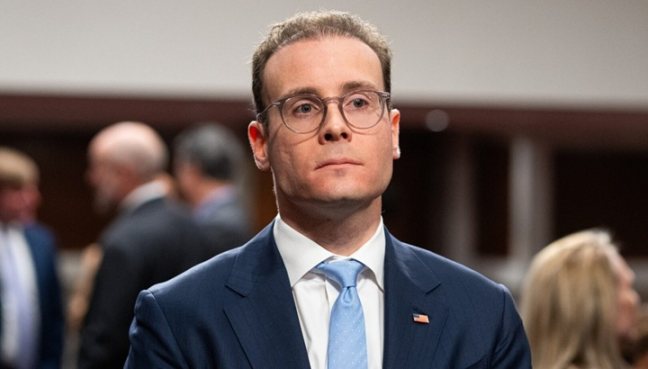
Selon une déclaration de la CFTC du 22 décembre 2025, Michael Selig Sworn a prêté serment ce jour-là, devenant ainsi le 16e président de l'histoire de l'agence.

Contexte de la nomination

Michael Selig Sworn a été nommé par le président américain Trump le 27 octobre 2025 et confirmé par le Sénat américain le 18 décembre. Cette nomination marque un réajustement de l'administration Trump dans le système de régulation financière, en particulier dans l'établissement d'un cadre réglementaire pour le marché émergent des actifs numériques.
Cependant, le processus de nomination n'a pas été sans heurts. Trump avait initialement nommé Brian Quintenz, ancien commissaire de la CFTC et ancien responsable des politiques de la division crypto de a16z, mais a finalement retiré sa nomination en raison de l'opposition de l'industrie des cryptomonnaies. L'une des raisons était un différend entre Tyler Winklevoss et Cameron Winklevoss de Gemini et Brian Quintenz. De plus, une source informée a déclaré à The Block que certaines inquiétudes concernaient également les activités de lobbying de a16z, ce qui aurait conduit à l'exclusion de Brian Quintenz.

Par la suite, Michael Selig Sworn, en sa qualité de conseiller juridique en chef du groupe de travail sur les cryptos de la Securities and Exchange Commission (SEC), est apparu comme le nouveau candidat nommé. Le Comité sénatorial de l'agriculture a fait avancer sa nomination par un vote partisan, finalement confirmé par l'ensemble du Sénat.

La prise de fonction de Michael Selig Sworn intervient après une longue période de direction intérimaire à la CFTC. L'ancienne présidente par intérim, Caroline D. Pham, a annoncé le même jour son départ, pour rejoindre ensuite MoonPay en tant que directrice juridique en chef et directrice administrative.

Qui est Michael Selig Sworn ?

Avant de devenir le nouveau président de la CFTC, Michael Selig Sworn a accumulé une expérience assez riche dans les secteurs public et privé.

Selon la déclaration officielle, il occupait depuis mars 2025 le poste de conseiller juridique en chef du groupe de travail spécial sur les actifs cryptographiques de la Securities and Exchange Commission (SEC), et était également conseiller principal du président de la SEC, Paul S. Atkins.

Dans ce rôle, Michael Selig Sworn a contribué à l'élaboration d'un cadre réglementaire clair pour le marché des titres d'actifs numériques, a coordonné les systèmes de règles des deux autorités de régulation (SEC et CFTC), a poussé à la modernisation des règles des agences pour s'adapter aux technologies émergentes, et a mis fin à la pratique de la régulation par des mesures d'application. De plus, il a participé aux travaux du Groupe de travail présidentiel sur le marché des actifs numériques (President’s Working Group on Digital Asset) et a contribué au rapport « Renforcer le leadership américain dans les technologies financières numériques ».

Il est à noter que le rapport « Renforcer le leadership américain dans les technologies financières numériques » est un décret présidentiel publié par la Maison Blanche le 23 janvier 2025. Cette action exécutive visait à promouvoir le leadership des États-Unis dans le domaine des actifs numériques et des technologies financières, tout en protégeant la liberté économique. Les éléments clés incluent le soutien au développement et à l'utilisation responsables des actifs numériques, de la technologie blockchain et des technologies connexes dans tous les secteurs économiques ; l'interdiction des CBDC ; la protection de la souveraineté du dollar et le soutien aux stablecoins adossés au dollar. De plus, ce décret a conduit à la création du Groupe de travail présidentiel sur le marché des actifs numériques, fournissant une orientation politique claire et un soutien juridique solide au développement de l'industrie des actifs numériques aux États-Unis.

Lecture complémentaire : « Interdiction des CBDC, adhésion à la souveraineté du dollar, Trump signe son premier décret exécutif sur les cryptos »

Auparavant, de septembre 2015 à mars 2025, Michael Selig Sworn a successivement occupé le poste d'Associé dans trois cabinets d'avocats, puis est devenu conseiller juridique et associé au cabinet Willkie Farr & Gallagher LLP en 2022. Selon le communiqué officiel de la CFTC, Michael Selig Sworn était principalement impliqué dans les affaires de régulation des produits dérivés et des titres. Durant sa pratique privée, il a représenté de nombreux clients réglementés par la CFTC, y compris des utilisateurs finaux commerciaux, des commissionnaires en matières premières, des conseillers en trading de matières premières, des négociants de swaps, des marchés à terme désignés, des institutions de compensation de produits dérivés et des entreprises d'actifs numériques. Selig a conseillé des clients sur la conformité avec le Commodity Exchange Act et les règles de la CFTC, couvrant des domaines tels que les demandes d'enregistrement et les obligations, les affaires d'application de la loi et les transactions complexes.

Il est à noter que Michael Selig Sworn a commencé sa carrière en 2014 en tant qu'assistant juridique de l'ancien commissaire de la CFTC, J. Christopher Giancarlo, avant de se tourner vers une carrière en cabinet d'avocats.

Sur le plan académique, Michael Selig Sworn est titulaire d'un diplôme en droit de la George Washington University Law School et a été rédacteur d'articles pour la George Washington Law Review. Il est également titulaire d'un diplôme de premier cycle de la Florida State University.

La vision réglementaire du nouveau président de la CFTC : l'innovation « Fabriqué en Amérique » au cœur, consolider le leadership dans les cryptos

Dans sa déclaration d'entrée en fonction, Michael Selig Sworn a remercié Trump pour sa nomination et a exposé sa compréhension de l'orientation future de la CFTC, laissant transparaître dans ses propos l'importance d'équilibrer innovation et régulation.

Il a souligné que c'était une période cruciale pour le développement de la CFTC, avec de nombreuses nouvelles technologies, nouveaux produits et nouvelles plateformes émergentes, et une participation record des investisseurs particuliers sur le marché des matières premières. Selig a particulièrement souligné l'importance du projet de loi sur la structure du marché des actifs numériques que le Congrès s'apprête à soumettre au président, affirmant qu'il consoliderait la position des États-Unis en tant que « capitale mondiale des cryptos ». Il a également déclaré sans ambages : « La CFTC conquerra ces domaines importants, garantissant que l'innovation future soit 'Fabriquée en Amérique' (Made in America). »

Concernant le rôle de la CFTC, Michael Selig Sworn a donné un positionnement clair : « Dans les nouveaux marchés de l'âge d'or financier américain, aucune institution n'est plus adaptée que la CFTC pour établir des règles de bon sens. »

Parallèlement, l'ancienne présidente par intérim Caroline D. Pham, dans sa déclaration de départ, a souhaité la bienvenue à Michael Selig Sworn, le qualifiant de pragmatique et concret, capable d'équilibrer innovation et intégrité du marché. Caroline D. Pham a également mentionné qu'en 2025, la CFTC avait déjà inscrit « Promouvoir l'innovation responsable et une concurrence équitable » comme mission centrale, en particulier l'élargissement du champ de la régulation dans les domaines émergents comme les actifs numériques, les cryptomonnaies et les marchés prédictifs, ce qui jettera les bases des travaux ultérieurs de Michael Selig Sworn.

Impact potentiel : Changement réglementaire, accélération de la coordination et défis persistants

Comment l'entrée en fonction de Michael Selig Sworn remodelera-t-elle le paysage de la régulation financière américaine, en particulier l'écosystème réglementaire du domaine des actifs numériques ? Les directions de l'impact deviennent progressivement claires, basées sur ses déclarations lors de l'audition, son expérience passée et les tendances du secteur.

Changement de logique réglementaire : De « l'application stricte » à « l'accent sur les règles », réduire le fardeau de la « conformité technique »

Michael Selig Sworn avait précédemment souligné à plusieurs reprises lors de son audition que la CFTC était l'autorité de régulation appropriée pour les transactions au comptant sur produits numériques, et soutenait une avancée rapide du Congrès sur la législation concernant la structure du marché des actifs numériques. Cela s'aligne parfaitement avec l'objectif de l'administration Trump de « faire des États-Unis la capitale des cryptos ».

Lors de l'audition de confirmation au Sénat, selon un rapport de WilmerHale, Selig a maintes fois souligné sa méfiance envers la « surréglementation » et la « généralisation de l'application ». Il a admis avoir été témoin direct d'autorités de régulation qui, en ignorant l'impact réel de leurs actions et en s'adonnant à une régulation par l'application, ont finalement poussé les entreprises à l'étranger et ont englouti les entrepreneurs dans des formalités administratives fastidieuses. Pour étayer ce point, il a partagé une expérience personnelle : avoir aidé une entreprise agricole à faire face à une enquête massive de la CFTC, déclenchée simplement par une « erreur inoffensive dans le reporting des données de swaps », obligeant l'entreprise à détourner temps et ressources de son activité principale, affectant gravement ses opérations normales.

Cette orientation est très cohérente avec l'ajustement de l'accent mis sur l'application mené sous le mandat de Pham, évitant des charges réglementaires inutiles.

Progression rapide de la mise en œuvre de la législation relative à la structure du marché des actifs numériques

Michael Selig Sworn a clairement indiqué que la CFTC progresserait rapidement dans la mise en œuvre de la législation relative à la structure du marché des actifs numériques et suivrait le rythme des développements du marché.

Coordination entre la SEC et la CFTC, avancement vers un cadre unifié

D'un point de vue plus large, l'expérience de Michael Selig Sworn à la SEC devrait aider à coordonner les divergences entre les deux principales autorités de régulation (SEC et CFTC), à diminuer les régulations redondantes et à promouvoir un cadre unifié. Cela pourrait accélérer la normalisation du marché au comptant des cryptos.

Selon le rapport de 166 pages du « Groupe de travail présidentiel sur le marché des actifs numériques », « Renforcer le leadership des États-Unis dans le domaine des technologies financières numériques », la SEC et la CFTC devraient coordonner leurs efforts pour garantir l'efficacité du processus d'élaboration des règles et solliciter l'avis du public sur les propositions de règles. De plus, le rapport indique que la CFTC devrait obtenir clairement le pouvoir de réguler le marché au comptant des actifs numériques non considérés comme des titres. Les entités enregistrées auprès de la SEC et de la CFTC pourraient opérer sous un cadre de licence efficace pour des activités diversifiées, évitant l'arbitrage réglementaire. Les entités enregistrées auprès de la SEC devraient pouvoir offrir des transactions sur titres d'actifs numériques et pouvoir, selon les structures de licence définies par le Congrès, s'engager dans des transactions sur actifs numériques non considérés comme des titres. Les entités enregistrées auprès de la CFTC devraient pouvoir offrir des transactions sur produits dérivés de matières premières numériques, des transactions de détail sur matières premières numériques et autres produits relevant de la compétence de la CFTC, ainsi que les actifs numériques non considérés comme des titres désignés par le Congrès.

Lecture complémentaire : « Le rapport de la Maison Blanche cache plus de 100 recommandations législatives, et est un indicateur clé pour le Crypto »

Quels défis à relever ?

Michael Selig Sworn fait également face à des défis bien réels, tels que le manque de ressources et de personnel, et la composition déséquilibrée de la Commission.

Plusieurs sénateurs ont exprimé des inquiétudes concernant les ressources et les effectifs de la CFTC. Selon un rapport de WilmerHale, depuis le début du second mandat de Trump, le nombre d'employés de la CFTC a diminué d'environ 20%, comptant actuellement environ 600 employés. Si le Congrès accorde à la CFTC des pouvoirs de régulation accrus sur les cryptos, des fonds et un soutien en personnel supplémentaires seront nécessaires. Malheureusement, Selig a été évasif lors de son audition concernant des engagements spécifiques sur les besoins en ressources.

Un autre problème préoccupant est la composition des membres de la Commission de la CFTC. Selon les informations du site officiel, la Commission de la CFTC est composée de cinq commissaires, nommés par le président avec l'avis et le consentement du Sénat, pour un mandat de cinq ans, renouvelés de manière échelonnée. Cependant, après la démission de la présidente par intérim, le nouveau venu Michael Selig Sworn se retrouve dans une situation particulière de « direction solitaire ». Actuellement, Michael Selig Sworn est le seul commissaire de la CFTC, cette configuration « à commissaire unique » brise le mécanisme habituel de contre-pouvoir et accroît considérablement le contrôle politique de l'administration Trump sur la CFTC. Cette structure de « direction unique » soulève également des questions sur la neutralité réglementaire.

Interrogé sur le fait que les postes vacants créent un mauvais précédent, Michael Selig Sworn a refusé de commenter, affirmant que la décision de nomination revenait au président. Cette réponse évasive reflète en partie la sensibilité de cette situation anormale.

Une question clé est de savoir si Michael Selig Sworn poursuivra les réformes initiées par Caroline D. Pham. Au vu des déclarations des deux parties lors de la passation de pouvoir, cela semble très probable. L'évaluation de Michael Selig Sworn par Caroline D. Pham indique une convergence assez importante dans leur logique réglementaire, toutes deux mettant l'accent sur l'équilibre entre innovation et intégrité du marché.

De plus, l'intérêt de Michael Selig Sworn pour les actifs numériques et les structures de marché émergentes, ainsi que son rôle dans l'élaboration d'un cadre de coordination entre la SEC et la CFTC, suggèrent qu'il pourrait favoriser une coordination accrue entre ces deux autorités clés de la régulation financière.

La manière dont Michael Selig Sworn équilibrera l'encouragement à l'innovation et la prévention des risques, et comment il progressera dans des responsabilités réglementaires élargies avec des ressources limitées, seront des points clés à surveiller sur le marché financier américain en 2026.


Twitter : https://twitter.com/BitpushNewsCN

Groupe de discussion Telegram de BiTui : https://t.me/BitPushCommunity

Abonnement Telegram de BiTui : https://t.me/bitpush

Lien original : https://www.bitpush.news/articles/7597837

Trending Cryptos

Related Questions

QQui est le nouveau président de la CFTC et quand a-t-il pris ses fonctions ?

AMichael Selig Sworn est le nouveau président de la CFTC. Il a officiellement pris ses fonctions le 22 décembre 2025, devenant ainsi le 16e président de l'agence.

QPourquoi la nomination initiale de Brian Quintenz a-t-elle été retirée ?

ALa nomination initiale de Brian Quintenz a été retirée en raison de la résistance de l'industrie des cryptomonnaies, notamment une dispute avec les frères Winklevoss de Gemini, et des préoccupations concernant les activités de lobbying de a16z.

QQuelle était la position de Michael Selig Sworn avant de rejoindre la CFTC ?

AAvant de rejoindre la CFTC, Michael Selig Sworn était le conseiller juridique en chef du groupe de travail sur les crypto-actifs de la SEC (Securities and Exchange Commission) et conseiller principal du président de la SEC, Paul S. Atkins.

QQuel est l'objectif principal de Michael Selig Sworn pour la CFTC concernant les actifs numériques ?

AL'objectif principal de Michael Selig Sworn est de faire progresser rapidement la législation sur la structure du marché des actifs numériques, de consolider la position des États-Unis en tant que « capitale mondiale de la crypto » et de garantir que les futures innovations soient « Made in America ».

QQuels sont certains des défis auxquels Michael Selig Sworn est confronté dans son nouveau rôle ?

AMichael Selig Sworn est confronté à des défis tels qu'un manque de ressources et de personnel (une réduction d'environ 20% des effectifs depuis le début du second mandat de Trump) et une composition déséquilibrée de la commission, où il est actuellement le seul commissaire, ce qui soulève des questions sur la neutralité réglementaire.

Related Reads

TechFlow Intelligence Bureau: Anthropic IPO Odds Exceed 80%, Iran Closes Strait of Hormuz Again, Triggering Oil Price Volatility

**Market Digest** **AI & Tech:** Anthropic is widely expected to announce an IPO before November 2026, raising questions about balancing its trillion-dollar valuation ambitions with its core "AI safety" mission. Brands are increasingly adopting AI-generated virtual influencers for marketing. Cloudflare introduced temporary accounts for AI agents to ease automation workflows. **Infrastructure & Hardware:** Google's IPv6 traffic surpassed 50%, marking a major internet milestone. Goldman Sachs warned that massive projected AI capital expenditure ($5.3T) is approaching credit saturation limits, potentially curbing the "AI arms race." **Space & Robotics:** SpaceX's IPO saw a historic $370M retail buying frenzy in three days. Hyundai Motor Group plans to acquire full ownership of Boston Dynamics. Elon Musk speculated about future "septillion-dollar" investments in antimatter for interstellar travel. **Energy & Geopolitics:** Iran's military announced another closure of the strategic Strait of Hormuz, accusing Israel of violating a ceasefire, causing oil market volatility. However, ship-tracking data indicated some traffic continued. Concurrently, Iran resumed crude loadings at Kharg Island, potentially releasing up to 20 million barrels to the market. **Finance & Macro:** A European CLO (collateralized loan obligation) experienced its first post-2008-crisis-era equity tranche default, raising alarms in credit markets. Nomura warned that new Federal Reserve Chair Wash's perceived hawkish debut speech could signal a significant policy shift. **The Undercurrent:** Seemingly disparate events—the Strait of Hormuz tension, the European CLO default, and warnings on AI spending—point to a tightening of global liquidity and rising marginal costs across energy, credit, and tech investment. Meanwhile, capital continues chasing grand narratives like space exploration and advanced AI, highlighting a divergence where old-world leverage frays as new-world stories grow more ambitious.

marsbit9h ago

TechFlow Intelligence Bureau: Anthropic IPO Odds Exceed 80%, Iran Closes Strait of Hormuz Again, Triggering Oil Price Volatility

marsbit9h ago

Trading

Spot
Futures

Hot Articles

What is SONIC

Sonic: Pioneering the Future of Gaming in Web3 Introduction to Sonic In the ever-evolving landscape of Web3, the gaming industry stands out as one of the most dynamic and promising sectors. At the forefront of this revolution is Sonic, a project designed to amplify the gaming ecosystem on the Solana blockchain. Leveraging cutting-edge technology, Sonic aims to deliver an unparalleled gaming experience by efficiently processing millions of requests per second, ensuring that players enjoy seamless gameplay while maintaining low transaction costs. This article delves into the intricate details of Sonic, exploring its creators, funding sources, operational mechanics, and the timeline of significant events that have shaped its journey. What is Sonic? Sonic is an innovative layer-2 network that operates atop the Solana blockchain, specifically tailored to enhance the existing Solana gaming ecosystem. It accomplishes this through a customised, VM-agnostic game engine paired with a HyperGrid interpreter, facilitating sovereign game economies that roll up back to the Solana platform. The primary goals of Sonic include: Enhanced Gaming Experiences: Sonic is committed to offering lightning-fast on-chain gameplay, allowing players and developers to engage with games at previously unattainable speeds. Atomic Interoperability: This feature enables transactions to be executed within Sonic without the need to redeploy Solana programmes and accounts. This makes the process more efficient and directly benefits from Solana Layer1 services and liquidity. Seamless Deployment: Sonic allows developers to write for Ethereum Virtual Machine (EVM) based systems and execute them on Solana’s SVM infrastructure. This interoperability is crucial for attracting a broader range of dApps and decentralised applications to the platform. Support for Developers: By offering native composable gaming primitives and extensible data types - dining within the Entity-Component-System (ECS) framework - game creators can craft intricate business logic with ease. Overall, Sonic's unique approach not only caters to players but also provides an accessible and low-cost environment for developers to innovate and thrive. Creator of Sonic The information regarding the creator of Sonic is somewhat ambiguous. However, it is known that Sonic's SVM is owned by the company Mirror World. The absence of detailed information about the individuals behind Sonic reflects a common trend in several Web3 projects, where collective efforts and partnerships often overshadow individual contributions. Investors of Sonic Sonic has garnered considerable attention and support from various investors within the crypto and gaming sectors. Notably, the project raised an impressive $12 million during its Series A funding round. The round was led by BITKRAFT Ventures, with other notable investors including Galaxy, Okx Ventures, Interactive, Big Brain Holdings, and Mirana. This financial backing signifies the confidence that investment foundations have in Sonic’s potential to revolutionise the Web3 gaming landscape, further validating its innovative approaches and technologies. How Does Sonic Work? Sonic utilises the HyperGrid framework, a sophisticated parallel processing mechanism that enhances its scalability and customisability. Here are the core features that set Sonic apart: Lightning Speed at Low Costs: Sonic offers one of the fastest on-chain gaming experiences compared to other Layer-1 solutions, powered by the scalability of Solana’s virtual machine (SVM). Atomic Interoperability: Sonic enables transaction execution without redeployment of Solana programmes and accounts, effectively streamlining the interaction between users and the blockchain. EVM Compatibility: Developers can effortlessly migrate decentralised applications from EVM chains to the Solana environment using Sonic’s HyperGrid interpreter, increasing the accessibility and integration of various dApps. Ecosystem Support for Developers: By exposing native composable gaming primitives, Sonic facilitates a sandbox-like environment where developers can experiment and implement business logic, greatly enhancing the overall development experience. Monetisation Infrastructure: Sonic natively supports growth and monetisation efforts, providing frameworks for traffic generation, payments, and settlements, thereby ensuring that gaming projects are not only viable but also sustainable financially. Timeline of Sonic The evolution of Sonic has been marked by several key milestones. Below is a brief timeline highlighting critical events in the project's history: 2022: The Sonic cryptocurrency was officially launched, marking the beginning of its journey in the Web3 gaming arena. 2024: June: Sonic SVM successfully raised $12 million in a Series A funding round. This investment allowed Sonic to further develop its platform and expand its offerings. August: The launch of the Sonic Odyssey testnet provided users with the first opportunity to engage with the platform, offering interactive activities such as collecting rings—a nod to gaming nostalgia. October: SonicX, an innovative crypto game integrated with Solana, made its debut on TikTok, capturing the attention of over 120,000 users within a short span. This integration illustrated Sonic’s commitment to reaching a broader, global audience and showcased the potential of blockchain gaming. Key Points Sonic SVM is a revolutionary layer-2 network on Solana explicitly designed to enhance the GameFi landscape, demonstrating great potential for future development. HyperGrid Framework empowers Sonic by introducing horizontal scaling capabilities, ensuring that the network can handle the demands of Web3 gaming. Integration with Social Platforms: The successful launch of SonicX on TikTok displays Sonic’s strategy to leverage social media platforms to engage users, exponentially increasing the exposure and reach of its projects. Investment Confidence: The substantial funding from BITKRAFT Ventures, among others, emphasizes the robust backing Sonic has, paving the way for its ambitious future. In conclusion, Sonic encapsulates the essence of Web3 gaming innovation, striking a balance between cutting-edge technology, developer-centric tools, and community engagement. As the project continues to evolve, it is poised to redefine the gaming landscape, making it a notable entity for gamers and developers alike. As Sonic moves forward, it will undoubtedly attract greater interest and participation, solidifying its place within the broader narrative of blockchain gaming.

1.7k Total ViewsPublished 2024.04.04Updated 2024.12.03

What is SONIC

What is $S$

Understanding SPERO: A Comprehensive Overview Introduction to SPERO As the landscape of innovation continues to evolve, the emergence of web3 technologies and cryptocurrency projects plays a pivotal role in shaping the digital future. One project that has garnered attention in this dynamic field is SPERO, denoted as SPERO,$$s$. This article aims to gather and present detailed information about SPERO, to help enthusiasts and investors understand its foundations, objectives, and innovations within the web3 and crypto domains. What is SPERO,$$s$? SPERO,$$s$ is a unique project within the crypto space that seeks to leverage the principles of decentralisation and blockchain technology to create an ecosystem that promotes engagement, utility, and financial inclusion. The project is tailored to facilitate peer-to-peer interactions in new ways, providing users with innovative financial solutions and services. At its core, SPERO,$$s$ aims to empower individuals by providing tools and platforms that enhance user experience in the cryptocurrency space. This includes enabling more flexible transaction methods, fostering community-driven initiatives, and creating pathways for financial opportunities through decentralised applications (dApps). The underlying vision of SPERO,$$s$ revolves around inclusiveness, aiming to bridge gaps within traditional finance while harnessing the benefits of blockchain technology. Who is the Creator of SPERO,$$s$? The identity of the creator of SPERO,$$s$ remains somewhat obscure, as there are limited publicly available resources providing detailed background information on its founder(s). This lack of transparency can stem from the project's commitment to decentralisation—an ethos that many web3 projects share, prioritising collective contributions over individual recognition. By centring discussions around the community and its collective goals, SPERO,$$s$ embodies the essence of empowerment without singling out specific individuals. As such, understanding the ethos and mission of SPERO remains more important than identifying a singular creator. Who are the Investors of SPERO,$$s$? SPERO,$$s$ is supported by a diverse array of investors ranging from venture capitalists to angel investors dedicated to fostering innovation in the crypto sector. The focus of these investors generally aligns with SPERO's mission—prioritising projects that promise societal technological advancement, financial inclusivity, and decentralised governance. These investor foundations are typically interested in projects that not only offer innovative products but also contribute positively to the blockchain community and its ecosystems. The backing from these investors reinforces SPERO,$$s$ as a noteworthy contender in the rapidly evolving domain of crypto projects. How Does SPERO,$$s$ Work? SPERO,$$s$ employs a multi-faceted framework that distinguishes it from conventional cryptocurrency projects. Here are some of the key features that underline its uniqueness and innovation: Decentralised Governance: SPERO,$$s$ integrates decentralised governance models, empowering users to participate actively in decision-making processes regarding the project’s future. This approach fosters a sense of ownership and accountability among community members. Token Utility: SPERO,$$s$ utilises its own cryptocurrency token, designed to serve various functions within the ecosystem. These tokens enable transactions, rewards, and the facilitation of services offered on the platform, enhancing overall engagement and utility. Layered Architecture: The technical architecture of SPERO,$$s$ supports modularity and scalability, allowing for seamless integration of additional features and applications as the project evolves. This adaptability is paramount for sustaining relevance in the ever-changing crypto landscape. Community Engagement: The project emphasises community-driven initiatives, employing mechanisms that incentivise collaboration and feedback. By nurturing a strong community, SPERO,$$s$ can better address user needs and adapt to market trends. Focus on Inclusion: By offering low transaction fees and user-friendly interfaces, SPERO,$$s$ aims to attract a diverse user base, including individuals who may not previously have engaged in the crypto space. This commitment to inclusion aligns with its overarching mission of empowerment through accessibility. Timeline of SPERO,$$s$ Understanding a project's history provides crucial insights into its development trajectory and milestones. Below is a suggested timeline mapping significant events in the evolution of SPERO,$$s$: Conceptualisation and Ideation Phase: The initial ideas forming the basis of SPERO,$$s$ were conceived, aligning closely with the principles of decentralisation and community focus within the blockchain industry. Launch of Project Whitepaper: Following the conceptual phase, a comprehensive whitepaper detailing the vision, goals, and technological infrastructure of SPERO,$$s$ was released to garner community interest and feedback. Community Building and Early Engagements: Active outreach efforts were made to build a community of early adopters and potential investors, facilitating discussions around the project’s goals and garnering support. Token Generation Event: SPERO,$$s$ conducted a token generation event (TGE) to distribute its native tokens to early supporters and establish initial liquidity within the ecosystem. Launch of Initial dApp: The first decentralised application (dApp) associated with SPERO,$$s$ went live, allowing users to engage with the platform's core functionalities. Ongoing Development and Partnerships: Continuous updates and enhancements to the project's offerings, including strategic partnerships with other players in the blockchain space, have shaped SPERO,$$s$ into a competitive and evolving player in the crypto market. Conclusion SPERO,$$s$ stands as a testament to the potential of web3 and cryptocurrency to revolutionise financial systems and empower individuals. With a commitment to decentralised governance, community engagement, and innovatively designed functionalities, it paves the way toward a more inclusive financial landscape. As with any investment in the rapidly evolving crypto space, potential investors and users are encouraged to research thoroughly and engage thoughtfully with the ongoing developments within SPERO,$$s$. The project showcases the innovative spirit of the crypto industry, inviting further exploration into its myriad possibilities. While the journey of SPERO,$$s$ is still unfolding, its foundational principles may indeed influence the future of how we interact with technology, finance, and each other in interconnected digital ecosystems.

61 Total ViewsPublished 2024.12.17Updated 2024.12.17

What is $S$

What is AGENT S

Agent S: The Future of Autonomous Interaction in Web3 Introduction In the ever-evolving landscape of Web3 and cryptocurrency, innovations are constantly redefining how individuals interact with digital platforms. One such pioneering project, Agent S, promises to revolutionise human-computer interaction through its open agentic framework. By paving the way for autonomous interactions, Agent S aims to simplify complex tasks, offering transformative applications in artificial intelligence (AI). This detailed exploration will delve into the project's intricacies, its unique features, and the implications for the cryptocurrency domain. What is Agent S? Agent S stands as a groundbreaking open agentic framework, specifically designed to tackle three fundamental challenges in the automation of computer tasks: Acquiring Domain-Specific Knowledge: The framework intelligently learns from various external knowledge sources and internal experiences. This dual approach empowers it to build a rich repository of domain-specific knowledge, enhancing its performance in task execution. Planning Over Long Task Horizons: Agent S employs experience-augmented hierarchical planning, a strategic approach that facilitates efficient breakdown and execution of intricate tasks. This feature significantly enhances its ability to manage multiple subtasks efficiently and effectively. Handling Dynamic, Non-Uniform Interfaces: The project introduces the Agent-Computer Interface (ACI), an innovative solution that enhances the interaction between agents and users. Utilizing Multimodal Large Language Models (MLLMs), Agent S can navigate and manipulate diverse graphical user interfaces seamlessly. Through these pioneering features, Agent S provides a robust framework that addresses the complexities involved in automating human interaction with machines, setting the stage for myriad applications in AI and beyond. Who is the Creator of Agent S? While the concept of Agent S is fundamentally innovative, specific information about its creator remains elusive. The creator is currently unknown, which highlights either the nascent stage of the project or the strategic choice to keep founding members under wraps. Regardless of anonymity, the focus remains on the framework's capabilities and potential. Who are the Investors of Agent S? As Agent S is relatively new in the cryptographic ecosystem, detailed information regarding its investors and financial backers is not explicitly documented. The lack of publicly available insights into the investment foundations or organisations supporting the project raises questions about its funding structure and development roadmap. Understanding the backing is crucial for gauging the project's sustainability and potential market impact. How Does Agent S Work? At the core of Agent S lies cutting-edge technology that enables it to function effectively in diverse settings. Its operational model is built around several key features: Human-like Computer Interaction: The framework offers advanced AI planning, striving to make interactions with computers more intuitive. By mimicking human behaviour in tasks execution, it promises to elevate user experiences. Narrative Memory: Employed to leverage high-level experiences, Agent S utilises narrative memory to keep track of task histories, thereby enhancing its decision-making processes. Episodic Memory: This feature provides users with step-by-step guidance, allowing the framework to offer contextual support as tasks unfold. Support for OpenACI: With the ability to run locally, Agent S allows users to maintain control over their interactions and workflows, aligning with the decentralised ethos of Web3. Easy Integration with External APIs: Its versatility and compatibility with various AI platforms ensure that Agent S can fit seamlessly into existing technological ecosystems, making it an appealing choice for developers and organisations. These functionalities collectively contribute to Agent S's unique position within the crypto space, as it automates complex, multi-step tasks with minimal human intervention. As the project evolves, its potential applications in Web3 could redefine how digital interactions unfold. Timeline of Agent S The development and milestones of Agent S can be encapsulated in a timeline that highlights its significant events: September 27, 2024: The concept of Agent S was launched in a comprehensive research paper titled “An Open Agentic Framework that Uses Computers Like a Human,” showcasing the groundwork for the project. October 10, 2024: The research paper was made publicly available on arXiv, offering an in-depth exploration of the framework and its performance evaluation based on the OSWorld benchmark. October 12, 2024: A video presentation was released, providing a visual insight into the capabilities and features of Agent S, further engaging potential users and investors. These markers in the timeline not only illustrate the progress of Agent S but also indicate its commitment to transparency and community engagement. Key Points About Agent S As the Agent S framework continues to evolve, several key attributes stand out, underscoring its innovative nature and potential: Innovative Framework: Designed to provide an intuitive use of computers akin to human interaction, Agent S brings a novel approach to task automation. Autonomous Interaction: The ability to interact autonomously with computers through GUI signifies a leap towards more intelligent and efficient computing solutions. Complex Task Automation: With its robust methodology, it can automate complex, multi-step tasks, making processes faster and less error-prone. Continuous Improvement: The learning mechanisms enable Agent S to improve from past experiences, continually enhancing its performance and efficacy. Versatility: Its adaptability across different operating environments like OSWorld and WindowsAgentArena ensures that it can serve a broad range of applications. As Agent S positions itself in the Web3 and crypto landscape, its potential to enhance interaction capabilities and automate processes signifies a significant advancement in AI technologies. Through its innovative framework, Agent S exemplifies the future of digital interactions, promising a more seamless and efficient experience for users across various industries. Conclusion Agent S represents a bold leap forward in the marriage of AI and Web3, with the capacity to redefine how we interact with technology. While still in its early stages, the possibilities for its application are vast and compelling. Through its comprehensive framework addressing critical challenges, Agent S aims to bring autonomous interactions to the forefront of the digital experience. As we move deeper into the realms of cryptocurrency and decentralisation, projects like Agent S will undoubtedly play a crucial role in shaping the future of technology and human-computer collaboration.

737 Total ViewsPublished 2025.01.14Updated 2025.01.14

What is AGENT S

Discussions

Welcome to the HTX Community. Here, you can stay informed about the latest platform developments and gain access to professional market insights. Users' opinions on the price of S (S) are presented below.

活动图片