Виталик Бутерин развенчивает ключевые мифы о проблемах с хранением L2-баз Coinbase

cryptonews.ruPublished on 2025-09-23Last updated on 2025-09-23

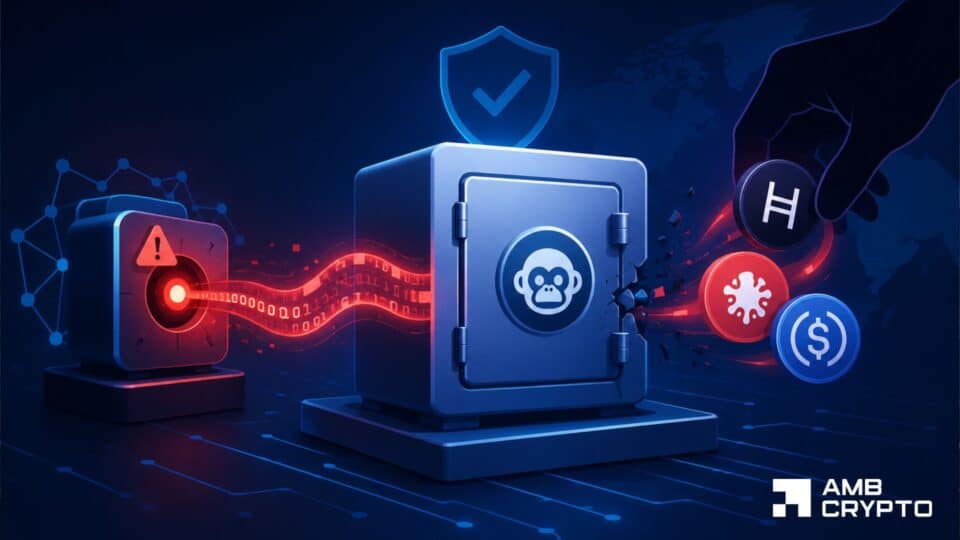
Соучредитель Ethereum Виталик Бутерин развеял некоторые ключевые мифы о кастодиальных функциях платформы второго уровня Base от Coinbase. В своём последнем обращении в поддержку сети второго уровня Бутерин сказал, что платформа сохраняет основные принципы децентрализации, улучшая при этом пользовательский опыт. На фоне растущей обеспокоенности по поводу централизации второго уровня соучредитель Ethereum объясняет важность этого процесса.

Виталик Бутерин защищает базовый уровень Ethereum

В подробном сообщении на платформе X соучредитель Ethereum высказался в поддержку Base — платформы второго уровня от Coinbase, работающей на Ethereum. По словам Бутерина, Base работает как Ethereum L2, использующий централизованные элементы для улучшения пользовательского опыта. Однако в конечном счёте безопасность обеспечивается децентрализованным базовым уровнем Ethereum. Его комментарии прозвучали как раз в тот момент, когда Coinbase планирует представить токен Base в попытке ещё больше децентрализовать сеть.

Важно отметить, что Виталик Бутерин подчеркнул, что Base не хранит средства пользователей. Таким образом, она не может арестовывать активы или блокировать вывод средств и соответствует определению безопасности первого этапа, принятому в L2beat. Бутерин также опроверг ошибочные представления о таких платформах, как L2beat, пояснив, что они оценивают «конкретные свойства, которые защищают пользователей от взлома», а не выступают в роли «органа по соблюдению требований шариата».

Соучредитель Ethereum заявил, что в случае закрытия L2 пользователи всё равно смогут выводить средства напрямую из Ethereum. Он также привёл в пример Soneium, чтобы показать, как L2 предотвращают цензуру со стороны операторов. Виталик Бутерин сказал:

«L2 не являются кастодиальными. Они представляют собой расширения Ethereum, а не прославленные серверы. Логика смарт-контрактов на Ethereum L1 гарантирует, что средства пользователей остаются под контролем L1, что предотвращает кражу или цензуру со стороны операторов L2».

Coinbase CLO развенчивает мифы о секвенсорах L2

Пол Гревал, директор по правовым вопросам Coinbase, отверг утверждения о том, что секвенсоры второго уровня, подобные тем, что используются в Base, следует рассматривать как биржи. Гревал отметил, что Комиссия по ценным бумагам и биржам США определяет биржу как платформу, объединяющую покупателей и продавцов ценных бумаг. В прошлом месяце Coinbase запустила децентрализованную биржу (DEX) для поддержки токенов в сети Base.

Напротив, по его словам, L2s - это блокчейны общего назначения, которые обрабатывают транзакции, вызовы смарт-контрактов и сообщения, оставляя механизмы сопоставления заказов, такие как AMM, CLOBs или аукционы, приложениям, созданным сверху.

Проводя интересное сравнение с Amazon AWS, Гревал сказал: «Если биржа работает на AWS, значит ли это, что AWS — это биржа? Очевидно, что нет». Он добавил, что секвенсоры второго уровня играют важную роль в обеспечении масштабируемости и безопасности транзакций Ethereum, выступая в качестве основы для широкого спектра децентрализованных приложений

Trending Cryptos

Related Reads

Apple Sues OpenAI Sparking Feud, Musk Slams Altman for Fraud, Altman Retorts with 'Space Data Center' Boast

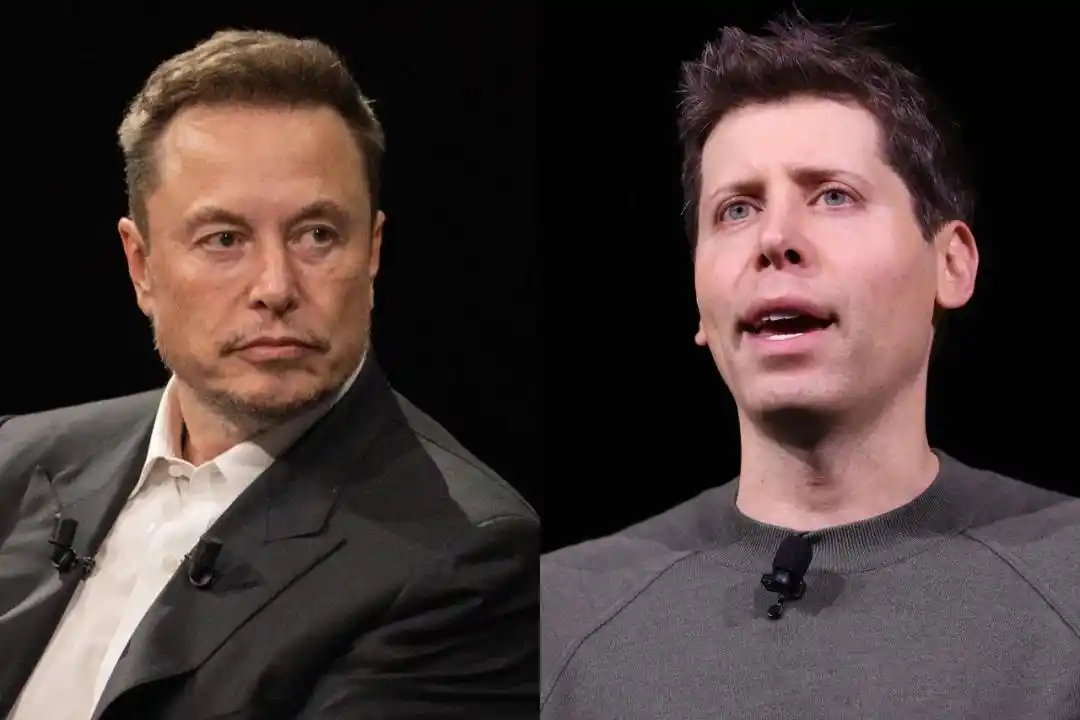
Apple Sues OpenAI as Musk-Altman Feud Escalates The public feud between Elon Musk and OpenAI CEO Sam Altman intensified, coinciding with their respective AI companies launching flagship models in the same week, highlighting fierce competition. On July 11, Musk posted on X, accusing Altman of taking "fraud to the next level" regarding OpenAI's commercial practices. Altman fired back, sarcastically suggesting Musk was the one selling "short-term space datacenter" concepts to public market investors. Musk countered with allegations that Altman "stole an open-source AI charity" and, amid Apple's recent lawsuit, "stole all of Apple's phone tech." He mockingly referenced Altman needing a "parole officer's" approval to travel. This exchange occurred against the backdrop of a significant legal development: Apple filed a lawsuit against OpenAI in a California federal court, alleging the AI company deliberately solicited Apple employees to leak confidential information on unreleased products to aid its own hardware plans. Apple demands OpenAI cease this activity, destroy proprietary materials, and redesign upcoming products. OpenAI responded, stating it has no interest in other companies' trade secrets and remains focused on innovation. This lawsuit could profoundly impact their two-year partnership where OpenAI provides key tech for Apple Intelligence and Siri. The rivalry extended to product releases. OpenAI launched GPT-5.6, while Musk's SpaceXAI unveiled Grok 4.5. Both are positioned as AI agents capable of multi-step tasks. GPT-5.6 is noted for strengths in broad reasoning, business workflows, and cybersecurity. Grok 4.5 is highlighted for higher efficiency in autonomous programming and developer workflows, with lower usage costs than GPT-5.6, though OpenAI's model reportedly still leads in areas like abstract reasoning. The differing strengths offer distinct choices for enterprises and developers based on their specific needs.

marsbit3h ago

Apple Sues OpenAI Sparking Feud, Musk Slams Altman for Fraud, Altman Retorts with 'Space Data Center' Boast

marsbit3h ago

Robinhood Chain's Success Proves Ethereum is Not Dead

Robinhood Chain's success demonstrates that Ethereum's L1+L2 model is thriving, not dying. Traditional crypto projects often focused on token sales and chose infrastructure to maximize token value. However, real-world businesses building cash-based products make different, pragmatic choices. When launching its chain, Robinhood chose Ethereum as its base layer and built a custom L2 using Arbitrum technology. It uses Ethereum blobs for data availability, ETH for gas, and relies on Ethereum for security. This mirrors Coinbase's earlier decision to build Base as an Ethereum L2. These are not ideological choices but sound business decisions driven by needs for security, liquidity, control, and predictable economics. The shift in the industry is from "token-centric" models to "cash business" models. Real companies serving broad user bases prioritize risk reduction, product improvement, and profit. For them, blockchain is infrastructure. The Ethereum L1+L2 "barbell" structure is ideal: the highly decentralized, neutral, and liquid L1 for settlement and security, combined with customizable, high-performance L2s for execution. This trend is positive for Ethereum and ETH. As more real businesses build on it, ETH becomes more integrated, distributed, and useful, strengthening its network effects and monetary premium. Robinhood's path—starting on an existing L2 and graduating to a dedicated one—is likely to become a standard playbook, proving the enduring utility of Ethereum's layered architecture for serious commercial adoption.

Odaily星球日报3h ago

Robinhood Chain's Success Proves Ethereum is Not Dead

Odaily星球日报3h ago

Trading

Spot

Hot Articles

Discussions

Welcome to the HTX Community. Here, you can stay informed about the latest platform developments and gain access to professional market insights. Users' opinions on the price of ETH (ETH) are presented below.

活动图片