Sui:Solana 潜在杀手还是昙花一现?五大维度深度分析其优势与不足

coinvoicePublished on 2024-08-15Last updated on 2024-08-15

作者:Wajahat Mughal

编译:深潮TechFlow

我想我们这一周都看到了“Sui 宣传者”,甚至有人称其为 Solana 的杀手。不过,这种说法现在有些夸张。问题是,这里是否真的有实际价值,还是又一个风险投资币的拉升?

在这条推文中,我将分享我对 @SuiNetwork 的技术、生态系统、体验和代币的看法。


1.技术特性


我会尽量简短。Sui 的技术给人留下深刻印象。基于 Move 的代码库,其主要特性包括:

潜在的 100k+ TPS(单一类型交易,不包括共享对象交易)

0.33 秒的区块生产时间 + 500 毫秒的最终确认时间

并行处理

优化的存储模型

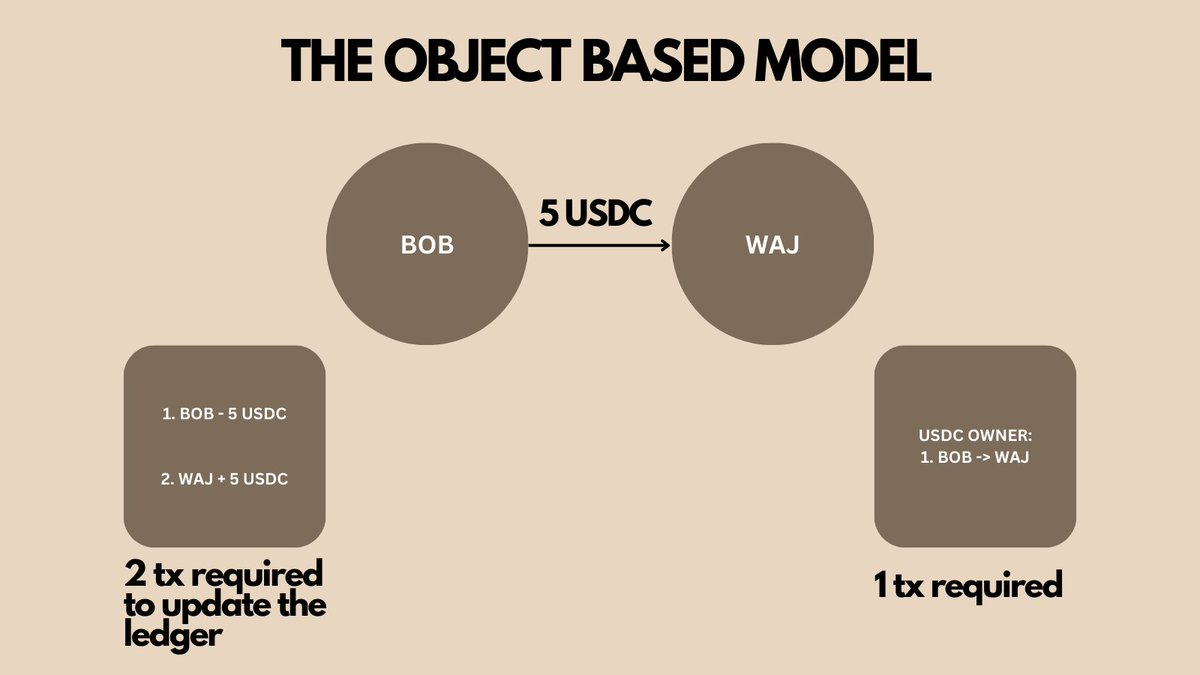
基于对象的交易模型

我认为最吸引人的地方是基于对象的模型。我将在下面的图形中突出它的效率。
 

2.Move 语言


其次,Move 语言具备 Solidity 所没有的安全特性,尤其是在重入攻击方面的改进,这在 DeFi 中屡见不鲜。

Move 语言据说更容易让非加密开发者上手和实现。(我实际上并不清楚,因为我不是开发者。)这是否是吸引更多开发者进入加密领域的关键?也许吧,但我对此并不完全信服。


3.Sui 生态系统


Sui 最近的价格走势使其在排名中上升,现已进入前 12 名,但市值仍低于 10 亿美元。显然还需要做很多工作,但也许我们应该更深入地了解生态系统。
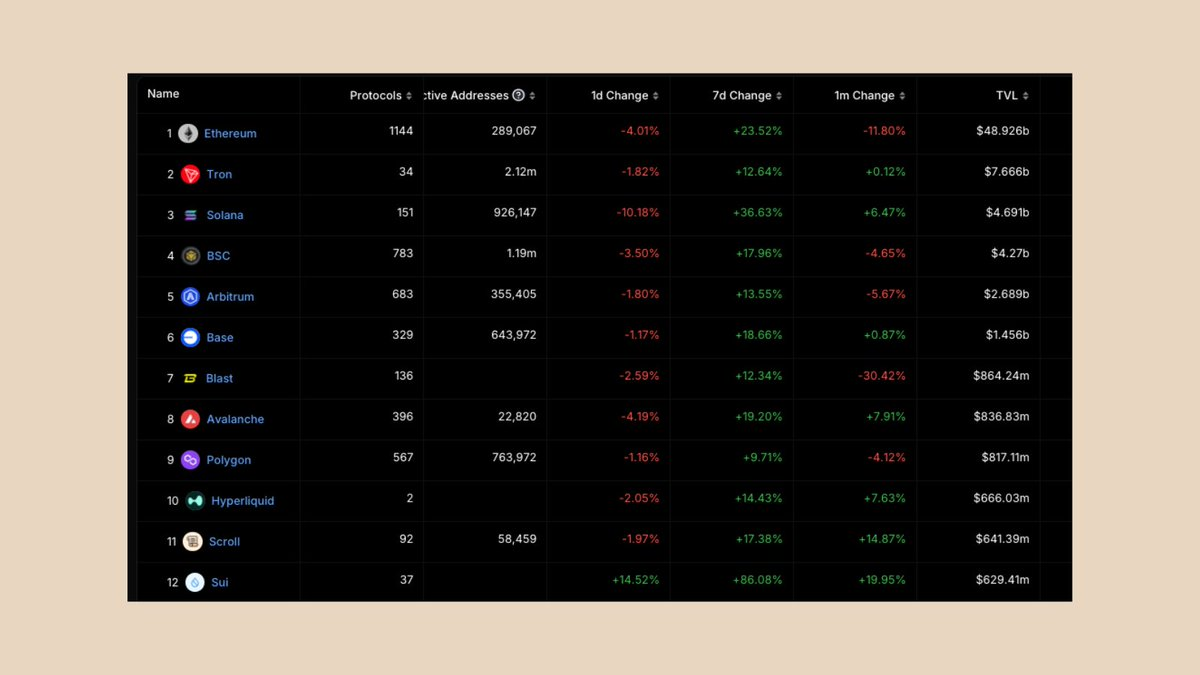
DeFillama 目前显示 Sui 上大约有 30 个去中心化应用(dApps),其中 12 个的总锁仓价值(TVL)超过 1000 万美元。我喜欢的一点是这些都是原生 dApps,这比我们今天许多 L2 的情况要好,后者往往到处复制粘贴 AAVE 和 GMX 的分叉。

虽然 Sui 生态系统较小,但基础设施已经覆盖,还有一些衍生品,但不算太多。@navi_protocol@CetusProtocol@TypusFinance 是我尝试过的应用,它们都不错。然而,在 Sui 上没有任何东西是我在其他链上不能做到的。这对我来说是个大问题。

最终,如果 Sui 想要真正成为大牌,这还不够。我希望看到 50-100 亿美元的 TVL,100 个以上的生态应用,以及一些提供全新且在其他链上没有的独特 dApps。


4.Sui 的用户体验


体验很好。

最糟糕的部分是跨链转移资金或使用跨链交换时,但一旦资金到位,所有体验都显得流畅、快速、简单且干净。Sui 的原生钱包在直接质押方面表现良好,还能让我知道自己有资格获得哪些空投,这一点与 Solana 上的 Phantom 钱包非常相似。

账户抽象是 Sui 重点关注的内容,带来了许多其他特性,例如:

使用 ZK 的社交登录

赞助交易

Gas 费不随网络需求的增加而变化


Sui 的区块浏览器也非常出色,这并不是每个链都能做到的。

5.Sui 代币


这个话题有些复杂。首先,现在的 L1 交易与 2021 年时大相径庭。目前“L1”代币的数量翻了一番、三番甚至四番。而且还有无数的 L2 代币(尽管这些代币的价值捕获方式不同)。

随着 Berachain、Monad、Hyperliquid 等新链的出现,这个数量只会继续增加。

Sui 的市值为 26 亿美元,完全稀释市值(FDV)为 100 亿美元,初看起来还不错,尤其是与以下代币相比:

TON 160 亿美元

ADA 120 亿美元

AVAX 80 亿美元

ICP 30 亿美元

对我来说,令人担忧的是风险投资的解锁。从现在到 2025 年 10 月,流通供应量将增加 40%。这大约是 9 亿个代币,按照今天的价格约为 10 亿美元。
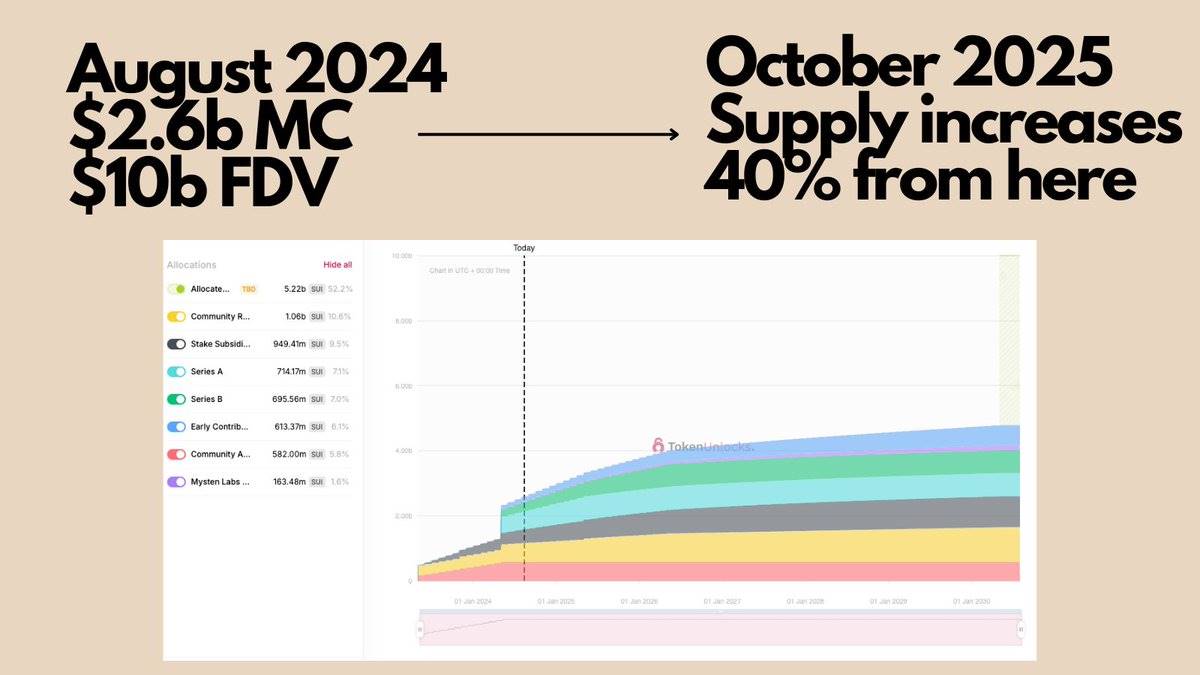
随着 Sui 价格的上涨,这种通货膨胀可能会达到数十亿美元。这是值得考虑的,但这并不意味着它不能被拉升。需要注意的是,50% 的供应量属于 Sui/Mysten Labs,未来他们会如何处理这些代币尚不清楚。


总体看法


老实说,我认为 Sui 比一些其他 L1 更好。还有很多改进的空间,包括更好的生态系统。在你开始考虑与 ETH 或 SOL 的比较之前,我需要看到一些独特的应用程序,这些应用程序在其他地方找不到。尽管如此,关于 Sui 还有许多积极的因素值得看好,正如上面提到的。

它会成为 Solana 的杀手吗?我不知道。

我认为通货膨胀很有趣,我很确定我们会看到风险投资者出售代币,因为即使是 B 轮融资的 FDV 也达到了 20 亿美元。这在当前价格下是 5 倍的回报。

你们怎么看?@SuiNetwork 是好是坏?


声明:本内容为作者独立观点,不代表 CoinVoice 立场,且不构成投资建议,请谨慎对待,如需报道或加入交流群,请联系微信:VOICE-V。

来源:深潮TechFlow

Trending Cryptos

Related Reads

The Crypto Industry Enters the 'Show Me' Era: Vision Alone Is No Longer Enough

The crypto industry has entered a "Show Me" era, where grand visions and white papers are no longer sufficient to gain traction. This shift is driven by increased skepticism, high-profile bad actors, and notably, the serious entry of traditional finance (TradFi) institutions like BlackRock, Fidelity, and JPMorgan Chase, which are launching real, scaled products such as tokenized funds and blockchain-based settlement. This raises the bar for what constitutes a credible project. The communication dynamic has fundamentally changed. The focus is no longer on "what you are building" but on "what you have built and who is using it." Startups must now provide a "proof stack": verifiable data like mainnet transaction volume and active wallets, genuine partnerships with signed contracts, and evidence of organic product-market fit from real users, not just investors. Announcements must be backed by concrete, chain-verifiable evidence. For communication strategies, this means leading with proven facts and hard data—even if modest—rather than speculative narratives. A compelling story must be grounded in demonstrated results. While vision remains important, the balance has inverted from 80% vision/20% substance to the opposite. This higher threshold ultimately benefits builders with genuine traction, filtering out noise and allowing their real signals to stand out clearly. The "Show Me" era is a permanent maturation, demanding that communication strategies prove value, not just promise it.

链捕手3m ago

The Crypto Industry Enters the 'Show Me' Era: Vision Alone Is No Longer Enough

链捕手3m ago

Meta Follows the Trend into Prediction Markets: Can It Avoid Repeating the Failure of the Metaverse?

Meta, the tech giant behind Facebook, has reportedly formed a team to develop "Arena," a new application focused on prediction markets. Users would use platform points to place bets on outcomes in politics, sports, and global events. This move follows Meta's massive, nearly $900 billion, losses from its heavily-invested metaverse division, Reality Labs. The prediction market industry is already showing strong demand, with leading platforms like Kalshi and Polymarket facilitating hundreds of billions in annual volume. Meta, with its 3.56 billion daily active users across its apps, possesses the unprecedented scale to bring this niche activity to a mainstream audience, similar to its past success in cloning features like Stories and Reels. However, Arena faces significant hurdles. Meta plans to start with a points-based system to avoid strict financial regulations, but this may dilute the core incentive of accurate prediction that real-money markets provide. More critically, Meta enters the space with a major trust deficit stemming from its past regulatory battles, notably the failed Libra/Diem stablecoin project, and its controversial history with political content and misinformation. The prediction market sector itself is under increasing regulatory scrutiny, with recent CFTC actions including fines and the first-ever insider trading case. While Meta's vast user base offers a unique opportunity to expand the market, its success hinges on navigating complex regulations and rebuilding the credibility necessary for a platform dealing with sensitive topics like elections. The outcome could range from Meta dramatically growing the industry to Arena becoming a high-profile regulatory target before it can scale.

Foresight News20m ago

Meta Follows the Trend into Prediction Markets: Can It Avoid Repeating the Failure of the Metaverse?

Foresight News20m ago

Stock Soars 1200% on First Day, 80s Sales Engineer's Reversal: From Selling FRP to a Fortune of 29 Billion

On its first day of listing, Zhenbao Technology (stock code "N Zhenbao") surged by 1207%, marking itself as the second "ten-bagger" new stock of the year on the STAR Market. The closing price of 585 yuan propelled it into the top 20 of the A-share market by stock price. Dubbed the "first share of semiconductor consumables," the company is backed by a comprehensive shareholder list including National Integrated Circuit Industry Investment Fund Phase II, SMIC, BOE, and YMTC. Zhenbao's business model focuses on supplying critical consumable components like silicon rings and quartz parts to semiconductor fabs. Unlike expensive core equipment with low repurchase rates, these consumables require frequent replacement as long as production lines are running, generating stable recurring revenue—a key reason for its high market valuation. Founder Wang Bing, an 80s-born former sales engineer, built the company by identifying a supply chain vulnerability: foreign monopolies on high-purity materials led to high costs and unstable deliveries for domestic fabs. Zhenbao's strategy emphasized reliability and speed over absolute top-tier performance, offering products at about 50% of the price with 80% of the performance but 100% on delivery and responsiveness. To achieve this, the company vertically integrated its operations across "raw materials + components + surface treatment," ensuring supply chain control and cost reduction. Its clientele now spans major domestic fabs like BOE and Huahong, as well as international players like SK Hynix and Texas Instruments. However, risks accompany its rapid expansion. The IPO raised approximately 1.605 billion yuan primarily for capacity expansion, which will bring significant annual depreciation costs, potentially impacting future profitability. The company's growth is heavily reliant on sustained high levels of fab expansion, making it vulnerable to the semiconductor industry's cyclical downturns. Other concerns include high accounts receivable (70.83% of revenue at one point in 2025), heavy reliance on its top five customers (over 70% of sales), and questions about the stability and authenticity of its R&D investments, evidenced by volatile R&D headcount and unusual spikes in R&D energy consumption. While the "consumables story" commands a premium, long-term valuation will depend on maintaining high capacity utilization and healthy cash flow conversion.

marsbit26m ago

Stock Soars 1200% on First Day, 80s Sales Engineer's Reversal: From Selling FRP to a Fortune of 29 Billion

marsbit26m ago

Warsh Deals a Heavy Blow to the 'Dollar Devaluation Trade'! Gold Crashes, Bitcoin Slumps, How Long Can the Chip Frenzy Hold?

The "dollar devaluation trade" that dominated Wall Street this year is rapidly unraveling, driven by a hawkish pivot from Fed Chairman Kevin Warsh and a surging U.S. dollar. This double pressure has triggered a sharp sell-off in non-yielding assets. Gold broke below $4,000 an ounce, silver tumbled below $60, and Bitcoin fell under $60,000, with all retreating significantly from their earlier 2025 peaks. The dollar index hit a 14-month high. Warsh's emphasis on price stability has solidified market expectations for aggressive rate hikes, increasing the opportunity cost of holding assets like precious metals. Concurrently, massive fund flows are rotating out of metals and cryptocurrencies into the semiconductor sector, providing a temporary boost to stocks like Micron and SK Hynix. However, analysts warn this chip rally shows signs of a speculative top. Extreme volatility, with semiconductor stocks seeing trillion-dollar swings, is historically characteristic of major market turning points. Factors like month-end rebalancing, a flood of new equity issuance, and insider selling further signal potential exhaustion. While Micron's strong earnings briefly stemmed selling, it may offer a favorable exit point for remaining chip bulls. The sustainability of the semiconductor frenzy is now in serious doubt as the broader market reprices assets around a stronger dollar and tighter monetary policy.

华尔街日报35m ago

Warsh Deals a Heavy Blow to the 'Dollar Devaluation Trade'! Gold Crashes, Bitcoin Slumps, How Long Can the Chip Frenzy Hold?

华尔街日报35m ago

Micron Shuts Up the Bears, Makes India's 'Buffett' Regret: Sold Too Early, Missed Out on $2 Billion

Indian value investor Mohnish Pabrai, a disciple of Warren Buffett, revealed his costly mistake of selling shares in Micron Technology too early. He initially invested in 2017, holding it for six years and building a position as large as 77% of his portfolio, based on a thesis that the memory chip industry would consolidate into a stable oligopoly of Samsung, SK Hynix, and Micron. However, he sold his entire stake in September 2023, fearing oversupply after Samsung announced production expansion. Shortly after his exit, demand for high-bandwidth memory (HBM) surged with the rise of AI, and Micron's stock price skyrocketed over 15 times in two years. Pabrai estimates this premature sale cost him roughly $20 billion in potential gains. He expressed similar regret over selling his investment in SK Hynix too soon, stating he violated his own principle of holding companies forever. Reflecting on these errors, Pabrai emphasized his core investment checklist principles: avoiding leverage, focusing on the durability of a company's competitive moat, and assessing management's character. Despite these personal trading missteps, his long-term view on the remaining memory chip leaders remains bullish, advising current holders not to sell as "the party is just getting started." He concluded by sharing his philosophical outlook, prioritizing character over wealth, and his goal to donate his entire fortune before his passing.

marsbit1h ago

Micron Shuts Up the Bears, Makes India's 'Buffett' Regret: Sold Too Early, Missed Out on $2 Billion

marsbit1h ago

Trading

Spot
Futures

Hot Articles

Discussions

Welcome to the HTX Community. Here, you can stay informed about the latest platform developments and gain access to professional market insights. Users' opinions on the price of SOL (SOL) are presented below.

活动图片