Is South Korea set to get its own KRW-pegged stablecoin soon?

ambcrypto發佈於 2026-03-28更新於 2026-03-28

文章摘要

South Korea is moving closer to potentially launching its own KRW-pegged stablecoin, driven by its large and active retail crypto market. With over 18 million citizens already participating in crypto trading, the market is fast-moving and retail-focused, at times rivalling traditional equity markets. However, inefficiencies like the "Kimchi Premium"—where crypto assets trade at higher prices on local exchanges—highlight strong local demand and limited capital flow flexibility. A KRW-backed stablecoin could reduce reliance on USD-based stablecoins, improve liquidity in KRW trading pairs, enable faster settlement, and leverage existing market support from large players on Korean exchanges. Despite the potential benefits, regulatory hurdles remain a significant challenge.

South Korea could be closer than expected to launching its own stablecoin! With chatter around a KRW-backed token picking up, the country is becoming one of the most closely watched markets.

Here’s why.

South Korea – One of the world’s biggest retail markets

With over 18 million citizens already participating, South Korean crypto trading is fast-moving and retail-centric. At multiple points, their activity has rivalled traditional equity markets!
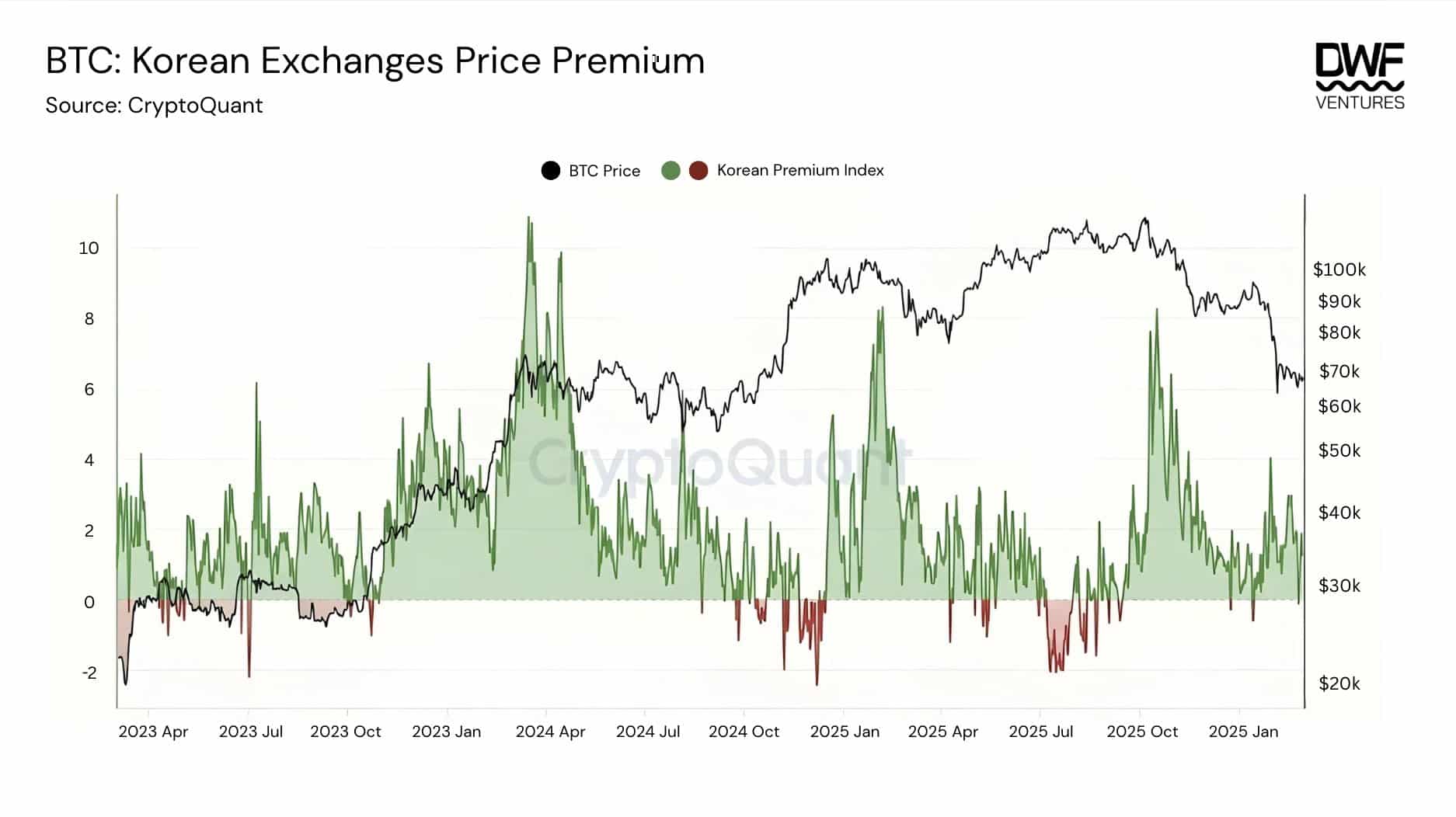
Source: DWF Ventures

However, this demand hasn’t always been efficient. The “Kimchi Premium,” where assets trade at higher prices on local exchanges, makes the gap between domestic and global markets clear. There’s both local demand and limited capital flow flexibility.

This is where a KRW stablecoin starts to make sense. A local alternative could reduce reliance on USD-based stablecoins and improve liquidity in KRW trading pairs. At the same time, it also helps achieve faster settlement.
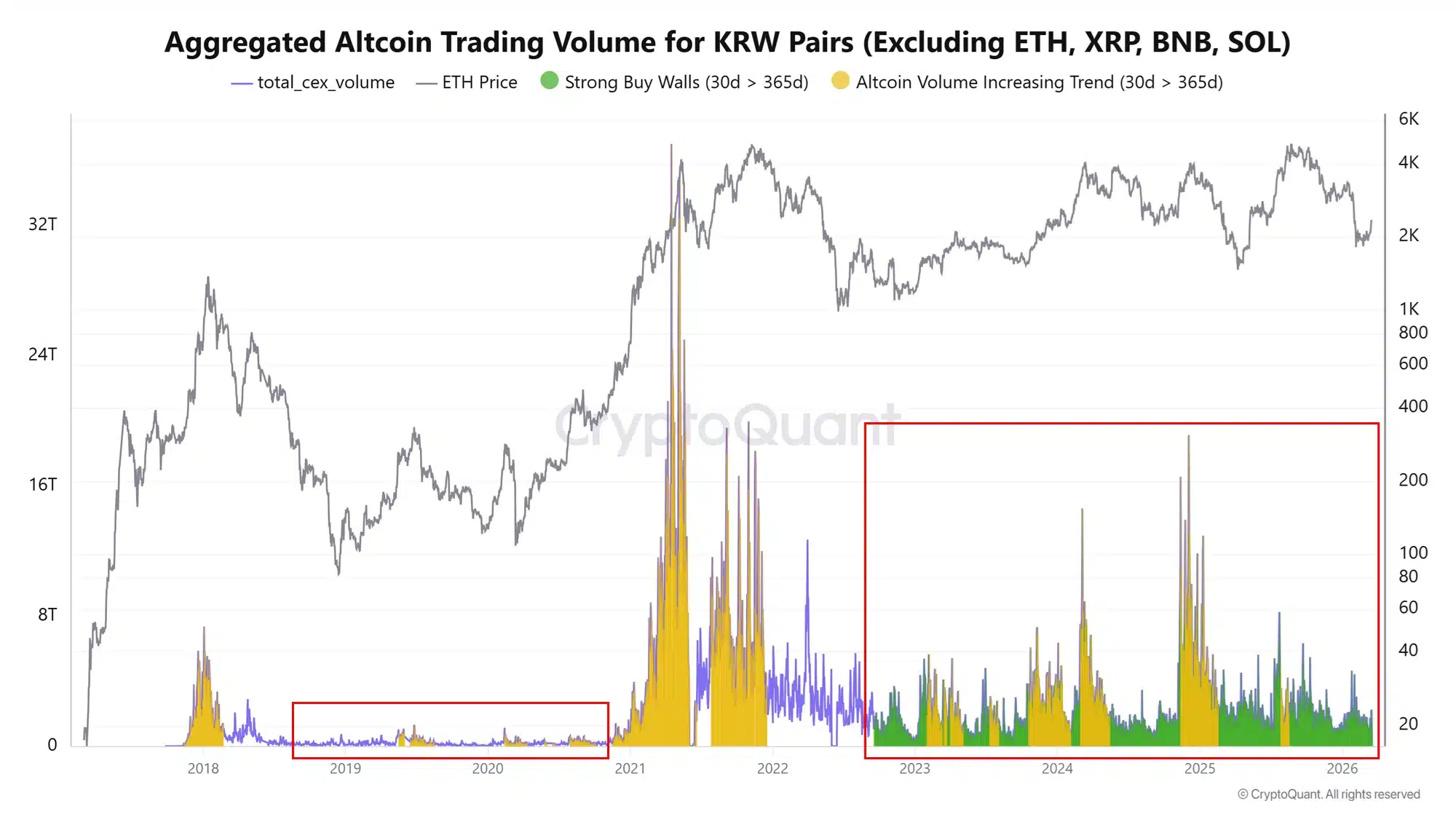
Source: Cryptoquant

And, here’s where it gets interesting; it’s not just the retail market. Large players on Korean exchanges have been absorbing sell-side pressure for years, creating a nice support wall that keeps liquidity intact.


Regulation is a hurdle

相關問答

QWhat is the main topic of the article regarding South Korea's financial market?

AThe article discusses the potential for South Korea to launch its own KRW-pegged stablecoin.

QWhy is South Korea considered a significant market for cryptocurrency trading?

ASouth Korea is one of the world's biggest retail markets for crypto, with over 18 million citizens participating in fast-moving, retail-centric trading.

QWhat is the 'Kimchi Premium' mentioned in the article?

AThe 'Kimchi Premium' refers to the phenomenon where crypto assets trade at higher prices on South Korean exchanges compared to global markets, highlighting local demand and limited capital flow flexibility.

QHow could a KRW-backed stablecoin benefit South Korea's crypto market?

AA KRW stablecoin could reduce reliance on USD-based stablecoins, improve liquidity in KRW trading pairs, and achieve faster settlement.

QWhat is identified as a major hurdle for the implementation of a KRW stablecoin in South Korea?

ARegulation is mentioned as a hurdle for the implementation of a KRW stablecoin in South Korea.

你可能也喜歡

从韩国到美国:多亏了AI,蓝领越来越吃香了

人工智能正在重塑劳动力市场,传统四年制大学学位的吸引力下降,而电工、焊工等技术型蓝领职业的需求和薪酬显著上升。数据显示,美国职业学校收入大幅增长,同时AI导致的白领裁员创下新高。供需两端变化推动年轻人重新规划职业路径,调查显示多数Z世代认为蓝领工作在AI时代更具就业保障。 职业教育热度近半年急剧攀升,年轻人主动寻求不易被AI替代且有实际用工需求的职业,技术岗位招聘甚至比程序员更困难。专家指出,这既是经济计算,也源于对高额学位债务和纯屏幕工作的反思。技术职业薪资中位数已追平或超越许多需要学位的工作,且提供边学边赚的学徒路径及创业可能。韩国半导体高中毕业生就业率极高,进入三星等企业可获得丰厚薪酬。 美国面临结构性技术工人短缺:大量婴儿潮一代即将退休,而新一代劳动力数量不足,缺口达数百万。同时,数据中心等基建扩张推高了相关技术工种需求。为此,摩根大通、Meta等企业正投资巨额资金开展培训项目。 尽管市场信号明确,但社会对职业教育的传统偏见仍构成“认知差距”。产业界需主动推广,让公众认识到技术职业不仅收入稳定,还是通向创业的快速路径,以真正缓解人才短缺。

marsbit36 分鐘前

从韩国到美国:多亏了AI,蓝领越来越吃香了

marsbit36 分鐘前

交易

現貨
活动图片




