Hong Kong Crypto Scam Shock: Woman Loses Nearly $1 Million As AI Fraud Surges

bitcoinist發佈於 2026-04-19更新於 2026-04-19

文章摘要

Hong Kong Crypto Scam Shock: Woman Loses Nearly $1 Million As AI Fraud Surges A Hong Kong woman lost HK$7.7 million (approximately $982,000) after being lured into a fraudulent cryptocurrency investment platform. The scam began on Telegram, where a person posing as an investment expert promoted an AI-powered trading strategy with guaranteed returns. After making 17 transfers of USDT and Ethereum, the victim was unable to withdraw her funds. Hong Kong Police have reported a significant surge in such online investment fraud, with over 80 cases recorded in a single week, totaling losses of nearly HK$80 million. Authorities warn that scammers are increasingly using sophisticated tactics, including promises of "AI trading" and "guaranteed profits," to appear credible. This follows a similar incident last month where a retiree lost HK$6.6 million in a multi-stage scam. Police urge the public to be cautious of unsolicited investment advice and to verify platforms through the official CyberDefender service before transferring any money. They emphasize that no legitimate investment can guarantee returns. Investigations are ongoing.

Her withdrawal requests kept getting denied. That was the moment a Hong Kong woman realized the crypto investment platform she had been using for weeks was fake — and that her money was gone.

Scam Built On Fake Promises

The woman had made 17 separate transfers of USDT and Ethereum to the fraudulent platform, losing nearly HK$7.7 million, roughly $982,000.

It started on Telegram, where someone posing as an investment expert approached her and pitched a trading strategy powered by artificial intelligence.

The promised returns were guaranteed. The platform looked convincing. She transferred the funds. When she tried to take her money out, nothing came through.

Hong Kong Police have since confirmed the case as part of a wider surge in online investment fraud hitting the city.

Based on reports from authorities, over 80 such cases were recorded in a single week, with combined losses topping HK$80 million — close to $10 million.

Different Types Of Scam

According to Vectra, AI scams now fall into seven distinct categories, with deepfake video, voice cloning, and AI-driven BEC among the biggest threats to enterprises. This framework spans both consumer- and enterprise-focused attacks.
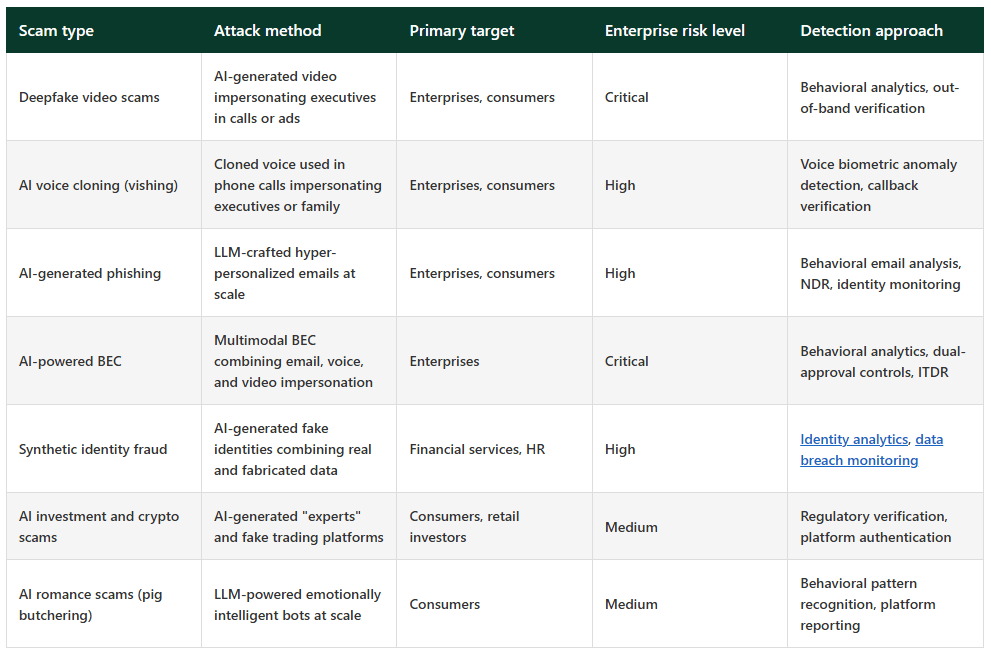
Types of AI scams. Source: Vectra

A Pattern Repeating Itself

This is not the first case of its kind, and it is not the last. Just last month, a 66-year-old retiree lost HK$6.6 million to a multi-stage scheme that played out over six months.

In that case, scammers first posed as investment advisors to win the victim’s trust, then came back later with a fake “recovery” offer — squeezing even more money out of someone who had already been burned.

Officials say the playbook is getting more sophisticated. Fraudsters are now borrowing the language of technology to add credibility to their pitches.

BTCUSD now trading at $76,179. Chart: TradingView

Terms like “AI trading” and “guaranteed profits” are being used to draw people in, according to the Hong Kong Police Force.

The artificial intelligence angle makes the pitch harder to dismiss, especially for victims who may not be familiar with how such systems actually work.

Authorities Push Public To Verify Before Transferring

Police are urging residents to be cautious with unsolicited investment advice, whether it arrives through social media, messaging apps, or anywhere else.

They are also encouraging people to use the official CyberDefender platform to check whether an investment site or service carries signs of fraud before sending any funds.

One warning is worth repeating: no legitimate investment guarantees returns. Reports indicate that every recent case in this wave involved that exact promise.

The woman who lost nearly $1 million, the retiree who lost HK$6.6 million — both were told their money was safe and the profits were certain. Neither turned out to be true.

Investigations into the cases are ongoing.

Featured image from The Verge, chart from TradingView

相關問答

QHow much money did the Hong Kong woman lose in the crypto scam?

AShe lost nearly HK$7.7 million, which is roughly $982,000.

QWhat was the initial point of contact where the victim was approached by the scammer?

AThe scammer first approached her on the messaging app Telegram, posing as an investment expert.

QAccording to Vectra, what are some of the biggest AI scam threats to enterprises?

AThe biggest threats include deepfake video, voice cloning, and AI-driven Business Email Compromise (BEC).

QWhat tool are Hong Kong authorities encouraging the public to use to verify investment sites?

AThey are encouraging people to use the official CyberDefender platform to check for signs of fraud.

QWhat common promise was made in every recent case of this fraud wave, according to reports?

AEvery recent case involved the promise of guaranteed returns, which is a sign of a scam as no legitimate investment can guarantee profits.

你可能也喜歡

借一百年后的钱,造看不懂的AI

2026年2月,谷歌母公司Alphabet发行了一百年后到期的债券。过去十八个月,亚马逊、Meta等科技巨头也发行了规模惊人的长期债券。这一系列举动的核心原因,是AI军备竞赛已彻底改变了科技公司的财务结构。 曾经,轻资产、高自由现金流是科技巨头的估值基石。如今,为构建AI基础设施(数据中心、GPU、电力等),它们的资本开支激增。2026年,四大巨头(亚马逊、微软、Alphabet、Meta)的资本开支合计指引高达7000多亿美元,是2022年的4.5倍。这直接吞噬了自由现金流,亚马逊的自由现金流在一年内蒸发了95%。 为了填补资金缺口,巨头们开始大规模举债,且方式前所未有:发行超长期债券(如百年期)、在全球范围(瑞士、日本、欧洲)寻求低成本资金。全球最厌恶风险的保守资金(如养老金、保险金),正通过债券市场为硅谷最激进的AI赌注提供弹药。 这标志着一次根本性转变。科技公司正在变“重”,其资产负债表越来越像铁路、电力等传统重资产行业。它们投入巨资建设的AI基础设施,回报周期长且不确定,类似历史上的铁路和光纤建设热潮——技术最终创造了价值,但许多建设者却因融资激进、需求滞后或金融环境变化而倒下。 当前,巨头们正在进行一场“时间套利”:用今天的低息债务,抢占AI基础设施的规模优势,以期在技术同质化前锁定客户与市场。然而,这场豪赌能否成功,取决于AI的商业化收入能否在未来债务到期前及时爆发,以覆盖庞大的资本开支。历史表明,技术是对的,但错误的时间会杀死投资者。现在,全球的保守资金已与硅谷签下合同:我们把时间借给你,你把未来还给我们。未来是否守约,无人知晓。

marsbit1 小時前

借一百年后的钱,造看不懂的AI

marsbit1 小時前

交易

現貨
合約
活动图片





