The Unluckiest Person: Zero API Calls, Secretly Charged 1 Billion Yuan by Anthropic

marsbit發佈於 2026-07-13更新於 2026-07-13

文章摘要

A South Korean developer, remy_notes, was shocked to receive two invoices from Anthropic totaling over $17.8 million within 24 hours, despite being on a free plan with zero API usage and no linked credit card. His bank blocked the attempted charges. This case highlights a broader issue of billing errors in the AI industry. Auditing firm Vaudit, reviewing millions in AI bills, found significant erroneous overcharges, often related to issues like clients being billed for newer, pricier models instead of older ones they used, or being charged for failed requests and retry loops. While Anthropic claims overcharging is not widespread, major providers have refunded a large portion of disputed amounts. The incident adds to growing distrust, following previous billing controversies like the "HERMES.md bug" and a class-action lawsuit over opaque usage calculations for Anthropic's subscription plans. The complexity of AI pricing models creates a "black box" for users, leading to a new competitive frontier: billing transparency. As users turn to audits and lawsuits, clear and fair pricing is becoming a crucial part of the product experience.

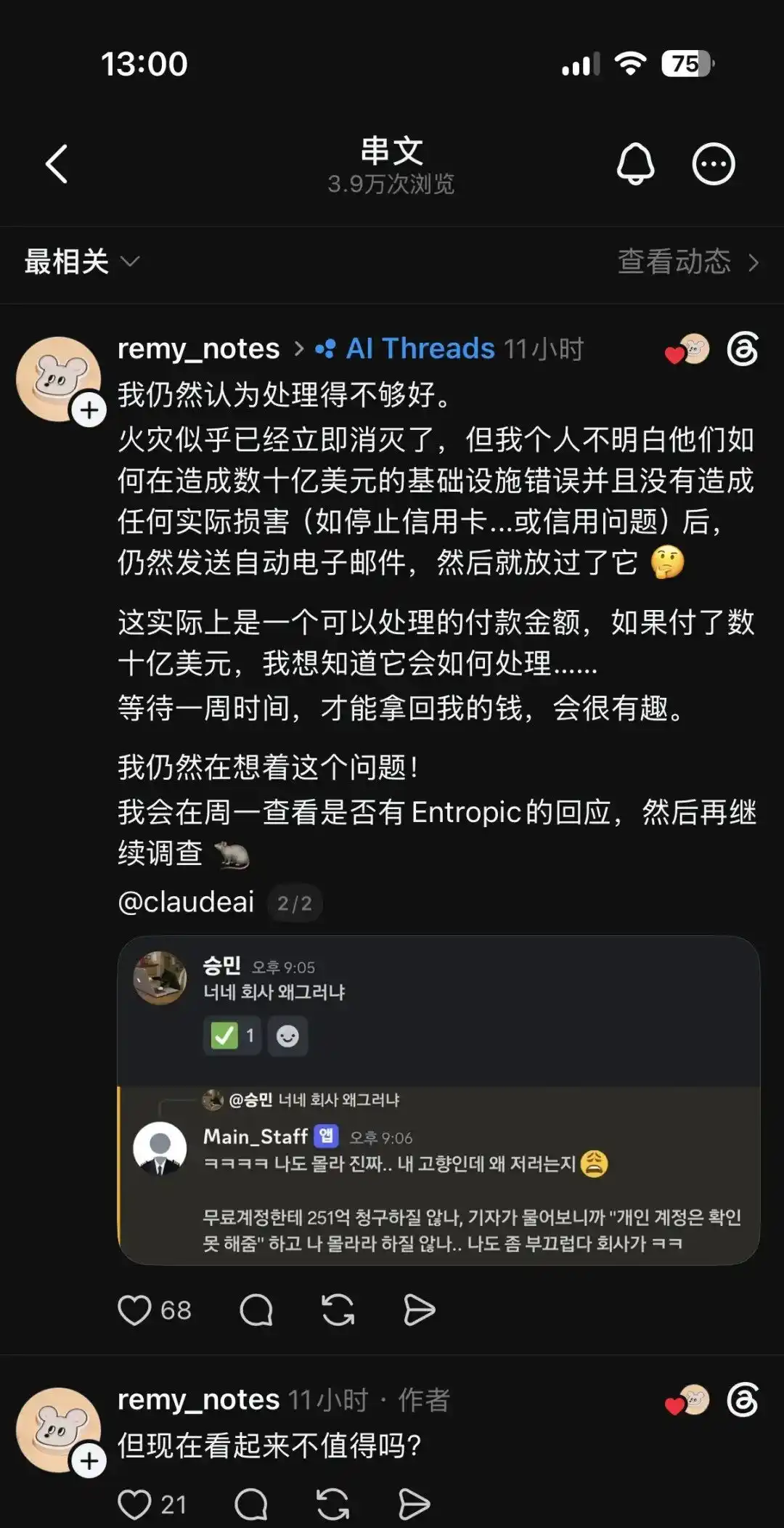
On July 8, the well-known Korean developer remy_notes posted two Anthropic invoice screenshots on Threads: the first for $1.669 million (approximately 11.3 million RMB), the second for $16.62 million (approximately 110 million RMB). The two invoices were issued less than 24 hours apart, with the amount increasing nearly tenfold.
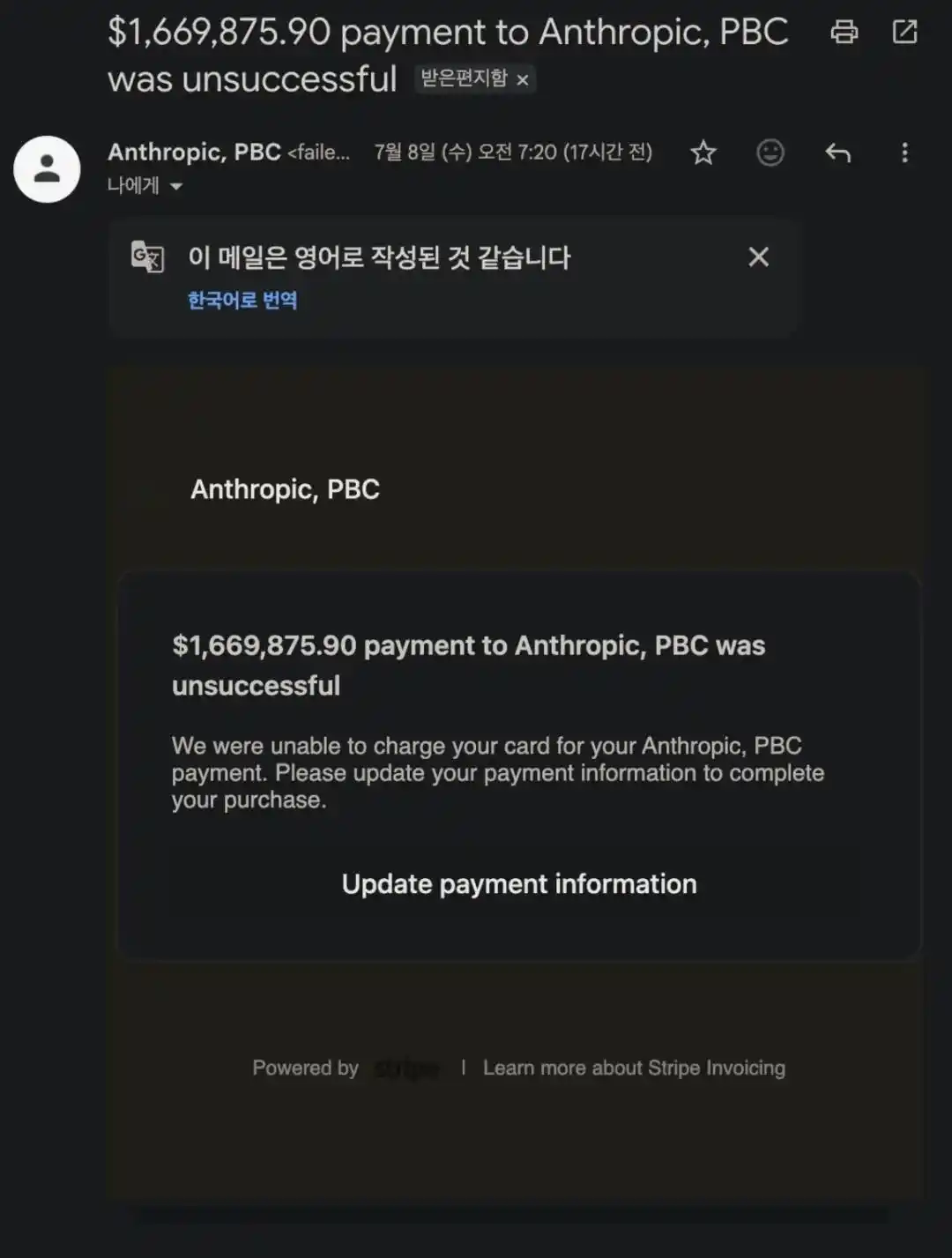
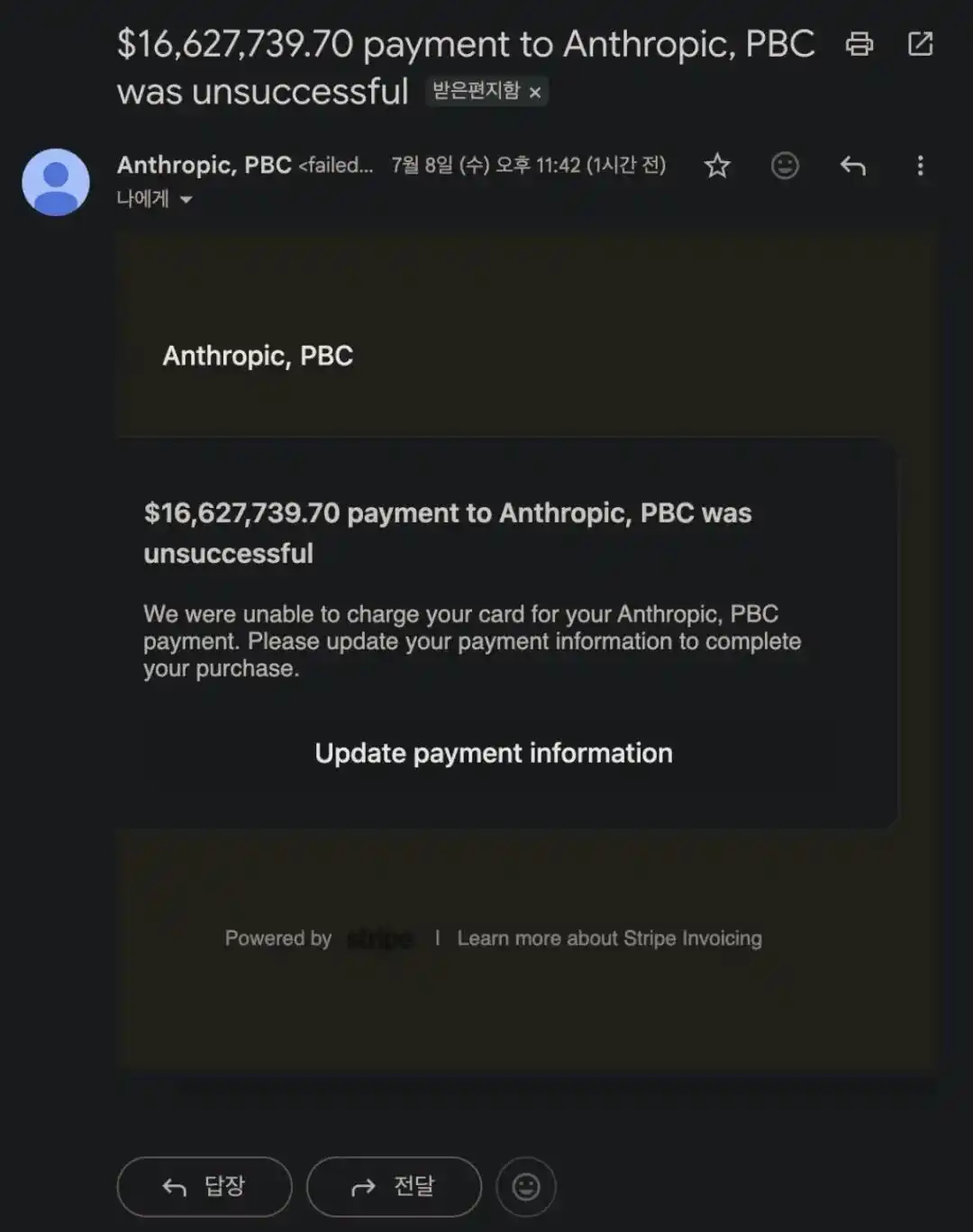
He initially thought it was a phishing email, but the sender address and payment links pointed to Anthropic's official Stripe domain.
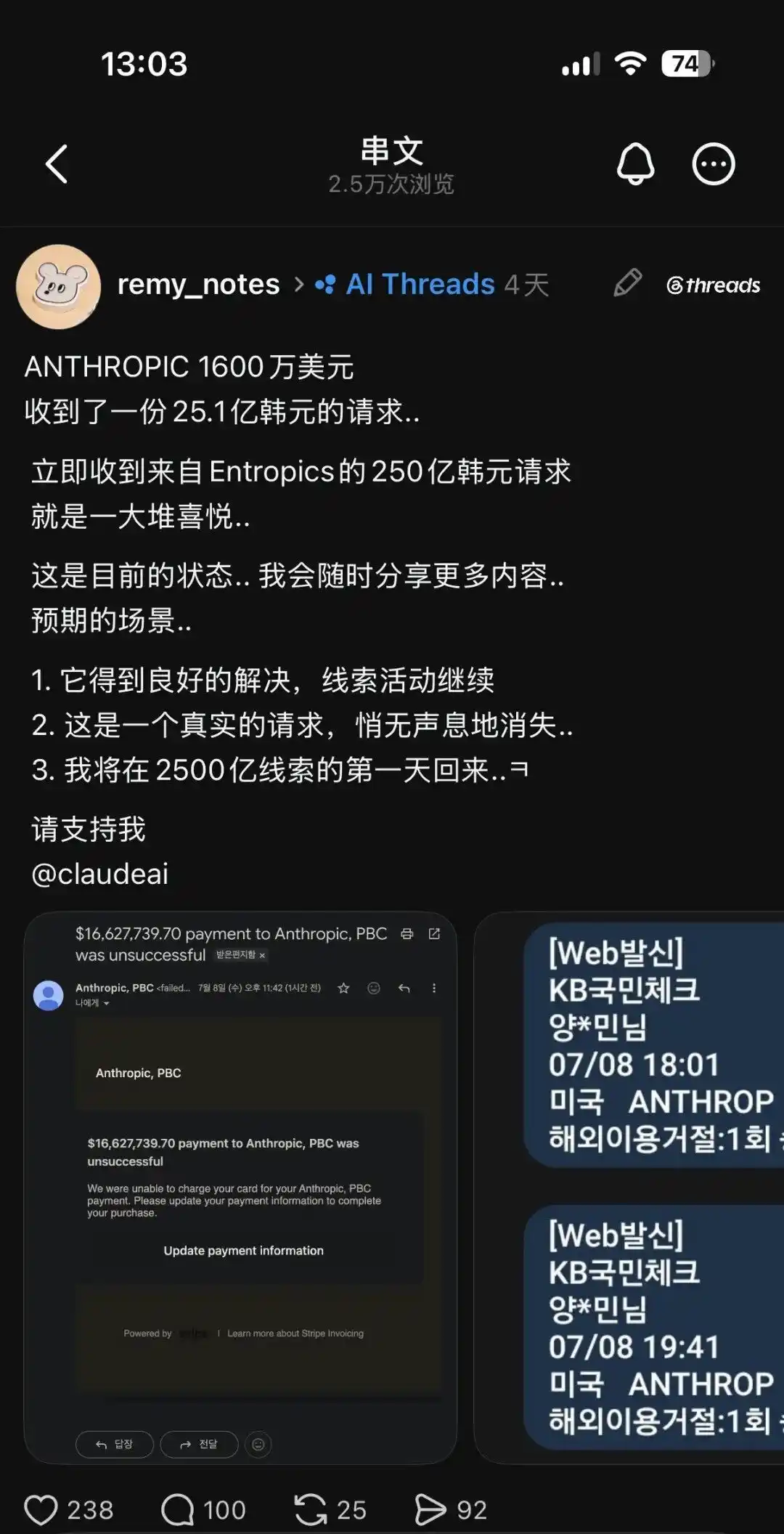
His KB National Bank debit card intercepted two overseas charge requests from the US merchant 'ANTHROP' on the same day—both were denied due to insufficient single-transaction limits.
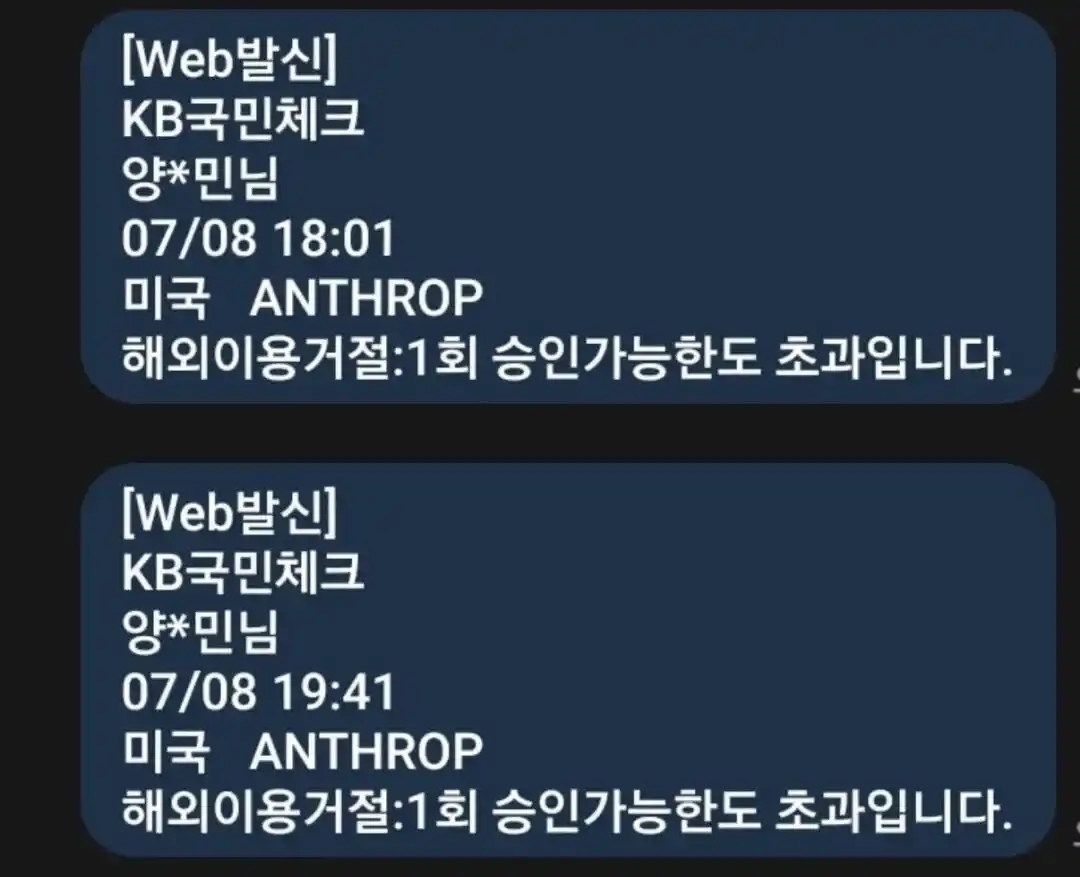
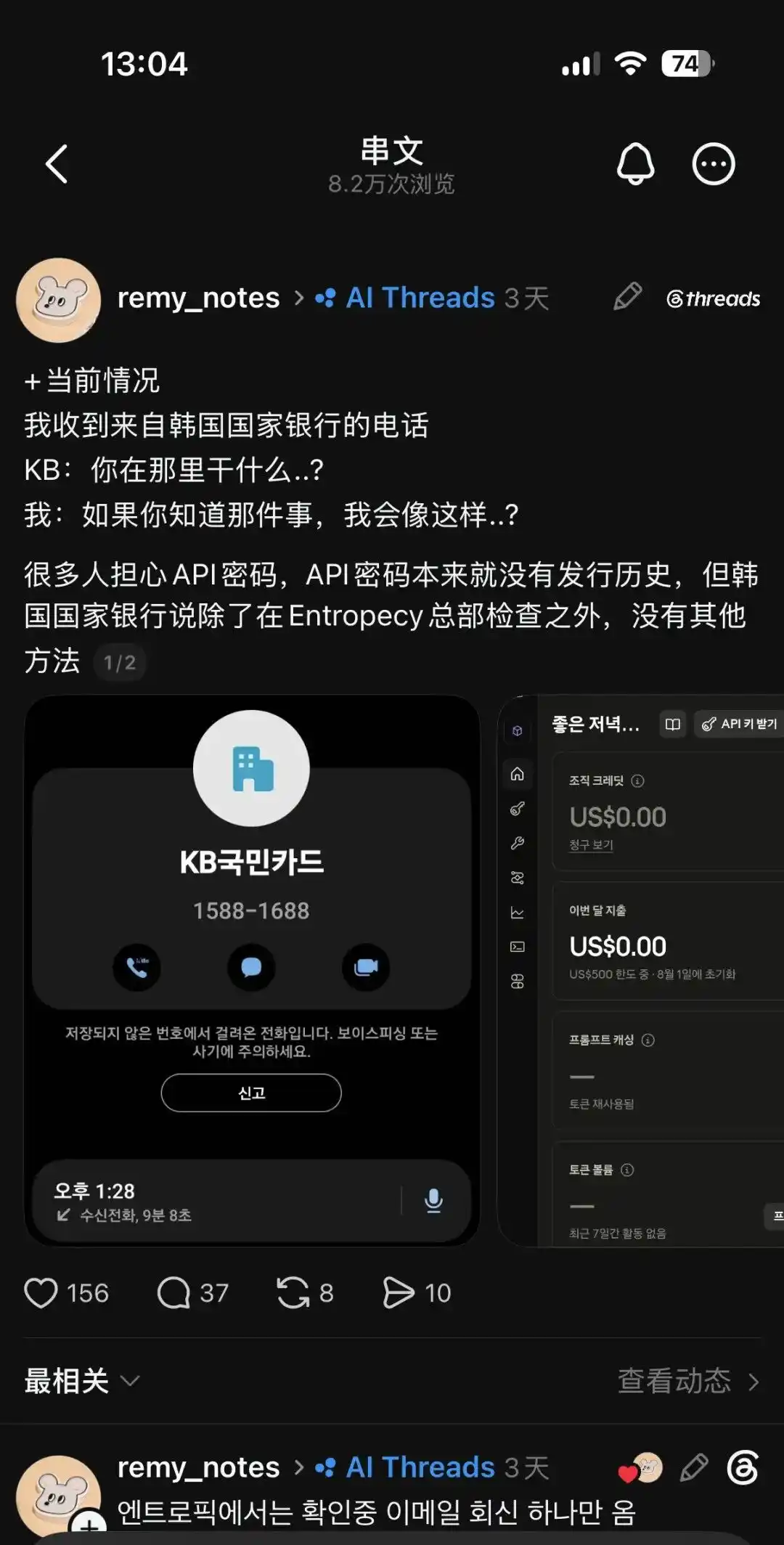
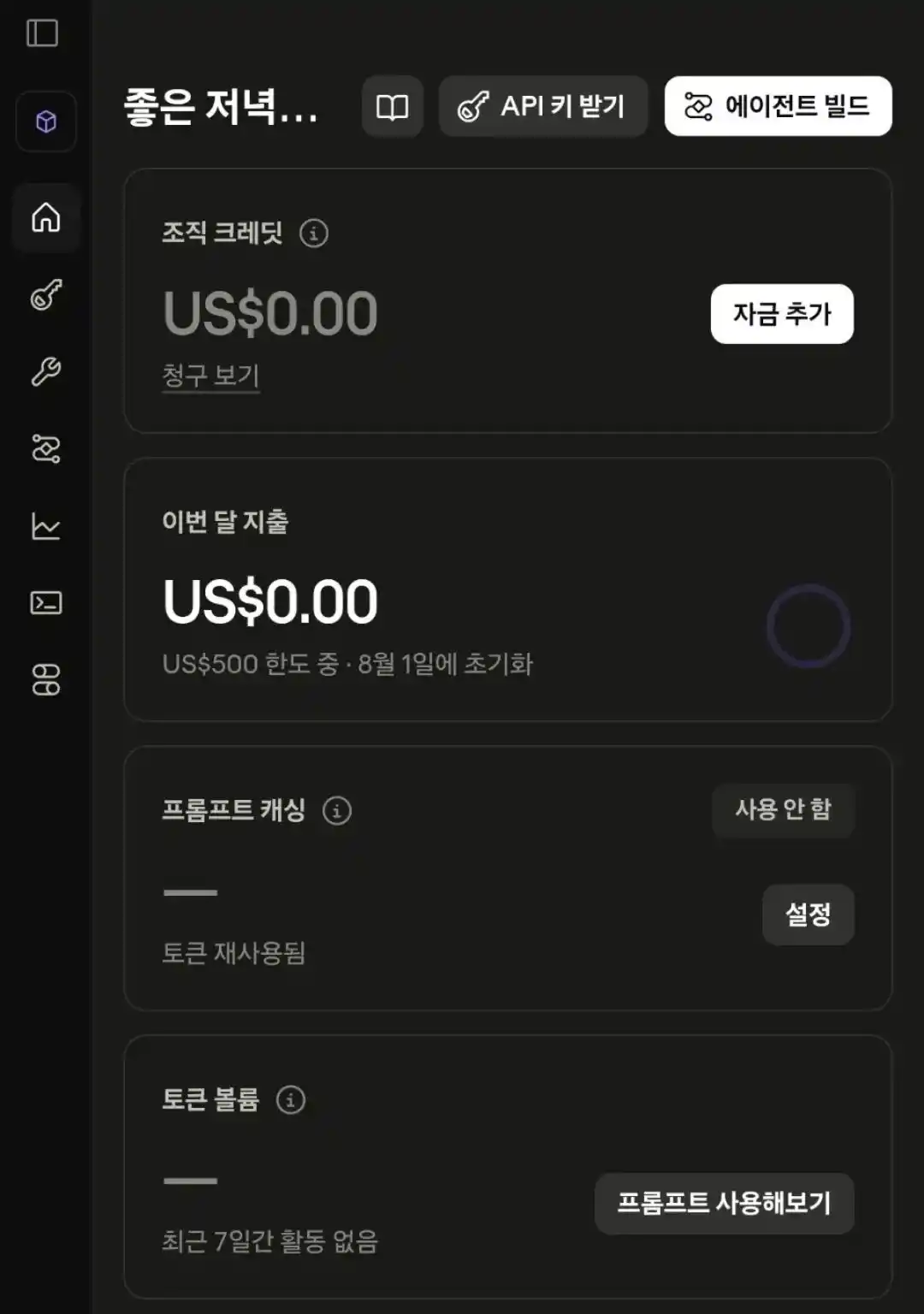
His account was on a free plan, with no credit card linked, and the backend showed zero API usage.
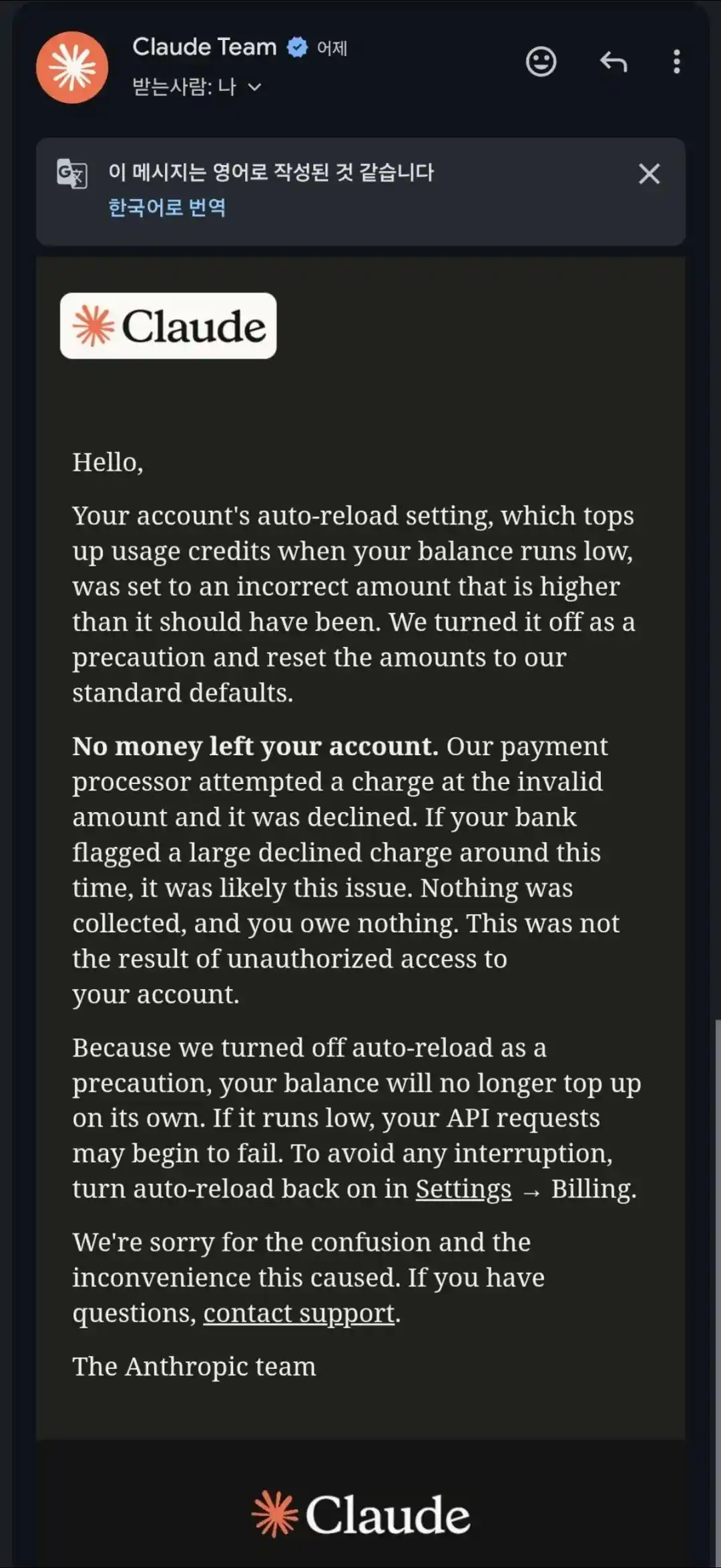
As of publication, Anthropic has not publicly explained the cause of this "phantom bill."
More Than One "Phantom Bill"

The figure of $16.6 million is shocking enough, but what truly deserves attention is the systemic issue emerging from it.

From March to June, AI bill auditing company Vaudit reviewed $34 million in AI bills from 60 companies and discovered approximately $1.7 million in erroneous overcharges, most of which were related to Anthropic's Claude Code.

Vaudit's clients include Panasonic, HP, and Honda, among others.

Vaudit CEO Michael Hahn

Vaudit CEO Michael Hahn described several common overcharging patterns to The Information:

Customers using older, cheaper models but being billed for the more expensive new models;

AI Agents or chatbots failing to complete requests or returning error messages, yet still incurring charges;

Agents repeatedly retrying tasks after failure (retry storms), with each retry being billed.

An Anthropic spokesperson responded, stating the company does not charge for unfulfilled requests or error messages, does not route user requests to older models, and that "overcharging does not seem to be a widespread issue."

However, following appeals from Vaudit and clients, Amazon, Google, Microsoft, Anthropic, and OpenAI refunded about 80% of the disputed amounts.

Hahn said these companies were "very cooperative" in handling billing disputes.

A noteworthy detail: some of Vaudit's audited clients did not purchase services directly from Anthropic but through cloud platforms like AWS, Google Cloud, or Microsoft Azure.

After the billing passes through an additional layer, the responsibility attribution becomes murkier.

Why AI Bills Are Becoming Increasingly Incomprehensible

The developer community's distrust of Anthropic's billing didn't accumulate overnight.

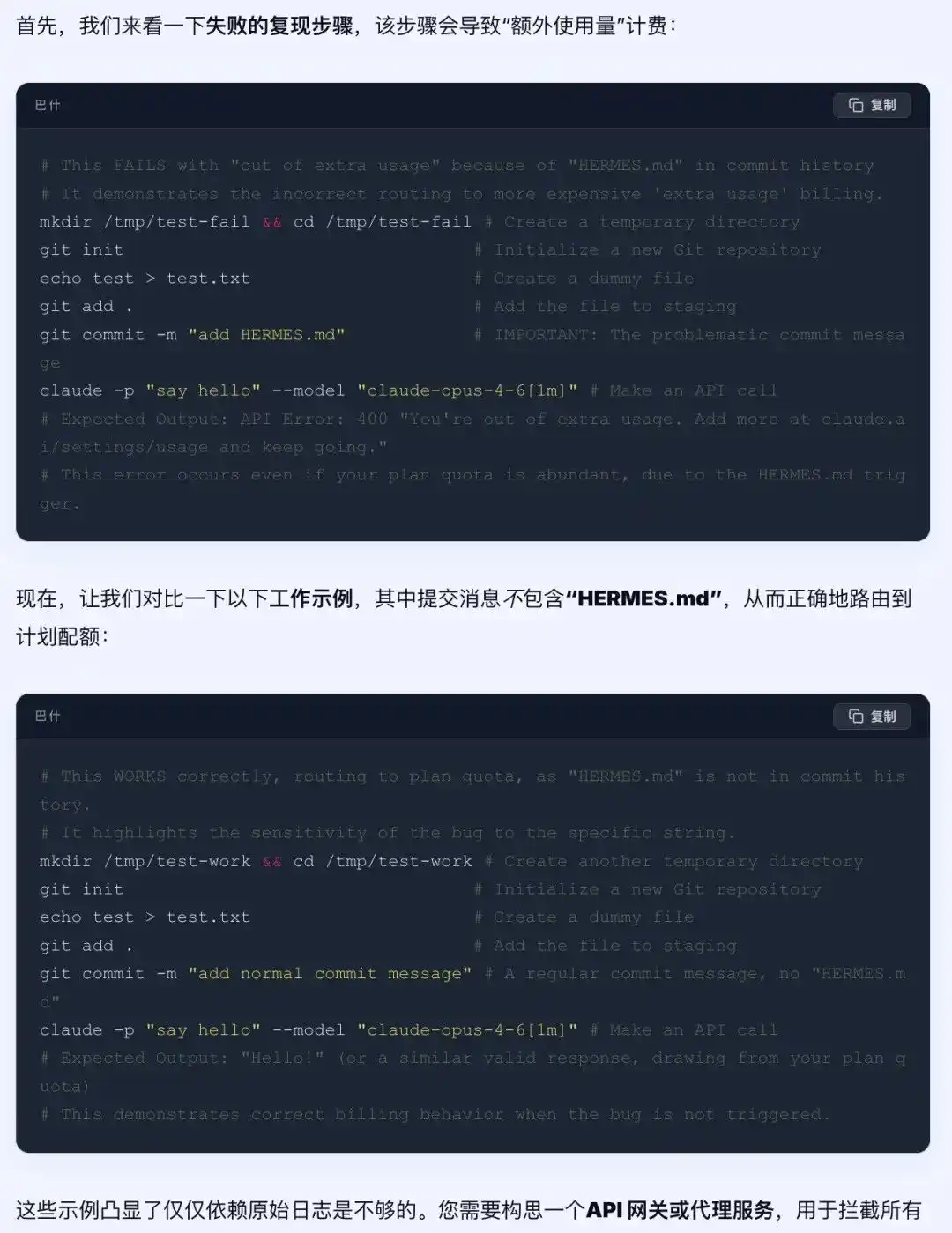
In April this year, developers discovered a billing vulnerability dubbed the "HERMES.md bug": when code commit records contained specific strings, Anthropic's backend would silently route requests that should have been deducted from the Max plan quota to a more expensive "additional usage" billing channel.

Users paid a $200/month subscription fee but were actually billed separately at the API rate.

Anthropic characterized it as an "authentication routing issue" but initially refused refunds, leading many developers to initiate credit card chargebacks.
On June 14, Washington D.C. user Karl Kahn filed a class-action lawsuit in the US District Court for the Northern District of California, alleging that Anthropic's usage promises for the Max 5x ($100/month) and Max 20x ($200/month) subscription plans were misleading.

Kahn claimed that during his use of the Max 20x plan, a single 5-hour programming session consumed 15% of his weekly quota.

The lawsuit argues that Anthropic's usage calculation method is opaque, making it nearly impossible for users to verify whether they are receiving the promised service.

The pricing changes for Claude 5 further amplified this distrust.

Released on June 9 as part of subscription plans, this Anthropic's most powerful publicly available model to date was stripped from them just 13 days later, converted to a usage credit system billed at the API rate ($10 per million input tokens, $50 per million output tokens) – twice the price of Claude 4.8.

Extended reading: Sudden! Anthropic Globally Disables Claude 5

It was also taken offline globally for 19 days due to US government export controls.

After restoration on July 1, the free window provided by Anthropic was only 6 days, later extended to July 12.

When "Safety" Doesn't Cover the Wallet

Anthropic's core brand narrative is "AI safety."

But for paying users, the definition of safety is expanding: it shouldn't only mean the model won't output harmful content; it should also include not being charged an inexplicable fee without your knowledge.

This isn't just Anthropic's problem.

AI service billing structures are inherently complex – model tiers, token usage, API call counts, retries, cloud platform markups, different paths for direct purchase and resale – all layered together, forming a black box that average users can almost never independently verify.

The emergence of auditing companies like Vaudit is itself a signal: AI bills have become so complex that a professional third party is needed to understand them.

Competitors are already sensing the opportunity.

At the June Build conference, Microsoft released MAI-Thinking-1. AI head Mustafa Suleyman told Bloomberg, "Many people are urgently looking for alternatives to Anthropic's expensive models."

OpenAI is reportedly considering significantly lowering token prices.

DeepSeek V4's output token price is about 1/90th of Claude Sonnet 4.6's, starting to be included in developers' cost comparison options.

Over the past year, AI companies won users with model capabilities.

In the next phase of competition, billing transparency will become part of the product experience.

When users start auditing your bills and questioning your pricing promises with class-action lawsuits, "our model is smarter" is no longer enough.

The problem Anthropic faces today, the entire industry will encounter – whoever makes their billing clear first will get the ticket to the next round of trust.

References:

https://www.internationalcyberdigest.com/anthropic-tried-to-phantom-charge-16-6m/

https://www.theinformation.com/newsletters/applied-ai/anthropic-customers-find-errant-charges-auditing-startup-says

This article is from WeChat public account "New Zhiyuan", author: ASI Revelation

熱門幣種推薦

相關問答

QWhat is the main issue reported by Korean developer remy_notes regarding Anthropic's billing?

AKorean developer remy_notes reported receiving two massive invoices from Anthropic within 24 hours—one for about $1.669 million and another for $16.62 million—despite having a free plan with zero API usage and no credit card linked. His bank blocked the attempted charges due to insufficient limits.

QWhat systemic billing problems did the AI audit company Vaudit discover among Anthropic and other AI providers?

AVaudit audited $34 million in AI bills across 60 companies from March to June and found about $1.7 million in erroneous overcharges, mostly related to Anthropic's Claude Code. Common issues included charging for newer, more expensive models when older ones were used, billing for failed or incomplete requests, and charging for repeated retries by AI agents.

QWhat legal action has been taken against Anthropic related to its billing practices?

AOn June 14, a user named Karl Kahn filed a class-action lawsuit in the U.S. District Court for the Northern District of California. The lawsuit alleges that Anthropic misled customers about usage limits and costs for its Max subscription plans, and that its billing calculations are opaque, making it nearly impossible for users to verify if they received the promised service.

QHow did Anthropic's handling of its Fable 5 model contribute to user distrust?

AAnthropic initially included its powerful Fable 5 model in subscription plans upon release on June 9, but removed it just 13 days later. It was then made available only via a much more expensive API-based credit system (costing twice as much as Opus 4.8). Coupled with a 19-day global takedown due to U.S. export controls and a very short free usage window, these actions eroded user trust in the company's pricing stability and transparency.

QAccording to the article, why is billing transparency becoming a key competitive factor in the AI industry?

AAs AI services grow more complex—with layered pricing based on models, tokens, API calls, retries, and cloud platform markups—their bills have become a 'black box' that users cannot easily verify. The emergence of audit firms like Vaudit and user lawsuits signal that transparent and understandable billing is now part of the product experience. The article suggests that in the next phase of competition, companies that master clear billing will gain a significant trust advantage.

你可能也喜歡

Gate 研究院:加密金融产品掀起“华尔街化”浪潮,是竞争还是融合?

2009年比特币的创世区块暗含对传统金融体系的批判,其理想是建立去中心化、去中介、去银行的点对点金融系统。然而十七年后,比特币现货ETF获批、贝莱德等巨头发行相关产品、CME推出受监管衍生品、RWA(真实世界资产)和代币化国债市场快速增长等现象,显示传统金融正系统性地介入加密资产的发行、定价、托管和分销环节,引发了加密市场是否“华尔街化”的讨论。 文章认为,这并非单方面的吞并,而是加密体系与传统金融的双向融合与互补。加密领域提供无许可开放性、24小时交易和可编程结算,但缺乏合规通道、机构级托管和主流分销网络;传统金融则拥有牌照、信任、资金和渠道,但受限于交易时间、跨境门槛和结算效率。双方正朝彼此的核心优势靠拢。 这种融合体现为两条路径:一是以Gate为代表的加密交易所,逐步从提供代币化美股、CFD差价合约,发展到接入真实股票、港股、韩股交易,成为连接加密账户与传统券商基础设施的前端入口;二是以Robinhood为代表的传统券商,通过收购加密交易所、推出股票代币和建设自有Layer 2,将加密资产和链上代币化产品整合进其平台。两者的共同目标是争夺下一代综合金融账户的入口,让用户在一个界面内交易多种资产。 同时,RWA和链上国债作为资产层的融合正在加速。尽管规模尚小,但代币化国债等产品为链上提供了低波动收益资产,并吸引JP摩根、贝莱德等传统机构参与,测试未来资本市场的底层结算方式。 最终,加密与华尔街并非谁征服谁,而是在共同塑造一个更高效、全球化的统一资本市场。用户未来或将在同一个账户中自由交易比特币、股票、ETF、链上国债等多种资产,体验无缝的跨资产配置。去中心化的理想仍在底层协议中延续,而在应用层,一个融合了双方优势的新金融形态正在形成。

marsbit17 分鐘前

Gate 研究院:加密金融产品掀起“华尔街化”浪潮,是竞争还是融合?

marsbit17 分鐘前

给AI喂“噪声”也能涨分,这项工作让噪声实现正迁移

这篇发表于ICML 2026的研究提出了一种名为“半监督噪声自适应(SSNA)”的新方法,其核心思想是:迁移学习中,用于辅助训练的“源数据”可以不是真实的图像或文本,而是**完全没有语义的随机噪声**。 传统迁移学习需要大量有标签的源数据,但在隐私、版权等限制下,真实数据往往难以获得。SSNA框架(NAF)打破了这一限制。研究者为每个目标类别(例如CIFAR-10的10个类)生成一组对应的高斯分布噪声样本,并为每个噪声类预先指定一个目标类别编号(但编号本身无意义)。 NAF通过三个步骤实现“正迁移”: 1. **利用少量真实标签**:使用目标域中极少的标注样本进行基础监督学习,建立噪声与真实类别间的初步联系。 2. **在噪声域构建判别结构**:训练模型将同类噪声聚集、异类噪声分离,形成清晰的类别结构。 3. **跨域对齐**:将噪声域中学习到的类别结构(分布)与目标域的对齐,从而将判别性知识迁移到真实数据上。 实验表明,在每类仅有4个标注样本的极端少样本设定下,NAF相比仅使用标注数据的基线方法(ERM)在多个数据集上取得显著提升(如CIFAR-10提升12.35%)。研究还发现,关键因素在于噪声域中是否形成了**可分离的类别结构**,而非噪声数量多少。当把所有噪声压缩为一点(无结构)时,性能会大幅下降。 这项工作的意义在于,它揭示了迁移学习中可迁移的知识可能不限于数据的“语义内容”,**表征空间的“组织结构”本身也是一种有效的知识**。这为无法获取真实源数据的场景提供了一种低成本、保护隐私的替代方案。

marsbit23 分鐘前

给AI喂“噪声”也能涨分,这项工作让噪声实现正迁移

marsbit23 分鐘前

交易

現貨

熱門文章

什麼是 $WELL

WELL3, $$WELL:利用 DePIN 和 AI 變革健康和健身 簡介 在數字科技迅速發展的環境中,健康和健身行業站在創新的最前沿,努力改善病人護理並推廣更健康的生活方式。在這個領域中的一個突破性參與者是 WELL3,這是一個開創性的 Web3 項目,旨在徹底改變個人與健康的互動方式。通過利用去中心化的實體基礎設施網絡(DePIN)、去中心化身份(DID)和人工智能(AI)等技術,WELL3 努力促進安全、數據驅動的健康旅程。這篇全面的文章深入探討 WELL3 和 $$WELL 的核心方面,探索其功能、創建者、投資者和獨特特點。 WELL3, $$WELL 是什麼? WELL3 是一個創新的平台,旨在重新定義對健康和健身的看法。專注於整合 DePIN、DID 和 AI 系統,該項目旨在創建個性化的用戶體驗,同時確保個人健康數據的安全和隱私。擁有超過一百萬名預註冊用戶的驚人數字,WELL3 的主要使命是通過安全、數據驅動的健康旅程增強福祉。 WELL3 的核心使用先進的區塊鏈技術,以確保用戶擁有對其個人信息的完全控制。該項目不僅應對了數據安全和可訪問性的挑戰,還希望建立一個因共同致力於更好健康而聯繫在一起的活躍社區。 WELL3 的主要特點: DePIN 和 DID:這些技術使數據的安全擁有和認證成為可能,讓用戶對其信息擁有完全控制。 AI 整合:利用 AI 數據分析,WELL3 提供根據個人健康需求量身定制的見解和解決方案。 社區參與:促進一個支持的環境,使用戶可以互相連接、分享經驗,並互相激勵以追求更健康的生活。 WELL3, $$WELL 的創建者 WELL3 的創建者身份在現有的信息中仍未明確。隨著項目的進展,可能會出現更多細節,揭示出這一變革性倡議背後的遠見卓識。 WELL3, $$WELL 的投資者 WELL3 獲得了來自多個影響力投資機構的支持,展示了其在健康和健身領域的可信度和潛力。值得注意的投資者包括: Animoca Brands AWS Samsung The Spartan Group Blocore Fenbushi Capital Newman Group Soul Capital XY Finance Lumoz 這些知名組織的支持展示了對 WELL3 使命的強烈信念,為其創新和擴大服務提供了必要的資源。 WELL3, $$WELL 如何運作? WELL3 通過在多鏈框架中融合尖端技術,確保無縫和創新的用戶體驗。以下是一些將 WELL3 獨特定位於健身市場的因素: 1. 安全的數據擁有權 通過整合 DePIN 和 DID,用戶可以完全控制其個人健康信息。這種安全層在當今數字時代極為重要,因為數據洩露和未授權訪問隨處可見。通過 WELL3,數據擁有權是去中心化的,使用戶能夠主動管理其信息。 2. 通過 AI 個性化 WELL3 實施了基於 AI 的分析,為用戶提供量身定制的健康見解。通過利用 AI 的力量,該平台可以提供個性化的建議和解決方案,鼓勵用戶更有效地實現他們的健康目標。 3. 多鏈框架 WELL3 項目設計為跨多個區塊鏈平台運作,包括比特幣、以太坊、Polygon、Solana、Blast 和 TON。這種多鏈能力確保用戶能夠無縫地在不同網絡之間互動,提升可訪問性和可用性。 4. WELL 代幣 WELL3 生態系統的核心是 WELL 代幣,該代幣具有多種功能,包括實用性、治理和獎勵。該代幣允許參與生態系統,支持健康數據共享,並根據用戶與平台的互動進行獎勵。 WELL3, $$WELL 的時間表 WELL3 的發展過程中展示了重要的里程碑事件,每個事件都為項目的整體成功做出了貢獻。以下是 WELL3 歷史中關鍵事件的簡要時間表: 2024年2月10日:WELL3 推出了其 NFT 項目,迅速崛起為 opBNB 鏈上最大的 NFT 收藏,擁有超過 324,000 名擁有者,並在 2024 年 4 月 27 日前創建超過 800 萬個 NFT。 公開銷售:該項目在短短七天內達到約 15,237.2 ETH 的總鎖定價值(TVL),顯示出強勁的市場興趣和支持。 WELL ID 推出:平台吸引了超過 900,000 名用戶註冊 WELL ID 及其相應的 NFT Ring 白名單,標誌著生態系統內的重要採用階段。 夥伴關係發展:WELL3 與包括 Animoca Brands、AWS、Samsung 等領先實體建立了夥伴關係,以增強其生態系統並擴大其影響範圍。 交易量:WELL3 已促成超過 1700 萬美元的交易,反映其在健康和健身社區中的日益實用性和參與度。 有關 WELL3, $$WELL 的要點 作為一個向健身市場推進的進步倡議,WELL3 確定了幾個至關重要的元素,將促進其持續成功。以下是一些重要的重點: 代幣經濟學 $$WELL 代幣的最大供應為420 億,其中71%專門用於社區倡議。這一分配策略強調了該項目對其用戶基礎和長期可持續性的承諾。 鎖倉期 為確保生態系統的穩定,代幣將在24 個月的鎖倉期內分批釋放,以促進用戶之間的信任和信心。 生態系統發展 WELL3 的願景延伸至創建一個全面和可持續的生態系統,以鼓勵繁榮的社區參與、增強健康的行為和解決滿足健身領域迫切需求的數字解決方案。 市場適應性 健康產業的價值為5.6 萬億美元,為 WELL3 提供了盈利的機會。該項目預計每年增長率為5-10%,到位於健康意識生活上升趨勢之中。 可穿戴設備 推出的 WELL3 Ring 是一種加密激勵可穿戴設備,符合對個性化健康數據日益增長的需求。該設備不僅提升了用戶體驗,還重新定義了在 Web3 背景下與個人健康互動的意義。 結論 WELL3 代表了在健康和健身行業中整合區塊鏈技術的重大進展。通過解決關於數據擁有權、個性化和社區參與的關鍵問題,這個創新平台為增強個人福祉提供了前瞻性的解決方案。憑藉著來自知名投資者的強力支持和對開創性技術的承諾,WELL3 準備在健身領域產生持久影響。對於那些希望在數字時代擺脫健康複雜性的人來說,WELL3 無疑是值得關注的一個,因為它將持續進化和增長。

178 人學過發佈於 2024.07.14更新於 2024.12.03

什麼是 $WELL

如何購買WELL

歡迎來到HTX.com!在這裡,購買Moonwell Artemis (WELL)變得簡單而便捷。跟隨我們的逐步指南,放心開始您的加密貨幣之旅。第一步:創建您的HTX帳戶使用您的 Email、手機號碼在HTX註冊一個免費帳戶。體驗無憂的註冊過程並解鎖所有平台功能。立即註冊第二步:前往買幣頁面,選擇您的支付方式信用卡/金融卡購買:使用您的Visa或Mastercard即時購買Moonwell Artemis (WELL)。餘額購買:使用您HTX帳戶餘額中的資金進行無縫交易。第三方購買:探索諸如Google Pay或Apple Pay等流行支付方式以增加便利性。C2C購買:在HTX平台上直接與其他用戶交易。HTX 場外交易 (OTC) 購買:為大量交易者提供個性化服務和競爭性匯率。第三步:存儲您的Moonwell Artemis (WELL)購買Moonwell Artemis (WELL)後,將其存儲在您的HTX帳戶中。您也可以透過區塊鏈轉帳將其發送到其他地址或者用於交易其他加密貨幣。第四步:交易Moonwell Artemis (WELL)在HTX的現貨市場輕鬆交易Moonwell Artemis (WELL)。前往您的帳戶,選擇交易對,執行交易,並即時監控。HTX為初學者和經驗豐富的交易者提供了友好的用戶體驗。

392 人學過發佈於 2024.12.13更新於 2026.06.02

如何購買WELL

相關討論

歡迎來到 HTX 社群。在這裡,您可以了解最新的平台發展動態並獲得專業的市場意見。 以下是用戶對 WELL (WELL)幣價的意見。

活动图片