In contrast to the rallying U.S. stock market, which has largely recovered from its August losses, crypto assets have underperformed on a risk-adjusted basis.
Institutional investors, in particular, remain fixated on Bitcoin, driving its market dominance to its highest level since April 2021.

Among the major assets, Ethereum has been a notable laggard, falling below its three-month average.
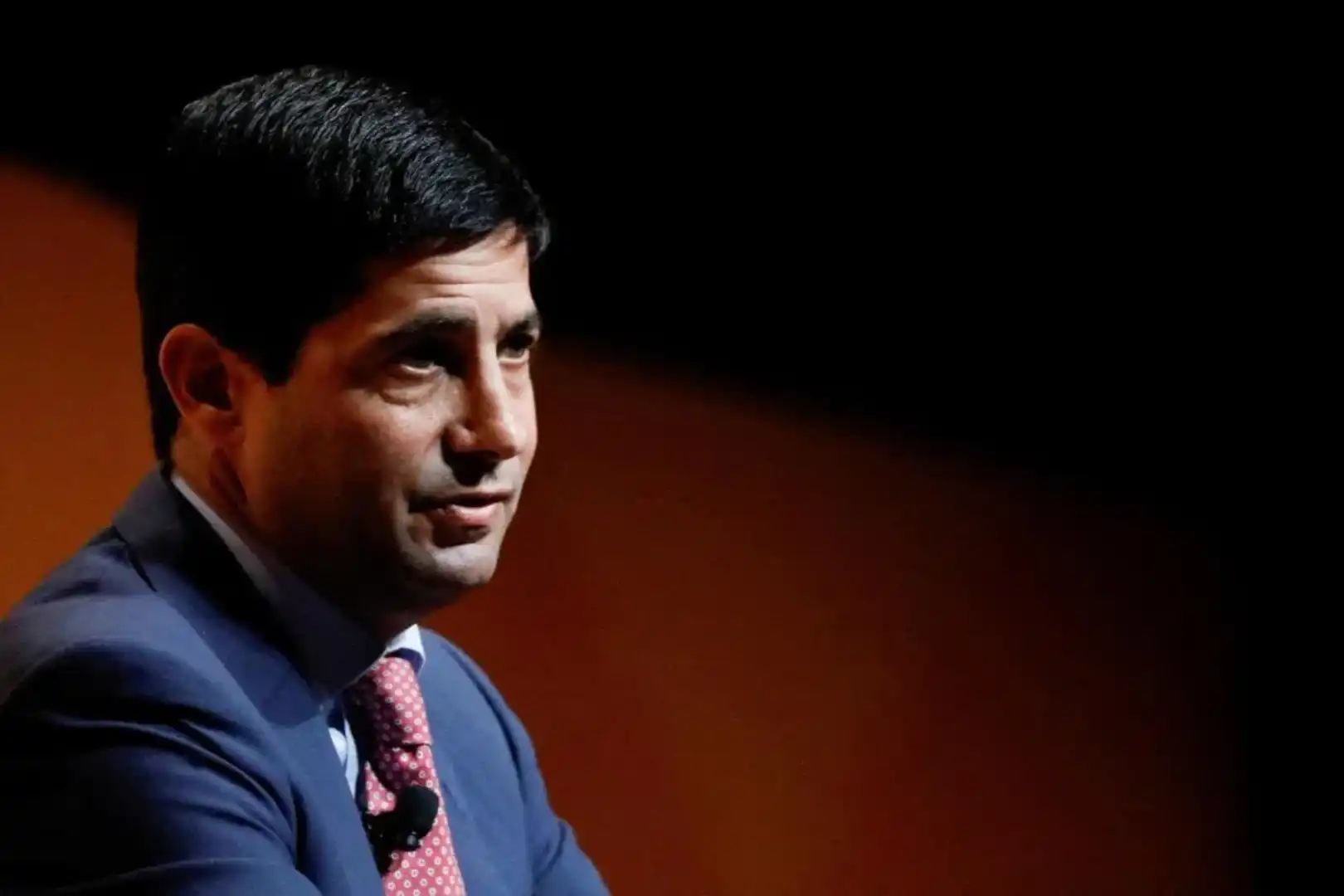
While factors such as reduced activity and unfavorable token inflation dynamics have contributed to its decline, David Duong, Coinbase’s Global Head of Research, believes that Ethereum’s scaling roadmap also carries inherent tradeoffs that have taken a toll on its performance.
The growing scrutiny of Ethereum’s competitive landscape, coupled with a constrained capital supply, has likely intensified its underperformance.
As the market navigates the notoriously bearish season of September, when mutual funds often trim risk for tax-related purposes, the broader economic uncertainty surrounding the U.S. election results is casting a shadow over the market. This uncertainty is likely keeping many investors on the sidelines, particularly given the already murky macroeconomic conditions.
The question now is whether the chaos will persist and whether Ethereum can overcome its challenges to regain momentum. With risk appetite already diminished and investor caution running high, the days ahead promise to be a closely watched test of the crypto market’s resilience.