$SEA token delayed: OpenSea chooses market timing over a rushed launch

ambcrypto发布于2026-03-17更新于2026-03-17

文章摘要

OpenSea has delayed the launch of its $SEA token, citing challenging market conditions across the crypto sector. CEO Devin Finzer emphasized that the token "only launches once," and the company prefers to wait for a more favorable environment rather than rushing the release during a period of weak market sentiment. To maintain user engagement, OpenSea is implementing several interim measures: cutting trading fees to 0% for 60 days, offering fee refunds to eligible users (who must forfeit earned "Treasures" points), and discontinuing its "Waves" rewards system in favor of a clearer timeline from the OpenSea Foundation. The decision reflects the current state of the NFT market, which, despite some recent growth, remains significantly smaller and less liquid than during its 2021 peak. With the broader crypto market also experiencing a slowdown—evidenced by the Fear and Greed Index lingering in the "fear" zone—OpenSea aims to launch $SEA only when both platform and market conditions improve.

In crypto, timing can make or break a project and can decide whether a new launch succeeds or fails. Many in the NFT community expected the 30th of March to be the launch day of OpenSea’s long-awaited $SEA token.

However, OpenSea CEO Devin Finzer has delayed the launch, saying,

Market conditions are challenging across crypto right now, and $SEA only launches once.

The reason behind the $SEA token delay

Elaborating on the issue, Finzer took to X and noted,

@openseafdn is pushing back the timeline. a delay is a delay. i’m not going to dress it up, and i know how it lands.

Instead of rushing the launch during a weak market, OpenSea is taking several steps to keep users engaged.

First, the platform will cut trading fees to 0% for 60 days starting on the 31st of March. This move aims to boost activity and attract users to its mobile app and perpetual Futures platform.

Second, OpenSea is offering fee refunds to users who traded during Rewards Waves 3 to 6. However, users who claim the refund must give up the “Treasures” points they earned.

Third, OpenSea will end the “Waves” rewards system. Instead, the company plans to move away from constant point-farming campaigns and follow a clearer timeline set by the OpenSea Foundation.

OpenSea CMO supports the decision

Standing in support of Finzer, Adam Hollander, CMO of OpenSea, added,

I’ve been a CEO before. the hardest decisions are those which are painful in the short-term and require deep conviction in your vision...there aren’t many CEOs who, when presented with the same situation, would decide to give back millions rebuild trust with their users.

That said, OpenSea’s decision to delay the $SEA token is closely linked to the current state of the NFT market. The industry has matured, but it has also become much smaller and less liquid compared to the 2021 boom.

The NFT market faces weak market sentiment

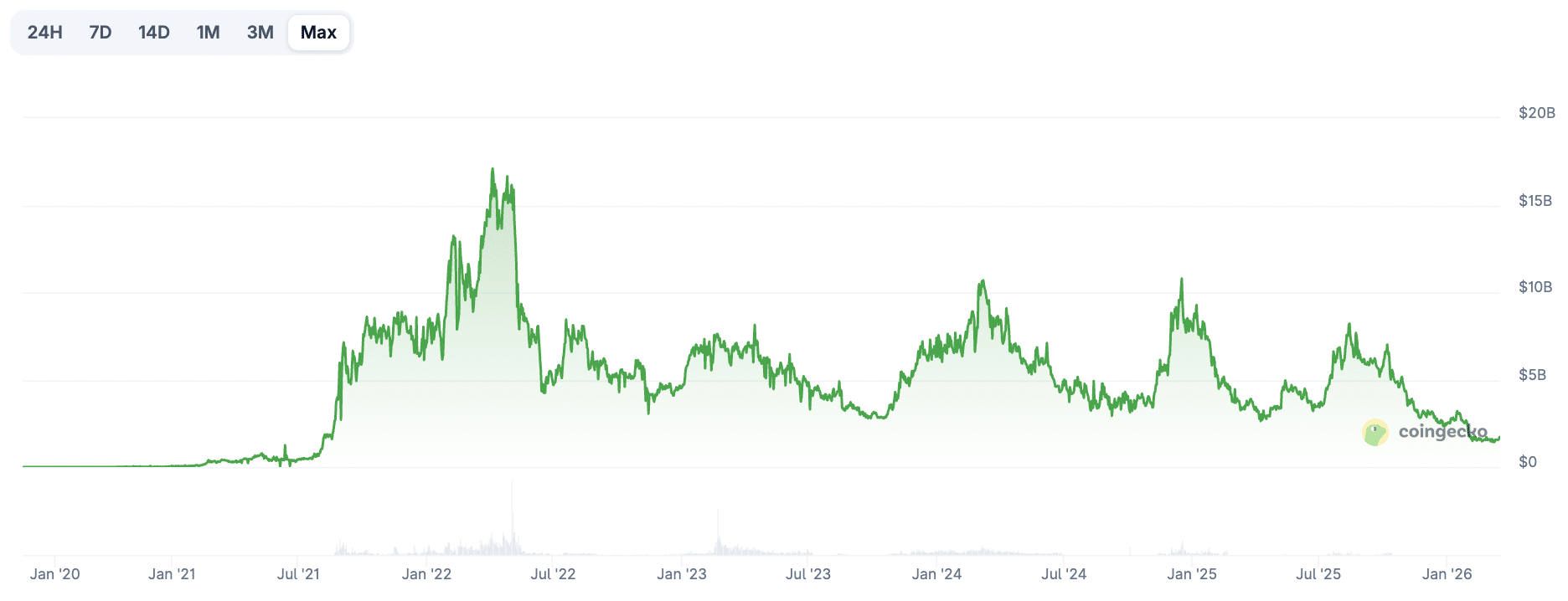
Presently, the global NFT market cap is around $1.75 billion, which is far below the levels seen during the peak of the NFT craze.
Source: Coingecko

The NFT market cap has risen by about 4% in a day, but still, daily sales volume of around $1.73 million shows that trading activity is still limited.
Source: Coingecko

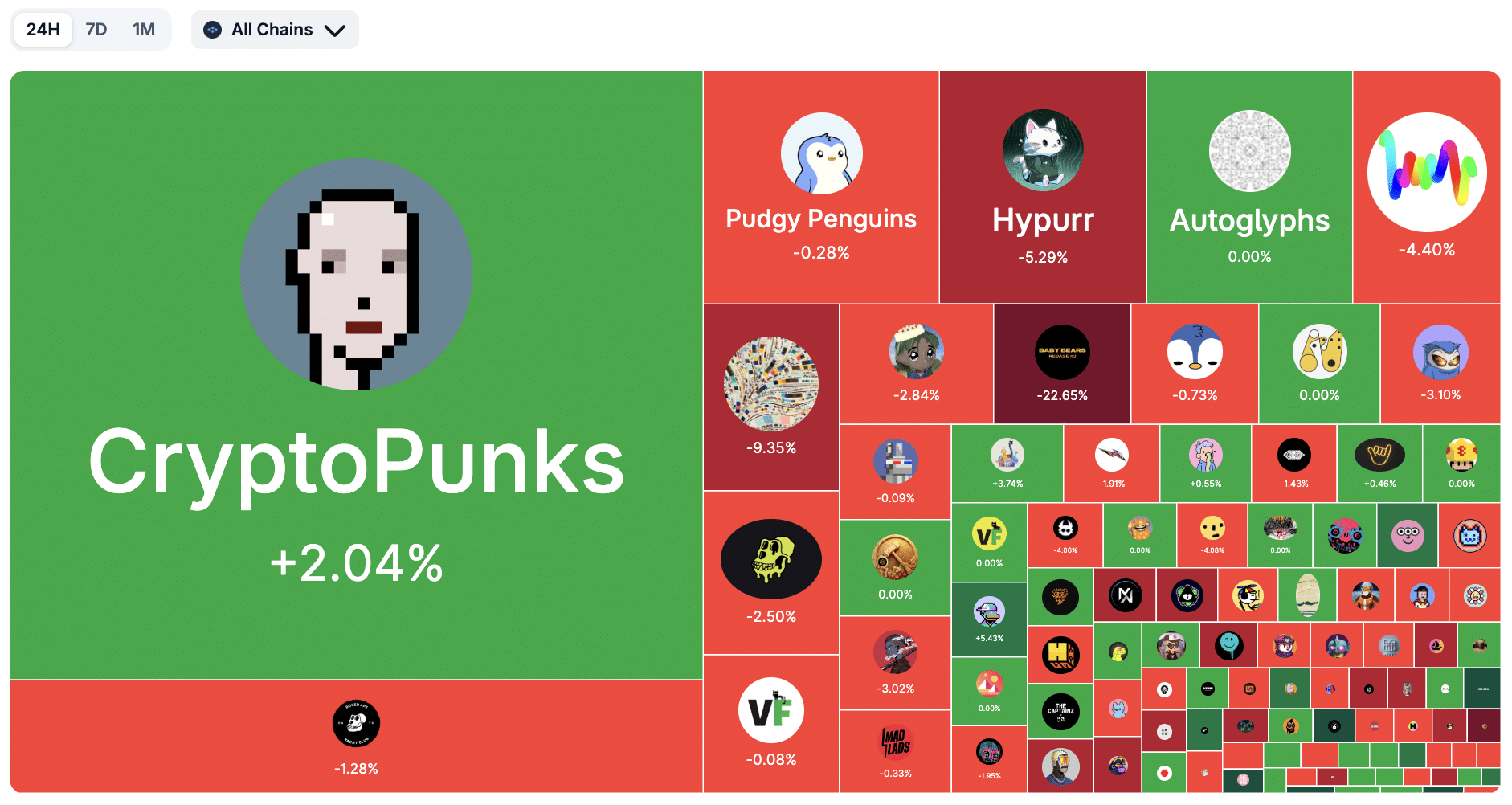
Although trading volume has increased by 39.1%, most activity remains concentrated in a few well-known NFT collections.

As a result, the market shows fast trading but limited depth, with only a small number of assets attracting strong demand.

Well, this trend is not just limited to NFTs alone. The broader crypto market is also facing a slowdown. Notably, the crypto Fear and Greed Index reflects this cautious sentiment, remaining in the ‘fear’ zone, although it has slightly recovered from earlier ‘extreme fear’ levels.
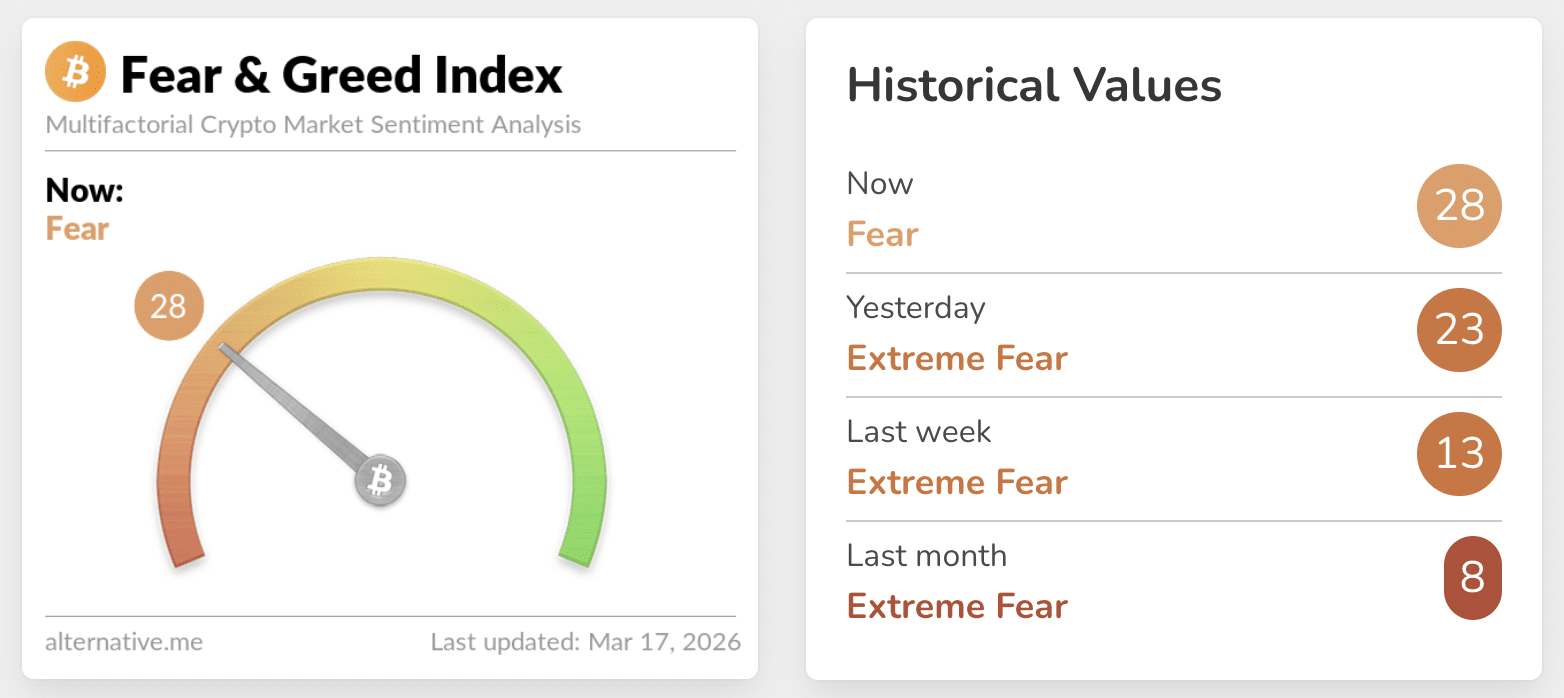
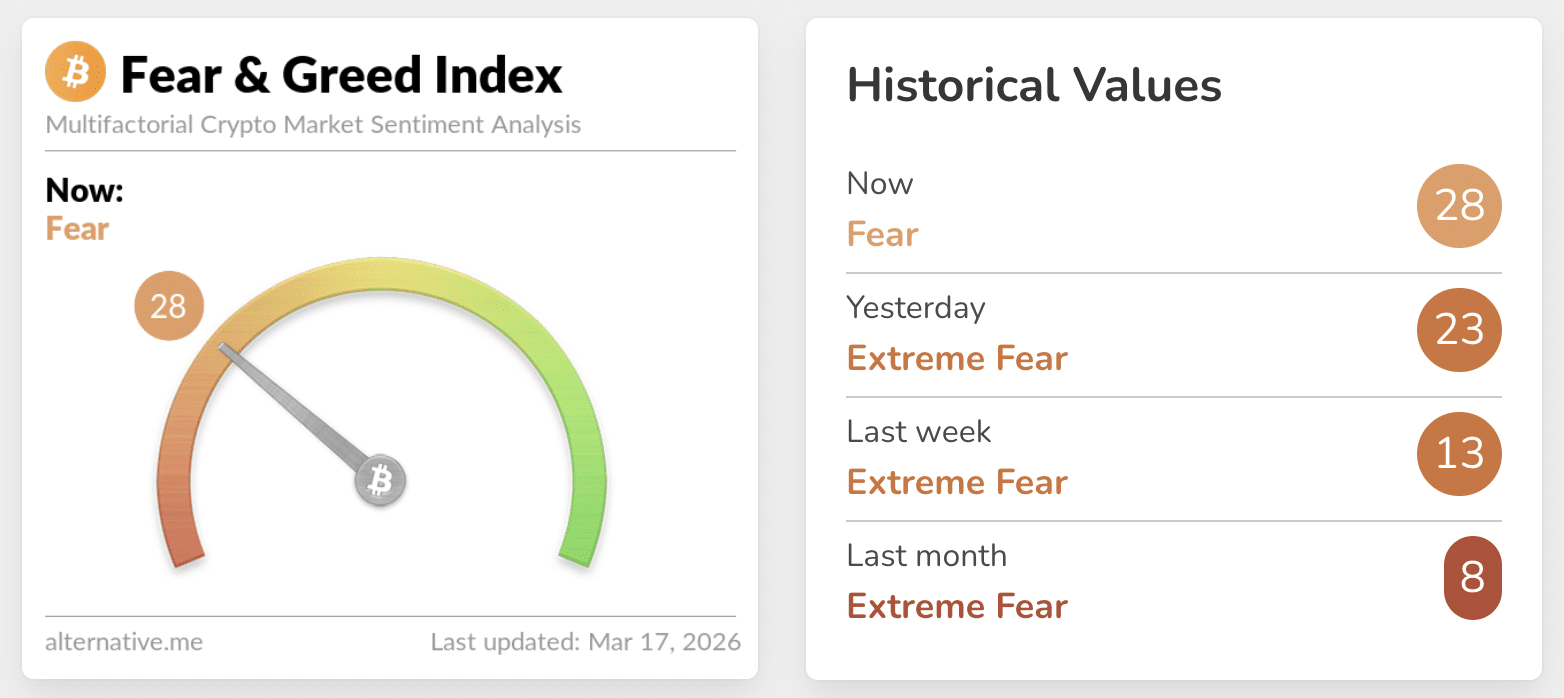
Source: Alternative

By postponing the launch, the company may be trying to avoid releasing a major token during a period when there isn’t enough buying demand in the market.

Simply put, OpenSea plans to launch $SEA only when both the platform and market conditions improve.


Final Summary

  • OpenSea’s decision to delay the $SEA token shows the importance of launching a token when market demand is strong.
  • Compared to the boom of 2021, the NFT sector is now smaller and less liquid, forcing platforms to rethink their strategies.


相关问答

QWhy did OpenSea delay the launch of the $SEA token?

AOpenSea delayed the launch due to challenging market conditions across the crypto space, as the company believes the $SEA token only launches once and wants to ensure it happens when market demand is strong.

QWhat steps is OpenSea taking to keep users engaged during the delay?

AOpenSea is cutting trading fees to 0% for 60 days, offering fee refunds to users who traded during Rewards Waves 3 to 6 (in exchange for forfeiting 'Treasures' points), and ending the 'Waves' rewards system to follow a clearer timeline set by the OpenSea Foundation.

QHow does the current NFT market cap compare to its peak levels?

AThe current global NFT market cap is around $1.75 billion, which is far below the levels seen during the peak of the NFT craze in 2021.

QWhat does the Crypto Fear and Greed Index indicate about current market sentiment?

AThe Crypto Fear and Greed Index remains in the 'fear' zone, reflecting cautious sentiment in the broader market, though it has slightly recovered from earlier 'extreme fear' levels.

QHow did OpenSea's CMO justify the decision to delay the token launch?

AOpenSea's CMO Adam Hollander supported the decision, stating that it requires deep conviction in the company's vision and that few CEOs would choose to give back millions to rebuild trust with users despite short-term pain.

你可能也喜欢

OpenAI后训练工程师翁家翌,给Agentic AI提出了新范式假设

OpenAI工程师翁家翌提出名为“启发式学习”的新范式,探索AI通过自主编写和修改代码来提升能力,而非仅依赖训练神经网络参数。 在实验中,他让Codex在明确目标和反馈闭环中,为Atari Breakout等游戏编写纯Python策略代码,通过反复运行、查看日志与回放、定位失败并修改代码,最终使策略在Breakout中达到理论满分。这种“启发式学习”将经验沉淀为可阅读、修改和审计的软件系统,而非难以解释的神经网络权重。 文章对比了启发式学习与深度强化学习的差异:前者更新的是代码结构和规则,具备更好的可解释性、更高的样本效率,并能通过回归测试等方式缓解灾难性遗忘问题。在Atari57游戏的批量测试中,该方法在部分游戏上表现出接近或超越传统强化学习算法的效率,但在需要长程规划的复杂任务中仍存在局限。 该范式的潜在产业意义包括:为机器人控制等场景提供更轻量、可审计的解决方案;提升安全关键系统的可解释性与可维护性;以及为智能体产品提供能力沉淀和共享的新路径。然而,其实用性仍需在更复杂的真实场景中进一步验证。 翁家翌认为,未来更可能是神经网络(负责快速感知等)与启发式系统(负责规则、记忆与安全)结合的分工模式。这预示着AI发展的一条可能路径:在强大编码智能体的辅助下,部分经验可以重新转化为可读、可维护的软件工程资产。

marsbit26分钟前

OpenAI后训练工程师翁家翌,给Agentic AI提出了新范式假设

marsbit26分钟前

你的 Claude 今晚要做梦了,别打扰它

Anthropic在开发者大会上为AI智能体平台引入了“做梦”(Dreaming)功能,这实际上是一种基于历史运行日志的离线批处理与自我优化机制。AI智能体在完成复杂任务后,会利用闲置时间自动回顾大量操作记录,从中提炼有效模式(例如更优的操作路径),并固化为可共享的记忆,从而提升后续任务效率。 类似机制也出现在其他AI产品中,如Hermes Agent的“Curator”功能可自动将经验整理成“Skill”,OpenClaw的“做梦”流程则细分为浅睡、快速眼动和深睡三个阶段,通过多维度加权决定哪些信息应存入长期记忆。 该功能与“记忆”(Memory)技术紧密相关。当前AI能力的核心挑战之一是如何有效管理与利用不断增长的上下文信息。一方面,行业正通过技术创新(如Subquadratic公司宣称的1200万token超长上下文模型)试图扩大信息容量;另一方面,“做梦”这类功能旨在让AI在有限上下文窗口内,主动筛选、巩固重要信息,模仿人类睡眠中的记忆处理过程。 文章指出,科技公司频繁使用“思考”“记忆”“做梦”等拟人化术语来描述AI功能,这不仅是技术类比,更是一种营销策略和认知塑造。它模糊了机器与人的边界,影响用户对产品的感知与期待,并在无形中转移了技术缺陷的责任归属。本质上,AI的“做梦”仍是一种消耗计算资源的自动化数据处理,但其命名方式却让我们更倾向于将其视为拥有内在生命的数字实体。

marsbit27分钟前

你的 Claude 今晚要做梦了,别打扰它

marsbit27分钟前

交易

现货
合约
活动图片




