How GameStop’s Bitcoin ‘yield’ strategy could shape corporate BTC adoption
ambcrypto发布于2026-03-27更新于2026-03-27
文章摘要
Corporate Bitcoin strategies are evolving from passive holding to active treasury management, with firms increasingly seeking to monetize their BTC holdings. Early adopters accumulated significant amounts as long-term reserves, but as exposure grew, companies began using structured tools to generate returns. GameStop exemplifies this shift, moving from holding 4,710 BTC as an inflation hedge to actively generating yield. The firm transferred most of its BTC to Coinbase Prime as collateral for a covered call program, earning premiums while maintaining economic exposure, despite incurring an accounting loss due to asset pledge. This active approach allows corporations to earn income, reduces liquid supply, and supports price stability. As institutional capital engages Bitcoin more dynamically, it tightens circulating supply and amplifies potential upside when demand increases, fundamentally reshaping BTC's role as a productive treasury asset.
Corporate behavior around Bitcoin [BTC] is shifting, as firms move from passive holding toward active treasury management.
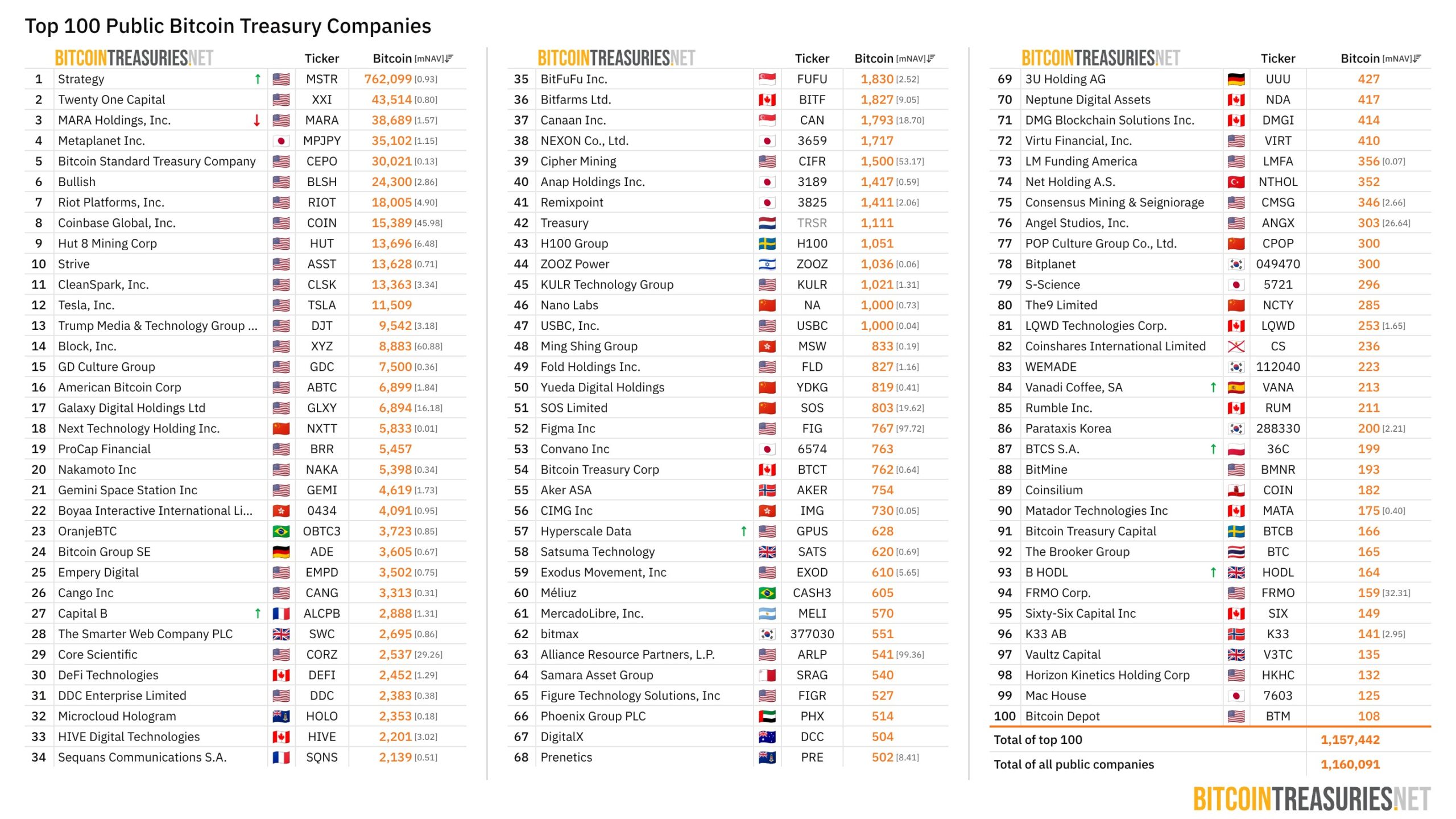
Early players such as Strategy accumulated 762,099 BTC, or 3.63% of supply, and used it as long-term reserve capital. Over time, public company holdings have surpassed 1.13 million BTC, demonstrating increased institutional commitment.
Source: Bitcoin Treasuries
As exposure grows, firms seek to monetize these holdings rather than leave them idle. They introduce structured tools such as ATM equity and yield-bearing preferred shares to generate returns. This shift happens as volatility creates opportunities to extract income while maintaining BTC exposure. Meanwhile, coins move into low-turnover custody, which tightens circulating supply.
This transition strengthens market structure, as institutional capital locks supply while actively engaging it, supporting price stability and amplifying upside when demand expands.
GameStop turns Bitcoin into a yield-generating asset
GameStop reshapes its Bitcoin strategy, moving from passive holding toward active yield generation as market conditions shift. In May 2025, it deployed about $500 million in cash reserves to acquire 4,710 BTC as an inflation hedge.
As the price later stalled within a range, holding alone offered limited returns, which pushed the firm to act. It then transferred 4,709 BTC to Coinbase Prime and pledged it as collateral. This enabled a covered call program with $105,000–$110,000 strikes, allowing GameStop to earn premiums while keeping downside exposure.
However, this structure involved trade-offs because Coinbase gained the right to use the pledged assets, resulting in asset derecognition and a $131.6 million loss. Nevertheless, a $368.3 million receivable protects economic exposure.
This shift signals a broader change, where corporations now use BTC actively, adding income layers while tightening supply and shaping market dynamics.
Bitcoin evolves into a treasury yield tool
Institutional activity around Bitcoin is shifting as firms move from passive holding toward active yield generation. GameStop’s pledge of 4,709 BTC reflects this shift, as corporations seek returns that go beyond price increases. This shift occurs as BTC trades in extended ranges, with idle holdings adding little value.
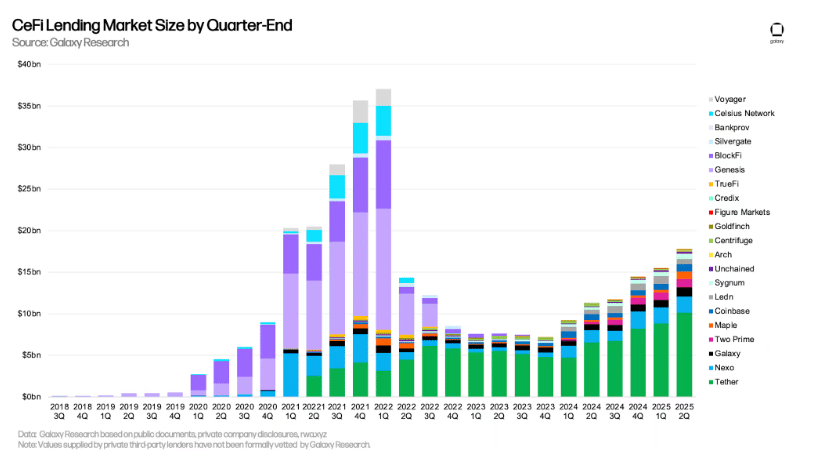
At the same time, capital flows into structured markets expand, with CeFi lending reaching about $25 billion.
Source: Galaxy Research
As this behavior spreads, BTC evolves into a productive asset, where active strategies tighten supply and amplify price moves once demand strengthens.
Final Summary
Bitcoin is shifting into an active treasury asset, as yield strategies tighten supply and support price stability during consolidation.
BTC yield adoption reduces liquid supply and boosts sensitivity to demand, strengthening the setup for sharper upside moves.
QWhat is the main shift in corporate behavior around Bitcoin as described in the article?
ACorporate behavior is shifting from passive holding of Bitcoin toward active treasury management and yield generation strategies.
QHow did GameStop change its Bitcoin strategy to generate yield?
AGameStop transferred 4,709 BTC to Coinbase Prime as collateral to enable a covered call program with strikes between $105,000 and $110,000, allowing it to earn premiums while maintaining downside exposure.
QWhat was the financial impact of GameStop's collateralization of its Bitcoin holdings?
AThe collateralization resulted in asset derecognition and a $131.6 million loss, but GameStop is protected by a $368.3 million receivable that maintains its economic exposure.
QHow does the adoption of active Bitcoin yield strategies affect the market structure?
AActive yield strategies tighten the circulating supply of Bitcoin, support price stability during consolidation, and amplify upside price movements when demand increases.
QWhat is the estimated size of the CeFi lending market mentioned in the article?
AThe CeFi lending market has reached about $25 billion, reflecting growing institutional capital flows into structured Bitcoin markets.