Over the past two years, the tokenization of real-world assets (RWA) has gradually become an important development direction in the cryptocurrency industry. From stablecoins to U.S. Treasury bonds, and then to precious metals like gold, more and more traditional assets are entering the digital market through blockchain.
Now, this trend is expanding further—energy assets are also moving on-chain.
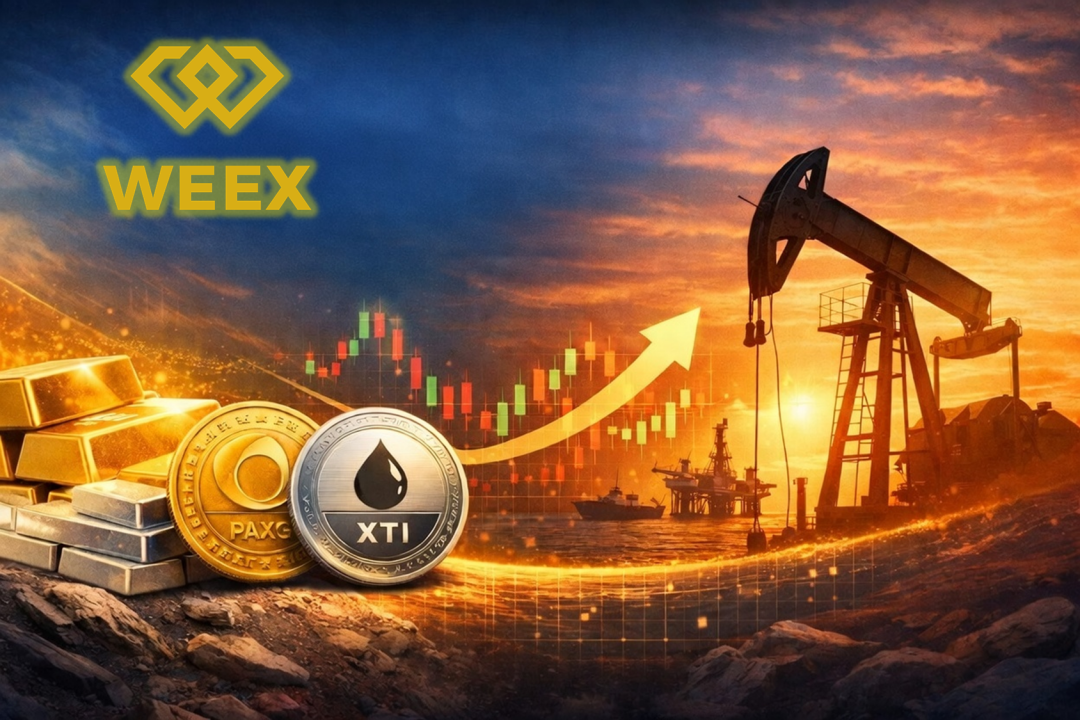
Precious Metals Lead the Way in On-Chain Exploration
In the RWA sector, precious metals are among the earliest traditional assets to enter the cryptocurrency market. Precious metals like gold, with their globally unified pricing system and mature financial markets, are naturally suitable for tokenization.
Currently, the more mature gold tokens on the market include:
• PAX Gold
• Tether Gold
Additionally, some platforms have begun launching tokens pegged to the price of silver, such as XAG, enabling precious metal assets to circulate in the cryptocurrency market in digital form.
Compared to traditional precious metal trading, these tokenized assets offer several new features:
• 24/7 trading
• Lower barriers to entry
• Natural compatibility with the crypto asset ecosystem
As the market matures, precious metal tokens have evolved from initial experimental products into a stable niche segment of the crypto trading market.
Crude Oil Tokenization Emerges as a New Direction
Following precious metals, another important commodity is entering the tokenization landscape—crude oil.
As one of the world's most important energy assets, crude oil has long been traded primarily through futures markets, such as the WTI crude oil contracts on the New York Mercantile Exchange (NYMEX). However, traditional crude oil markets often face issues like high account thresholds and limited trading hours.
Against this backdrop, some digital asset platforms have begun experimenting with introducing crude oil price exposure through blockchain methods.
Among them, XTI is a digital asset that tokenizes the price of WTI U.S. crude oil. By anchoring the NYMEX WTI crude oil spot price in real-time, it enables users to directly track crude oil price fluctuations in the crypto market, thereby gaining digital exposure to the global energy market.
This model allows crude oil assets to break through the trading boundaries of traditional markets to some extent and introduces a new macro asset class to the crypto market.
Platforms Are Expanding the On-Chain Commodity Landscape
As precious metals and energy assets gradually enter the on-chain market, some trading platforms are also strengthening their layouts in related asset sectors.
The digital asset trading platform WEEX recently included the crude oil token XTI in its commodity asset matrix, while continuing to support trading of gold and silver-related tokens, including PAXG, XAUT, and XAG.
Industry insiders believe that such moves reflect platforms' efforts to align with the RWA development trend by introducing more real-world asset categories to enrich the crypto market's asset structure.
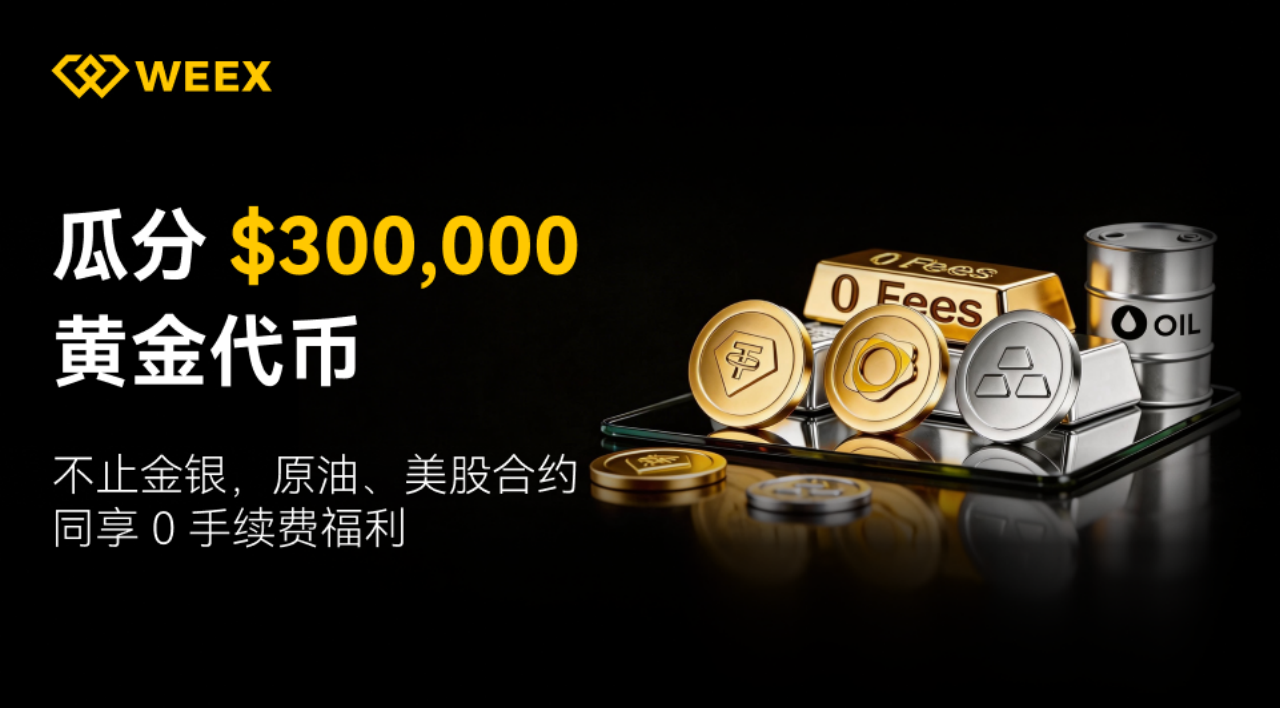
At the same time, WEEX recently launched a phased trading incentive program for commodity assets, covering precious metal tokens, crude oil assets, and some U.S. stock contract products, to further enhance liquidity and participation in related markets.
From an industry development perspective, real-world asset tokenization has gone through several stages:
Initially, stablecoins addressed on-chain pricing issues;
Then, financial assets like U.S. Treasury bonds entered the blockchain;
Now, commodity assets such as precious metals and energy are also becoming an important part of RWA.
As technological infrastructure continues to mature, more traditional assets may be mapped onto the blockchain in the future, forming a more diversified digital asset system.
Under this trend, from gold and silver to crude oil, commodities are gradually achieving digital expression, and the boundary between the crypto market and traditional asset markets is becoming increasingly blurred.
About WEEX
WEEX, founded in 2018, is a global cryptocurrency trading platform dedicated to providing users with secure, stable, and user-friendly trading services. The platform supports spot and contract trading, equipped with multiple risk control systems and a full insurance fund mechanism to safeguard user assets. WEEX has currently entered into an official regional brand partnership with LALIGA for Hong Kong and Taiwan, and is advancing compliance and localization efforts in multiple markets including the Middle East, Europe, Latin America, Africa, and Southeast Asia. As its Web3 ecosystem strategy continues to expand, WEEX is persistently collaborating with global developers and user communities to drive the evolution of digital asset trading toward greater openness and transparency.
For more information, visit: Website | Twitter | Telegram | LinkedIn