Bitfinex Hack Mastermind Released Early From Prison, Credits 2018 Trump Law – Details

bitcoinist发布于2026-01-03更新于2026-01-03

文章摘要

Ilya Lichtenstein, the mastermind behind the 2016 Bitfinex hack that stole 119,574 Bitcoin, has been released early from prison after serving 14 months of his five-year sentence. He credited his release to the First Step Act, a 2018 criminal justice reform law signed by former President Donald Trump. The stolen Bitcoin, initially worth $71 million, is now valued at nearly $11 billion. Lichtenstein expressed remorse and pledged to contribute positively to cybersecurity. His wife, Heather Morgan, who was also convicted for laundering the stolen funds and released early under the same law, celebrated their reunion. The couple used sophisticated methods to launder a portion of the stolen cryptocurrency.

The mastermind behind the Bitfinex hack, one of the most prominent cases in crypto security history, has been released early from prison after serving 14 months, under a 2018 law signed by US President Donald Trump.

Bitfinex Hack Mastermind Receives Early Release

On Friday, Ilya Lichtenstein, the mastermind behind the 2016 hack that stole over 120,000 Bitcoin (BTC) from crypto exchange Bitfinex, announced that he had been released from prison a year after receiving a five-year sentence.

On X, Lichtenstein thanked a law signed by President Trump during his first administration for his release. “Thanks to President Trump’s First Step Act, I have been released from prison early,” the post stated.

Notably, Trump signed the bipartisan First Step Act on December 21, 2018, aiming to improve criminal justice outcomes and reduce the size of the federal prison population. The law included a series of reforms, including one to establish a “risk and needs assessment system” that offers some inmates rehabilitative programming and the opportunity to be released early into home confinement.

According to CNBC, A Trump administration official stated on January 2 that the mastermind behind the Bitfinex hack “has served significant time on his sentence and is currently on home confinement consistent with statute and Bureau of Prisons policies.”

The US Department of Justice (DOJ) previously declared that Lichtenstein used advanced hacking techniques and tools to access Bitfinex’s network. He then transferred 119,574 Bitcoin to one of his crypto wallets through more than 2,000 transactions.

At the time, the stolen funds were valued at around $71 million. However, its value has increased exponentially in the past decade, being worth nearly $11 billion at current prices. During his sentencing hearing, he expressed remorse for using his talents on criminal activities “instead of a positive contribution to society.”

“I remain committed to making a positive impact in cybersecurity as soon as I can,” Lichtenstein affirmed on his Friday announcement, thanking his supporters for the help and vowing to prove “the haters” wrong.

Crypto Heist Figures Reunite Under Trump’s Law

Lichtenstein’s wife, Heather Morgan, reacted to the news online, declaring that being reunited at home with her husband after four years was “the best New Year’s present” she could get.

Morgan, a rapper known online as “Razzlekhan,” entered prison in February 2025 but was released early from prison after eight months under the First Step Act. In late October, she posted a video on X, sharing the news and thanking President Trump for her release.

“It is very good to be back, and I want to give a shout out to Papa Trump for making my 18-month sentence shorter,” she stated. However, it appears that the US President was not directly involved in the decision.

As reported by Bitcoinist, the self-titled “Crocodile of Wall Street” was sentenced to 18 months in prison on November 18, 2024, for her role in the Bitfinex heist. Despite not being involved in the hack, Morgan assisted her husband in laundering the stolen funds by using “numerous sophisticated laundering techniques” to disguise them.

Notably, they used fake identities to create online accounts, deposited the stolen Bitcoin in several darknet markets and crypto exchanges to withdraw the funds, converted BTC to other cryptocurrencies, and deposited part of the funds into crypto mixers. The couple seemingly managed to launder 21% of the total funds stolen from Bitfinex.

At the time, prosecutors argued that Morgan was “a willing participant and bears full responsibility for her actions.” Nonetheless, they noted that she was “a lower-level participant,” which resulted in her reduced sentence.
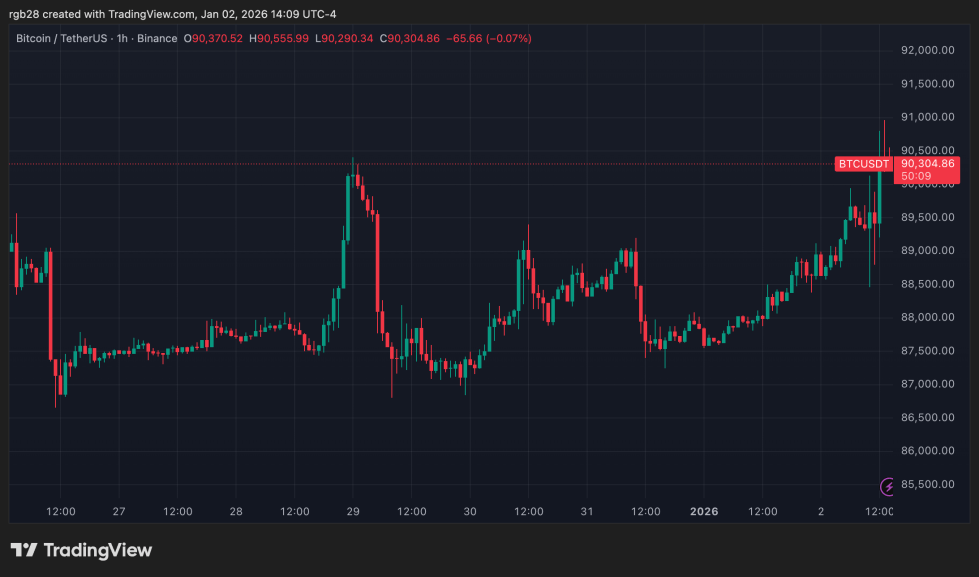
Bitcoin (BTC) trades at $90,304 in the one-week chart. Source: BTCUSDT on TradingView


相关问答

QWho was released early from prison for the Bitfinex hack and what law was credited for the release?

AIlya Lichtenstein, the mastermind behind the Bitfinex hack, was released early from prison. He credited his release to the First Step Act, a 2018 law signed by President Donald Trump.

QWhat was the value of the stolen Bitcoin at the time of the hack and what is its approximate value now?

AAt the time of the hack, the stolen 119,574 Bitcoin were valued at around $71 million. At current prices, the stolen funds are worth nearly $11 billion.

QWhat role did Heather Morgan play in the Bitfinex heist and what was her sentence?

AHeather Morgan, Ilya Lichtenstein's wife, did not participate in the hack itself but assisted in laundering the stolen funds. She was sentenced to 18 months in prison but was released early after 8 months under the First Step Act.

QWhat specific techniques did the couple use to launder the stolen Bitcoin?

AThe couple used numerous sophisticated laundering techniques, such as creating online accounts with fake identities, depositing Bitcoin into darknet markets and crypto exchanges to withdraw funds, converting BTC to other cryptocurrencies, and using crypto mixers.

QWhat was the primary goal of the First Step Act signed by President Trump?

AThe First Step Act, signed on December 21, 2018, was a bipartisan law aimed at improving criminal justice outcomes, reducing the federal prison population, and establishing a system that offers rehabilitative programming and the opportunity for early release into home confinement for some inmates.

你可能也喜欢

如何让自己变得让人工智能永远也无法取代

面对人工智能的冲击,许多人担心工作被取代。然而,真正的威胁在于个人对他人和系统的依赖,以及由此产生的“薪资奴役”——即为生存而从事无意义、枯燥的工作。摆脱这种困境的关键,不是抵制技术,而是成为拥有高自主性的“不可受雇”个体。 文章提出了成功抵御AI替代的五个核心要素:自主性(主动行动的能力)、品味(判断事物价值的经验)、说服力(让他人关注你工作的能力)、毅力(坚持并从错误中学习)和迭代(根据反馈持续改进)。这些能力无法仅通过理论学习获得,必须通过实践来培养。 要启动转变,首先要彻底改变环境,重塑身份认同。其次,应选择一个能获得真实、快速反馈的实践领域,例如创业。在众多技能中,内容创作(媒体)比编写代码更具优势,因为其价值是主观的,需要独特的审美和判断力,这正是AI目前难以完全复制的。 具体行动上,可以从三个步骤开始: 1. **挖掘原始素材**:反思自己长期痴迷的知识领域、轻松解决的难题或童年被压抑的兴趣,找到独特的个人经验。 2. **确立反向思考主轴**:找出你坚信但主流观点错误的地方,或行业内普遍忽视的“皇帝新衣”,形成独特的批判性视角。 3. **立即发布**:将前两步的思考融合,撰写并发布第一个核心内容(如帖子、视频),勇敢接受真实世界的反馈,并在此基础上持续学习和迭代。 最终,抵御AI的关键在于构建一份与自身身份深度契合的毕生事业,通过持续的内容创作和真实互动,建立无法被自动化取代的独特价值和影响力。行动,从今天发布第一个想法开始。

marsbit1小时前

如何让自己变得让人工智能永远也无法取代

marsbit1小时前

通过掷骰子离线保管比特币密钥:并非人人愿意为之

文章探讨了通过投掷骰子生成比特币钱包种子短语的安全方法及其现实挑战。核心观点如下: **1. 骰子提供物理熵源** 骰子结果由众多微小变量决定,理论上虽可预测,但实践中无法被攻击者复制或计算,从而提供高质量的随机性。每个六面骰子投掷约产生2.585比特熵,50次投掷即可满足典型12词助记词(128比特熵)的安全需求。 **2. Coldcard漏洞事件凸显手工熵源的价值** 近期Coldcard硬件钱包因固件漏洞导致其内部随机数生成器存在缺陷,致使约1128枚比特币被盗。但那些**完全**通过足量骰子投掷生成种子短语的用户未受此漏洞影响,因为他们的主密钥未使用有缺陷的生成器。 **3. 重要警示:手工种子并非万能保护** 安全研究员指出,即使用户使用骰子生成了安全的种子,若他们使用了Coldcard的其他功能(如生成纸钱包、克隆密钥、共享签名密钥、密码等),这些**衍生密钥**仍可能调用有漏洞的随机数生成器,从而存在风险。安全种子不保证设备生成的所有秘密都安全。 **4. 手工生成熵源的现实局限性** 尽管数学上可靠,但该方法对大多数用户并不友好: * **过程繁琐易错**:需投掷50-99次,精确记录,任何输入错误都会导致钱包完全不同。 * **引入新风险**:用户可能在记录、转换过程中泄露信息,或使用有偏的骰子/投掷方式。 * **用户体验差**:难以想象大规模推广需要用户手动投掷近百次骰子。安全措施需适应现实生活场景和普通用户的知识水平。 **5. 给用户的建议** 受影响的Coldcard用户应: * 更新固件至最新版。 * 检查是否使用过有漏洞的功能生成了次级密钥或密码,如有则需立即更换。 * 考虑采用多签方案,使用不同厂商的设备分散风险。 **结论**:手工投掷骰子生成熵源是技术娴熟用户的一个有效安全选项,但其过程复杂、容易出错,不适合作为主流用户的默认方法。长远目标是依赖安全、透明且无需专业知识的硬件/软件随机数生成方案。

cryptonews.ru4小时前

通过掷骰子离线保管比特币密钥:并非人人愿意为之

cryptonews.ru4小时前

交易

现货
活动图片




