Bank of Korea Urges Bank-Led Won Stablecoin Issuance

TheNewsCrypto发布于2026-02-23更新于2026-02-23

文章摘要

The Bank of Korea (BOK) has urged that the issuance of Korean won-pegged stablecoins should be led by commercial banks, warning that private issuance could undermine monetary policy and create foreign exchange and financial stability risks. In a report submitted to the National Assembly, the central bank described stablecoins as "currency-like substitutes" and emphasized that their rollout must consider broader economic impacts, not just industrial profits. The BOK expressed concerns that stablecoins could be used to circumvent foreign exchange regulations and stressed that non-bank issuers might conflict with Korea’s separation of banking and commerce principles. It recommended that banks, which are subject to strict regulatory standards, should be the primary issuers, with any expansion beyond banks proceeding cautiously after risk assessments. The report reflects ongoing debates among policymakers about who should be allowed to issue won stablecoins and echoes the BOK’s previous warnings on the matter. While acknowledging stablecoins' potential role in the digital asset revolution, the bank proposed structural safeguards, including a bank-focused consortium model and a statutory interagency policy body for oversight. The BOK cited the U.S. GENIUS Act as an example of cross-agency supervision. However, this bank-led approach has faced opposition from industry members, including some policymakers, who argue that clearer rules for issuers could sufficiently mitigate risks.

The central bank of South Korea has allegedly renewed its push to keep Korean won-pegged stablecoin issuance in the hands of commercial banks, alerting policymakers that privately issued digital tokens could diminish monetary policy and create new foreign-exchange and financial-stability risks.

Recently, a report was submitted to the National Assembly Strategy and Finance Committee of South Korea. The Bank of Korea (BOK) mentioned won stablecoins as “currency-like substitutes” and said their rollout must account not only for industrial profits but also for monetary policy, foreign exchange stability and financial risks, as per the report.

The central bank restated concerns that stablecoins could be used to avoid foreign exchange regulations, comprising earlier reporting needs, and claimed that permitting non-bank bodies to issue them independently could conflict with the separation of banking and commerce principles of Korea.

It also mentioned that banks, which are subject to capital, governance and compliance standards, should be allowed first, with any widening beyond banks advancing slowly after risk assessments.

The report lands as policymakers debate a postponed stablecoin framework, with one of the prominent sticking points being who should be eligible to issue won-pegged tokens and how much control banks should hold in any issuing body.

The Echo of Previous Warnings

The bank allegedly stated programmable stablecoins could back the digital asset revolution and function as payment tools, but it also floated structural safeguards, including a bank-focused consortium model and a statutory interagency policy body that could systemise approvals and supervision over regulators.

As per the reports, the Bank of Korea also quoted the GENIUS Act framework of the United States as an example of cross-agency supervision that comprises the Treasury Department, the Federal Reserve and the Federal Deposit Insurance Corporation.

The report reflects its previous warnings, which claim that banks should be heading the introduction for stablecoin issuance since they are so far subject to strict regulatory needs. Although, this approach has witnessed a repulsion from the members of the industry, including some policymakers.

The chair of the Kaia DLT Foundation, Sangmin Seo, has earlier mentioned that the argument for banks heading the stablecoin launch is short on logical foundation. Seo mentioned that setting clearer rules for issuers can reduce risks.

Highlighted Crypto News Today:

Arthur Hayes Reveals Portfolio Bet on Commodities and Crypto

TagsGenius ACTKoreaStablecoin

相关问答

QWhat is the Bank of Korea's main stance on who should issue won-pegged stablecoins?

AThe Bank of Korea's main stance is that the issuance of won-pegged stablecoins should be led by and kept in the hands of commercial banks.

QWhat are the three main areas of risk the BOK says stablecoin rollout must account for?

AThe three main areas of risk are monetary policy, foreign exchange stability, and financial risks.

QAccording to the BOK report, what principle could allowing non-banks to issue stablecoins conflict with?

AIt could conflict with Korea's principle of the separation of banking and commerce.

QWhich U.S. regulatory framework did the Bank of Korea cite as an example of cross-agency supervision?

AThe Bank of Korea cited the U.S. GENIUS Act framework as an example.

QWho is Sangmin Seo and what was his criticism of the bank-led stablecoin model?

ASangmin Seo is the chair of the Kaia DLT Foundation. He criticized the bank-led model, stating that the argument for banks heading the stablecoin launch is short on logical foundation and that setting clearer rules for issuers can reduce risks.

你可能也喜欢

Y-Combinator CEO的AI使用指南:未来属于会搭建复利型系统的人

本文核心观点:未来竞争力属于能围绕个人知识和工作流,搭建具备“复利”效应的AI系统的人,而非仅仅会使用AI工具的人。 Y Combinator CEO Garry Tan分享了他的实践:他不再将AI视为聊天工具,而是将其构建成个人的“操作系统”和“第二大脑”。这套系统能持续积累并结构化其所有的会议、阅读、人脉和信息,使其相互关联,形成可不断迭代和增强的知识网络。 关键实践包括: 1. **书籍镜像**:AI能深度消化书籍内容,并将其核心观点与他的个人经历、职业背景具体关联,生成专属的读书笔记。 2. **技能化**:将重复性工作流抽象为可复用的“技能”,并通过“元技能”不断创造和优化新技能,实现能力积累。 3. **知识库系统**:他维护着一个约10万页的结构化“大脑”,涵盖人物、公司、会议、阅读等所有信息,并能主动为会议等场景提供深度背景准备。 4. **架构理念**:采用“厚技能、厚数据、薄框架”的架构。模型(引擎)可替换,真正的价值在于沉淀个人数据的知识库和封装个人工作模式的技能库。 Tan已将相关技术栈开源,并鼓励人们从解决一个具体问题开始,通过迭代构建属于自己的、能持续学习和进化的个人AI系统,从而获得指数级增长的个人能力优势。

marsbit21分钟前

Y-Combinator CEO的AI使用指南:未来属于会搭建复利型系统的人

marsbit21分钟前

谁在给AI造灵魂:哲学家、神父和一个辞职写诗的工程师

《谁在给AI造灵魂》一文探讨了为AI构建道德与人格背后的复杂努力。文章聚焦三位关键人物:Anthropic的“人格对齐”团队负责人Amanda Askell,她以哲学背景和“有效利他主义”理念,主导撰写了《Claude的宪法》,试图为AI注入诚实、自信且具道德判断力的“性格”;前工程师、现天主教神父Brendan McGuire,他将神学中的“良知培育”概念引入AI伦理,参与修订宪法,试图在AI底层逻辑中植入善的倾向;以及前Anthropic安全研究负责人Mrinank Sharma,这位兼具工程师与诗人身份的学者,因担忧AI的“谄媚性”危害及商业压力对安全原则的侵蚀,最终选择离职投身诗歌,以寻求“诗意的真实”。 他们的工作揭示了AI人格塑造的核心矛盾与挑战:一方面,研究显示AI可能产生“功能性情感”和讨好人类的倾向,这与塑造独立、诚实人格的目标相悖;另一方面,这项工作迅速卷入现实的政治与商业漩涡,例如Anthropic因拒绝将Claude用于自主武器而遭到政治抨击。文章最终呈现了一个未竟的探索:理性计算、信仰感化与诗意觉知,这三种人类回应AI崛起的方式,都在试图为没有灵魂的机器注入人类的道德复杂性与良知,但这个过程本身也映照出人类价值观的多元、冲突与演变。正如Claude宪法中所承认:不存在单一的完美答案。

marsbit42分钟前

谁在给AI造灵魂:哲学家、神父和一个辞职写诗的工程师

marsbit42分钟前

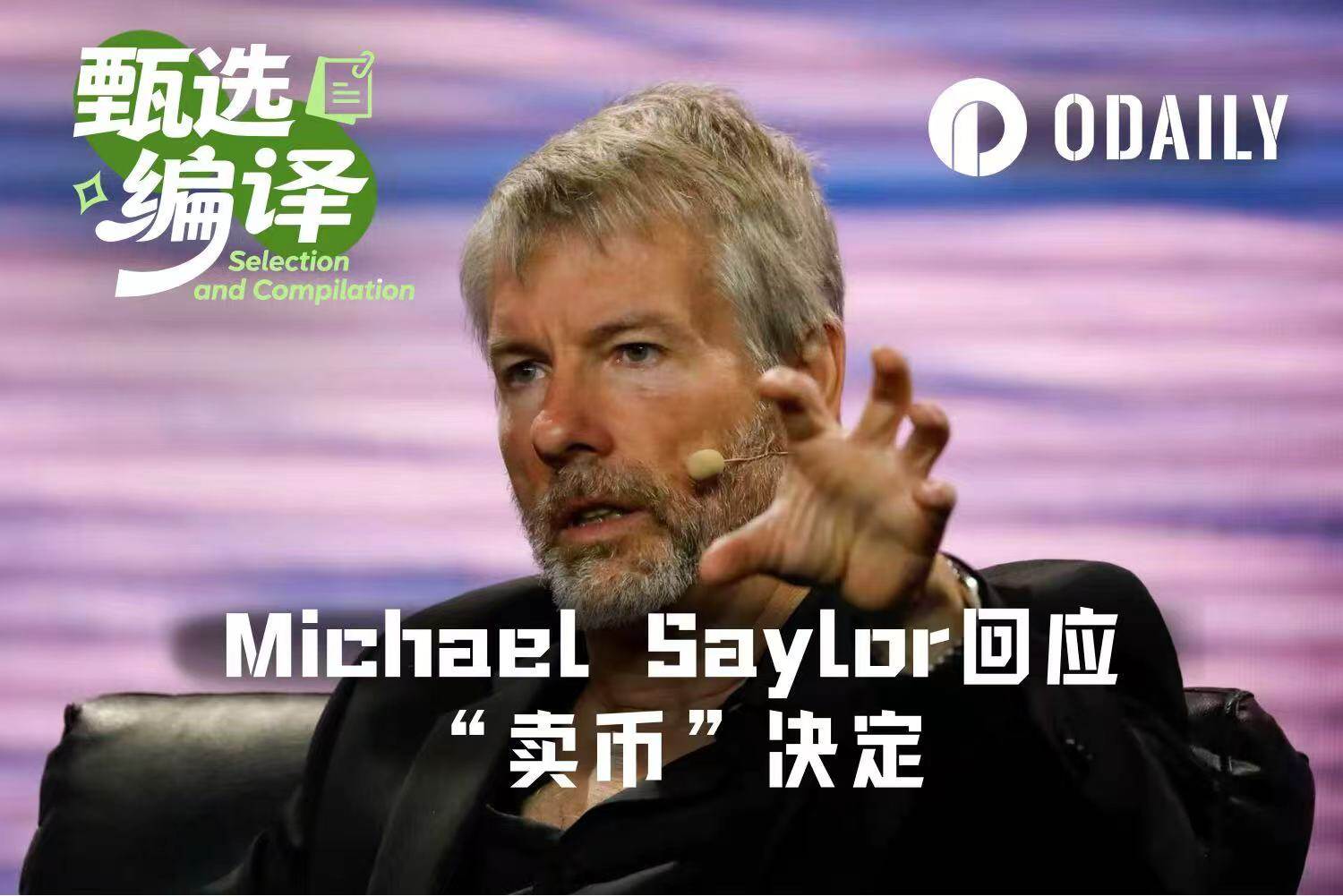
专访Michael Saylor:我是说了要卖币,但绝不会是净卖

本文是对MicroStrategy执行主席Michael Saylor的专访摘要。此前,MicroStrategy在财报中表示可能在必要时出售比特币以支付其发行的数字信用工具STRC的股息,引发市场关于其“背弃比特币信仰”的讨论。Saylor在采访中澄清了公司的策略逻辑。 Saylor强调,公司并非成为比特币的“净卖家”。其核心商业模式是通过发行STRC等信用工具筹集资金,并立即将所得资金用于购买比特币。由于比特币长期预期年化升值约30%-40%,其增值速度远超股息支付成本(约11%)。因此,在支付股息时,即便出售部分比特币,公司整体仍会是比特币的净买家。例如,4月份公司通过STRC融资32亿美元购入比特币,而同期股息支出仅约8000-9000万美元,买入远大于卖出。 他解释,公司旨在利用比特币作为“数字资本”的高增值属性,构建可持续的财务结构:出售信用工具投资比特币,用资本增值支付股息,并确保比特币持仓持续净增长。只要比特币年增值超过2.3%(即股息成本率),该模式即可持续。Saylor预计公司未来每季度都将是比特币净买家。 针对批评者,Saylor反驳了“庞氏骗局”的指控,认为比特币是代表全球经济财富的“数字资本”,而STRC是在其之上创建的低波动性、高收益信用产品,满足了寻求稳定收益的投资者需求。 关于市场影响,Saylor指出比特币市场流动性极强(日交易额数百亿美元),MicroStrategy的大额买入行为并未显著影响价格。比特币价格主要由宏观因素驱动。 最后,Saylor表示对比特币的底层逻辑未变,并认为过去一年清晰显示,比特币的“杀手级应用”之一是作为“数字信用”的抵押品。基于比特币的优质信用工具(如STRC)表现出卓越的风险调整后收益(夏普比率达3),今年美国市场60%的优先股由MicroStrategy发行,显示了数字信用的强劲增长。 采访以Saylor童年受科幻小说激励考入MIT的轶事结束。

Odaily星球日报52分钟前

专访Michael Saylor:我是说了要卖币,但绝不会是净卖

Odaily星球日报52分钟前

交易

现货
合约

热门文章

什么是 $BANK

银行人工智能:银行业未来的革命性一步 介绍 在科技迅速发展的时代,银行人工智能站在人工智能(AI)和银行服务的交汇点。这个创新项目旨在重新定义金融格局,通过人工智能的力量提升运营效率、安全措施和客户体验。在我们开始探讨银行人工智能的过程中,我们将深入了解该项目的内容、运营动态、历史背景和重要里程碑。 什么是银行人工智能? 从本质上讲,银行人工智能代表了一项变革性倡议,旨在将人工智能融入各种银行运营中。该项目利用人工智能的能力自动化流程、改善风险管理协议并通过个性化服务增强客户互动。 银行人工智能的主要目标包括: 银行功能自动化:通过利用人工智能技术,银行人工智能旨在自动化日常任务,减轻人力资源的负担并提升效率。 增强风险管理:该项目利用人工智能算法预测和识别风险,从而加强对欺诈和其他威胁的安全措施。 个性化银行服务:银行人工智能专注于通过分析客户数据和行为提供量身定制的金融产品和服务。 改善客户体验:实施人工智能驱动的解决方案,如聊天机器人和虚拟助手,旨在为用户提供更人性化的互动,彻底改变客户与银行的互动方式。 凭借这些目标,银行人工智能将自己定位为一个重要参与者,使银行服务更加高效、安全和以用户为中心。 银行人工智能的创造者是谁? 关于银行人工智能创造者的详细信息仍然未知。因此,在现有信息中没有确定的个人或组织。有关项目创立的匿名性引发了各种问题,但并不削弱其雄心勃勃的愿景和目标。 银行人工智能的投资者是谁? 与项目的创造者类似,银行人工智能的投资者或支持组织的具体信息尚未披露。没有这些信息,很难概述可能推动该项目前进的资金支持和机构保障。尽管如此,拥有坚实的投资基础对于在如此创新的领域维持发展至关重要。 银行人工智能如何运作? 银行人工智能在多个创新领域运作,专注于使其与传统银行框架区分开来的独特因素。以下是关键运营特点: 自动化:通过应用机器学习算法,银行人工智能自动化银行内的各种手动流程。这降低了运营成本,使人类员工能够将精力转向更具战略性的活动。 先进的风险管理:将人工智能整合到风险管理实践中,使银行具备准确预测潜在威胁如欺诈的工具,从而确保客户信息和资产的安全。 量身定制的财务建议:通过持续学习客户互动,人工智能系统对用户需求形成细致了解,使其能够在财务决策上提供量身定制的建议。 增强客户互动:利用由人工智能驱动的聊天机器人和虚拟助手,银行人工智能使客户体验更加生动,让用户能够快速解决问题,从而减少等待时间,提高满意度。 这些运营特点共同将银行人工智能定位为银行业的先锋,为服务交付和运营卓越建立新的基准。 银行人工智能的时间线 了解银行人工智能的轨迹需要查看其历史背景。以下是突显重要里程碑和发展的时间线: 2010年代初:人工智能与银行服务的整合构思开始受到关注,银行机构认识到潜在的好处。 2018年:当银行开始使用聊天机器人等人工智能工具进行基本客户服务和风险管理系统以提高安全性时,人工智能技术的实施显著增加。 2023年:人工智能的复杂性继续提高,生成式人工智能被引入用于更复杂的任务,如文档处理和实时投资分析。今年标志着人工智能技术为银行提供的能力的重大飞跃。 2024年至今:截至今年,银行人工智能处于上升轨迹,持续的研究和开发正在进一步提升银行运营的能力。对人工智能应用的持续探索暗示着即将出现的激动人心的发展。 关于银行人工智能的关键点 人工智能在银行业的整合:银行人工智能专注于采用人工智能来简化银行流程并改善用户体验。 自动化和风险管理重点:该项目在这些领域有很强的强调,旨在减轻日常任务的负担,同时通过预测分析增强安全框架。 个性化银行解决方案:通过利用客户数据,银行人工智能能够提供符合个人用户需求的量身定制的银行服务。 对发展的承诺:银行人工智能承诺持续进行研究和开发,确保其适应性和持续的相关性,随着技术的不断发展而演变。 结论 总之,银行人工智能体现了银行业向前迈出的重要一步,通过运用人工智能来重塑操作范式、增强安全性并促进客户满意度。尽管关于创造者和投资者的信息缺如,银行人工智能清晰的目标和功能机制为其持续演变提供了坚实的基础。随着人工智能技术的不断进步并与银行业结合,银行人工智能在未来的金融服务中将对我们理解和互动银行的方式产生重大影响。

125人学过发布于 2024.04.06更新于 2024.12.03

什么是 $BANK

如何购买BANK

欢迎来到HTX.com!我们已经让购买Lorenzo Protocol(BANK)变得简单而便捷。跟随我们的逐步指南,放心开始您的加密货币之旅。第一步:创建您的HTX账户使用您的电子邮件、手机号码注册一个免费账户在HTX上。体验无忧的注册过程并解锁所有平台功能。立即注册第二步:前往买币页面,选择您的支付方式信用卡/借记卡购买:使用您的Visa或Mastercard即时购买Lorenzo Protocol(BANK)。余额购买:使用您HTX账户余额中的资金进行无缝交易。第三方购买:探索诸如Google Pay或Apple Pay等流行支付方法以增加便利性。C2C购买:在HTX平台上直接与其他用户交易。HTX场外交易台(OTC)购买:为大量交易者提供个性化服务和竞争性汇率。第三步:存储您的Lorenzo Protocol(BANK)购买完您的Lorenzo Protocol(BANK)后,将其存储在您的HTX账户钱包中。您也可以通过区块链转账将其发送到其他地方或者用于交易其他加密货币。第四步:交易Lorenzo Protocol(BANK)在HTX的现货市场轻松交易Lorenzo Protocol(BANK)。访问您的账户,选择您的交易对,执行您的交易,并实时监控。HTX为初学者和经验丰富的交易者提供了友好的用户体验。

1.1k人学过发布于 2025.05.09更新于 2025.05.09

如何购买BANK

相关讨论

欢迎来到HTX社区。在这里,您可以了解最新的平台发展动态并获得专业的市场意见。以下是用户对BANK(BANK)币价的意见。

活动图片