Original | Odaily Planet Daily (@OdailyChina)
Author | Golem (@web3_golem)
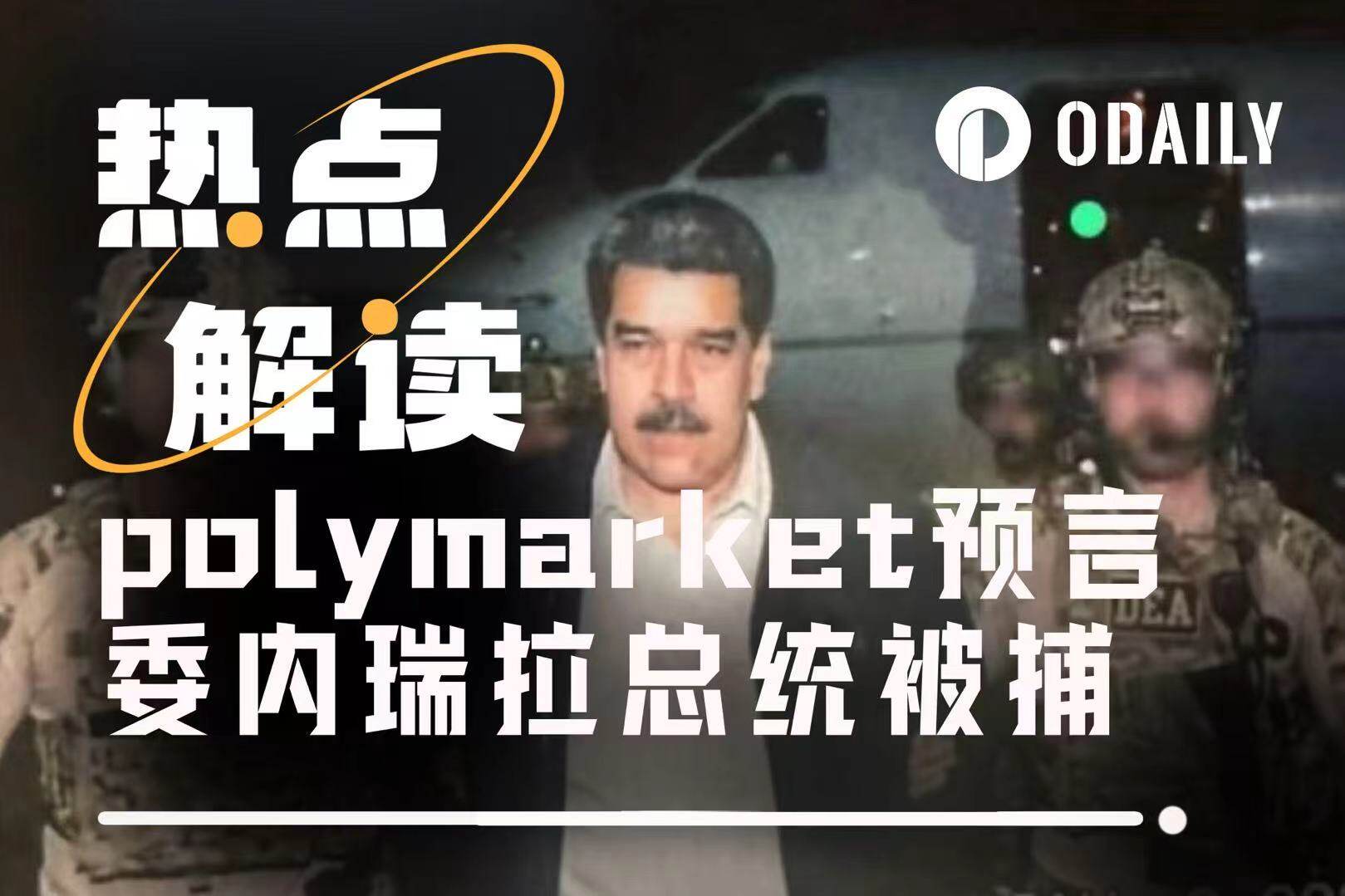
A Short Story Before the Arrest of Venezuela's President...
Eastern Time, January 1, 2026. After experiencing assassination attempts, cryptocurrency launches, tariff trade wars, and other troubles, Trump had relatively smoothly survived the first year of his presidency. But he had no time to celebrate. At that moment, he was conspiring with several key White House officials and military generals at Mar-a-Lago in Florida, planning a military operation that would shock the world.
They were refining the action details in a secret, highly soundproofed room. The atmosphere was tense. Feeling thirsty, Trump pressed the Coke button on the table, wanting an iced Coke. A waiter, passing through layers of Secret Service guards, brought the still-fizzing Coke to Trump's side. "There must be no mistakes in tomorrow's operation against Maduro," Trump muttered.
Those who long serve political elites know when to play deaf and dumb to avoid trouble they can't handle. But clearly, this "Coke Kid" was willing to take the risk.
That night, the waiter, "Coke Kid," opened Polymarket, the world's largest prediction market, and registered an account. He didn't understand the crypto industry, but he knew this platform had accurately predicted Trump would become the 47th U.S. president last year. He then bought "yes" on multiple related predictions, including "The U.S. will invade Venezuela before January 31, 2026." The probability was only 6% at the time. He invested his entire month's salary.
Eastern Time, January 2, 2026, 22:46. Trump gave the order for the raid. Over 150 fighter jets took off from 20 bases, conducting a low-altitude surprise attack on the Venezuelan coast.
Eastern Time, January 3, 1:01 AM. U.S. forces breached Venezuela's air defense system. U.S. Delta Force ground troops reached Maduro's residence, broke through the steel doors, exchanged fire, subdued Maduro and his wife, and immediately evacuated. There were no U.S. casualties. Two hours later, the Maduros were taken to the USS Iwo Jima and subsequently transferred to New York.
The capture operation of a sovereign nation's president ended within 5 hours. Trump watched the entire operation unfold from Mar-a-Lago.
Eastern Time, January 3, 4:30 AM. Trump announced on Truth Social that the President of Venezuela and his wife had been captured and removed from the country.
Simultaneously, predictions on Polymarket regarding "Maduro's ouster timing" and "Trump's military action against Venezuela timing" were swiftly settled. The "Coke Kid" had already resigned on January 2. With his early bet, he had secured his first pot of gold...

(P.S.: This story is purely fictional. If any director wants to make a movie based on this, I am willing to provide this script free of charge.)
Insiders Knew About the U.S. Military Operation 6 Days Earlier
Although the above plot smells strongly of fast-food fiction like "Rebirth: I Was a Waiter at Mar-a-Lago," it might not be entirely false. The "Coke Kid" is pure fiction, but the capture of Venezuelan President Maduro by U.S. forces is real, and it's highly likely that "insiders" placed early bets on Polymarket.
According to Lookonchain monitoring, before Trump announced Maduro's capture, three insider addresses on Polymarket suddenly bet on his ouster, collectively profiting $630,400. Without exception, these were created and funded just days before the event. Among them, address 0x31a5 (0x31a5...8eD9) invested $34,000, profiting $409,900; address 0xa72D (0xa72D...eBd4) invested $5,800, profiting $75,000; address SBet365 invested $25,000, profiting $145,600.
The most impressive among these three addresses was 0x31a5 (0x31a5...8eD9). The U.S. military operation to capture Maduro occurred at 1:00 AM ET on January 3. The media and other countries first learned this news at 4:30 AM ET on January 3, when Trump announced the operation's completion on Truth Social.
But this insider at address 0x31a5 (0x31a5...8eD9) first bet "Maduro will step down before January 31, 2026" at 7:20 PM ET on December 30, 2025. He even bet "U.S. troops will enter Venezuela before January 31, 2026" as early as December 27.
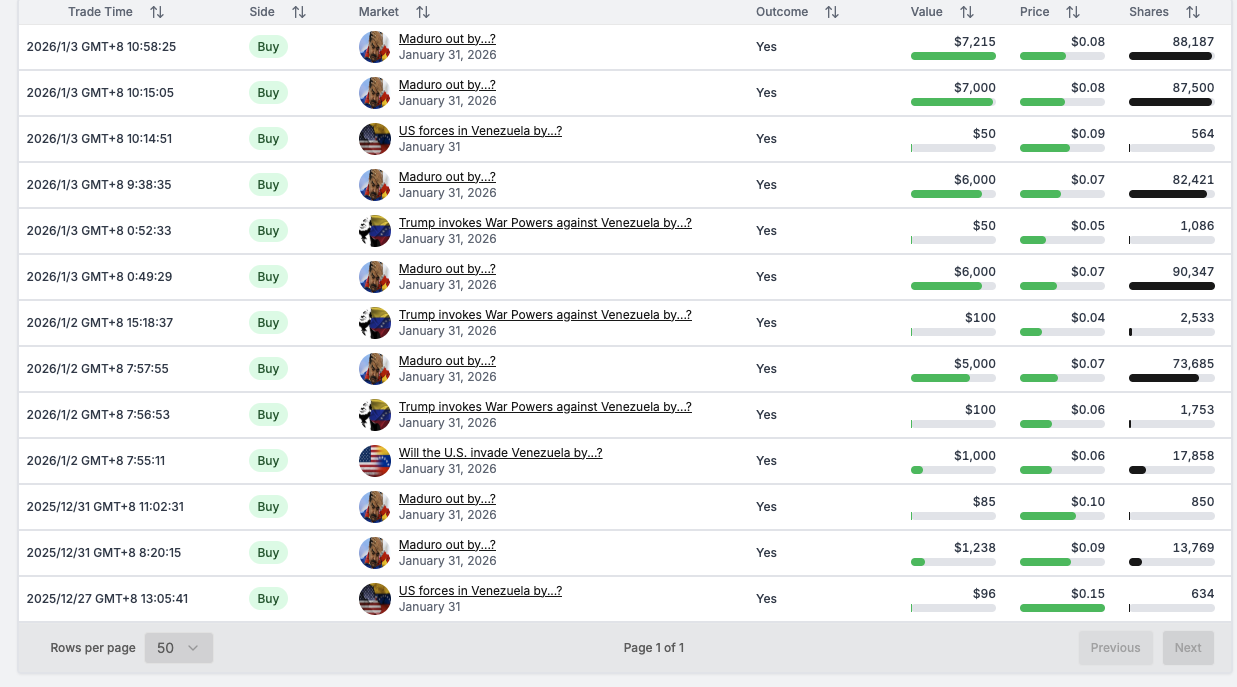
0x31a5 (0x31a5...8eD9) betting before the actual U.S. military action
This means insiders knew about the U.S. military operation 6 days in advance and began building positions on Polymarket. Obtaining the行动计划 (action plan) of the world's most powerful armed forces—the U.S. military—so far in advance is something likely no hacker or national intelligence agency could achieve, but Polymarket did.
It didn't use any surveillance手段 (means); it merely opened an express lane for human greed. Undoubtedly, this insider must be close to U.S. political leaders or senior military officers, or perhaps holds a high position themselves (Surely it couldn't be a U.S. soldier involved in the action, placing orders while fighting?).
More importantly, the actors hardly need worry about exposure. Polymarket is structurally endowed with anonymity advantages: no KYC, near-zero account creation cost, sufficient liquidity, and crypto settlement ensuring privacy. Under these conditions, piercing the address and confirming the true identity afterwards is highly difficult.
So when the participation cost is driven extremely low, and the potential回报 (return) is extremely high, it's no longer a moral issue but an incentive design problem. Faced with such a mechanism, even outwardly respectable,正义立场 (righteous-standing) politicians can hardly guarantee they will never cross that line.
Predicting Truth or Rejecting Insider Trading
But let's consider another possibility: if the Venezuelan government had monitored the abnormal buying activity on Polymarket in advance, would things have turned out differently? (This isn't hard, as the insider betting was quite obvious—large buys in a low-probability market. Targeted monitoring would likely have detected anomalies.)
Then, perhaps the Venezuelan government would have become alert before the U.S. action. To be safe, Maduro might have moved to a more impregnable underground bunker earlier; or提前整顿军队 (prepared the troops in advance) to ready for battle (Odaily Note: During the action, half of Venezuela's army was松懈 (relaxed) due to Christmas holidays), then the U.S. might not have had zero casualties but instead suffered heavy流血事件 (bloodshed); at the very least, Venezuela could have sought support from other countries earlier or publicly stated the possible U.S. action at the UN to politically constrain them.

Of course, these assumptions are very rough, and this event might truly be a coincidence. But the fact remains: "Probability changes on Polymarket for major political events consistently precede mainstream information release."
Once this pattern is repeatedly verified, the price signals of prediction markets cease to be just trading outcomes and begin to be seen by the outside world as a reference indicator. Their role may gradually resemble the Pentagon's "Pizza Index"—an informal yet highly sensitive risk thermometer.
This is certainly not what U.S. authorities want to see.
Previously, U.S. Representative Ritchie Torres planned to propose the "Predictive Markets Public Integrity Act of 2026," aimed at establishing restrictive rules for potential "insider trading" in prediction markets. The bill intends to prohibit federally elected officials, political appointees, and executive branch employees from trading prediction market contracts related to government policy or political outcomes if they possess or can reasonably access material non-public information in the course of their duties.
Following the exposure of the Polymarket insider event regarding Maduro, this bill might receive high-level attention from the U.S. government. Kalshi's PR account promptly responded, stating its platform rules explicitly prohibit any activity based on material non-public information.
Kalshi can guarantee this because it was built from the start on compliance principles, with very high KYC requirements for users. If insider trading occurred, Kalshi could immediately identify the user and even freeze funds.
Polymarket naturally became a haven for these insiders. To some extent, insider trading and Polymarket mutually benefit each other. Polymarket provides a safe house for insiders to make money, and insider trading brings Polymarket more trading volume and notoriety.
Many of Polymarket's breakout moments occurred because it revealed the truth earlier than traditional media. This isn't because Polymarket players are brilliantly clever, but because a minority guides the probability. Ideally, prediction markets reflect the wisdom of the crowd, but in reality, they are just a playground for insiders.
For most ordinary people, this might not be a bad thing. Using prediction markets like Polymarket, people can sense the direction of certain events earlier, reducing被动承受 (passive承受承受承受承受承受承受承受承受承受承受承受承受承受承受承受承受承受承受承受承受承受承受承受承受承受承受承受承受承受承受承受承受承受承受承受承受承受承受承受承受承受承受承受承受承受承受承受承受承受承受承受承受承受承受承受承受承受承受承受承受承受承受承受承受承受承受承受承受承受承受承受承受承受承受承受承受承受承受承受承受承受承受承受承受承受承受承受承受承受承受承受承受承受承受承受承受承受承受承受承受承受承受承受承受承受承受承受承受承受承受承受承受承受承受承受承受承受承受承受承受承受承受承受承受承受承受承受承受承受承受承受承受承受承受承受承受承受承受承受承受承受承受承受承受承受承受承受承受承受承受承受承受承受承受承受承受承受承受承受承受承受承受承受承受承受承受承受承受承受承受承受承受承受承受承受承受承受承受承受承受承受承受承受承受承受承受承受承受承受承受承受承受承受承受承受承受承受承受承受承受承受承受承受承受承受承受承受承受承受承受承受承受承受承受承受承受承受承受承受承受承受承受承受承受承受承受承受承受承受承受承受承受承受承受承受承受承受承受承受承受承受承受承受承受承受承受承受承受承受承受承受承受承受承受承受承受承受承受承受承受承受承受承受承受承受承受承受承受承受承受承受承受承受承受承受承受承受承受承受承受承受承受承受承受承受承受承受承受承受承受承受承受承受承受承受承受承受承受承受承受承受承受承受承受承受承受承受承受承受承受承受承受承受承受承受承受承受承受承受承受承受承受承受承受承受承受承受承受承受承受承受承受承受承受承受承受承受承受承受承受承受承受承受承受承受承受承受承受承受承受承受承受承受承受承受承受承受承受承受承受承受承受承受承受承受承受承受承受承受承受承受承受承受承受承受承受承受承受承受承受承受承受承受承受承受承受承受承受承受承受承受承受承受承受承受承受承受承受承受承受承受承受承受承受承受承受承受承受承受承受承受承受承受承受承受承受承受承受承受承受承受承受承受承受承受承受承受承受承受承受承受承受承受承受承受承受承受承受承受承受承受承受承受承受承受承受承受承受承受承受承受承受承受承受承受承受承受承受承受承受承受承受承受承受承受承受承受承受承受承受承受承受承受承受承受承受承受承受承受承受承受承受承受承受承受承受承受承受承受承受承受承受承受承受承受承受承受承受承受承受承受承受承受承受承受承受承受承受承受承受承受承受承受承受承受承受承受承受承受承受承受承受承受承受承受承受承受承受承受承受承受承受承受承受承受承受承受承受承受承受承受承受承受承受承受承受承受承受承受承受承受承受承受承受承受承受承受承受承受承受承受承受承受承受承受承受承受承受承受承受承受承受承受承受承受承受承受承受承受承受承受承受承受承受承受承受承受承受承受承受承受承受承受承受承受承受承受承受承受承受承受承受承受承受承受承受承受承受承受承受承受承受承受承受承受承受承受承受承受承受承受承受承受承受承受承受承受承受承受承受承受承受承受承受承受承受承受承受承受承受承受承受承受承受承受承受承受承受承受承受承受承受承受承受承受承受承受承受承受承受承受承受承受承受承受承受承受承受承受承受承受承受承受承受承受承受承受承受承受承受承受承受承受承受承受承受承受承受承受承受承受承受承受承受承受承受承受承受承受承受承受承受承受承受承受承受承受承受承受承受承受承受承受承受承受承受承受承受承受承受承受承受承受承受承受承受承受承受承受承受承受承受承受承受承受承受承受承受承受承受承受承受承受承受承受承受承受承受承受承受承受承受承受承受承受承受承受承受承受承受承受承受承受承受承受承受承受承受承受承受承受承受承受承受承受承受承受承受承受承受承受承受承受承受承受承受承受承受承受承受承受承受承受承受承受承受承受承受承受承受承受承受承受承受承受承受承受承受承受承受承受承受承受承受承受承受承受承受承受承受承受承受承受承受承受承受承受承受承受承受承受承受承受承受承受承受承受承受承受承受承受承受承受承受承受承受承受承受承受承受承受承受承受承受承受承受承受承受承受承受承受承受承受承受承受承受承受承受承受承受承受承受承受承受承受承受承受承受承受承受承受承受承受承受承受承受承受承受承受承受承受承受承受承受承受承受承受承受承受承受承受承受承受承受承受承受承受承受承受承受承受承受承受承受承受承受承受承受承受承受承受承受承受承受承受承受承受承受承受承受承受承受承受承受承受承受承受承受承受承受承受承受承受承受承受承受承受承受承受承受承受承受承受承受承受承受承受承受承受承受承受承受承受承受承受承受承受承受承受承受承受承受承受承受承受承受承受承受承受承受承受承受承受承受承受承受承受承受承受承受承受承受承受承受承受承受承受承受承受承受承受承受承受承受承受承受承受承受承受承受承受承受承受承受承受承受承受承受承受承受承受承受承受承受承受承受承受承受承受承受承受承受承受承受承受承受承受承受承受承受承受承受承受承受承受承受承受承受承受承受承受承受承受承受承受承受承受承受承受承受承受承受承受承受承受承受承受承受承受承受承受承受承受承受承受承受承受承受承受承受承受承受承受承受承受承受承受承受承受承受承受承受承受承受承受承受承受承受承受承受承受承受承受承受承受承受承受承受承受承受承受承受承受承受承受承受承受承受承受承受承受承受承受承受承受承受承受承受承受承受承受承受承受承受承受承受承受承受承受承受承受承受承受承受承受承受承受承受承受承受承受承受承受承受承受承受承受承受承受承受承受承受承受承受承受承受承受承受承受承受承受承受承受承受承受承受承受承受承受承受承受承受承受承受承受承受承受承受承受承受承受承受承受承受承受承受承受承受承受承受承受承受承受承受承受承受承受承受承受承受承受承受承受承受承受承受承受承受承受承受承受承受承受承受承受承受承受承受承受承受承受承受承受承受承受承受承受承受承受承受承受承受承受承受承受承受承受承受承受承受承受承受承受承受承受承受承受承受承受承受承受承受承受承受承受承受承受承受承受承受承受承受承受承受承受承受承受承受承受承受承受承受承受承受承受承受承受承受承受承受承受承受承受承受承受承受承受承受承受承受承受承受承受承受承受承受承受承受承受承受承受承受承受承受承受承受承受承受承受承受承受承受承受承受承受承受承受承受承受承受承受承受承受承受承受承受承受承受承受承受承受承受承受承受承受承受承受承受承受承受承受承受承受承受承受承受承受承受承受承受承受承受承受承受承受承受承受承受承受承受承受承受承受承受承受承受承受承受承受承受承受承受承受承受承受承受承受承受承受承受承受承受承受承受承受承受承受承受承受承受承受承受承受承受承受承受承受承受承受承受承受承受承受承受承受承受承受承受承受承受承受承受承受承受承受承受承受承受承受承受承受承受承受承受承受承受承受承受承受承受承受承受承受承受承受承受承受承受承受承受承受承受承受承受承受承受承受承受承受承受承受承受承受承受承受承受承受承受承受承受承受承受承受承受承受承受承受承受承受承受承受承受承受承受承受承受承受承受承受承受承受承受承受承受承受承受承受承受承受承受承受承受承受承受承受承受承受承受承受承受承受承受承受承受承受承受承受承受承受承受承受承受承受承受承受承受承受承受承受承受承受承受承受承受承受承受承受承受承受承受承受承受承受承受承受承受承受承受承受承受承受承受承受承受承受承受承受承受承受承受承受承受承受承受承受承受承受承受承受承受承受承受承受承受承受承受承受承受承受承受承受承受承受承受承受承受承受承受承受承受承受承受承受承受承受承受承受承受承受承受承受承受承受承受承受承受承受承受承受承受承受承受承受承受承受承受承受承受承受承受承受承受承受承受承受承受承受承受承受承受承受承受承受承受承受承受承受承受承受承受承受承受承受承受承受承受承受承受承受承受承受承受承受承受承受承受承受承受承受承受承受承受承受承受承受承受承受承受承受承受承受承受承受承受承受承受承受承受承受承受承受承受承受承受承受承受承受承受承受承受承受承受承受承受承受承受承受承受承受承受承受承受承受承受承受承受承受承受承受承受承受承受承受承受承受承受承受承受承受承受承受承受承受承受承受承受承受承受承受承受承受承受承受承受承受承受承受承受承受承受承受承受承受承受承受承受承受承受承受承受承受承受承受承受承受承受承受承受承受承受承受承受承受承受承受承受承受承受承受承受承受承受承受承受承受承受承受承受承受承受承受承受承受承受承受承受承受承受承受承受承受承受承受承受承受承受承受承受承受承受承受承受承受承受承受承受承受承受承受承受承受承受承受承受承受承受承受承受承受承受承受承受承受承受承受承受承受承受承受承受承受承受承受承受承受承受承受承受承受承受承受承受承受承受承受承受承受承受承受承受承受承受承受承受承受承受承受承受承受承受承受承受承受承受承受承受承受承受承受承受承受承受承受承受承受承受承受承受承受承受承受承受承受承受承受承受承受承受承受承受承受承受承受承受承受承受承受承受承受承受承受承受承受承受承受承受承受承受承受承受承受承受承受承受承受承受承受承受承受承受承受承受承受承受承受承受承受承受承受承受承受承受承受承受承受承受承受承受承受承受承受承受承受承受承受承受承受承受承受承受承受承受承受承受承受承受承受承受承受承受承受承受承受承受承受承受承受承受承受承受承受承受承受承受承受承受承受承受承受承受承受承受承受承受承受承受承受承受承受承受承受承受承受承受承受承受承受承受承受承受承受承受承受承受承受承受承受承受承受承受承受承受承受承受承受承受承受承受承受承受承受承受承受承受承受承受承受承受承受承受承受承受承受承受承受承受承受承受承受承受承受承受承受承受承受承受承受承受承受承受承受承受承受承受承受承受承受承受承受承受承受承受承受承受极) of sudden news, no longer完全受制于 (completely subject to) emotional public opinion and滞后 (lagging) media narratives. In outcome, this反而像 (instead resembles) a form of informational "decentralization."
But for those at the pyramid's顶端 (apex), the situation is恰恰相反 (precisely the opposite). For a long time, "who knows what and when" has itself been an order. The truth isn't不可公开 (not for public release); it needs to be released at the right time and in the right concentration. Anyone trying to打破这一节奏 (break this rhythm) is seen as challenging the established rules.
Therefore, Polymarket might kick the iron plate of U.S. regulation again. In 2024, Polymarket's founder had his New York home raided by the FBI—the tensest confrontation between Polymarket and the U.S. government. Now, Polymarket has returned to the U.S. market and obtained CFTC approval, suggesting relations have thawed.
But涉及 (involving) high-level classified military or security matters like the Maduro capture operation, any form of提前外泄 (pre-leakage) of information is unacceptable to the U.S. government. And currently,正值 (it is precisely when) prediction markets are trying to achieve regulatory positioning and争取 (strive for) institutional space. The emergence of such events, even if ultimately deemed coincidental, will be interpreted as a potential threat at the regulatory level.
Prediction markets face not just technical compliance issues, but whether they are unintentionally侵入 (intruding into) the sensitive boundaries of traditional information security and national governance.
If prediction no longer leads the truth, what does it have left? This question cannot be avoided in the future.