The End of Mathematics: 40 Top Mathematicians Gather at Secret OpenAI Meeting

marsbitXuất bản vào 2026-08-24Cập nhật gần nhất vào 2026-08-24

Tóm tắt

In August 2026, OpenAI hosted a closed-door summit with approximately 40 leading mathematicians, including recent Fields Medalist Jacob Tsimerman and OpenAI researcher Sébastien Bubeck. The meeting, spurred by a series of recent AI breakthroughs in mathematics, grappled with the potential existential threat AI poses to the field. The backdrop includes several high-profile AI achievements: OpenAI models disproving long-standing conjectures like the unit distance problem, generating 10 new mathematical discoveries, and Anthropic's Claude aiding in constructing complex multidimensional objects. These results often bypass traditional academic pipelines, appearing directly on social media. The mathematical community is divided. Over 3000 researchers signed the "Leiden Statement," advocating for responsible AI use and verification. Others resist AI entirely to preserve human-centric mathematics. A key concern is AI's current inability to *explain* proofs, particularly the difficult steps, which is central to mathematical understanding. At the summit, Bubeck outlined four potential futures: mathematics becoming like collaborative software engineering, a compute-driven field like physics, a curatorial exercise where humans interpret AI output, or a mass transition of mathematicians into AI safety. While emphasizing that "mathematics only makes sense when mathematicians learn from it," no consensus was reached. The event highlights a profound moment of reflection. As AI demonstrat...

Jacob Tsimerman, who just won the Fields Medal last month, announced at the awards ceremony that he will soon join OpenAI to conduct AI safety research.
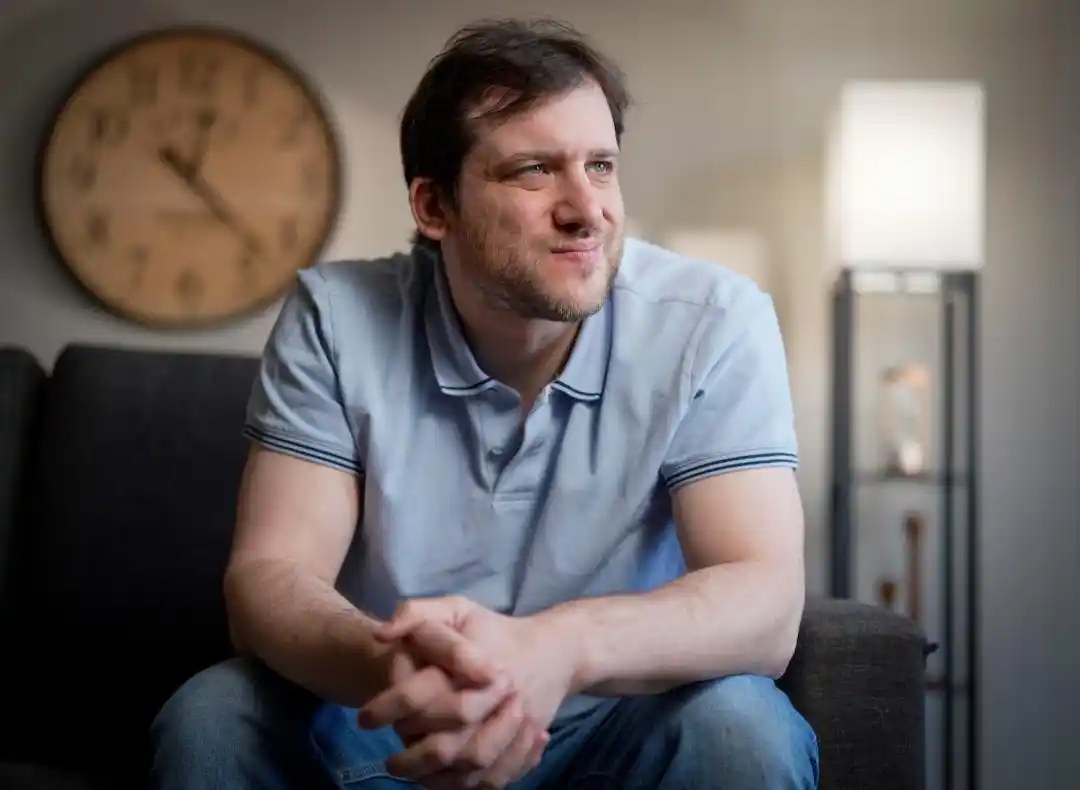
Further reading: Fearing AI extinction, Fields Medal winner takes leave to go to OpenAI! Aiming to tame AI with mathematics

In early August, he and OpenAI research scientist Sébastien Bubeck convened a closed-door summit of about 40 mathematicians at the headquarters in San Francisco. The title of one presentation was 'The End of Mathematics.'

OpenAI research scientist Sébastien Bubeck

The presenter, University of Toronto professor Daniel Litt, said:

It's possible we are ultimately headed towards a world without high-quality mathematical research, where human mathematical expertise has completely vanished.
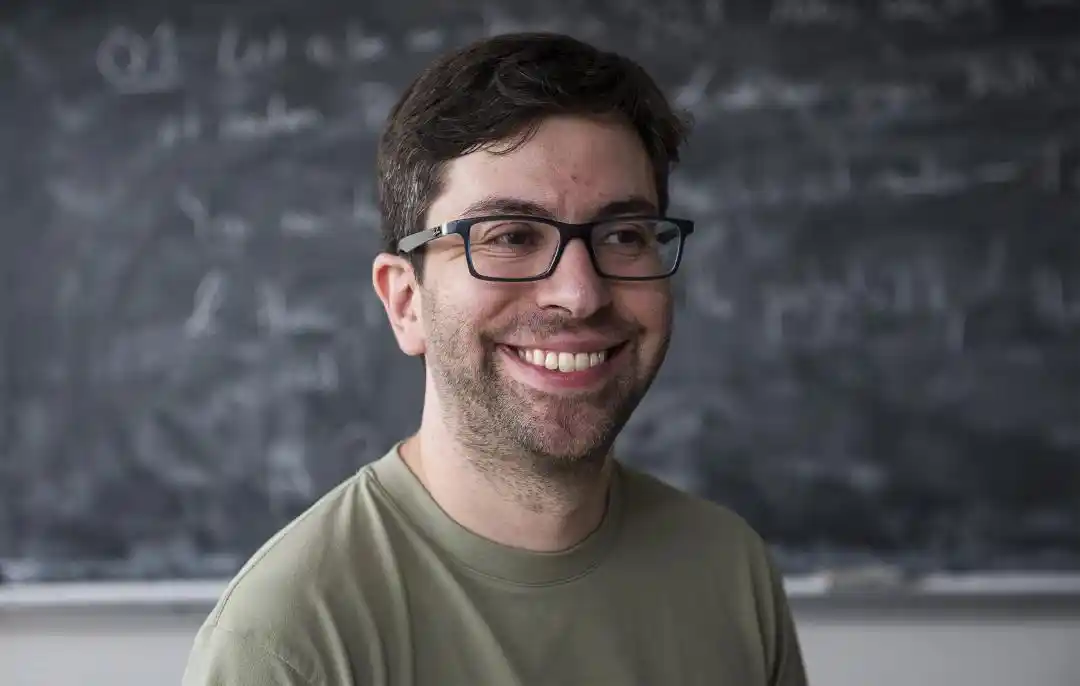
He believes the extreme outcome is unlikely, but mathematicians must take action.

MIT mathematician Drew Sutherland put it more directly and starkly:

Perhaps we are just the canary in the coal mine; mathematicians are the first to suffer.

Mathematics is chosen as AI's testing ground because it serves as a proxy indicator for high-level intellectual activity—what can be done in mathematics will eventually be replicated in other fields.

AI is Starting to 'Do Math' in Bulk

The direct background for this summit is the intensive release of results.

In May, a yet-to-be-released model from OpenAI disproved the unit distance conjecture.

Further reading: OpenAI completely stuns the mathematics world, cracking an 80-year-old core conjecture! Fields Medal winner exclaims he couldn't sit still

This old problem concerning 'the arrangement of points on an infinite plane' had remained unsolved for years. The AI used a known but difficult-to-manipulate technique from algebraic number theory, effectively crossing subfields to apply tools.

Tsimerman's assessment at the time was that he would 'accept without hesitation' this result in any journal.

This is viewed by many mathematicians as AI's first major mathematical breakthrough.

Subsequently, results have poured out one after another.

In August, OpenAI announced ten AI-generated discoveries in mathematics and computer science at once, covering multiple subfields that typically take years to master.

Further reading: Sudden! OpenAI's next-generation AI conquers 10 Fields Medal-level problems

Anthropic has also been busy.

Anthropic employee Levent Alpöge used Claude to assist in constructing a pair of orthogonal vectors on a 668-dimensional hypercube.

Mathematicians have long believed such a construction existed, but no one had actually built it.

Alpöge announced the result by posting on X: a 24,000-character thread consisting entirely of plus and minus signs.
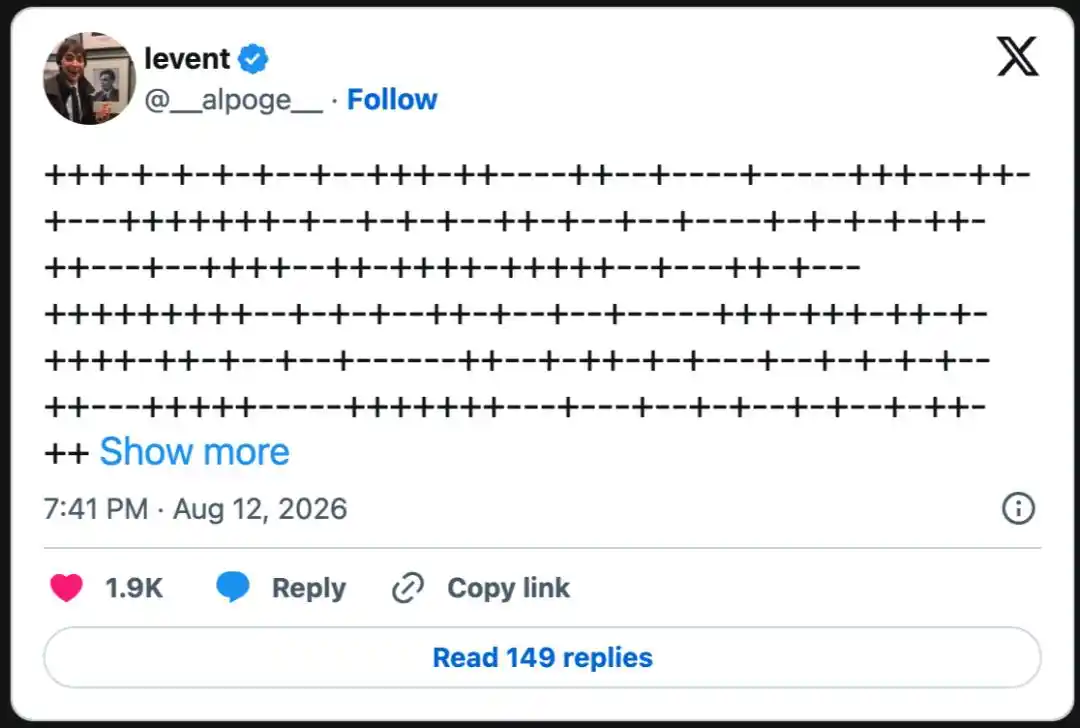
https://x.com/__alpoge__/status/2087504785952182273

Traditional mathematical research follows a fixed pipeline: seminar discussions, circulation among peers, posting on the preprint server arXiv, and finally publication in a journal after peer review.

AI-generated results are bypassing this pipeline.

Dmitry Rybin, an entrepreneur based in Shenzhen, asked ChatGPT to 'make a breakthrough' to disprove a network flow hypothesis. Every time the model failed, he encouraged it to continue, acting as an AI cheerleader.

ChatGPT eventually provided a counterexample. After verifying it, Rybin posted a tweet. At the time, he was watching a movie with friends.
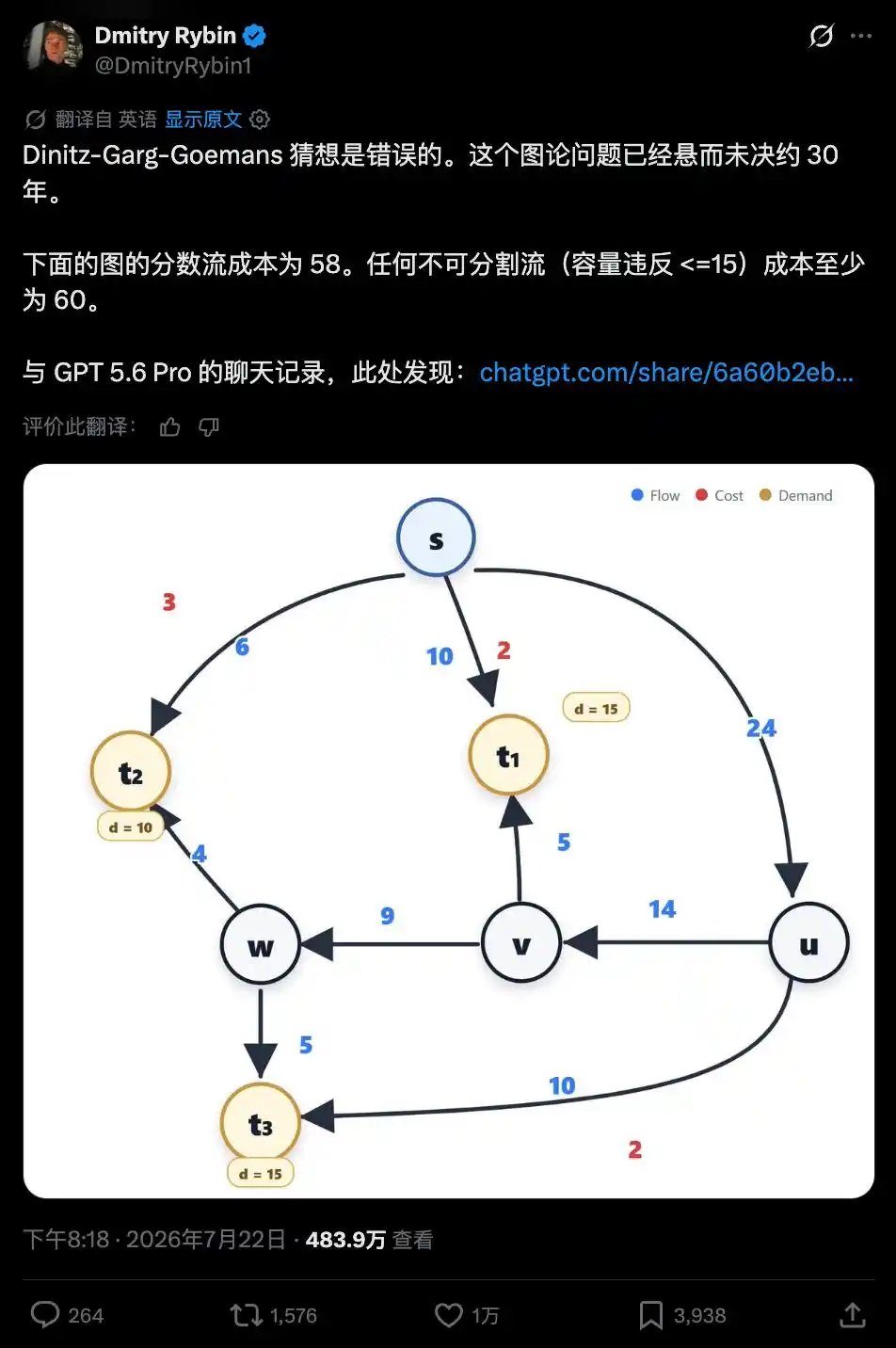
https://x.com/DmitryRybin1/status/2079904005652893709

Further reading: GPT-5.6 disproves a 30-year-old graph theory conjecture! Peking University alumnus solves 6 problems in 5 days

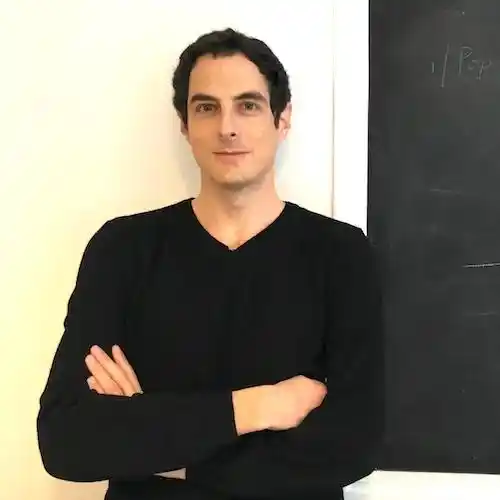
Mathematician David Bessis raised doubts about this:

You post on Twitter saying you proved a big problem while cooking pasta? Of course it will go viral.

The question is, what happens after it goes viral? Who organizes this pile of things, who figures out what's really going on?
Last week, Anthropic also announced that one of its employees had their internal version of Claude 'give it a serious try' on the Riemann hypothesis.

The Riemann hypothesis has remained unsolved for over a hundred years, with a $1 million prize offered for its solution.

Under repeated prompts like 'continue' and 'think again,' the model produced new discoveries on a related problem.

Further reading: Sudden, Claude sets a new record on the Riemann hypothesis!

3000 People Signed a Petition, Then What?

The reaction from the mathematics community is divided.

In June, an open letter titled 'The Leiden Declaration' was released, signed by over 3,000 mathematicians.

Further reading: Setting rules for AI! Mathematicians panic as AI just solves an 80-year-old math problem

The letter calls on researchers to use AI tools responsibly, ensuring results are verified and citations are proper.

Another group of mathematicians has gone further, advocating for a complete rejection of AI and AI companies to preserve humanity's place in mathematics.

Northwestern University mathematics professor Bryna Kra attended the summit and is also one of the 16 initiators of the Leiden Declaration.
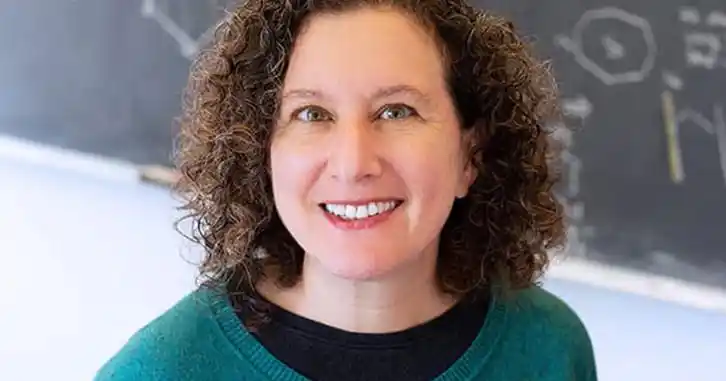
She said:

The core of mathematics is understanding results, not just proving them.

A proof that is not understood does not become part of the literature.

AI can prove theorems, but can it explain how it proved them?

Harvard University mathematician Melanie Matchett Wood helped write the human-readable version of the proof for OpenAI's unit distance conjecture result.
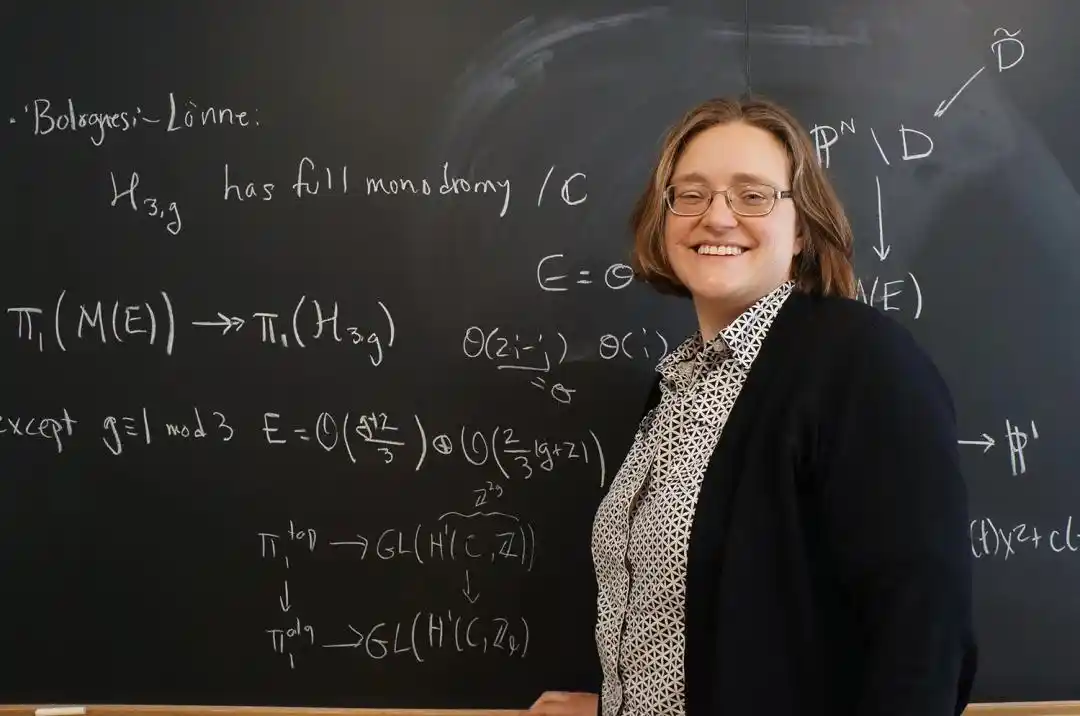
She found that top AI models share a common flaw in explanation: they elaborate extensively on simple parts but gloss over the difficult parts.

She said:

Top AI models are not yet capable of identifying the truly difficult parts of an argument and explaining them clearly.

German mathematician Andreas Thom offered a more precise distinction.
One of the ten new results announced by OpenAI was a new construction related to 'non-sofic groups,' filling a gap between two papers by Thom and his collaborator Gábor Kun in 2016 and 2019.

The two subsequently published a follow-up paper, simplifying and extending the AI's discovery.

Thom said:

The AI is solving problems in a very intelligent, substantial way.

But new concepts only emerged after human involvement in the proof process; that's not something AI has achieved on its own yet.

Faced with this division, summit organizer Bubeck described four possible futures after the meeting:

Mathematics becomes like software engineering, with AI helping hundreds of people collaborate to tackle the same problem;

Becomes like physics, relying on massive computing power and AI models as substitutes for particle accelerators;

Becomes museum curation, with AI responsible for production and humans responsible for selection and interpretation;

Or mathematicians collectively transition to working on AI safety.

Bubeck said:

We must put people, put mathematicians, first.

Mathematics only makes sense when mathematicians learn something from it.

'A civilization without people is meaningless.'

But the 40 attendees did not reach a consensus.

Tsimerman said:

There is no conclusion yet on what the mathematics community wants.

The purpose of this meeting was more to start a conversation than to make a specific decision.

He himself has not officially started at OpenAI.

The fact that a Fields Medal winner chooses to go to an AI company to do safety research is itself a microcosm of the mathematics community's predicament.

As for what he does next, the next signal may be more noteworthy than the presentations at this summit.

References:

https://www.washingtonpost.com/technology/2026/08/19/mathematicians-ask-whats-left-humans-when-ai-can-do-math-research/

This article is from the WeChat public account "New Zhiyuan", author: ASI启示录, editor: Marco

Câu hỏi Liên quan

QWhat is the main concern expressed by mathematicians like Daniel Litt regarding AI in mathematics?

ADaniel Litt expressed the concern that the world might eventually move towards a scenario with no high-quality mathematical research and a complete disappearance of human mathematical expertise.

QAccording to the article, what recent mathematical conjecture was disproven by an unreleased OpenAI model?

AIn May, an unreleased OpenAI model disproved the unit distance conjecture, a longstanding problem about point arrangements on an infinite plane.

QWhat did the 'Leiden Declaration' signed by over 3000 mathematicians call for?

AThe 'Leiden Declaration' called for the responsible use of AI tools in mathematical research, ensuring that results are verified and properly cited.

QWhat common flaw did Harvard mathematician Melanie Matchett Wood identify in top AI models' explanations of proofs?

AMelanie Matchett Wood identified that top AI models tend to explain simple parts of a proof at great length while glossing over the difficult parts, failing to articulate the truly challenging aspects of an argument.

QWhat four possible futures for mathematics did OpenAI researcher Sébastien Bubeck describe?

ASébastien Bubeck described four possible futures: 1) Mathematics becomes like software engineering, with AI helping hundreds collaborate on one problem. 2) It becomes like physics, relying on computational power and AI models. 3) It becomes like museum curation, with AI producing and humans selecting and interpreting. 4) Mathematicians collectively transition to AI safety research.

Nội dung Liên quan

"Cây gậy cứu hộ trái phiếu Mỹ": Besant thất bại tuần trước, tuần này nhìn vào Walsh

"Gánh nặng cứu trợ trái phiếu Mỹ" đã chuyển từ Bộ trưởng Tài chính Beisente sang Chủ tịch Fed Wash. Tuần trước, động thái tăng gấp đôi quy mô mua lại trái phiếu dài hạn của Beisente chỉ có tác dụng ngắn ngủi, không thể kéo giảm lợi suất dài hạn, trong khi vàng và Bitcoin lại tăng mạnh. Thị trường cho rằng đây chỉ là "van xả áp lực". Mọi sự chú ý giờ đổ dồn vào bài phát biểu của Chủ tịch Fed Wash tại hội thảo Jackson Hole vào thứ Sáu tuần này. Giới phân tích nhấn mạnh, chỉ có Fed mới có khả năng neo đỡ kỳ vọng lạm phát. Wash cần tái khẳng định mục tiêu 2% và đưa ra định hướng chính sách rõ ràng để trấn an thị trường. Nếu không, làn sóng bán tháo trái phiếu dài hạn có thể trầm trọng hơn. Bài viết cũng phân tích những hạn chế trong hoạt động mua lại của Bộ Tài chính: quy mô nhỏ so với thị trường khổng lồ, không phải là nới lỏng định lượng (QE) thực sự mà chỉ là sắp xếp lại cơ cấu nợ. Một công cụ tiềm năng được thảo luận là "Chiến dịch Vặn xoắn" của Fed - bán trái phiếu ngắn hạn để mua trái phiếu dài hạn, nhằm gây áp lực giảm lợi suất dài hạn mà không mở rộng bảng cân đối kế toán. Trước thềm bài phát biểu, dữ liệu chỉ số chi tiêu tiêu dùng cá nhân (PCE) tháng 7 vào thứ Tư sẽ là manh mối quan trọng. Áp lực thời gian đang dồn nén khi lợi suất trái phiếu kho bạc kỳ hạn 30 năm tiến gần mốc 5% - được xem là ranh giới then chốt. Nếu không phá vỡ được ngưỡng này, áp lực lên đồng USD và các lĩnh vực đòn bẩy cao có thể gia tăng, trong bối cảnh nhu cầu của nhà đầu tư nước ngoài ngày càng nhạy cảm với giá và trái phiếu doanh nghiệp AI cạnh tranh vốn với trái phiếu chính phủ.

marsbit14 phút trước

"Cây gậy cứu hộ trái phiếu Mỹ": Besant thất bại tuần trước, tuần này nhìn vào Walsh

marsbit14 phút trước

Hành Trình Tuân Thủ Quy Định của Hyperliquid: Từ Mô Hình Không Cần Phép đến Cơ Chế Có Phép HIP-3

Hyperliquid, một nền tảng giao dịch phái sinh phi tập trung, hiện đang chặn truy cập từ thị trường Mỹ do mâu thuẫn giữa cơ sở hạ tầng blockchain không cần cấp phép của nó với các quy định pháp lý về cấu trúc thị trường Mỹ. Để giải quyết vấn đề này, Hyperliquid Policy Center (HPC) đang vận động CFTC và SEC hiện đại hóa khung pháp lý, đề xuất cho phép các tổ chức được cấp phép xây dựng sản phẩm trên HyperCore (lớp giao dịch và thanh toán cốt lõi) trong khi vẫn tuân thủ các nghĩa vụ quy định. Bài viết giải thích kiến trúc mô-đun của Hyperliquid, tách biệt vai trò của sàn giao dịch (DCM), tổ chức thanh toán bù trừ (DCO) và công ty môi giới (FCM) giống như truyền thống, nhưng được tái tạo và thực thi bằng mã trên chuỗi. Các xung đột chính với quy định Mỹ bao gồm yêu cầu về giám sát thị trường, tính toán ký quỹ và ký quỹ tách biệt mà cơ sở hạ tầng phi tập trung, tự giám sát của Hyperliquid không đáp ứng. Hướng tiếp cận của HPC không phải là mở hoàn toàn mà là định vị Hyperliquid như một cơ sở hạ tầng trung lập. Các thực thể được cấp phép (như nhà triển khai HIP-3 có kiểm soát truy cập) có thể sử dụng nó để cung cấp dịch vụ cho người dùng đã qua KYC. Các bản cập nhật trên testnet cho thấy khả năng tạo các thị trường chỉ dành cho người dùng trong danh sách trắng, cho phép thanh khoản liền mạch giữa các sổ lệnh trong khi vẫn duy trì sự tuân thủ. Tóm lại, Hyperliquid đang theo đuổi con đường "onshoring" thông qua một phiên bản có kiểm soát truy cập (HIP-3), cho phép các nhà môi giới và tổ chức Mỹ xây dựng sản phẩm tuân thủ trên HyperCore, trong khi giao thức cốt lõi vẫn giữ nguyên tính chất không cần cấp phép và trung lập.

marsbit38 phút trước

Hành Trình Tuân Thủ Quy Định của Hyperliquid: Từ Mô Hình Không Cần Phép đến Cơ Chế Có Phép HIP-3

marsbit38 phút trước

Trong ba tháng, hai vòng tài trợ, 'Palantir phiên bản Trung Quốc' gây bão

Công ty Trí tuệ Nhân tạo Phân tích Nhân quả Công nghiệp Trung Quốc Zhongshu Ruizhi (Zhongshu Ruizhi) gần đây đã hoàn thành một vòng gọi vốn chiến lược trị giá hài tỷ nhân dân tệ, với sự tham gia của Quỹ Đầu tư Internet Trung Quốc, Quỹ An sinh Xã hội Quốc gia Tô Châu, cùng các nhà đầu tư khác. Đây là vòng gọi vốn lớn thứ hai trong vòng ba tháng, cho thấy sự công nhận mạnh mẽ của thị trường vốn. Công ty, được mệnh danh là "Palantir phiên bản Trung Quốc", được thành lập bởi Tiến sĩ Hán Hàm, một nữ tiến sĩ từ Đại học Thanh Hoa. Công ty tập trung vào lĩnh vực AI công nghiệp có độ tin cậy cao và khả năng ra quyết định mạnh mẽ, với sứ mệnh đưa AI từ thế giới số sang thế giới vật lý. Công nghệ cốt lõi của Zhongshu Ruizhi dựa trên ba nền tảng sáng tạo: Lý thuyết nhận thức nguyên nhân-kết quả (meta-causal), mô hình nhân quả và động cơ bản thể động (dynamic ontology engine). Các công nghệ này nhằm giải quyết các điểm yếu của mô hình ngôn ngữ lớm (LLM) như "ảo giác AI", khả năng suy luận hạn chế và thiếu logic thời gian, cung cấp khả năng ra quyết định thông minh đáng tin cậy, có thể giải thích và thực thi được trong các ngành công nghiệp then chốt như năng lượng và sản xuất. Về mặt thương mại, Zhongshu Ruizhi đã phục vụ hơn 50 khách hàng là doanh nghiệp nhà nước trung ương và tập đoàn công nghiệp trong các lĩnh vực như điện lực, dầu khí và hàng không vũ trụ, triển khai hơn 800 kịch bản sản xuất phức tạp. Công ty đã đạt được tăng trưởng doanh thu gấp đôi vào năm 2025, thể hiện khả năng tạo ra dòng tiền mạnh mẽ. Số tiền gọi vốn lần này sẽ được sử dụng để tiếp tục đổi mới lý thuyết nền tảng, mở rộng thị trường và thu hút nhân tài cao cấp. Các nhà đầu tư như Quỹ Đầu tư Internet Trung Quốc tin rằng trí tuệ nhân quả cấp ngành là một phần quan trọng trong việc xây dựng nền tảng số hóa cho sự hiện đại hóa của Trung Quốc và thúc đẩy lực lượng sản xuất mới.

marsbit49 phút trước

Trong ba tháng, hai vòng tài trợ, 'Palantir phiên bản Trung Quốc' gây bão

marsbit49 phút trước

Đề tài chính trị kinh tế lớn nhất thời đại AI: Robot ngày càng giỏi, con người chia sẻ giá trị như thế nào?

Gần đây, The Economist đã đăng một bài viết gây tranh cãi, cho rằng những đột phá của Trung Quốc trong lĩnh vực robot, AI, năng lượng mới và sản xuất cao cấp chưa giải quyết được vấn đề thiếu hụt nhu cầu trong tăng trưởng kinh tế. Tuy nhiên, bên dưới nhận xét này là một vấn đề toàn cầu sâu sắc hơn: Khi máy móc ngày càng thông minh, làm thế nào để con người chia sẻ được giá trị do chúng tạo ra? Trong hơn 200 năm, tăng trưởng năng suất luôn dẫn đến tăng việc làm và thu nhập. Nhưng AI, với khả năng thay thế lao động nhận thức, đang thay đổi logic cơ bản này. Nếu AGI xuất hiện, nền kinh tế có thể tiếp tục phát triển với ít người tham gia trực tiếp hơn, đặt ra thách thức lớn về phân phối của cải. Vấn đề then chốt không phải là thất nghiệp mà là làm sao để sức mua của người tiêu dùng theo kịp năng lực sản xuất ngày càng tăng của máy móc. Thực tế tại Trung Quốc và toàn cầu cho thấy sự đứt gãy trong chuỗi "đổi mới công nghệ - lợi nhuận doanh nghiệp - thu nhập người dân - tăng trưởng tiêu dùng". Các gã khổng lồ công nghệ tạo ra khối tài sản khổng lồ, nhưng tỷ trọng thu nhập từ lao động trong GDP lại giảm, của cải tập trung vào số ít. AI làm chiếc bánh kinh tế to hơn, nhưng số người chia bánh lại ít đi. Tương lai có thể có ba con đường: con đường tư bản truyền thống (lợi nhuận thuộc về cổ đông), con đường tư bản nhà nước (nhà nước tham gia đầu tư), và con đường sáng tạo hơn như quỹ chủ quyền số, cơ chế sở hữu cổ phần toàn dân hoặc hệ thống thu nhập cơ bản mới để chia sẻ trực tiếp lợi ích từ nền kinh tế thông minh. Đối với Trung Quốc, đây là một cơ hội chiến lược. Ưu thế không chỉ nằm ở thị trường, chuỗi cung ứng và công nghệ, mà còn ở khả năng phối hợp chính sách để chuyển hóa của cải do robot tạo ra thành thu nhập, sức mua và an sinh xã hội. Trọng tâm chính sách cần song hành hỗ trợ phát triển công nghệ với cải cách phân phối thu nhập và thử nghiệm cơ chế chia sẻ lợi ích AI. Cuộc cạnh tranh trong hai thập kỷ tới không chỉ là về AI mạnh nhất hay nhiều robot nhất, mà quan trọng hơn là về việc xây dựng được hệ thống phân phối mới phù hợp với thời đại kinh tế thông minh. Câu hỏi lớn nhất của thời đại AI là: Khi máy móc làm việc, con người kiếm thu nhập từ đâu? Khi AI tạo ra giá trị, làm sao con người sở hữu được giá trị đó? Làm thế nào để thành quả tăng trưởng chuyển thành phúc lợi xã hội rộng rãi hơn?

marsbit59 phút trước

Đề tài chính trị kinh tế lớn nhất thời đại AI: Robot ngày càng giỏi, con người chia sẻ giá trị như thế nào?

marsbit59 phút trước

Liên tục có lãi trong 7 quý, chiến lược carry trade tại các thị trường mới nổi vượt trội hơn tất cả

Lợi nhuận từ carry trade (kinh doanh chênh lệch lãi suất) tại các thị trường mới nổi, sử dụng USD làm tiền tệ tài trợ, đã ghi nhận quý có lãi thứ 7 liên tiếp – chuỗi thắng dài nhất kể từ năm 2008. Theo chỉ số của Bloomberg, chiến lược này đã mang về lợi nhuận tích lũy khoảng 22% từ cuối năm 2024, vượt xa trái phiếu kho bạc Mỹ. Động lực đến từ chênh lệch lãi suất lớn và sự hỗ trợ của tỷ giá hối đoái, khi USD suy yếu so với nhiều đồng tiền mới nổi. Ví dụ điển hình là Colombia với lợi nhuận kết hợp lên tới 48%. Dù đối mặt với thử thách từ đợt can thiệp lịch sử vào đồng Yên hồi tháng 8, thị trường đã nhanh chóng thích ứng bằng cách chuyển sang dùng Euro, Franc Thụy Sĩ làm tiền tệ tài trợ thay thế, giúp giảm thiểu rủi ro thanh khoản ồ ạt. Rủi ro chính phía trước là thời điểm Cục Dự trữ Liên bang Mỹ (Fed) bắt đầu cắt giảm lãi suất. Tuy nhiên, nhiều nhà phân tích cho rằng dữ liệu Mỹ hiện chưa đủ yếu để đảo ngược kỳ vọng này. Mối lo ngại khác là độ tập trung dòng tiền quá cao vào giao dịch carry trade, có thể dẫn đến biến động mạnh nếu đảo chiều. Dù vậy, lãi suất cao tại nhiều nền kinh tế mới nổi, được duy trì bởi áp lực lạm phát và giá năng lượng, vẫn tiếp tục hỗ trợ chiến lược này. Các nhà quản lý quỹ tiếp tục tìm kiếm cơ hội ở các thị trường như Nam Phi, Mexico, Brazil, Colombia và Thổ Nhĩ Kỳ.

marsbit1 giờ trước

Liên tục có lãi trong 7 quý, chiến lược carry trade tại các thị trường mới nổi vượt trội hơn tất cả

marsbit1 giờ trước

Giao dịch

Giao ngay
活动图片