Silicon Valley Startup Guru Steve Blank: In the AI Era, Companies Over Two Years Old Should Start Over

marsbitXuất bản vào 2026-04-16Cập nhật gần nhất vào 2026-04-16

Tóm tắt

Silicon Valley entrepreneur Steve Blank argues that startups founded over two years ago are likely operating with outdated business plans due to rapid AI-driven changes. He emphasizes that AI is reshaping development speed, team structures, pricing models, and competitive moats. Startups must reassess their strategies, as AI tools enable faster MVP development, shift bottlenecks from engineering to judgment and distribution, and transform software from user interfaces to outcome-driven agents. Hardware startups are also affected, with AI accelerating design testing and integration. Blank warns against sunk cost mentalities and urges founders to pivot using current tools and market realities to survive. Key shifts include moving from product-market fit to AI agent-customer outcome fit and embracing parallel development over traditional agile methods.

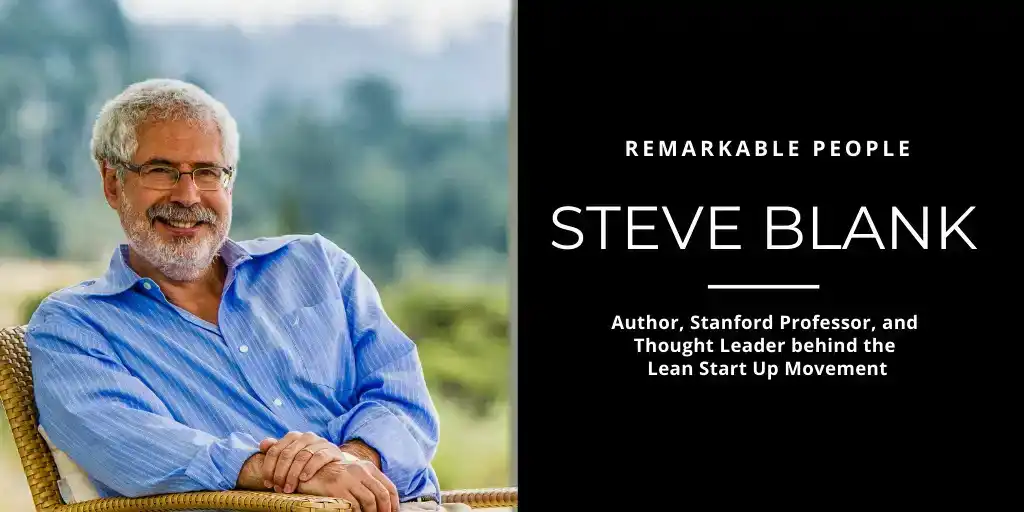
Deep Tide Guide: The author of this article, Steve Blank, is very famous in the Silicon Valley startup circle and is known as the "Father of Lean Startups." He wrote The Four Steps to the Epiphany and is the proposer of the Customer Development methodology.

Eric Ries's The Lean Startup was developed based on his theory. He has taught entrepreneurship courses at Stanford, Berkeley, and Columbia University, and the U.S. National Science Foundation's I-Corps program is also built on his methodology.

Steve Blank recently had coffee with a founder he had invested in and found that the founder had been working hard for six years without realizing that the outside world had changed.

He wrote this article, and the core point is straightforward:

If your company was founded more than two years ago, your business plan is likely outdated. AI is reshaping development speed, team size, pricing models, and competitive moats. Founders still running with a 2024 playbook are unlikely to make it to the next round of funding.

For readers who are currently starting businesses or are interested in the tech and venture capital scene, firsthand observations from across the ocean are worth reading.
Below is the full translation.

If your company was founded more than two years ago, many of the original assumptions likely no longer hold.

You need to stop what you're doing—whether it's coding, building products, hiring, or fundraising—and first look around to see what's happening. Otherwise, the company will die.

A Cup of Coffee-Induced Anxiety

I just had coffee with Chris. Chris is a founder I invested in six years ago, and he has been working hard ever since, focusing on:

1) A complex autonomous systems problem,

2) In an existing market,

3) With a unique business model.

Chris is now preparing to launch his first large-scale funding round. I reviewed his investor deck and found a problem: While he was heads-down working, the outside world has undergone earth-shaking changes.

The autonomous systems software moat he spent five years building is becoming less and less unique. Autonomous drones and ground vehicles in Ukraine have spawned dozens, if not hundreds, of companies with larger teams and more funding working on the same things.

While Chris has been pushing for customer adoption in his niche market (which indeed needs disruption but is still controlled by incumbents), demand for autonomous technology has exploded in an adjacent market: defense.

Over the past five years, VC investment in defense startups has surged from zero to $20 billion annually. His product is suited for logistics and medical evacuation in contested environments. But he was completely unaware of these opportunities in the defense market.

Chris's team did achieve impressive system integration (deep integration with an existing flight platform, making his solution different from most competitors), so there is still a business, but it's no longer the business originally envisioned.

After talking with Chris, I realized: Most startups founded more than two years ago have outdated business plans, and their tech stacks and team configurations are likely obsolete.

If you haven't been looking up recently, here's what you've missed.

What Has Changed

VC money is heavily tilting toward AI. In 2025, AI projects took two-thirds of total VC investment. This means if what you're doing isn't AI-related, you're competing for a smaller pool of capital. Non-AI startups must answer a question: Why can't a better-funded, AI-native competitor simply eat your market?

For software founders, AI has completely rewritten the old formulas for cost, speed, and manpower. Using tools like Claude Code or OpenAI Codex for "Vibe Coding," an MVP (Minimum Viable Product) can be built in days or even hours, not months. This also means the MVP itself no longer proves your team's capability.
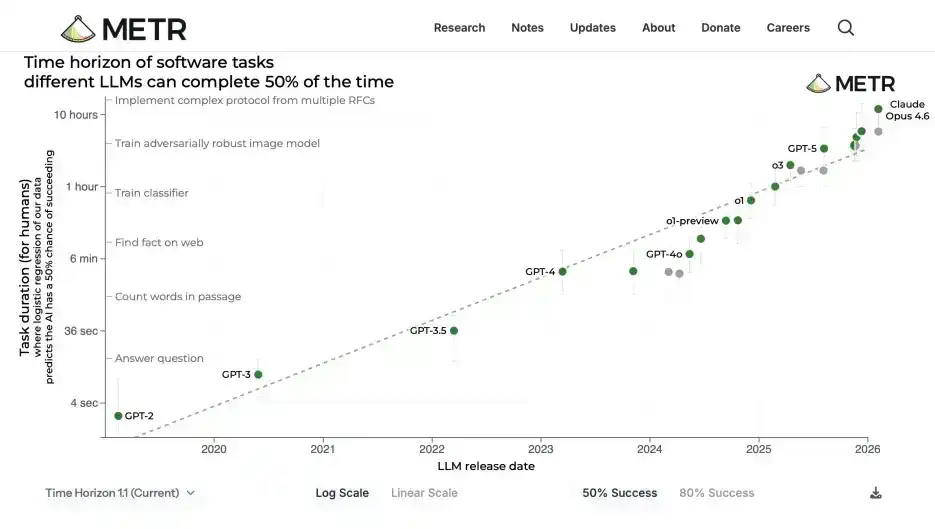
These tools are changing the composition of development teams: Fewer engineers, and the types of engineers are changing, with a split between "business process engineers" and "deep tech engineers."

Work that used to require a development team can now be done by a few people, sometimes just one. Data, once a source of differentiation and a moat, is being commoditized by foundation models (ChatGPT, Gemini, Claude) for public data sources.

The very concept of agile development needs rethinking.

The old bottleneck was: Can we afford to build and release this product? The new bottleneck is: Do we know what to test? Can we reach users fast enough to learn? Agile is no longer a serial process. AI Agents can run multiple things in parallel at the same or lower cost.

You can now test multiple versions of the same business simultaneously, or even test different business directions at the same time. You can run five pricing models, ten marketing messages, twenty UX flows concurrently. And the "user interface" might no longer be a screen; the test goal might become: finding the prompt that gets the AI Agent to deliver the desired outcome.
The bottleneck is no longer engineering capability but has shifted upward to judgment, insight into customer desired outcomes, and distribution.

AI Agents Will Rewrite Every Software Category

AI Agents will change every software category, including yours.

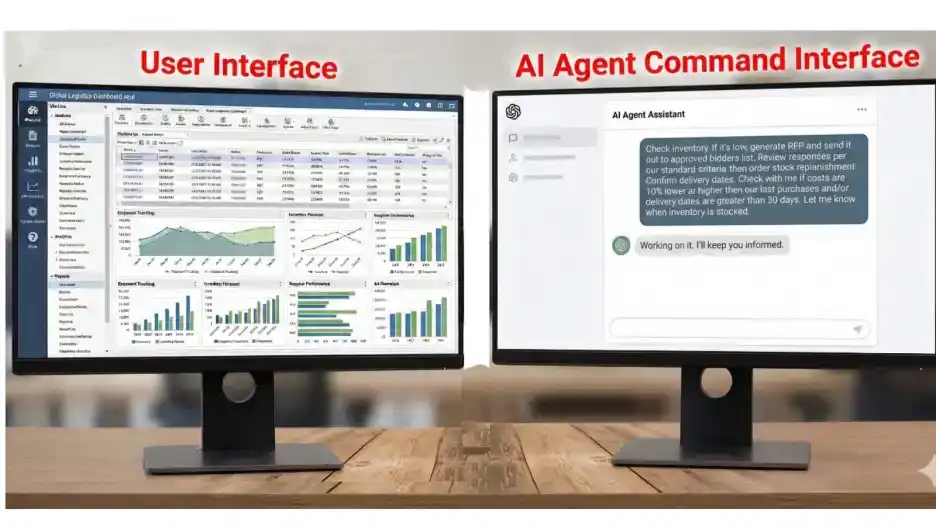
Today's software applications work like this: Show information to the user and wait for the user to act through interfaces like dashboards, alerts, workflow tools, and reports. But customers buy software to get a job done, not to look at more screens. Actually getting the job done is what AI Agents (orchestrated by tools like OpenClaw) will achieve autonomously.

What does this mean?

If your product currently tells the user "what to do next," an AI Agent will eventually do that step for the user. If a competitor's product automatically completes the task while yours is still waiting for a mouse click, you are no longer competitive.

The next generation of applications won't just display information on screens; they will act like an employee: resolving tickets, booking meetings, qualifying leads, auto-replenishing stock. As products shift from "software as interface" to "software as outcome," pricing will shift from per-seat fees to pay-for-outcome fees: per ticket resolved, per meeting booked, per lead closed.

(The search for Product/Market Fit will become the search for AI Agent/Customer Outcome Fit. The Minimum Viable Product (MVP) will become the Minimum Possible Outcome (MPO). I'll expand on this in a future article.)

Hardware Isn't Spared Either

For hardware founders, the changes are equally dramatic. Hardware is still bound by the laws of physics, capital, supply chains, and manufacturing cycles. You can't skip machining metal, building prototypes, or chip tape-outs.

But AI lets you kill bad ideas faster. You can now simulate more design variants, create digital twins, and stress-test assumptions earlier and cheaper before building physical prototypes. The result is accelerated learning and discovery (and sometimes faster failure), and in a startup, failing faster is an advantage, not a drawback.

Once AI is embedded as part of the system, the product itself changes. Add an AI backend to a camera, and it becomes a surveillance system, a vibration sensor, a machine failure prediction system. Robots become factory workers. The moat is no longer just the hardware itself but what the hardware can sense plus what decisions and actions can be made with that data by the AI.

The Sunk Cost Trap

Companies founded before 2025 typically have tech stacks optimized for a world where software development was expensive and customized. Agile development and DevSecOps made us lean, but they operate serially, and team sizes were structured accordingly.

Companies that spent years building "proprietary code and feature moats" are discovering that AI is commoditizing much of their tech stack. This puts fundraising startups in an awkward position: their business model may be partially or wholly obsolete.

These changes aren't necessarily visible when you're heads-down building product and searching for Product/Market Fit.

Tech stack, product features, user interface, headcount—these sunk costs become reasons not to pivot: How can we throw away years of work? Our VCs invested based on this direction. Customers still want the UI. The team believes in this roadmap. Our customers aren't ready yet.

(Chris is a classic example. He built something truly impressive that likely still has competitiveness, but the business model around it needs to change.)

Some sunk costs are actually assets: deep domain knowledge, customer relationships, proprietary data, hard-won regulatory approvals, physical integrations. These are worth keeping. Chris's flight platform integration falls into this category.

The sunk costs that are truly liabilities are: large engineering teams built for slow software cycles, per-seat pricing models, product roadmaps built around features rather than outcomes. These are the "Dead Moose on the table"—the obvious problem no one wants to address.

The founders who survive are those who can look at what they've built and ask: If I were starting over today, in today's market, with today's tools, what would I actually build?

This is an uncomfortable question when you've already raised funding for a specific direction. But it's nothing compared to the discomfort of having your investors tell you they're not funding the next round and you shutting down with an obsolete plan.

Summary

· You can't run a 2026 race with a 2024 (or earlier) playbook. Funding, technology, and business models have all changed. Agile development is becoming parallel development.

· The search for Product/Market Fit will become the search for AI Agent/Customer Outcome Fit. MVP will become MPO (Minimum Possible Outcome).

· A sunk cost mindset will put you out of business.

· Defensible moats may still exist in: proprietary data, deep understanding of customer outcomes, regulatory lock-in, or becoming a Program of Record.

· If you're still sleeping soundly, you haven't figured out what's happening.

· The founders who survive will get out of the building, see the landscape, pivot, and correct course.


Tiền kỹ thuật số thịnh hành

Câu hỏi Liên quan

QAccording to Steve Blank, why should startups older than two years reconsider their business plans in the AI era?

ABecause the rapid advancements in AI have fundamentally changed development speed, team composition, pricing models, and competitive moats. A business plan from 2024 or earlier is likely obsolete, and continuing with it risks the company failing to secure further funding or remain competitive.

QHow has AI changed the traditional software development process and team structure?

AAI tools like Claude Code and OpenAI Codex enable rapid MVP development in days or hours instead of months, reducing the need for large engineering teams. This has led to a shift in team composition, with fewer engineers and a new division between 'business process engineers' and 'deep tech engineers'.

QWhat is the fundamental shift in software products that AI Agents are causing, according to the article?

AAI Agents are shifting software from 'Software as an Interface' (showing information and waiting for user input) to 'Software as an Outcome' (autonomously completing tasks like solving tickets or booking meetings). This changes competition and pricing models from per-seat fees to charging for results delivered.

QWhat does Steve Blank identify as the 'sunk cost trap' for older startups?

AThe 'sunk cost trap' is the mindset of being unwilling to pivot because of investments in an outdated technology stack, large engineering teams built for slow cycles, per-seat pricing models, and product roadmaps focused on features rather than outcomes. Clinging to these 'dead moose' assets can lead to failure.

QWhat new concept does Blank propose will replace the search for Product/Market Fit?

AThe search for Product/Market Fit will be replaced by the search for 'AI Agent/Customer Outcome Fit,' where the focus shifts from building a minimum viable product (MVP) to delivering a minimum possible outcome (MPO) that the AI Agent can achieve for the customer.

Nội dung Liên quan

Đối thoại với Ray Dalio: Chúng ta đang ở trong bong bóng AI, 1% danh mục đầu tư của tôi là Bitcoin

Ray Dalio, người sáng lập Bridgewater Associates, trong một cuộc phỏng vấn đã chỉ ra rằng thế giới hiện tại đang trong một "AI bubble" (bong bóng AI) cổ điển, với giá tài sản tăng vọt và đầu cơ quá mức. Ông cảnh báo bong bóng có thể vỡ do lãi suất tăng, nguồn cung cổ phiếu dư thừa hoặc khi nhà đầu tư cần tiền mặt trả nợ, dẫn đến suy thoái kinh tế. Đồng thời, Dalio mô tả một "chu kỳ lớn" kéo dài khoảng 80 năm, bao gồm ba động lực chồng chéo: khoảng cách giàu nghèo và xung đột nội bộ, thâm hụt ngân sách chính phủ khổng lồ và thay đổi địa chính trị. Ông nhấn mạnh rằng Mỹ và Anh đang đối mặt với những thách thức trong giai đoạn suy yếu này. Để bảo vệ của cải, Dalio khuyến nghị đa dạng hóa danh mục đầu tư với cổ phiếu, vàng, trái phiếu, bất động sản thay vì chỉ giữ tiền mặt. Ông tiết lộ khoảng 1% danh mục của mình là Bitcoin, nhưng vẫn ưa chuộng vàng vật chất hơn do tính ổn định và vai trò tiền tệ dự trữ. Về tác động của AI, Dalio cho rằng nó không chỉ thay thế lao động chân tay mà còn cả tư duy, làm trầm trọng thêm bất bình đẳng thu nhập. Con người cần phát huy trí tuệ cảm xúc và trực giác - những thứ AI chưa có - và học cách hợp tác với AI. Cuối cùng, ông phân tích những rủi ro của thuế tài sản và xu hướng thế giới có thể trở nên "khu vực hóa" hơn, với các khối như châu Mỹ và châu Á - Thái Bình Dương, trong bối cảnh sự thống trị toàn cầu của Mỹ đang suy yếu.

marsbit1 giờ trước

Đối thoại với Ray Dalio: Chúng ta đang ở trong bong bóng AI, 1% danh mục đầu tư của tôi là Bitcoin

marsbit1 giờ trước

Hơn 7.2 nghìn tỷ won trong một ngày, ngoại hải nước ngoài mua ròng kỷ lục vào thứ Sáu! Phố Wall: Cơn gió ngược về mặt vốn của thị trường chứng khoán Hàn Quốc đã tan biến

Dòng vốn nước ngoài đổ mạnh vào thị trường chứng khoán Hàn Quốc (KOSPI) với mức mua ròng kỷ lục 7,2 nghìn tỷ won chỉ trong ngày 31/7, đánh dấu sự đảo chiều rõ rệt sau nhiều tháng bán ròng mạnh. Theo báo cáo từ Citigroup, áp lực bán từ dòng vốn nước ngoài đã giảm đáng kể, với mức bán ròng tháng 7 thu hẹp còn 9,8 nghìn tỷ won so với mức 48,4 và 44,5 nghìn tỷ won trong tháng 6 và tháng 5. Đồng thời, các quỹ hưu trí và quỹ đầu tư trong nước cũng chuyển sang vị thế mua ròng 1,0 nghìn tỷ won trong tháng 7. Một yếu tố hỗ trợ khác là quy định mới từ Ủy ban Dịch vụ Tài chính Hàn Quốc (FSC), có hiệu lực từ 31/7, siết chặt điều kiện đầu tư vào các ETF có đòn bẩy đối với nhà đầu tư cá nhân. Quy định này đã ngay lập tức làm giảm khoảng 50% khối lượng giao dịch của các ETF này, góp phần kỳ vọng giảm bớt biến động cho thị trường. Citigroup duy trì mục tiêu chỉ số KOSPI ở mức 10.000 điểm, dựa trên các yếu tố thuận lợi như ngành chip bán dẫn ổn định, định giá thị trường thấp, nền tảng kinh tế vững mạnh và các chính sách hỗ trợ. Họ nhận định áp lực dòng vốn ngược chiều đang giảm dần, tạo điều kiện cho các yếu tố cơ bản và chính sách tích cực phát huy tác dụng.

marsbit1 giờ trước

Hơn 7.2 nghìn tỷ won trong một ngày, ngoại hải nước ngoài mua ròng kỷ lục vào thứ Sáu! Phố Wall: Cơn gió ngược về mặt vốn của thị trường chứng khoán Hàn Quốc đã tan biến

marsbit1 giờ trước

Làm thế nào để khiến bản thân trở nên không thể bị thay thế bởi trí tuệ nhân tạo

**Tóm tắt: Làm thế nào để trở nên không thể bị thay thế bởi AI** Bài viết phản đối việc than vãn về AI và thay vào đó đề xuất một giải pháp căn cơ: trở thành một "siêu cá nhân" không thể bị thuê mướn. Mối đe dọa thực sự không phải là AI, mà là tình trạng "nô lệ lương thưởng" – phụ thuộc hoàn toàn vào người khác để sinh tồn, làm công việc nhàm chán mà không có mục đích. Để thoát khỏi vòng luẩn quẩn này và phát triển mạnh trong kỷ nguyên AI, bạn cần trau dồi 5 yếu tố then chốt: 1. **Tính tự chủ:** Khả năng hành động mà không cần chờ chỉ thị. 2. **Khiếu thẩm mỹ:** Khả năng nhận biết điều gì thực sự có giá trị. 3. **Khả năng thuyết phục:** Thu hút sự chú ý và sự công nhận. 4. **Sự kiên trì:** Không sợ thất bại, xem đó là bài học. 5. **Khả năng lặp:** Điều chỉnh dựa trên phản hồi để tiến tới mục tiêu. Giải pháp là đầu tư vào sự nghiệp của chính mình. Trong khi AI giỏi tạo ra "tài sản" (nội dung, code), nó không thể thay thế được khả năng phân biệt thứ gì đáng để tạo ra, làm cho mọi người quan tâm và kiên trì theo đuổi. Trong hai kỹ năng đòn bẩy mạnh mẽ là **Code (Lập trình)** và **Media (Nội dung)**, bài viết nhấn mạnh **Nội dung** quan trọng hơn. Giá trị của nội dung là chủ quan và đòi hỏi sự am hiểu, trải nghiệm mà AI khó có được, tạo không gian cho các cá nhân sáng tạo thực sự. **Cách bắt đầu (Bài tập 15 phút):** 1. **Khai thác nguyên liệu thô của bạn:** Xác định chủ đề bạn am hiểu sâu, vấn đề bạn tự giải quyết được, hay sở thích đặc biệt từ nhỏ. 2. **Xác định "trục phản biện" của bạn:** Tìm ra quan điểm độc đáo của bạn – những điều bạn tin là đúng nhưng số đông lại sai trong lĩnh vực của mình. 3. **Xuất bản ý tưởng đầu tiên:** Kết hợp câu trả lời từ bước 1 và 2, tạo ra một nội dung (bài đăng, video) và đăng nó lên. Hành động này mang lại phản hồi thực tế, bắt đầu quá trình học hỏi, lặp lại và phát triển kỹ năng thuyết phục. Bằng cách xây dựng một sự nghiệp xoay quanh con người thật, trải nghiệm thật và góc nhìn độc đáo của mình thông qua nội dung, bạn có thể tạo ra giá trị mà AI không thể sao chép, từ đó trở nên không thể thay thế.

marsbit3 giờ trước

Làm thế nào để khiến bản thân trở nên không thể bị thay thế bởi trí tuệ nhân tạo

marsbit3 giờ trước

Nhờ việc tung xúc xắc, chìa khóa Bitcoin được lưu trữ offline, nhưng không phải ai cũng muốn làm điều này

Cảm biến từ cuộc tranh cãi gần đây xung quanh lỗ hổng trong ví phần cứng Coldcard, bài viết thảo luận về phương pháp tạo seed (cụm từ khôi phục) cho ví Bitcoin bằng cách xúc xắc vật lý. Mỗi lần xúc xắc công bằng cung cấp khoảng 2,6 bit entropy (thước đo tính ngẫu nhiên). Để đạt mức entropy an toàn cho một seed 12 từ (128 bit), cần khoảng 50 lần xúc xắc; Coldcard khuyến nghị 99 lần để đạt mức bảo mật cao hơn. Lợi thế chính của phương pháp này là tách biệt hoàn toàn với bất kỳ lỗi phần cứng hoặc phần mềm nào trong trình tạo số ngẫu nhiên của thiết bị, từ đó bảo vệ seed chính của ví. Tuy nhiên, bài viết cảnh báo rằng trong sự cố Coldcard, các chức năng phụ khác của thiết bị (như tạo ví giấy, khóa đa chữ ký, mật mã phiên USB) vẫn có thể bị ảnh hưởng nếu chúng dựa vào trình tạo số lỗi, ngay cả khi seed chính được tạo an toàn bằng xúc xắc. Nhược điểm lớn của việc dùng xúc xắc là quá trình thủ công, dễ xảy ra sai sót, tốn thời gian và không thực tế cho đa số người dùng mới. Người dùng có thể ghi chép sai, sử dụng xúc xắc gian lận, hoặc để lộ chuỗi kết quả. Do đó, mặc dù có nền tảng toán học vững chắc, phương pháp này đòi hỏi sự tỉ mỉ cao và không phải là giải pháp khả thi cho việc áp dụng Bitcoin rộng rãi. Bài viết kết luận rằng mục tiêu dài hạn vẫn là phát triển phần cứng/phần mềm tạo số ngẫu nhiên mạnh mẽ và đáng tin cậy, trong khi vẫn giữ phương pháp thủ công như một tùy chọn cho người dùng có kinh nghiệm. Cuối cùng, bài viết đưa ra khuyến nghị cho chủ sở hữu Coldcard: cập nhật firmware, kiểm tra các chức năng phụ đã sử dụng và xem xét các biện pháp bảo mật bổ sung như ví đa chữ ký kết hợp nhiều nhà sản xuất để giảm thiểu rủi ro từ một điểm yếu đơn lẻ.

cryptonews.ru6 giờ trước

Nhờ việc tung xúc xắc, chìa khóa Bitcoin được lưu trữ offline, nhưng không phải ai cũng muốn làm điều này

cryptonews.ru6 giờ trước

Giao dịch

Giao ngay

Bài viết Nổi bật

Làm thế nào để Mua ERA

Chào mừng bạn đến với HTX.com! Chúng tôi đã làm cho mua Caldera (ERA) trở nên đơn giản và thuận tiện. Làm theo hướng dẫn từng bước của chúng tôi để bắt đầu hành trình tiền kỹ thuật số của bạn.Bước 1: Tạo Tài khoản HTX của BạnSử dụng email hoặc số điện thoại của bạn để đăng ký tài khoản miễn phí trên HTX. Trải nghiệm hành trình đăng ký không rắc rối và mở khóa tất cả tính năng. Nhận Tài khoản của tôiBước 2: Truy cập Mua Crypto và Chọn Phương thức Thanh toán của BạnThẻ Tín dụng/Ghi nợ: Sử dụng Visa hoặc Mastercard của bạn để mua Caldera (ERA) ngay lập tức.Số dư: Sử dụng tiền từ số dư tài khoản HTX của bạn để giao dịch liền mạch.Bên thứ ba: Chúng tôi đã thêm những phương thức thanh toán phổ biến như Google Pay và Apple Pay để nâng cao sự tiện lợi.P2P: Giao dịch trực tiếp với người dùng khác trên HTX.Thị trường mua bán phi tập trung (OTC): Chúng tôi cung cấp những dịch vụ được thiết kế riêng và tỷ giá hối đoái cạnh tranh cho nhà giao dịch.Bước 3: Lưu trữ Caldera (ERA) của BạnSau khi mua Caldera (ERA), lưu trữ trong tài khoản HTX của bạn. Ngoài ra, bạn có thể gửi đi nơi khác qua chuyển khoản blockchain hoặc sử dụng để giao dịch những tiền kỹ thuật số khác.Bước 4: Giao dịch Caldera (ERA)Giao dịch Caldera (ERA) dễ dàng trên thị trường giao ngay của HTX. Chỉ cần truy cập vào tài khoản của bạn, chọn cặp giao dịch, thực hiện giao dịch và theo dõi trong thời gian thực. Chúng tôi cung cấp trải nghiệm thân thiện với người dùng cho cả người mới bắt đầu và người giao dịch dày dạn kinh nghiệm.

Tổng lượt xem 1.0kXuất bản vào 2025.07.17Cập nhật vào 2026.06.02

Làm thế nào để Mua ERA

Thảo luận

Chào mừng đến với Cộng đồng HTX. Tại đây, bạn có thể được thông báo về những phát triển nền tảng mới nhất và có quyền truy cập vào thông tin chuyên sâu về thị trường. Ý kiến ​​của người dùng về giá của ERA (ERA) được trình bày dưới đây.

活动图片












