Author | Azuma(@azuma_eth)
On the evening of August 13th, Beijing time, Neutrl, a spot-future arbitrage protocol focusing on altcoins, suddenly announced that due to the protocol's reserves being affected, it has temporarily halted minting, redemption, and other protocol functions.
Neutrl did not elaborate on what exactly caused the "reserves being affected," only emphasizing that this action was taken after consulting with legal counsel to protect user interests and maintain an orderly process while assessing the impact. Neutrl also stated that the team would provide users with instructions on handling procedures in due course, and more information regarding the timeline and next steps will be announced once determined.
As this official announcement came too abruptly and the official team did not disclose any valid clues, community sentiment quickly turned to panic, with various speculations spreading continuously across social media.
Neutrl's Positioning and Unique Risks
Simply put, Neutrl is a spot-future arbitrage protocol built around altcoins. You can think of it as an altcoin version of Ethena.
Specifically, Neutrl purchases locked altcoins at a discount in the private market, then hedges its risk exposure using perpetual contracts to capture the price difference between the two and funding rates.
Subsequently, Neutrl packages these profits into on-chain structured products and opens deposits to users, allowing them to directly participate in its arbitrage strategy. Neutrl's previously launched core products include NLP (Neutrl Liquidity Pool). Users deposit assets, and the protocol allocates funds to corresponding arbitrage strategies, allowing users exposure to strategy profits through minting protocol tokens.
In April last year, Neutrl announced the completion of a $5 million seed funding round, led by digital asset private market STIX and venture capital firm Accomplice, with participation from numerous cryptocurrency angel investors including Amber Group, SCB Limited, Figment Capital, Nascent, Ethena founder Guy Young, and Arbelos Markets (recently acquired by FalconX) derivatives trader Joshua Lim.
Due to its high similarity to Ethena in terms of model, Neutrl also faces underlying trading platform risks, contract liquidity risks, and funding rate volatility risks similar to Ethena. Furthermore, because Neutrl focuses on altcoins with lock-up restrictions and higher volatility, these risks are relatively greater. Additionally, there is the unpredictable risk of counterparty default (i.e., the possibility that the counterparty for the locked altcoins may default).
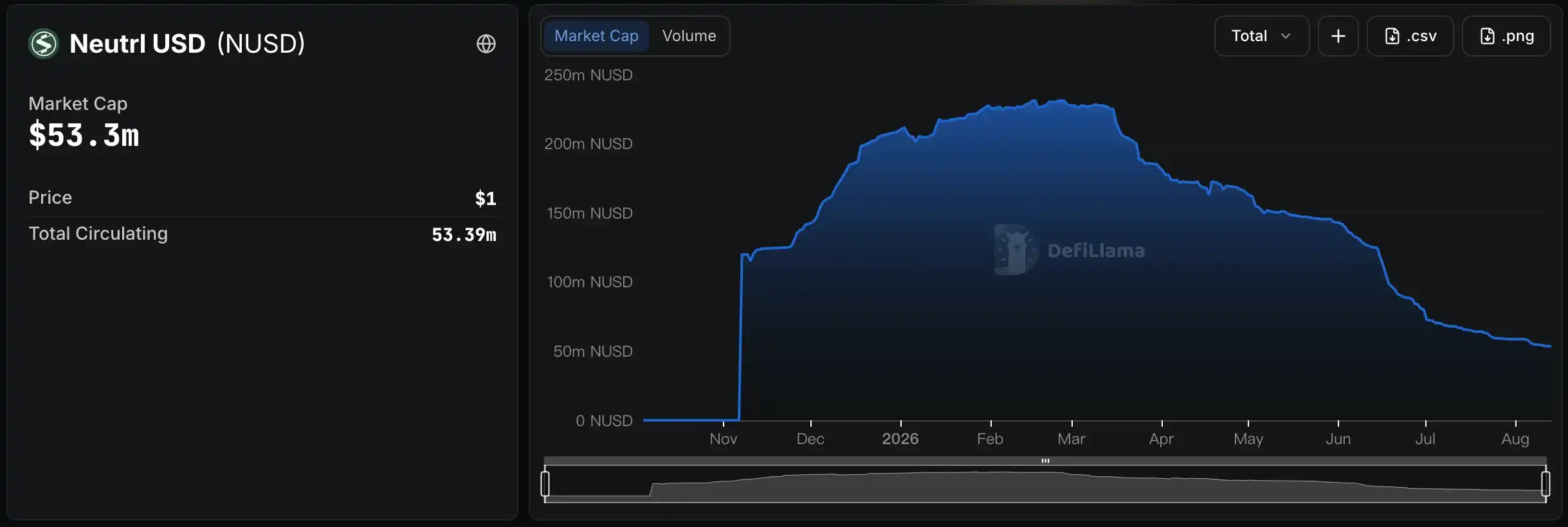
When Neutrl launched last November, due to the relatively high protocol yields and the airdrop expectations from the points program, the protocol once attracted over $200 million in deposits. However, as risk appetite in the DeFi industry continued to contract, Neutrl's TVL has now shrunk to approximately $53.3 million.
Possible Cause Speculation: Counterparty Default?
As of the time of writing, Neutrl has not disclosed the specific cause for the "protocol reserves being affected." However, it can be confirmed that legal counsel has been involved in the incident. Additionally, no clear signs of a protocol attack or funds being transferred by hackers have been observed on-chain. Therefore, the community is currently speculating on potential risk sources based on Neutrl's business model.
The most discussed possibility is the counterparty default mentioned above.
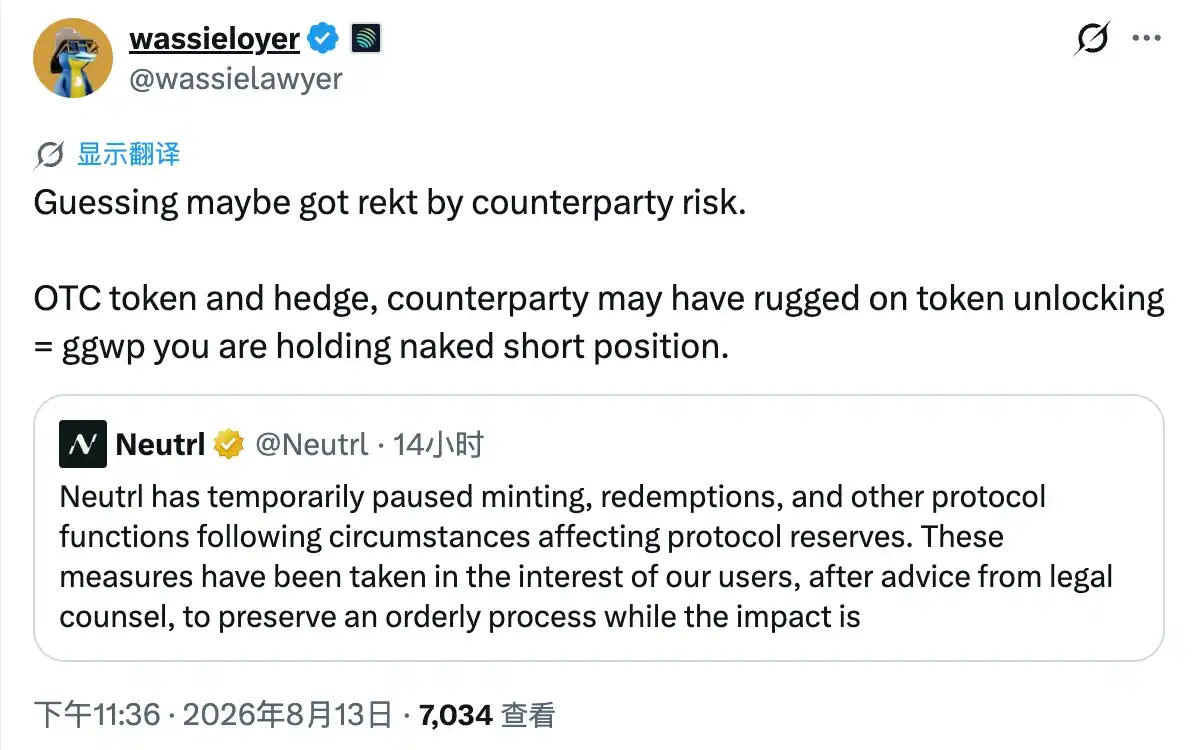
Cryptocurrency legal practitioner wassieloyer(@wassielawyer) also offered a similar speculation on X. Neutrl may have encountered a forced default from an OTC token counterparty. Neutrl typically purchases locked tokens at a discount while hedging with perpetual contracts; if the counterparty responsible for providing or delivering these locked tokens suddenly defaults, Neutrl might end up holding only the hedge position.
However, this speculation also presents a seemingly counterintuitive issue: if Neutrl ended up with only a perpetual short position due to a counterparty default, and given that the altcoin market has been in a downward trend over the past year, this "naked short" should theoretically be profitable, rather than causing losses to the "protocol reserves"......
Community Fears Team Has Pulled a Rug
Compared to "counterparty default," a more aggressive speculation is: "Has the Neutrl team itself already withdrawn liquidity in advance, or is it even preparing to pull a rug?"
This speculation gained traction rapidly due to the on-chain timeline around the incident.
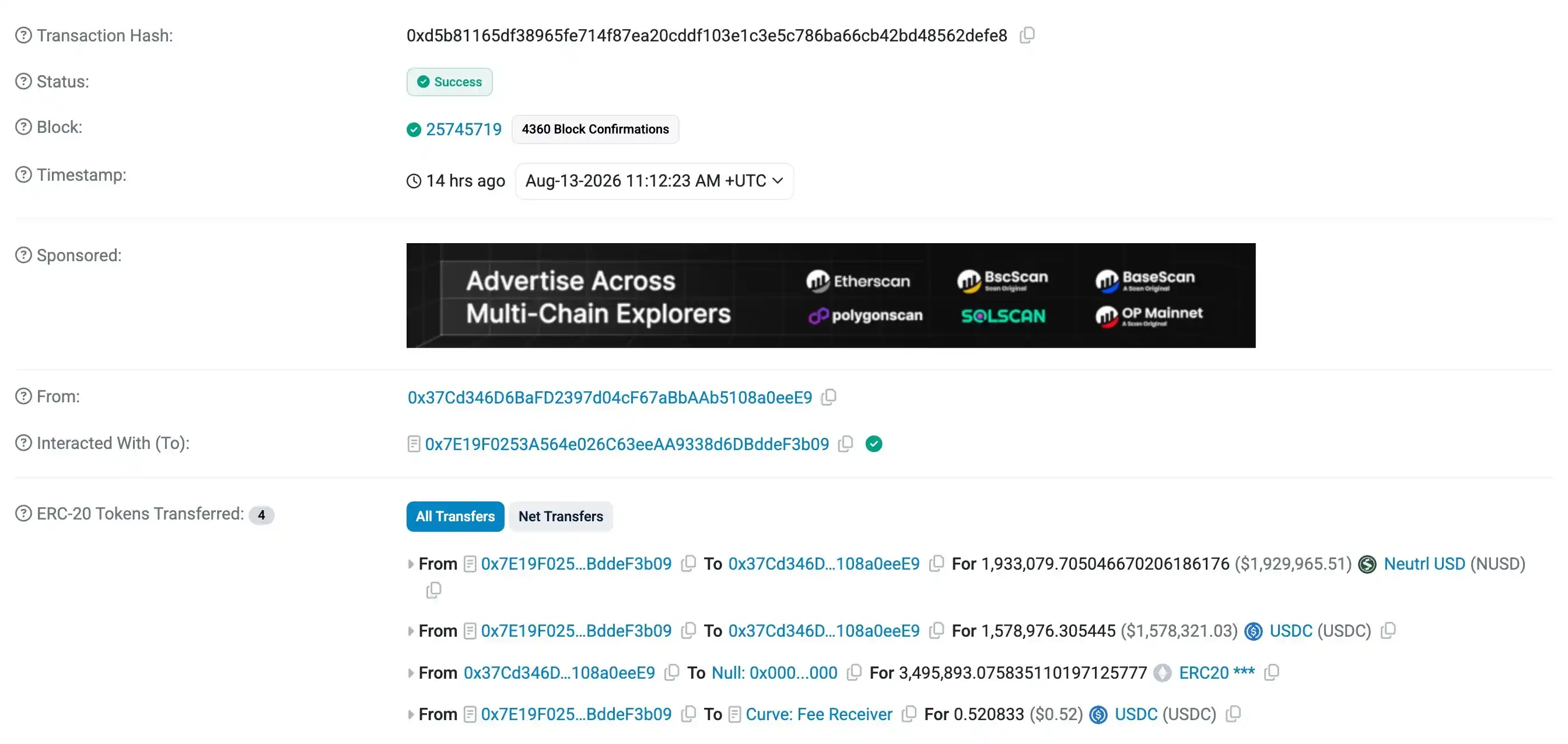
DeFi researcher Petro D. | Research(@PDmytriiev) discovered that at 19:12:23 on August 13th, Beijing time, an address suspected to belong to the Neutrl team withdrew approximately $3.5 million in liquidity from the Curve NUSD-USDC pool. Just 14 minutes later, the Neutrl official account posted an announcement on X, declaring the suspension of minting, redemption, and other protocol functions due to "protocol reserves being affected."
Simultaneously, Neutrl's community operations exhibited some abnormal behavior—the comment section of the official X post was closed, prohibiting replies; chat channels in Discord were deleted. These anomalies further amplified community speculation about a team "rug pull."
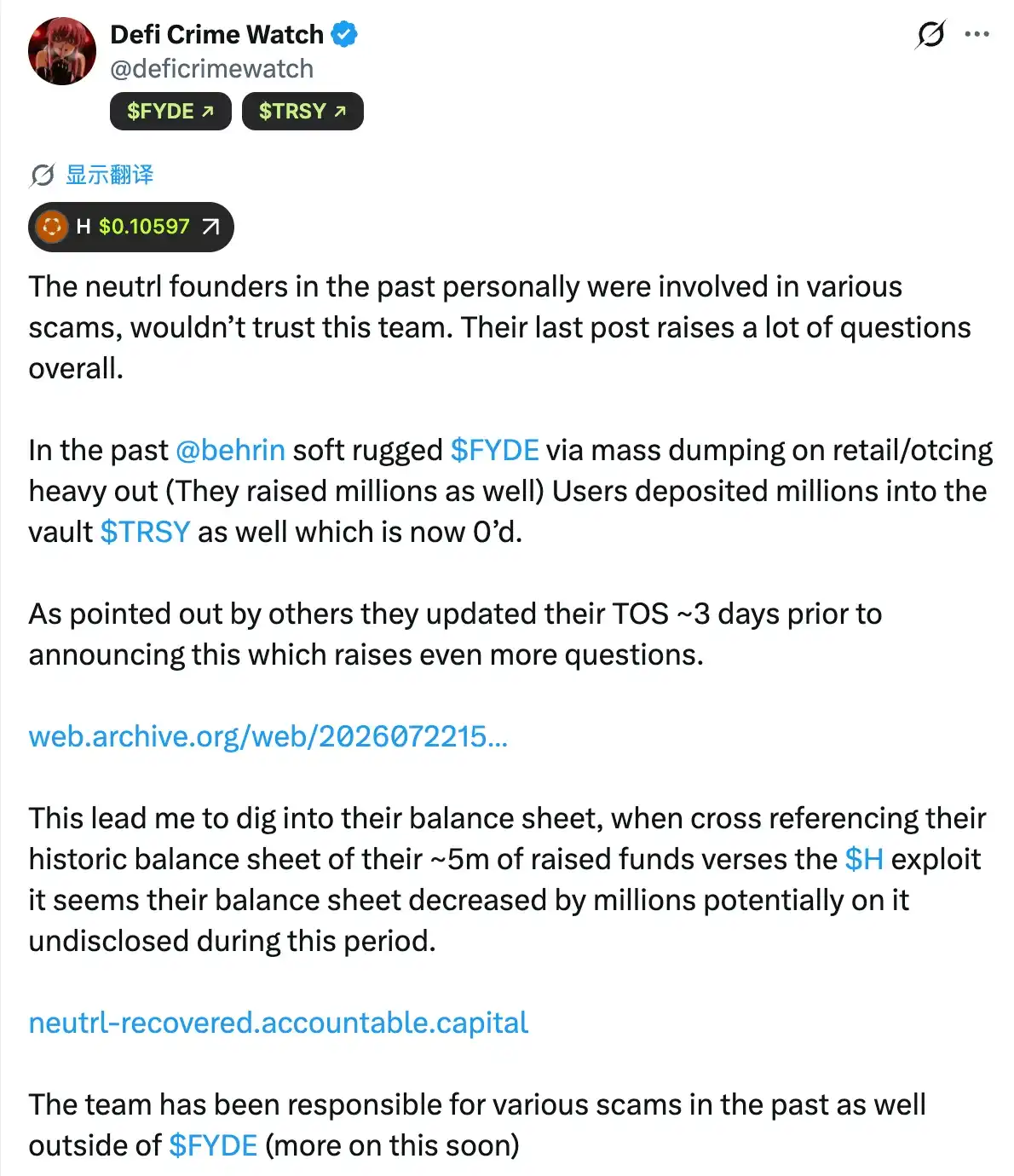
Additionally, some community members dug up the Neutrl team members' previous involvement in other projects and questioned the team's historical credibility based on this. For example, some users accused team members of previously participating in projects like FYDE and TRSY, suggesting that these projects involved selling large quantities of tokens to retail investors and eventually going to zero.
However, these accusations currently stem mainly from community discussions and are insufficient as direct evidence to judge the nature of Neutrl's current incident.
Verification Protocols Are Just for Show
Another issue exposed by this incident is that the on-chain verification tool Accountable, which was supposed to assess Neutrl's asset safety, did not serve as an early warning system.
Neutrl had previously integrated Accountable's "Proof of Solvency" verification service to display the protocol's assets and liabilities, theoretically helping users determine if the protocol had sufficient solvency. However, after this incident, DeFi researcher Ethan DeFi(@EthanDeFi_) found that the solvency verification page provided by Accountable for Neutrl was also no longer functioning properly. This directly raised questions about the practical value of such "proof of reserves" tools.
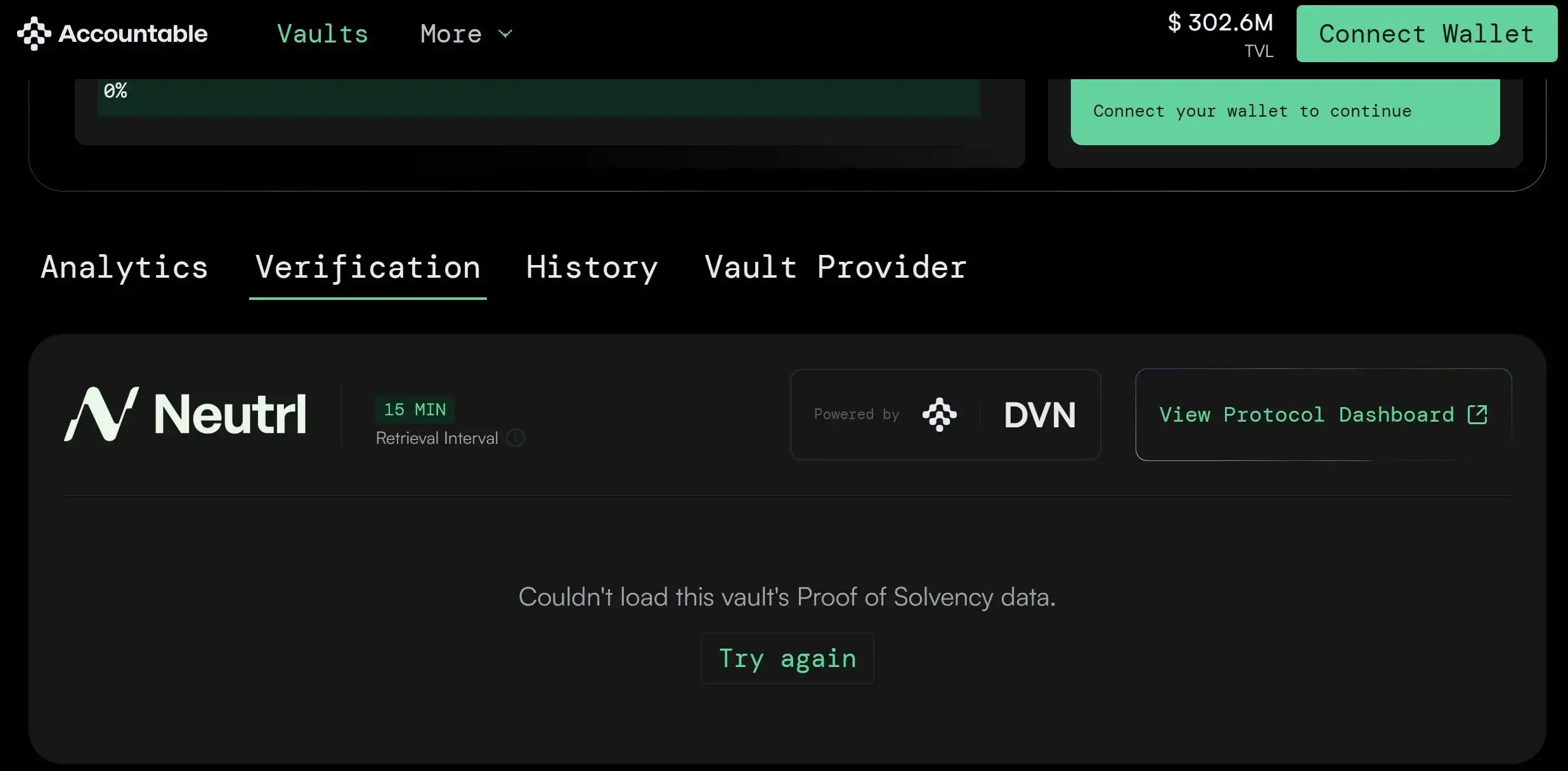
Ethan DeFi added that over the past three months, three protocols—Neutrl, Altura, and Main Street—which were shown as having normal asset status on Accountable's dashboard, later experienced suspended withdrawals.
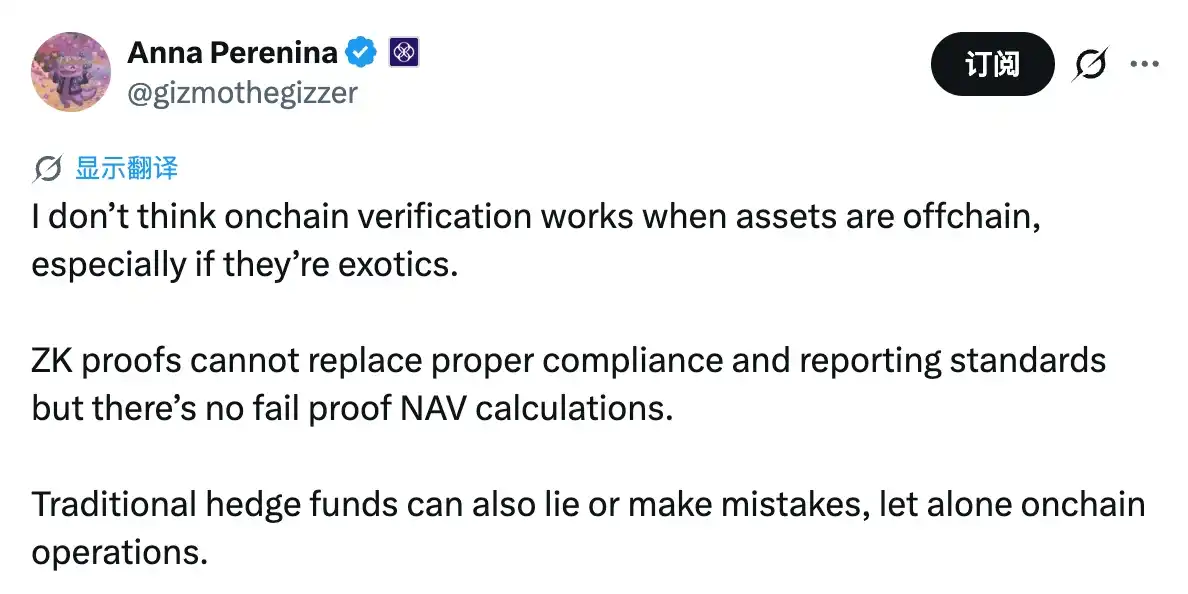
In response to this situation, Perena founder Anna Perenina(@gizmothegizzer) joined the discussion, stating that simply verifying a protocol's NAV (Net Asset Value) is not enough to prove user funds are truly safe. If most of a protocol's assets are off-chain, especially complex OTC assets, locked tokens, or other non-standardized assets, then on-chain verification itself has inherent blind spots.
In other words, Proof of Solvency can only prove "how much money is on the books" but may not prove "where these assets actually are, whether they can be liquidated in time, and whether counterparties will honor their commitments." For yield protocols like Neutrl that rely on OTC trades, locked tokens, and derivative hedges, this latter information might be more critical than a real-time updated NAV figure. When the core assets of a protocol are off-chain, merely proving on-chain balances does not truly address users' primary concern: redemption risk.
The Truth Remains Elusive
As of publication, the Neutrl team has not yet announced the specific reason for the protocol's reserves being affected, nor has it responded to the community's various speculations.
Whether it's counterparty default, fund management issues, or other undisclosed circumstances remains to be explained by the official team. Odaily Planet Daily will continue to monitor the progress of the incident and promptly follow up with reports once Neutrl releases more details.